Analyst Explains Why Hollow Knight: Silksong and Balatro "Shouldn't Exist" From a Classic Business Logic Perspective
Not everyone has adapted and can see the point in creating such video games yet.
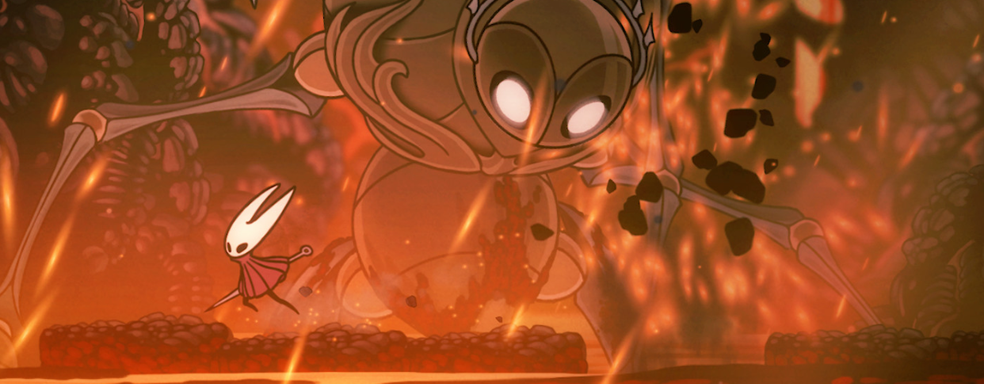
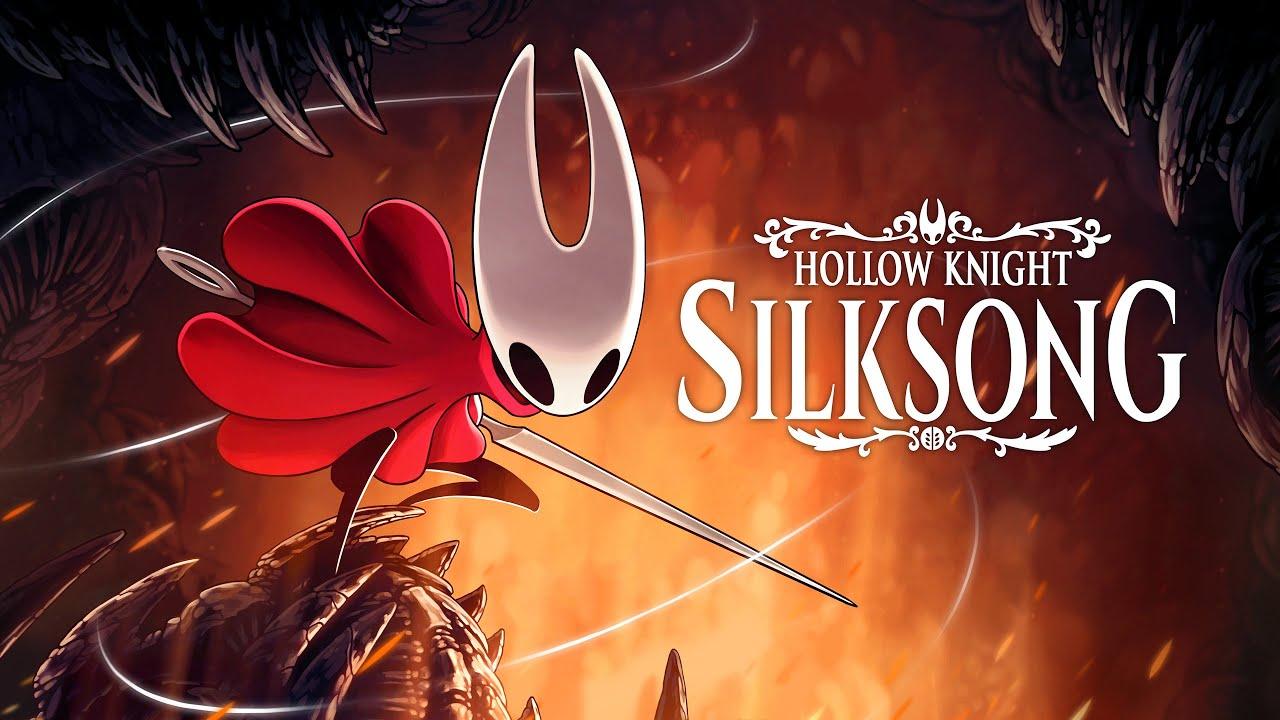
Recently, analyst Joost van Dreunen spoke about what is happening in the gaming industry. He talked about why such high-profile games as Hollow Knight: Silksong and Balatro "shouldn't exist" from the point of view of classical business logic.
In his opinion, the industry is now going through a transitional period, comparable to what happened in the film industry:
Of course, the abundance of content [including free games] has become both an opportunity and a challenge. Here you can draw a parallel with Hollywood in the 1950s, which had all these big-budget productions and movie stars - then it was a spectacle business. And in the 1960s, television popularized a low-budget, "low-grade" entertainment format.
Now there are not only big-budget projects on the market, like Call of Duty and GTA, but also simple free mobile games, like Candy Crush. These games have a different revenue model:
In this sense, it changes the gaming industry and challenges the existing revenue model. Is this bad? Yes, it's hard for companies to adapt. Are there more and more exceptions? Absolutely. For example, the success of Balatro and Silksong - these games shouldn't really exist. From a [classic] financial point of view, they are irrational, but nevertheless very loved, commercially successful and popular.
The analyst noted that most of the large companies that used to rule the industry have now either been absorbed or disappeared altogether:
In "slow motion" we are observing this revolution in how games are created, monetized and consumed. Is this bad for workers? Of course, because there will always be layoffs and some kind of adjustment. But these are also inevitable changes. Now that games have become so large-scale, the basic economy is changing dramatically.
Joost van Dreunen believes that "low-tech is a much more interesting design factor than high technology." He is very pleased that more and more "low-tech games that people play with their friends" are appearing on the market.
Never miss our newsAdd this site to your preferred sources to see us more oftenAdd on Google