26 years ago, a Russian immigrant helped save the studio that later made Transformers and Diablo II: Resurrected games
The story of Vicarious Visions could have ended many years ago.
Recently, Vicarious Visions founder Karthik Bala spoke with Time Extension. He shared memories of working in the early 2000s, when the company could no longer pay salaries after a major contract fell through.
The Bala brothers went to banks and eventually managed to borrow $1 million. They understood that if the team didn't succeed, they would "be in debt for almost the rest of their lives."
They were lucky: after they completed work on Spider-Man for Game Boy Color, Activision was interested in further cooperation.
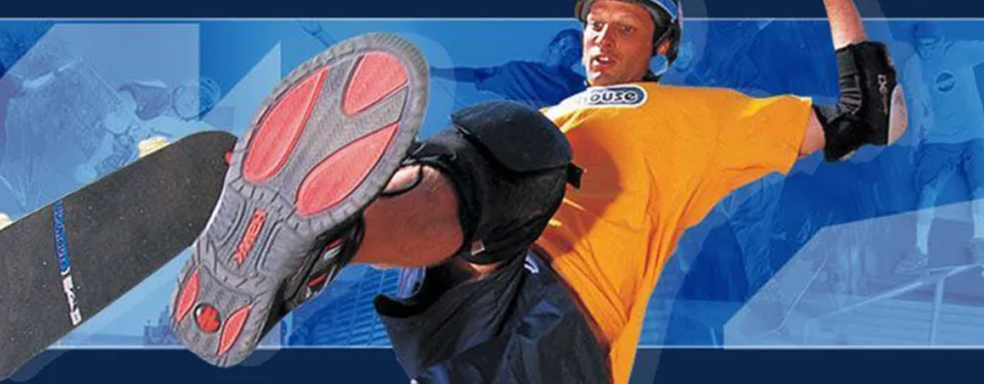
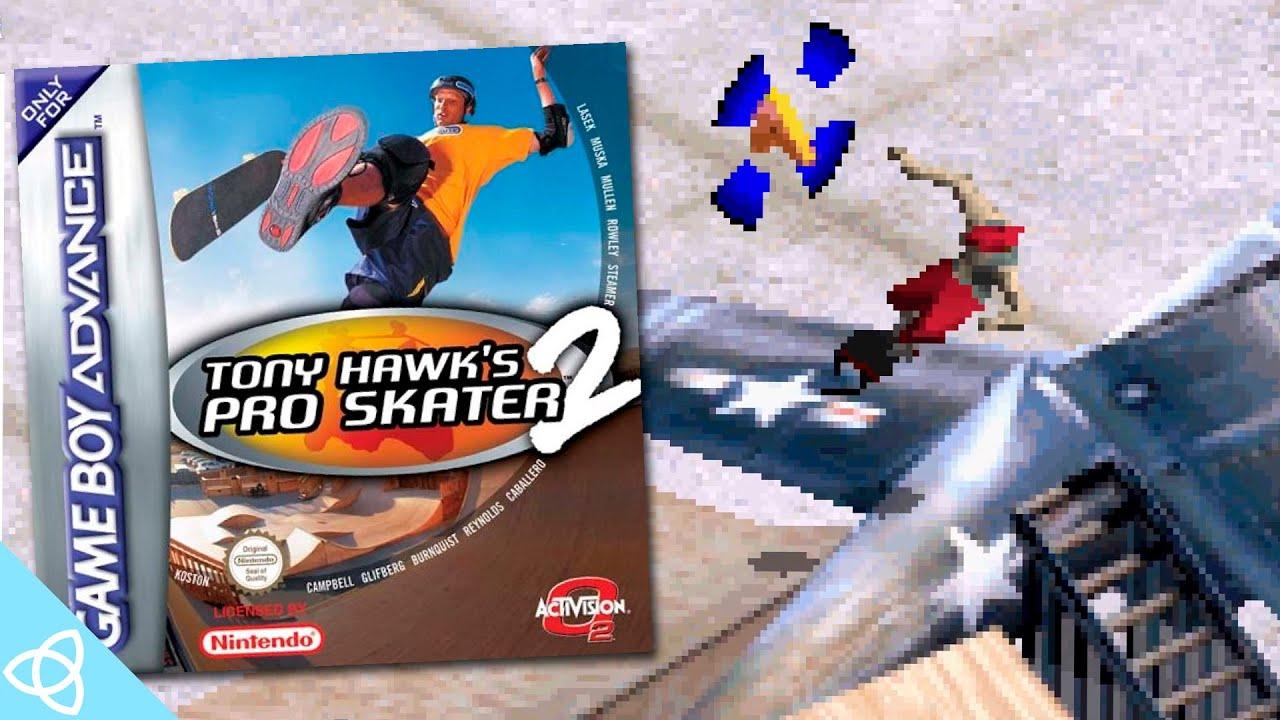
The developers noticed the success of Tony Hawk's Pro Skater at E3 2000 and came up with the idea to make a port of the game for Game Boy Advance.
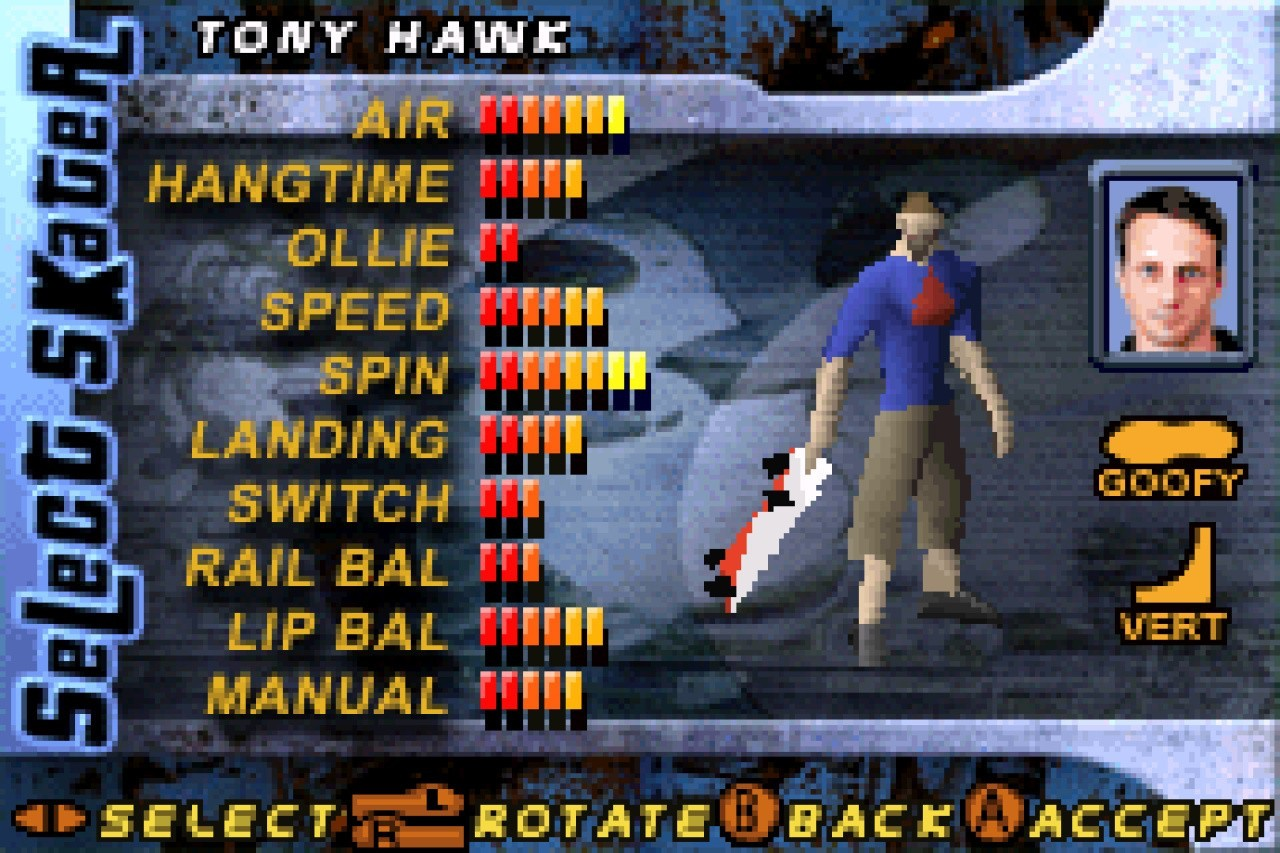
They asked the team to create concept screenshots of what the game could look like on the GBA, and then presented their idea to Tony Hawk himself and representatives from Activision.
The proposal was approved, but when they returned from E3 and told the team about the new project, they were told:
We have bad news for you: to render all the sprites and all the animation needed for tricks and movements in 2D [requires a lot of space]. All of this won't fit on a Game Boy Advance cartridge, because there are only 8 megabytes of memory. And here, just one animation will take up 80 megabytes.
However, a verbal agreement had already been reached and a way out had to be found. As a result, Matt Conte and Alex Rybakov, a graduate of Moscow State University named after M.V. Lomonosov, were still able to find a way to implement a 3D game:
There was software rendering for the 3D skater, but the world itself also had to be three-dimensional, although it was displayed in 2D. The images were two-dimensional tiles, but the collision system had to be implemented in 3D; all the math behind it was based on parametric equations to fit into memory. In fact, everything was done literally by hand: elements such as the Quarterpipe and Halfpipe were drawn on graph paper, measured with a ruler to get the exact dimensions and angles, and then recorded as formulas that could be stored in the code. Then, how the 3D skater would move and fly was calculated based on these equations.
According to Bala, Nintendo and Activision "couldn't believe" when they saw the game on GBA
Developing the port was an extremely difficult and time-consuming process. However, the game ran at 60 FPS. When Nintendo and Activision saw this, no one could believe it — after all, it was a real three-dimensional game on a portable console, and it felt like Tony Hawk.
The success of the project helped Vicarious Visions pay off its debts, and it subsequently made many more games and helped other teams.
Never miss our newsAdd this site to your preferred sources to see us more oftenAdd on Google

![[Video] RIP RTX 5090 / GTA 6 Leak / Blizzard Broke WC3 / Cyberpunk 2077 Movie / Phantom Blade Zero Preview](https://media.ixbt.games/fit-in/312x/ixbt-data/1725650/17ffaa31-1709-4a05-91a5-0ee4b75897d7.jpg)