What We'll Remember About 2025: Key Events and Impressions
A year of unfulfilled hopes and sudden discoveries. We were waiting for GTA VI, but we got an indie boom and Chinese hits. We buried Xbox, but said goodbye to Call of Duty. We feared AI and were horrified by the prices of computer hardware. The editors sum up the crazy 2025 - honestly, maliciously, and without mincing words.
Sexualization Instead of Agenda: It Didn't Get Better — Viktor Zaitsev
Have you noticed how there is gradually less direct ideological rhetoric in games? This is partly due to the changing political climate — after all, claiming that games are outside of politics is tantamount to an ostrich tactic. But this is not a quick process, and as a response to the "agenda" that everyone is tired of, a new trend has emerged — sexualization as a universal marketing crutch used to fool players.
It is important to clarify the position right away. The problem is not with attractive characters. I prefer a game with expressive aesthetics and sexual energy to a sterile product assembled according to the patterns of "new ethics". However, what is alarming is that sexuality is increasingly used not as part of an artistic design, but as a screen behind which they hide a budget deficit, game design, and directing.
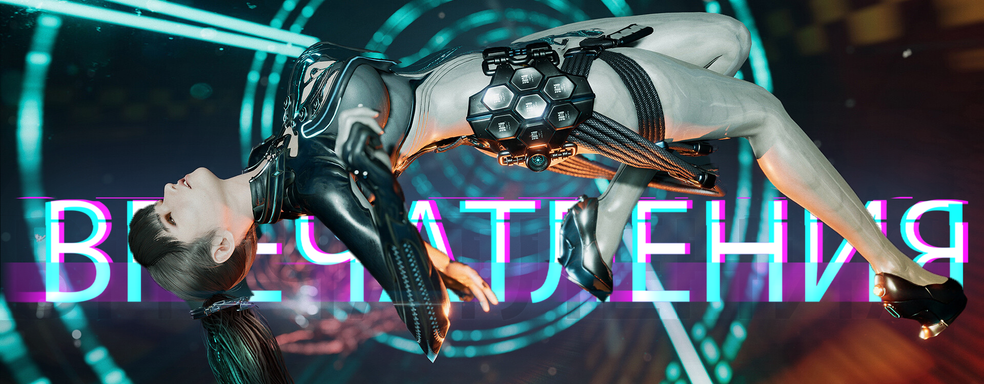
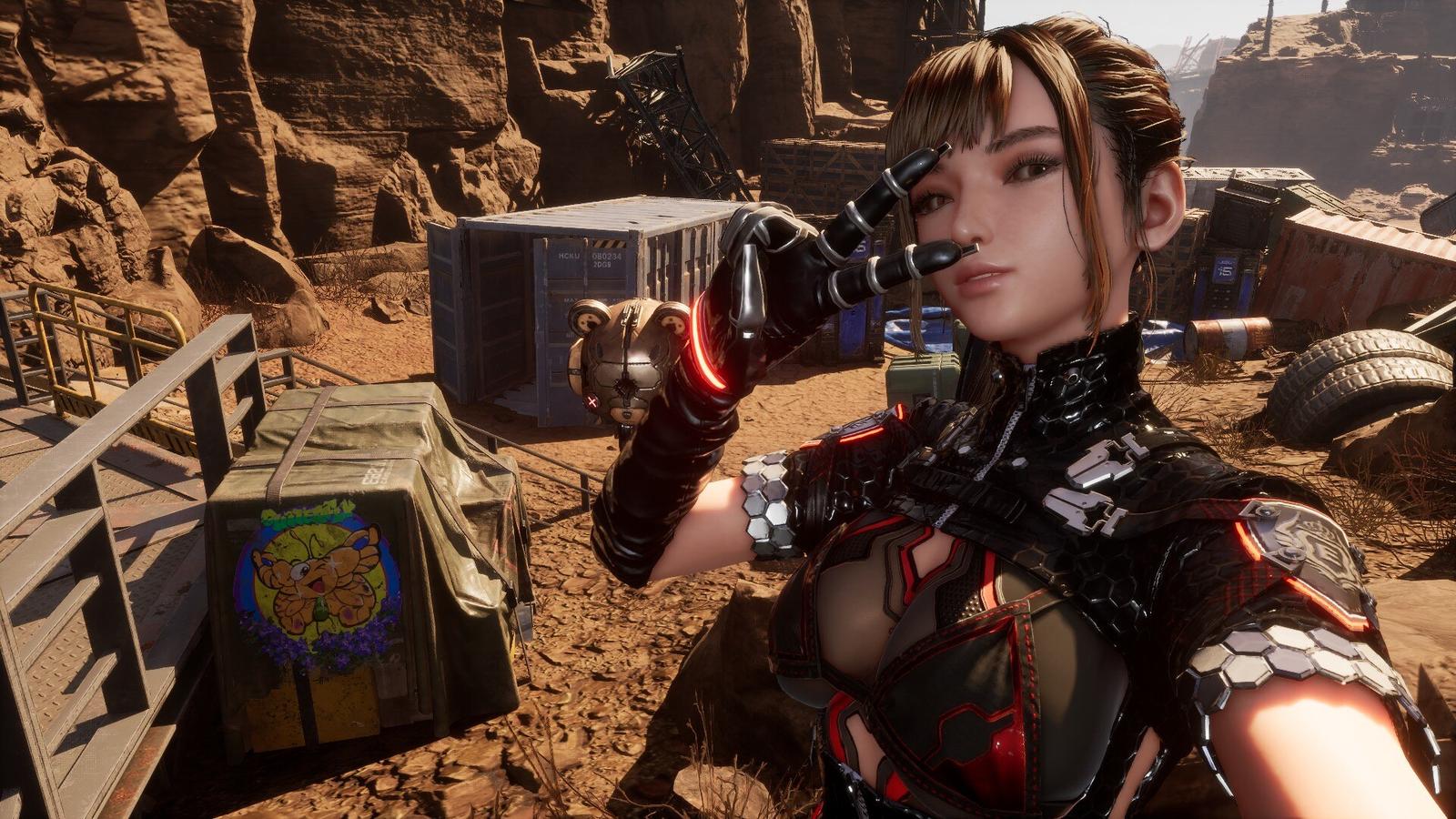
Stellar Blade has become the flagship of this logic. At the start, the game demonstrated a combat system where showing off the heroine's charms was a higher priority than the readability of animations and the accuracy of timings. And Code Violet is coming out soon — its developers abandoned the PC release under the pretext of protecting against "controversial" modifications. Now they are selling revealing outfits for pre-order and deluxe edition. And in the latest gameplay trailer, they focus not on the wooden shooting and mediocre game design, but on how the heroine looks in various outfits. In the hope that the project's rawness will simply not be noticed against the background of a butt in latex.
Even in HoYverse games, interesting characters are increasingly being replaced by the illusion of a romance with another "waifu". This annoys not only critics of gacha games, but also many fans, since any "relationship" ends at the moment the next banner is announced.
There are many more examples. The conclusion is this: dubious ideology has changed its forms — they have now become rounded and appetizing, but the essence has not changed. Bad games remain bad, even if they are beautifully undressed. I am for high-quality projects where attractiveness complements skill, and does not mask its absence.
Pistils, Stamens, and the Visa Dictatorship: A Chronicle of New Censorship — Maxim Ivanov
The gaming industry was once again shaken by an attack from followers of "purity and morality". This time, the attackers were the Visa and Mastercard payment systems, which presented conditions to such large gaming platforms as Steam and Itch.io. The meaning of the conditions is simple: "you remove the games that we don't like, and we don't take away the opportunity for players to buy your games." The first to be distributed were 18+ games, where characters imaginatively attach their "pistils and stamens".
Raids on adult games have already damaged the gaming industry, as this is a training ground for novice developers. Having gained experience, the authors usually switch to much more vanilla projects. Most обидно is that people invested effort and money, but their creations were destroyed at the whim of corporations.
But don't think that the champions of censorship will stop there. Adult games are a "canary in a coal mine" that dies first when danger approaches. This is evidenced by games with explicit content such as Fear and Hunger, where explicit content will cause sexual arousal only in people with a very specific psyche. Without proper explanation, for example, the horror Horses was removed, where the developer put his heart and personal funds into the work of his dreams.
The number of such examples will only increase, because the roller of censorship will not stop so easily. A whole horde of mediocrities receives a salary for complaints and demands to remove games with provocative content – leaving boring and impersonal, but politically correct projects. As a result, we have to rely on initiatives such as Stop Killing Games, which should force us to reckon with the rights of buyers. Otherwise, players will massively raise the pirate flag and continue to support independent authors from the shadows. In no universe will such a situation benefit the gaming industry and the economy as a whole!

Upgrade Canceled: How Corporations Stole Cheap Hardware From Us — Dmitry Krivov
In 2025, the PC component market was shaken. Prices for key components crept up, and for many this came as an unpleasant surprise. The main, but not the only reason, is the requirements for computing power and memory caused by the rapid development of artificial intelligence technologies.
Giants like Google and Microsoft are actively building new AI data centers to work with large amounts of information. They need colossal amounts of "hardware" to store and analyze data. It is more profitable for manufacturers to ship memory in bulk to tech giants than to mess with retail. This created a shortage of high-speed memory (DDR5, HBM2) and SSD. The result is predictable: price tags for home assemblies have skyrocketed.
Video cards optimized for working with AI also turned out to be at risk. For example, NVIDIA graphics processors are designed for machine learning, which makes them in demand among large corporations and scientific institutions. Analysts predict that video cards for the mass market will continue to rise in price from January 2026.
In addition to the increase in demand caused by the development of AI, economic sanctions and supply disruptions also played a role in the component market. These factors limited the availability of components and increased their cost, creating additional difficulties for manufacturers and end users. Experts believe that the trend will continue at least until the end of 2026. The most pessimistic forecasts say that the problems may also affect 2027–2028.

Stop Killing Games: Gamers Against Digital Slavery — Eduard Epstein
We are used to thinking that corporations are above the law. But 2025 proved the opposite. After Ubisoft cynically removed The Crew from users' libraries, the gaming community could not stand it. People united around the Stop Killing Games initiative, the goal of which is to legally oblige studios to maintain the operability of games even after the servers are turned off.
The path to success was thorny. The petition lacked a loud impulse, and in the media field it was opposed by weighty figures — for example, streamer Pirate Software (Jason "Thor" Hall). For a long time, he criticized the demands of the movement's ideologist Ross Scott, convincing the audience of the futility of the idea. However, after a series of scandals that undermined confidence in Thor's criticism, public opinion swung in the other direction.
The barrier was broken: the petition collected the necessary signatures and was officially sent for consideration to the European Commission. Of course, there are no guarantees — the bureaucratic machine is slow, and many officials still consider video games a frivolous entertainment. But the very fact of consideration is already a victory. After all, we are not just talking about "toys", but about the fundamental right of ownership and consumer protection in the digital age. This is a historic chance to change the rules of the game.

Artificial Idiot: Why Neural Networks Ruined 2025 for Us — Mikhail Kazachkin
Artificial intelligence in 2025 has firmly entered the life of every player — but not at all in the way we dreamed. Enemies in shooters have not become smarter; it seems that they are degrading every year. But AI is now responsible for "pulling" a soapy picture from low resolution to 4K. We have come to the absurd: even top-end video cards are not able to cope with modern lighting and systems like Lumen without the help of upscalers.
The year was also marked by endless scandals. If the industry has become accustomed to "neural code", then attempts to replace artists and screenwriters cause public outrage. Creativity for players remains the sacred territory of man, where algorithms are forbidden to enter.
The pendulum has swung towards automation: it's fashionable, fast and cheap. But the risks are enormous. It is becoming increasingly difficult for young professionals to break into the industry — why hire a junior if ChatGPT will write a script in a second? But who will replace the current veterans in 10 years if newcomers do not gain experience?
Finally, AI hit the players from the most unexpected side — financial. Neural networks need not only electricity, but also colossal amounts of memory. When OpenAI reserves up to 40% of global chip production, trying to outrun competitors, the shortage hits ordinary users. Today's "cosmic" prices for RAM are a direct consequence of this race.
Many compare the AI boom to a financial bubble. But even if it bursts, it will not be easier for players. The blast wave can cover half of the IT industry, and we will have to clean up the consequences.

Dream come true: turning any Unreal Engine game into a VR blockbuster — George Petrovich
Promises to turn any project into a VR game were already sounding at the start of PlayStation VR2 sales. Sony actively praised its new toolkit, which was supposed to allow studios to port hits to virtual reality "with one click." As we know, this magic button remained in the depths of beautiful press releases.
However, on PC, the fairy tale became reality thanks to UEVR — a free injector from modder Praydog. This tool does exactly what Sony dreamed of: it turns almost any game on Unreal Engine 4 and 5 into a full-fledged VR project with honest 3D and head tracking.
Always dreamed of experiencing what it's like to personally wander in the fog of Silent Hill? No problem. Launch the game, turn on the injector, put on the helmet — and you're inside. Want maximum immersion? A couple of settings — and Silent Hill 2 Remake turns from a third-person horror into a terrifying first-person experience where monsters breathe right in your face.
Too lazy to mess with settings? The community has already created thousands of ready-made profiles, where even hand controls (motion controls) have been added. Want to feel like a child and play The Ascent or strategies as if arranging toy soldiers on the floor of your room? Please. The tool unties the camera and gives complete freedom.
UEVR is a breakthrough technology. There is no longer any need to wait years for official VR versions or complain about the lack of expensive projects. You can create them yourself. I've tried dozens of games, from The Callisto Protocol to Hi-Fi Rush, and it gives a unique experience. The main thing is that your vestibular apparatus can withstand it.
The power of PS2 in Nintendo DS format: what's good about Retroid Pocket Flip 2 — Maxim Dragan
Nostalgia and retro gaming can be served in different sauces. Some buy original hardware, old CRT TVs, and look for rare discs at flea markets. Others emulate old games on PC, cranking up 4K resolution and HD textures, as well as overclocking old projects to 60 frames per second.
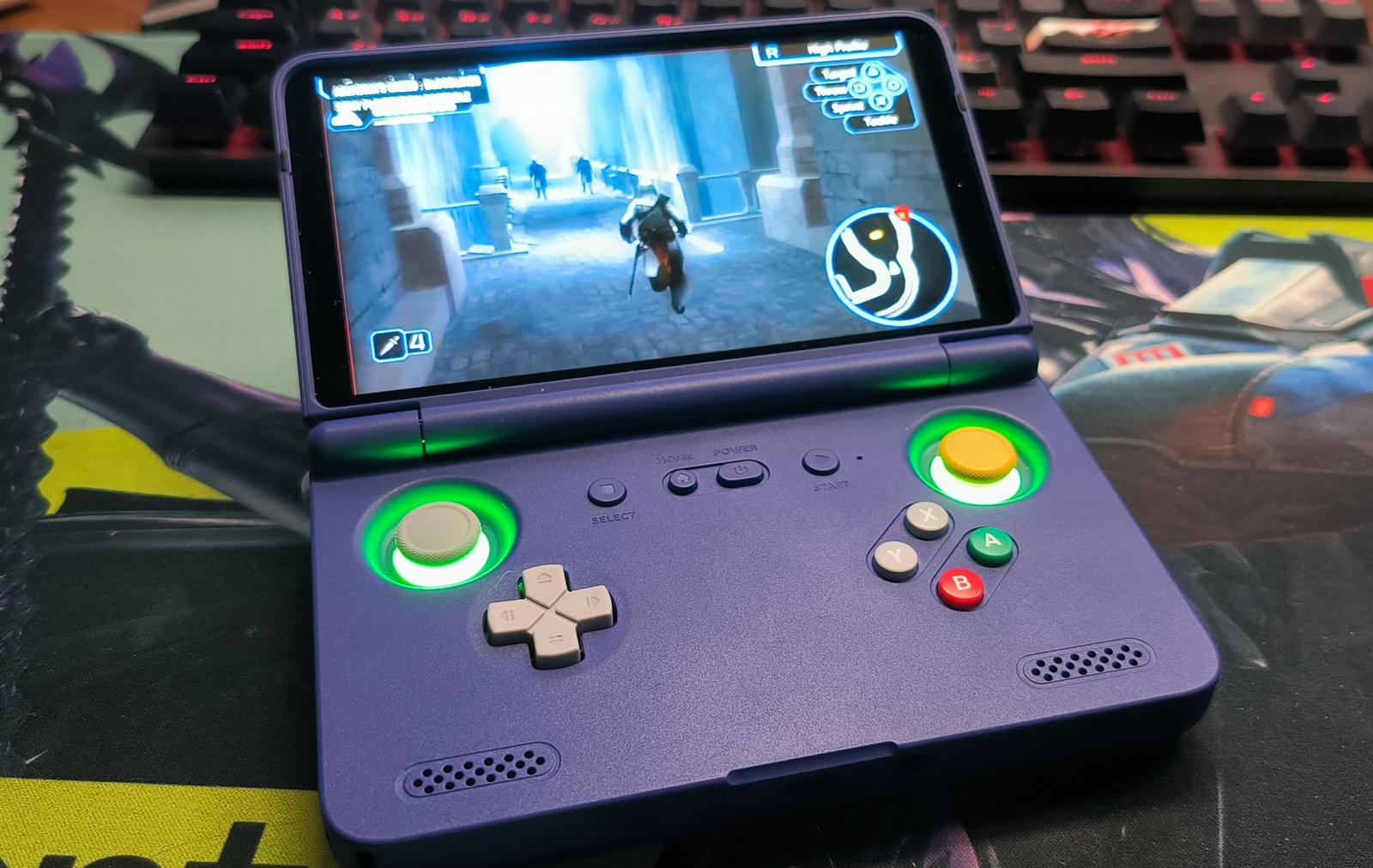
I chose the golden mean, combining a portable form factor and the power of the legendary Snapdragon 865 chip, as well as the Android platform — I bought the Retroid Pocket Flip 2 retro console. Its killer feature is the "clamshell" form factor in the spirit of Nintendo DS — the screen is on top, and all the controls are on the bottom. It has two sticks, all the standard buttons, as well as analog triggers on the back cover. And this console is one of the brightest retro gaming experiences for me this year, on par with the old PS3, still showing its teeth.
This little thing combines hits from the Dendy/Sega era and heavy projects from PlayStation 2 and GameCube. They say that even Nintendo Switch-level projects work, but I haven't checked. But native Android games and ports, like Hollow Knight or Prince of Persia: The Lost Crown, fly like clockwork — with Snapdragon 865 on board, it's not surprising!
It's much more interesting when a free minute appears in the queue at the MFC or while I'm waiting for my wife to come home from work in the car, to get this little thing, open the lid and immediately immerse myself in the game: Burnout 3: Takedown, The Punisher, Crazy Taxi, Final Fantasy X, Splinter Cell: Chaos Theory, Castlevania: Symphony of the Night — these and many other projects work with increased 2X-4X resolution, improved textures and anti-aliasing processing. Yes, sometimes games may not be optimized for the emulator themselves, but I can count them on my fingers in the six months I've been using the console.
If you want fresh impressions from a device with a powerful processor under the hood, high autonomy, as well as a huge library of old games — take a look at Retroid Pocket Flip 2. But keep in mind that you will still have to dig around and figure out how the device works!
Three strikes from Valve: a new console, VR headset and controller. Will it take off? — Dmitry Krivov
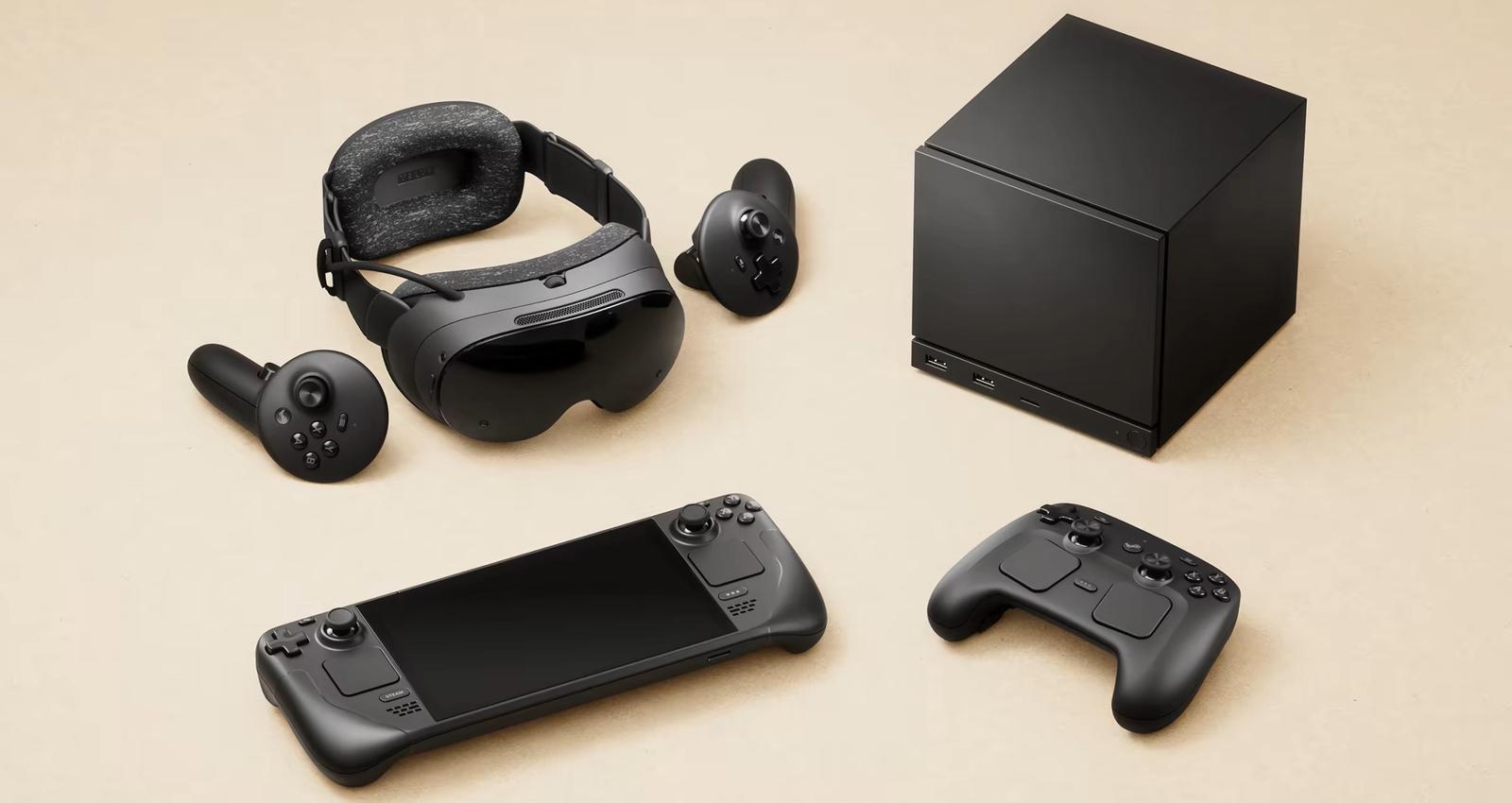
Valve was silent for a long time, but in November it broke through: Gabe Newell presented three new gadgets at once. This is the company's largest "hardware" announcement since the release of Steam Deck.
The first novelty is Steam Machine. Yes, Valve is returning to the idea of a "console-like" PC for the living room. They promise 4K and 60 FPS — but with a caveat about using the FSR upscaler. The device runs on SteamOS and tries to combine the flexibility of a computer with the convenience of a console. The main question is the price. A price tag of $800–1000 looks biting, but against the backdrop of the wild rise in the price of video cards and memory, such a "ready-made assembly" may even be profitable.
The second novelty is Steam Controller 2. The first version was too experimental and "didn't take off," but the engineers drew conclusions. The novelty received normal magnetic sticks, HD vibration and improved trackpads. Compatibility with the entire Valve ecosystem is a plus, but skepticism after the first model is still strong.
And, finally, Steam Frame — a standalone VR headset based on SteamOS. No wires, its own processor and streaming games from a PC. The concept is excellent (a kind of "Quest from Valve"), but the display characteristics could be more modern. As always, the mass character of the device will depend on its cost, which is still kept secret.
With this announcement, Valve closes the circle: now it has solutions for the pocket (Deck), for the living room (Machine) and for virtual reality (Frame). The company is clearly building a "backup airfield" in order to completely detach PC gaming from Windows in the future.
PIONER and Rostelecom: chronicle of one betrayal — Vitaly Kazunov
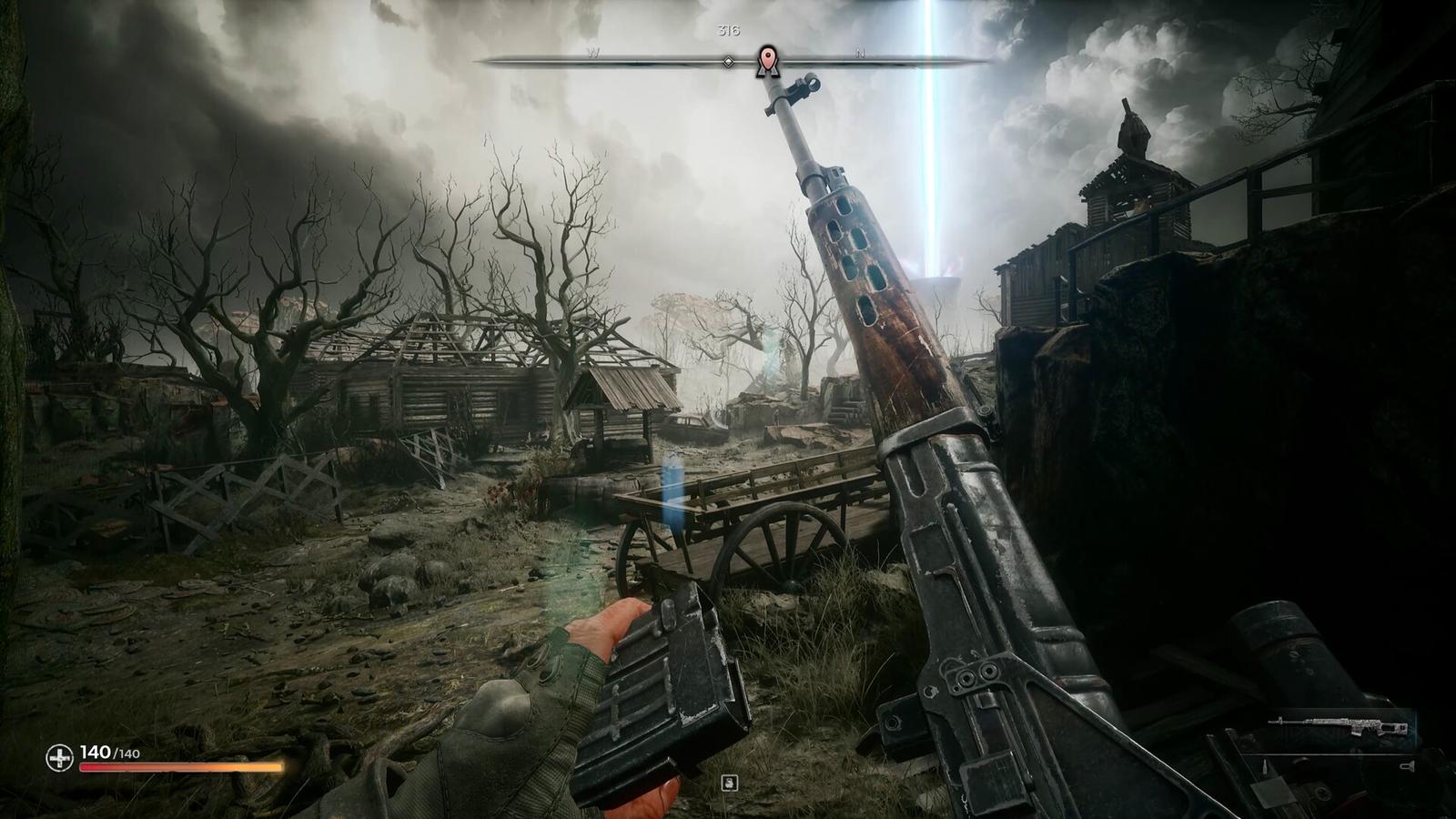
We were waiting for PIONER and urged people to add the game to the "wish list" on Steam. It was a crooked, but attempt to make our own MMORPG, where there was an open world in the style of Fallout, where raids offered severe tests, and in PvP zones, hunting for treasures pleasantly tickled the nerves with the risk of losing everything after meeting another player. And all this in our aesthetics with native "loaves", gopniks and "Kalash".
Then the developers announced that 500 thousand people had already added the game to the "wish lists". A powerful claim to success! But two days later, news arrives that PIONER in Russia and Belarus has become an exclusive of the new Rostelecom Games service. The developers betrayed their audience and profitably sold them to Rostelecom.
And then the circus began. The PIONER developers explained that the decision to sell to Rostelecom would allow them, with the help of "partners", to provide the best experience for residents of Russia and Belarus. It cannot be called "best", but it is definitely unusual. To begin with, there were problems buying and downloading the game. The download speed on the release day was so low that you had to wait for hours for the files to download. But even if the "play" button was activated after 3 hours, the adventure with technical problems was just beginning.
A black screen appeared with a suggestion to log in (no one knows where) or exit. That's it, period. The developers released updates, and... they were quietly downloaded and installed by Steam users. In Rostelecom Games, updates were either not downloaded or not installed, you had to wait for days for a solution to the problems.
Want to get your money back for PIONER? Rostelecom support hints at this possibility, but constantly postpones the date of the decision. We were unable to play or get our money back.
Finally, as for the game. Users (who were lucky enough to log in) complained about endless downloads, loss of items, lack of chat (in MMORPG!), a small amount of content, impassable missions, lack of ammunition, etc. And all this against the backdrop that the game itself turned out to be unfinished. There is little content, many bugs, only two raids, a clumsy and unpleasant introduction exposes the cheapness of the game. At the current stage, PIONER cannot be recommended. Especially in the Rostelecom Games service.
Fun Because It's Stupid: How the Friend-Slop Genre Took Over Steam — Daniil Shepard
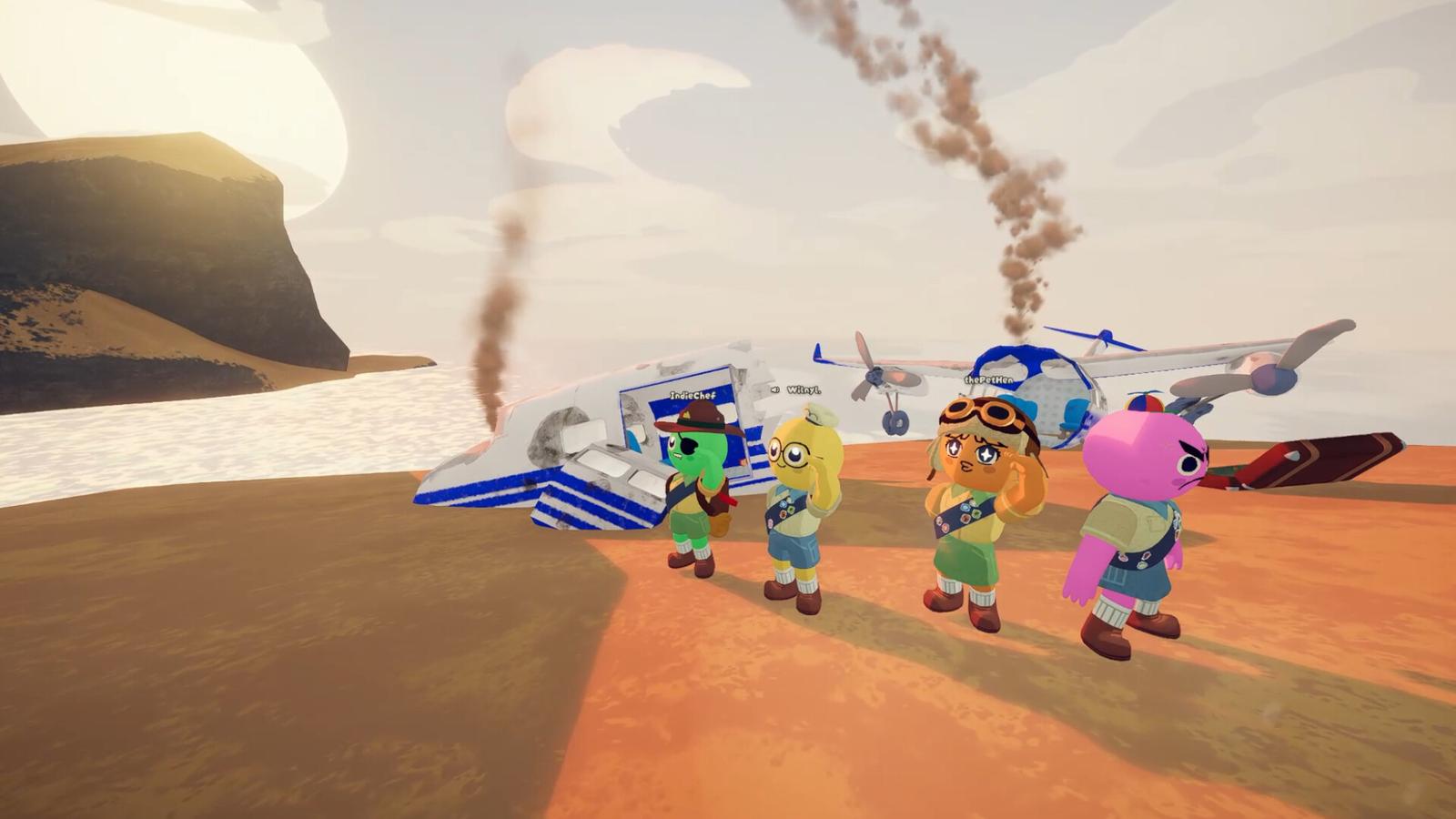
You've most likely never heard the term "friend-slop," but you've almost certainly launched at least one such game this year. This isn't an official genre, but rather a phenomenon that has quietly taken over the market.
The word slop refers to low-quality content, often generated by neural networks, for mindless consumption. In gaming, this has turned into friend-slop: cheap cooperative projects made "on the fly." They are boring and painful to play alone, but in the company of friends, they turn into a generator of pure fun.
Prime examples include R.E.P.O., PEAK, RV There Yet, MISERY. They all revolve around primitive mechanics, wonky physics, and situational chaos that unfolds exclusively in co-op.
For indie developers, this has become a goldmine. There's no need to write a complex plot, draw cool graphics, or polish the balance. It's enough to take an absurd idea and adapt it for cooperative play so that players have fun breaking the game, not studying its rules.
This genre has spawned a conveyor belt of content. Streamers love friend-slop: it's a ready-made show where screams, laughter, and ridiculous deaths generate themselves. Viewers see this fun, gather their friends, and rush to buy the game for a couple of dollars.
Friend-slop feels closer to a drunken party than to classic video games. The same unsystematic bacchanalia, absurdity, and noise reign here as at live parties. This is their main advantage — and at the same time, their ceiling.
Switch 2: An Excellent Console Without Interesting Games — Mikhail Shkredov
Nintendo Switch 2 was doomed to succeed. A cult predecessor, backward compatibility, a reasonable price — this would have been enough to sweep the console off the shelves. Even if the Japanese hadn't released a single exclusive at the start, there wouldn't have been a catastrophe. But Nintendo prepared. And, unfortunately, it was the starting lineup that became my main disappointment of the year.
Firstly, I outgrew Mario Kart, Pokémon, and Dynasty Warriors clones a long time ago. Therefore, Mario Kart World, Kirby Air Riders, Pokémon Legends: Z-A, and Hyrule Warriors: Age of Imprisonment passed me by. These are hits for fans, but not for me.
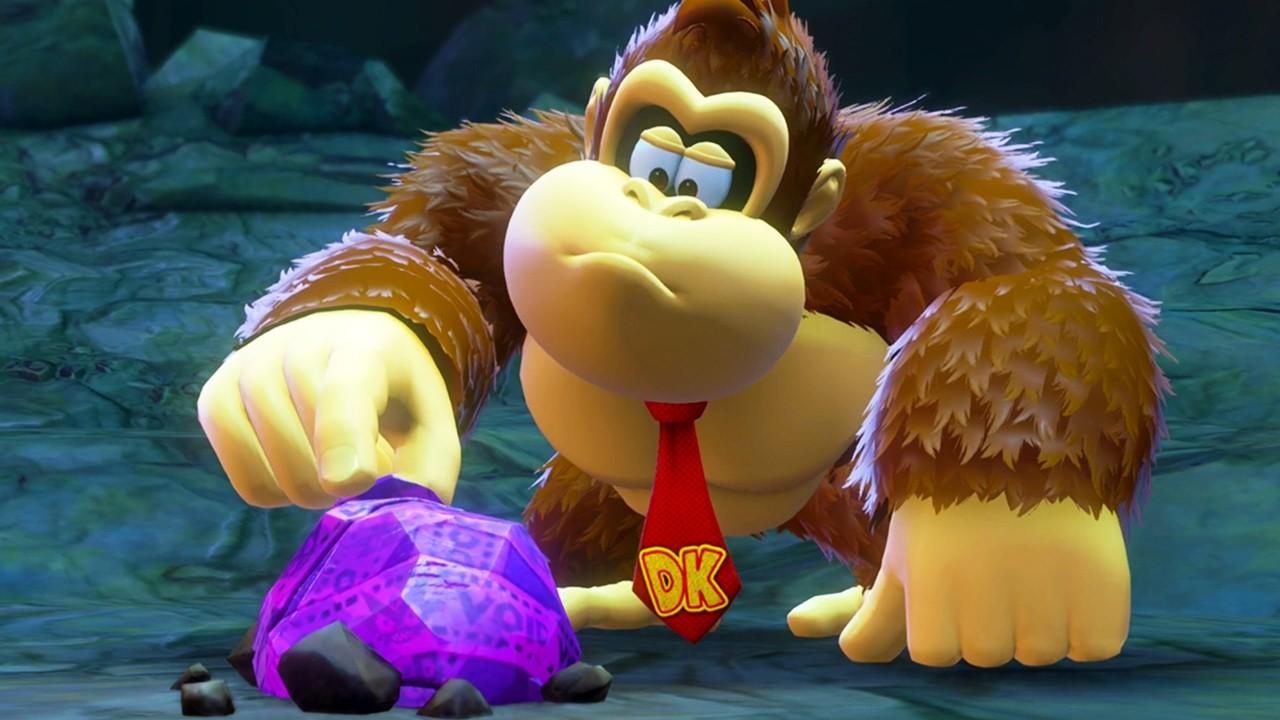
My hopes were pinned on Donkey Kong Bananza and Metroid Prime 4. Alas, I didn't accept the new vision of the gorilla series. The idea of constantly digging in the rock to collect bananas quickly devolved into routine. The game doesn't challenge, but suffocates with monotonous grinding.
Metroid Prime 4 was also unpleasantly surprised by game design that was twenty years out of date. Banal shootouts, "sponge" bosses, and dreary walks through empty dungeons. The picture is completed by drawn-out trips through the desert and the mandatory collection of crystals, artificially stretching the timing.
So far, Switch 2 is a useless piece of plastic for me. I want to believe that in 2026 it will stop gathering dust on the shelf and finally offer games that made it worth buying.
I Sold My Steam Deck for a Switch 2: Why Nintendo Are Still Kings — George Petrovich
When I bought a Steam Deck in May 2022, I sincerely didn't understand: why do I need a Switch now? It seemed that Nintendo's time and philosophy were hopelessly gone. I had a real "multi-chef," a super-combine, in my hands. A huge Steam library, emulators of everything in the world — from PS2 to that very Switch. Yes, not so compact. Yes, a bit heavy. But the possibilities outweighed everything.
After spending three years without Nintendo and buying a Switch 2 at the start, I suddenly realized why I hadn't touched my Steam Deck for six months, and eventually sold it altogether. It's simple: Steam Deck is boring.
It's not about the games. Nothing compares to Steam in terms of library diversity, that's a fact. But accessibility and regional prices played a cruel joke: I stopped playing games and started "playing sales." I bought up hits that I didn't even launch. I thought: "Let them lie there, someday the time will come." But it didn't come. My brain was occupied not with gameplay, but with endless parsing of the "backlog" and searching for discounts.
Switch 2 is a different matter. This device restores the value of the purchase. Here, buying a game is not just a transaction, but a small holiday with its own sounds and animations. The whole system is built around your pleasure. You are holding not a mini-PC with a bunch of settings, charge percentages, and performance graphs. You are holding a Toy. An expensive, high-quality thing whose purpose is to bring fun.
I lost that feeling with the Steam Deck. The question "Will this work here?" sounded too often in my head, instead of "I want to play this." Switch 2 is exclusively about games, not about possibilities. And in the modern world, where every minute counts, I choose to spend time playing, not trying to launch it.
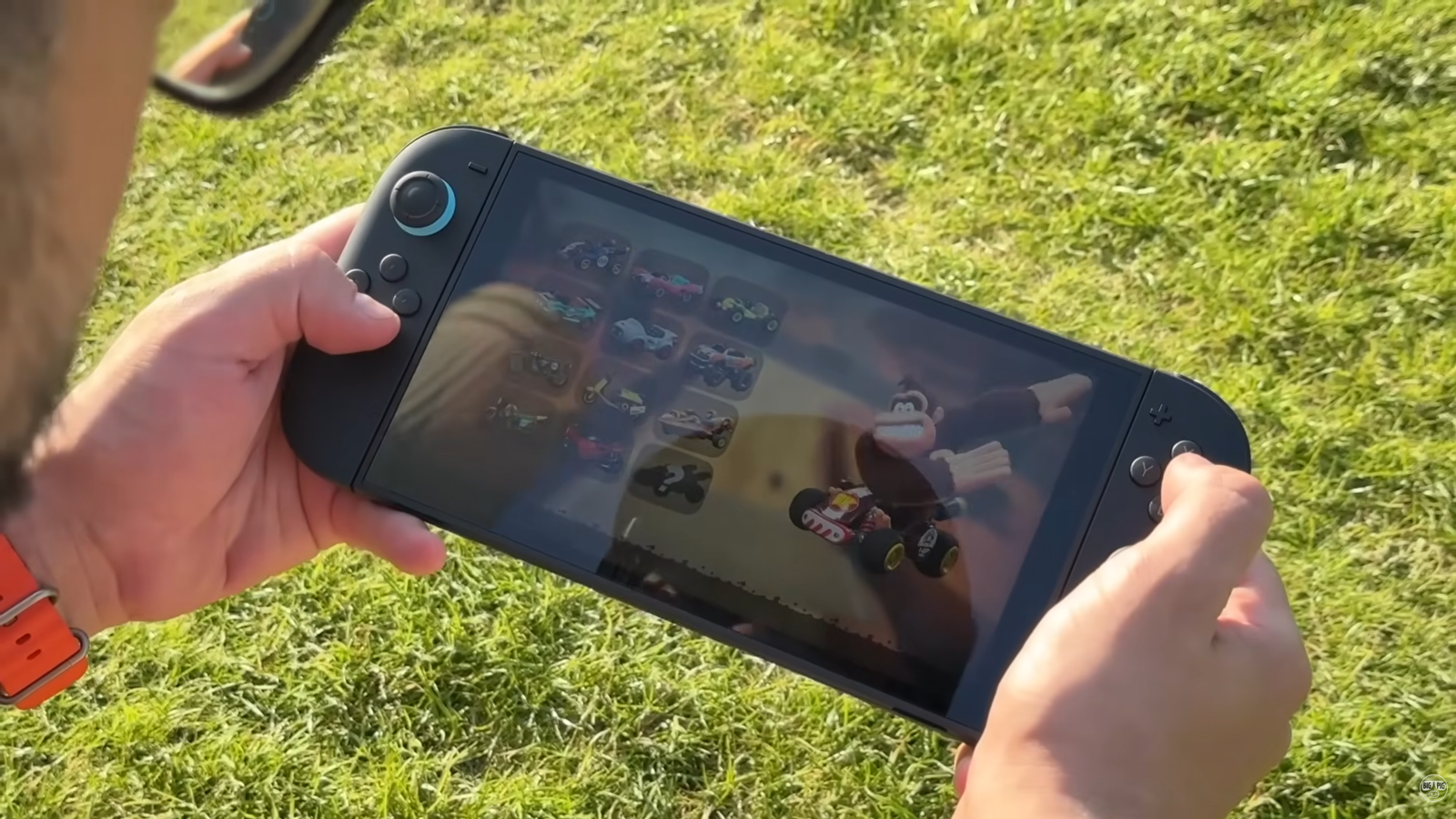
Dogs Bark, Xbox Marches On: Why the Haters of the "Greens" Are in the Mud Again — Maxim Dragan
Modern gamers and bloggers have finally turned into a caste of screamers — I already wrote about this last year. I didn't really want to repeat myself, but I partly have to — because in 2025, screaming and convulsing gamers were burying not just anyone, but a whole Xbox with Phil Spencer attached.
Every successful game was examined under a microscope, looking for the slightest flaws. Every failure was savored in dozens of videos and articles on the Internet. Every console sales report was presented as irrefutable proof of the platform holder's death. It seemed that any minute now, they would bring in a coffin and the spiteful critics would start tearing the accordion at the funeral!
But Xbox is not dying. The strongest lineup of games in years: Avowed, Doom: The Dark Ages, South of Midnight, Ninja Gaiden 4, The Outer Worlds 2, Gears of War Reloaded, Call of Duty: Black Ops 7, plus a competent expansion to competitors' platforms. It's simply impossible to list everything.
In the fall, Microsoft stepped onto a new stage for itself — together with Asus, it released the ROG Xbox Ally, a portable console on Windows, with a special "game mode" a la Big Picture in Steam. This is a powerful device that games are specially optimized for. At the same time, they revived the Xbox Play Anywhere program: now, having bought the game once, you launch it on your home console, on the portable console, and on the PC.
The plans for 2026 are no less grandiose, but the spiteful critics still don't calm down and spew venom, proving that the death of Xbox is not far off. Maybe so, but it seems to me that the brand will outlive even some haters. After all, as you know, dogs bark — the caravan moves on!
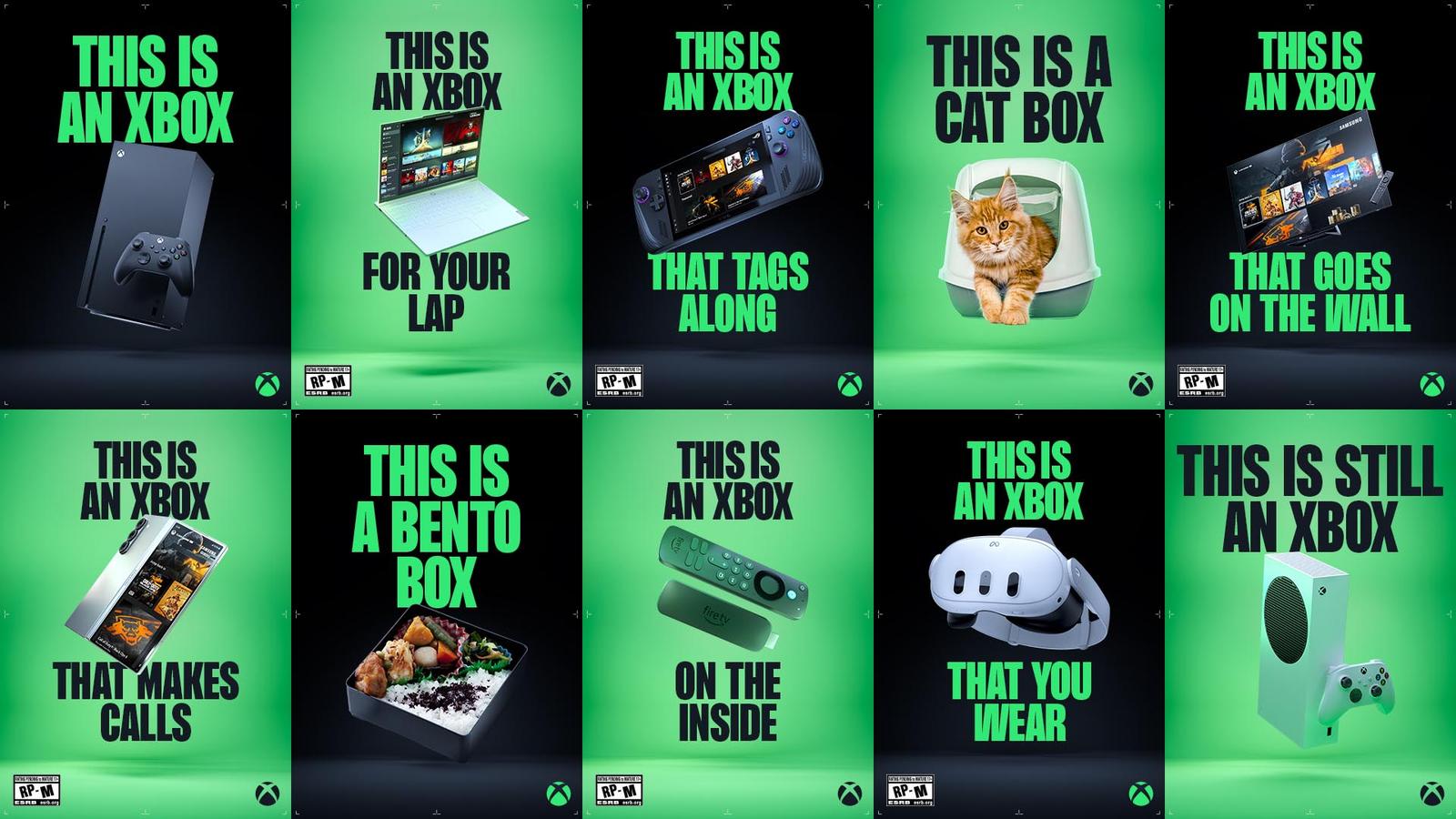
Rockstar Killers from Beijing: Why Ananta and Varsapura Are More Important Than GTA VI — Mikhail Kazachkin
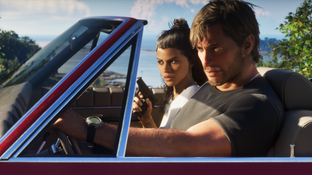
2025 was marked by anticipation for GTA VI. The internet was flooded with the most outlandish rumors: about the plot, release date, and locations. The news of the game's postponement to 2026 was a personal tragedy for many. Enraged fans canceled vacations and even rescheduled weddings timed to coincide with the release date. Now they have to make plans again — and this is perceived as a personal tragedy.
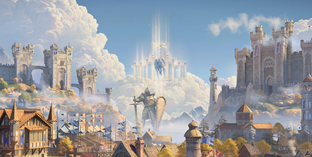
However, mobile gamers are watching this hysteria with a slight smirk. Their attention is focused on something else: the announcements of Ananta from NetEase and Varsapura from HoYoverse. For them, GTA VI may not even be released, because Chinese studios have already grown to projects of similar scale. Open world, deep mechanics, multiplayer, and, most importantly, outstanding quality of execution — it's all here.
Of course, the Chinese still lack the maniacal detail that we love Rockstar for (it is unlikely that horses on smartphones will have their genitals shrink in the cold). But is this so important for gameplay? But really important things — freedom, scale, dynamics, and a living world — Asian giants are already demonstrating.
Gameplay videos of Ananta and Varsapura look frighteningly cool. Yes, anime style is not for everyone. Yes, there are questions about the scenarios of gacha games. But if the final product retains the quality of the trailers, these releases will turn the mobile market upside down in the same way that GTA III turned the console industry a quarter of a century ago.
For many mobile gamers, the presentations of Ananta and Varsapura became the main event of 2025 — and the brightest hope for the future.
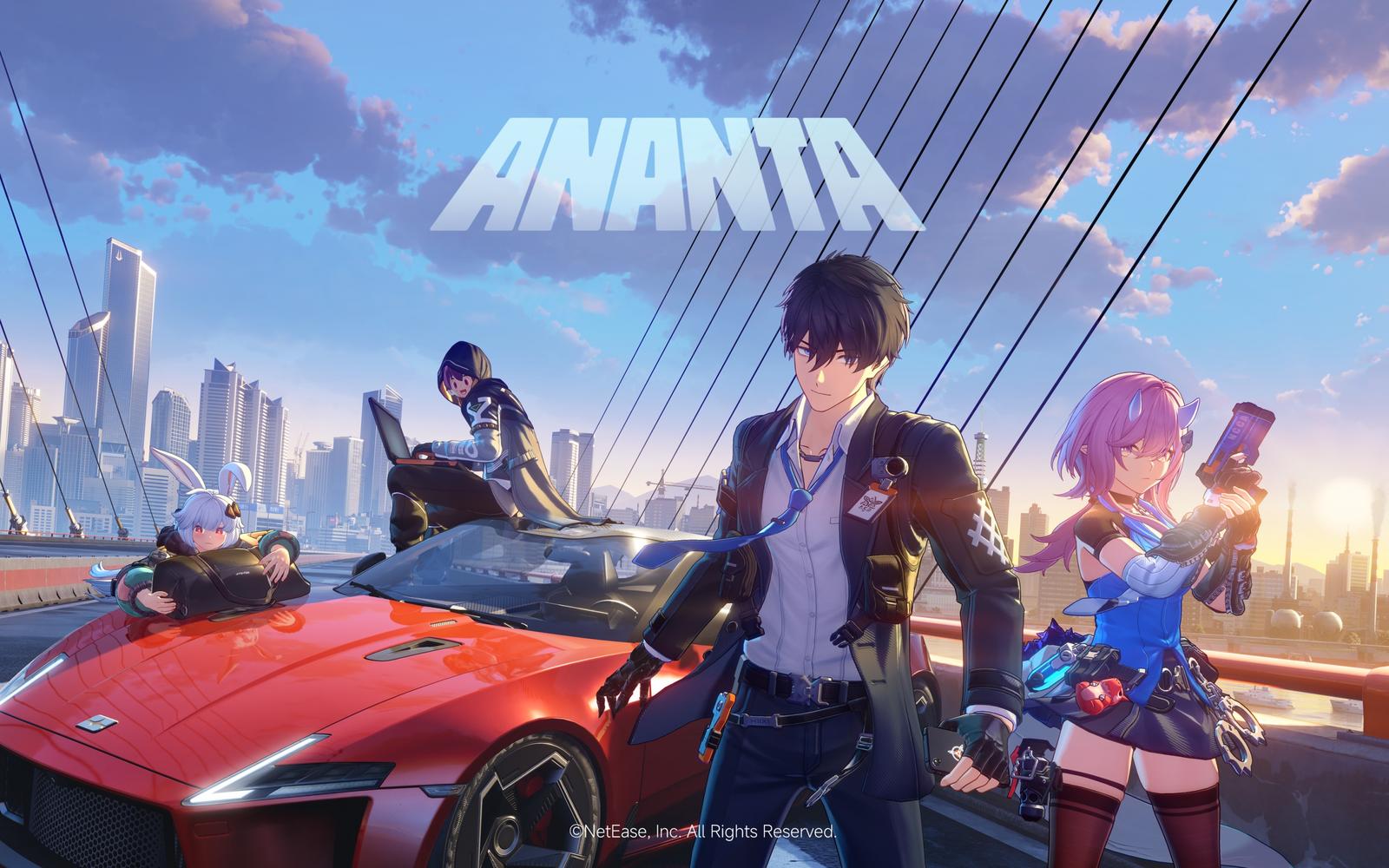
I gave birth to you, and I will kill you: how Vince Zampella destroyed Call of Duty — Eduard Epstein
2025 will be remembered not only for the triumphant return of Battlefield, but also for the catastrophe of its eternal rival. The Call of Duty franchise, which for decades held the crown of the main shooter on the planet, suffered a collapse. The failure was so deafening that even the most devoted fans began to massively delete the game.
I have long cooled to network battles, although in childhood I spent hundreds of hours in them. But even I was touched by this situation. In the open beta of Battlefield 6, I spent dozens of hours and did not regret a single minute — it was fresh, fun and large-scale. But after launching Call of Duty after that, I experienced only disappointment. The difference is colossal: once a great series now looks hopelessly outdated and secondary.
I hope that the Microsoft management, which now owns the rights to the brand, will draw the right conclusions — because the bottom has been broken completely. Well, EA and Vince Zampella can only be congratulated. The situation is ironic to the point of trembling: the man who created Call of Duty, years later headed Battlefield and crushed his own creation. A real «Taras Bulba» from the world of video games: «I gave birth to you, and I will kill you!»
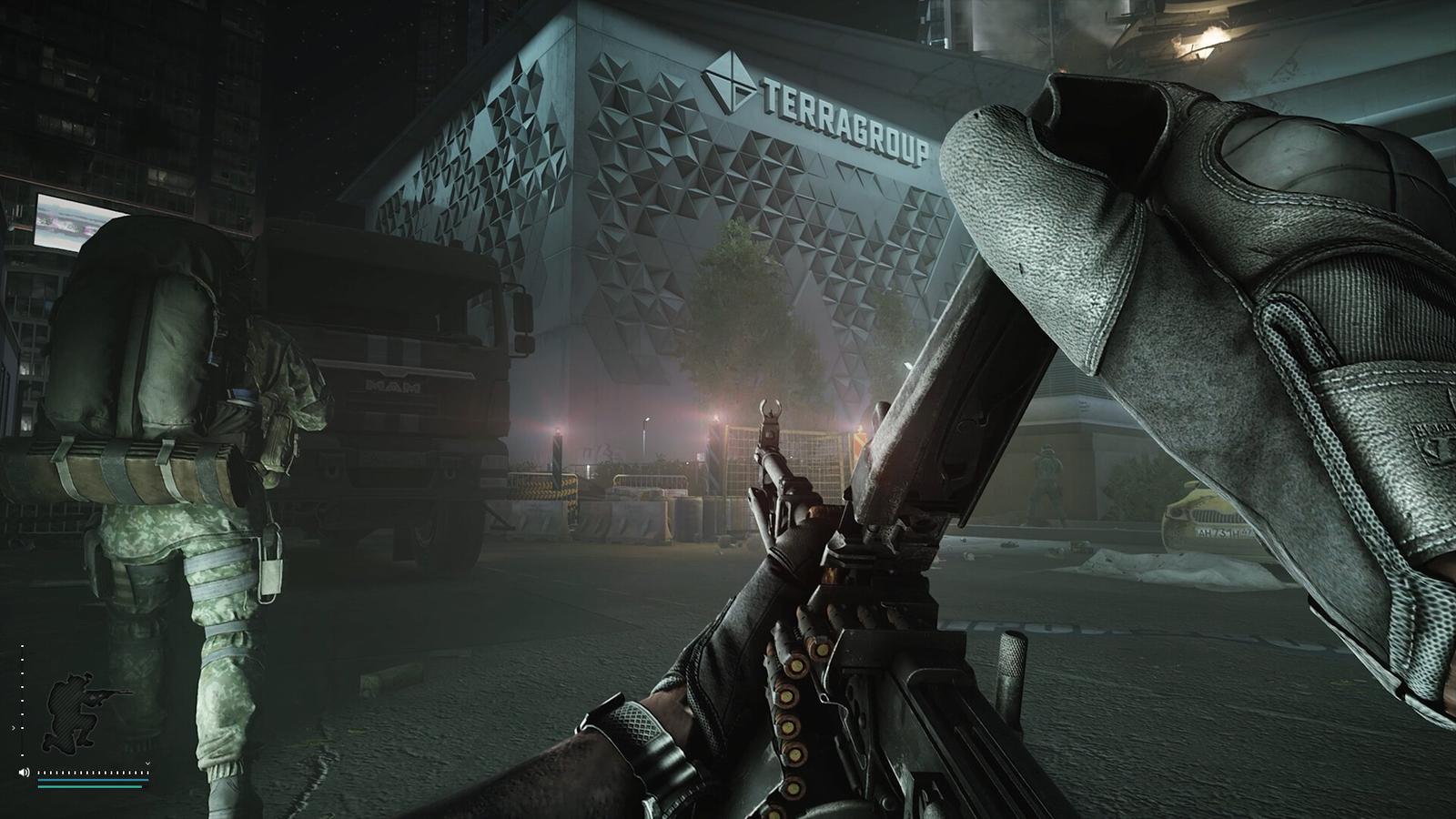
Tarkov 1.0: ten years of development, and at release — a nightmare! — Vitaly Kazunov
Almost 10 years of development ended in a grandiose fizzle. Fans were not expecting a miracle. Fans just wanted to fix obvious problems with the release of version 1.0. Moreover, the release in Steam was expected! That is, the presentation of a hardcore military simulator is no longer for «insiders», but for the general public. What a nightmare it was…
Let's start with the fact that Escape from Tarkov simply did not start at release for various reasons. Either you could not log in, or the game required you to check and re-download the files, or it reported that the account was already online and blocked the login. The chaos lasted for several days. All this instantly killed the game's rating in Steam, people started making refunds.
Later, the login problems were resolved, and players began to enter Escape from Tarkov. But they were waiting for exactly the same game as before the release of version 1.0. Again long loading times (for 10-15 minutes) and cheaters. Again, no hints for beginners — what and how to do, where to go, where is the exit from the map. Again, problems with movement, getting stuck or the inability to jump over an obstacle. From the new — a crazy «story», the passage of which even experienced players takes hundreds of hours. And not because of its complexity, but because of the misunderstanding of what to do. A typical task: «Go there, I don't know where. Find that, I don't know what». Often the game makes you just wait a day or two of real time as part of the mission! Why? Because. Finally, the merchants in the game received three-dimensional models, but they were made as if by different hands and in different years. Some are good. Others — as if they were created at the dawn of development.
Fans looked at Escape from Tarkov 1.0, sighed deeply, mentioned Nikita Buyanov with a strong word and began to wait again. This time — Escape from Tarkov 2.0. Maybe something will change there.
David defeated Goliath: why indies became the main games of the year — Victor Zaitsev
2025 finally recorded a shift that had been brewing for years. Indie developers and mid-budget projects are increasingly in the spotlight of players not as an alternative to big-budget blockbusters, but as flagships of cultural influence and quality of gaming experience.
There are many reasons for this. This is the high «entry point» into large blockbusters, tending to the mark of 80 dollars, — and in some places exceeding it due to dubious practices. This is also the cost of the «entry ticket» to gaming — to launch an unoptimized AAA project, you need a computer at the price of a used car.
The pace of life is also growing, which makes time a deficit, and players are more selective. As a result, the selection criterion shifts towards the density of impressions per dollar spent and, no less importantly, per hour spent.
And here they come on stage — author's projects created by small teams for modest budgets. Uneven, sometimes rough, not always technically perfect, but with soul and inner freedom. They are not afraid to make mistakes, experiment and surprise, because they are not obliged to comply with the checklist and justify investments of hundreds of millions of dollars. This freedom is increasingly converted into a brighter and more memorable experience.
This is not about the death of AAA. Blockbusters are still needed by the industry, but they have become clumsy dinosaurs. Large publishers are stuck in an expensive production model that does not keep up with the market.
Small studios, on the contrary, maintain mobility and flexibility, allowing them to ride the wave of interest without risking drowning under the weight of their own weight. In 2025, we are no longer talking about exceptions and anomaly games, but about a trend. Just look back at your library of games for this year: most likely, the brightest emotions were given to you by small projects.
Labyrinth Of The Demon King: the Silent Hill we lost — Maxim Ivanov
For many years, the Silent Hill formula was unshakable: the hero found himself in a city full of monsters that personified his inner demons. The background always included cultists and ancient evil — the source of all the devilry.
The new Silent Hill f seems to follow the canon: a Japanese schoolgirl, mental trauma, grotesque monsters. But this is only a shell. In terms of gameplay and atmosphere, the game feels like another Dark Souls clone, not a psychological horror. And the requirement to go through the game three times to understand the plot finally kills the suspense.
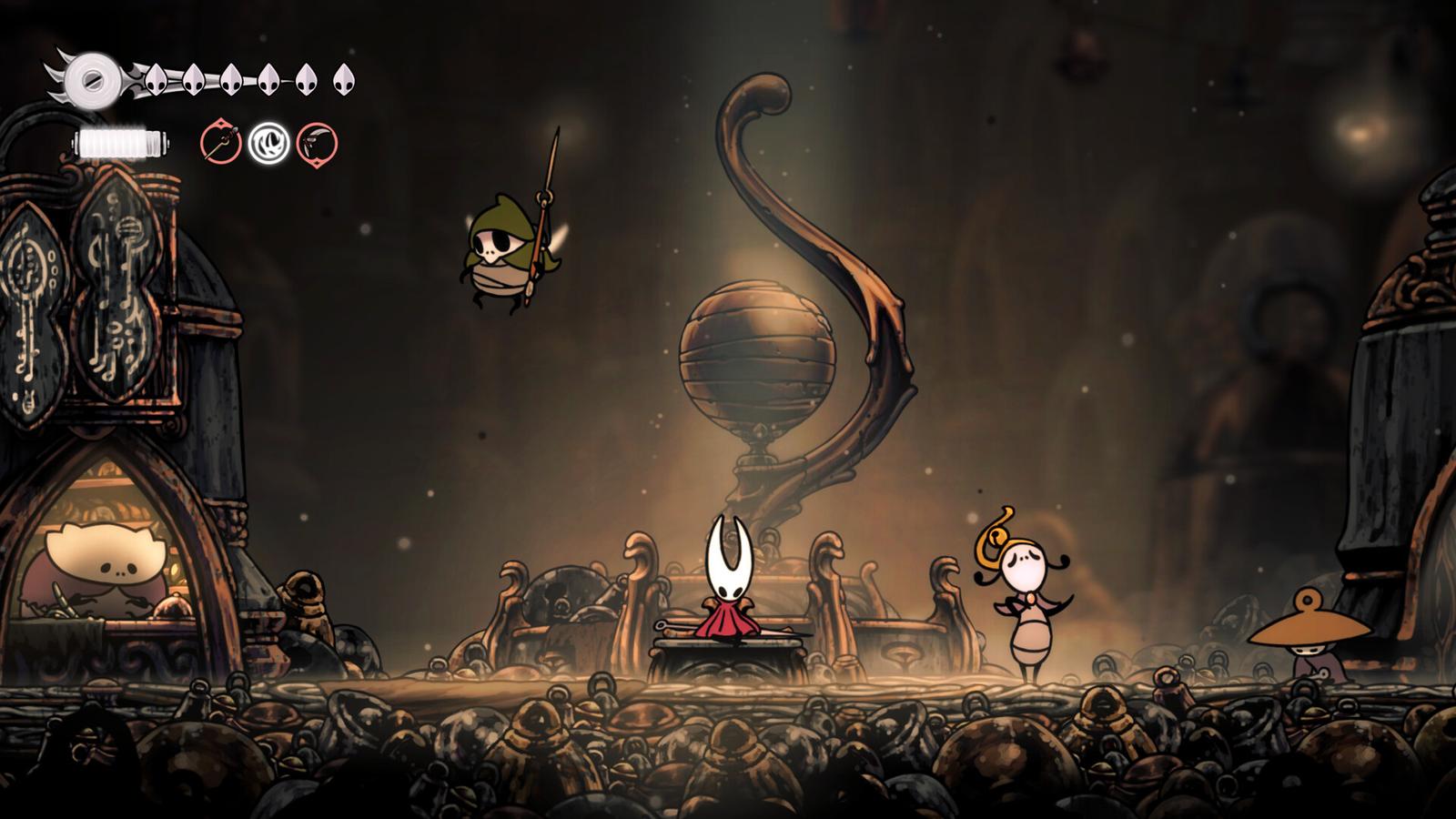
It would be possible to put up with the changes if it were not for Labyrinth Of The Demon King. This indie project, reminiscent of a mixture of King's Field and Condemned, does what Konami could not: it takes us back to the days of Silent Hill 2.
When you wander through the endless corridors of a Japanese castle, you are physically crushed by creepy sounds and a sense of danger. Rust, rot, hopelessness — it has all the elements for which we fell in love with the series. Sorry, but it's a shame when a lone developer feels the atmosphere of Silent Hill better than a copyright holder who has eaten a dog on this!
2025: The Year "Impossible" Games Were Released — Daniil Shepard
2025 unexpectedly became a time for the release of projects that many had stopped believing in. Games that had been stuck in "production hell" for years, turned into memes and symbols of unfulfilled hopes, suddenly made it to release.
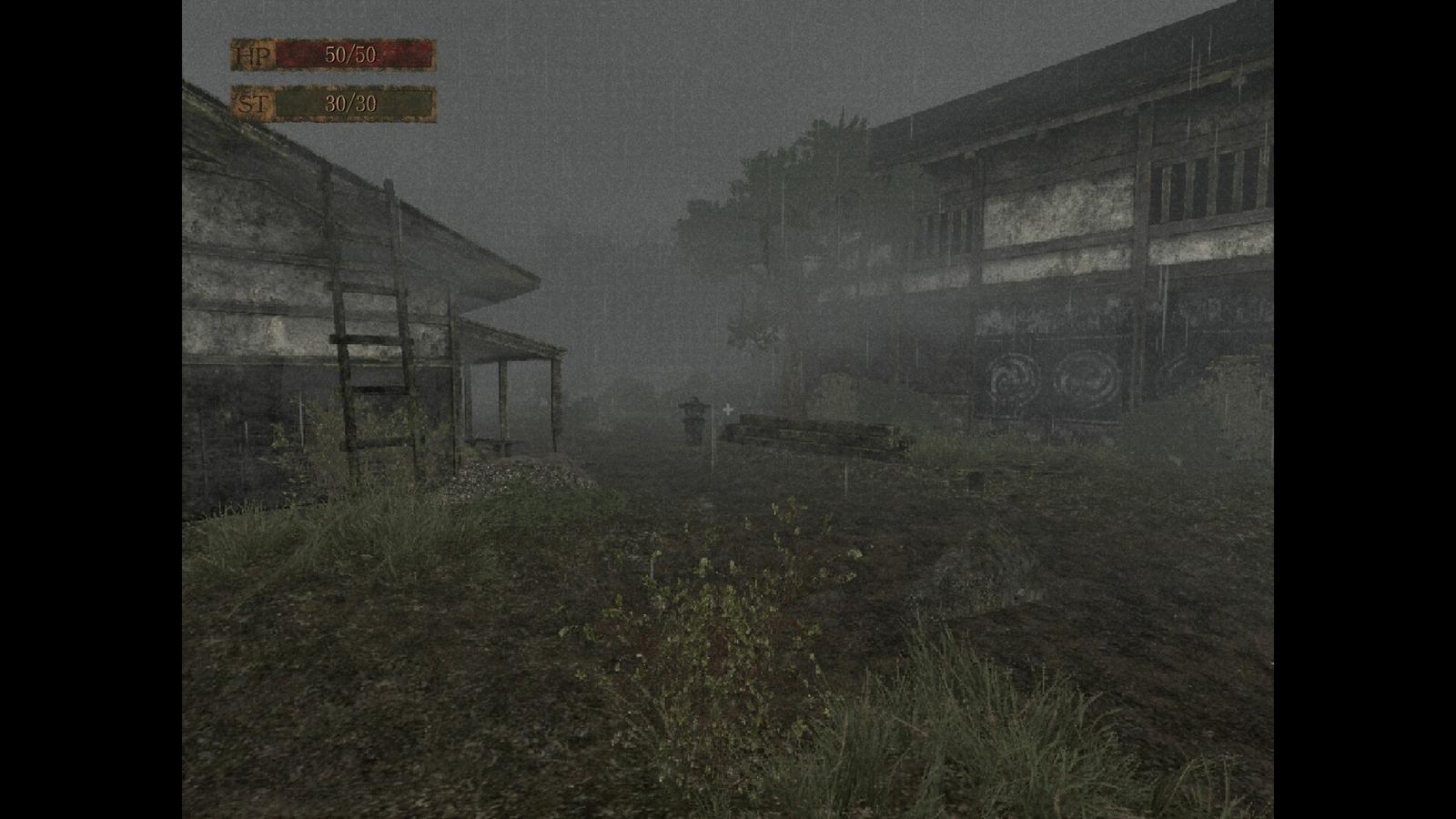
The list of closed gestalts is impressive. We waited for Hollow Knight: Silksong (after seven years!). Escape from Tarkov, a symbol of eternal early access, finally received version 1.0. Fans of Ninja Gaiden suddenly got the fourth part. But the main miracle was the release of "The Adventures of Captain Blood" — the legendary long-term construction of Akella, which had been gathering dust on the shelf since 2005.
Of course, not everything went smoothly. The long-awaited return of Painkiller turned into a failure: the cult shooter was turned into an uninspired cooperative that plays itself. Remakes of Oblivion and Metal Gear Solid Delta, hastily transplanted to Unreal Engine 5, also raised more questions than joy.
And yet, the mood in the community has changed. There was a feeling that the industry had begun to pay off old debts. Players again believed in miracles — to the point that jokes about the announcement of Half-Life 3 stopped being just jokes.
2025 will be remembered not so much for the quality of these games (it was different), but for the very fact of their release. The year when myths became reality.
"Expedition 33 Syndrome": Why the Main Game of the Year Was Overpraised — Mikhail Shkredov
Clair Obscur: Expedition 33 is a wonderful adventure. An unusual world, an emotional story, charismatic heroes, and a polished combat system. This is a game that does not leave you indifferent, and it is definitely worth checking out.
However, the noise around it rose as if there were simply no other worthy games released in 2025. The hype on the Internet is off the charts, and at The Game Awards, the project took home 9 statuettes at once, including "Best RPG" (it's a shame for Kingdom Come: Deliverance 2). Awards continue to rain down. Yes, the game deserves praise, but there is already a clear overkill.
Expedition 33 is a high-quality, masterful compilation of other people's ideas. In 2024, Astro Bot did something similar, but it was not elevated to the rank of messiah. If you look at the iconic projects of past years, they all shook the foundations. Baldur’s Gate 3 showed that a complex isometric RPG can be an expensive blockbuster. Elden Ring reinvented the open world. Hades created the genre of "story-driven roguelike". It Takes Two turned the cooperative upside down. Even Sekiro (damn it) taught the whole industry to parry.
Expedition 33 doesn't change or invent anything. It's just a very good game. And, perhaps, the most overrated this year.
Never miss our newsAdd this site to your preferred sources to see us more oftenAdd on Google