Yakuza Kiwami 3 is not as bad as they say. But the remake has two fatal flaws
New ending and hints
After the second part, Kiryu Kazuma retired from business. He handed over the leadership of the Tojo Clan to Daigo Dojima and moved to Okinawa. The legendary Yakuza opened a small orphanage for orphaned children and takes care of them himself.
The plot in the remake has been slightly changed. New cutscenes have been added, and some of the old ones have been expanded. Almost all the changes are cosmetic, except for the ending, which is criticized.
The new post-credits scene greatly changes the franchise's narrative. It affects a character who plays an important role in Yakuza 4, triggering the events of the game. And in the new version of the story, he will no longer be able to do this.
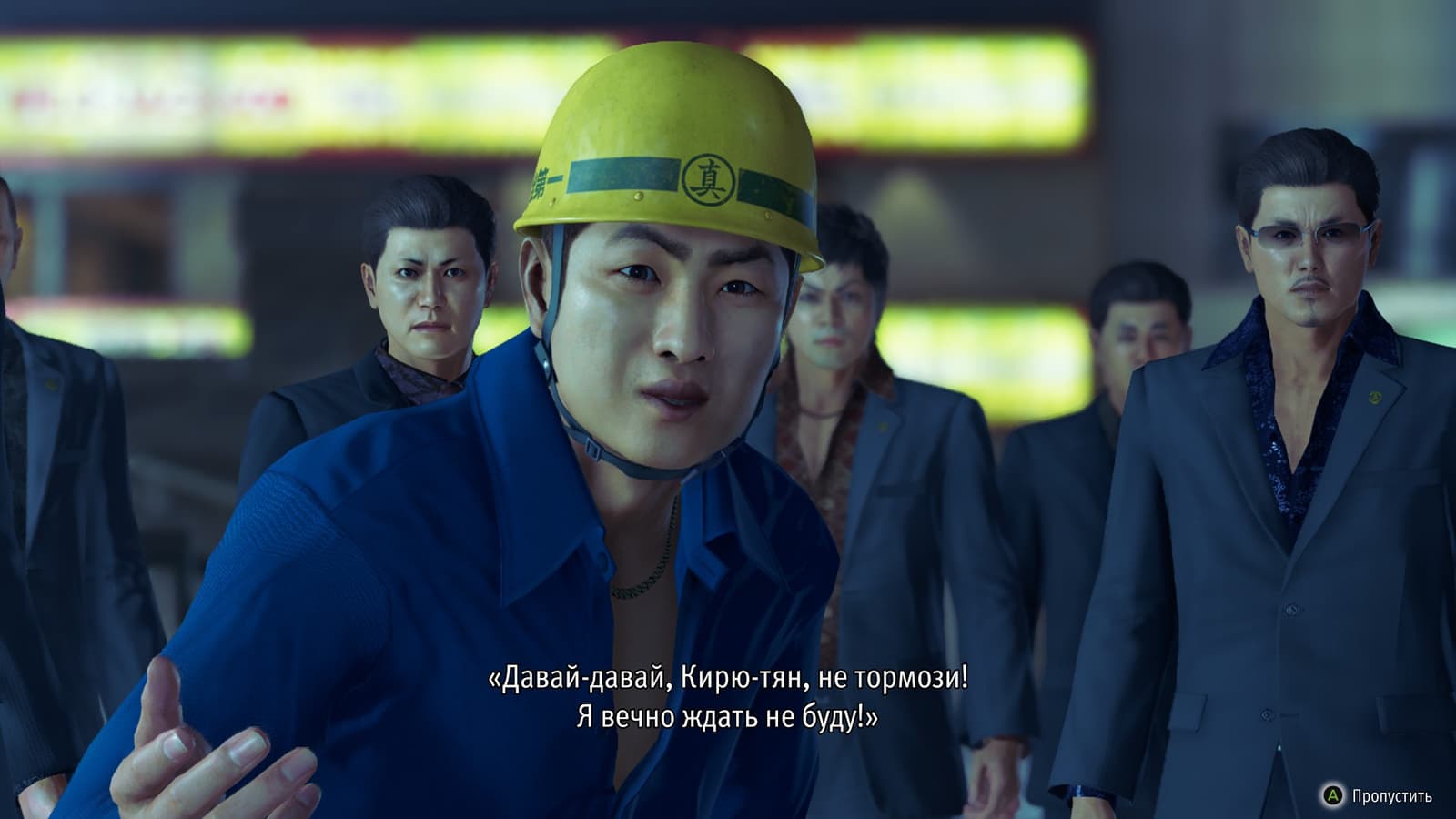
Is Ryu Ga Gotoku Studio hinting at Yakuza Kiwami 4? Although they said there would be no remake of the "fourth" game. It should be, because now it is both the most outdated part of the series, and the inconsistencies with Yakuza Kiwami 3 are striking.
On the other hand, the developers said that the Kiwami series is complete. No one says there will be no more re-releases. Perhaps they will be presented differently.
If not a remake, then another spin-off like Like a Dragon Gaiden: The Man Who Erased His Name should definitely be. Since the authors directly say that one of the key characters of Yakuza Kiwami 3 will return. In extreme cases — in the next big Like a Dragon.
The new ending also has a plus — philosophy. It expresses interesting thoughts about Kiryu Kazuma: about his true nature, about his desires and the path he has taken. They make you think, turning the idea of the protagonist's fate upside down, and adding drama to it.
Less stuffiness, more dynamics
Despite the controversial ending, the plot has still changed for the better.
While playing the original Yakuza 3, I was indignant at the extraneous everyday tasks that were woven into the main plot. For example, for most of the second chapter of the original source, the player is forced to run back and forth, helping children in an orphanage. This allows you to feel their importance to Kiryu, but it does not suit either the style of the franchise or its genre.
In the remake, the developers pushed the routine into the background. Now managing the orphanage is a separate set of mini-games: helping with homework, cooking, sewing, growing vegetables, and so on. The stories of the children Kiryu is looking after have moved here and have been expanded.
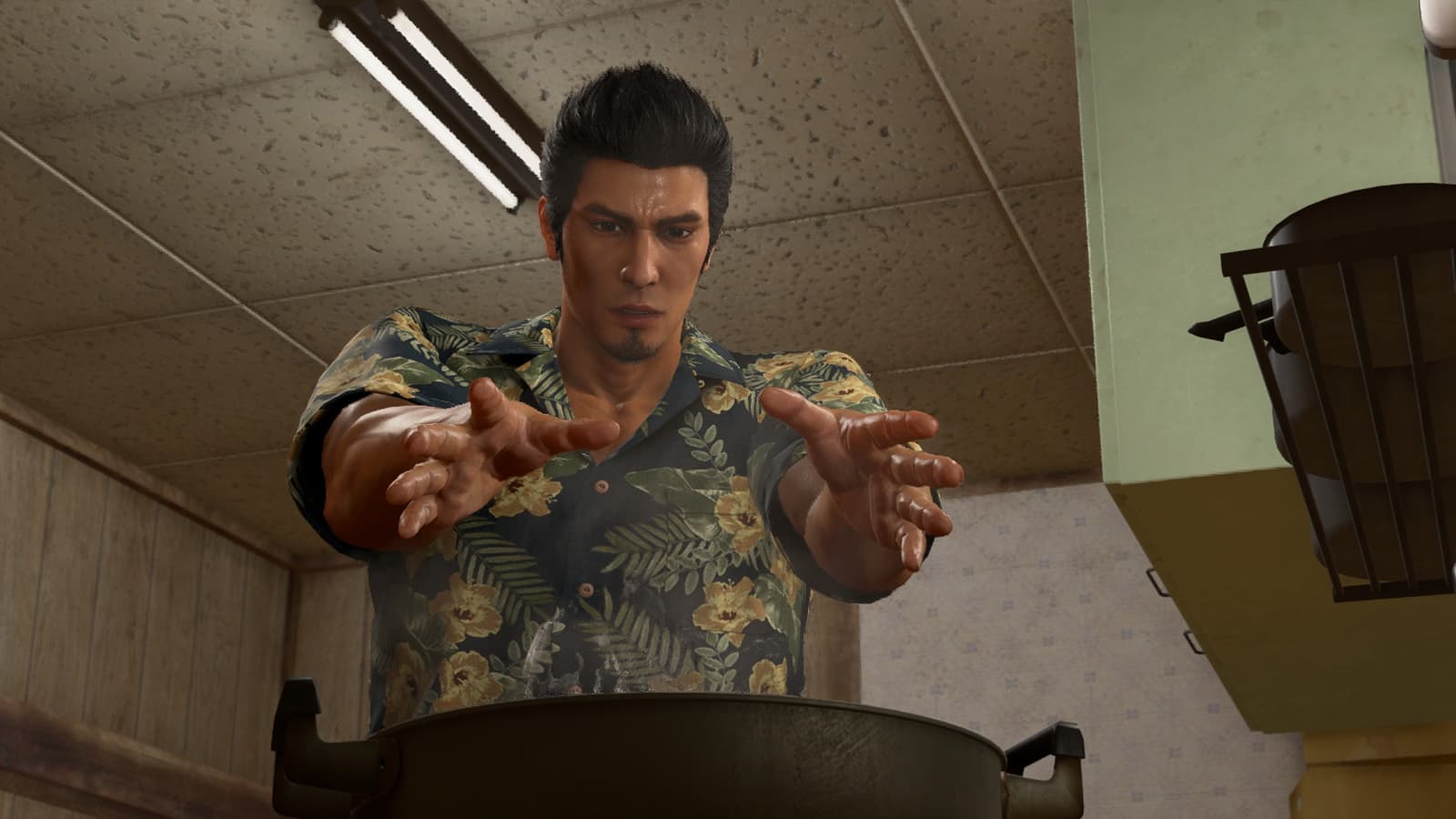
Instead, in Kiwami 3, the former Yakuza helps a biker gang from Okinawa. Their goal is to become the strongest group on the island and get rid of competitors from the capital.
Kazuma switches to children's concerns (in the original) or street fights (in the re-release) anyway, but the difference is noticeable. Now the passage feels much more dynamic and does not irritate as before.
But it still looks ridiculous when the main character forgets about vital problems to help children or bikers. This greatly disrupts the pace of the narrative, when the player is forced to distract from the fascinating main story.
Helping the gang replaced managing the cabaret club from the original. And this is correct, since Yakuza Kiwami 2 already had a similar mini-game, dating back to Yakuza 0.
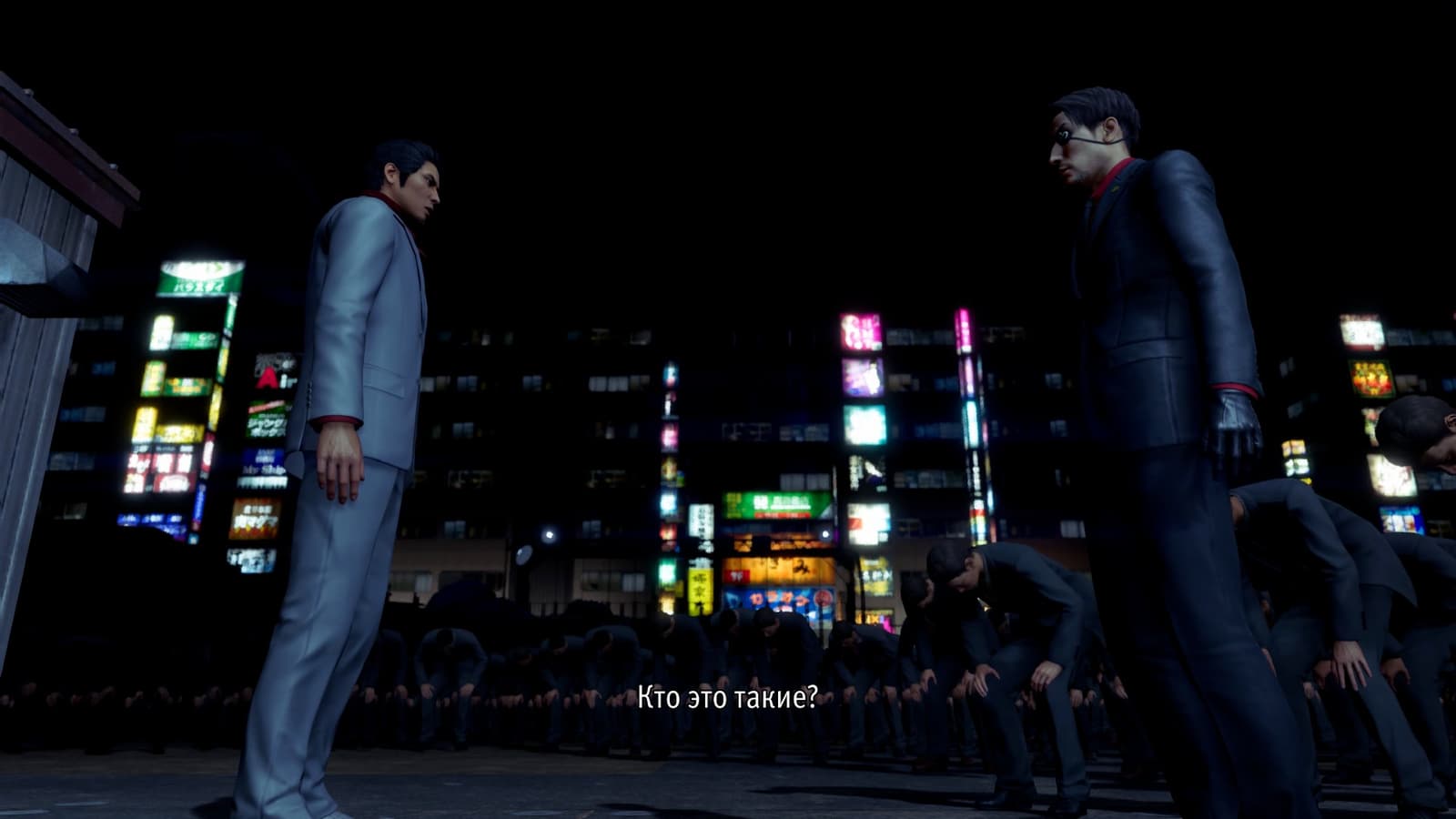
The re-release is made more dynamic by the excellent translation. The characters constantly use rude words that fit perfectly into the setting. They insult each other, brag and rudely answer questions. They also comically played up indecent terms. I especially remember the moment with the name of the biker gang that Kiryu joined.
Dark Ties and its duration
Included with the remake of the "three" is a small story campaign Dark Ties about Yoshitaka Mine. It tells how a former businessman came to the world of Japanese crime and achieved success in it.
In addition to Yoshitaka, the image of Daigo Dojima is well complemented and why he became so important to Mine. Kanda also got enough screen time — one of the antagonists of the main game.
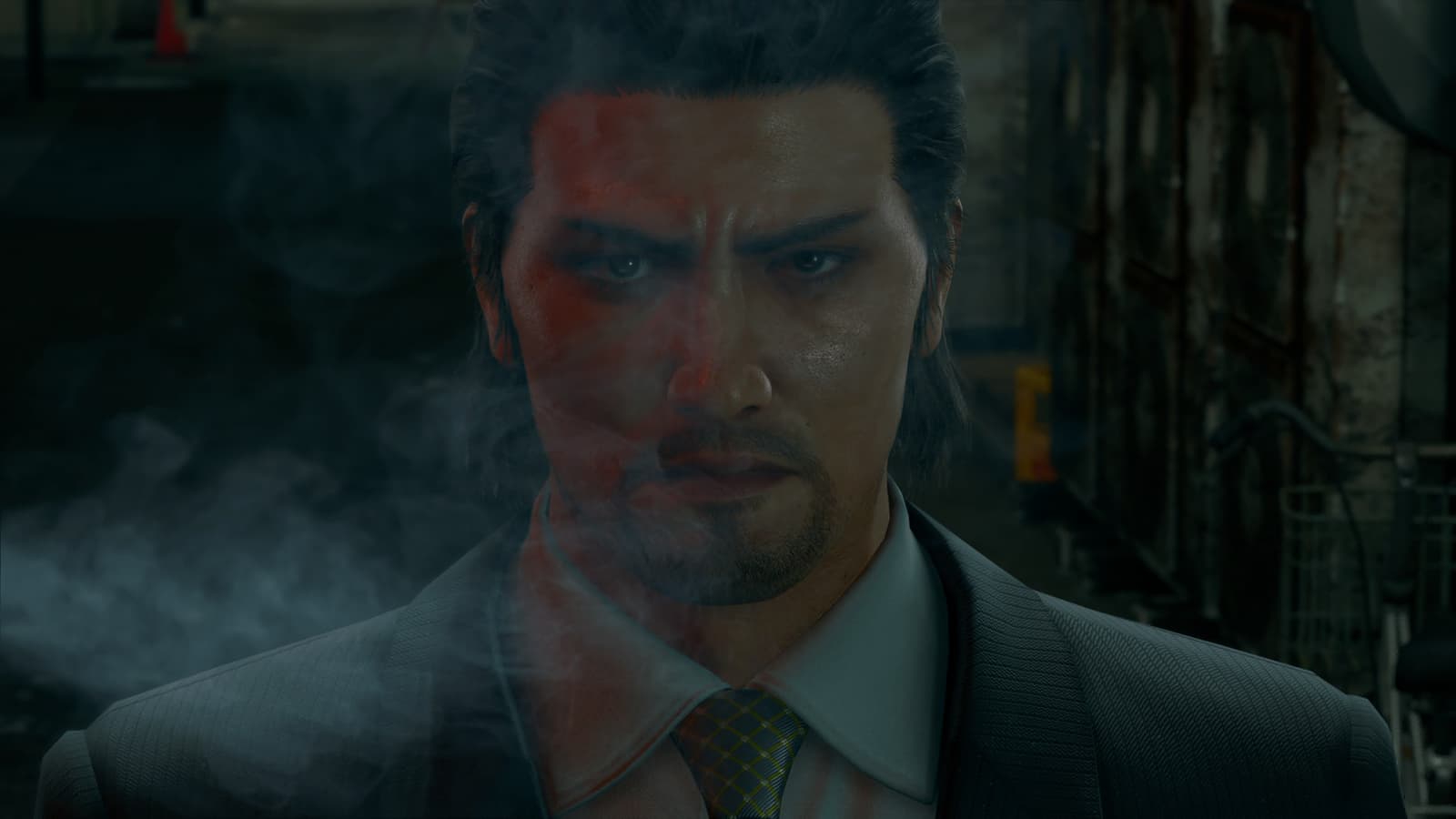
The campaign was criticized for its short duration. It is about the same as the mini-story of Goro Majima in Yakuza Kiwami 2. The entire Dark Ties takes four hours and consists of three chapters. The start is good at engaging in the story, and in the finale, the drama of "Yakuza" is manifested in all its glory. Although the new ending of the main game spoils the impression, devaluing the philosophy and emotions of the characters.
But the problem is not the short duration. The main plot of Kiwami 3 takes 12–13 hours to complete, and getting a bonus campaign that is a third of the main one is not bad. The key disadvantage is that half of this time is superfluous. The authors added a bunch of mandatory routine for some reason, without which it is impossible to move on.
It is understandable when the main plot introduces the player to secondary activities or storylines. As in the case of Kiryu and Majima in Yakuza 0. There, their business branches started in the main story, and then the player could return to them separately. But when the main narrative spends hours on grinding, it's annoying. I would prefer a tight plot for two hours to such stretching.
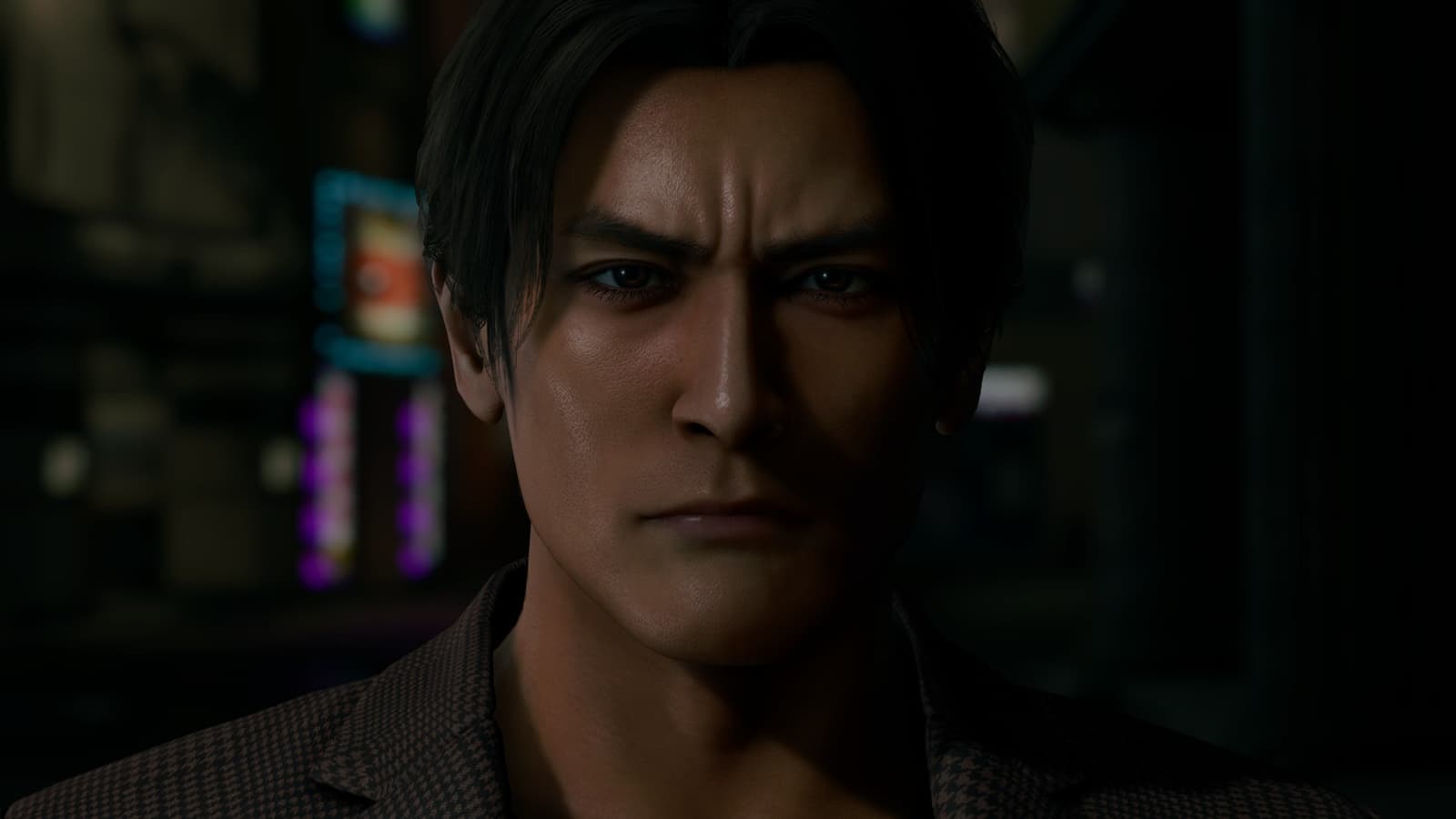
Okay, let Dark Ties be a separate short game, like Like a Dragon: Pirate Yakuza in Hawaii. Adding more branches to it would be logical. But the campaign about Mine is inseparable from the big Yakuza Kiwami 3. Leave the boring activities optional, whoever wants to will complete them.
Another small disadvantage of Dark Ties is a slight discrepancy with the events of the big game. For example, the interaction between Mine and Kanda in the Kiwami 3 plot differs from what was shown here. After all, the big guy has seen Mine in battle many times.
Three Characters and Their New Designs
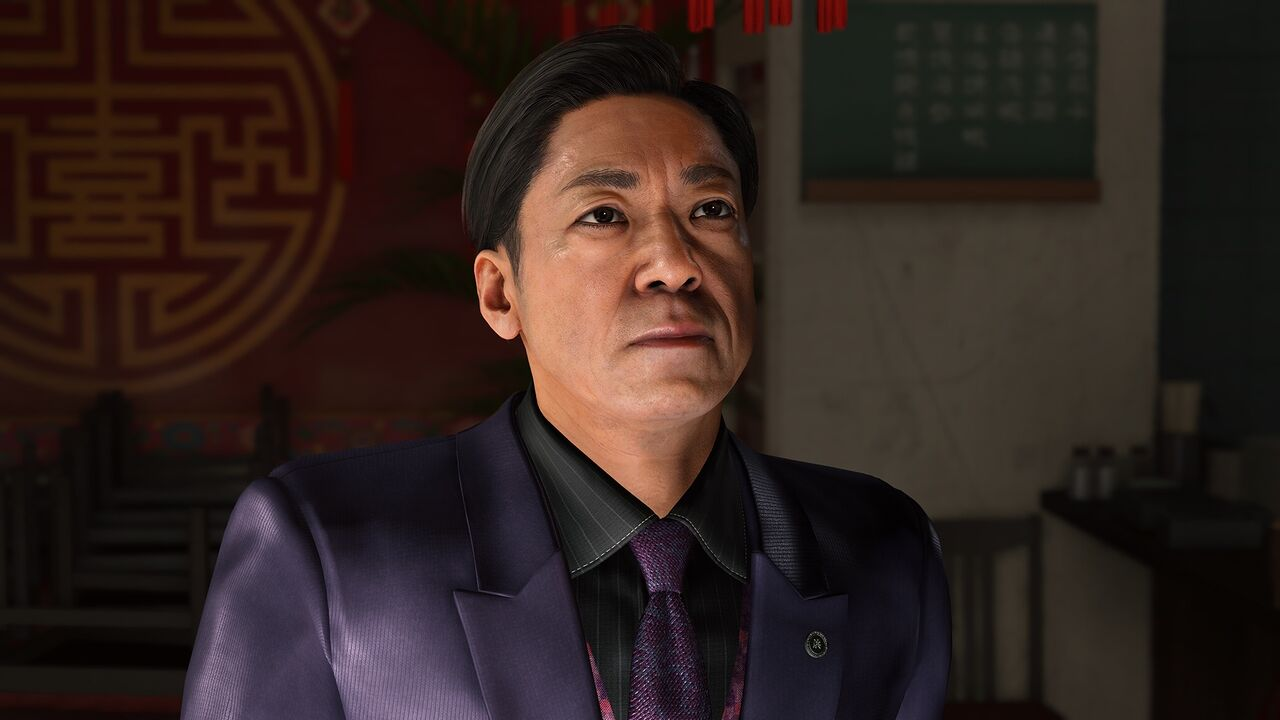
The altered character designs have become a controversial part of the remake. There are three of them in total: Go Hamazaki, Shigeru Nakahara, and Rikiya Shimabukuro.
Go Hamazaki is one of the antagonists. In the original, he looked like a classic gangster who doesn't shy away from cruel methods. It was immediately clear from the character's face that he was best avoided.
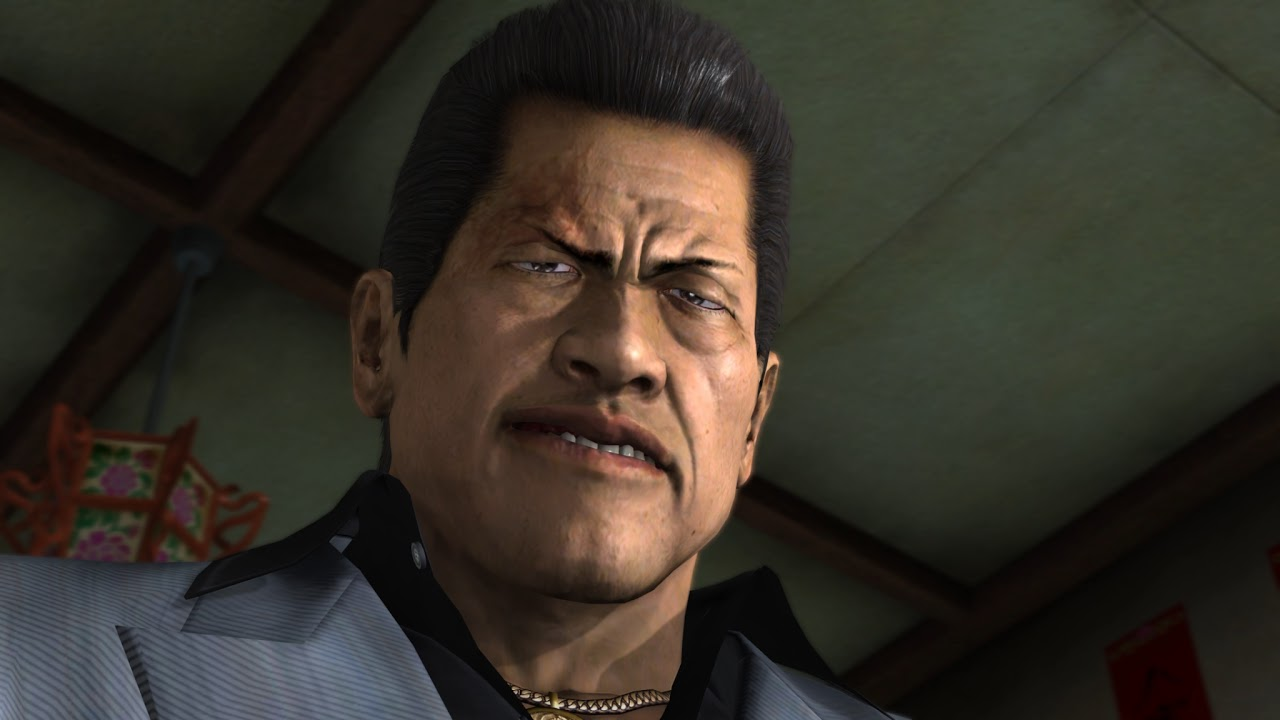
Hamazaki's new look is more restrained. He looks like a decent person from the business world. But the actor tried his best, and now Go is not just a street thug who has risen to power, but a skillful manipulator. He's playing his own game, and you can't tell what he's up to from his facial expressions.
That's how the character should be. The new Hamazaki evokes the most disgusting feelings when you look at him. And that's much better than the brutal "mug" from the original.
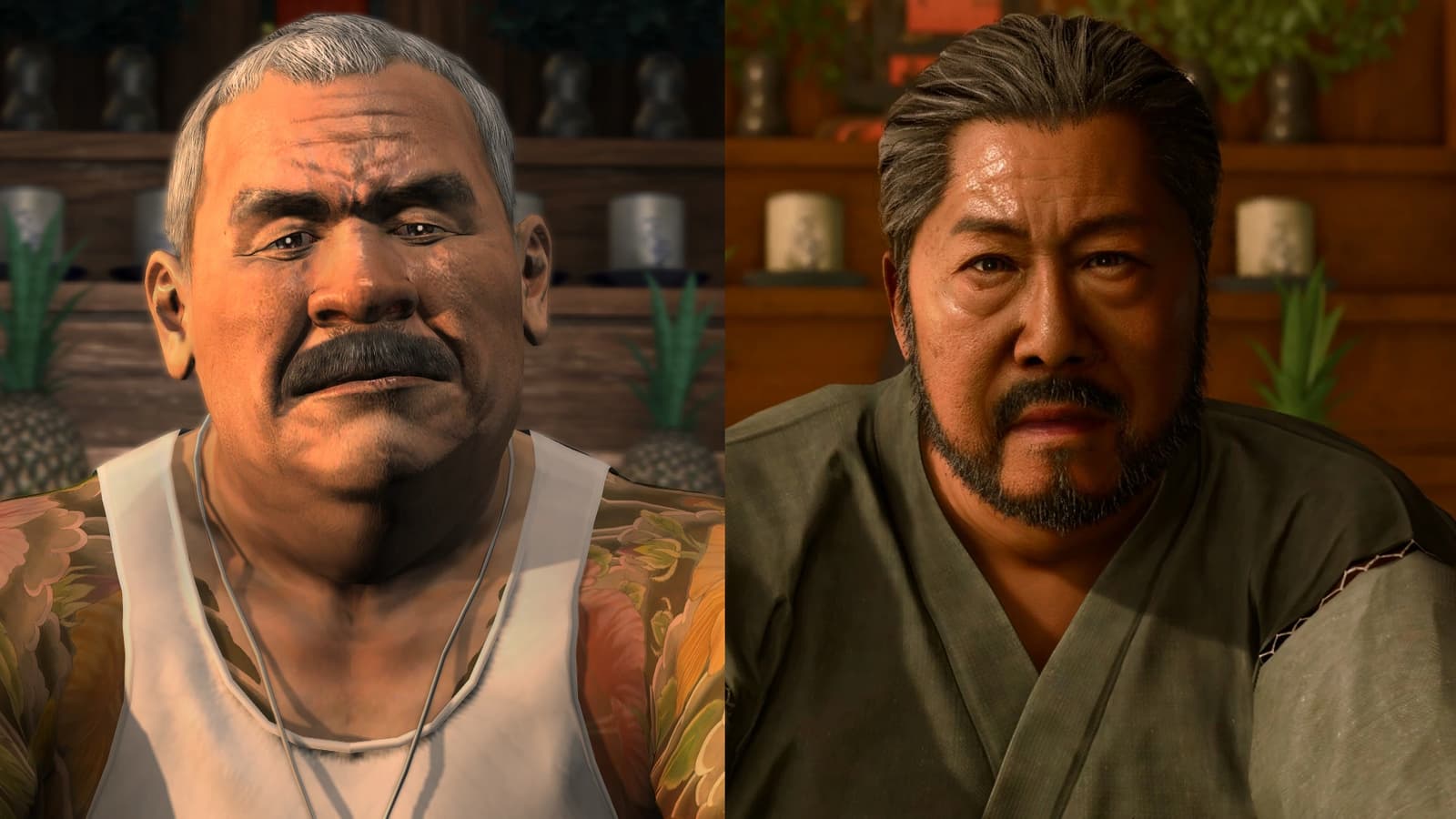
Shigeru Nakahara is the patriarch of the Ryudo family on Okinawa Island. Previously, the character looked like a regular at places not so far away. He flaunted his tattoos and glared at the protagonist with a stern look. While being a relatively good person.
The changed image of the hero changes perception. Now he is more of a broken man, which is evident from his emotions. He hides his tattoos and behaves insecurely. This suits him perfectly in a couple of story scenes. I remember the moment when his adopted daughter disappeared, and he doubted whether he should look for her.
Rikiya Shimabukuro is the captain of the Ryudo family, who follows Kiryu for a significant part of the game. And if in the previous two cases the new and old images were equally good (it all depends on your taste and perception of the characters), then changing Rikiya's design is a failure.
The situation with him is the opposite of Nakahara. In the old game, he was a young man who you wouldn't say was a gangster at all. Even though he was rude at the first meeting, he didn't cause a feeling of rejection.
The new image is more like a hooligan. This is evident in his facial features, as if telling a stranger: "I'm dangerous." But the hero's storyline is more suited to the old appearance.
Like his patriarch, Rikiya is not sure of himself. Like his unfinished tattoo, he doesn't know what he's capable of and isn't ready for life. And the tattoo artist refuses to finish it, directly indicating the problem.
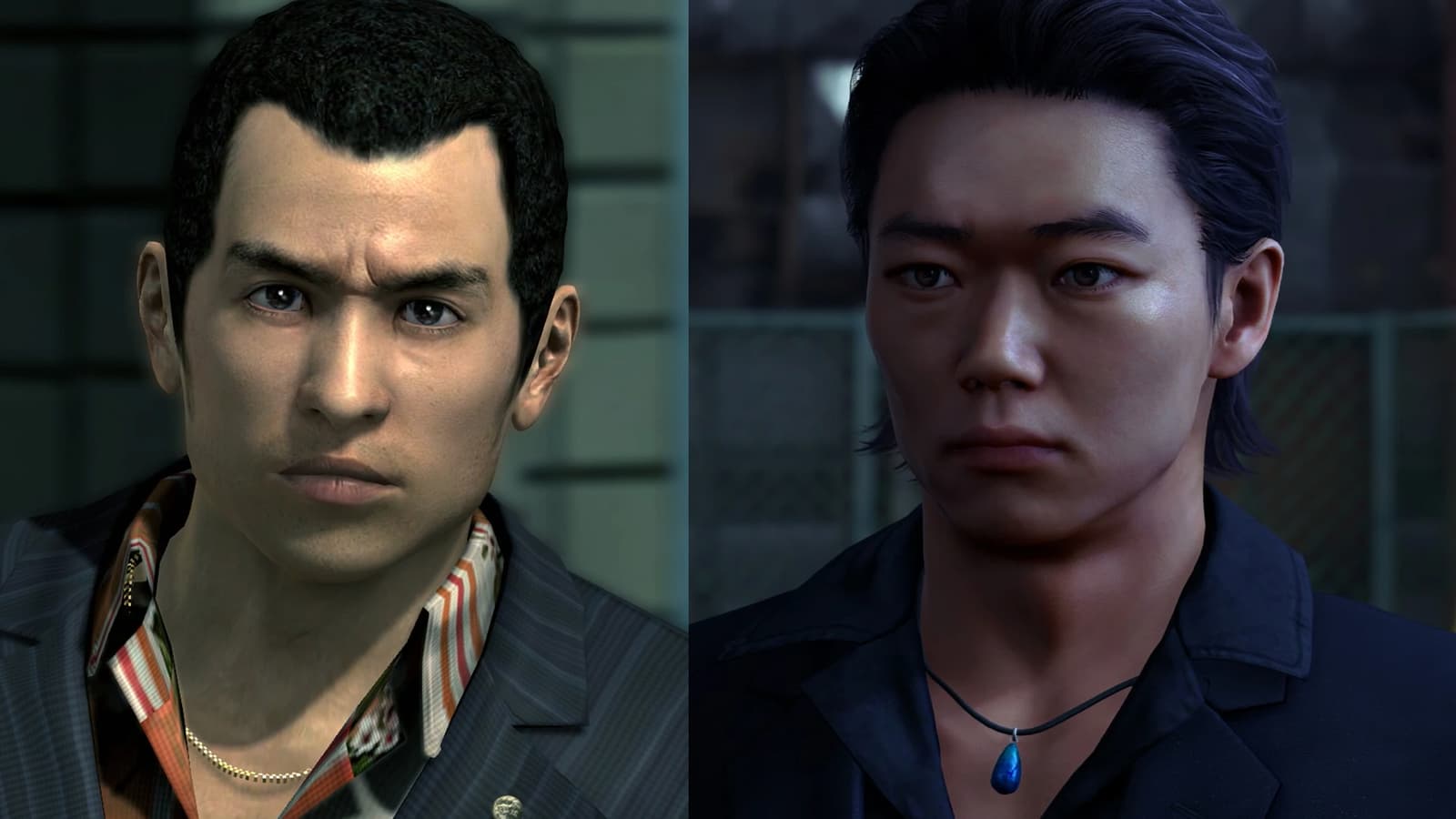
The new Rikiya tries to live up to his story, but it doesn't work out so well. This appearance is repulsive, almost like Hamazaki's. Only there it was appropriate, but here the hero's suffering seems contrived, which makes it difficult to empathize with him. Of course, you can get used to it, but the difference with the old image is still noticeable.
Kiryu Fights Like in Dark Souls, and Mine Like in DMC
The combat system also got its share. The authors tried to combine the best of three games at once: the original Yakuza 3, Yakuza 6, and Like a Dragon Gaiden: The Man Who Erased His Name. According to some players, "the idea is great, but the implementation is lame."
I liked the battles in the remake. Kiryu has two fighting styles here.
The legendary Dragon of Dojima style has been familiar to fans since the very first game. These are powerful and effective strikes that break through the enemy's defense. It's perfect for battles against strongmen and bosses.
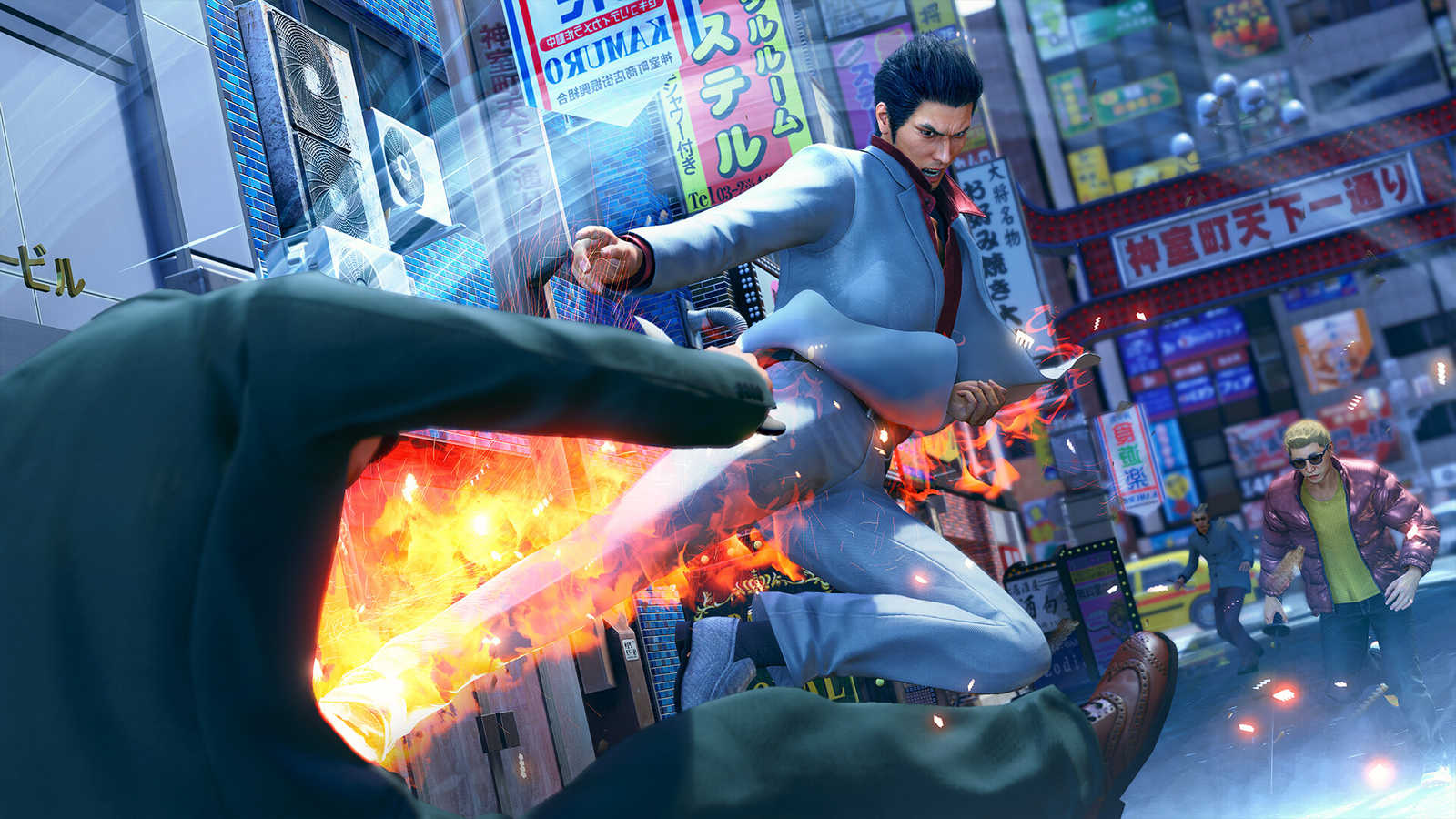
The Dragon of Dojima focuses on dodging. In Yakuza Kiwami 3, as in the original game, opponents like to stand in a block, although here it looks more like a reference. By dodging attacks, the player opens a window to inflict damage on enemies. Especially if you make perfect dodges, pressing the button at the last moment.
The Ryukyu style is new. Kazuma uses several types of weapons: nunchucks, tonfa, sai, and tekko. Similar to the agent style in Like a Dragon Gaiden, designed for gadgets. Ideal for scattering crowds of weak opponents.
I liked the mechanics and animations of Ryukyu. Instead of jumps, Kiryu uses rolls and can block enemy attacks with a shield. And dodges are replaced by parrying, which also opens enemies for damage. Outwardly, it resembles the Dark Souls series of games, although there is no hint of a "souls-like" here.
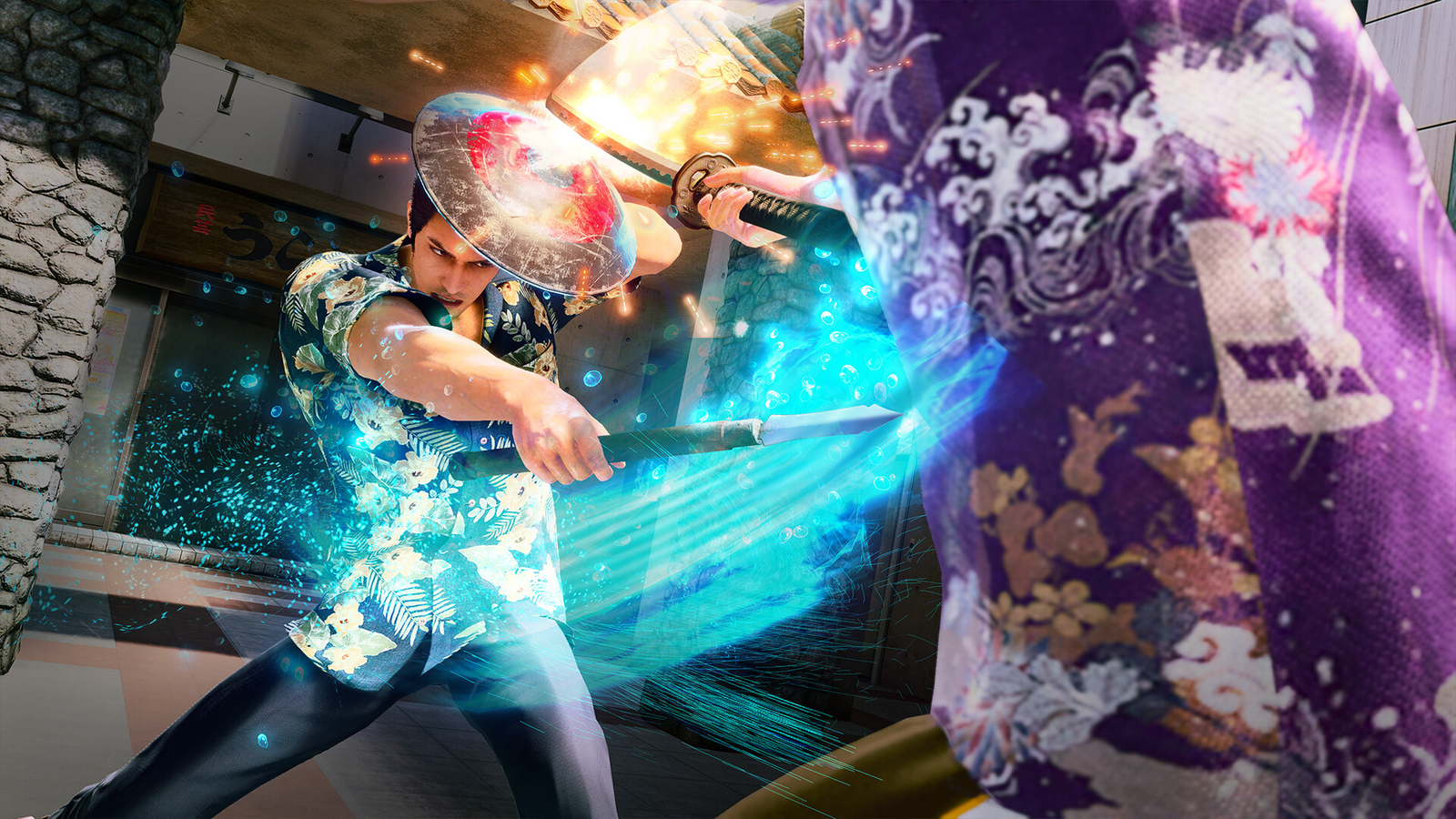
Both styles allow you to feel the power and understand why Kiryu Kazuma is a legend in the world of the Yakuza. He flies from corner to corner of the combat arena and destroys all opponents without batting an eye. However, it depends on the player's skills.
Kiryu has a special mode — "Dragon Enhancement." After accumulating a special scale, you can turn it on, significantly strengthening and slightly changing Kazuma's movements. And at the end, perform a powerful finishing move. However, this idea came from a pirated game about Majima.
It's a shame that there are fewer ordinary finishing moves. In the remake, Kiryu uses the same finishes for almost the entire game, which quickly become boring. The developers tweaked the battle animations, but cut out their main feature, which made the game more fun.
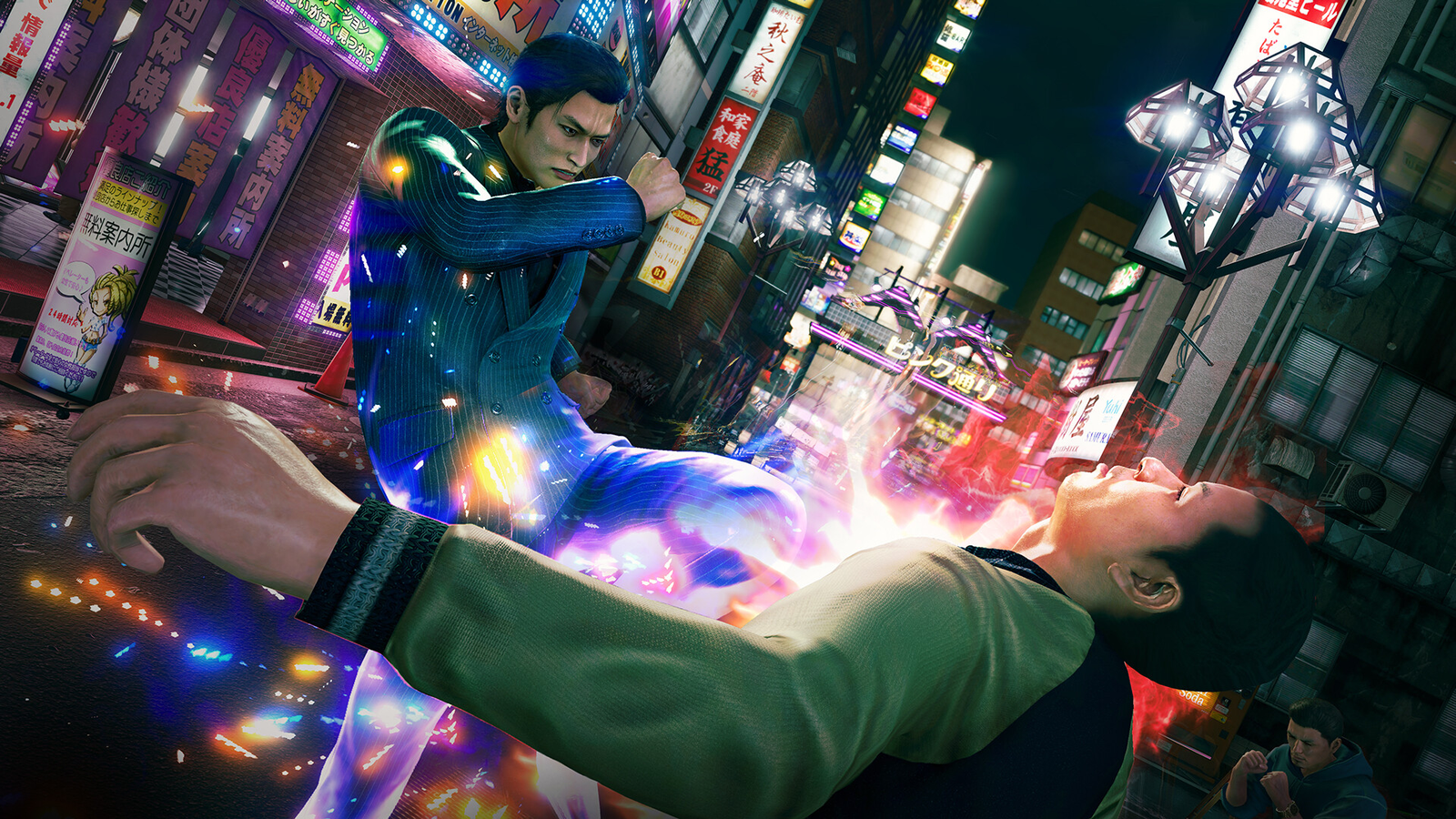
Mine's battles are more hurricane-like. He pirouettes and throws enemies in different directions.
He also has an enhancement mode — "Dark Awakening." Moreover, you can use it more often than Kiryu, because Mine has several cells of this scale. The mode not only changes Yoshitaka's animations, but also turns on upbeat music in the background, adding emotion to the battles. Just like in Devil May Cry, only without monsters.
Graphics and its filters
The appearance is also criticized. Fans did not appreciate the visual filters and color palette of the re-release.
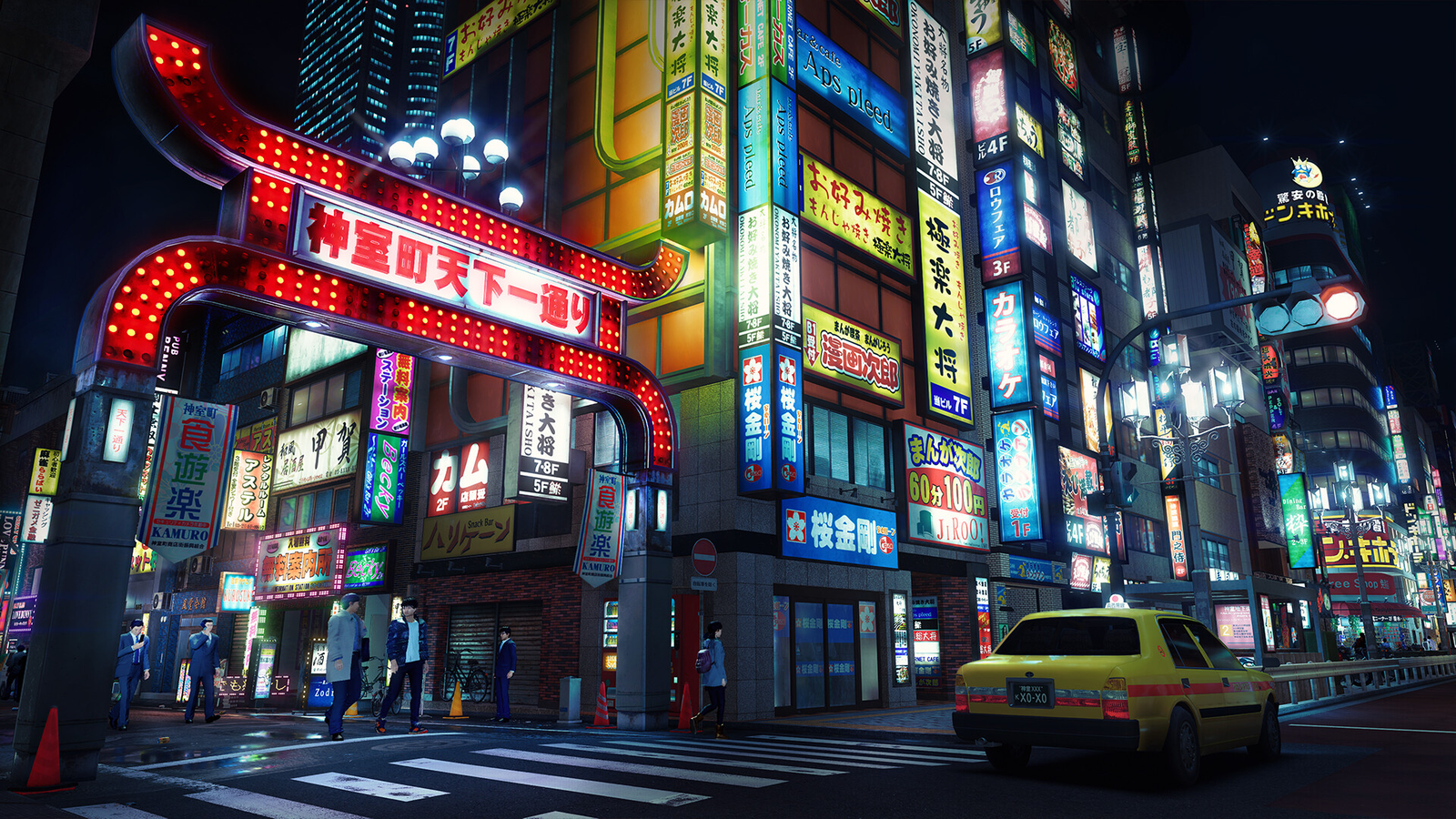
They scold the green filter from the remakes of the first and second parts, as well as the high contrast from Pirate Yakuza in Hawaii. Does this make the graphics in Yakuza Kiwami 3 bad?
The green filter brings the picture closer to the two previous parts. If, for example, you go through all the remakes in a row, you will not notice the difference. And the high contrast is appropriate because this game also takes place in sunny scenery. And those lighting problems that were in the demo version did not make it to the release.
But Yakuza Kiwami 3 also added a blue filter in Kamurocho. It got even more, although the idea is interesting.
The blue color shows the difference between warm and pleasant Okinawa and cold and cruel Tokyo. But this filter is only used in the gameplay, but the cutscenes remained untouched, which is jarring. It was necessary to apply it everywhere or not use it at all.
The main problems of the game
Yakuza Kiwami 3 has two significant drawbacks.
If you have played recent projects in the series, you will immediately notice the repetitiveness. Ryu Ga Gotoku Studio is known for using assets and mechanics from game to game. This has been noticeable since the oldest parts of the franchise, but now they have gone too far.
The best example is dating via phone. Walking around the game world, you will come across NPCs with whom you can make friends on social networks. You hold down the button, aim, and that's it, you're friends. But this has already been used in the third game in a row: Like a Dragon: Infinite Wealth, Like a Dragon: Pirate Yakuza in Hawaii and Yakuza Kiwami 3. This is suitable for the first two games, since their events take place in the same place and with a small difference in time. But here this mechanic is superfluous.
The same goes for dressing up. It's good when you can customize the main character as you want. But in Pirate Yakuza in Hawaii, this opportunity was presented in exactly the same way. Literally word for word, scene for scene. The protagonist meets the owner of the bar, who allocates him a room and says: "I bought a bunch of clothes here, but I don't wear them myself, so feel free to take them. You'll even help if you get rid of them."
Hunting for heads is good. The player finds a wanted bandit on the map and defeats him for money. But this mechanic also comes from the game about Majima. Fortunately, this time they justified it differently.
Another big problem is side quests. And it's much more serious. The original Yakuza 3 had 119 side quests, while the remake only has 31 left. At the same time, some of them are introductory.
Did the developers really spare money to transfer additional missions to the remake? Some of them continued side quests from previous parts. And others revealed characters from the main game: Rikiya or Michio. They were also cut out, which deprived these characters of their soul.

Side quests are an important part of the franchise's charm. They created a contrast with the main plot. If the main story in Yakuza has always been a crime drama, then side missions are ridiculous and wild scenes. In them, the main character could give interviews, help with the filming of a music video, participate in the voice acting of a game for adults, and much more. Although there were also deep ones, showing the hardships of ordinary people's lives. This is lost here.
A couple of new assignments were still invented, but the new content of the game did not replace the old one. Acquaintances, for example, supplanted the gorgeous "Revelations" from the original "three". These were hilarious scenes that Kiryu photographed and posted online with ridiculous comments. Some of them became famous memes. Especially about the grandmother who did a somersault on a scooter, staring at a poster of her favorite actor. It even sounds funny - all in the spirit of the franchise. And what do acquaintances give the player? Nothing.
Verdict
Yakuza Kiwami 3 is a good remake. The authors reworked the presentation of the main story, making it more dynamic, since children's problems are now optional.
The new ending hints at future projects, so it's too early to judge it negatively.
The Dark Ties mini-campaign reveals Mine and shows the inner workings of the Tojo clan in more detail. And this is always interesting. Although you will have to run around Kamurocho for a couple of extra hours, completing stupid errands.
The combat system has become better than in the original game. The old style is now more diverse in terms of animations, and the new one allows you to deal with dozens of enemies.
Battles for Mine are the golden mean: fast and strong, spectacular and effective. And to an excellent soundtrack.
The updated character design is appropriate in two out of three cases. And the new graphics are the style of the franchise's remakes. But the blue filter needed to be used in cutscenes as well.
The project's problems deserve criticism. But they don't make the game as bad as people think.
The main disadvantage of Kiwami 3 is the cutting out of side quests, which affected both the charm of the game and the key characters. And the new content could not fully replace the old one. The repetitiveness of the project and the mechanics from previous games are striking.
A separate conversation is the high cost, since you will have to pay 60 dollars. And in Russian realities, this figure transforms into a "wonderful" 5500-5800 rubles. Is the remake worth such money? No. But with a discount - a definite recommendation!
Never miss our newsAdd this site to your preferred sources to see us more oftenAdd on Google