It's Boring to Be a Thief: A Review of Warren Spector's Stealth-Action Game Thick as Thieves
Translated with AI from the Russian original.
The new stealth-action game Thick as Thieves from OtherSide Entertainment, led by industry veteran Warren Spector, promised players thieving adventures in the best traditions of Thief and Dishonored. However, instead of the long-awaited spiritual successor to cult classics, we got another raw extraction-slop that can hardly be called a full-fledged game.
Student Work from the Creator of Deus Ex
Let's imagine for a moment that one day industry pioneer Warren Spector said: "When I start to get senile dementia, I won't tell anyone, but there will be signs." In that case, the release of Thick as Thieves is not just a sign, but a giant neon banner, shimmering with all shades of creative crisis.
The project gives the strong impression that a devoted fan, who adores Thief and Dishonored, enrolled in an online course "Game Designer from Zero to One" and, as a diploma project, released a hastily made craft, created with friends during a week-long game jam.
This is roughly how the new game from Warren Spector and his team feels, looks, and plays. How did industry veterans come to this, and what went wrong behind the scenes at OtherSide Entertainment? To understand this, we need to go back in time – to December 2024.
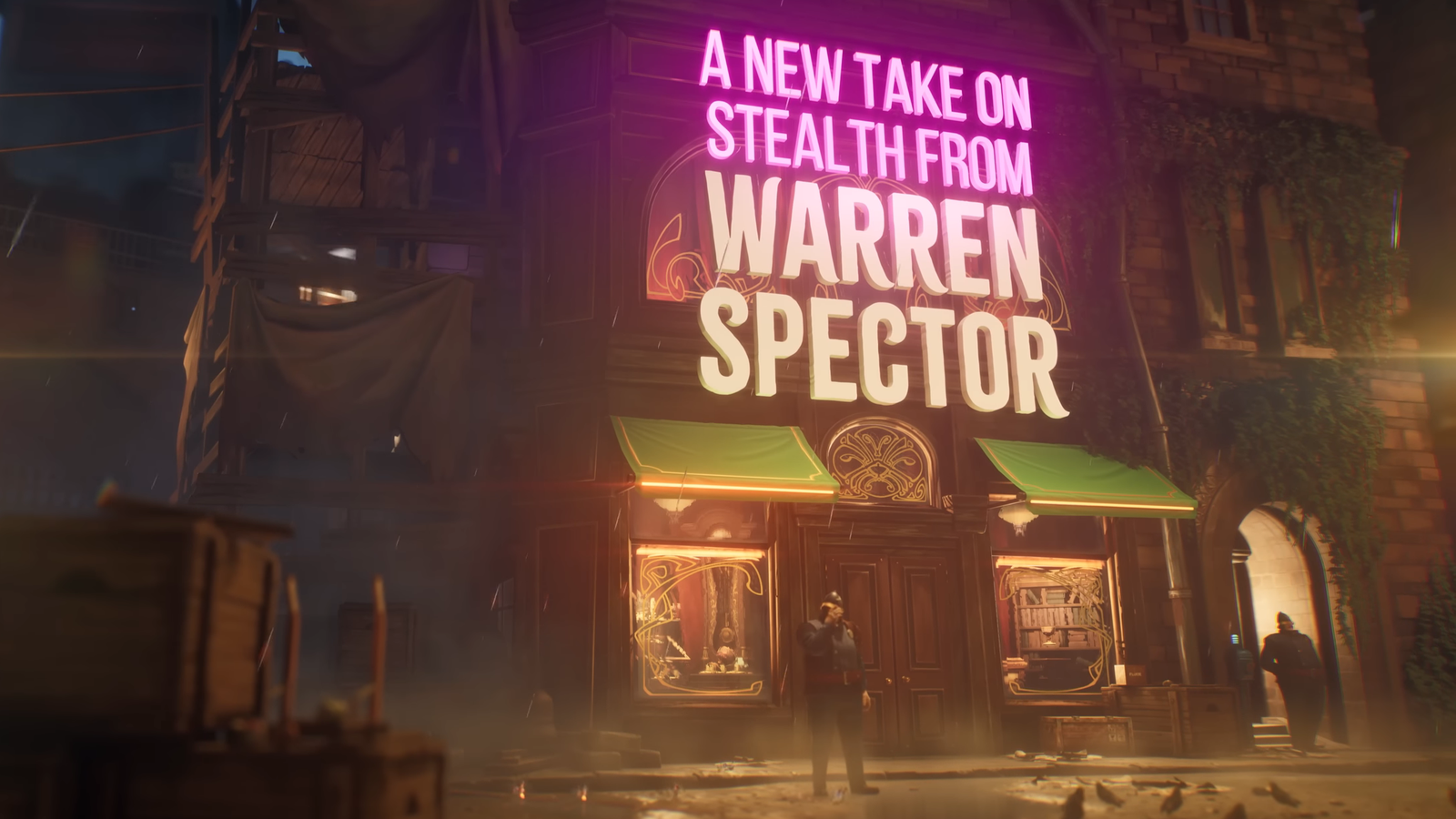
Then, at The Game Awards 2024, the public was presented with a trailer for an ambitious PvPvE project, modestly dubbed "a new word in the stealth genre." The video showed four competing thieves hunting for a single artifact, trying not only to outsmart vigilant guards but also to frame their colleagues. It looked strange but intriguing, and Spector himself assured that multiplayer was the next logical step in the evolution of immersive sim.
However, just a month and a half before the release, the concept suddenly changed: OtherSide announced that from now on, the game was designed for solo play or two-player co-op. The developers performed emergency surgery and dumped this castrated remnant on Steam. And here's what came of it.

Dishonored is Just a Dream
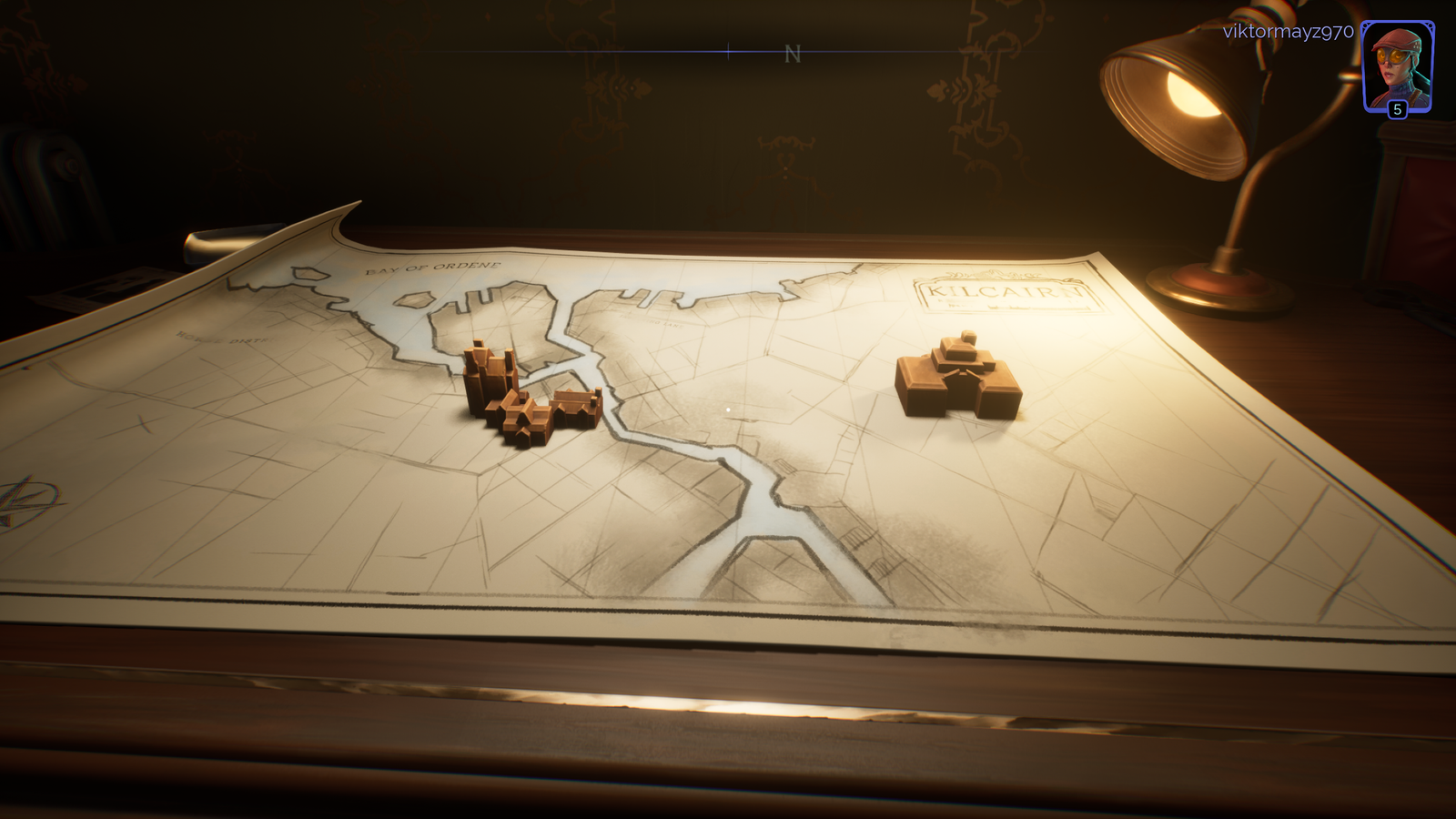
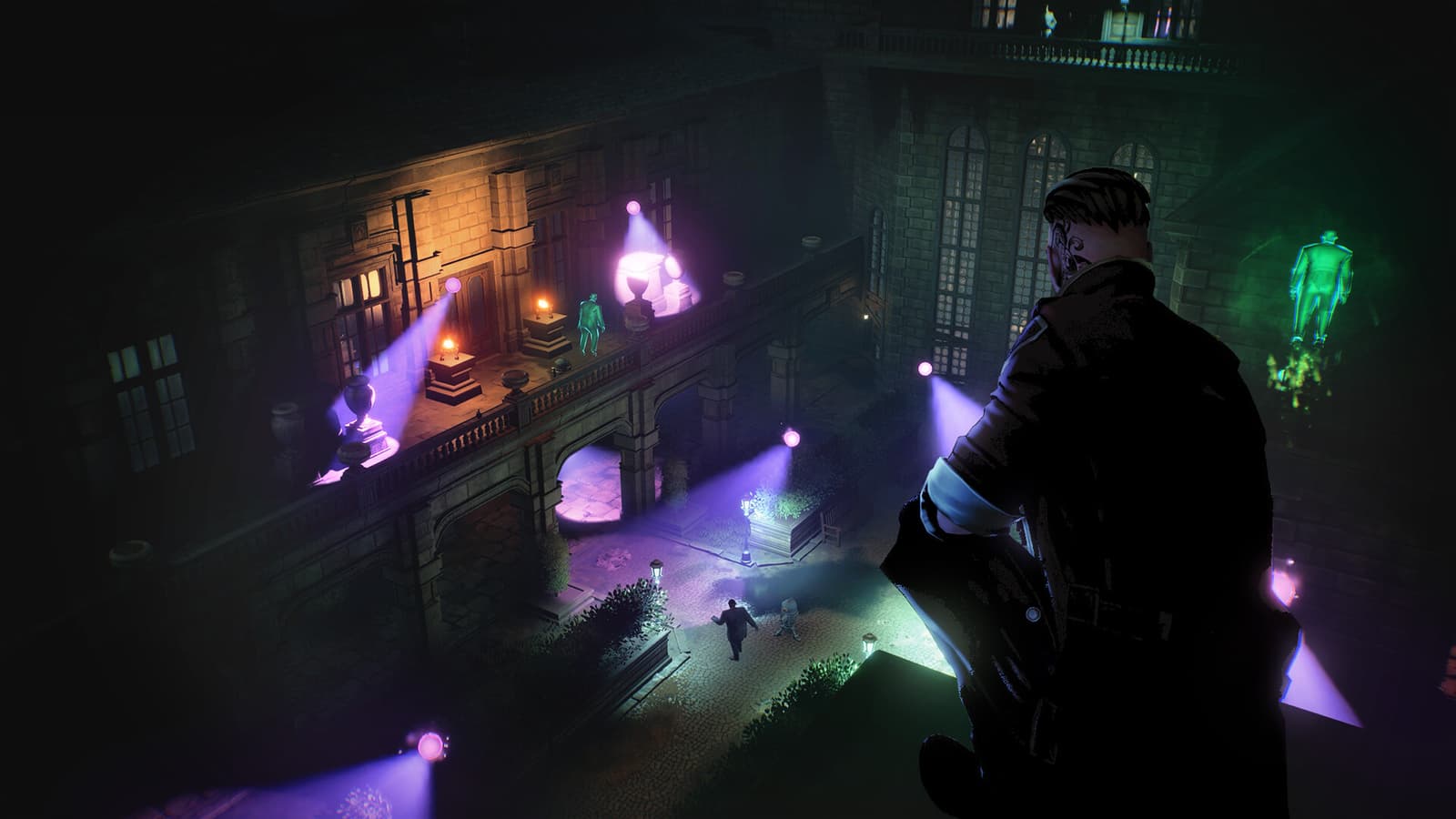
The game is set in an alternate version of the Scottish town of Kilkearn in the 1910s, where technology is mixed with magic. Visually, the game tries its best to imitate Dishonored – the local Victorian steampunk and grotesque character proportions give a fiery greeting to Dunwall.
However, the developers failed to reach Arkane Studios' level in any parameter. Where Raphaël Colantonio's team had unique work, handcrafted details, and meticulously designed art, created by Viktor Antonov (rest in peace, legend), here we see only a gray, lifeless picture, poor in details and animations.
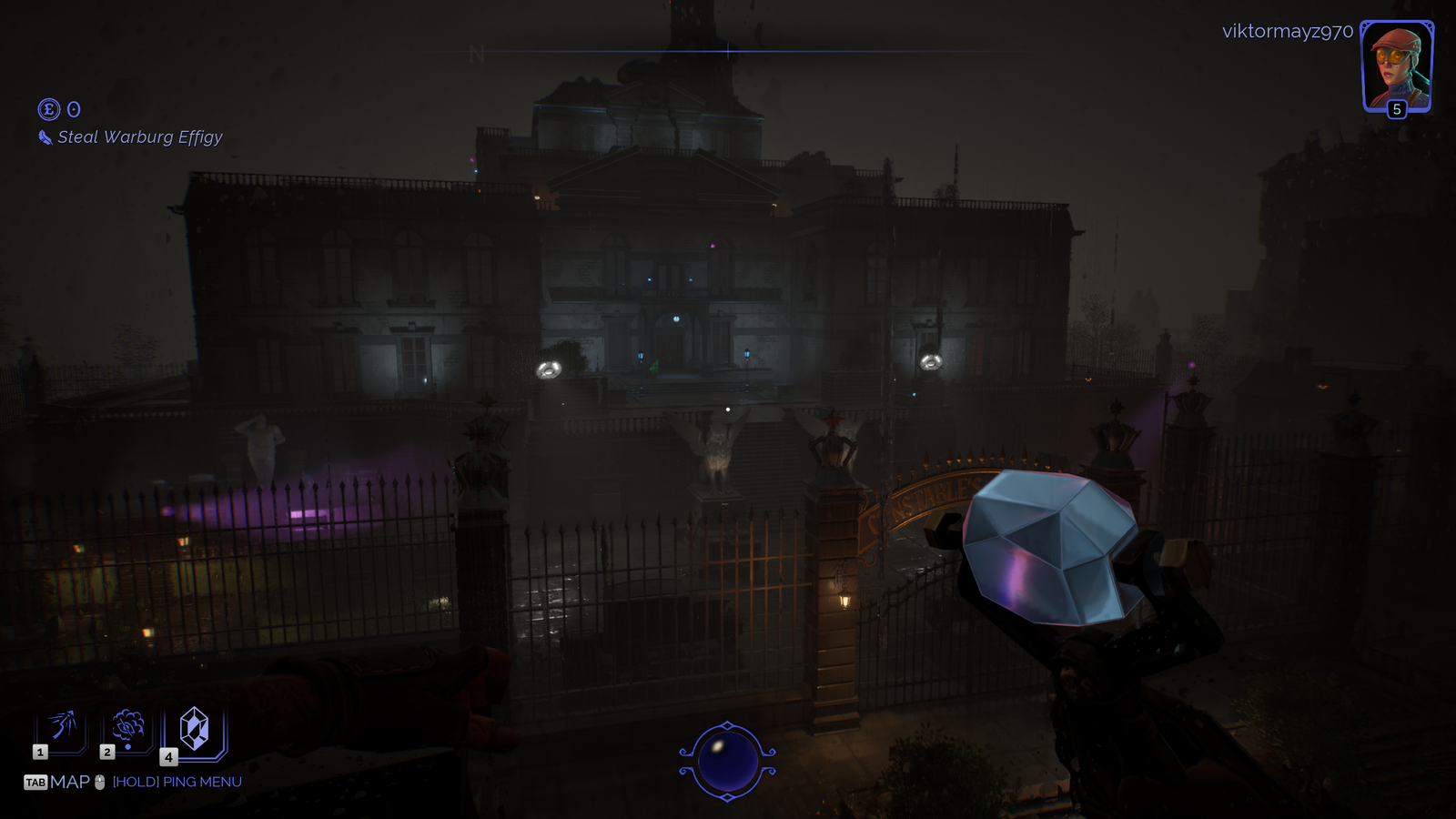
In these gray settings, our main character is a promising pickpocket who dreams of joining a prestigious thieves' guild. As an entrance exam, he is tasked with breaking into a jewelry store and stealing the Vistara diamond.
It soon turns out that this is not just an expensive trinket, but a powerful artifact that allows you to highlight enemies, traps, and valuable loot even through walls. Seeing that the newcomer knows how to use the relic's power, the guild accepts us into its ranks. But "X-ray vision" is just the tip of the iceberg, and the true scale and origin of the stone's power remain a mystery to both us and the guild itself.
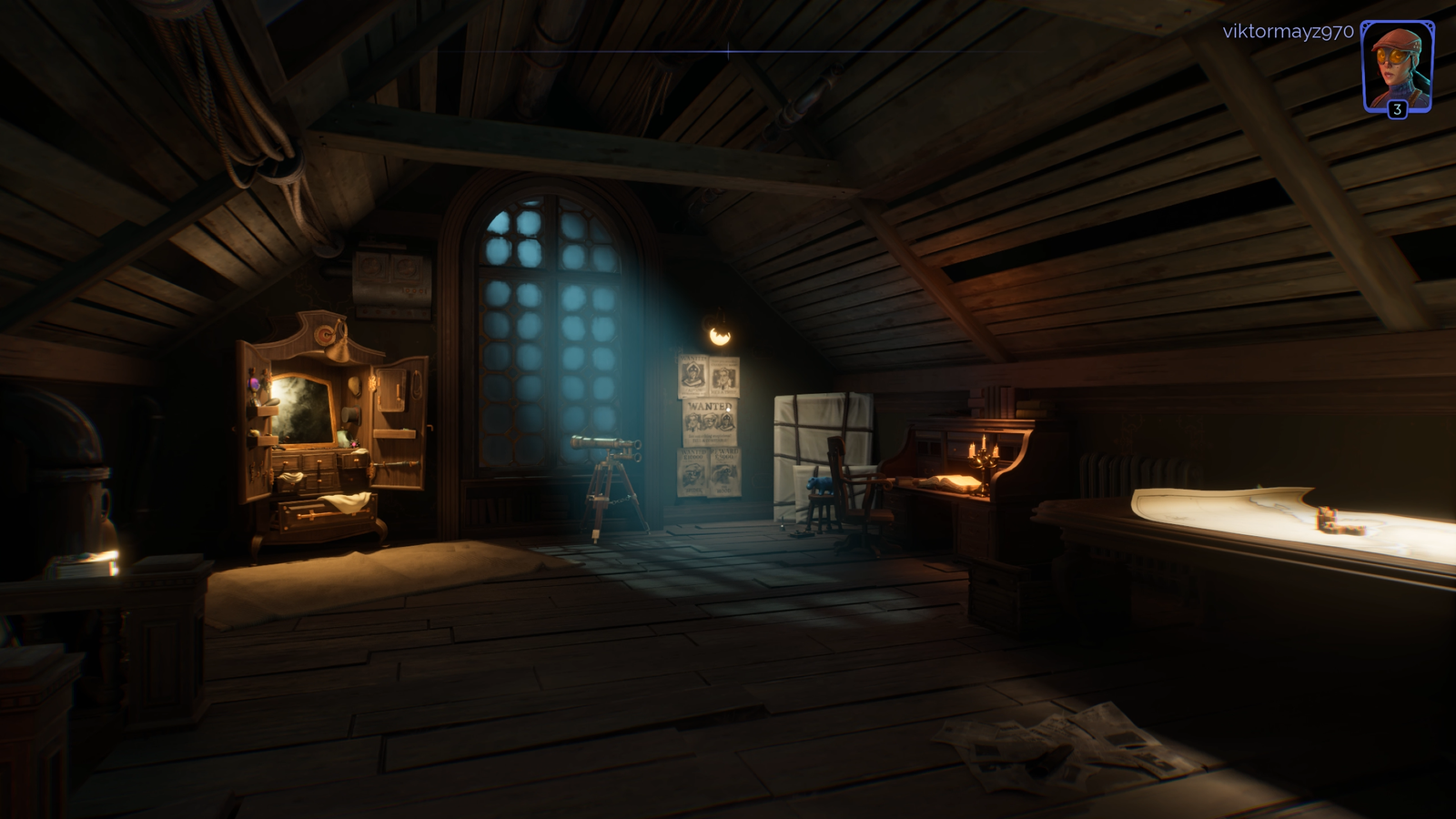
From this moment, the game unfolds a detective story where each subsequent contract is an attempt to piece together information about the diamond's nature, while simultaneously unraveling intrigues that have been brewing around it for decades.
And there are quite a few intrigues here, it must be admitted: by rummaging through archives and cracking aristocrats' safes, we get bogged down in spy conspiracies, occult murders, and centuries-old secrets intertwined with love affairs, the German Kaiser, and the runaway Russian Tsar Nicholas II.
But if all this hodgepodge forms an intriguing picture in one's mind, in the game itself it is spread so thinly that it essentially serves only one purpose – to explain why we repeatedly go to explore another guarded object. And this is where the least interesting part begins.
Creaking Knees of Game Design
The main gameplay loop shamelessly exploits the trend for extraction games. The player's task: to land in a guarded location (of which there are currently only two in the game), methodically clean out safes, find quest letters or target artifacts, relying on notes scattered around the location, and, avoiding guards and traps, evacuate before time runs out.
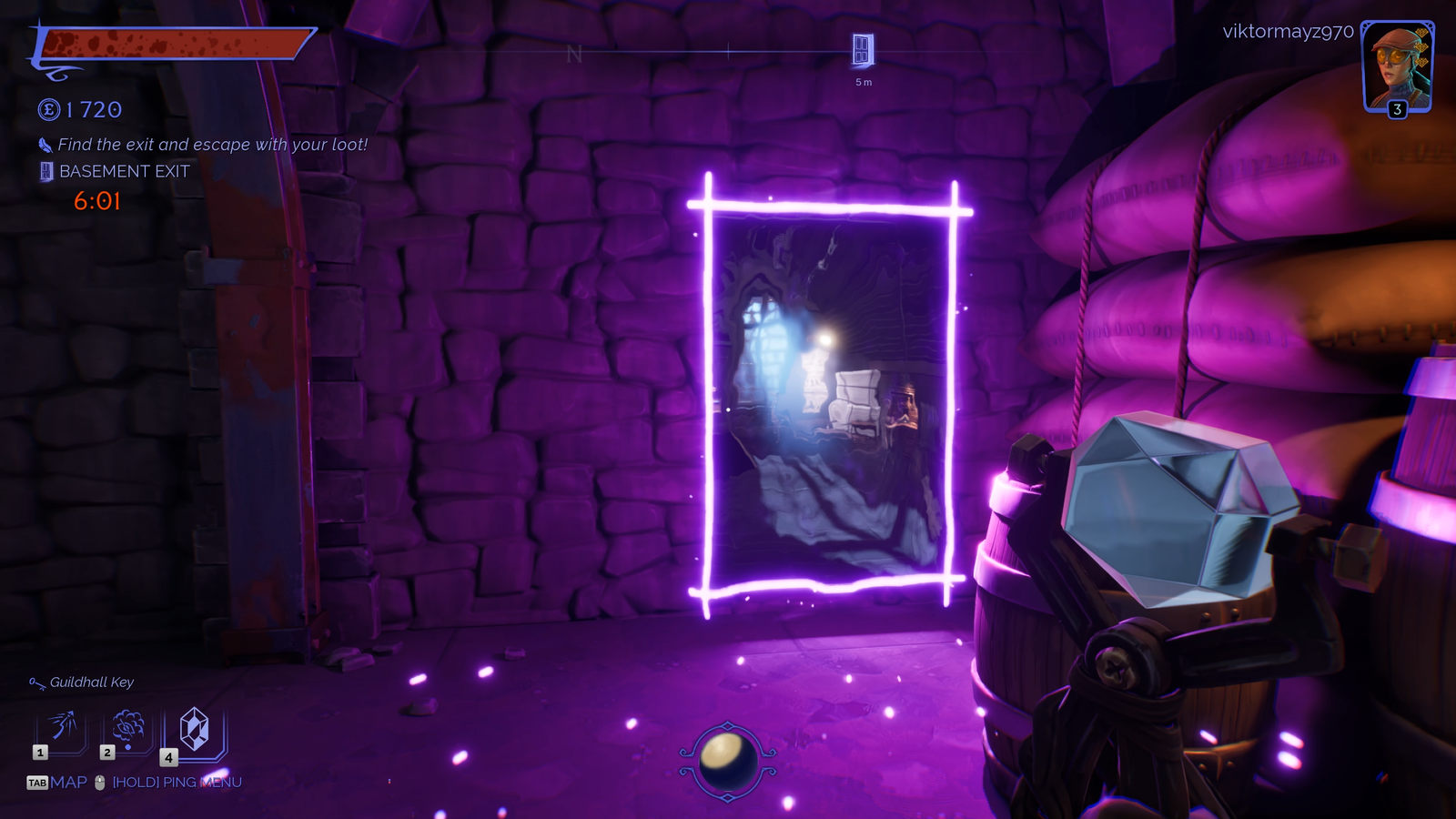
45 or 30 minutes are allotted for the operation (depending on the location), but there's a nuance – if the main theft objective is completed, the evacuation exit automatically opens, and a timer starts counting down eight minutes, during which you need to reach it.
At this point, the game absolutely doesn't care if you managed to find the quest note to advance the plot or how much time you had left – you have to rush to the exit, because if you're late, the sortie will end in complete failure and loss of all loot.
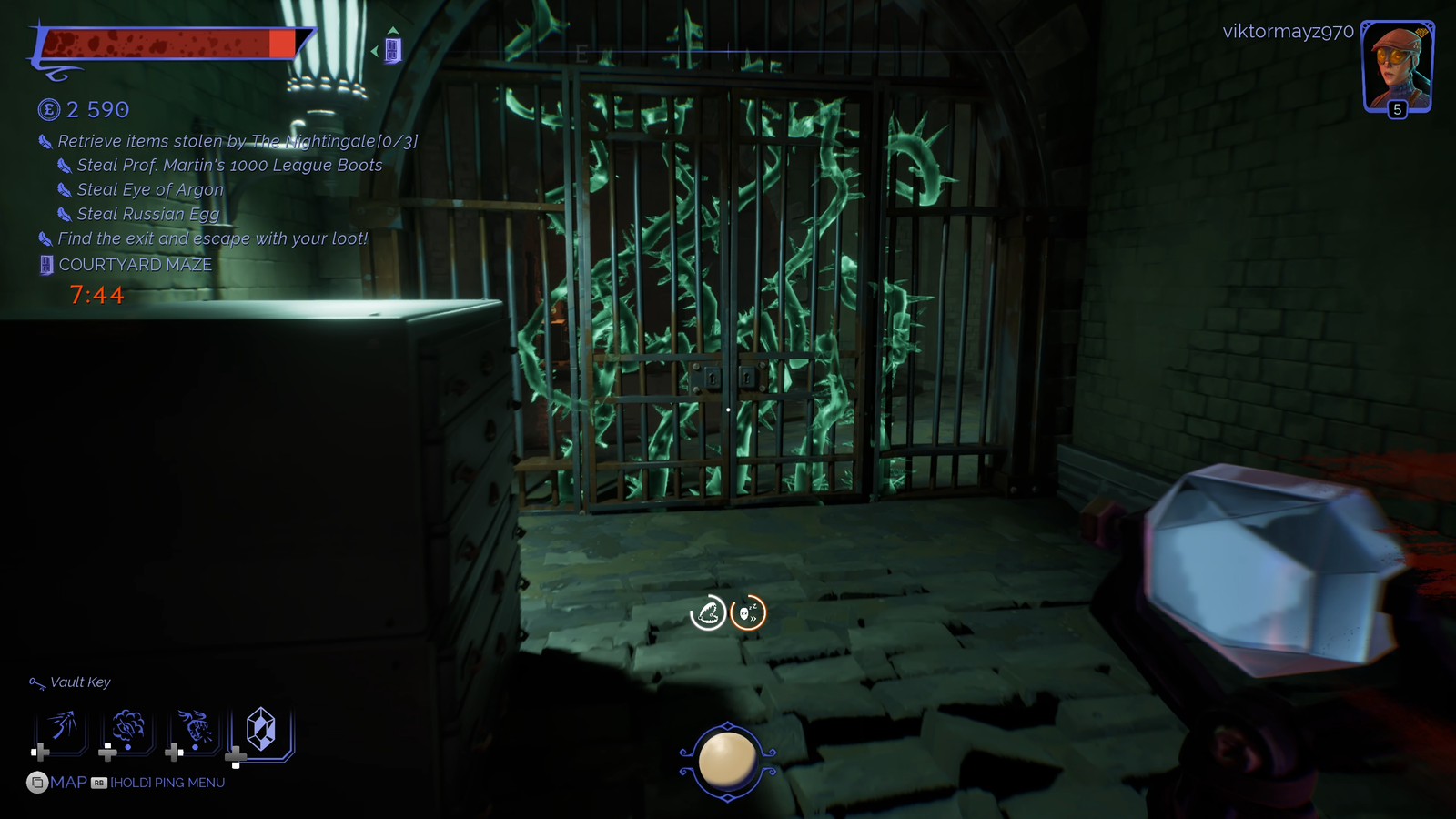
This condition can be accepted – just don't touch the main treasure until all contract objectives are completed. After all, such crutches are forgivable if the gameplay itself is enjoyable – but the first-person stealth is surprisingly primitive for 2026.
The basic rules of Thick as Thieves will seem familiar to anyone who has played at least one stealth game in the last twenty years: walking and especially running make too much noise, so most of the time we spend crouching.
The player must constantly stay in the shadows, carefully monitor the in-game light indicator and the sound level scale, and also keep track of the movements of patrolling constables. Traditionally, you can knock out guards from behind, distract them by throwing bottles, or use gadgets, which are also essentially "classic," with the exception of a couple.
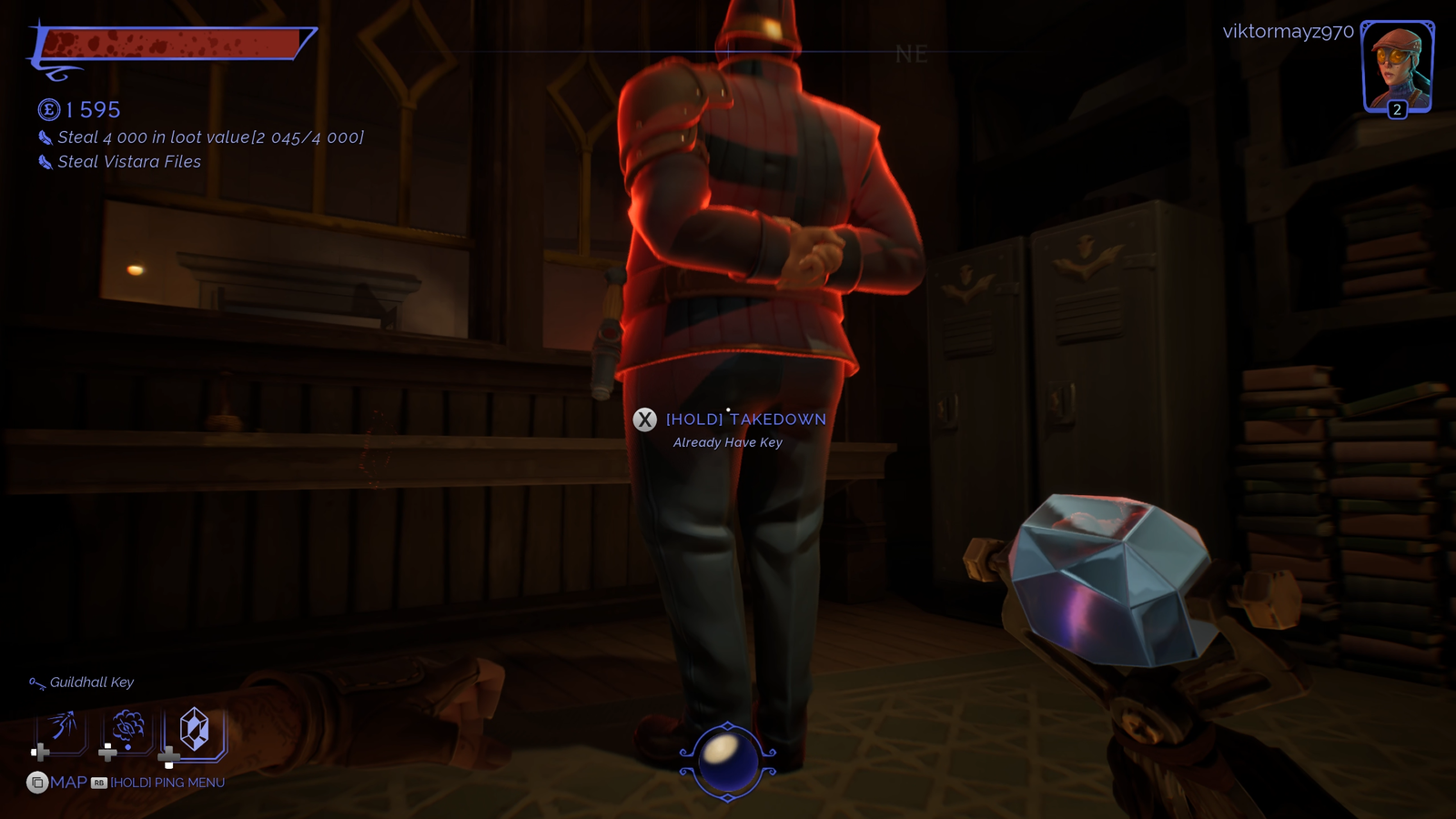
We'll talk about them a little later, because the main paradox of the local gameplay is the artificial intelligence of the guards. The developers managed to combine clinical blindness and stupidity with phenomenal hearing in the heads of the unfortunate constables. Enemies can hear the rustle of footsteps through a brick wall, but at the same time, they are almost completely devoid of peripheral vision.
Moreover, the local AI is not trained to search the area after noticing something suspicious. At most, patrols can approach the point where you made noise, stand there for a couple of seconds, scratch their heads, and return to their standard route.
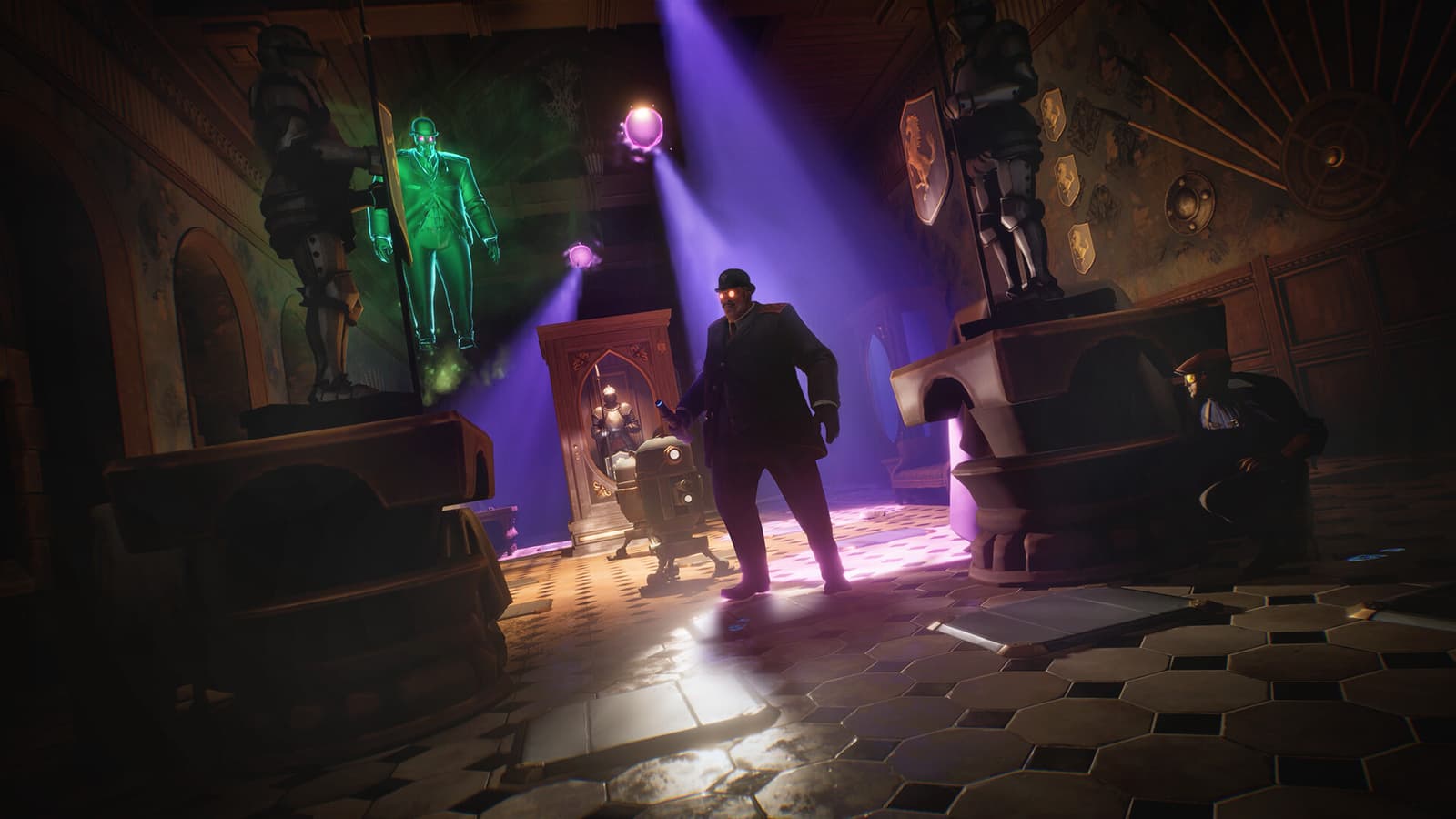
There is simply no general alarm mode familiar to the genre, nor is there a body concealment mechanic. If one constable finds his colleague lying unconscious on the floor, he will simply approach and help him up – but absolutely nothing will follow, the guard will not even begin to search for the criminal.
If you are cornered and spotted, there's no need to panic either: you can run away from the enemy, and after a few seconds, they will safely forget about you. Of course, there's a risk that the constable will manage to shoot you in the back and the hero will die, but even this will not lead to failure. Death is punished only by a ten-second wait and subsequent resurrection with the loss of all acquired loot at the place of death.
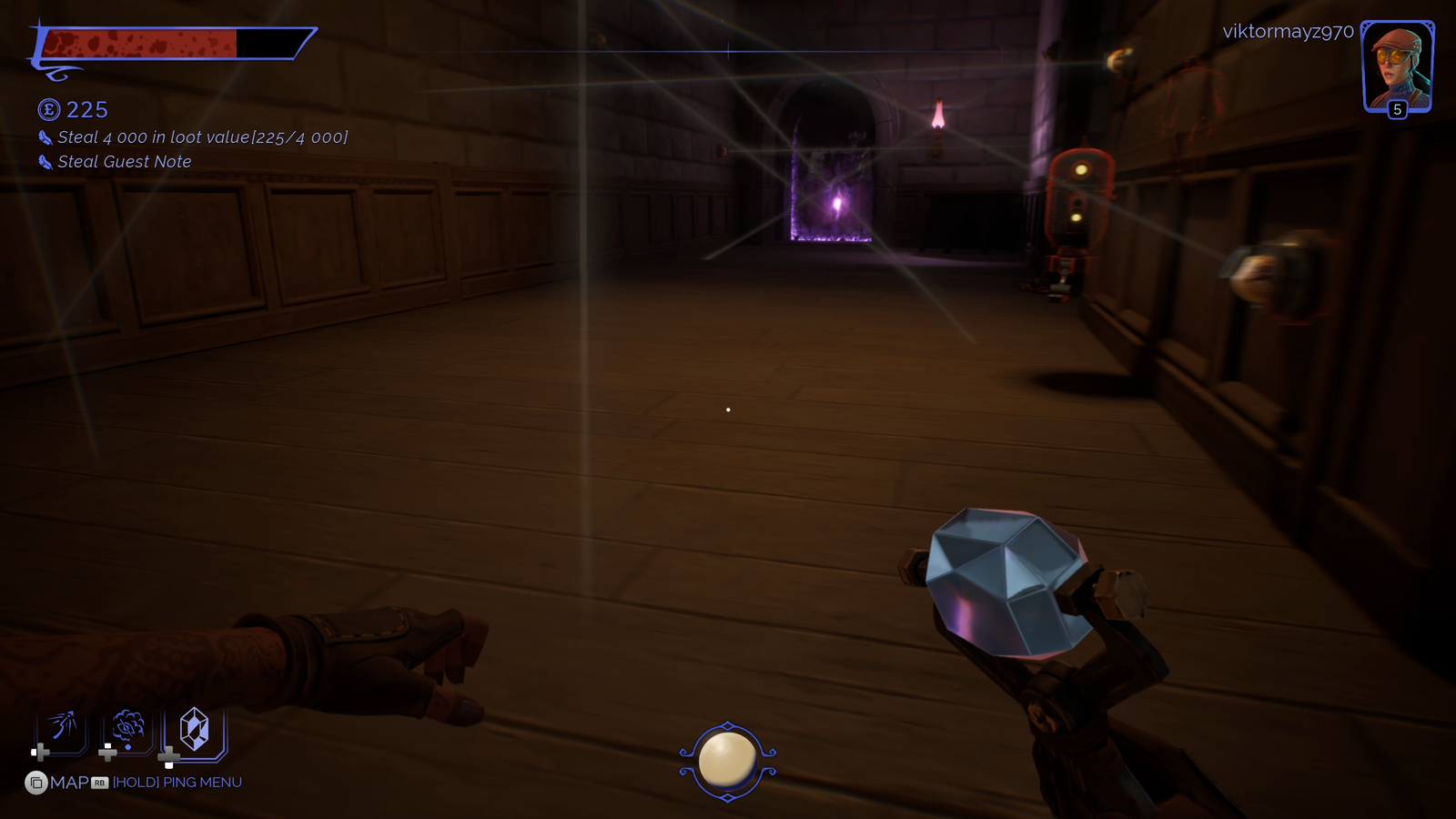
You can protect yourself from total loot loss by timely hiding your stolen goods in special astral safes scattered throughout the locations. However, key story items cannot be placed there, which can lead to the game pulling off a maximally stupid trick.
If you manage to die right in front of the evacuation door, after respawning, you will most likely not have time to collect the dropped quest items. The character near the saving exit evacuates automatically, and the game mercilessly sends you back to the thief's lair empty-handed, failing the mission.
In addition to living enemies, turrets, traps, and "cameras" in the form of pink eyes are scattered throughout the locations. But even these, as it turns out, are not to be feared much. In the worst case, inattention threatens you with a small delay and loss of health, which can be restored with first aid kits scattered throughout the locations. They do not raise any alarm for the entire level: the game simply blocks the exits from the room for a few seconds and activates the nearest turrets, if they were turned off.
Sixteen Shades of Copy-Paste
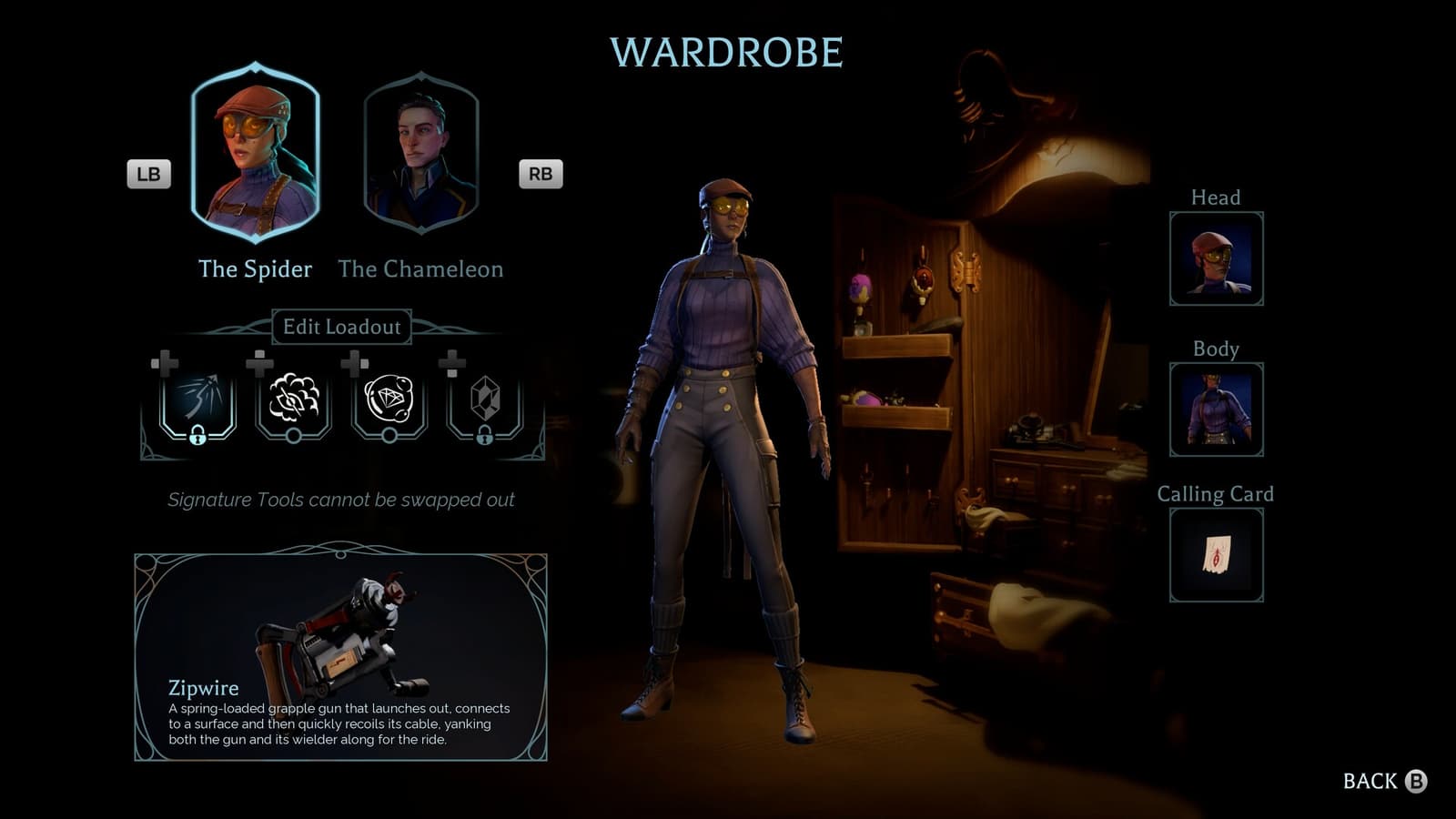
Between sorties, we find ourselves in the thief's hideout, where we exchange acquired currency to unlock cosmetic items, as well as buy and customize gadgets before the next job – and, after completing the eighth contract, we can change our class. So far, there are only two (instead of the four shown in the debut trailer).
We start as the Spider, whose grappling hook turns out to be absolutely useless due to its excessively long cooldown and limited area of application. However, the Chameleon can temporarily disguise himself as a constable and calmly walk under the guards' noses – which turns out to be infinitely more useful, but makes the game even easier.
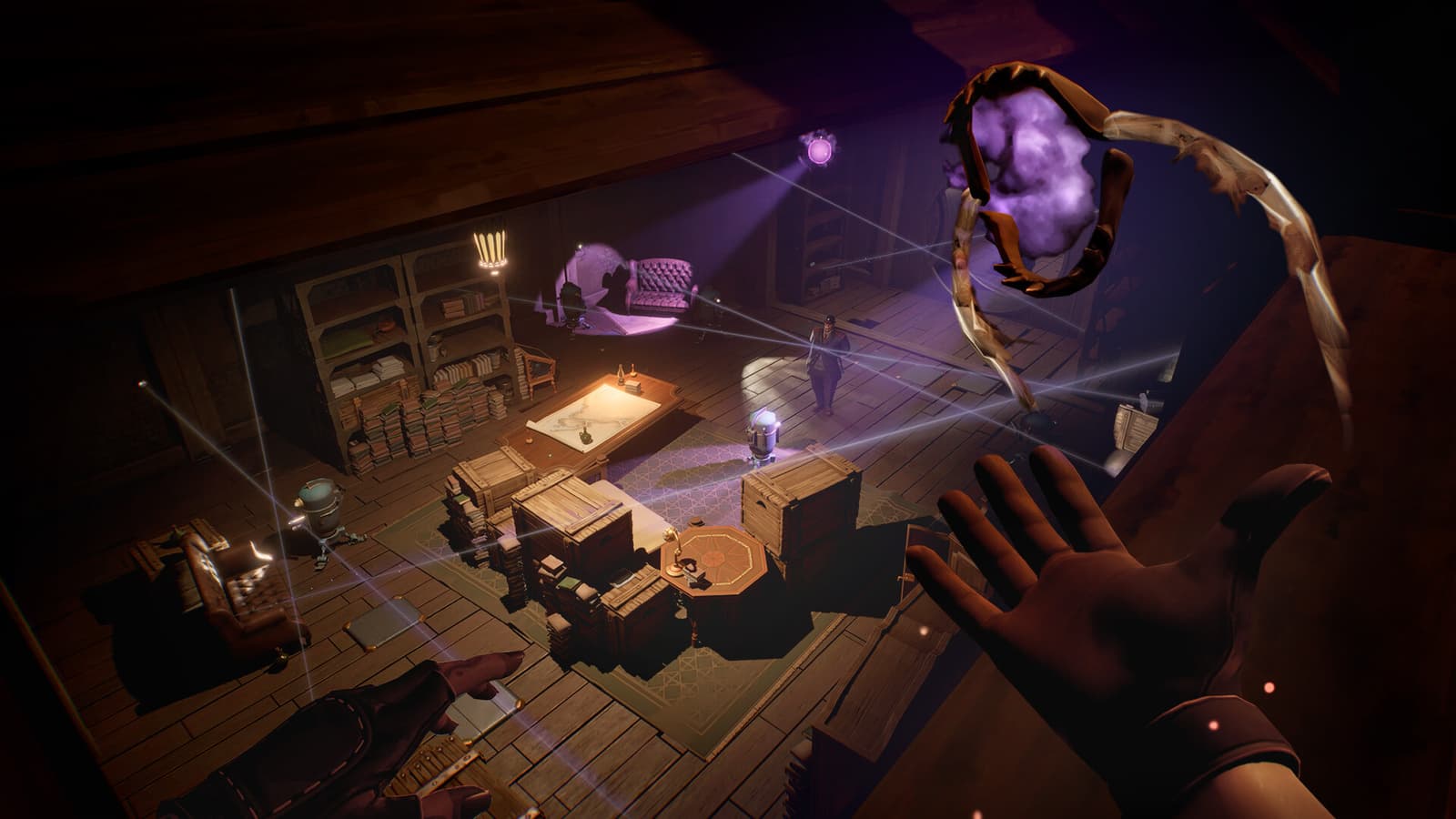
All other gadgets are shared between classes. There's the Vistara diamond, a smoke bomb, sticky sap, and a hand fairy. The smoke bomb hides the player from prying eyes and literally stops the guard in place, allowing you to stun him with impunity, even if you've already been spotted. Sticky sap makes the floor slippery, and the hand fairy remotely activates switches.
The cherry on top is a separate fairy, which I dubbed the ragebait fairy: she curses the guards with choice words, drives them to frenzy, and makes them run back and forth, completely forgetting about the player.
That's basically it. There are no other tools, abilities, or arsenal development in the game, although even with this set, Thick as Thieves doesn't really motivate you to use it: X-ray vision is more than enough at the basic level.
The situation changes somewhat with an increase in difficulty, which here... needs to be purchased with in-game currency. Initially, only the basic mode is open, and access to advanced ones has to be paid for.
I'll make a reservation right away: I never reached the maximum difficulty. It becomes available for purchase only after completing all sixteen campaign contracts, and I couldn't complete them all for reasons mentioned below – if what you've already read isn't enough.
However, the loss is not great. After buying the second difficulty, I didn't notice any significant difference or fundamentally new tactical requirements – yes, it motivates you to press gadget buttons a little more often, but you still realize that the local gameplay lacks any meaningful challenge or depth. And as far as I understand, at maximum difficulty, there are slightly more enemies, turrets turn a little faster, but the cost of error is still minimal.
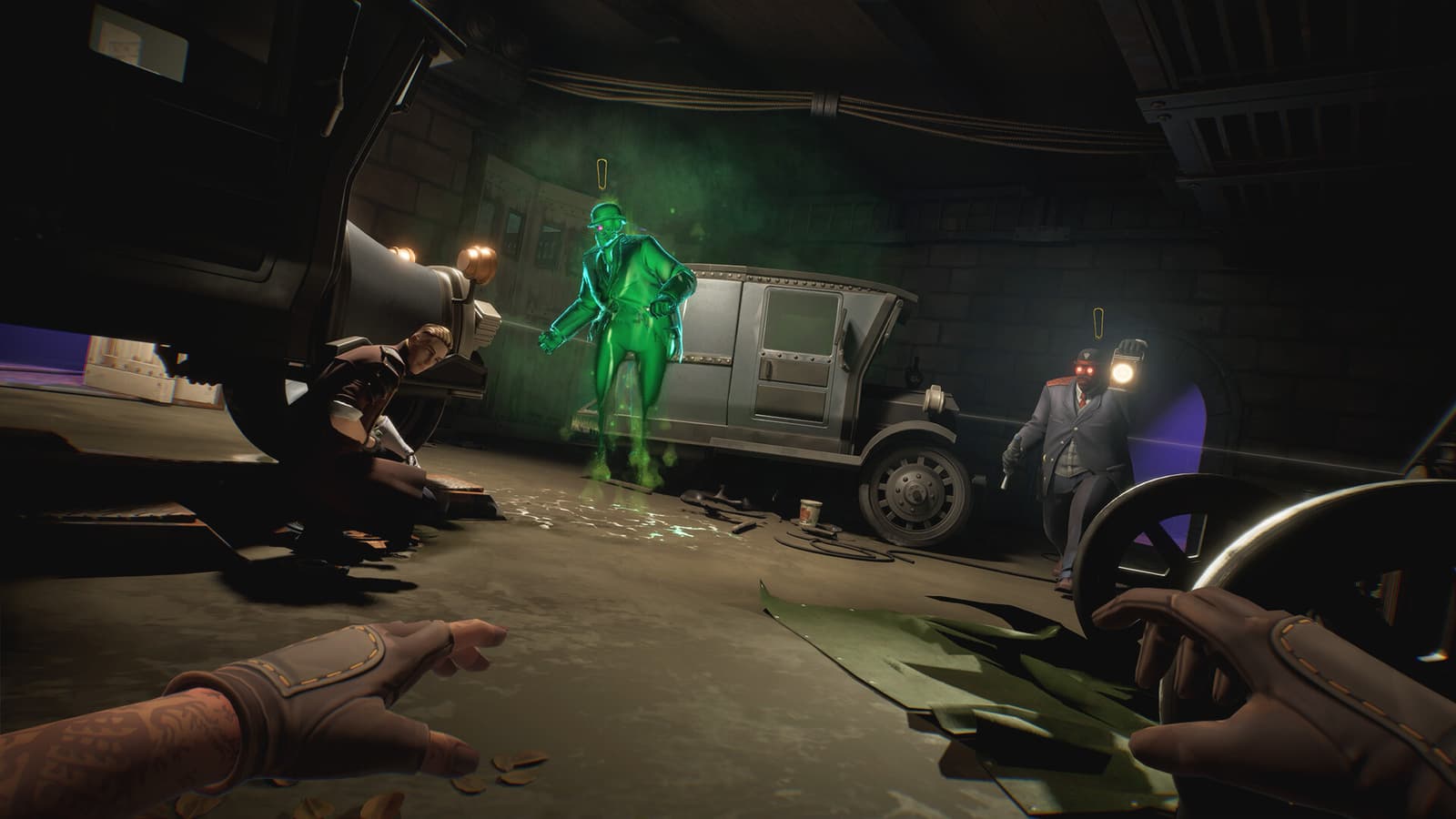
But even all of the above wouldn't be such a big problem if it weren't for the main flaw of Thick as Thieves, which lies in the catastrophic lack of variety. In reality, all the replayability here is artificial, like canned laughter in old sitcoms – because all sixteen available contracts are structurally indistinguishable from each other. You visit the same two locations again and again, move along memorized routes, and the rotation of tasks is reduced only to changing the coordinates of the target object.
The situation tries to be saved by dynamic blocking of passages – in each new round, the composition of available corridors and detours changes, forcing you to look for alternative routes. But in reality, this only irritates, being perceived as an artificial limitation created so that the player does not use the same effective route every time.
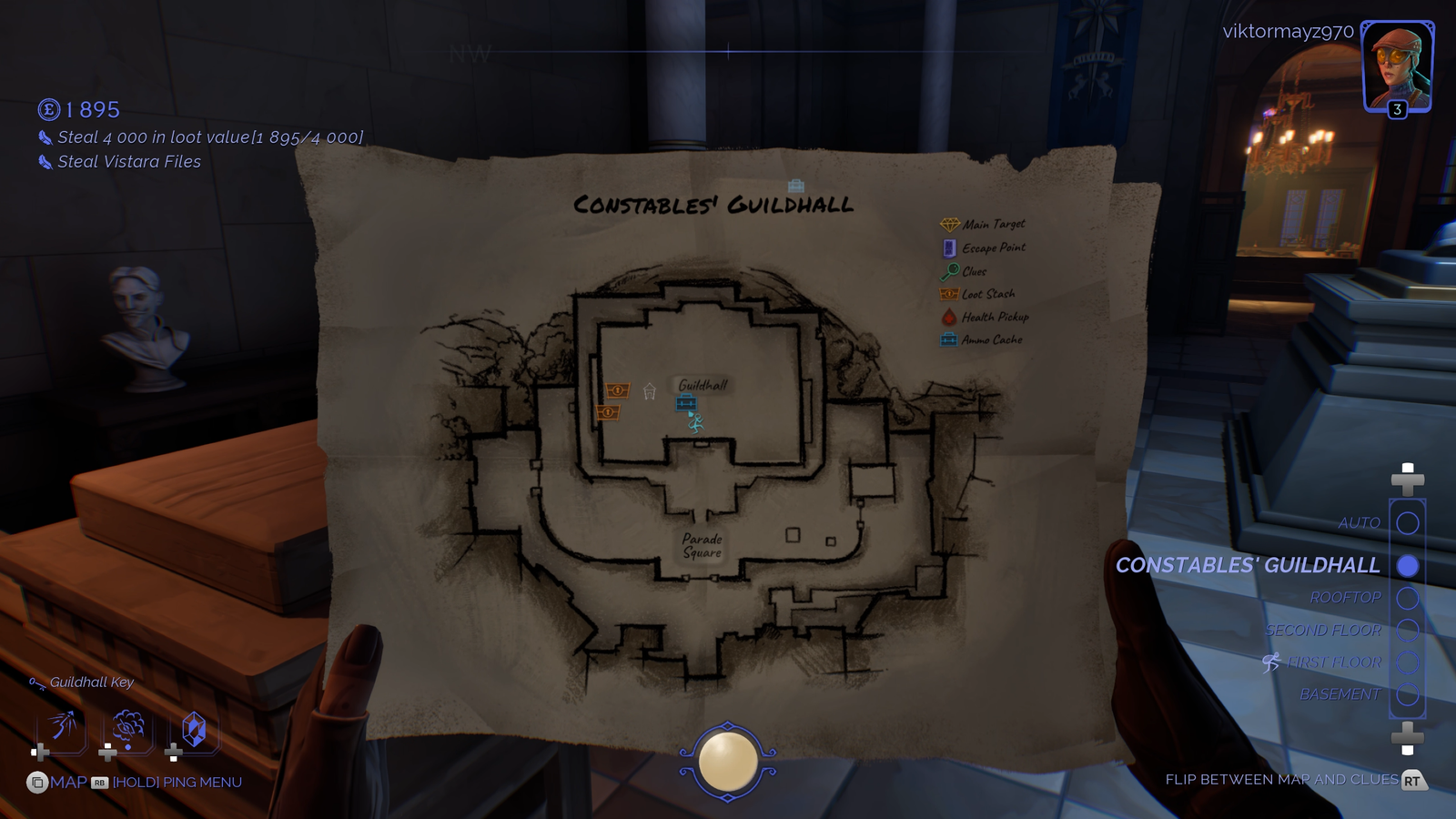
But even despite this barrier, each run is like two drops of water. Interest in what is happening fades already on the fourth mission, when a clear conviction comes: the game has shown all its trump cards. Further on, there will only be endless repetition of what has been done, with a dreary rummaging through every corner in an attempt to find the necessary note for the contract.
Add to this general feeling of unpolishedness and cheapness an absolutely raw settings interface, where instead of fine configurations, you are offered a dead "enable" Russian language button, which is physically absent from the game. Top it off with a complete lack of meaningful meta-progression, multiplied by the total laziness of the game designers – and you get the perfect recipe for utter boredom.
Verdict
Thick as Thieves leaves a depressing feeling of missed opportunities. With a potentially good idea that could have been turned into a fun extraction roguelike – if there was a will – the authors fail at the most basic level. We, of course, strongly condemn theft and welcome a law-abiding lifestyle, but in this game, it's simply boring to be a thief.
The developers promise to introduce new locations, classes, and expand the story over time. But let's call a spade a spade: for now, we have an early access game being sold as a full release, "forgetting" to put the corresponding tag on Steam.
If this isn't an attempt to lazily earn money for old age at the expense of a loyal audience, then I frankly don't understand why it was necessary to so foolishly tarnish one's reputation by releasing a project where you have to do the same thing for sixteen missions – because that means admitting your own professional incompetence. And it's very sad if Warren Spector still considers this "a new word in the genre," because for now, that word is clearly a swear word.
Thick as Thieves can only justify its 300 rubles in two cases: if primitive stealth for ten hours is enough for you, or if you just want to pay tribute to old Spector for past merits – to make a voluntary donation so that a man in his seventies can peacefully retire. Otherwise, the project is destined for the back burner – until (and if) the studio gets the budget and desire to turn this remnant into something sensible.
Never miss our newsAdd this site to your preferred sources to see us more oftenAdd on Google