Assassin's Creed Black Flag Resynced Review: There's no other game like it - even after 13 years
After a series of disappointments, Ubisoft returned to its "black pearl" - Assassin's Creed IV: Black Flag. The remake was supposed to modernize one of the best games in the series, preserve the spirit of pirate adventure, and help the company emerge from a prolonged crisis. We're figuring out if Resynced managed to meet players' expectations and restore faith in Ubisoft itself.
Edward Kenway's Caribbean Odyssey
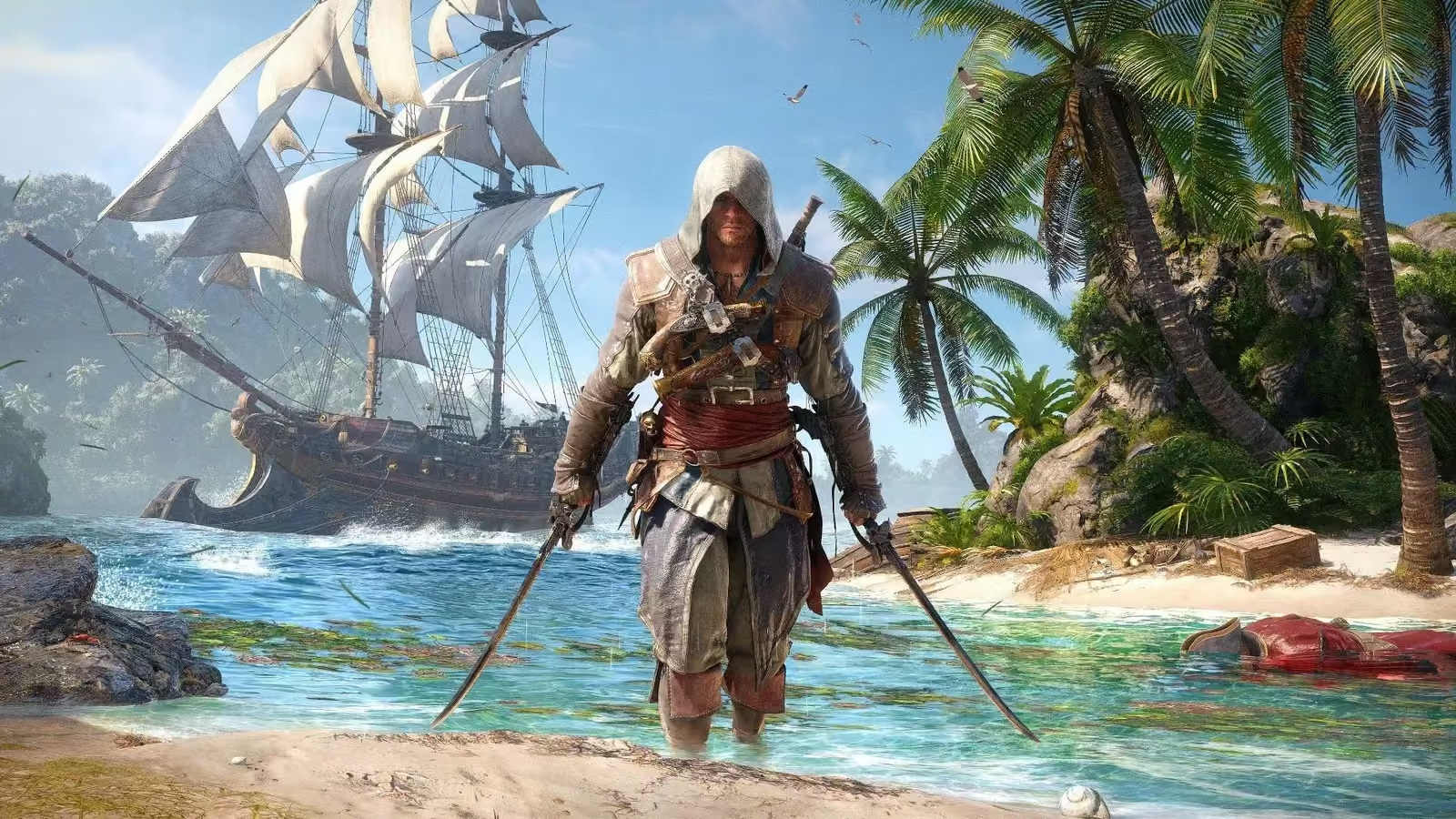
At the heart of Resynced's plot is the same Caribbean odyssey of Edward Kenway – a charismatic Welsh privateer who, by fate, kills a traitorous Assassin, assumes his identity, and becomes embroiled in the centuries-old conflict between Assassins and Templars. This time, the confrontation revolves around the Observatory – an ancient Precursor device that allows tracking a person using a drop of their blood.
The Templars see it as a perfect tool for control, the Assassins try to stop them, and Edward wonders how much gold such a marvel could fetch. No wonder before setting sail, Kenway promised his beloved Caroline to return in two years with a substantial fortune and prove he could provide her with a better life.
Thus begins a daring pirate adventure lasting just over seven years – from the summer of 1715 to the autumn of 1722. During this time, Edward will become captain of the Jackdaw, earn a reputation as one of the most dangerous pirates in the Caribbean, and meet the main legends of the Golden Age of Piracy: Edward Teach, known as Blackbeard, Benjamin Hornigold, Charles Vane, Mary Read, and Anne Bonny. Their paths will cross in Nassau, where pirates will try to build a free republic and live outside the laws of European crowns.
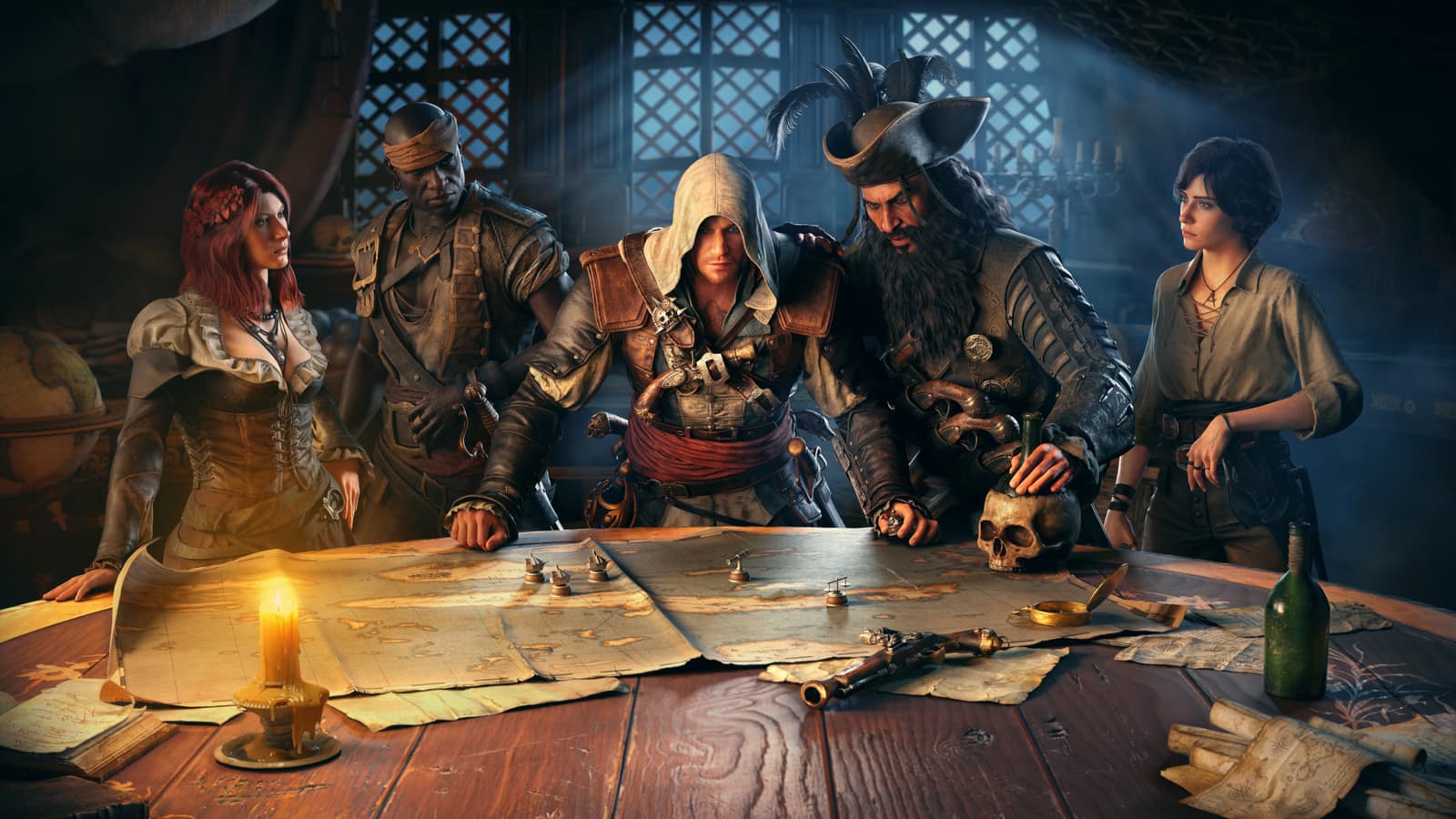
Against the backdrop of the dream of a free Nassau, Kenway himself is revealed. He begins his journey as a charming egoist who gets involved in any adventure with beautiful speeches about freedom on his lips. Edward convinces himself that he is chasing wealth for Caroline, although each successful plunder only delays his return home. His charm helps him win the trust of others, and his thirst for fame and fortune repeatedly puts that trust at risk. Gradually, behind the frivolous pirate grin, a man emerges who is losing much of what he set out for on the other side of the world, and through a series of mistakes, comes to realize the price of his own decisions and the true value of freedom.
Edward's evolution successfully rhymes with the fate of Nassau itself: the pirate free state also goes from intoxicating prosperity to collapse under the pressure of empires, diseases, and internal strife. Along with it, the tone of the adventure changes: daring escapades are replaced by a desperate struggle for survival, and merry drinking bouts – by difficult decisions. Former comrades have to choose between freedom, profit, and their own lives. History inscribes this drama into the real events of the era: Edward helps Blackbeard during the blockade of Charles Town, together with Charles Vane breaks through the British ring around Nassau with a burning fireship, and fights Lieutenant Robert Maynard's men off Ocracoke Island.
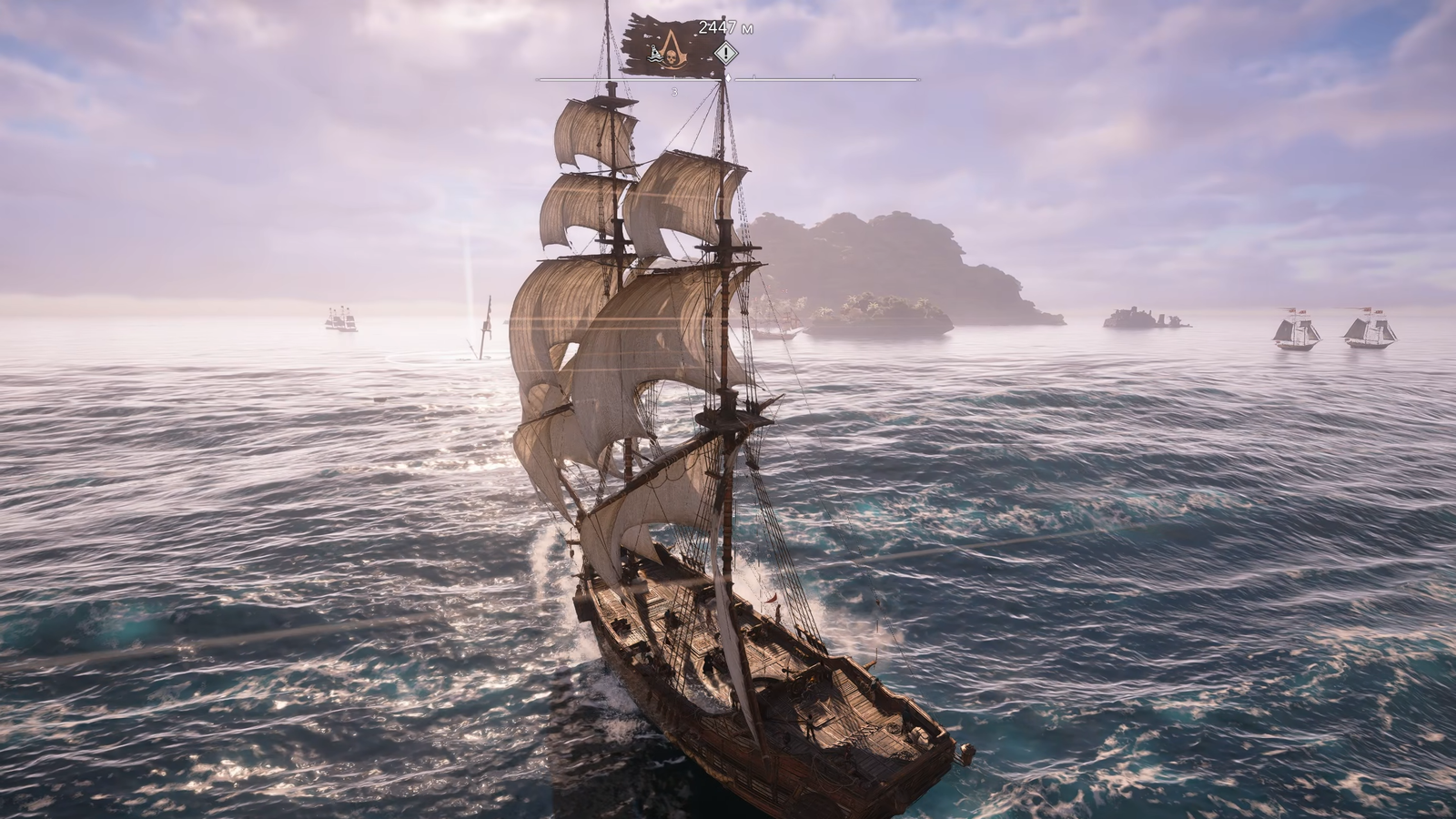
The only drawback is that the seven-year scope sometimes works against the narrative. Some relationships develop too quickly: yesterday's acquaintance turns into a close friend in one chapter, and a former comrade soon finds himself on the other side of the barricades. This flaw was also present in the original, but compared to it, Resynced benefits from a faster pace due to the complete abandonment of modern-day episodes. Now the plot is perceived as a coherent pirate adventure, works perfectly independently of the rest of the series, picks up speed from the first minutes, and maintains it until the very end.
The freed-up space was filled with several hours of additional content. The most practical value is represented by loyalty missions for the Jackdaw's three new officers. In them, Kenway helps future crew members deal with personal problems, learns about their past, and gradually earns their trust. These stories are outside the main campaign but are organically woven into the overall adventure, and completing each chain unlocks a unique ability for the ship.
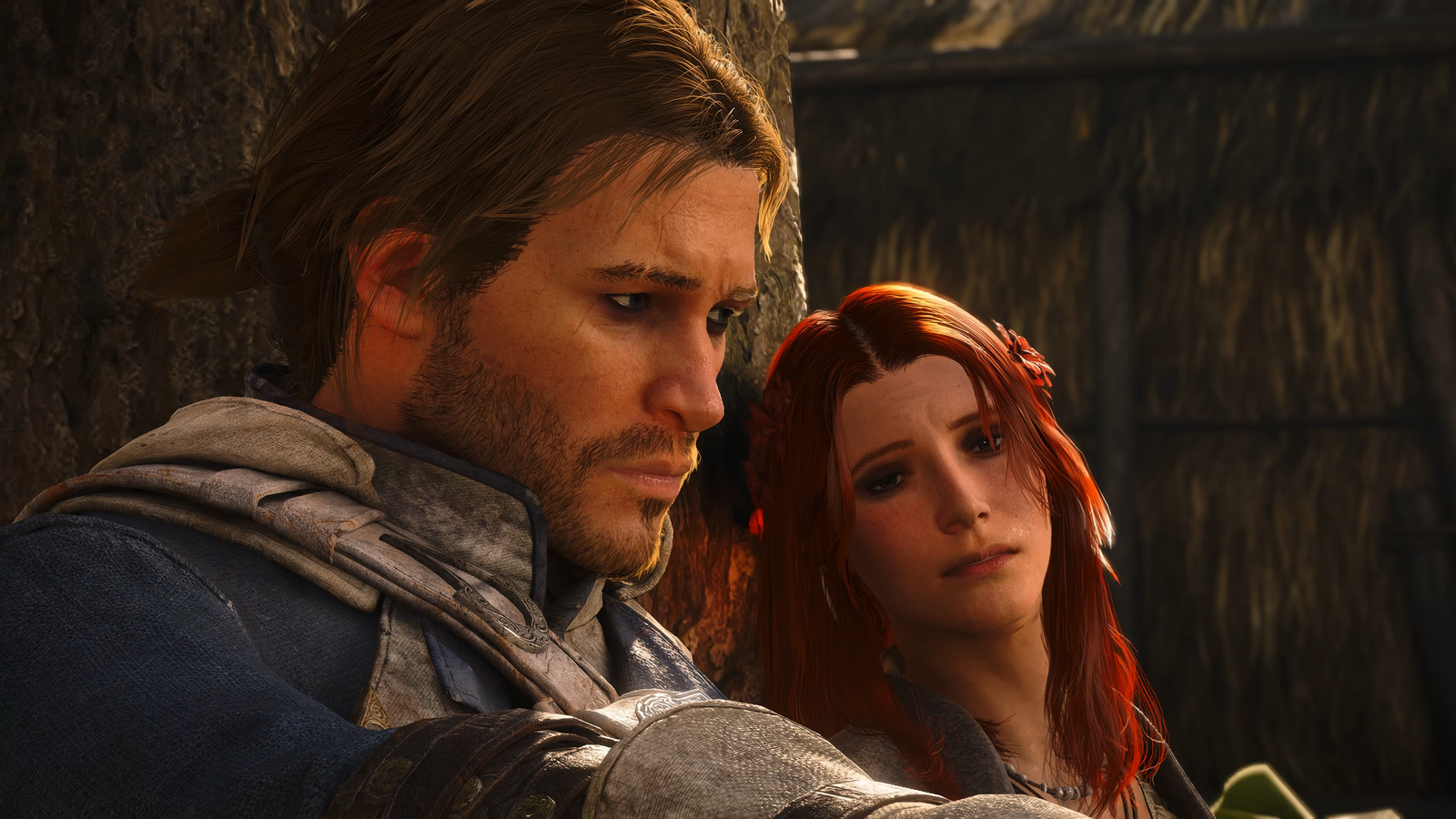
Several storylines were continued in epilogue quests dedicated to Edward's fallen comrades. They allow for a dignified farewell to those whom the original too hastily left behind, and add missing emotional accents. Some of them are truly touching and show how deeply the experienced losses wounded Kenway himself, and the most extensive quest chain finally gives him the opportunity to settle old scores.
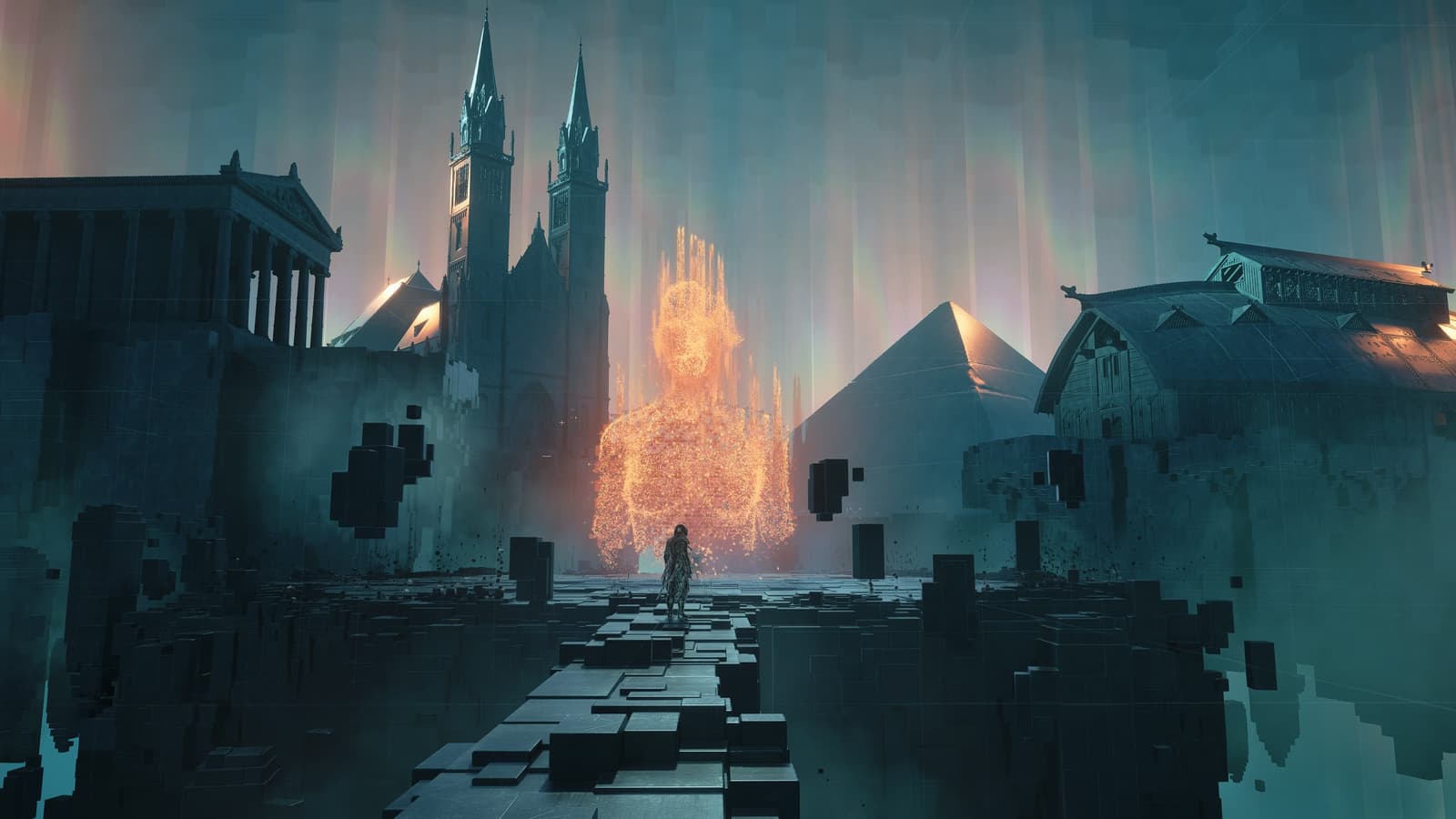
Another major addition was the "rifts" – alternative scenarios in the style of Marvel's "What If...?" series, unfolding within the surreal space of the Animus. They show how Kenway's and his comrades' fates might have turned out under different circumstances. What would have happened if Edward had kept his promise and returned to Caroline after two years? How would Mary Read's life have changed if she had abandoned the Assassin path? Who would Kenway have become if he had joined the Templars? These challenges are best perceived as a small bonus that makes the story more dramatic, but their design sometimes descends into monotony, and the rewards do not always justify the time spent. However, this is only part of the work done by the authors.
Freedom of Movement
Black Flag's gameplay is built around two components – land and sea. Let's start with the first. On land, the game has become significantly faster and smoother, getting rid of annoying past limitations. This applies to parkour, stealth, and the very structure of missions.
In terms of responsiveness, parkour has approached modern parts of the series. A dedicated jump button gives the player more control over the route, helps to more accurately choose the moment for a dash between buildings, and descend faster to lower ledges. Edward is still capable of jumping in the wrong direction in the heat of a chase, but such antics are now rare.
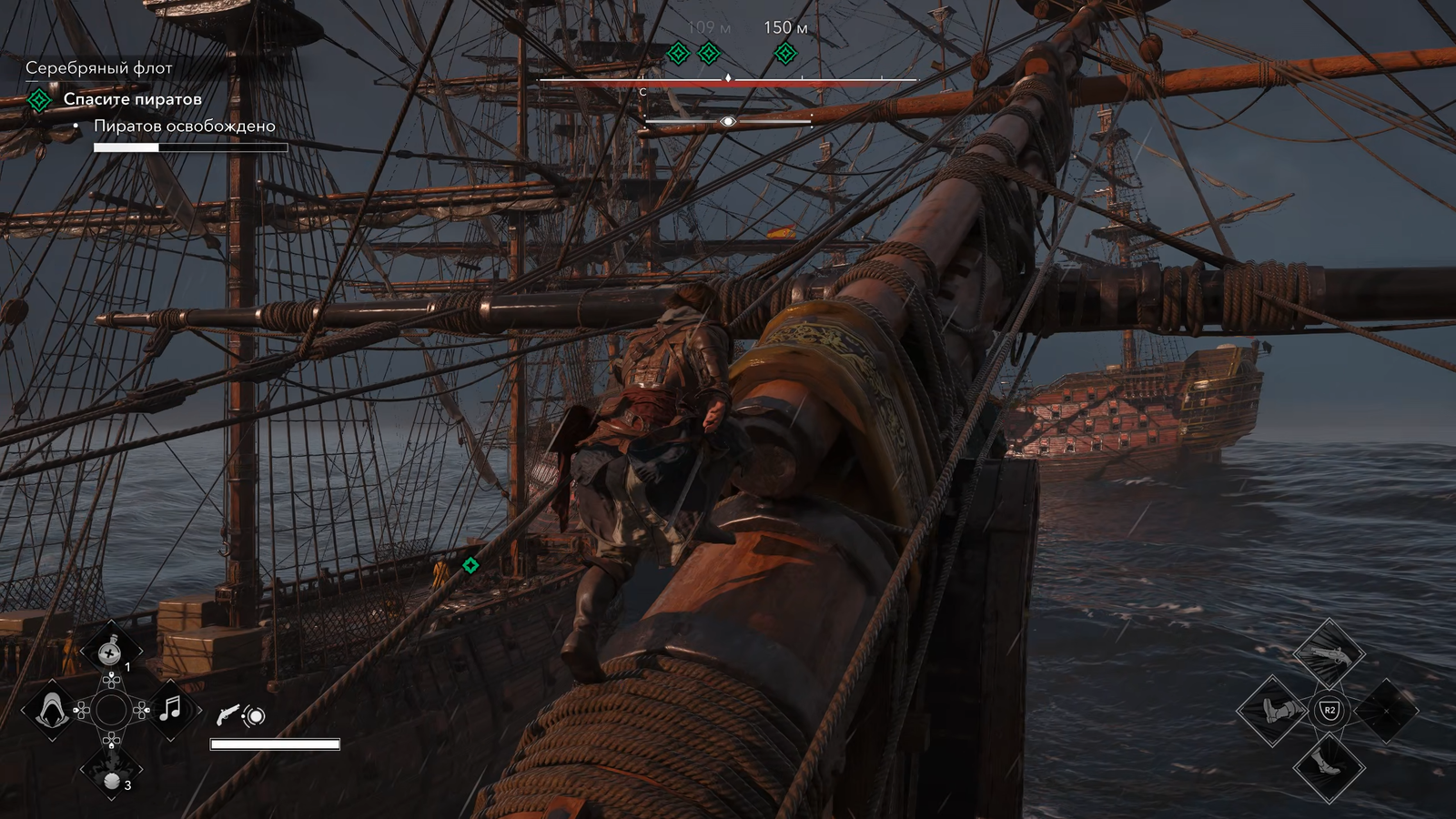
The main improvement, in my opinion, concerns stealth: now Edward can crouch at the press of a button. Such a "novelty" sounds ridiculous in 2026, but it's amazing how much it has transformed the game. Kenway is no longer tied to routes laid out through carefully planted bushes by developers. He can hide behind barrels, low walls, and other natural covers, independently paving his way through guarded territory.
With the exception of a couple of quests, detection no longer results in instant desynchronization. A frightened target flees, and guards ring the bell and call for reinforcements. After that, the player is free to hide, wait for the search to end, and approach unnoticed again. Or catch the fugitive, finish the job with brute force, and take the necessary information from the cold body. Yes, stealth still helps avoid unnecessary skirmishes, speeds up task completion, and promises valuable rewards – for example, for completing Assassin contracts – but no one forbids going through most of the campaign with sabers drawn.
Sekiro, Pirate Style: How Melee Combat Changed
Moreover, thanks to the new combat system, the desire to engage in open combat arises much more often. It has become more dynamic and modern, acquiring familiar color indicators that suggest which attacks need to be parried and which to dodge. In essence, we have a simplified version of the Sekiro: Shadows Die Twice combat system, only without attempts to wear out the player's nerves.
Enemies now have a stamina bar, which is easiest to break with a perfect parry. After that, Edward can initiate a chain of four finishers. The timings here are very easy to read and do not depend on the difficulty level at all, so it's enough to get used to the rhythm once – and Kenway turns into an unstoppable hurricane, coolly mowing down entire rows of opponents.
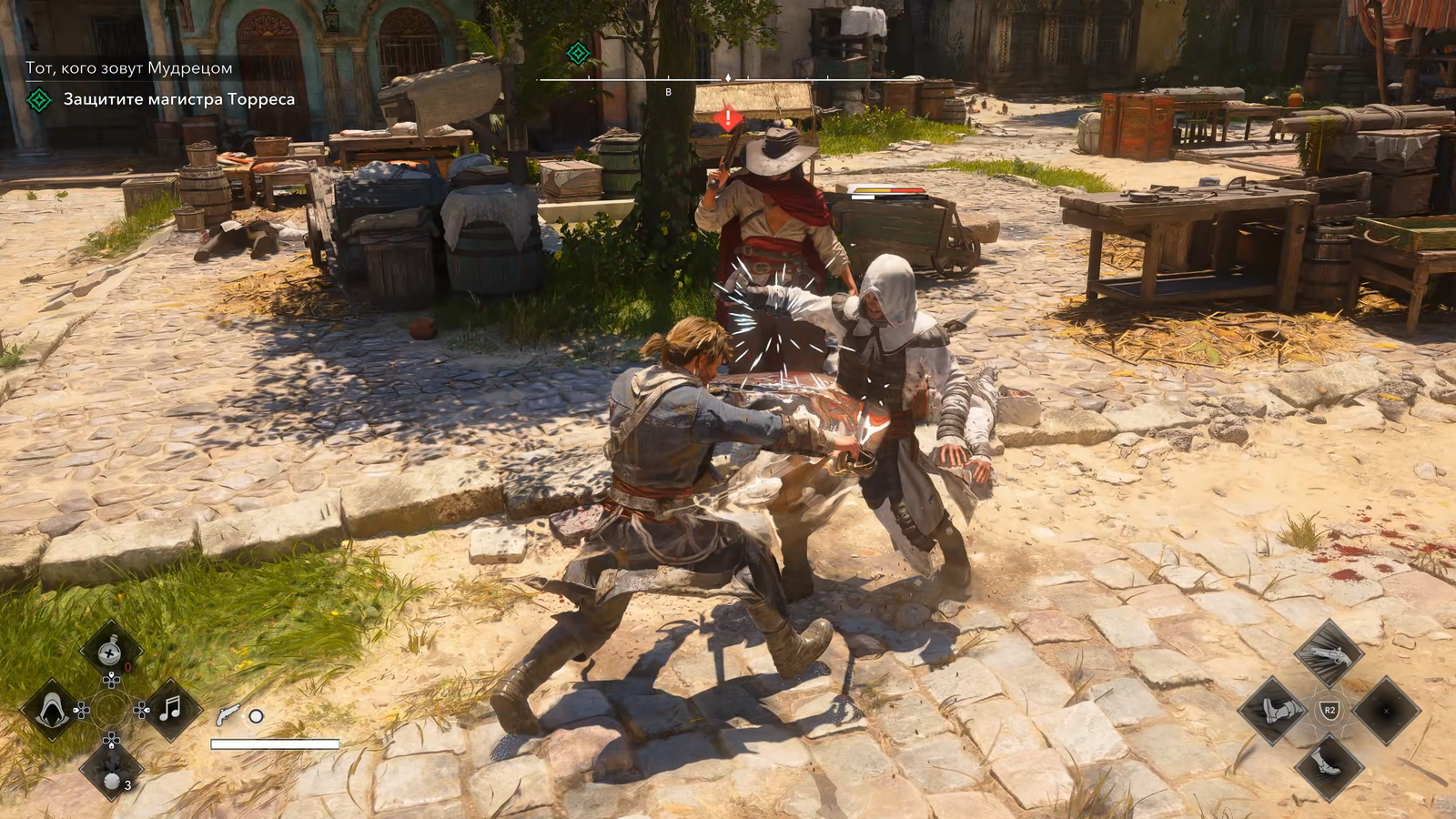
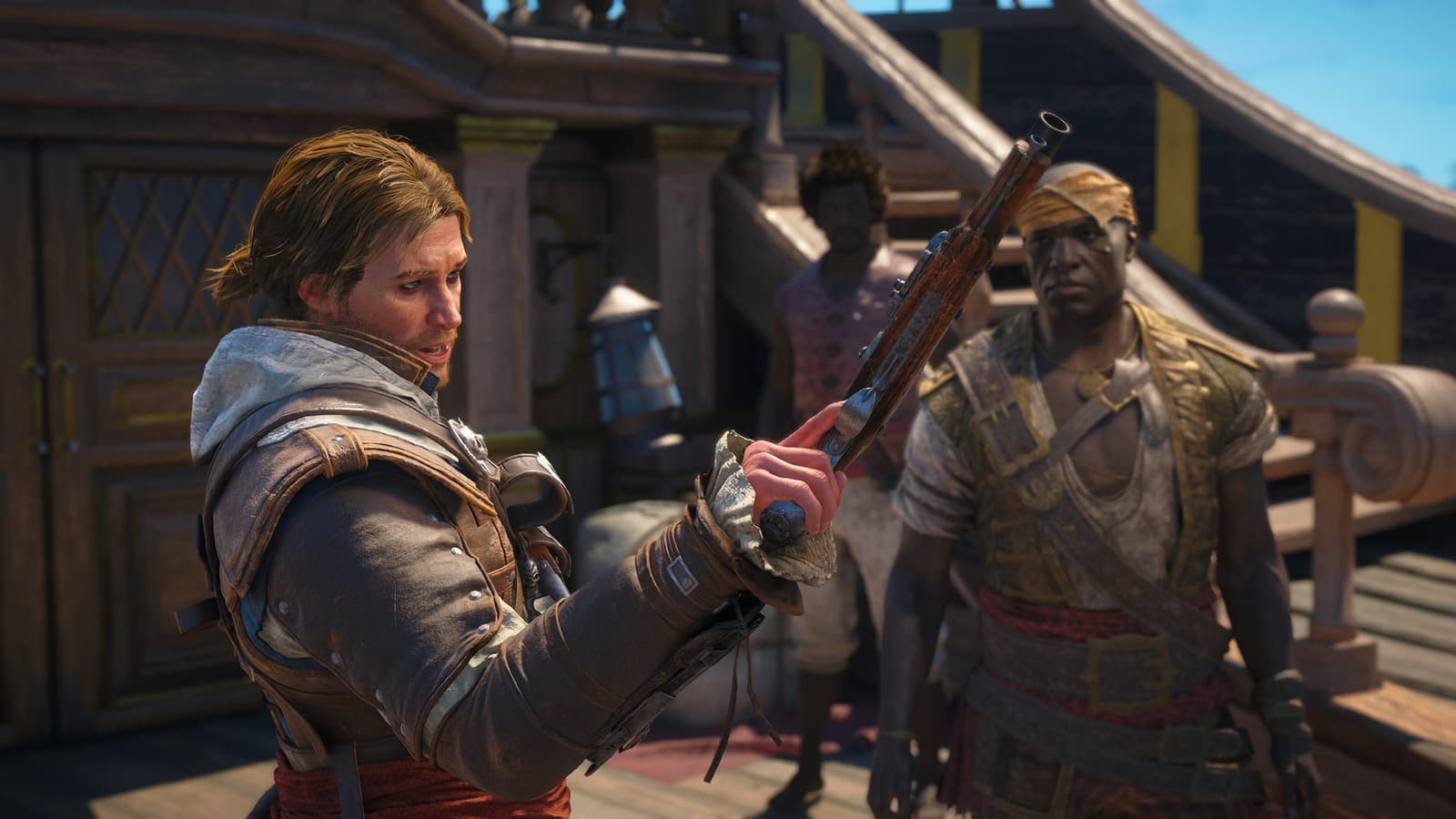
But parrying alone is not enough. Enemies actively block attacks and gradually get used to repetitive attacks, so the game constantly pushes the player to combine different tools. In addition to smoke bombs, darts, pistols, and shénbiāo, Edward now has full-fledged melee moves: a kick, a sweep, and a heavy attack. The latter varies depending on the chosen weapon type – up to free shots if you pick up Le Bourgeois' Pistol Blades.
All these techniques are revealed precisely in combination. One guard can be pulled with a shénbiāo, knocked down with a sweep, and finished on the ground. Another can be kicked into a wall and killed with a hidden blade, and a quick pistol shot can instantly break the defense of a heavily armored juggernaut.
Moreover, shénbiāo are now given in the third sequence, not the eleventh – in my case, about three hours after the start of the game. Thanks to this, there is much more time for experimentation. It's a pity that the trick of using Edward's own weight as a counterweight was somehow removed, so now enemies can only be hung in the classic way.
Caribbean Cleanup
Beyond battles and side quests, Resynced offers a familiar set of land-based activities: Assassin contracts, Templar and animal hunting, gambling, simple Mayan stele puzzles, collecting elusive shanty sheets, and treasure hunting using maps.
Also present is your own hideout on Great Inagua. As before, after acquiring the island, Kenway invests in restoring the estate and developing infrastructure to service the Jackdaw. In Resynced, this system has been expanded: some buildings have received several levels of development, and new services and tasks have appeared on the island. One of them offers collecting works of art throughout the archipelago, which can then be used to decorate the villa's rooms.
However, new collectible activities do not mean that there is more grinding in the game. Quite the opposite: Ubisoft has thoroughly thinned out the map, reworking some locations, making others more compact, and at the same time getting rid of unnecessary clutter. If in the original Black Flag the player was offered to find 344 ordinary chests, which literally littered the map with identical icons, in Resynced there are only 84 left.
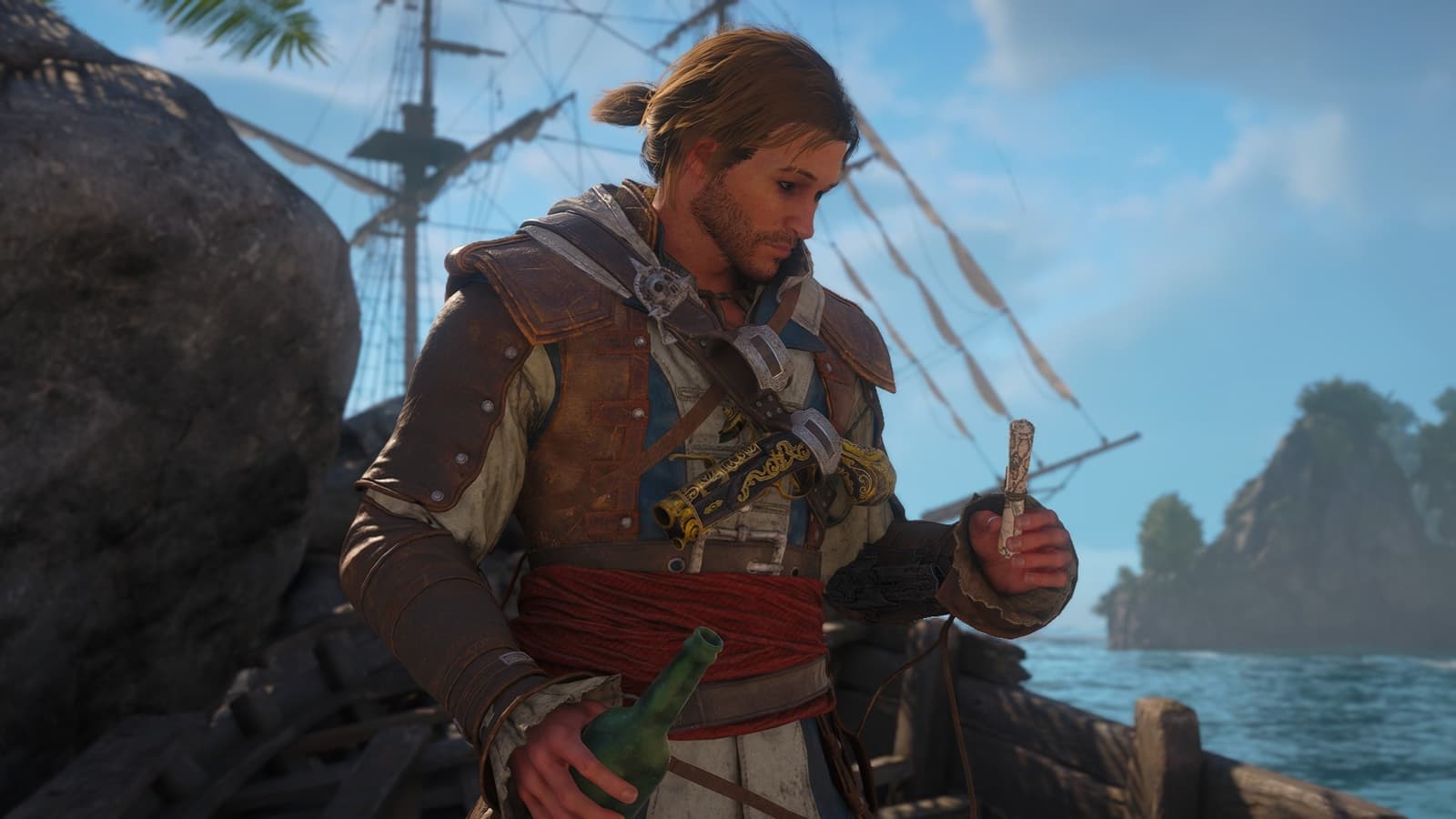
Instead, a new category called "Mysteries" appeared, combining about 105 truly interesting finds: messages in bottles, treasure maps, and special chests with cosmetic items and unique equipment. Moreover, many of them are located directly along the story route, so an attentive player will regularly stumble upon them without extra effort.
As a result, throughout the entire playthrough of the story, I never felt that the game was putting spokes in my wheels and forcing me to distract myself with side activities. I only completed those optional quests that I genuinely found interesting – for example, the officers' personal quests – and the resources obtained were more than enough for further progression.
But one day I spotted the legendary warship "El Impoluto" on the horizon – and everything changed...
The Heart of a Pirate Adventure
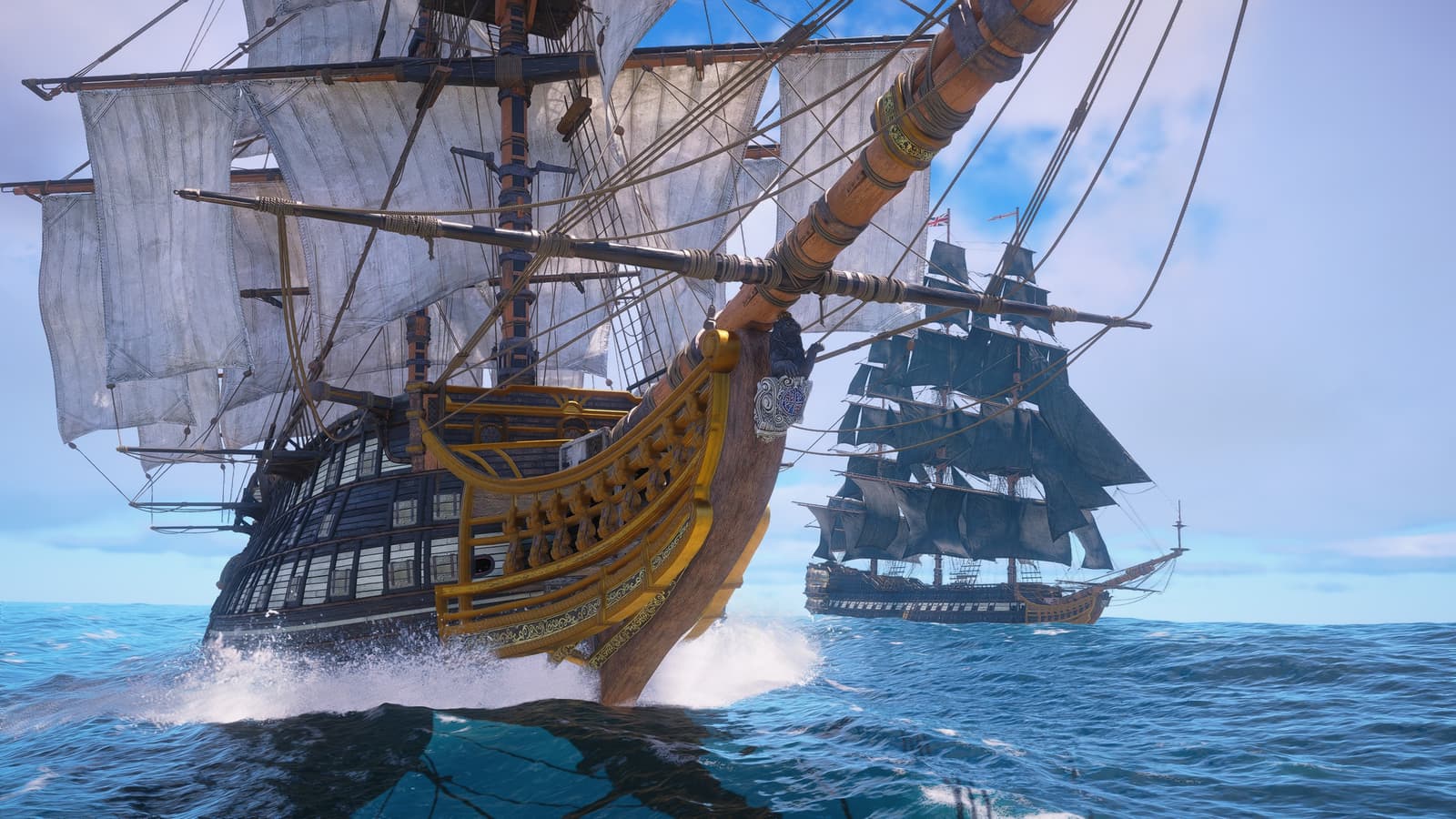
Sea voyages and battles were the beating heart of the original Black Flag, and in Resynced, this element is fully revealed. If you're launching the game for the first time, be prepared to spend most of your time not jumping across rooftops, but at the helm of the Jackdaw – your faithful brig, which you'll have to turn into the terror of the Spanish and English fleets.
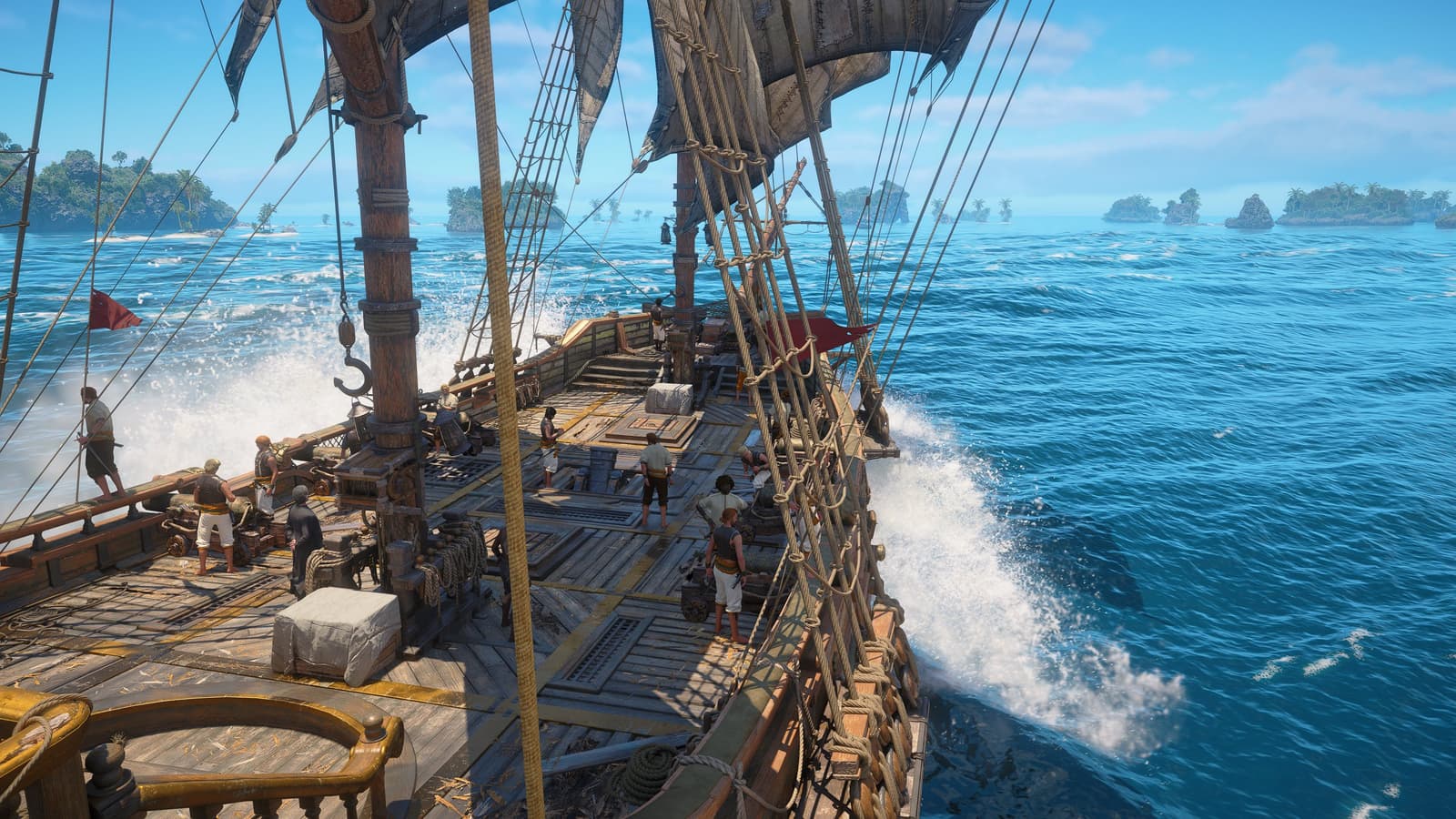
The remake retained the familiar arcade foundation but made ship control more precise and responsive. The Jackdaw reacts faster to commands and turns more confidently thanks to reduced inertia. Now it's easier to turn the broadside before a volley, stay near the enemy's stern, or change course in time to avoid return fire.
Naval duels have become faster and more aggressive, and victory often depends on skillful maneuvering – especially in bad weather. It's important to remember that a sudden storm is deadly dangerous: you have to meet killer waves head-on and navigate a safe route between waterspouts and lightning strikes. This breaks the usual pattern of combat and forces you to keep an eye on both the enemy and the sea. The only comfort is that the elements don't choose sides and can punish a careless enemy just as effectively.
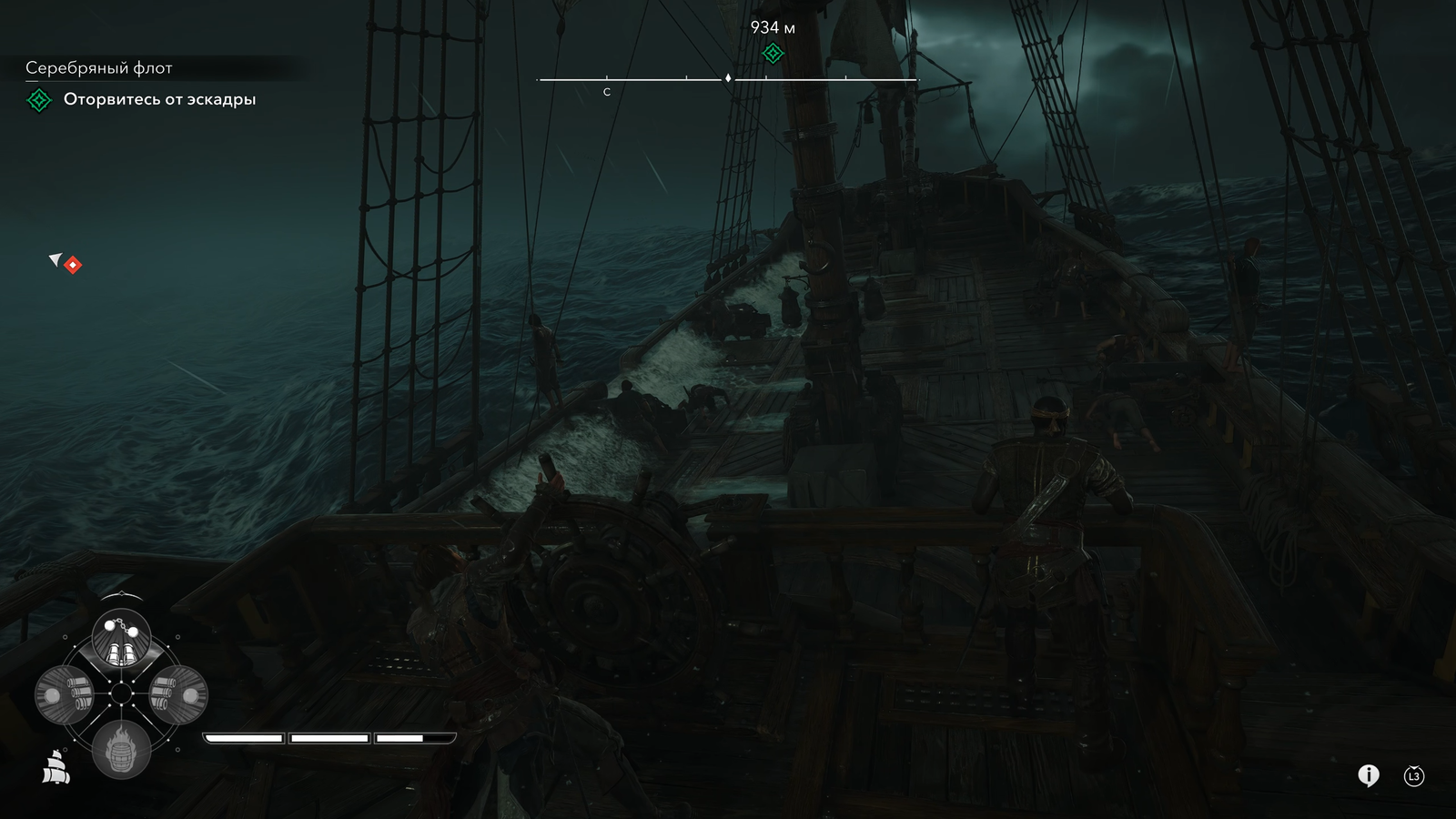
In addition to improved physics, the ship received new capabilities, including unique abilities that unlock after completing officer quests. Lucy teaches the crew "perfect preparation" – a naval equivalent of a perfect parry, which, with precise timing, almost completely negates damage from an enemy volley. Tobias unlocks additional broadside volleys, and Padre – a devastating ramming dash, which, like the shénbiāo, becomes available much earlier.
The ship's arsenal has also expanded with alternative firing modes. For example, broadside cannons learned to fire volleys of heated shot. The bow cannons, in addition to chain shot, received a double shot of light cannonballs, which expose enemy weak points, opening them up for targeted fire from swivel guns (similar to Assassin's Creed Rogue).
The improved mortar, in turn, learned to cover a selected area with a series of rapid volleys, allowing for preemptive fire. All this added tactical variety to battles and emphasized one of Resynced's key ideas: in most battles – whether land or sea – a lack of upgrades can be compensated by one's own skill.
I wouldn't claim that Resynced offers the best naval combat system to date, but only because most worthwhile competitors are online services. And I don't play them, so I can't make a fair comparison. But among single-player games, in terms of control physics, the thrill of battles, and the overall feeling of a cinematic, expensive naval epic, I simply have nothing to compare it to.
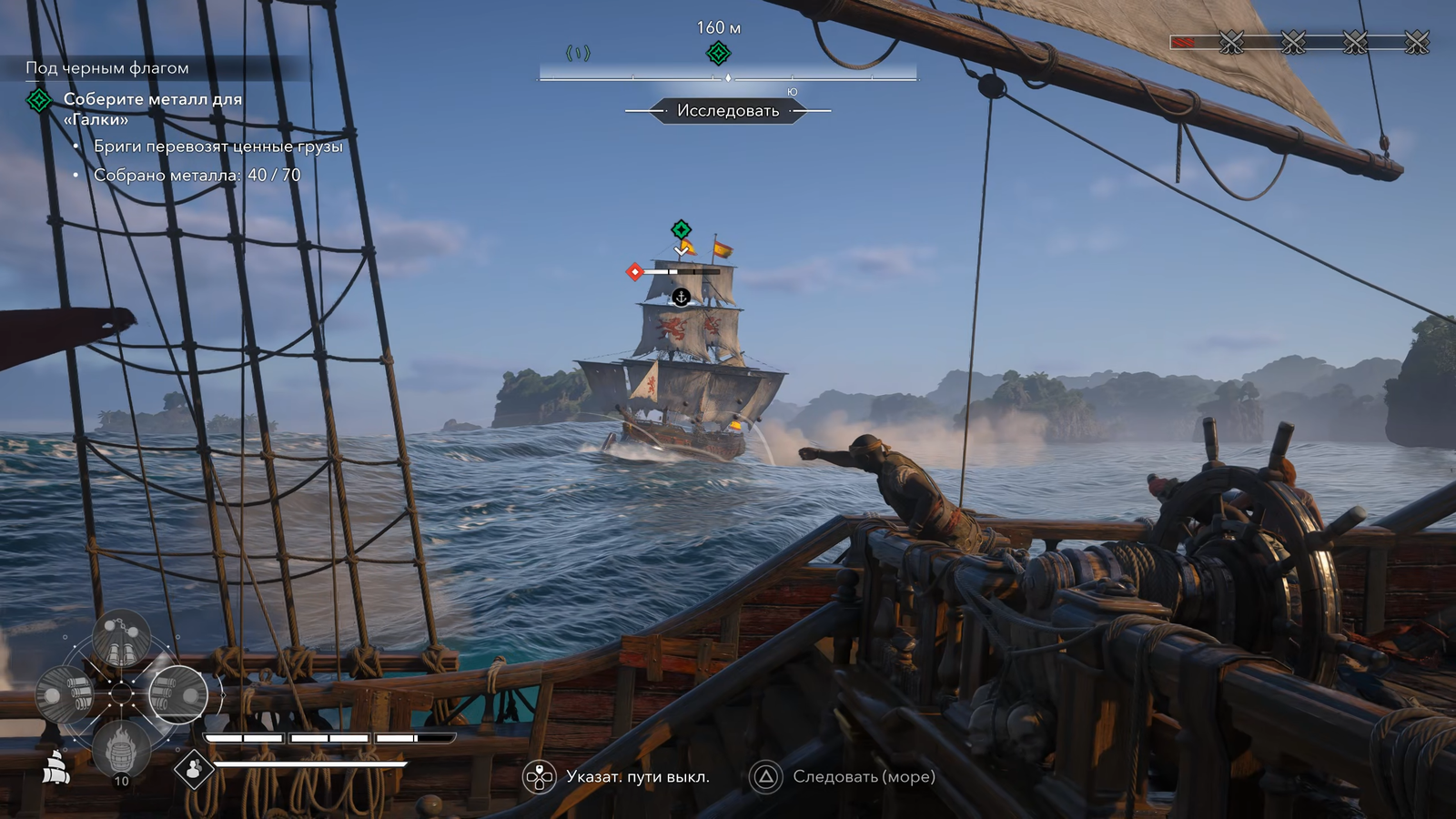
As before, a defeated enemy ship can be immediately sent to the bottom to retrieve some cargo, or boarded for richer loot. In the latter case, the Jackdaw approaches closely, the crew throws grappling hooks, and Edward, along with the sailors, storms the enemy deck. To force a surrender, it's enough to break the enemy's morale: kill part of the crew, destroy powder supplies, or cut down the flag.
However, in Resynced, the system resembles Assassin's Creed Valhalla, so completing additional tasks is not mandatory – it's enough to simply kill a certain number of enemies. After victory, the captured ship can be used to repair the Jackdaw, reduce your wanted level (to continue plundering ships without attracting pirate hunters), loot the captain's chest for additional spoils, or send the ship to Kenway's fleet.
The fleet management mini-game is now only available within the game itself and does not allow sending ships on missions via a separate application. For some, this will be a drawback, but otherwise, its essence has not changed: captured ships can be assigned to trade, pirate, reconnaissance, or patrol missions. Each assignment requires a specific class of vessel, and a risky expedition can result in damage or complete loss of the ship. New areas open up after capturing forts, and additional dock spaces – as Great Inagua develops. Therefore, to create a profitable squadron, you will first have to invest a lot of time and money in it.
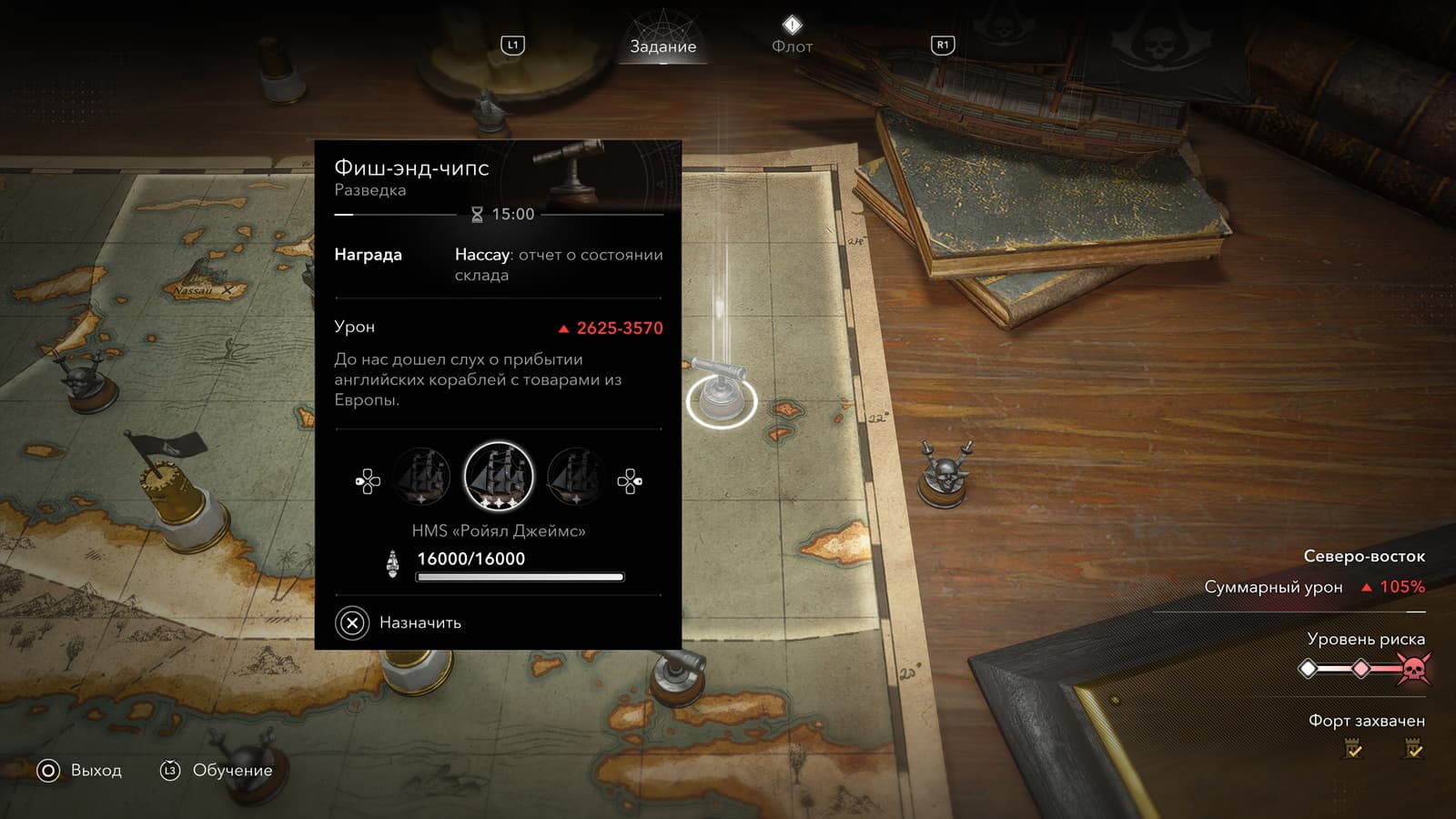
There's a belief that the fleet too quickly turns into an endless source of reales and resources, depriving the player of the motivation to plunder ships independently. My experience suggests the opposite. The first missions bring modest profits and require constant attention: ships have to be repaired, assignments – updated, and the most lucrative voyages require frigates and ships of the line, which still need to be defeated and captured. Passive income recoups the work already done, but the path to it still goes through dozens of naval battles.
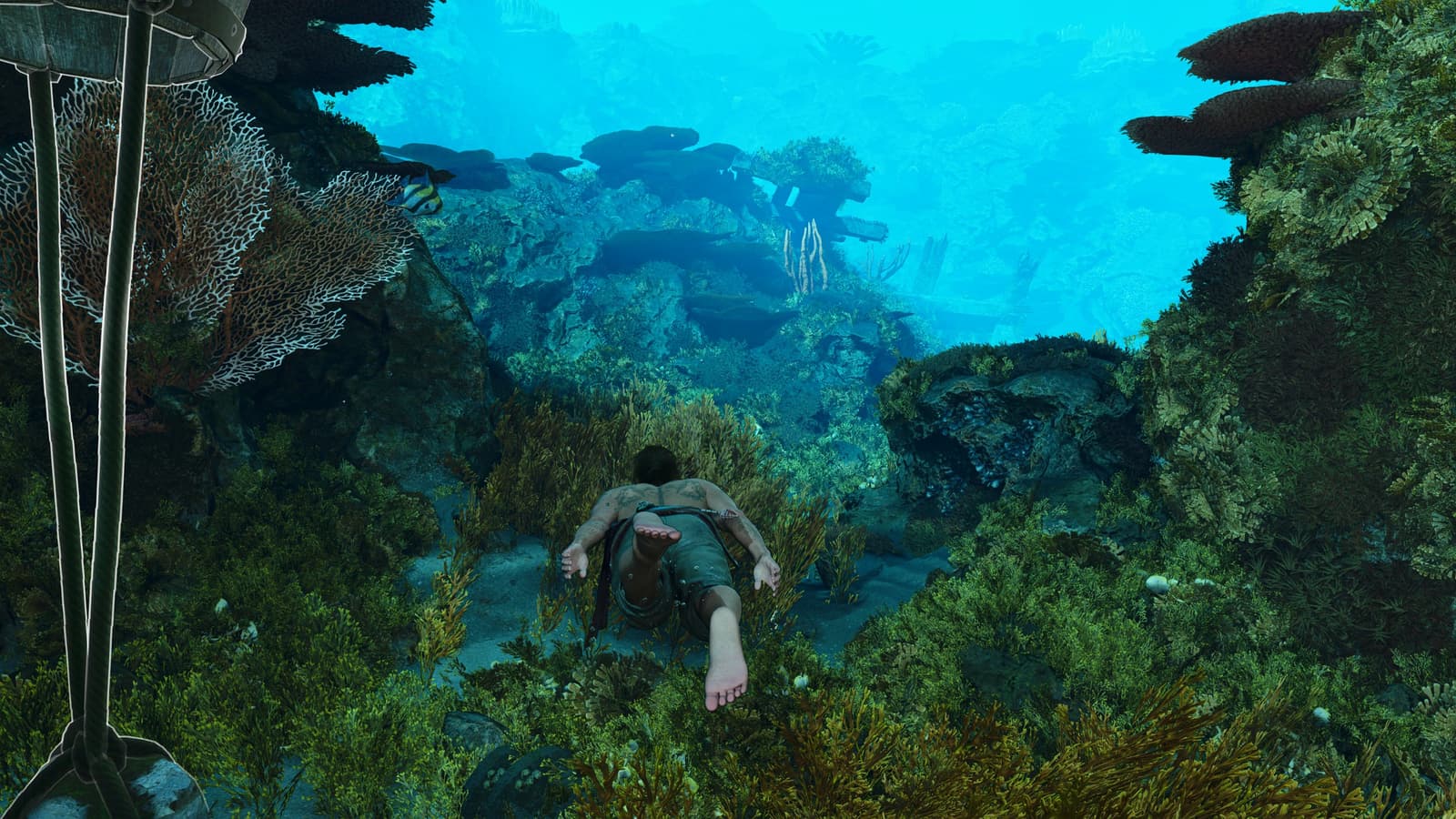
However, there are plenty of other reasons to linger at sea. Edward can undertake naval contracts, storm forts, explore sunken ships, and harpoon sharks and whales – the mechanics resemble the fight with Del Lago from Resident Evil 4. Sometimes a burning ship appears on the horizon, which needs to be looted before it explodes. In addition, diving is now allowed anywhere in the archipelago, although exploring the deepest ruins still requires a diving bell to replenish air, and from the player – attentiveness to spot a shark in time, hide in seaweed, or dodge its predatory maw.
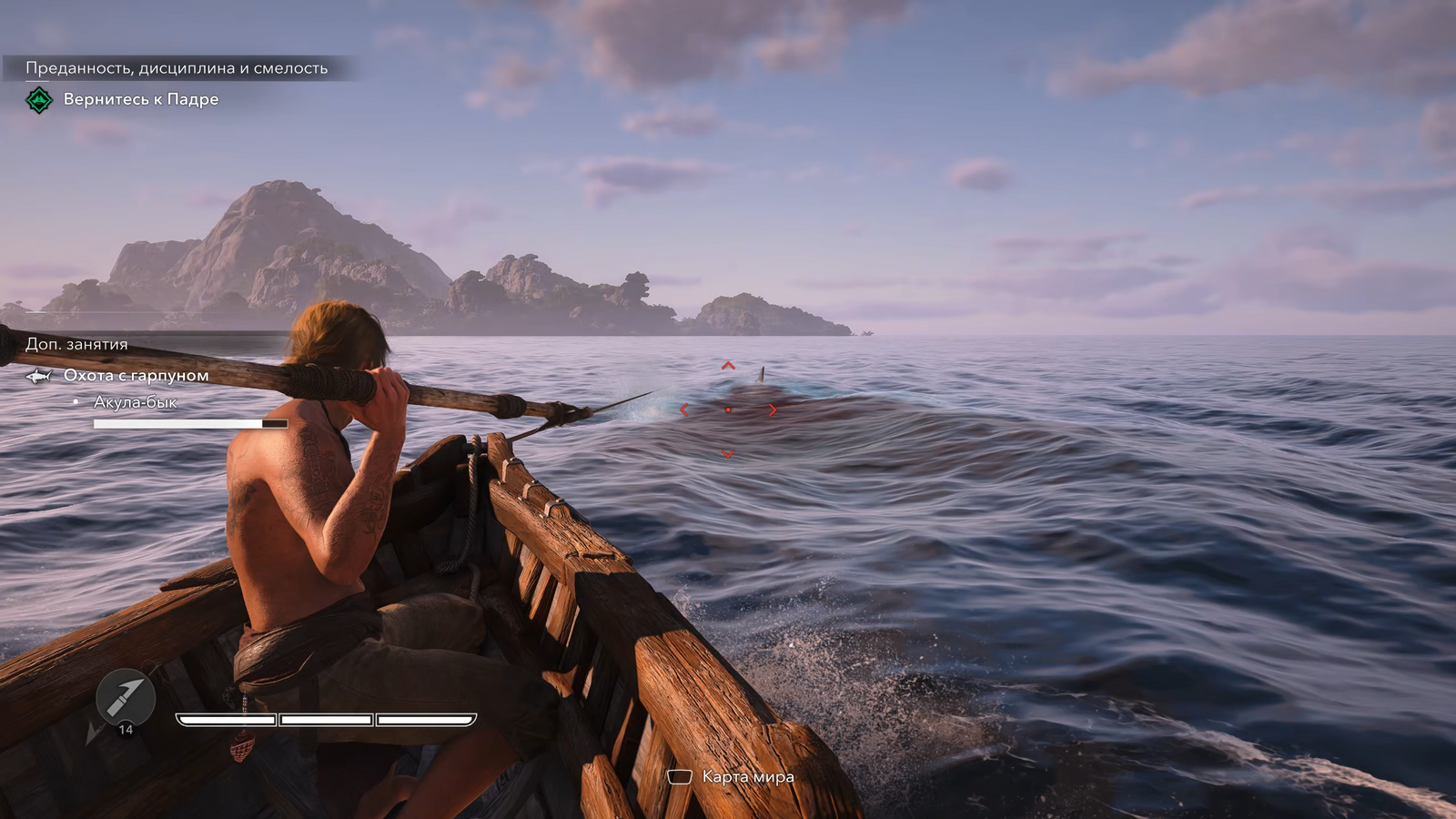
The ultimate goal of this cycle is to transform the Jackdaw into a ship capable of challenging the four legendary vessels. And believe me: when "El Impoluto" appears on the horizon, you'll regret three times the resources you saved. I tried fighting it even on the easiest difficulty: "perfect preparation" helped withstand enemy volleys for a long time, but the underdeveloped Jackdaw simply lacked the damage and durability to win. As a result, hunting legendary ships became the only part of the game for which I had to deliberately grind after completing the story. However, endgame is endgame: it's designed for players who want to stay in the Caribbean and fully unleash the Jackdaw's potential.
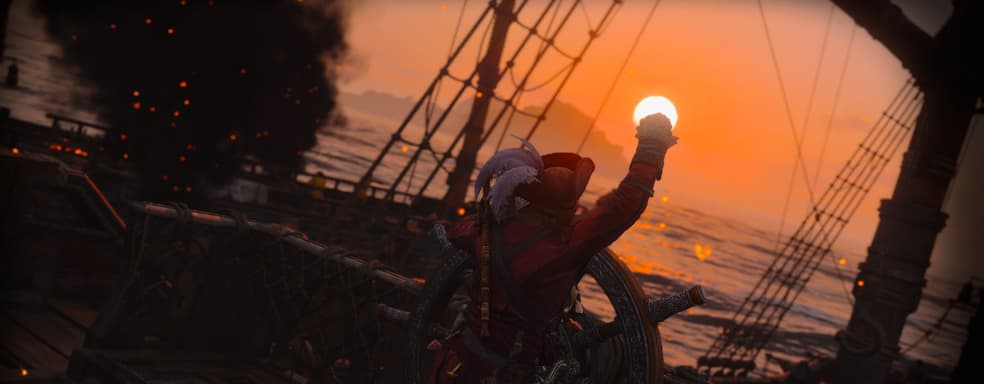
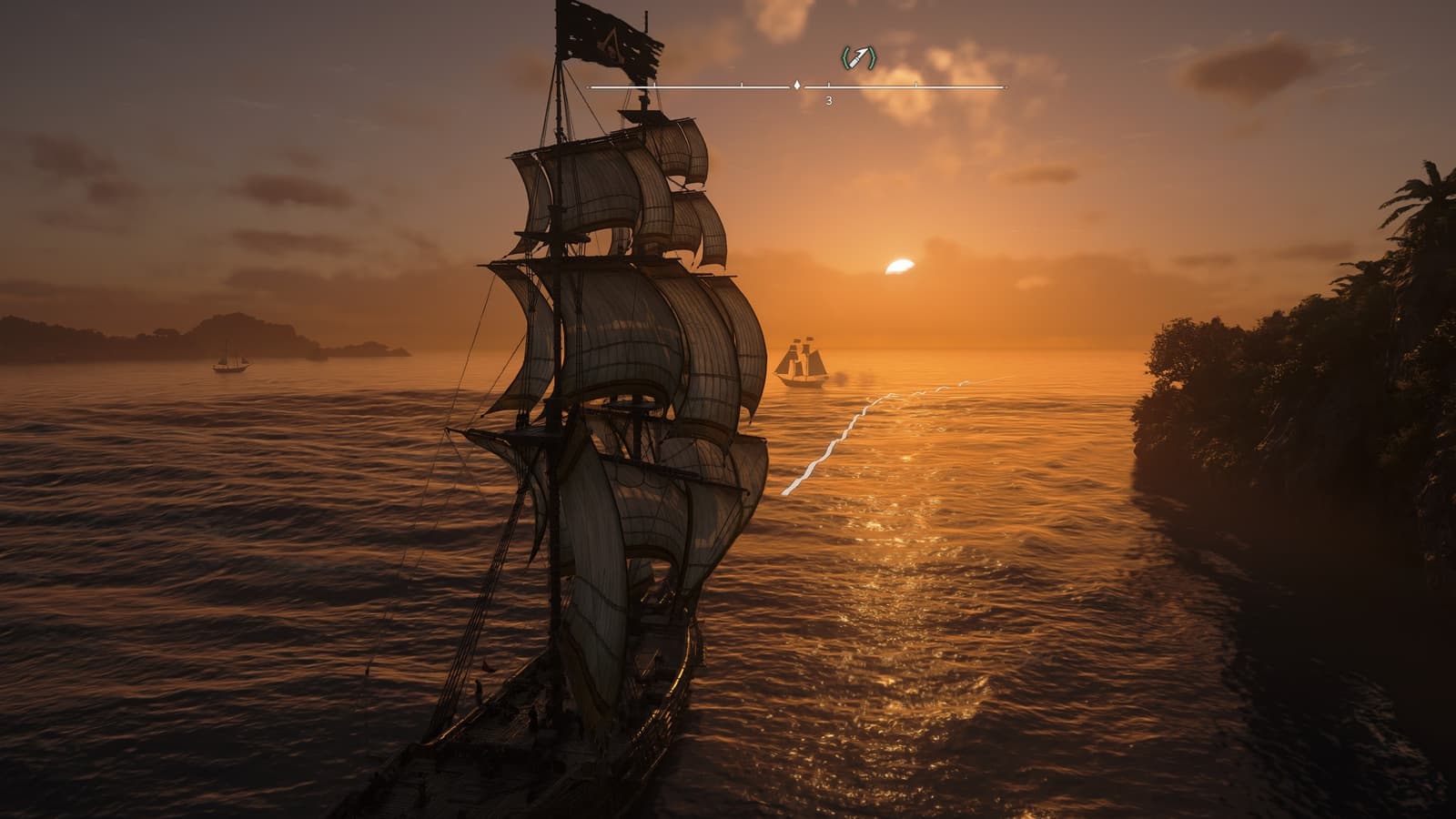
The grind itself has become much more comfortable thanks to the new auto-path feature. During transitions between points of interest, you can mark a destination, lean back in your chair, and entrust control to the crew, who will also sing one of your favorite shanties – now you can choose them manually. Meanwhile, you can enjoy the romance of a sea adventure, watching the sun play on the azure waves or slowly disappear beyond the horizon.
New Light of the Old Caribbean
Resynced is built on a modern version of the Anvil engine, and the difference from the original is visible from the first minutes. This is not a case where improvements have to be sought out in comparative screenshots: Ubisoft has practically re-engineered the game's visuals, while preserving Black Flag's recognizable style, but cleansing it of the original's characteristic "grime."
Lighting, vegetation, and the sea have been particularly transformed. Sunbeams effectively pierce through palm fronds, the azure water with realistic physics and reflection system looks real, and naval battles are accompanied by dense clouds of gunpowder smoke, splashes, and powerful waves that add spectacle to the events.
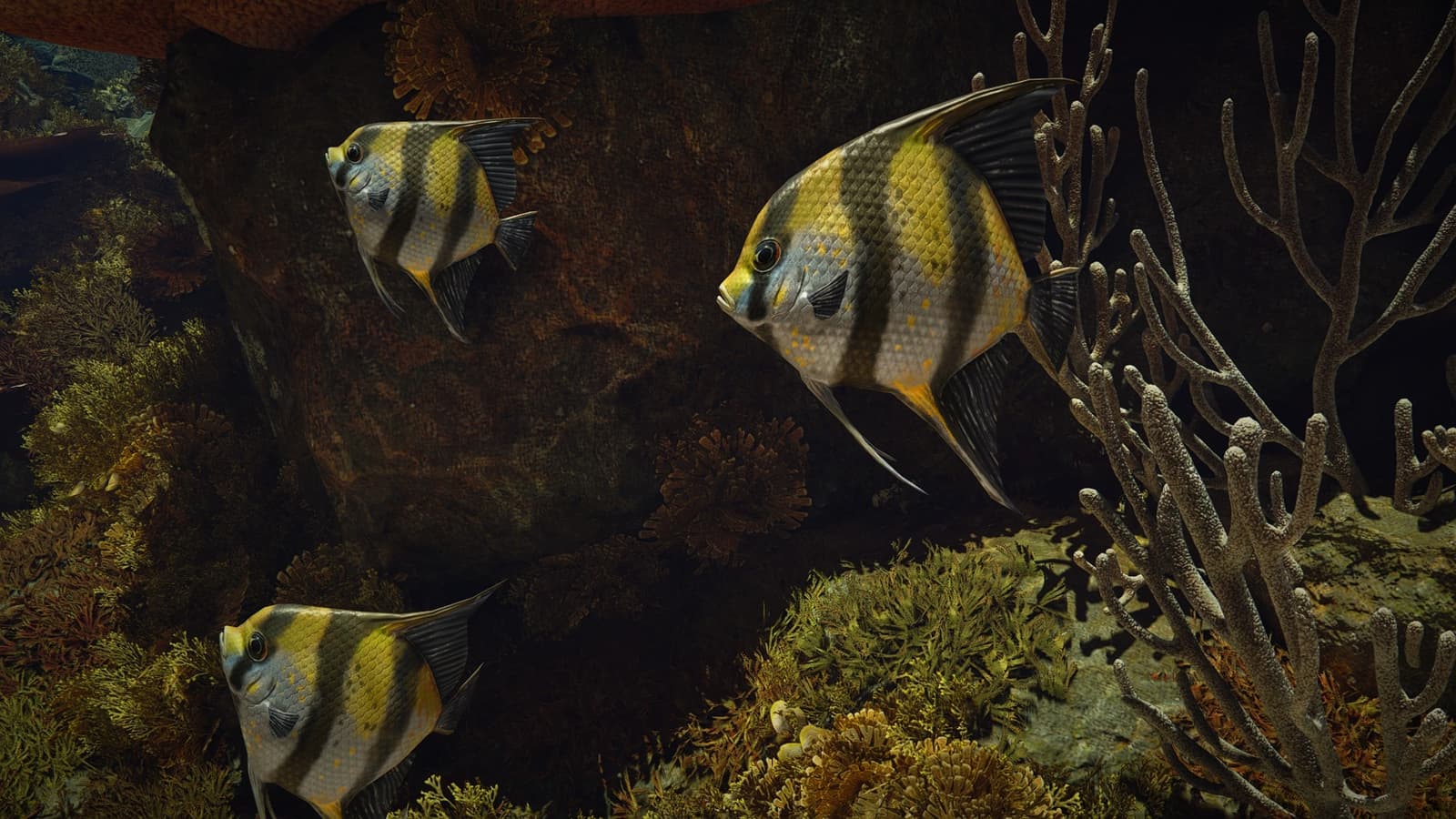
The underwater views deserve special admiration. This summer I was lucky enough to swim among a real coral reef, and I cannot help but note how accurately Ubisoft's artists reproduced this feeling of an underwater fairy tale – diving underwater in search of treasures here is pleasant even from a purely aesthetic point of view.
However, there were compromises. Despite the massive visual overhaul, in places, the game's thirteen-year-old origins still peek through the new polish. In some cutscenes, character facial expressions clearly fall short of modern animation standards. Moreover, the game goes to extremes: bright daytime scenes sometimes seem overexposed, and nights are truly impenetrable. Personally, these contrasts didn't break my immersion, as they work perfectly for the atmosphere. The vibrant picture perfectly fits the romanticized image of the pirate era (besides, the most washed-out frames occur in flashbacks), and battles in the pitch-black sea feel incredibly tense.
What spoils the impression much more is the inattentive attitude to details: during cinematic ground finishers, the camera regularly chooses angles where it is clearly visible how Edward's blades whistle past enemy bodies, destroying all the notorious spectacle.
Optimization also cannot be called exemplary – we have seen better and worse examples. Frankly, the game cannot boast the same technological level as, say, Crimson Desert, but Resynced's optimization is definitely better, and the Caribbean landscapes are so picturesque that this fully justifies the system requirements.
On a system with a Ryzen 5 7500F, 32GB DDR5-6000, and an RTX 4070 Super at native 1440p resolution, on ultra settings with ray tracing enabled at maximum, the game delivered around 50 FPS. Enabling DLSS in "Quality" mode boosted the frame rate to a comfortable 65-70 FPS, and activating frame generation pushed the counter past a hundred (in less demanding scenes – above 120 FPS). However, a strange "but" was discovered: disabling the power-hungry ray tracing had almost no effect on performance, freeing up only 5-10 frames depending on the scene – so there's simply no point in depriving yourself of beautiful reflections for such a gain.
As for bugs, they are more curious in nature. A regular NPC can fearlessly walk through a bonfire, catch fire, and run screaming into the sunset, and the only serious technical glitch I encountered was during a fort assault when the game stubbornly refused to register docking, causing Edward to endlessly shoulder a locked door in proud solitude. It was resolved by reloading the last save with a loss of two minutes of progress, which is completely non-critical.
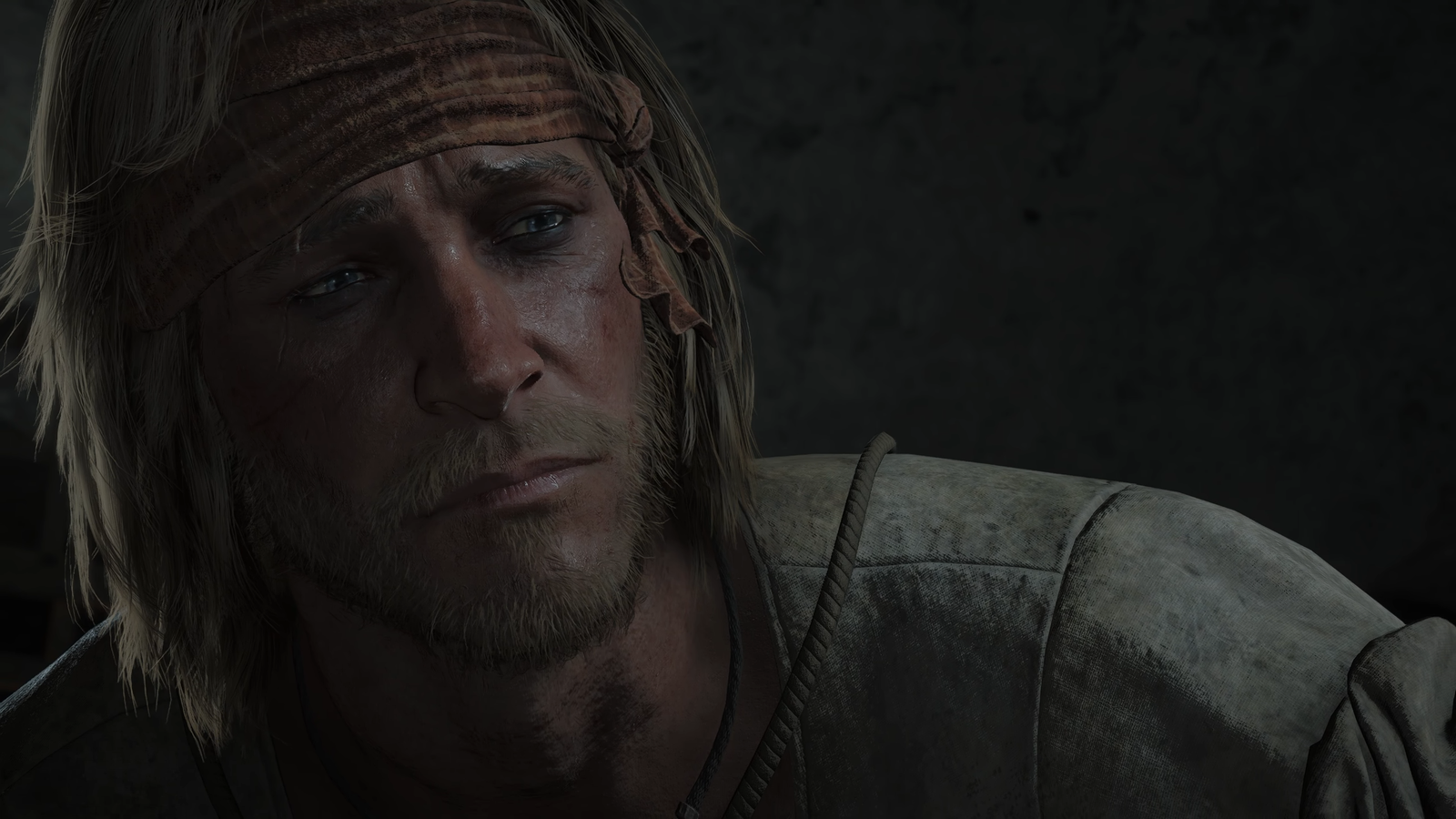
The localization situation is much more disappointing. Unfortunately, the remake did not receive the full Russian voice acting that was present in the original 2013 game. Of course, the English voice cast performs their task magnificently: Matt Ryan brilliantly conveys Edward Kenway's character and his internal evolution through his voice. But those who don't know English well should keep in mind that the subtitles lack some important details that hint at the nuances of characters and dialogues. No major crime occurs – you will still fully understand the main meaning of what is happening, but in the text translation, the dialogues sound drier, humorous jabs are not always fully conveyed, and sometimes the subtext is lost.
At the same time, much more noise around the release was raised due to the usual ailments of modern Ubisoft games: the mandatory link to the Ubisoft Connect launcher and microtransactions in the in-game store. The audience's irritation is easy to understand, but the sellers of "early access" four days earlier in the $120 edition seem like much bigger villains to me (we won't point fingers), and consistency requires equally criticizing both of these vicious practices. Ultimately, neither of these has anything to do with how well and skillfully Kenway's pirate adventure itself is crafted.
Verdict
Assassin's Creed: Black Flag Resynced really wants to be called an exemplary remake. In relation to the source material, this definition is quite justified, although in terms of the scale of rework, the game is somewhere between a full-fledged remake and a very deep remaster. The developers carefully preserved everything that made the original special, got rid of annoying limitations, reworked the most boring missions, and modernized mechanics that had become outdated over thirteen years. At the same time, the game does not try to imitate modern parts of the series: side activities dictate the pace of progression much less, allowing you to calmly follow the story, distracting yourself only with truly interesting activities, rather than running into artificial requirements for leveling up.
I would also like to note that for me, Resynced became a beautiful parallel to Ubisoft's history. Black Flag tells the story of Edward Kenway's rise, spectacular fall, and difficult redemption. It seems that Ubisoft is now trying to follow a similar path – after a series of failures and wrong decisions. This is evident in how the project's marketing was built and in communication with the audience. Of course, one game cannot restore past trust, but Resynced showed that the French publisher is still capable of carefully handling its own legacy.
Nevertheless, the game is not without its flaws. It still has plenty of filler content. The camera and animations are sometimes clunky, reminding us of both the original's age and the fact that the game is built from the developments of the modern lineup. The Russian subtitles do not always convey all the nuances of the magnificent English voice acting. But all this pales in comparison to the incredible atmosphere of sea adventures, stunning Caribbean landscapes, magnificent music, and one of the best stories the Assassin's Creed series has ever told.
For thirteen years, no full-fledged competitor has appeared alongside Black Flag. Therefore, for newcomers, this release is the best way to get acquainted with Edward Kenway's adventures, and for fans of the original, it's a great reason to raise the black flag over the Caribbean Sea once again.
Never miss our newsAdd this site to your preferred sources to see us more oftenAdd on Google