AMD Receives Export License for AI Chips to China, NVIDIA Left Behind
AMD has confirmed that it has received a US export license to supply its Instinct MI308 accelerators, which are specifically adapted to US restrictions. While NVIDIA is still awaiting permission to export its H20, AMD has already received approval.
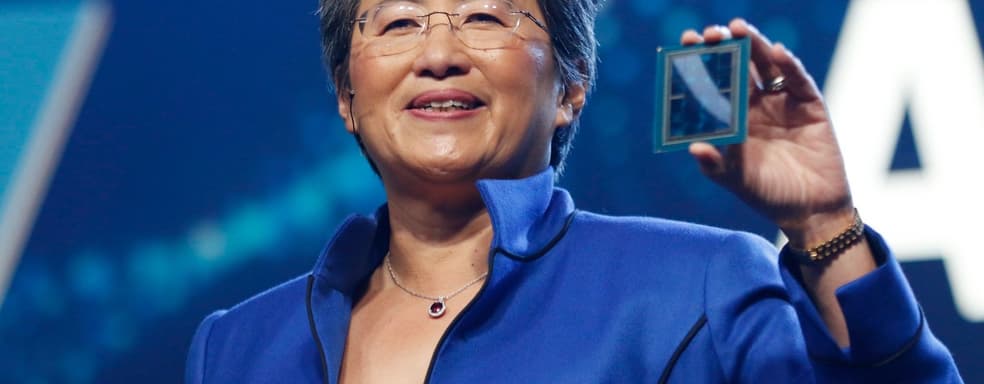
AMD CEO Lisa Su announced this during the presentation of quarterly results. The company noted that it is now "confident in future supplies for the Chinese market," but does not yet include MI308 sales in its fourth-quarter forecasts. The reason is unstable demand and uncertainty with the delivery schedule. In other words, the license is there, but the situation remains volatile.
The MI308 is similar in characteristics to the NVIDIA H20. Both chips are designed to meet the performance limits set by US export controls. The main difference is that AMD received permission faster, giving the company a temporary advantage in one of the largest AI markets.
NVIDIA's problems are not only with regulators, but also with politics - Chinese companies are increasingly switching to local solutions. This slows down the spread of American technologies. At the same time, experts believe that both corporations are seen by Beijing as temporary partners: China strives for complete technological independence, and AMD's licenses are only an intermediate success.
Never miss our newsAdd this site to your preferred sources to see us more oftenAdd on Google