Memory Shortage to Last Another 10 Years, and Talk of an "AI Bubble" is Premature, Says Adata Head
Simon Chen suggests starting to talk about a "bubble" only after 2030.
Adata Chairman Simon Chen stated that the global DRAM memory shortage will persist for at least the next decade, and concerns about an overheating artificial intelligence market are not yet well-founded.
According to the company's head, over the next ten years, the most scarce resources in the world will be electricity, especially that obtained from renewable sources, as well as memory. Chen believes that many analysts mistakenly assess the prospects of AI, relying on short-term capital expenditure indicators or the utilization of individual data centers.
He is confident that artificial intelligence technologies will be actively implemented not only in cloud infrastructure but also in robotics, autonomous transport, automated factories and stores, smart home systems, and satellites in low Earth orbit. According to his estimates, the number of such devices in the future could reach tens of billions. Discussing the likelihood of an "AI bubble," in Chen's opinion, only makes sense after 2030.
Amidst sustained demand, Adata forecasts further growth in contract memory prices in the third quarter: DRAM could rise by another 20–30%, and NAND by 35–40%.
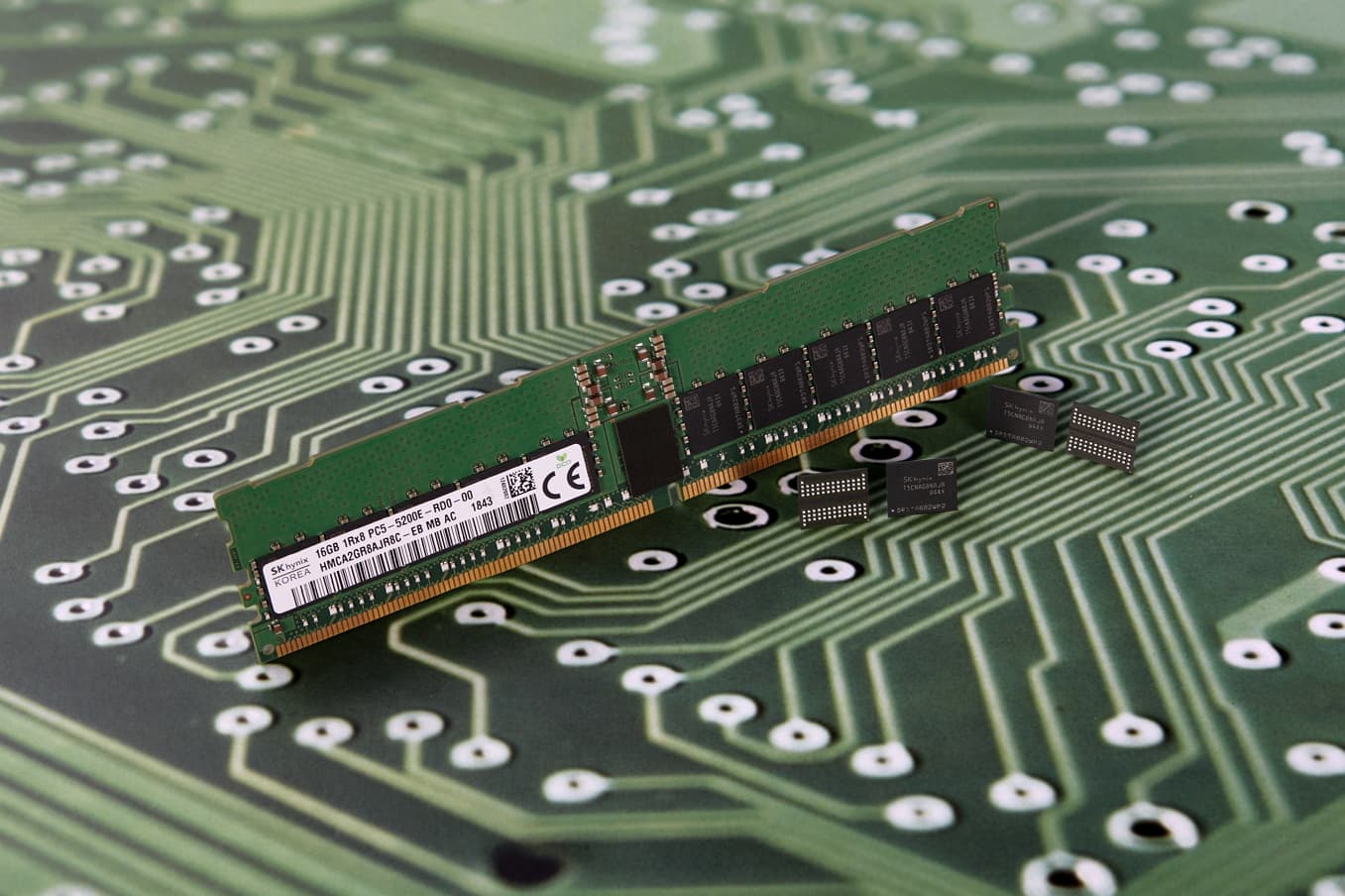
Despite massive investments by memory manufacturers, the head of Adata does not expect a rapid improvement in the situation. For example, SK hynix is directing record funds to expand HBM memory production, Nanya plans to quadruple capital expenditures by 2027, and Chinese CXMT, according to industry reports, is approaching DRAM production volumes comparable to Micron.
However, Chen believes that major manufacturers have learned lessons from past overproduction crises and will now increase capacity much more cautiously to avoid a sharp drop in prices. In addition, Chinese companies still face restrictions on equipment supplies and long construction times for new factories.
For this reason, the head of Adata is confident that talks of an imminent balance between supply and demand are premature. He expects further increases in memory prices and increased profits for module manufacturers in the second half of the year.
The company's forecasts are also supported by its own strategy. By the end of February, Adata had accumulated memory chip inventories worth more than 30 billion New Taiwan dollars, so every increase in contract prices automatically increases the value of existing inventories. Chen recalled that last autumn he called the simultaneous shortage of DRAM, NAND, SSDs, and hard drives the first such case in his 30 years in the industry. Since then, DRAM contract prices, he said, have already risen by 171% year-on-year.
Never miss our newsAdd this site to your preferred sources to see us more oftenAdd on Google