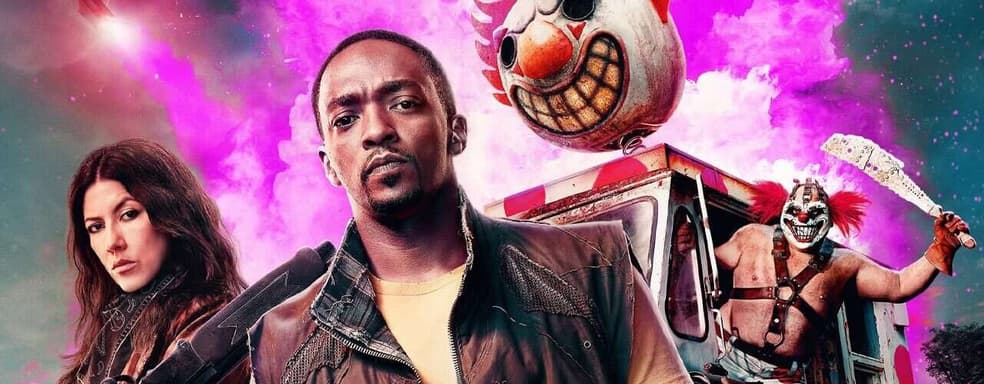
Gasoline, Blood, and Clowns. A Review of the \"Twisted Metal\" Series
When the first season of \"Twisted Metal\" was released in 2023-a series based on Sony's cult, albeit thoroughly rusted, game series of the same name, where armed cars engage in bloody showdowns on wheels-we overlooked it. Now, with the release of a full second season, in which the legendary Calypso's death tournament finally begins, it's time to look back and see what it all amounted to.
The Merry Milkman
\"Twisted Metal\" transports viewers to an alternate America, twenty years after a technological collapse. As the narrator explains, one not-so-fine day, a \"bug\" shut down all the world's computers, followed by the disappearance of the internet and electricity—and, deprived of easy access to films of dubious content with overacting actors (no, not \"The Apple Orchard\"), people went crazy.
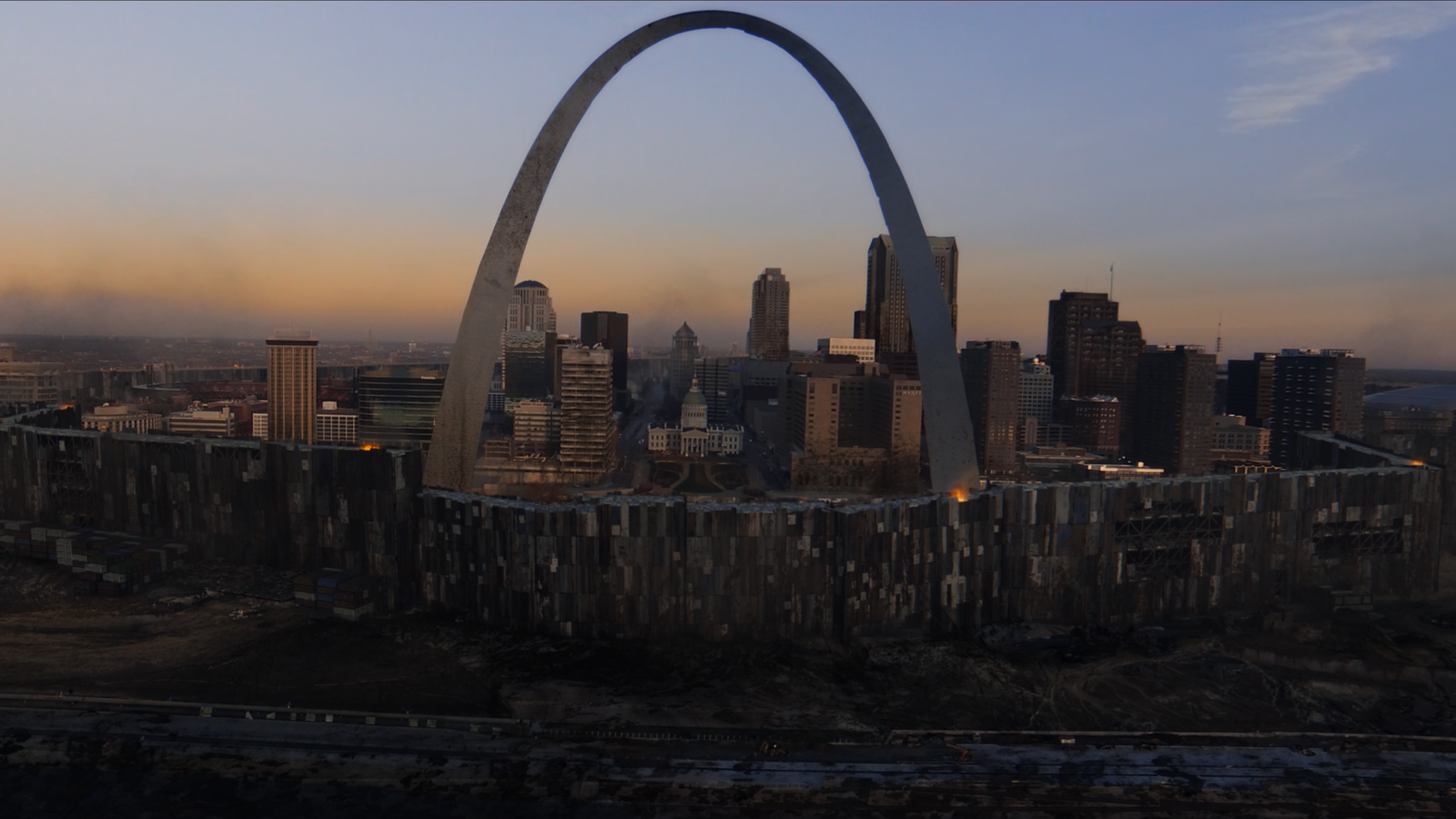
The world has changed. Megacities have shielded themselves from the outside world behind impregnable walls. Beyond them lies all sorts of human riffraff: gangs of marauders, fanatics, and other madmen and oddballs. Only a few daredevils, known here as \"milkmen,\" can be both there and here—delivering goods and performing courier missions.
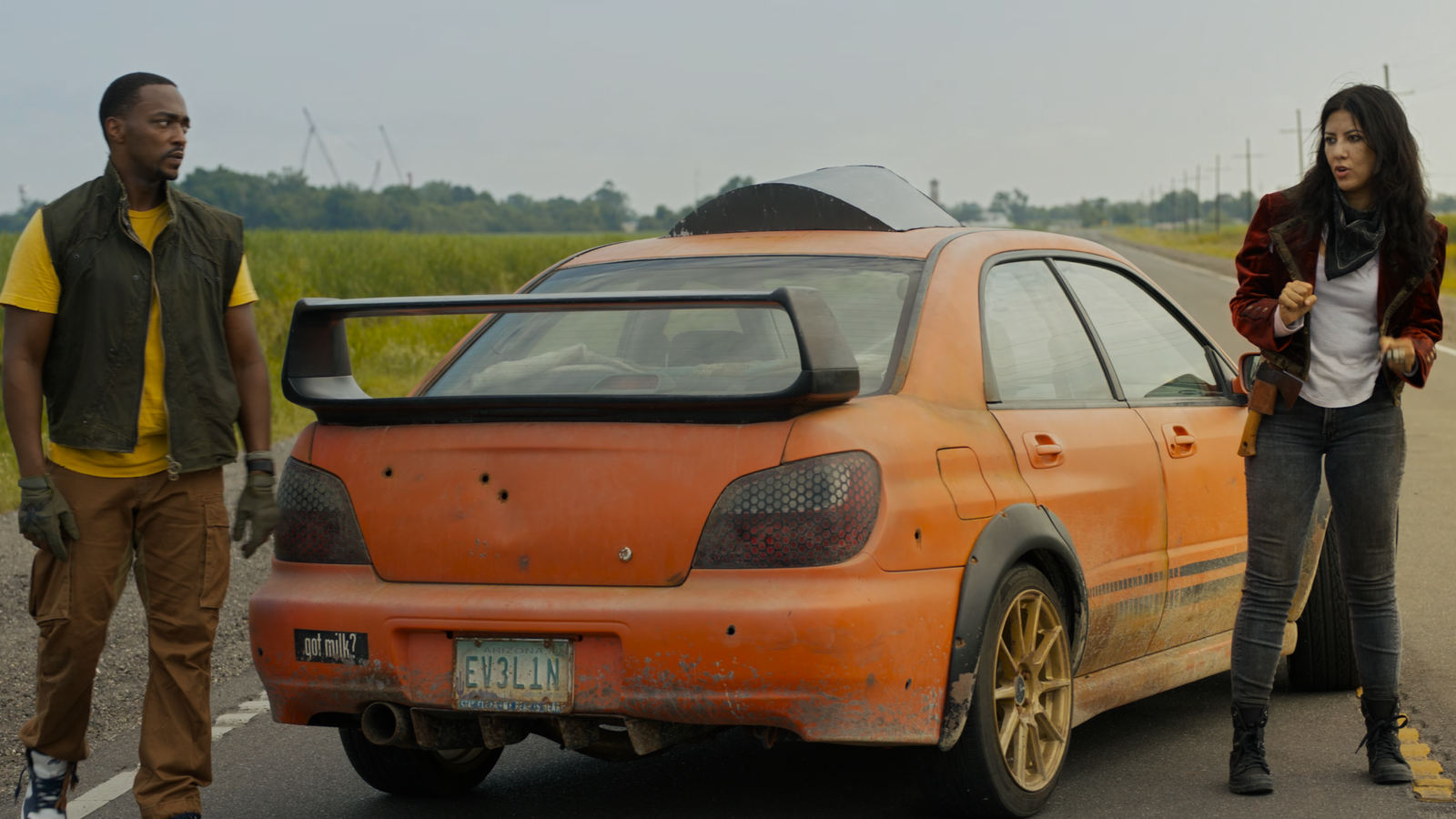
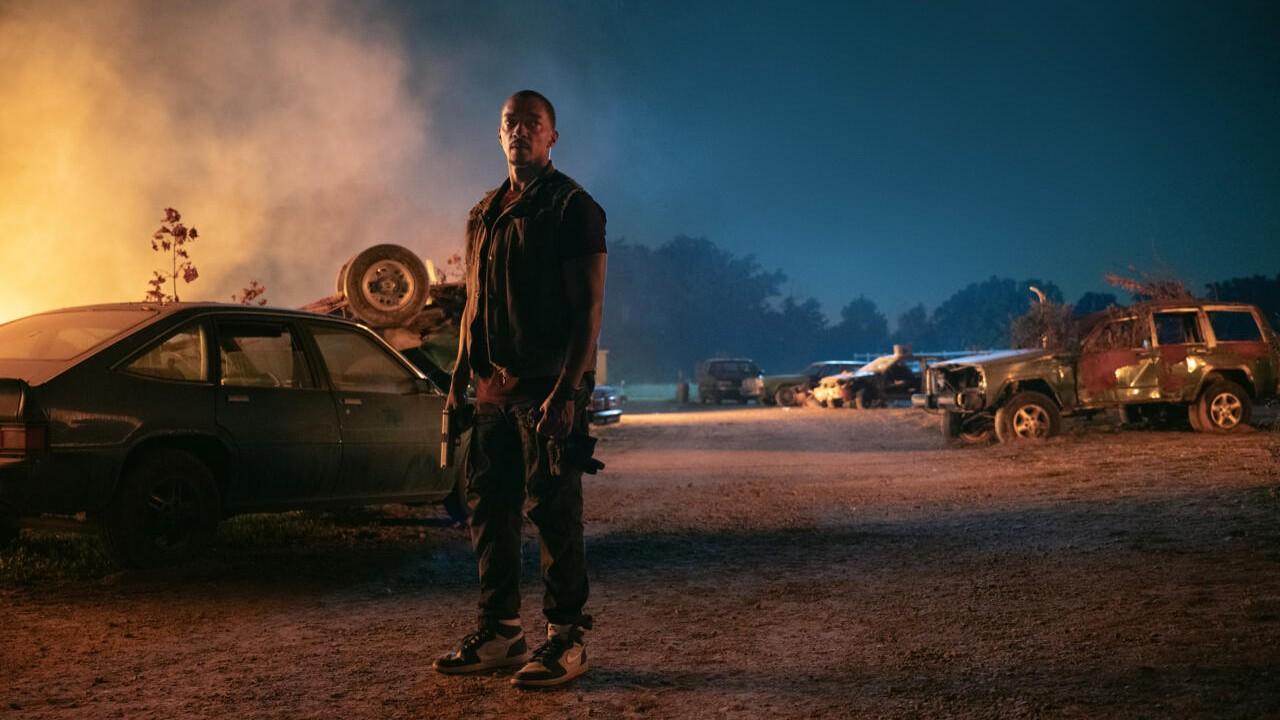
One such milkman is the main character—John Doe, played by Anthony Mackie. John is a man without memory or a past. All that remains of his former life is a tattered photograph of those who were once his family.
Now, the road is his only home, and his most loyal friend is a battered Subaru named EV3L1N. They have been inseparable since the day of the tragedy, and John has long preferred her company to that of people.
Against the backdrop of all this madness, John seems almost normal. He is not like most beyond the walls: not a murderer or a bandit, but a man who found himself in this world by chance—as a child. And somewhere deep down, his main dream is to find a home and peace.
This dream becomes his guiding star when John receives an offer he can't refuse. The ruler of New San Francisco, Raven (Neve Campbell), entrusts him with an extremely dangerous mission: to go to New Chicago and bring back a mysterious cargo. The conditions are exacerbated by a time limit—only ten days for everything.
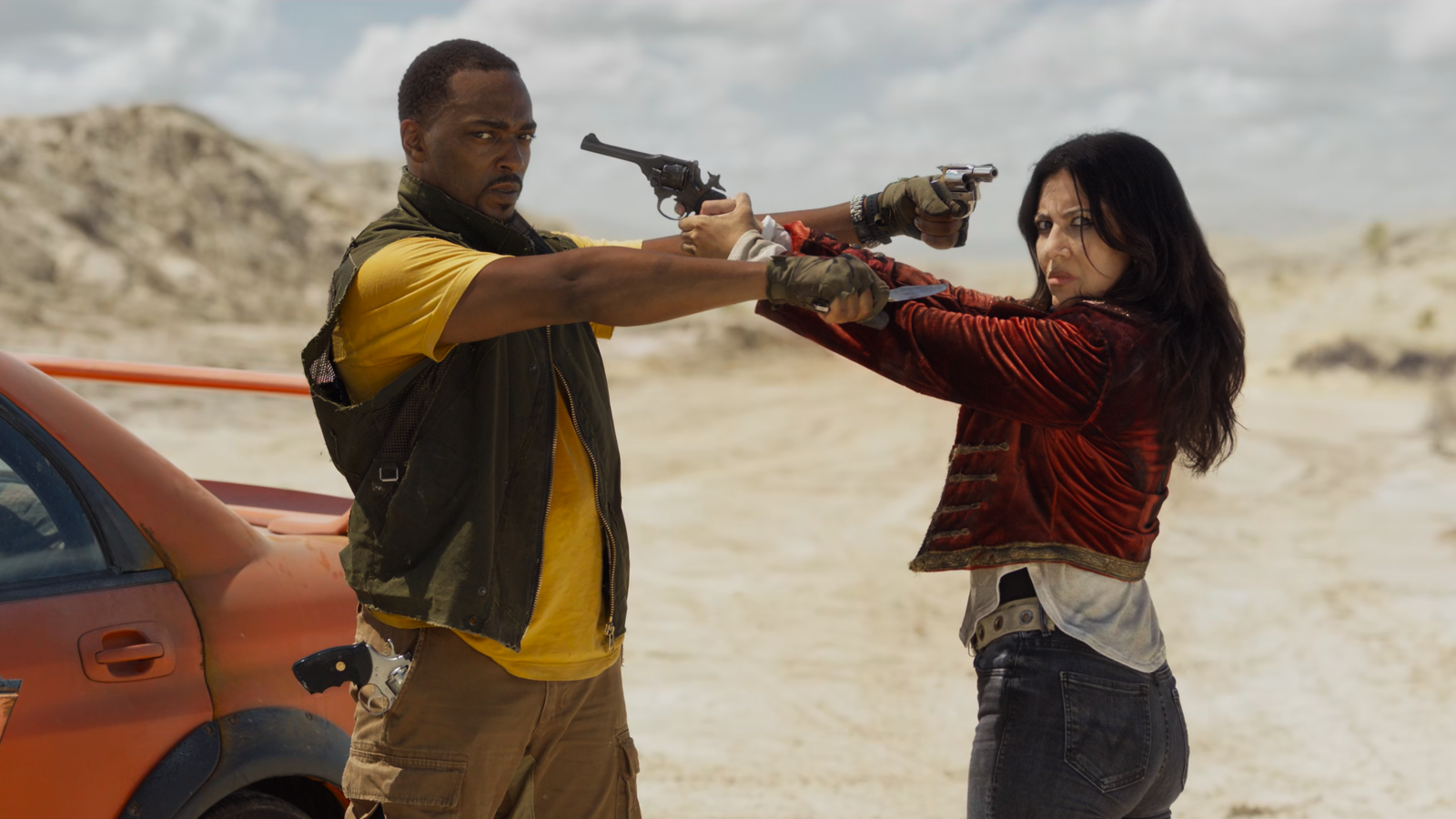
In return, John is promised what he has dreamed of all his life: citizenship and a place inside the walls. Thus begins his journey through post-apocalyptic America—a path that will ultimately lead him to the deadly Calypso tournament.
On his way, John meets Quiet (Stephanie Beatriz)—a gruff scavenger with an ax and a heavy past. Their first meeting goes according to local standards: mutual hatred, threats, attempts to kill each other.
But as they travel, this pair gradually turns into something of a team. Despite this, the chemistry between them does not lose its explosive charge and becomes the heart of the first season, holding attention even when there is almost no car action on the screen.
Prelude on Wheels
The first season of \"Twisted Metal\" is essentially a road movie with elements of absurdity and black comedy, where the goal is not as important as the events and changes that happen to the characters along the way. The viewer travels with the characters through the wastelands of post-apocalyptic America and meets the most amazing (and frightening) people.
Among them is a nomadic settlement assembled from several trucks. These people bury the dead by placing them in cars, which they then set on fire and release along the road, like Viking longships departing on their final journey.
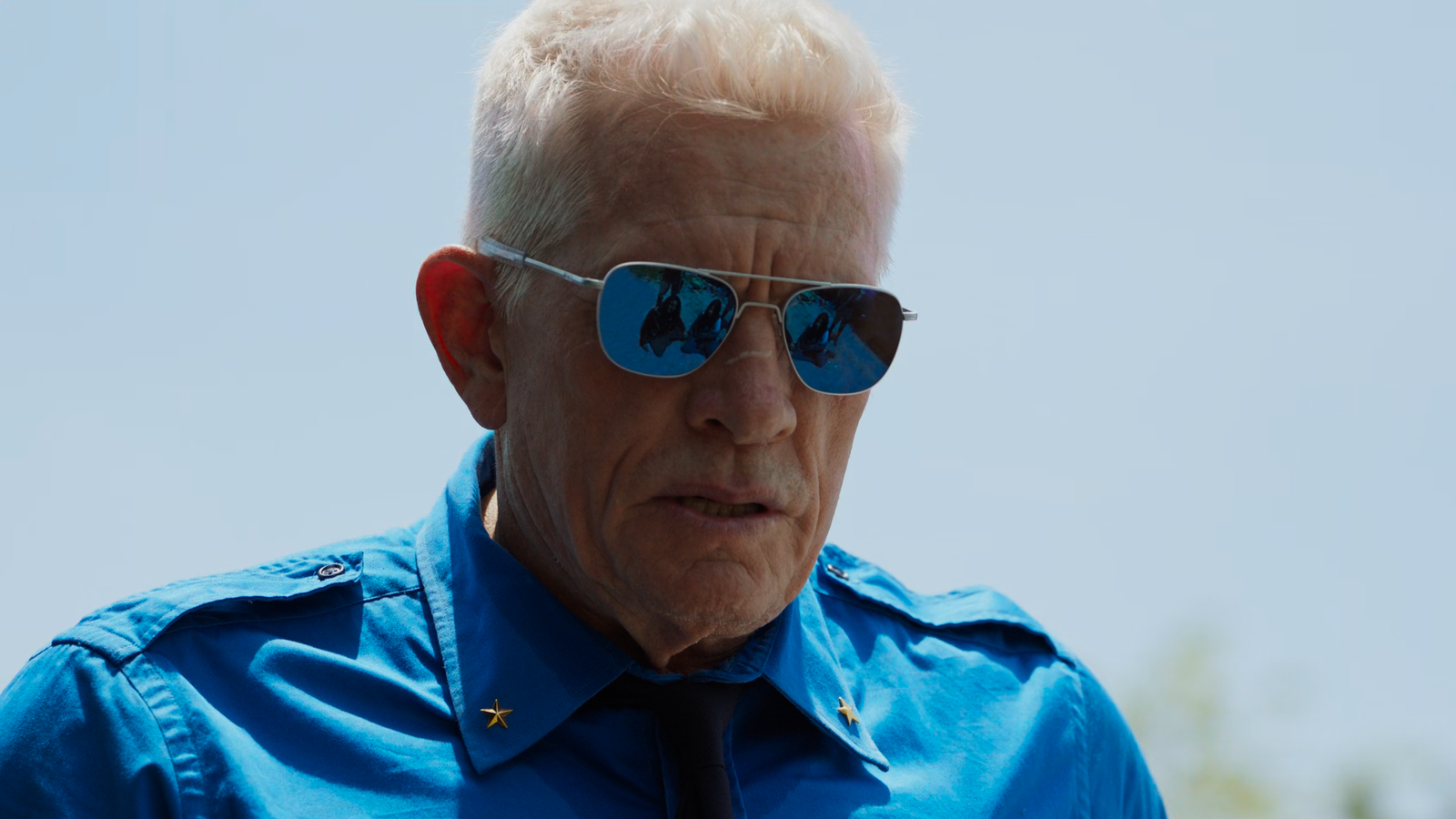
There are also religious fanatics and the cruel Agent Stone—a former inept security guard who, after the disaster, imagined himself as a messiah capable of restoring order in the country.
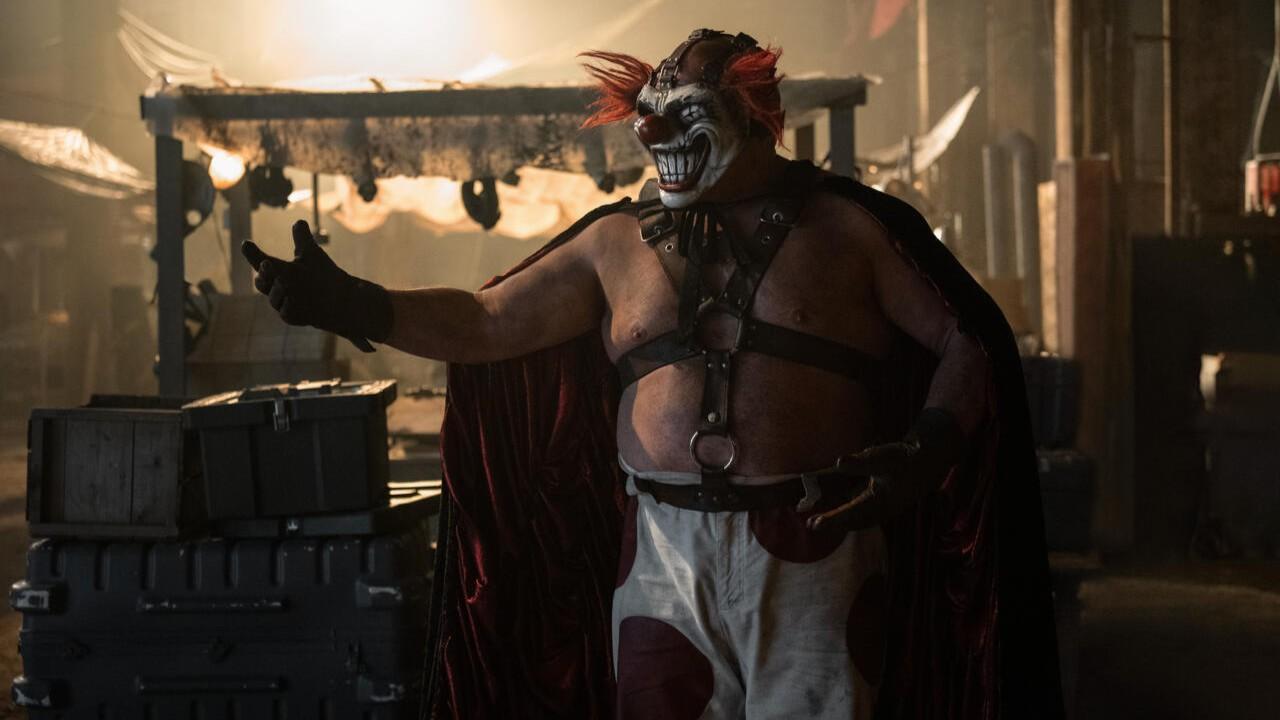
And, of course, Sweet Tooth—a clown with the appearance of Samoa Joe, the voice of Will Arnett, a maniacal craving for fame, and a best friend in the form of a paper bag.
There is indeed little car action in the first season, but that is why each appearance becomes an event. The rest of the time, the series relies on humor, satirical sketches, and the development of relationships between characters.
Anthony Mackie pulls John Doe off with charisma and antics, and it's incredibly fascinating to watch his banter with the gloomy Quiet, who can drive anyone into the ground with a single glance. It's a great find on the part of the authors—to combine a \"talker\" and a Silent One, and it's not surprising that it works, especially considering that the screenwriters of \"Deadpool,\" Rhett Reese and Paul Wernick, had a hand in the show.
The jokes are often flat—but so flat that you involuntarily laugh out loud. Almost like in the movies about the talkative mercenary from Marvel. And at the same time, Anthony Mackie unexpectedly reveals himself in dramatic moments—which, personally, was a real discovery for me, given his previous track record.
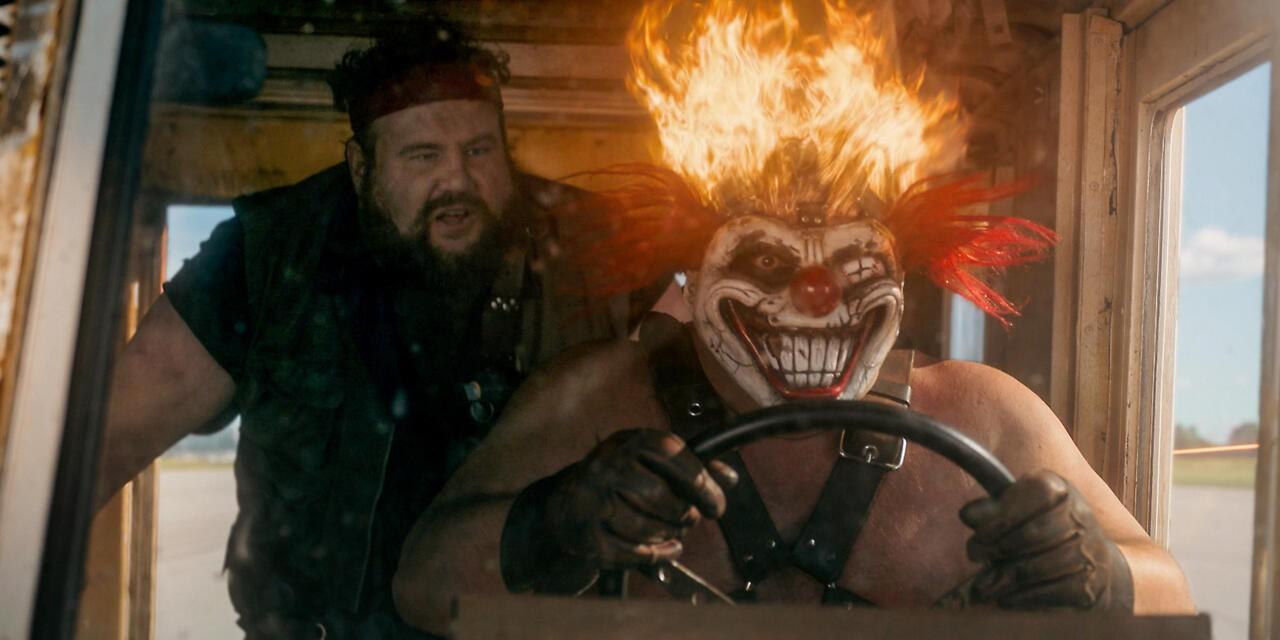
Sweet Tooth is pure concentrate of madness. The scenes with his participation are both frightening and funny: either this child in the body of a 128-kilogram wrestler puts on a theatrical show, forcibly turning the characters into spectators (admittedly, you want to escape from this show on both sides of the screen), or he stages a bloody massacre because of one careless word. And only Stu (Mike Mitchell) with his good nature and confusion at least slightly softens his sadism, finding a way to Sweet Tooth's childish naivety.
Overall, the first season works as a long, chaotic, but fascinating prelude—an introduction to the world, its mad inhabitants, and preparation for the tournament, which is still looming somewhere ahead.
Wrong Turn
In the second season of \"Twisted Metal,\" the promised Calypso tournament finally takes center stage. John Doe is still at the center of events, but now he is not just a courier on the roads, but a participant in a deadly race where the main prize is the fulfillment of any wish. The show features more mysticism, new crazy characters, and, of course, scale: the chamber road movie is replaced by real automotive \"Hunger Games.\"
It would seem that this is what the series was heading for from the very beginning. But in fact, the viewer is waiting not only for drive, but also for a whole set of strange decisions that do not always work.
To begin with, the second season added two episodes to the runtime: while the first had ten episodes, the second already has twelve. It would seem like a nice bonus, especially considering the authors' promises to saturate the show with action... But at first, the season still resembles a prologue — with a new portion of flashbacks, leisurely action, and more introductions to characters.
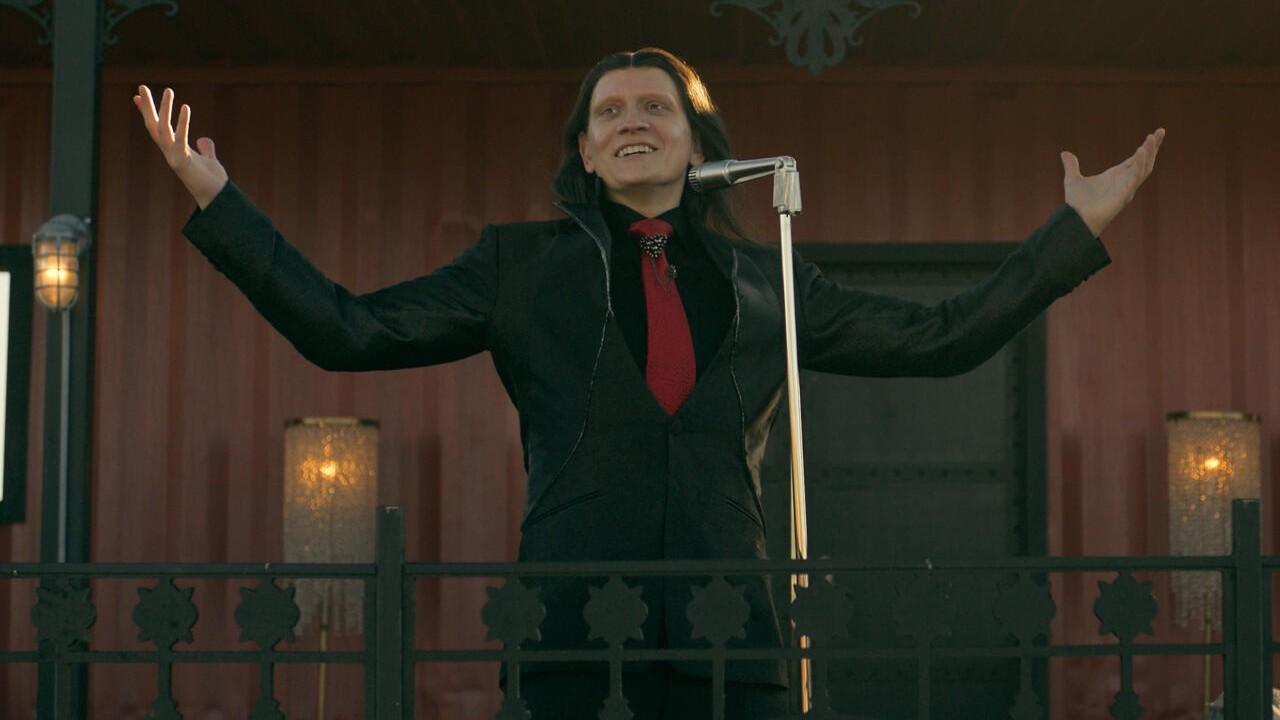
On the one hand, this expands the universe and brings new heroes and familiar faces from the games to the stage — Mr. Grimm, Axel, or an updated version of Raven. On the other hand, a significant part of this gallery is used exclusively for statistics: they take up screen time but are not really developed. After all, a deadly tournament is on the horizon (no pun intended).
Of the new characters, perhaps only Mayhem (Sailor Curda) stands out against the general background — a young rebel who tries to seem cooler than she is throughout the season but unexpectedly complements the main duo well. And Calypso — in his image, Anthony Carrigan finally gave the series a charismatic antagonist who seems like a real devil: inexplicably attractive and at the same time impossibly disgusting.
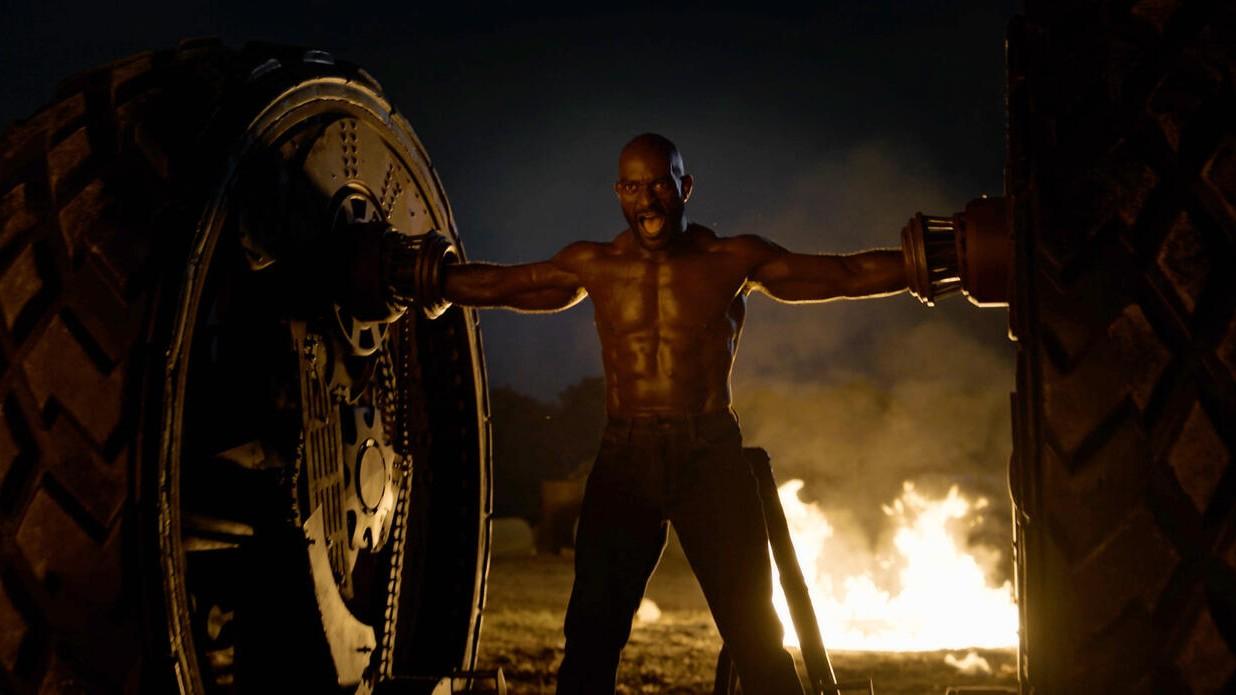
Stylistically, the second season is noticeably different from the first. It still tries to remain a black comedy, but at the same time tries to be more serious and darker. Characters lose loved ones, face betrayal, and the very atmosphere of the deadly tournament requires them to "pull themselves together."
However, because of this, the humorous inserts either seem inappropriate or simply don't work, and the dramatic lines look artificial and contrived — they surprise, but disappear as quickly as they appear.
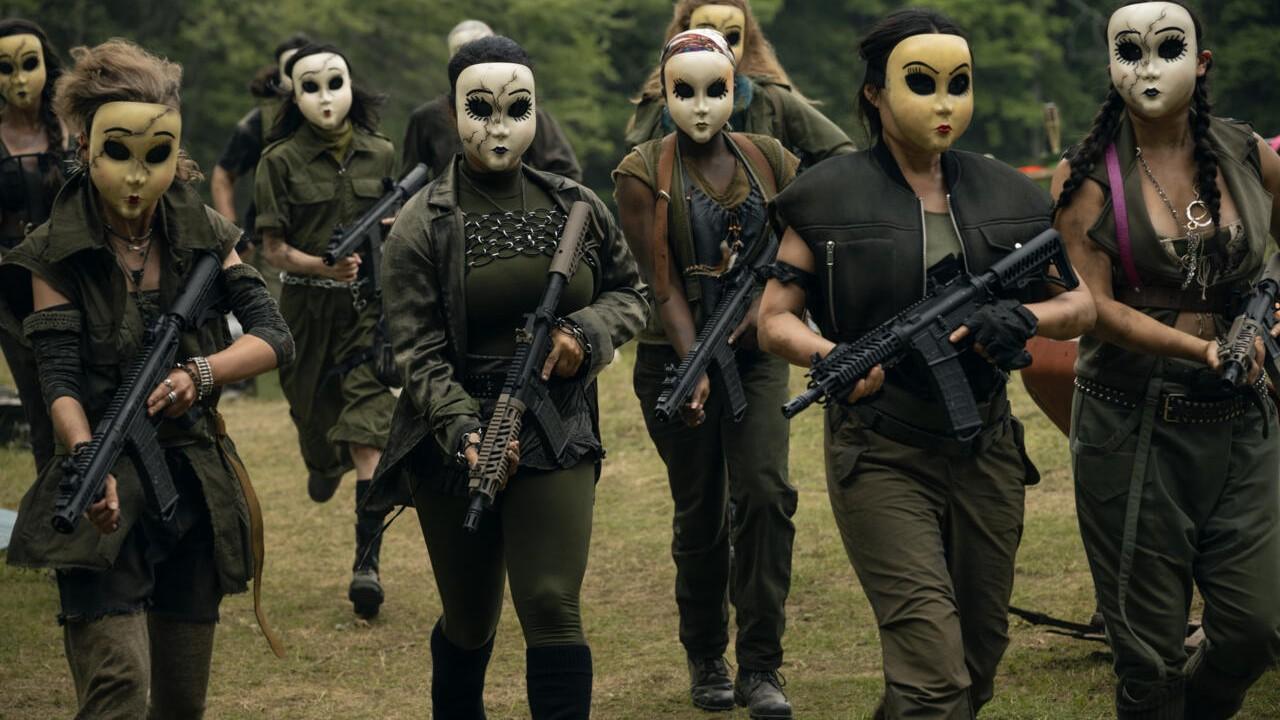
This also applies to John's sister's storyline and Mayhem's sudden connection with Axel — both are cut off abruptly, without having time to evoke an emotional response. As for John and Quiet, the authors regularly separate them into different storylines, and every time their duo disappears from the screen, the series noticeably sags. Watching John and Quiet together is fascinating until the very end, but scenes with Quiet, John's sister, and her Doll gang are more tiring.
Budget Grind
And here lies the main problem: the tournament that viewers have been anticipating from the very beginning only really starts in the middle of the fifth episode. Before that, we are fed with conversations and preparations, and the feeling that "it's about to start" drags on for too long.
There is indeed more action in the second season, but a significant part of it is close combat without the participation of cars. For a show called "Twisted Metal," this looks like a step away from the main attraction.
Instead of a continuous car carnage, we get a series of diverse tests: from classic car battles to strange competitions like running on an ice rink without skates, a mandatory medical examination, and other episodes that are more reminiscent of a teen comedy.
Although all this is funny in its own way — a sense of humor, after all, is a subjective thing — Calypso's tournament too often resembles another variation of "Squid Game." The formula has already been overused, and this is not what you expect from the adaptation of a racing game.
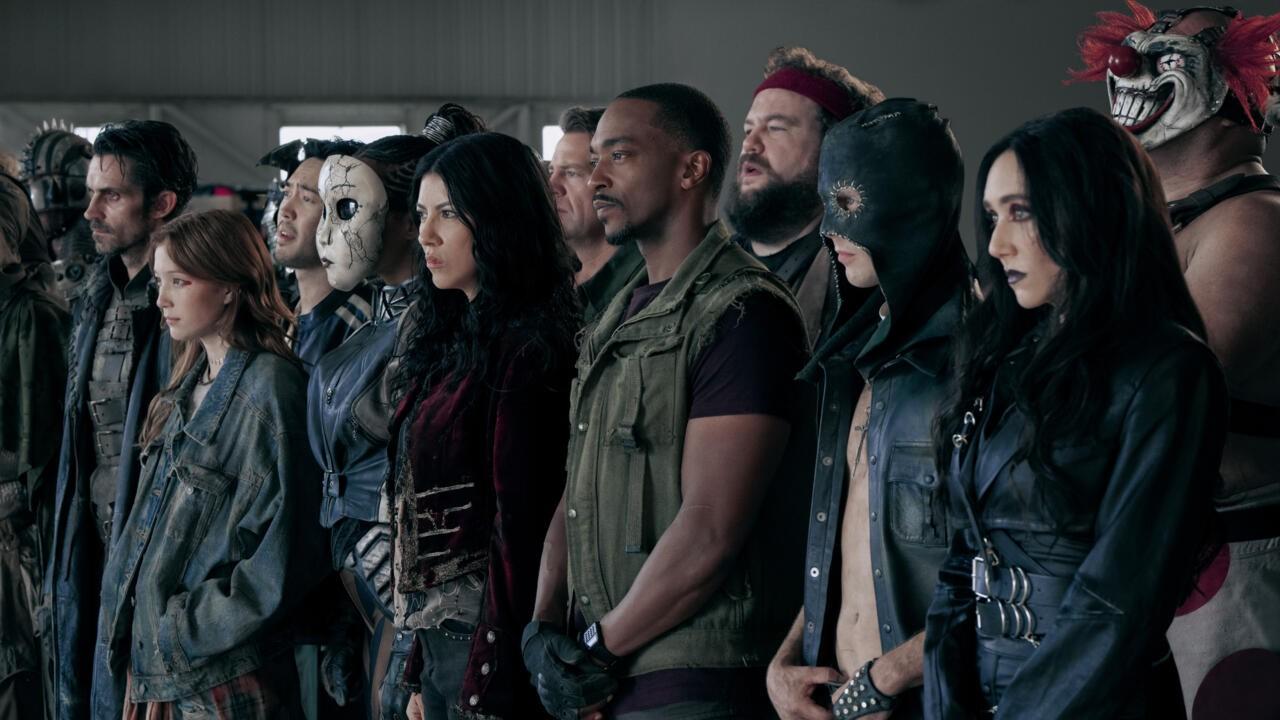
The second season has enough bright moments, exotic characters, a cult soundtrack from the 2000s and 90s, and a couple of really driving racing mixes. But watching all this is not as fun as it might seem even from this not-too-praising text. I devoured the first season in one sitting and never looked at the clock. And while watching the second, I regularly checked how much was left until the end of the episode. And this is despite the fact that the runtime of each barely exceeds half an hour!
The culmination is completely bewildering — it seems that there was not enough imagination, budget, or perhaps desire to implement everything really effectively. Instead, cheap script somersaults and a strange, albeit funny, attempt to break the fourth wall are used — just to justify the antagonist's motivation and explain why the final "boss" has such a wretched costume, as if it was pulled from the costume department of "Mighty Morphin Power Rangers" from 1993.
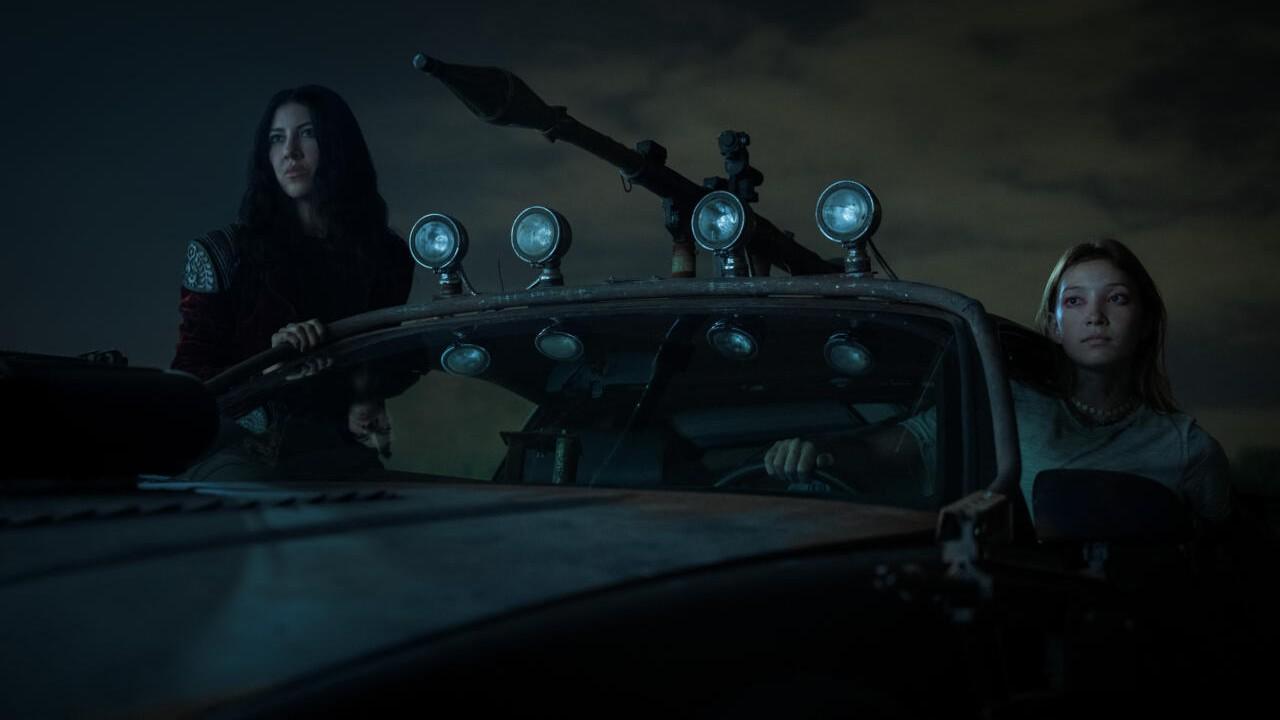
The series was a low-budget spectacle from the very beginning, but skillfully masked this with the absence of large-scale action scenes. Where necessary, practical effects and pyrotechnics came to the rescue. However, as "robots," force shields, and an increasing number of participants appear in the frame, while the scale narrows because the heroes are locked in arenas, it becomes obvious: even Logan Holladay — Ryan Gosling's stunt double from "The Fall Guy," who set a world record for car flips — cannot make this spectacle truly convincing.
At the same time, despite the general bewilderment, the finale still managed to surprise — at least in which direction the story turned. The finale definitely hints at a third season, which, apparently, will return the spirit of a road movie to the show. And it was precisely this, in my opinion, that was the very element that made the first season really work.
If the showrunners manage to find a middle ground between the formula of the first and second seasons, it could turn out to be a real candy with a colorful filling. For now, the series balances on the verge between "so bad it's good" and an interesting show with potential that has yet to be revealed.
Diagnosis
Summing up, we can say that "Twisted Metal" is far from a masterpiece, but you can't call it a failure either. This is a curious genre hybrid that too often cannot decide what it wants to be.
The first season turned out to be a surprisingly cheerful road movie with bright characters, absurd humor, and the charisma of the Mackie and Beatrice duo, who pulled the story off even with a modest budget and a shortage of car battles. The second season seemed to give fans what they were waiting for, but I still have the feeling that the authors themselves were not too interested in filming the tournament. It seemed that it was implemented more "for show," to close the gestalt — before engaging in what they are really interested in in the third season: a trashy comedy drama about survival and human relationships in a deranged post-apocalyptic world.
Nevertheless, as a complete story — with its ups and downs, a series of successful and failed scenes, jokes and dramatic moments — the series works. Perhaps if the second season was not so bloated, the impression of the whole show would be even better. After all, why delve into characters and events that will disappear in a couple of episodes, without having time to unfold — the question is rhetorical.
Is "Twisted Metal" worth the attention? Actually — yes. If you accept the rules of the game, come to terms with the fact that the show is not shy about being ridiculous, absurd, bloody, and at the same time simple, — it may well give you a few evenings of crazy fun. This is a series-attraction that works more on emotions and contrasts than on logic — and that's its charm. Personally, the emotions, attachment to the characters, and interest in the world that originated in the first season helped me forgive many of the shortcomings of the second — and now I am looking forward to the third.
Never miss our newsAdd this site to your preferred sources to see us more oftenAdd on Google