Ancient Greek Family Feuds. A Review of the Heir to the Legendary Rogue-like Hades II
On September 25th, Hades II by Supergiant Games was fully released. The project had been in early access since May 2024 and had already garnered a lot of positive feedback from both players and the press. What is the sequel to one of the most famous rogue-like games like, and was it able to stand out from the original in any way? Read our review to find out!
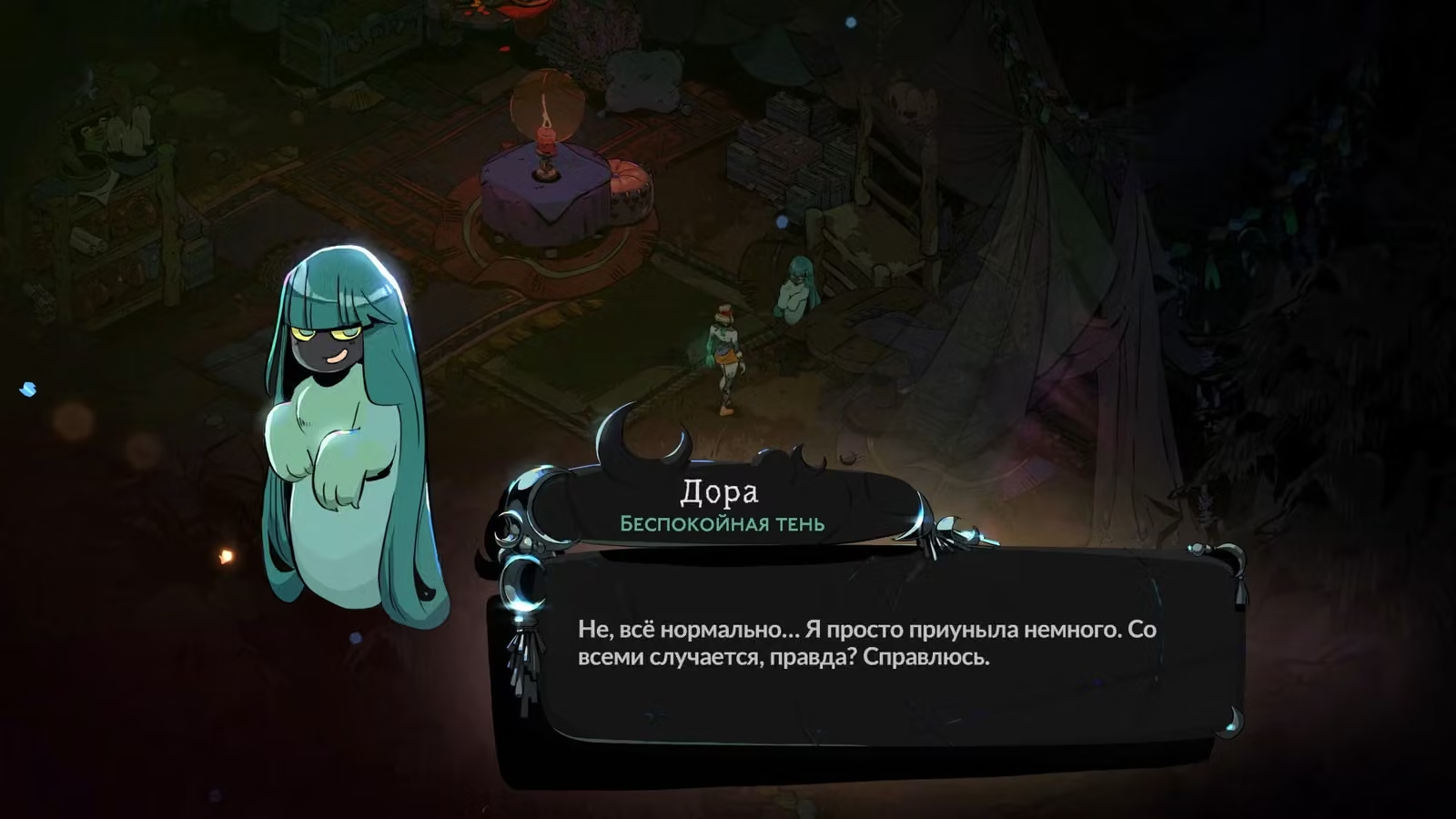
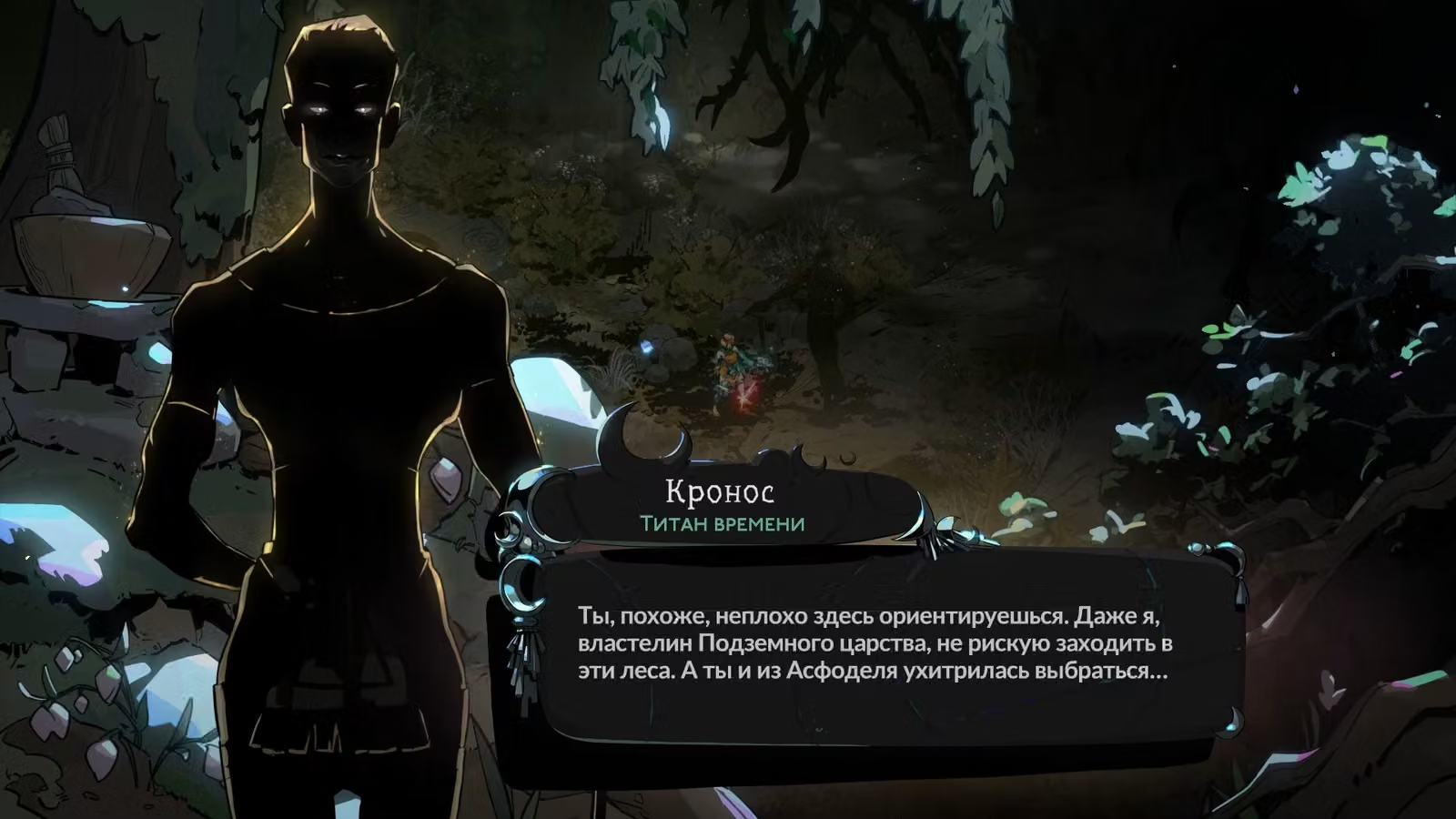
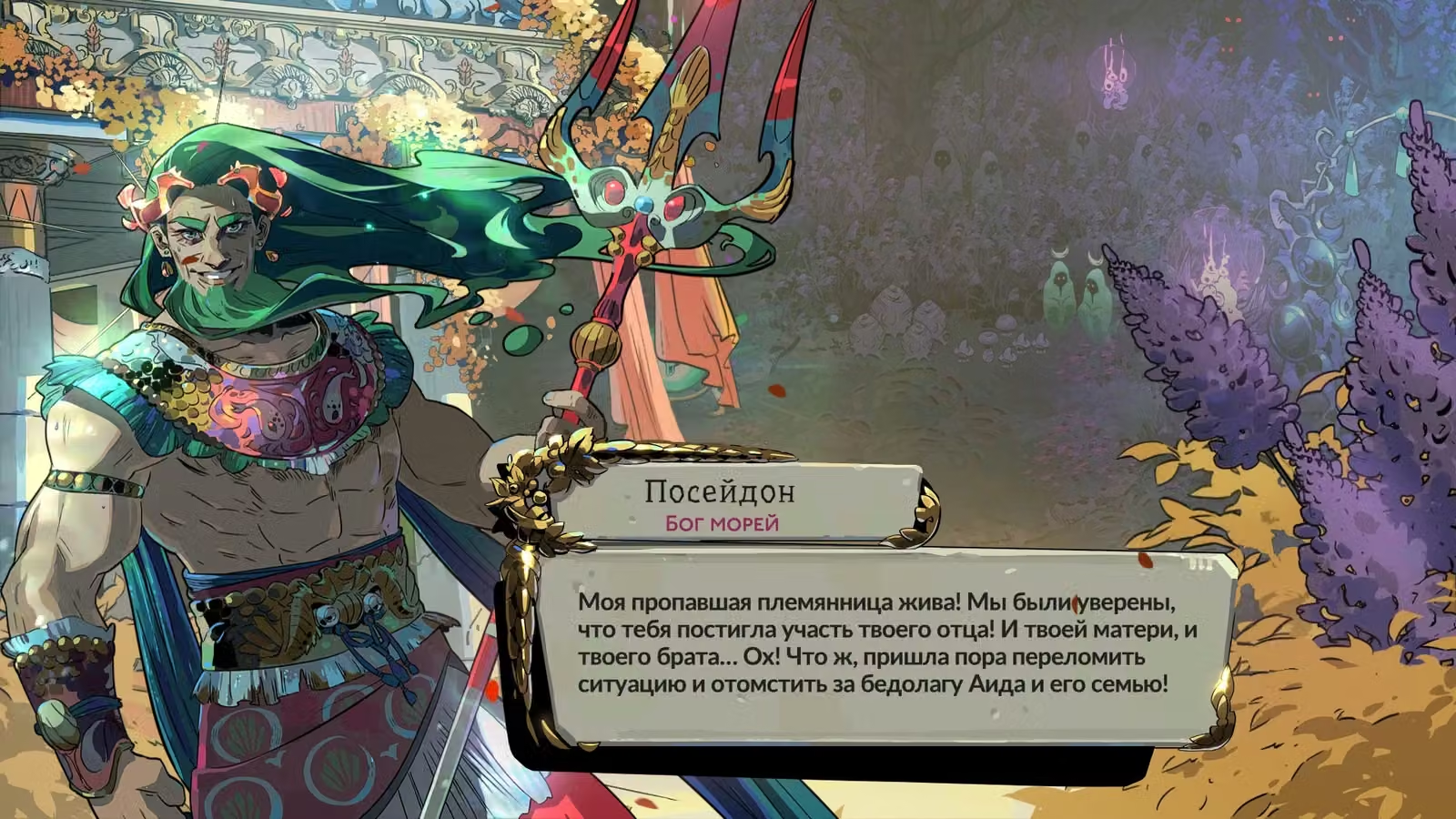
The game's plot unfolds years after the end of the first part. The Titan of Time, Chronos-father of Zeus, Poseidon, Hades, Hera, Demeter, and Hestia-seeking revenge, breaks free from the imprisonment his god-children placed him in and nearly succeeds. The Underworld-Tartarus-is devastated, Hades is missing, and Olympus is barely holding back the titan's army.
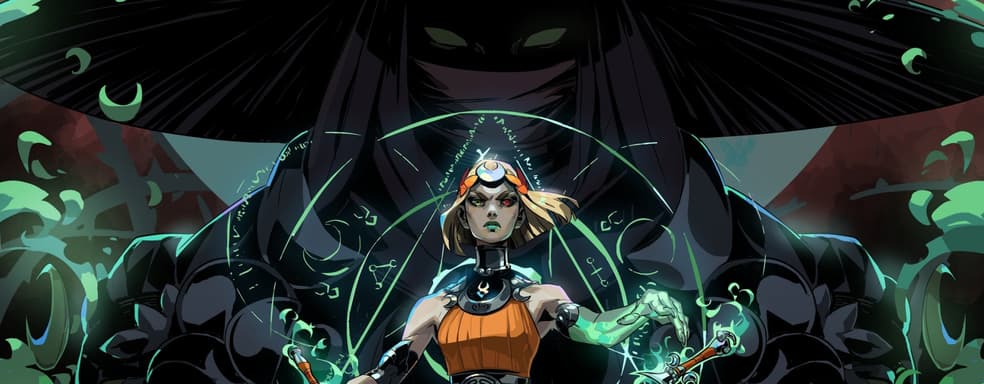
The main character is Princess Melinoe-daughter of Hades and sister of Zagreus, the protagonist of the first game. She tries with all her might to reach her grandfather, defeat him, and reclaim her home and family.
Hades II is a rogue-lite game, and its gameplay and story develop according to the rules: the player makes runs through locations, resulting in a piece of new information each time: a new dialogue with a character encountered during the run or with one of those in the hub after completing the sortie. Sometimes there are entire scenes that reveal the events preceding Chronos' attack and more.
There is a lot of story content here. You will constantly stumble upon new dialogues that are interesting to read, and meeting an unfamiliar character or a previously unseen location is very easy even after dozens of hours of gameplay.
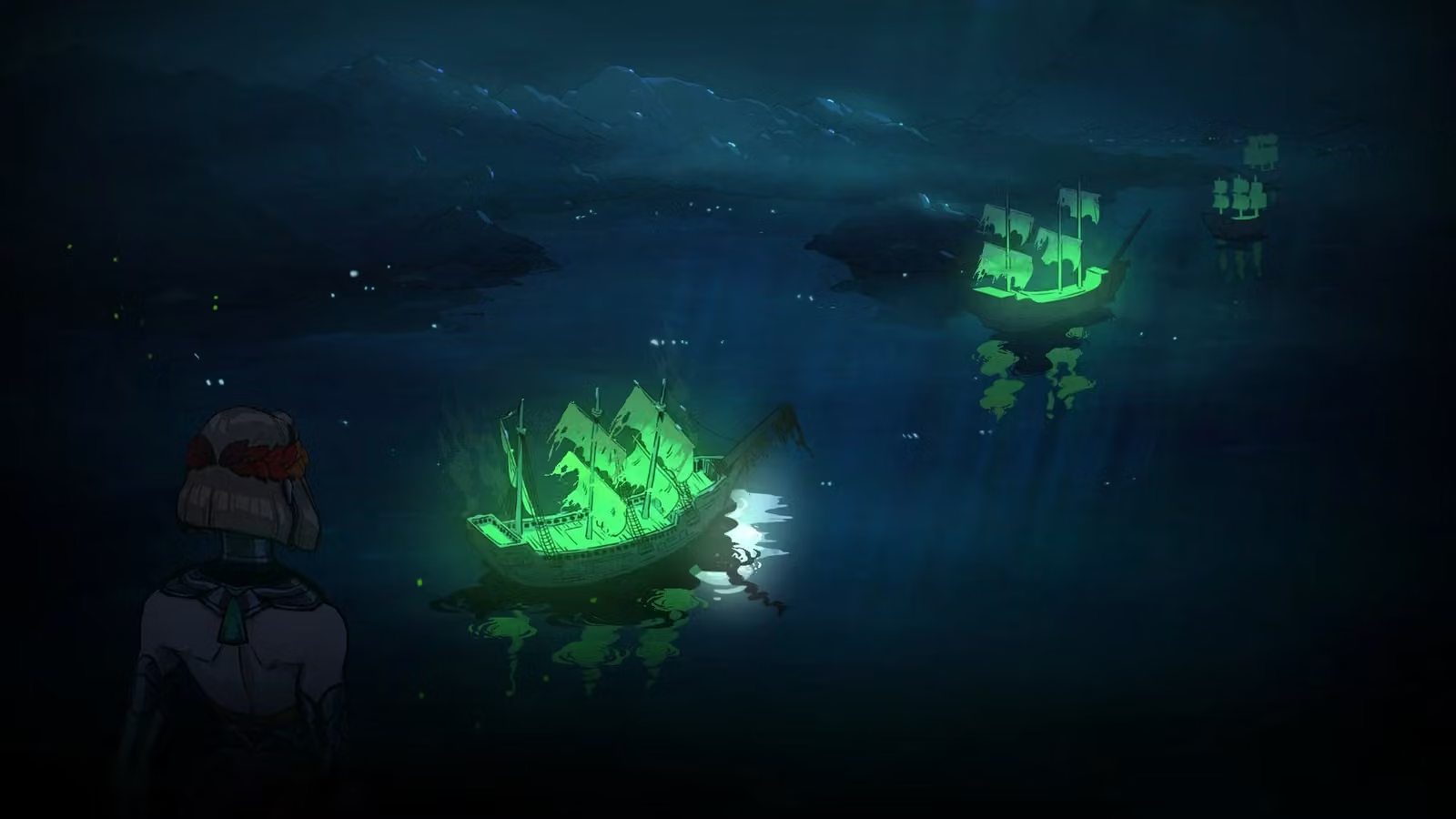
All the heroes constantly react to changes: Melinoe talks about her successes, allies share their opinions about events, opponents react to another meeting with the princess, and so on. And if you improve relationships with characters through gifts, new opportunities will open up over time, such as the chance to invite someone to a hot spring, where the interlocutor will share more personal secrets. A couple of bosses will even be in the hub, and you can chat with them after the battle.
The story itself turned out in the spirit of the original source-ancient Greek mythology-where the entire pantheon is mired in family feuds. This approach corresponds well to the stated genre and explains its gameplay features: these are showdowns in time between immortal gods, how can one die completely here? Subduing Chronos with just one victory over him will not work; you will have to go through both Tartarus and Olympus several times in order to figure out how to defeat the enemy once and for all.
Battle for Tartarus and Olympus
The gameplay of Hades II is largely the same as it was in the first part, but there are also important changes-especially in the combat system. Unlike her brother, Melinoe uses magic-even if an axe is chosen as a weapon-which means her set of abilities corresponds to her profile. In battle, the heroine can:
- perform a regular or special attack-both in fast and enhanced versions, where you need to hold down the button;
- leave a Sigil on the floor-a runic symbol that slows down enemies that fall into it for some time or prevents them from moving (but not attacking), and can even deal area damage;
- use spells-an analogue of the chargeable Call ability from the first part: the more mana you spend, the faster it recharges, and the spells themselves can both deal huge damage and slow down time, heal or resurrect killed enemies, forcing them to fight on your side-it all depends on what was available to the player;
- dash, dodging enemy attacks.
As in the first part, the player has access to six types of weapons, and it cannot be said that one type is stronger than another-it all depends on the chosen fighting style:
- Sorcery Staff: starting weapon-can shoot magical clots in front of you, launch a small magic ball, and deal a powerful blow in a straight line, both in front of and behind the protagonist;
- Paired Blades: a melee weapon capable of dealing very fast series of attacks, throwing it like a boomerang and hitting a conical area;
- Shadow Torches: launches clots of magical flame in front of you-both small and large-and allows you to use a circular attack that makes the torches rotate around the heroine;
- Moon Axe: a heavy weapon with sweeping blows around the player-both single and serial-and also allowing you to hit the ground, causing a chain of blows in front of you;
- Silver Skull: a magical weapon that shoots charges in the form of skulls. There are four charges in total, and they must either be picked up after use or recharged using a special attack. During the latter, Melinoe dashes forward and shoots energy to the sides;
- Black Armor: armament resembling brass knuckles-the heroine attacks in close combat, the speed of which is lower than that of the Paired Blades, but the damage is higher. A special attack fires rockets in front of the player: either in a single volley or in a cone.
During the battle, you have to monitor health and mana. Well, and sometimes you can get a certain amount of armor points, which will allow you to live a little longer.
Health does not regenerate on its own, but you can activate some bonuses that will restore points when moving between locations or with successful dodges-but this is very rare. Mana also does not regenerate during battle, but is fully restored when moving between locations, and later you can get a bonus for constant recovery.
The Path to Victory is Thorny
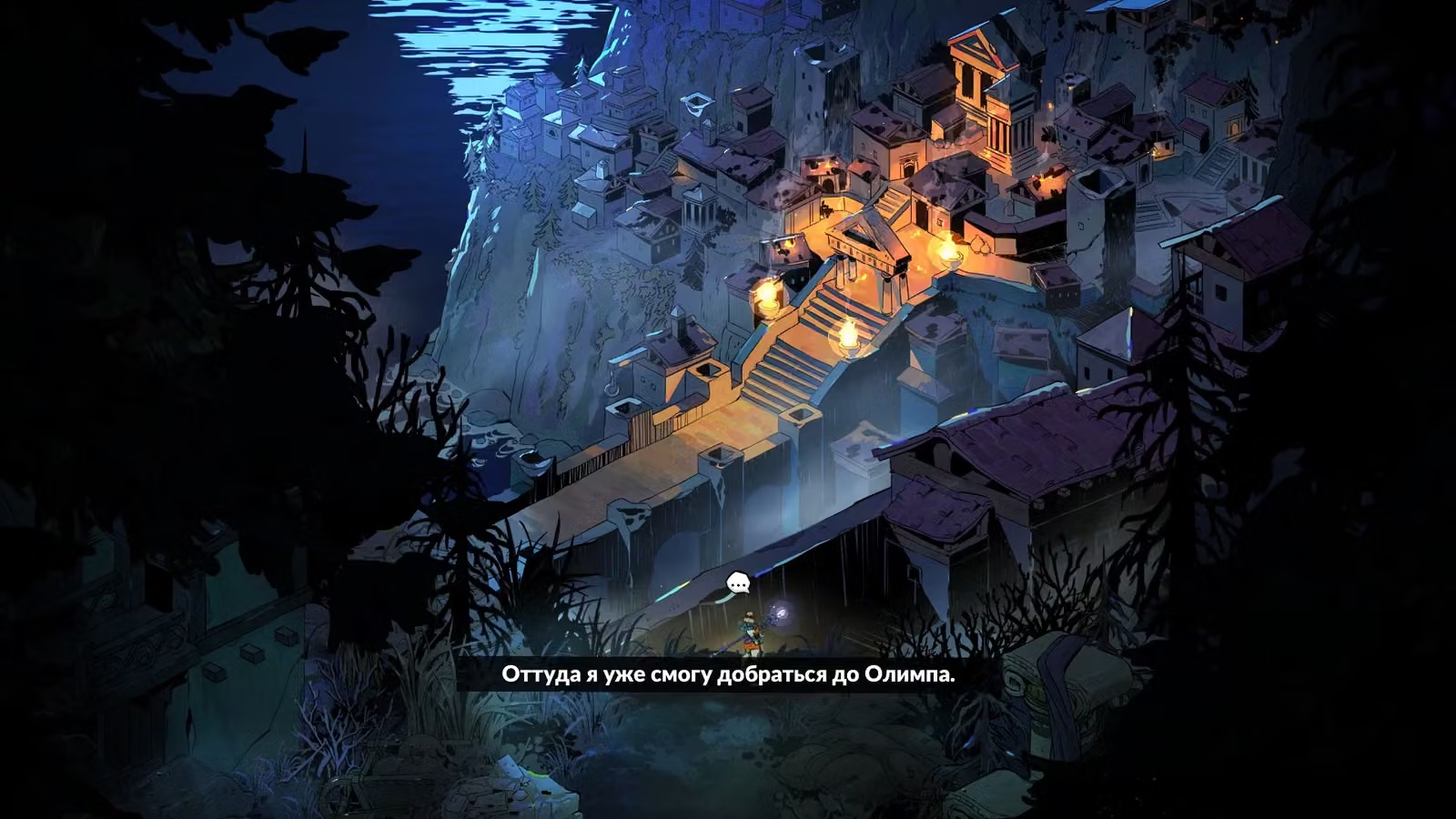
Leaving the realm of shadows in which the main characters are hiding, Melinoe can go either to Tartarus-her native lands, which are available from the very beginning-or to Mount Olympus, which will not be possible to reach immediately.
Wherever you go, four biomes with unique designs and a set of opponents await you, at the end of which the player is awaited by a boss. Biomes consist of several locations, for completing which Melinoe receives a reward: a blessing or gift from the gods, giving a special bonus to choose from; an increase in health or mana; various resources or money needed during the run. Moreover, at the end of each location, you can choose one of two or three paths, and you will know the reward in advance-albeit without specifics.
There is also a secret path of Chaos: to get into his room, you will have to spend part of your health. It is rare, and you will have to pay for Chaos's enhancements with some weakening that will last a certain number of fights, but his bonuses are sometimes noticeably more useful than usual.
But there is no variety in the biomes as such-they are unchanged, unlike the recent The Rogue Prince of Persia, where there were full-fledged alternative versions of locations. The bosses are also always the same-you can easily get used to them after dozens of hours of gameplay. The only way out is to activate the enhanced mode "Oath of Rivals", which modifies the bosses. But it is only available after the first victory over Chronos.
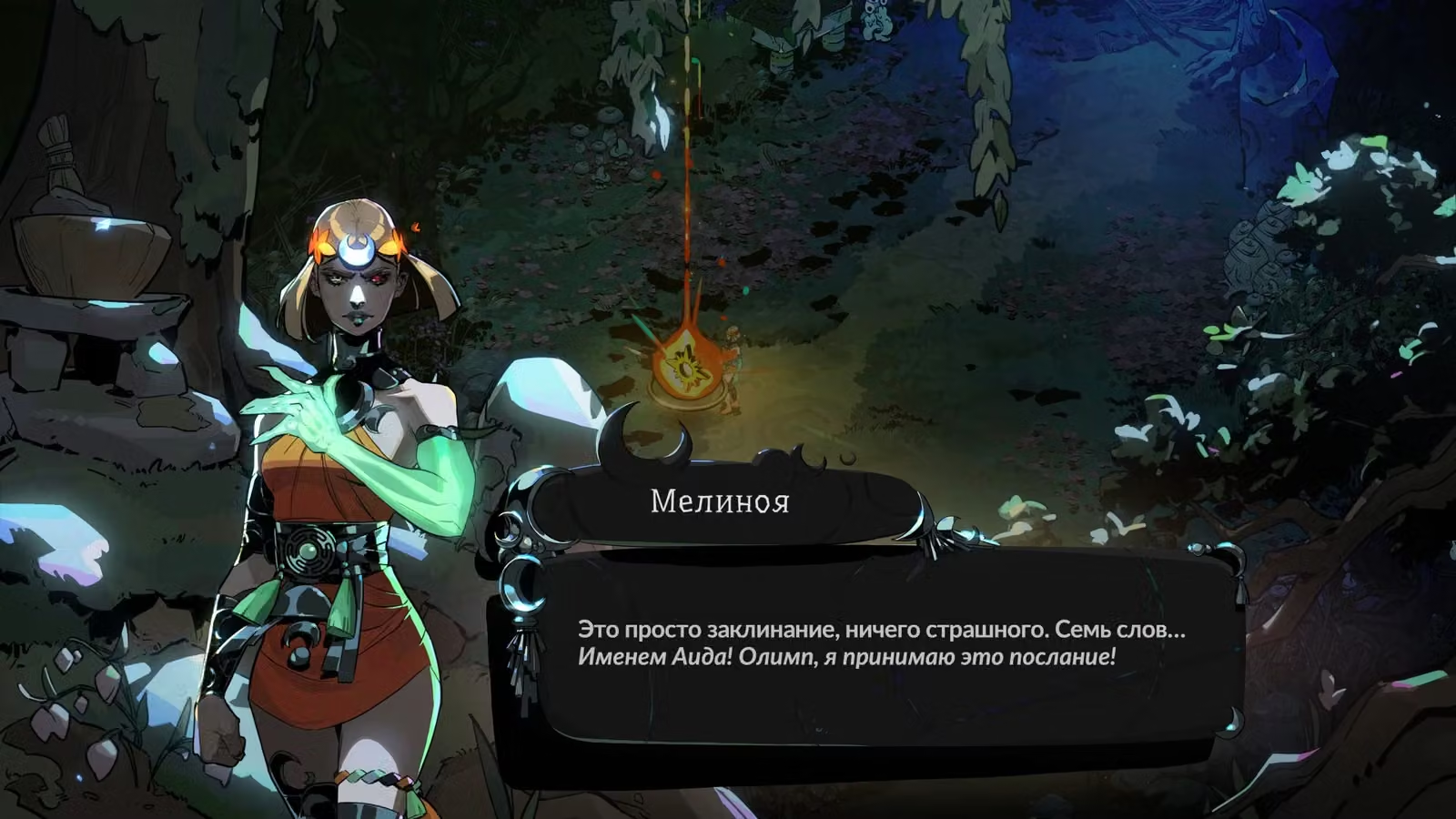
Gifts are the main element of build construction in the game: you get both minor enhancements and full-fledged abilities that will be tied to basic skills. So, the Sigil can both strike enemies inside it with lightning and douse them with water or set them on fire-it will all depend on which gift you received and from which god, because each has its own element. Or ordinary strikes will be able to cause a flurry of waves and push enemies back, dealing damage to a small area-if you choose a weapon with a high attack speed, there will be a lot of damage.
All this can come together as an incomprehensible mess or as a deadly combo that will allow you to victoriously complete the run and not even break a sweat! And if they are also successfully upgraded during the sortie-each gift has a level-the effect will be terrible!
The run can end in two outcomes: you either defeat the final boss, or you die trying to reach him and defeat the enemy. One way or another, you will always return to the hub, where you can spend the resources earned during the sorties. Something is given as a reward for completing locations, something can be obtained directly on the level, and something is obtained in a special way through special tools that must first be opened: a fishing rod, a pickaxe, and so on.
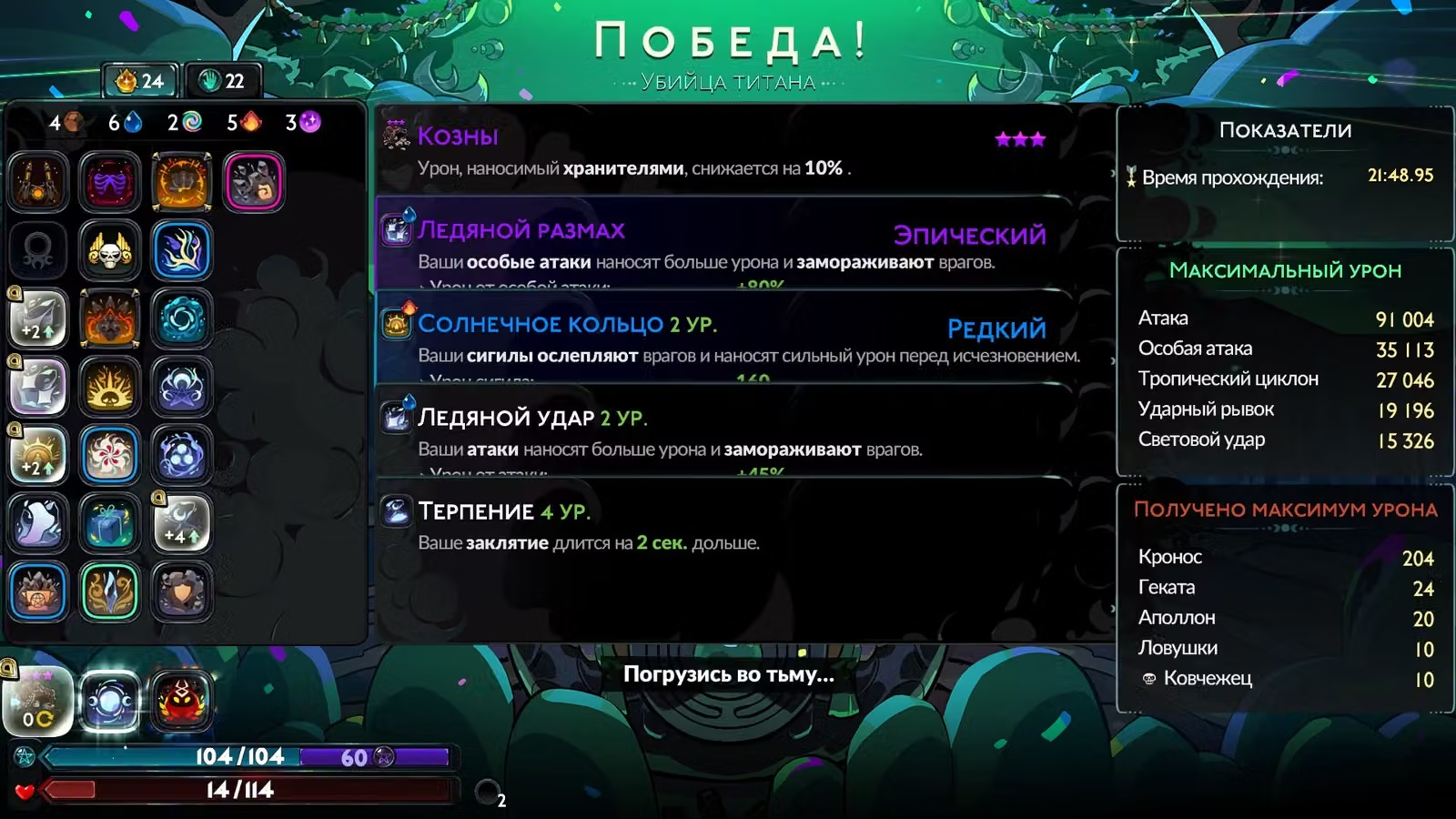
Upgrading in the game does not end with gifts: the player constantly has to improve both the heroine's abilities and the environment.
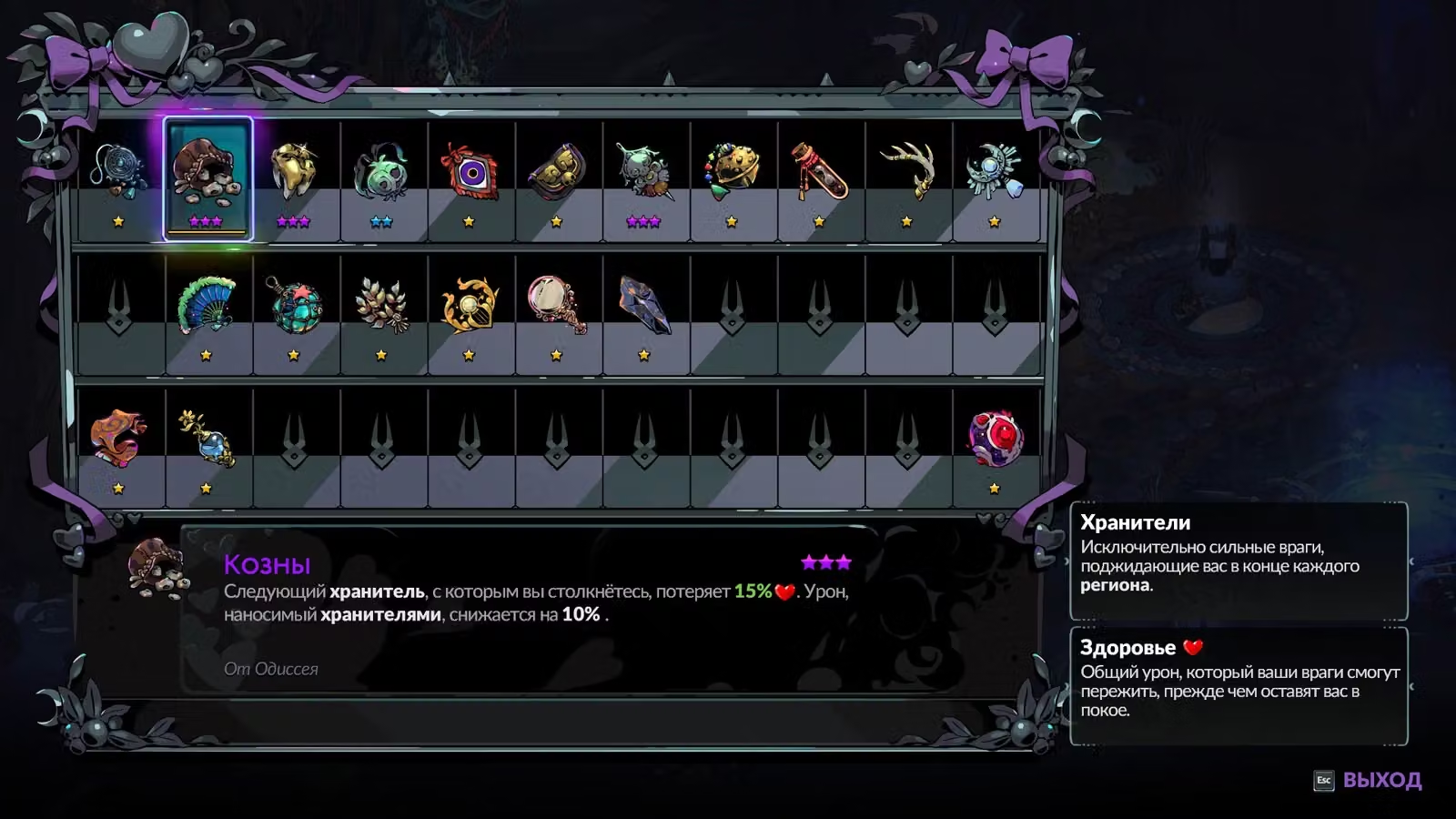
Upgrading the heroine through the Arcana system-special cards that give permanent passive bonuses: increasing health and mana, the ability to resurrect after death, increasing the chance to receive legendary gifts, and so on.
Arcana has two features:
- to use as many cards as possible, you need to upgrade your power over them;
- their effect can be enhanced, but this opportunity appears around the middle of the game;
There is also the option to use a souvenir-a special item that can only be worn one at a time. But it gives not simple passive enhancements, but unique ones: increasing damage to bosses and weakening their damage, the ability to restore part of your health after leaving a location, or increasing the chances of receiving gifts from one particular deity.
To get an accessory, you need to give the NPC a special nectar, after receiving which, he or she will reciprocate. All these accessories can be upgraded by enhancing a special effect-for this, you need to conduct a certain number of fights while carrying them with you.
In the center of the hub location is a large cauldron, thanks to which you can influence the game world: by casting spells, you can summon an NPC to the location, add various elements to the process of making runs-such as the ability to change an accessory when moving between biomes or a rare chance to use small trading shops where you can restore part of your health for a small amount of gold and more.
This cauldron also affects the plot-sometimes the player will have to look for special resources in order to create a special spell that will advance the plot further: summon an important NPC, open the way up, or remove the curse from Melinoe.
Well, if you want, you can turn on God Mode in the settings-when using it, after each death, the damage to you will be reduced: from 20 to 80 percent, which will greatly simplify the passage. Not quite honest, but a convenient way to become stronger.
Original on the Contrary
Despite the general gameplay and stylistic similarity of the first and second parts-Hades II is a captivating work from the point of view of the idea.
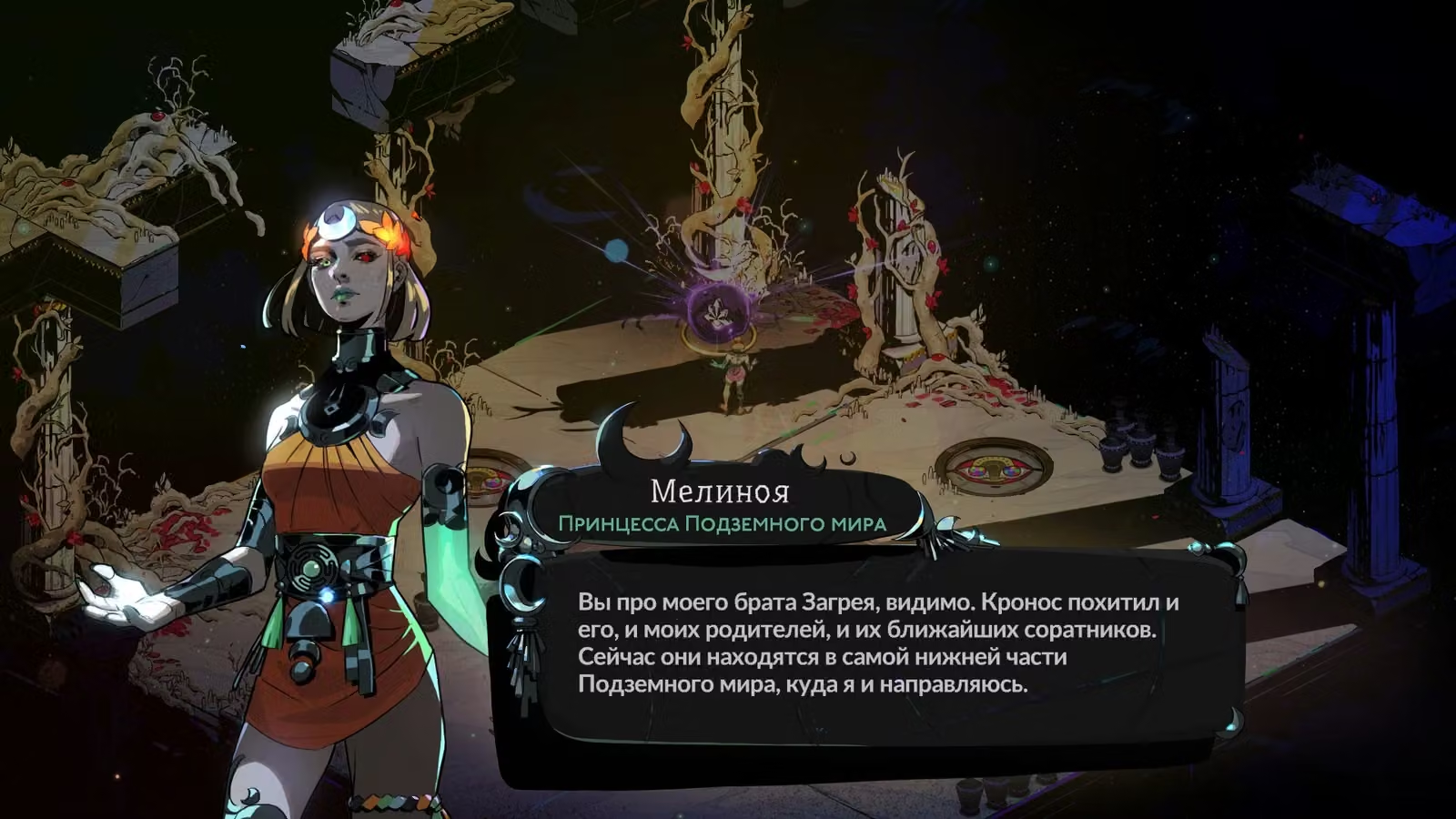
When I started playing the game then, I decided that it was not much different from the original: the plot is different, Melinoe's abilities are somewhat different from Zagreus's skills, but the essence remained the same. There was even a thought that Supergiant Games, who have no experience in creating sequels-before Hades II, these developers created games based on new intellectual property with their own unique vision and concept each time-did not come up with anything new, deciding to make money on the successful franchise.
This is partly true, but over time another feature caught my eye: the developers decided to come from the other side-literally. If in the first game a male protagonist, focused on physical abilities, wanted to leave Tartarus, escaping from his father-overseer Hades, then in the second a female protagonist, possessing magical powers, is trying to return to Tartarus, where she meets her father-prisoner Hades. Even the atmosphere of the story has changed: from the relatively personal showdown between a son who is trying to get out and a father who is trying to hold him back, to attempts to save the whole world and all the gods.
We can say that although the developers made a sequel to their most successful game, they put a unique idea into it-Hades II is not just bigger and better than the first game, as is usually the case with sequels, but the project is in many ways a mirror image of the first part. And thanks to this feature, the sequel does not overshadow the original and is not overshadowed by it, but stands with it in the same row. Except that the effect of novelty has disappeared, but there is no getting away from it.
Technical Features
In terms of technical execution, the game is great. It is not demanding and is perfectly optimized, which allows you to play on almost any PC.
The graphics turned out to be simple-the models of heroes, monsters, and NPCs, if you look closely at them, are frankly simple. Fortunately, Hades II has an isometric view of the camera and this is not very noticeable.
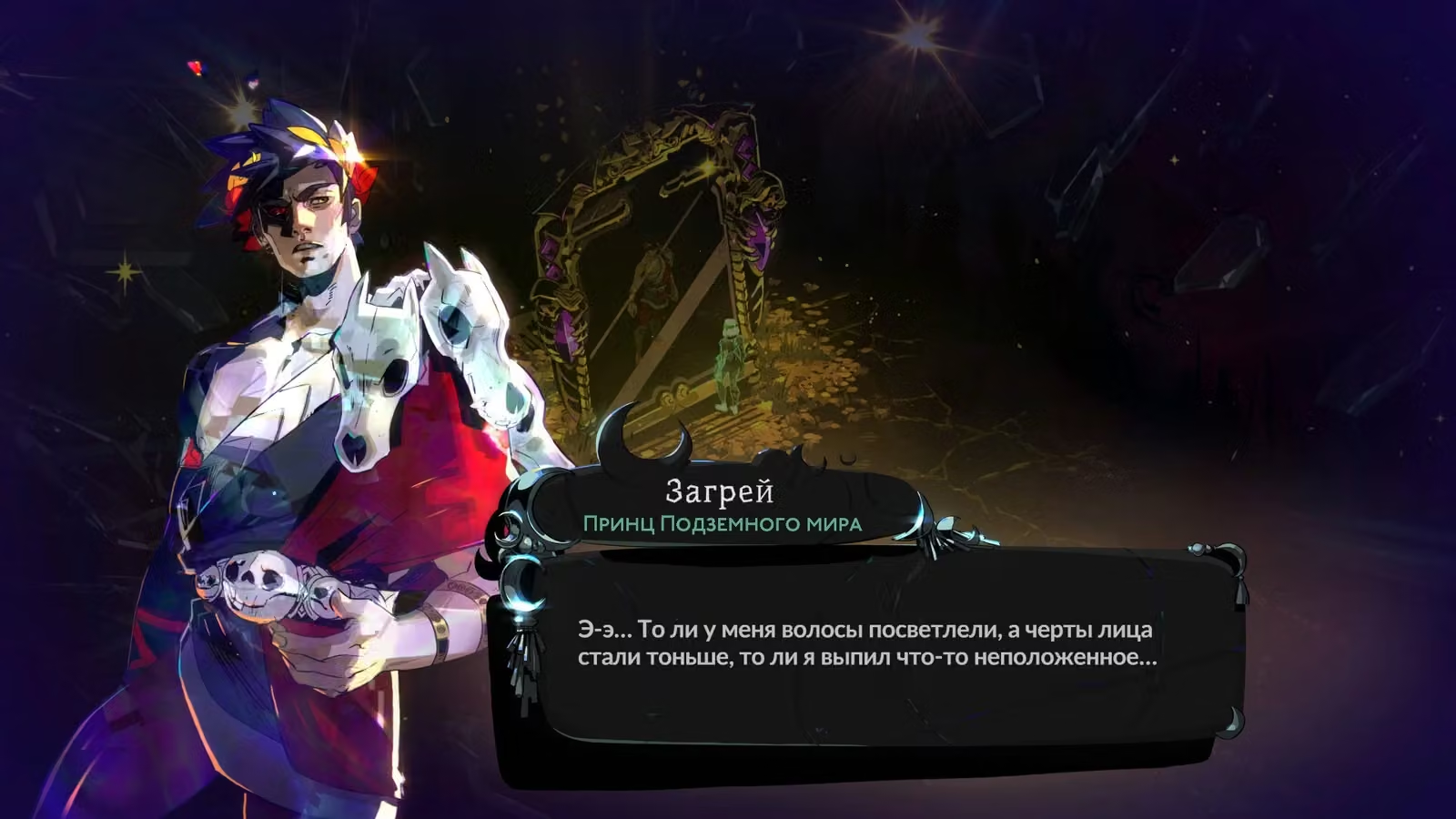
But the art design is beyond praise. In dialogues, we are shown exactly 2D art-about as in visual novels-there are no complaints about them at all: the artists did a great job and each character turned out to be memorable and original, from the gloomy Chaos and sleepy Hypnos to the beautiful Aphrodite and harmful Nemesis. Even Chronos-despite the seeming simplicity of the design-inspires awe!
The music deserves special praise. Many soundtracks in the game are remembered from the first time and will easily settle in your playlist. And what is the song of the sirens worth-the second boss on the way to Tartarus-which they sing right during the battle: this is a real concert, not a battle! No matter how many times I passed this boss, I never got tired of it!
Diagnosis
Hades II is the first sequel created by Supergiant Games, and before its release there was a question: will the developers be able to avoid falling face down in the dirt and surprise their fans again?
The answer turned out to be elegant: technically, Hades II is a classic sequel, but many narrative and some gameplay features are like a mirror image of the original: from the path that the heroine takes to the scale of what is happening, since the first part was a more personal game.
Hades II plays great both with and without knowledge of the first part-it's a cool rogue-like that can give you many hours of exciting gameplay, an atmospheric story, deep characters, beautiful art, and catchy music. Even if you've never been a fan of the genre!
Of the minuses, it is worth noting the fact that, unlike the rich variety of story content, the gameplay is largely static: the same biomes-although the locations are built in different ways, the essence does not change-opponents and bosses. It is very easy to get used to this after many hours of playing. However, "getting used to" does not mean "fatigue" - the game still does not have time to get bored.
Pro
- Interesting plot and characters
- Excellent gameplay
- Rich leveling system
- Cool design and music
Contra
- Locations and bosses are repeated from time to time, which is logical for a rogue-like. But I would still like some variety :)
Never miss our newsAdd this site to your preferred sources to see us more oftenAdd on Google


![[Video] RIP RTX 5090 / GTA 6 Leak / Blizzard Broke WC3 / Cyberpunk 2077 Movie / Phantom Blade Zero Preview](https://media.ixbt.games/fit-in/312x/ixbt-data/1725650/17ffaa31-1709-4a05-91a5-0ee4b75897d7.jpg)