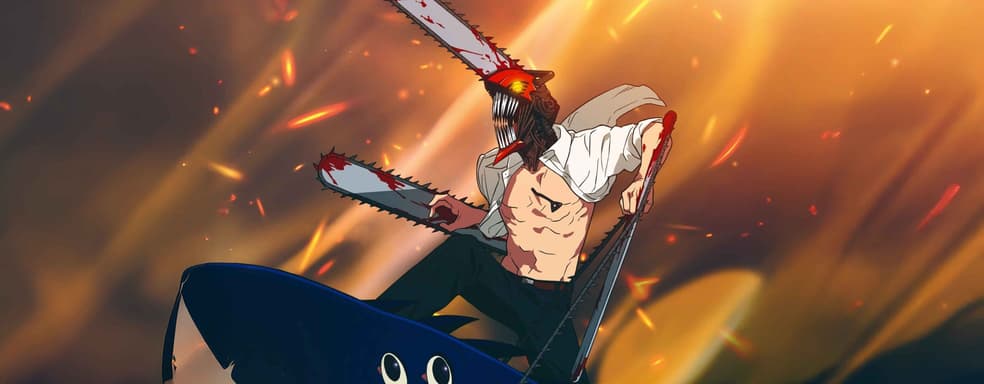
The Most Touching Chainsaw Massacre of the Year. Review of the Anime "Chainsaw Man - The Movie: Reze Arc"
Translated with AI from the Russian original.
Anime is increasingly appearing on the big screens, often exploiting fans' interest in sequels. However, the full-length debut of "Chainsaw Man" stands out because the change of format does not seem like an attempt to lure viewers into cinemas at any cost. On the contrary, it becomes a way to convey the original source as accurately as possible - without losing dynamics, emotional accents, internal logic, and semantic depth. In this article, we will analyze how "Reze Arc" differs from the first season and why this whirlwind of blood and feelings is worth seeing on the big screen - even if it breaks your heart.
A World Where Fears Take Shape
"Chainsaw Man" is an adaptation of Tatsuki Fujimoto's manga, which takes place in a world where demons are born from human fears. The main character, sixteen-year-old Denji, lives in poverty and is deeply in debt until his contract with the Chainsaw Demon turns him into a hybrid and brings him into the service of the Public Safety Bureau as a devil hunter under the command of the mysterious Makima.
The first season of the anime by studio MAPPA became a sensation, captivating viewers with its unique combination of bloody action, dark humor, and unexpectedly sincere emotions. The full-length film "Chainsaw Man - The Movie: Reze Arc", which will premiere in Russian cinemas on December 4, continues the story immediately after the finale of the first season and adapts chapters 38 to 52 of the manga. It tells about the seemingly routine life of Denji, who, after recent events, has the opportunity to take a breath for the first time, make sense of his new life, and try to understand his feelings for Makima and his own place in the world.
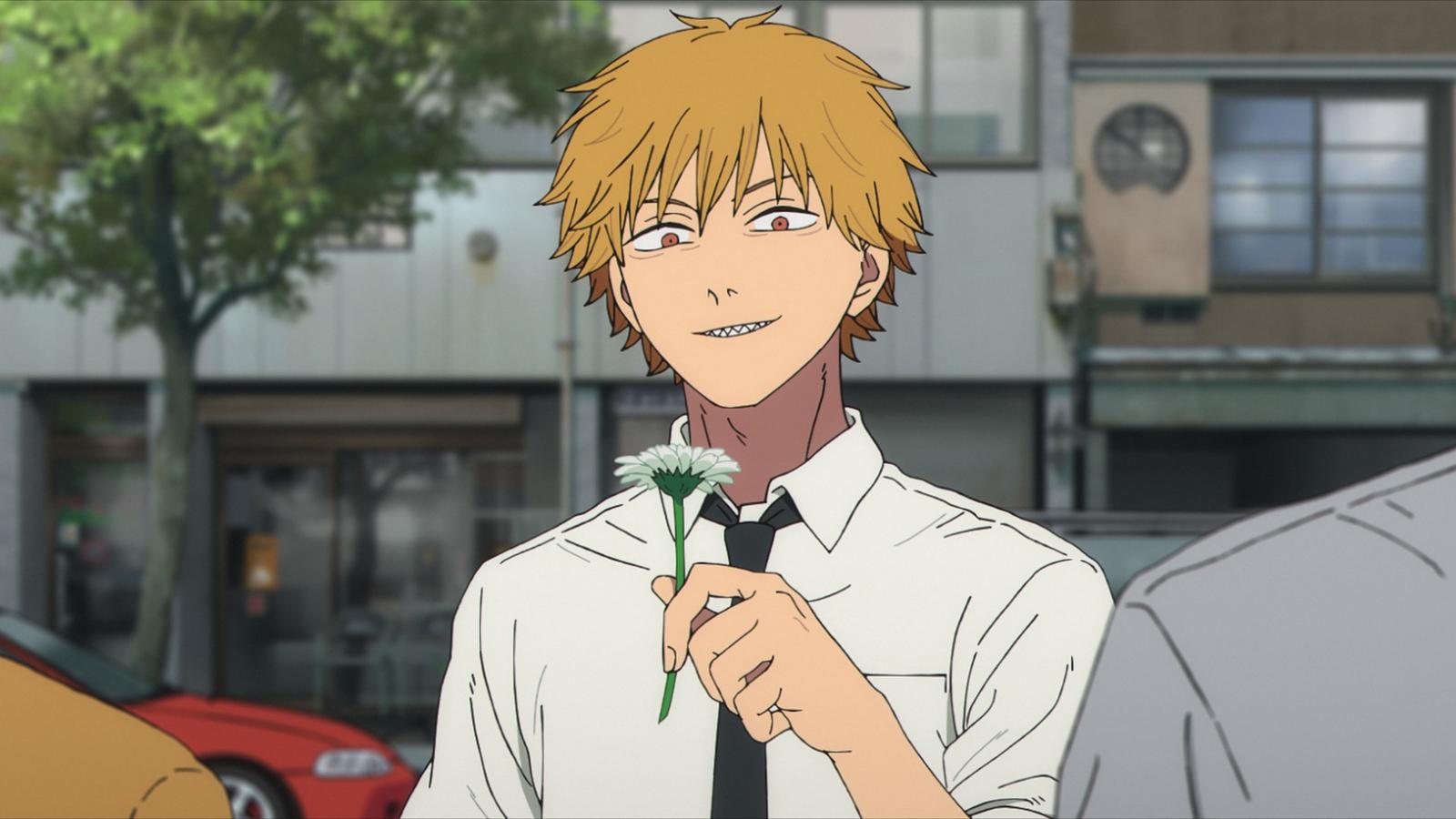
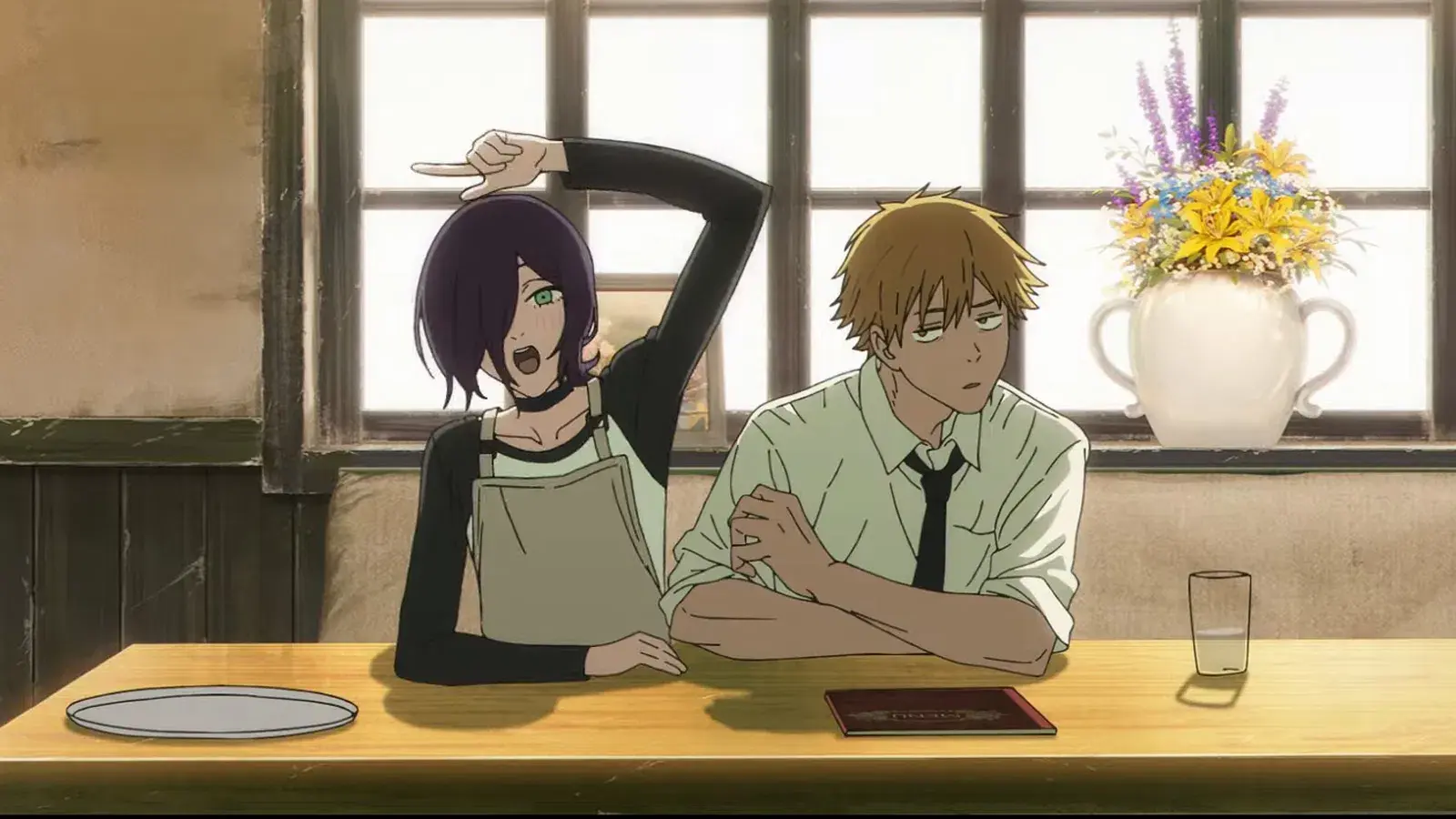
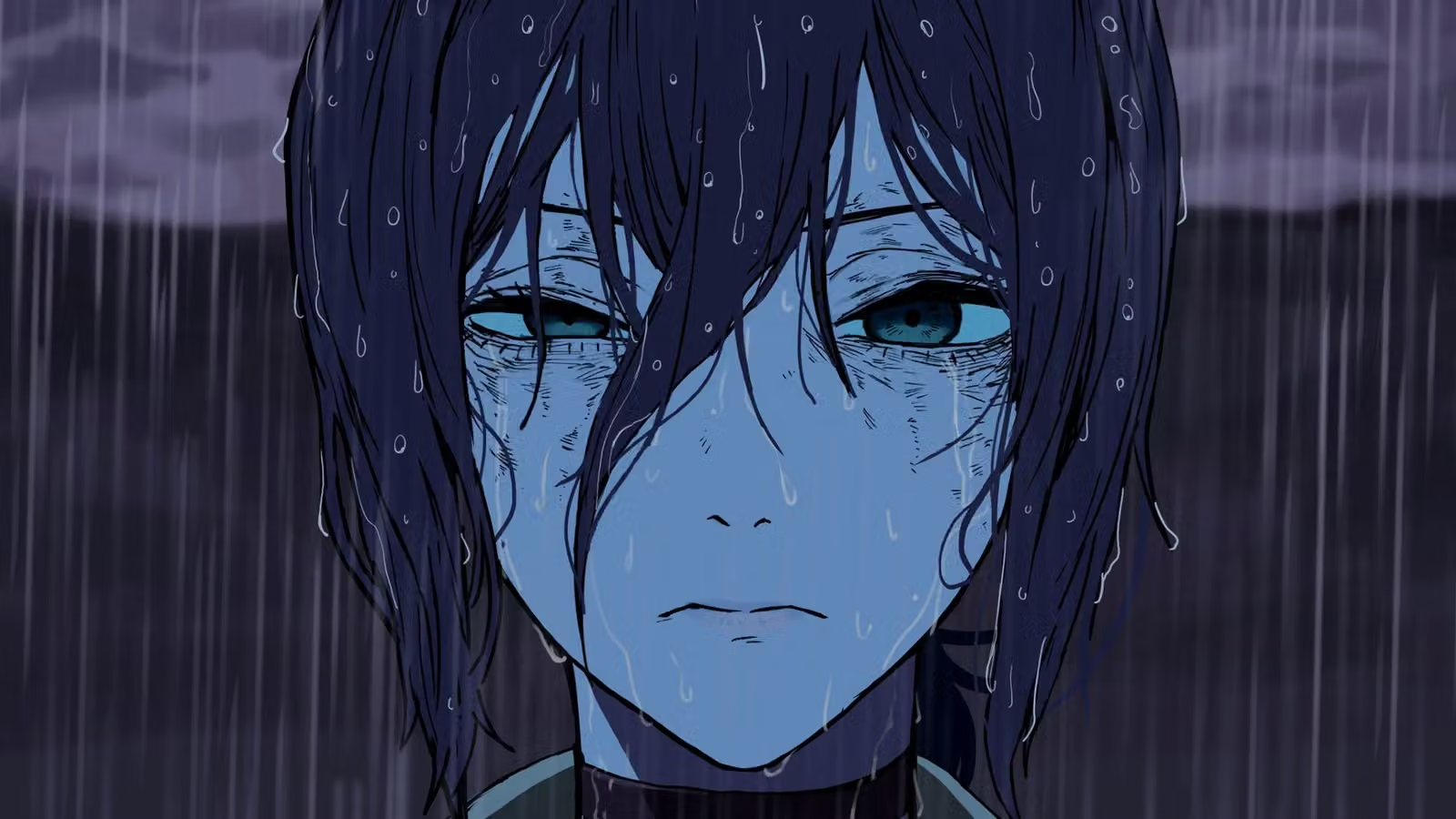
A sudden downpour catches Denji in a phone booth, where a lilac-haired girl named Reze, who works in a nearby cafe, also takes shelter. This chance encounter turns his life upside down: for the first time, someone shows him attention not because of his strength or abilities, but simply as a human being - sincerely and warmly. And despite his feelings for Makima, he cannot resist the open, good-natured Reze. Thus begins one of the most touching stories of teenage love, occupying almost half of the film's running time.
The Warm Calm Before the Storm
The first half of the film is built on the soft, almost everyday dynamics of Denji and Reze's relationship. This is an unexpected decision for a franchise that is usually perceived through the prism of insane action, but it is here that the film shows its maturity. MAPPA deliberately slows down the pace, removes loud scenes, abandons the usual fragmented structure, and gives the characters space to simply be - to talk, laugh, awkwardly flirt, share little things that at the moment seem infinitely more important than any global events. Everything in these scenes works to make the viewer feel the intimacy rare for "Chainsaw Man", the breath of the moment, and the lightness that only first love is capable of.
There are many wonderful episodes here - from a night swim in an empty pool to Reze singing in Russian in the rain. Talking about them in detail would be almost a crime against those who are not familiar with the manga. Such viewers can only be envied: knowing nothing is the best way to let this part of the story into yourself. It is this quiet, bright half that becomes the dramaturgical foundation of the film. MAPPA builds it as an emotional trap, giving the viewer time to relax, consider the human side of Denji, feel the chemistry between him and Reze, believe in the possibility of a normal life, and at least for a moment feel its taste.
The most remarkable thing is that this trap slams shut in the very first seconds of the film. The opening track IRIS OUT by Kenshi Yonezu creates a deceptive illusion of lightness: the melody sounds as if a movie about youth and romance is beginning. It lifts the mood, puts the viewer in a state of emotional openness, and the visual language of the first half picks up this wave.
Soft lines, a muted palette, smooth camera movements, warm light in everyday scenes - everything works to create a sense of simplicity and warmth, as if MAPPA is deliberately smoothing out the sharpness that is usual for "Chainsaw Man". This is a deliberate decision, set specifically for the first half of the film, which is built as an intimate, chamber chapter. But if you look at the picture as a whole, its visual style is noticeably different from the entire first season.
The first season, directed by Ryu Nakayama, strived for cinematic realism and created the effect of a "live" production: it used muted, slightly "dirty" colors and soft, blurred lines. Tatsuya Yoshihara's film, on the other hand, takes a step towards manga and animated expressiveness. The lines become thicker and clearer, the colors brighter, the movements sharper and more emotional. Thus, MAPPA deliberately brings the visual language closer to Fujimoto's style, turning "Reze Arc" into a work that is artistically closer to the original manga.
Detonation of Normality and the Roar of the Chainsaw
Gradually, the clouds gather in the background - both literally and figuratively. Fujimoto reminds us that in his world, the very concept of normality is a fragile substance, and the idyll cannot last forever. All this beautiful story is needed in order to tear the serenity to shreds under the deafening whirlwind of fireworks, unleashing on the viewer thirty-five minutes of non-stop, uncompromising, enchanting, and bloody action, for which many fell in love with "Chainsaw Man".
The action staging here is inventive to the point of audacity - MAPPA seems to be challenging the viewer and shouting: when you see this, just try to say that it was not created for the big screens. There are both large-scale urban battles and chamber skirmishes, where the space is compressed to a few meters, and sometimes the action switches to a "first-person" view to place the viewer as close as possible to the epicenter of what is happening.
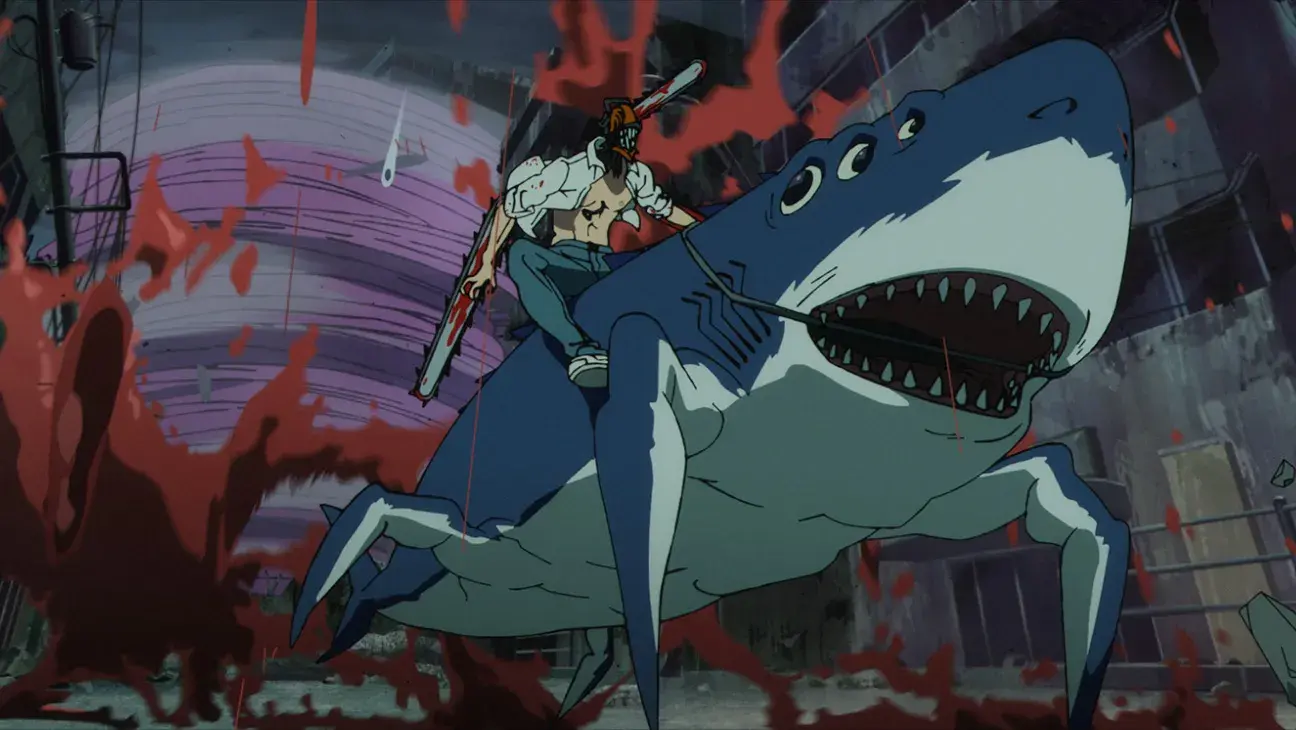
And when Denji, riding on his partner Shark, weaves between high-rise buildings under the onslaught of the explosions of the Bomb Devil, the film demonstrates such audacity and dynamics that are truly felt only in the cinema. At the same time, MAPPA again demonstrates its signature combination of 2D animation and neat CG, which enhances the scale but does not stand out from the visual style of the manga.
Despite the scale, the action does not turn into a mindless attraction. Even when the entire screen is filled with colorful explosions, the characters are not lost in the background - thanks to precise camerawork, visual, and color solutions. The main thing is that the action here maintains an emotional connection with the characters: every jerk, every attack, every change of location is subordinated to the story, and not vice versa. Unlike many other anime, where battle scenes often serve as fillers, here you can feel that they continue the narrative, translating the feelings and emotions of the characters into the language of action.
That is why the film feels more mature than you might expect from a pure action movie, and deeper than the entire first season as a whole. It can be fast and crazy when it throws the characters into a whirlwind of events, but at the same time it does not forget that the viewer came not only for the spectacle. "Reze Arc" brings the dramatic arc to a tragic, emotionally heavy climax - causing mixed feelings and leaving a lump in the throat - Fujimoto knows how to create characters that you fall in love with along with the hero, and write stories with a bitter aftertaste.
The film was released in Japan in September, and since then I have repeatedly come across even negative reviews of director Tatsuya Yoshihara and his team, which is, to put it mildly, strange. No plot decision here is a figment of MAPPA's imagination. On the contrary, the full-length "Chainsaw Man" brings the accuracy of following the manga to the absolute, subordinating everything to this idea - from the smallest strokes and contours of the characters to the bitter finale of the "Reze Arc".
This story organically fit into the format of a full-length film: the concentrated presentation made it possible to achieve the emotional power that would have been much more difficult to achieve in the format of a season. At the same time, although this is not the largest stop in Denji's development, it is significant in its own way, since it leaves a deep mark inside the hero. You will have to experience it together with him, because even more difficult trials await him ahead.
Diagnosis
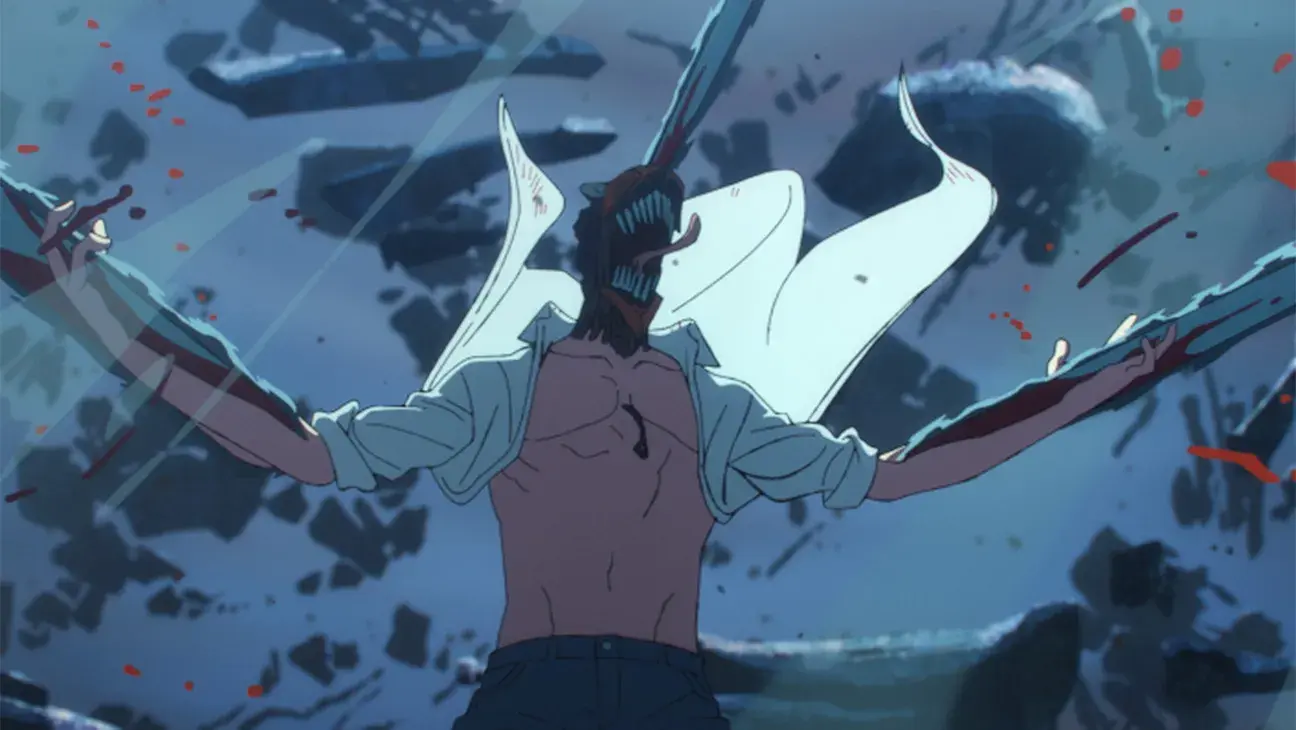
"Chainsaw Man - The Movie: Reze Arc" is more than just a continuation of a popular anime series. The film turned out to be self-sufficient, emotionally rich, spectacular, but most importantly - holistic. The film combines chamber scenes and large-scale action, doing this without genre failures: the transition from romance to bloody tragedy does not look abrupt, it is logical and built dramaturgically accurately - without sagging, using every minute of the running time to prepare a powerful emotional blow.
MAPPA treated the original source with rare care - without any amateur performances and attempts to "improve" the manga, but with attention to every detail. This will definitely be appreciated by devoted fans and, perhaps, surprised by those who are not familiar with the original. However, to feel the context, it is worth watching the first season - it will take only one evening. In the end, these emotional swings under the roar of the chainsaw are definitely worth the time spent.
And here it is appropriate to recall Makima's words: only one film out of ten really grabs you, and some of them are even capable of changing your life. This one may not change yours, but it will definitely make it brighter for an hour and a half.
Never miss our newsAdd this site to your preferred sources to see us more oftenAdd on Google