The sequel that killed the original's mystery: why Planet of Lana 2 was unnecessary
Translated with AI from the Russian original.
On March 5, Planet of Lana 2 was released - a 2D platformer from Wishfully studio. The project continues the story of the original, but changes its approach to storytelling. We explain how the game lost its main mystery and why the gameplay only benefited from it.
The first Planet of Lana was released in 2023. The game told the story of a girl named Lana, who was trying to save her sister Ila and the rest of her tribe from... And that is where things became unclear, because the heroes spoke in an invented language, and the developers provided no subtitles.
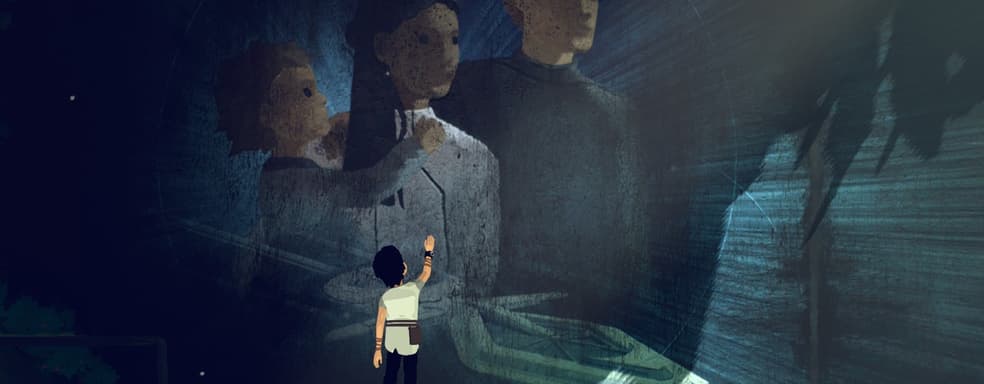
Narrative in Planet of Lana unfolded through the environment. As we progressed through the story, we constantly came across unusual frescoes and objects, visited authentic locations, and judged the characters' motives by their emotions. Like Lana, we explored the game and asked questions, trying to unravel its mysteries. Each player built their own theory based on what could be understood without words.
This created the mysterious atmosphere of a world where something had happened. For example, many people never understood exactly what took place. Were the heroes attacked by aliens? Or was it a rebellious artificial intelligence, and were we looking at a post-apocalyptic world? Or something else? But...
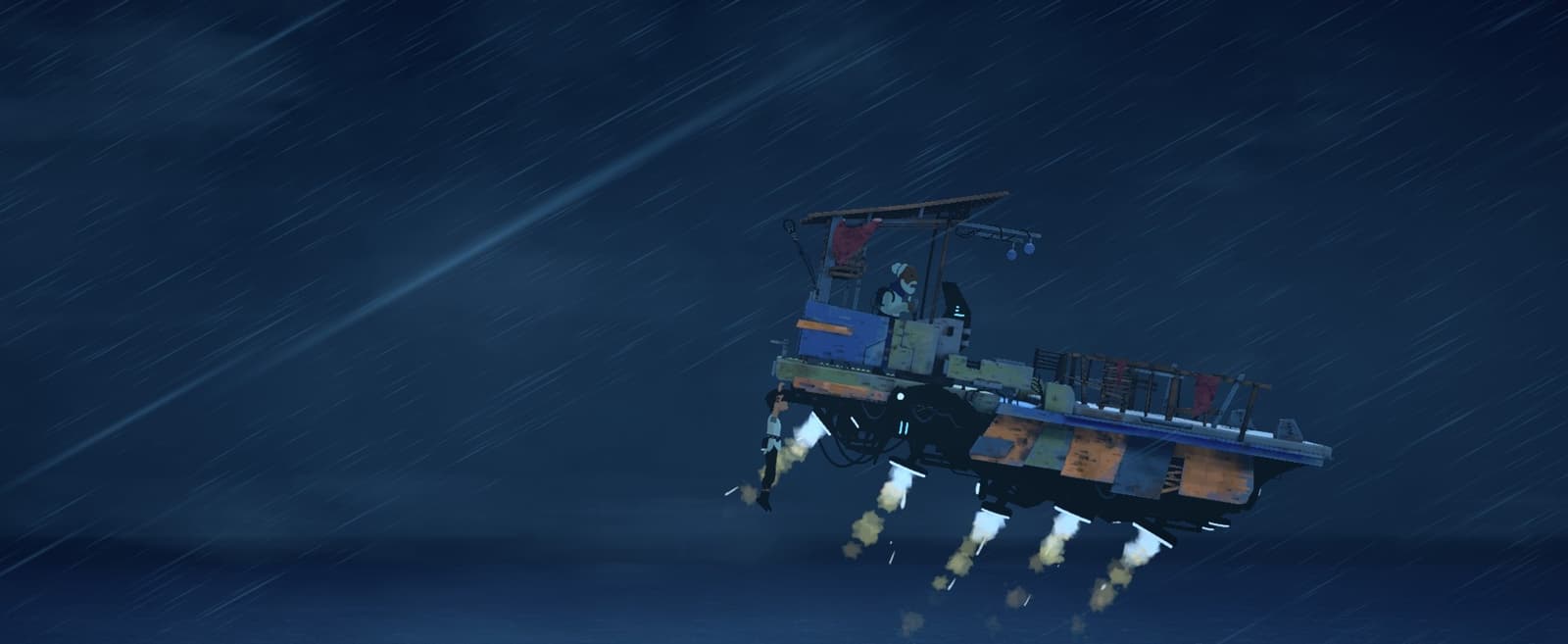
Three years later, the sequel was released — Planet of Lana II. And the first thing the sequel did was strip away the uncertainty by devoting its prologue to retelling the plot of the original, this time in a comprehensible language. And after that, invented speech returns again.
The problem is that the conflict in the second part is not as deep, and without the former ambiguity the story loses its special charm. It lacks the mystery that was there before. Because of this, Planet of Lana 2 lost the unique quality that set it apart from the many simply good projects out there.
Moreover, there are flashbacks here that deepen the lore and flesh out one of the protagonists. They even explain why he behaved the way he did in one of the scenes in the first part. It feels as if the authors had planned to release a sequel from the very beginning.
The plot of Planet of Lana 2 consists of several threads: saving another sister (or a friend — there is no clarity here), an environmental theme, lore expansion, and even revenge. All of this fits into a 5–6 hour playthrough, just like in the first game.
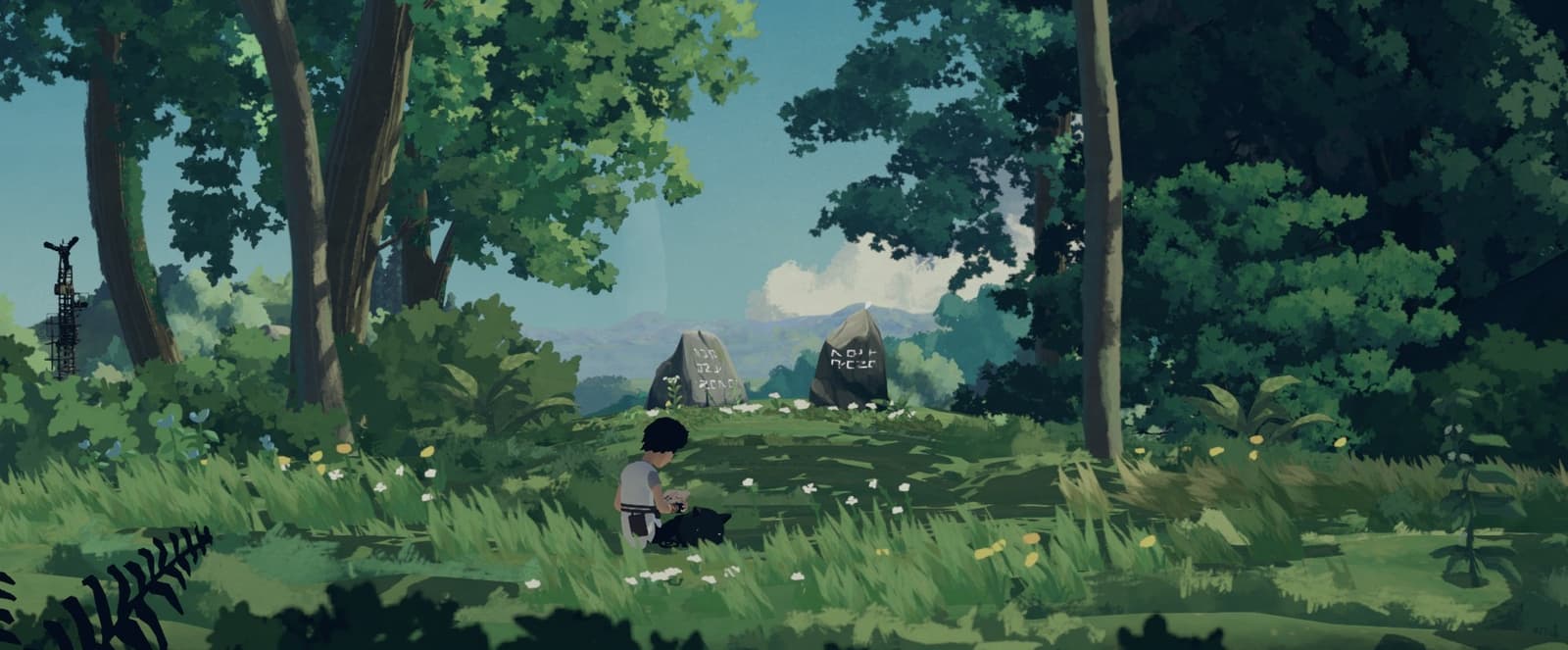
In the sequel, the heroine is constantly switching between small tasks. And every assignment is short-lived. Because of this, the story's cohesion is somewhat lost, giving way to a high concentration of events. But it ends up feeling like a set of side missions between which bits of lore are revealed. The game no longer has that same sense of adventure it once had. And the emotions the authors try to press on do not really land.
At times, the story wants very badly to be mature, as if forgetting what kind of project this is. As a result, the ending turns out to be predictable, because it is clear in advance exactly what Lana will do. The authors piled on the gloom, but it is hard to fully believe in it.
The ending also leaves mixed feelings because the narrative cuts off abruptly, leaving the player confused. A typical "To be continued." It makes you wonder: if a third part ever comes out, will it also begin with a "previously on"-style scene? At that point, what we have starts to resemble a video game TV series.
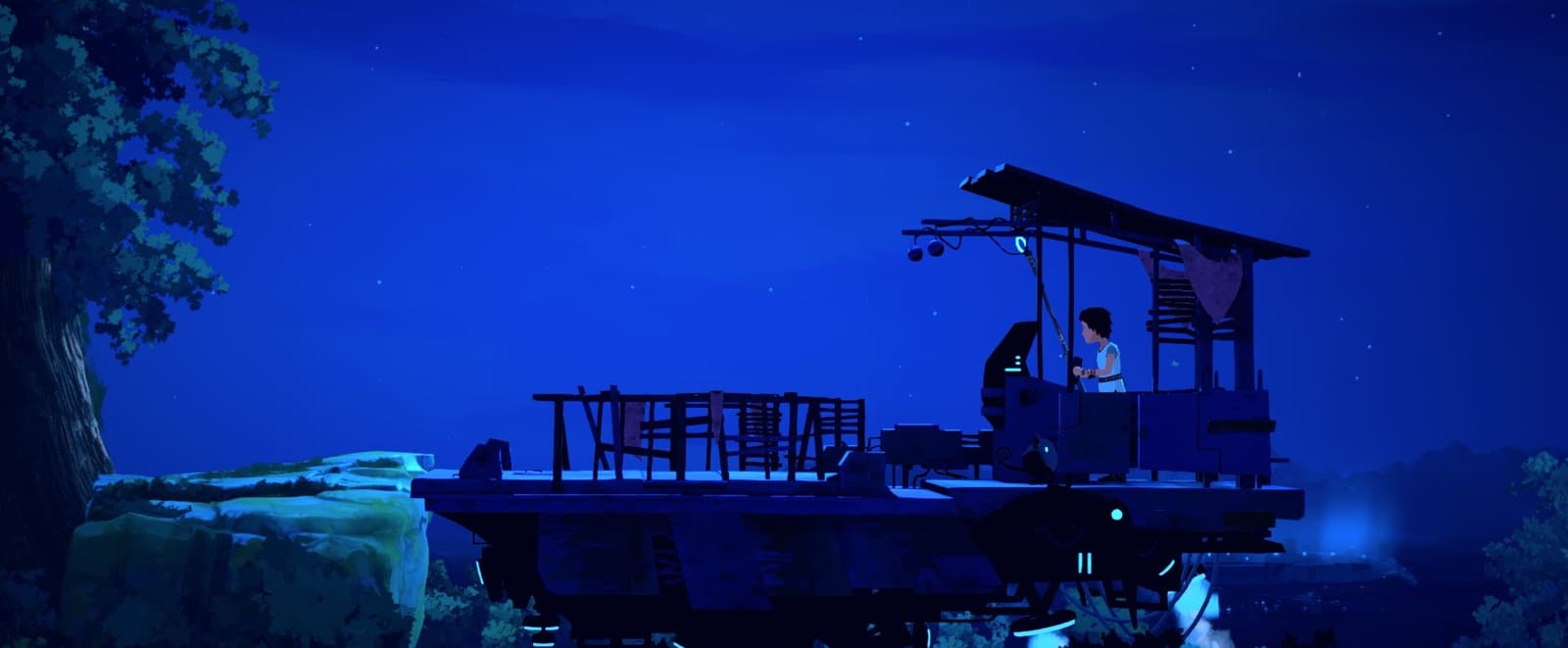
Still, there is one plus: at times, the game does make you reflect on what you have seen. For example, on the utopia people created at the cost of destroying nature. Is there any real point in it at all? After all, sooner or later humanity's mistakes will repeat themselves.
A step forward
The gameplay, however, has been made more comfortable.
Two important mechanics have been added to the heroine's arsenal: running and sliding. Traversing locations is now much more enjoyable, while chase scenes feel very dynamic and slightly adrenaline-filled. The slightest delay — and welcome back to the checkpoint, though thankfully there are plenty of them.
Lana is now more responsive to player commands. Although it is still possible to miss the right platform or fail to stop in time. Sometimes such mistakes can make you seriously nervous!
Lana's cat-like friend Mui has also been improved. From now on, you can give him commands across the entire visible section of a location, instead of only near the heroine as before. They even dedicated the entire right stick to this.
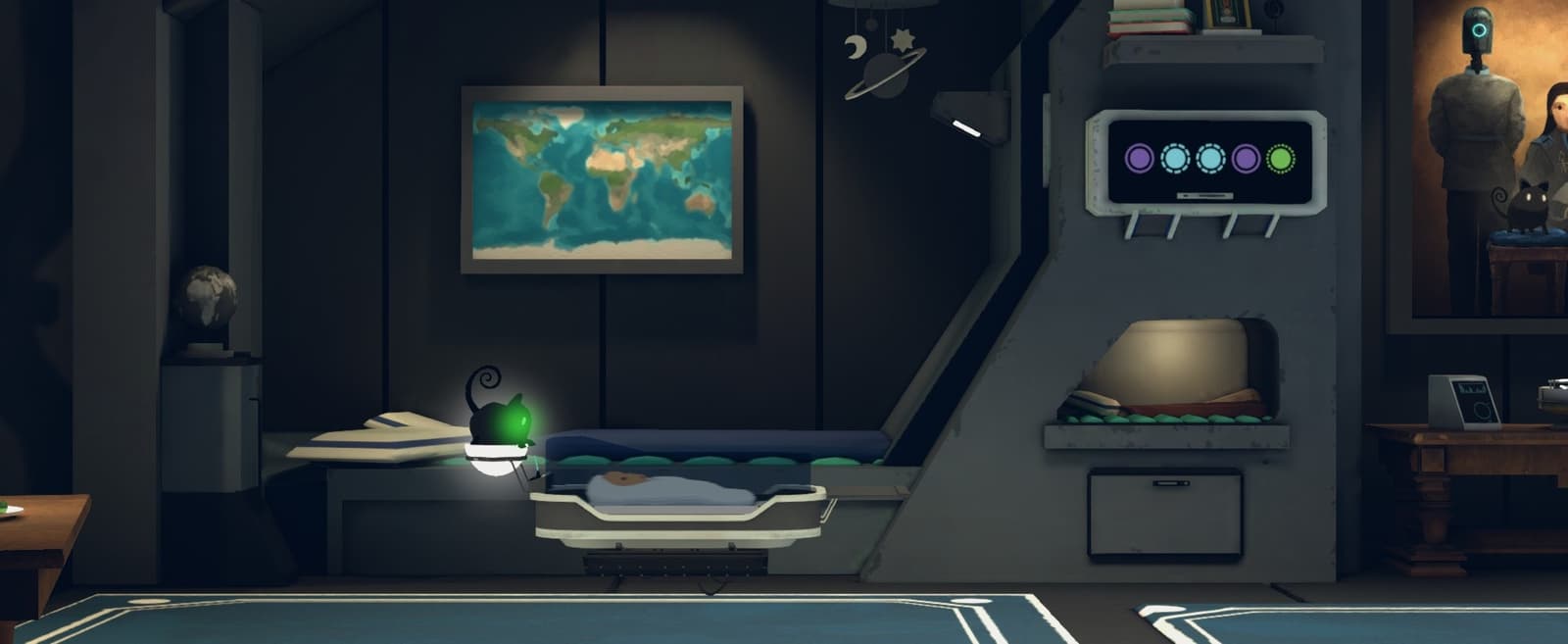
Mui has also gained two abilities. He can disable machinery for a few seconds and take control of special creatures by commanding them. Both are often used in solving puzzles.
The riddles have remained roughly at the same level as in the first part. The puzzles in the game are not difficult, but they do require attentiveness. It is very frustrating when, because of your own inattention, you miss interactive environmental elements and then wander back and forth without understanding what to do.
There are also a couple of exceptions where you need to perform "miracles of logic." For example, mentally combine two note formulas to get the correct melody and pass the trial. After solving such extra-tricky little problems, you feel like a genius, but there are few such moments.
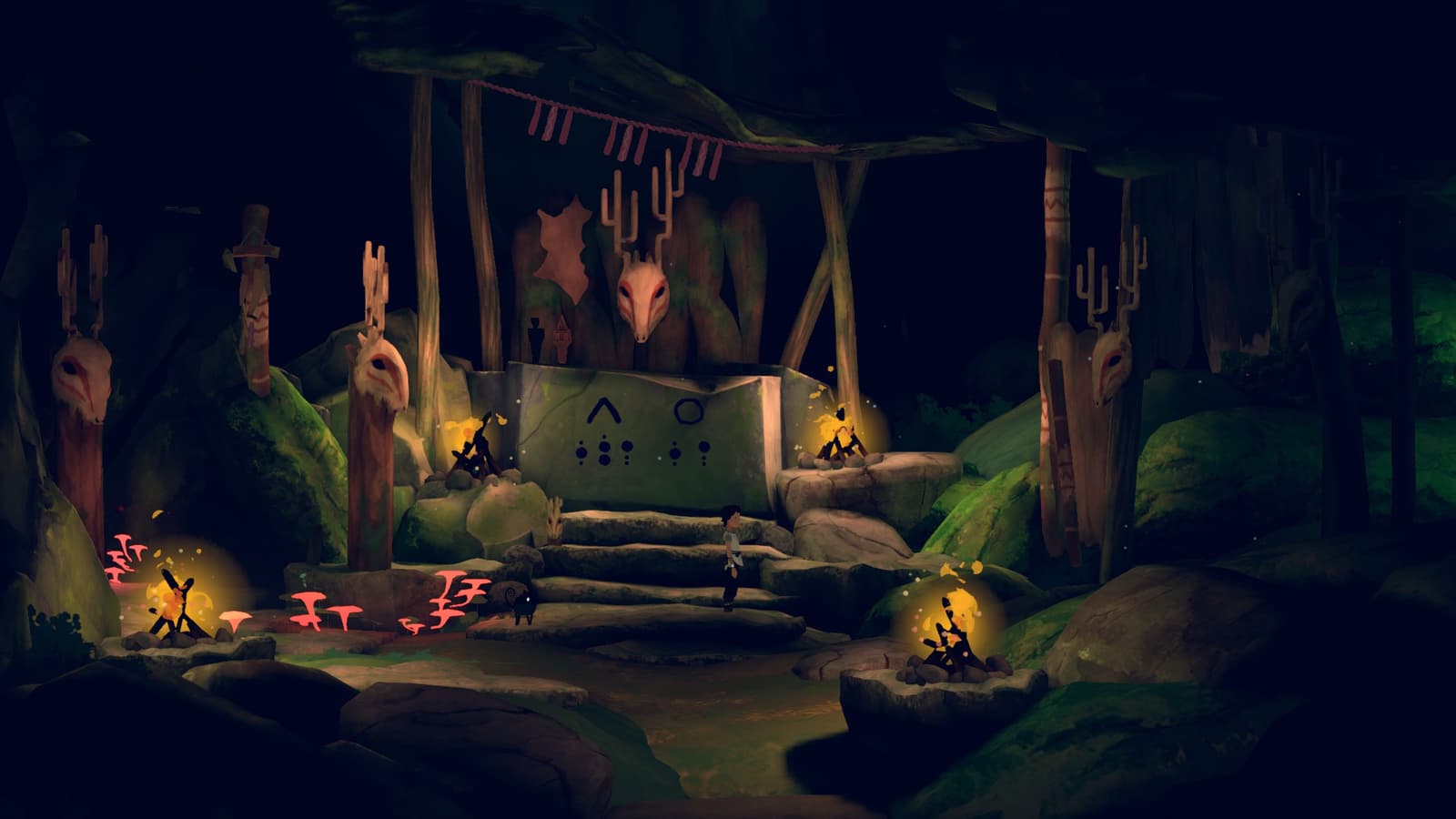
Fortunately, the developers added a journal to the game. Now you can look at various notes while solving puzzles — it is much more convenient this way!
The final battle has become slightly better. If in the first game the entire confrontation fit into a small QTE, in the second this is a two-phase fight with the villain. Although it would be hard to call it difficult. If anything, it is rather awkward, because the enemy's attacks are predictable and the way to defeat him is obvious.
The beauty of the world
Besides its story, the first Planet of Lana amazed players with its magnificent visuals and emotional music.
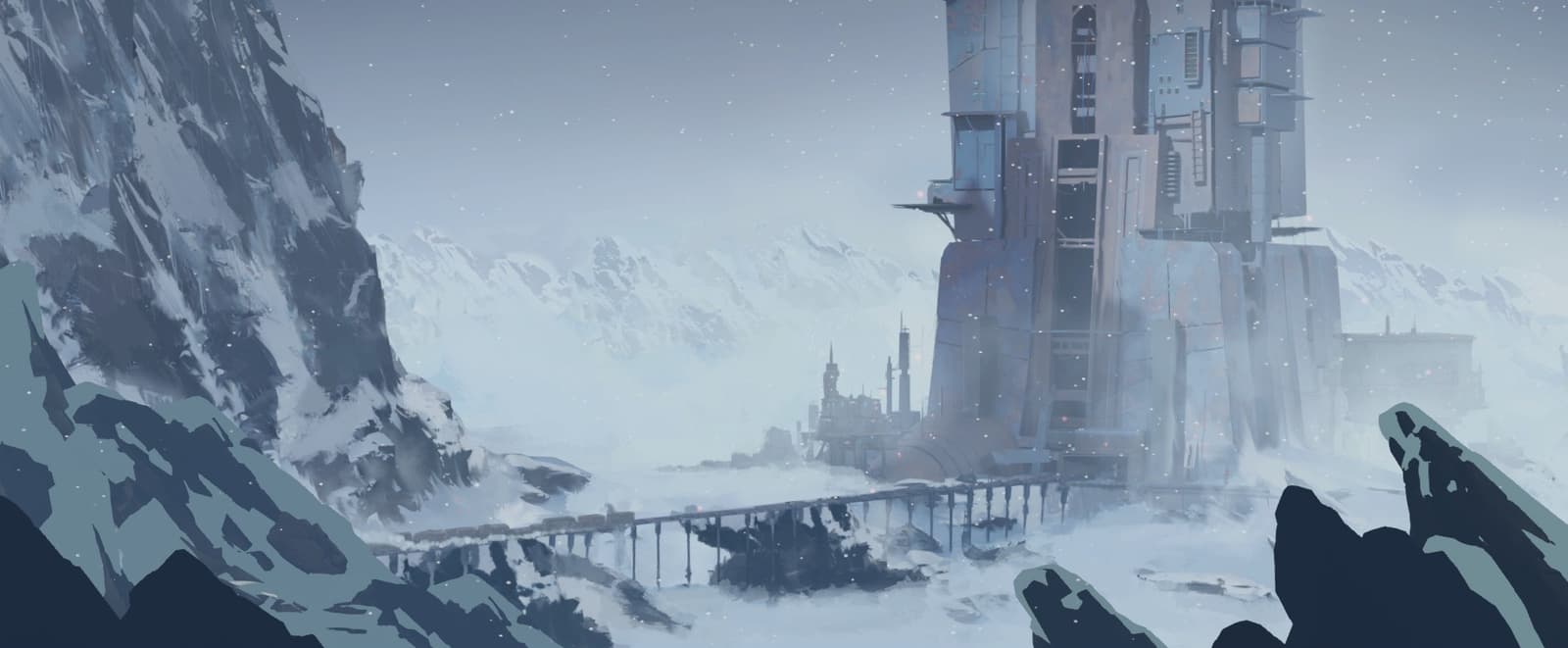
The look of the second part has not changed much. If anything, the image here is a little sharper. It could literally be described as "Studio Ghibli animation style on a budget," because minimalism is part of it. The graphics combine hand-drawn watercolor-style art with cinematic effects and simple animations.
As before, the visual style is mesmerizing. I had the feeling that I was in a museum and, as the game's biomes changed, I was moving from painting to painting. In the second part, that feeling became even stronger, because the richness of the locations increased: snowy mountains, green forests, and underwater expanses. You just want to stop and take in these magnificent landscapes!
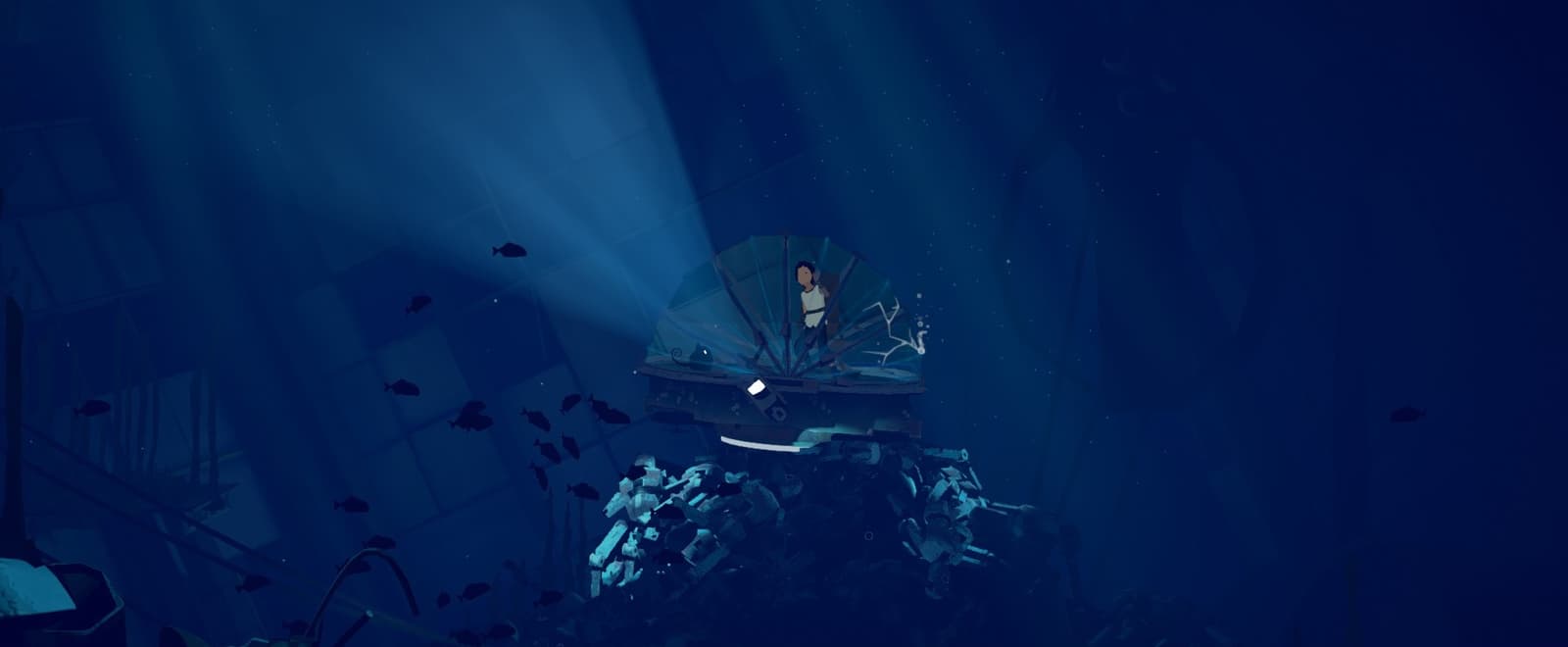
Water levels have become a separate part of the gameplay. They received a great deal of attention, a couple of new mechanics were added, and special enemies were created for them. To move forward, you have to find ways to avoid them. You will have to think!
The music in the sequel has been simplified. The ambient tracks are still good and immerse the player emotionally not only in the story, but also in the locations themselves. But there is nothing especially memorable here. For example, in the first part I really liked the composition Horizons. There, it perfectly conveyed the feeling of a mysterious discovery and Lana's desire to get her family back.
Still, the sound design continues to connect the player excellently with the world: the noise of a living forest, the howl of a cold wind in snowy mountains, the hum of gloomy depths, and the frightening clanking of artificial mechanisms. Even the story recedes into the background, allowing you to enjoy and "breathe in" this virtual planet. And you feel it immediately, as soon as you enter the game's menu and listen closely.
Planet of Lana 2 is well optimized. Unlike the first part, where there were occasional frame rate drops to 30 FPS and a "slow-motion" effect, I encountered no technical problems at all in the sequel.
Verdict
Planet of Lana 2 is a sequel whose main value lies in the fact that it reveals the lore to us and leads the player toward the events of the first game. It also provides several new reasons for philosophical reflection.
But the main plot of the second part does not shine with anything unique: a banal conflict, the loss of the adventure's cohesion, and a questionable ending. The game's main problem is that it was not really needed. The story of the first part was complete, and the uncertainty that created its charm vanished in the sequel. Instead, we now have an ordinary plot with familiar subtexts.
I can recommend the project only to those who sincerely loved the first game, but you should be prepared for the simplification of the narrative. On the other hand, the gameplay has become much more convenient, and the geography of the levels is more diverse. This will let you enjoy the beauty of "Planet of Lana" even more than in the original. After all, the graphics and audio design are still wonderful.
Never miss our newsAdd this site to your preferred sources to see us more oftenAdd on Google