King of Card Roguelikes or Usurper of the Throne? Slay the Spire 2 [Early Access] Review
The launch of Slay the Spire 2 in early access is accompanied by deafening hype, rave reviews, and record online numbers for the genre - and the feeling that the king has indeed returned. But if you've spent dozens or hundreds of hours in the original, I have two pieces of news for you. The good news is that it's almost the same Slay the Spire. The bad news is that it's almost the same Slay the Spire, only more expensive. The only question is whether that's enough to reclaim the throne.
Ascension to the Spire
The original Slay the Spire, released in early access in 2017, didn't just popularize card "roguelikes" — it actually shaped the genre and brought it into the mainstream. Before it, there were other card games, and there were the first timid attempts to assemble a similar formula — like Dream Quest, which is hard to look at without tears. But it was the work of Mega Crit studio that cemented its canons:
- roguelike run structure with a branching route map and meta-progression;
- turn-based card combat system;
- deck building and management during the run;
- high synergy of mechanics and their readability.
Slay the Spire instantly became a cult classic and spawned dozens of imitators. Without it, Monster Train, or many other popular projects inspired by the Mega Crit formula, might not have appeared.
Years later, the "king of card roguelikes" has returned. But in that time, the genre has advanced noticeably: competitors have brought new ideas, mixed the familiar formula with other genres, and added their own mechanics.
Against this backdrop, the sequel inevitably runs into a question that is unpleasant for any legend: are we still looking at the "king" — or already an "usurper" resting on the laurels of its predecessor? The answer is not as clear-cut as it might seem.
Anatomy of a Card Roguelike
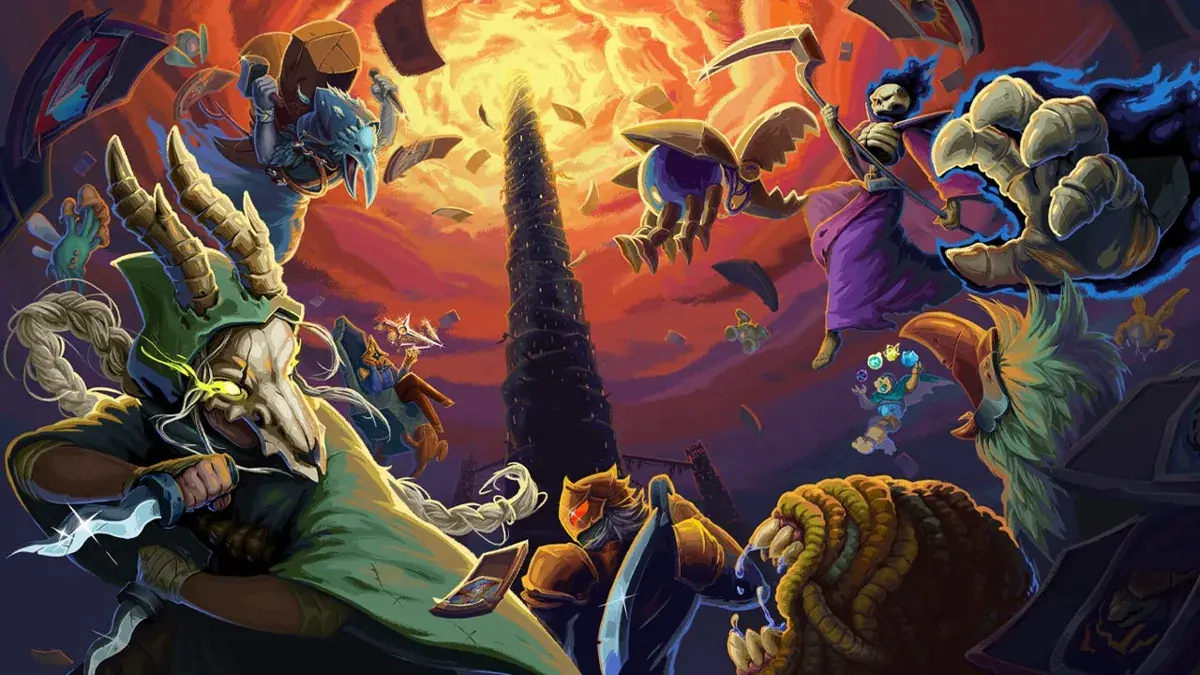
The resounding success of Slay the Spire 2 has predictably attracted the attention of "outsiders" unfamiliar with the genre. Therefore, it's worth briefly analyzing how Slay the Spire is structured. Card roguelikes may sound complicated, but in practice, their entry threshold is surprisingly low. The system quickly draws the player into a state of flow: you simply play card after card and don't notice how the hours pass.
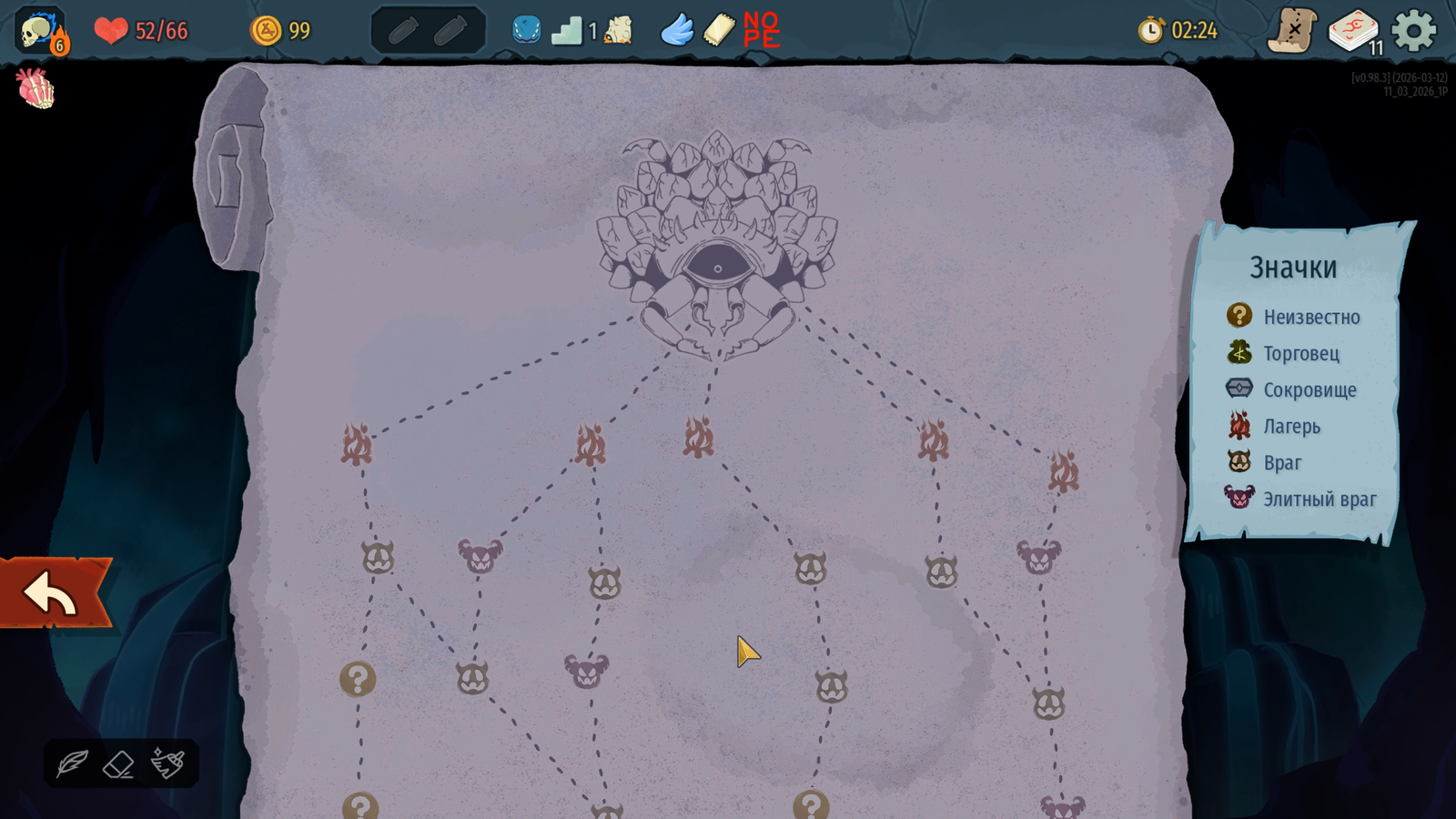
First, you choose a character (each with their own starting set of cards and special relic) and embark on a sortie. Before you is a map with a branched route: rooms with enemies, chests, events, merchants, rest camps, and so on. You chart your own course, deciding where to turn at forks. The goal is simple — to complete several acts, defeat the boss in each of them, and finally conquer the top of the Spire.
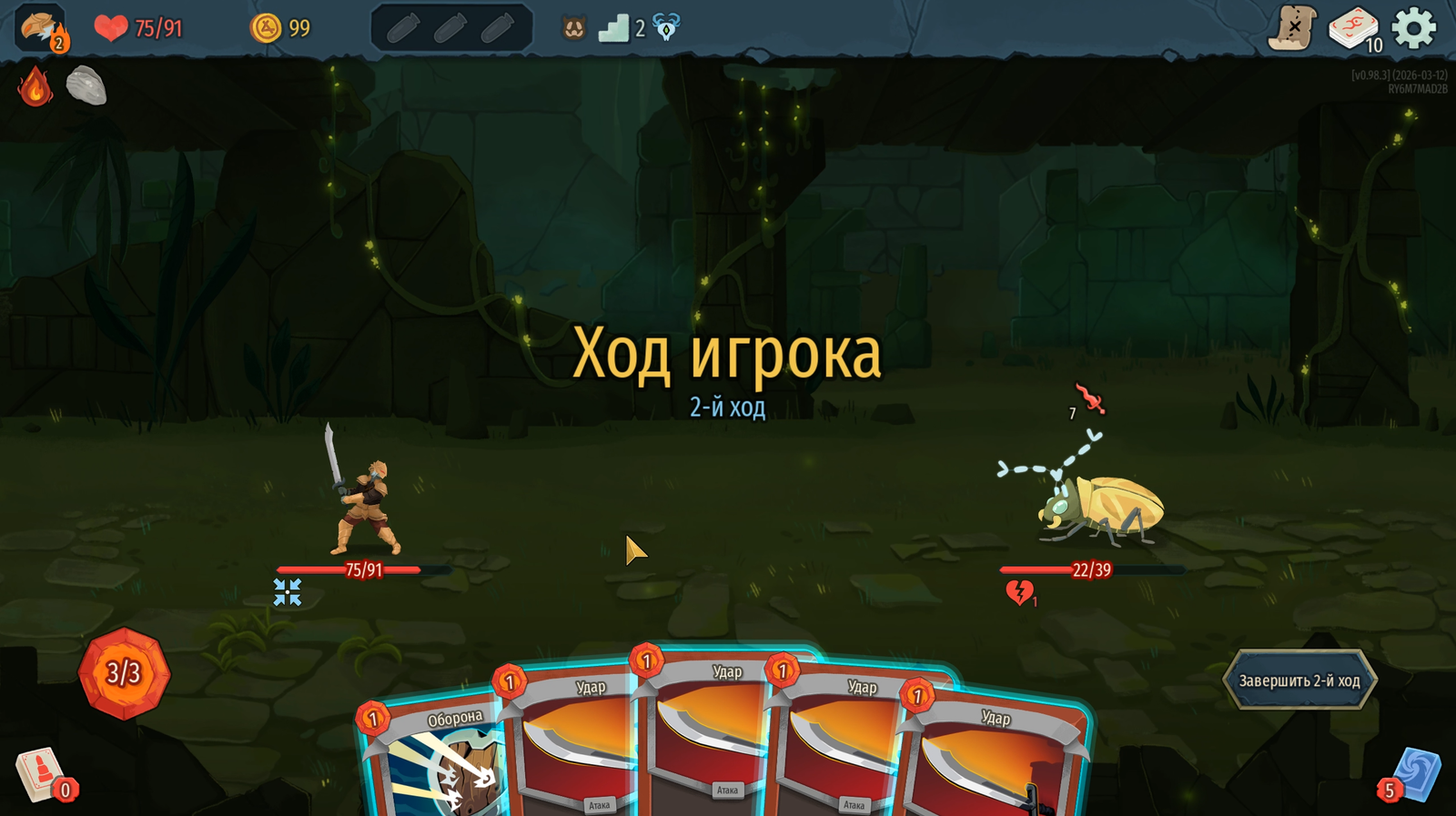
Battles are turn-based, and your actions are determined by cards. At the beginning of the run, you have a starting deck — mostly simple strikes and defenses. Each turn, a random hand of several cards is drawn from it. Each card has an effect (for example, "deal 6 damage" or "give 5 armor") and a cost in energy points.
During the turn, you spend a limited supply of energy to play cards, trying to either break through the enemy or survive their attack. After the turn, the played cards are sent to the discard pile, and new ones are drawn on the next turn. When the deck runs out, the discard pile is shuffled and becomes the new deck.
The enemy is also not idle. Each turn, they can attack, defend, use a special ability, or do nothing. The enemy's intentions are displayed with icons next to them, so you have the opportunity to plan countermeasures in advance.
The initial cards are extremely simple, so the rules are grasped in literally a minute. But as you progress, the mechanics become more complex. After each victory, you can add one of three random cards to the deck — or refuse if nothing suits you. So, step by step, the basic deck of cards that "hit for 6 and block for 5" turns into something unique.
You can build a deck around poisonous attacks, focus on powerful combos, emphasize defense and deal damage through it, or build a strategy on constantly cycling through the deck. It all depends on the character class and your preferences.
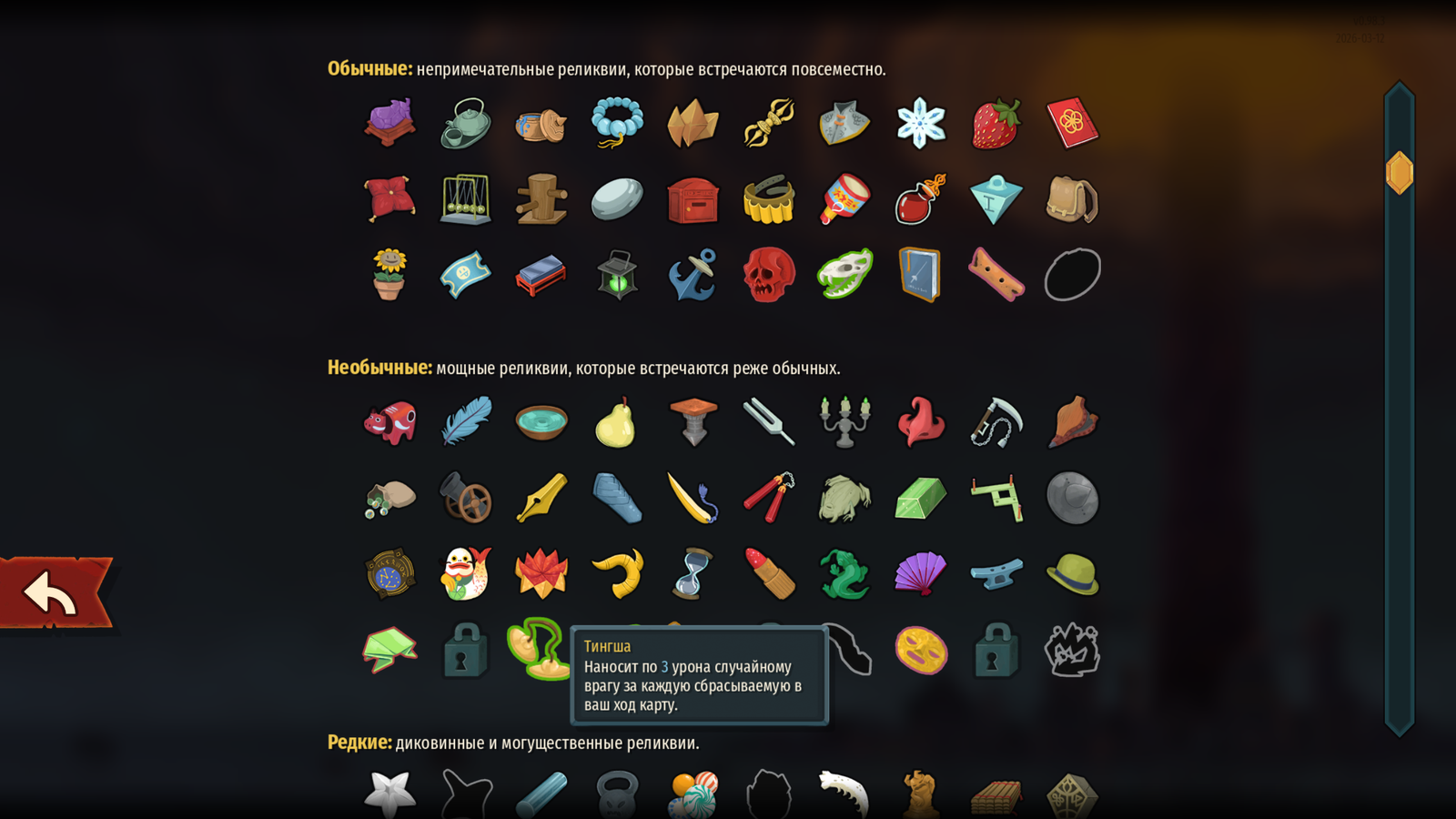
Relics are encountered periodically — special items that give permanent bonuses and affect the style of play. They can increase maximum health, add extra energy once every few turns, or deal damage to all enemies at the beginning of the battle — there are hundreds of such effects.
Sooner or later, you will die, losing to another enemy or boss. This is a roguelike — defeat is part of the process here. Losing means the end of the sortie and a return to the start, but there's no need to be upset. You don't "lose" anything, but gain valuable experience. Over time, you begin to better understand how the cards work, what to expect from enemies, and which combinations are successful. This is the main goal of the player — to become stronger not so much in numbers, but in the ability to assemble a deck for the situation.
The number of possible combinations of classes, cards, relics, events, and opponents is so great that the game retains long-term interest and high replayability — even despite the existence of a certain "meta", a set of the most effective and proven builds.
After the first victory over the final boss, Slay the Spire unlocks the "Ascension" mode. This is a gradual increase in difficulty with each new playthrough — up to 20 levels. However, it is not limited to a banal increase in health and damage for enemies. More interesting modifiers appear: they change events, offer modified versions of bosses with new abilities, and introduce additional conditions.
As a rule, all this noticeably complicates the player's life. The exception is perhaps the first level: it simply adds more elite opponents to the map. Formally, this makes the playthrough more difficult, but at the same time expands the possibilities for development.
As a result, replayability grows even stronger and encourages a deeper understanding of the mechanics. You are no longer just assembling an "ideal" deck in a vacuum, but adapting to the situation and finding new combinations that will help you reach the top of the Spire in the changed conditions.
All these basic mechanics have migrated to Slay the Spire 2 without changes. Therefore, everything said above is relevant for both the original and the sequel, and for many other representatives of the genre. Now that we have figured out how the system works as a whole, we can move on to the most interesting thing — to see what exactly the developers have changed in the second part.
Evolutionary Déjà Vu
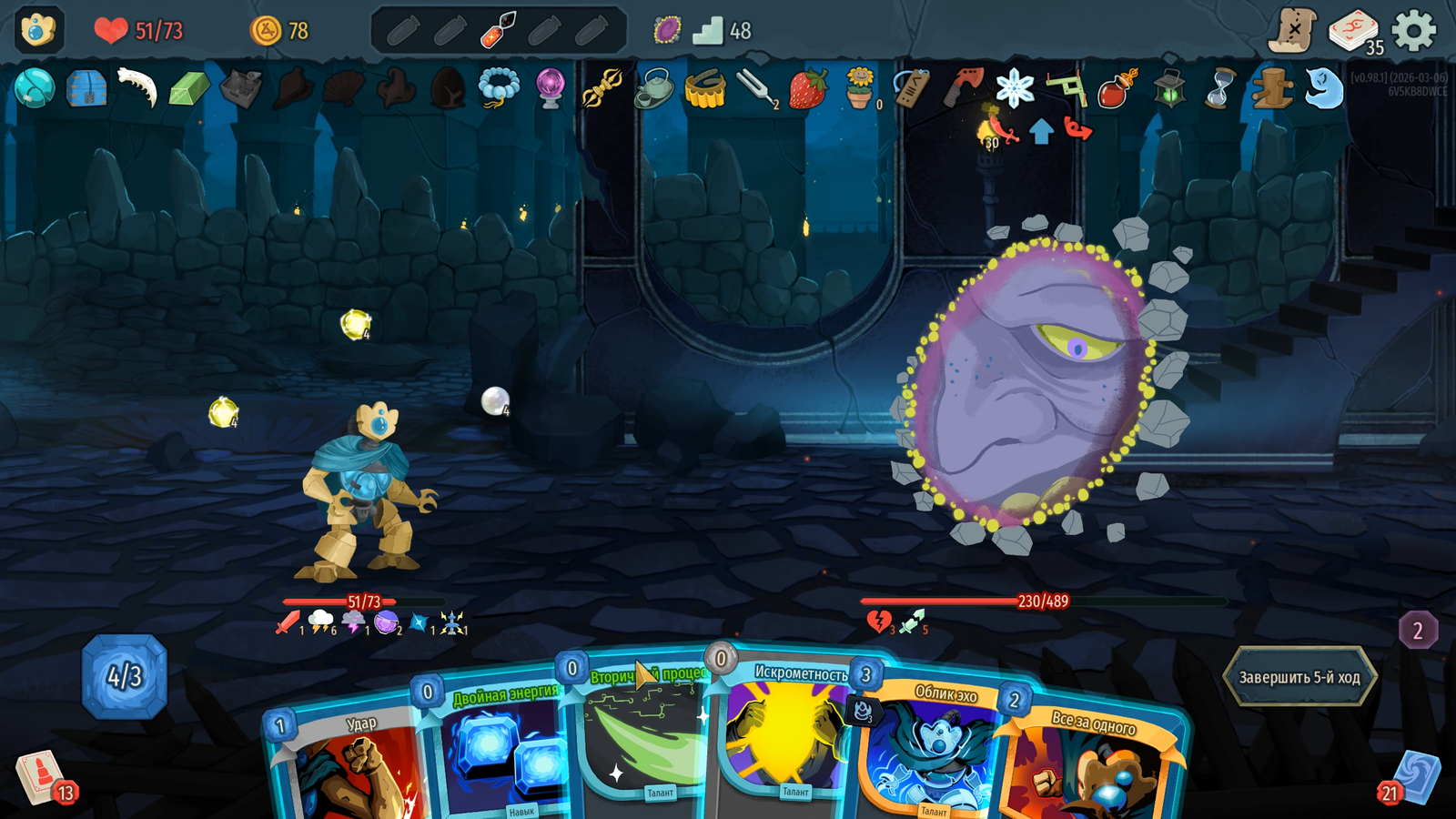
The first thing that catches the eye is the visual changes. The game has become noticeably prettier. Monster models have more detail, there are more animations, they are smoother and more expressive, and the interface is neater. In the first part, many elements were almost static.
Now the menu is animated, the opponents have more frames of movement, and the attacks look more convincing. When a character plays a strike, they actually wave a weapon, such as a sword, and not just twitch their figure in place. In general, the game feels more alive and neater, but at the same time retains the style of the original.
But as soon as you start a new run, the feeling of déjà vu intensifies. You are again greeted by the good old Ironclad — the starting class in the original Slay the Spire. The decision is understandable: this is the easiest character to get acquainted with the game, so the developers did not change anything.
Besides him, the Silent and the Defect returned from the original. Veterans will find them familiar: about half of their cards migrated from the first part, and the main archetypes of builds were preserved. For example, the Silent can still build a deck around poison or sharpening.
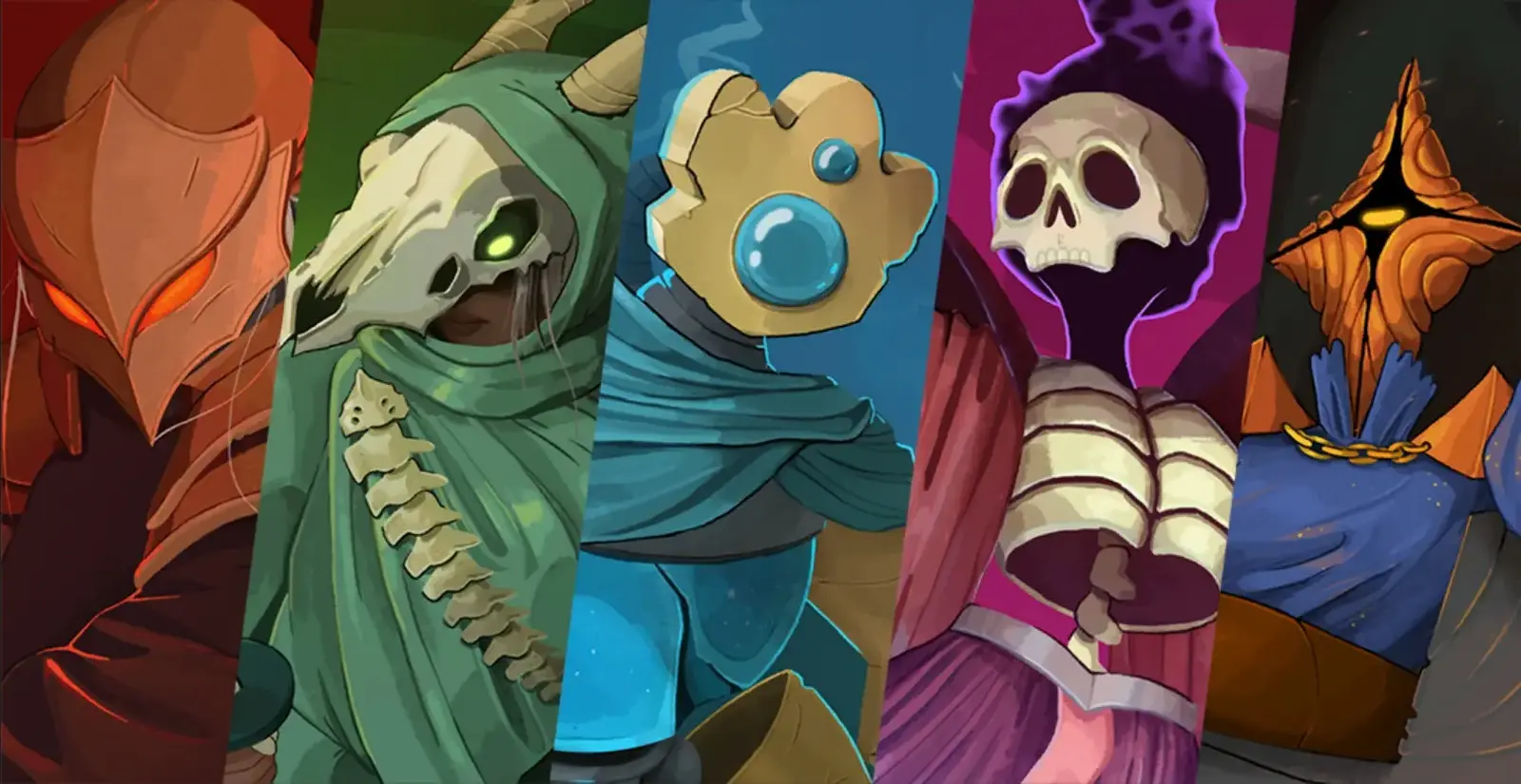
But even the old classes have learned new tricks. The Ironclad has powerful combinations through card burning, and the Silent has a cunning type of card that is played for free when discarded. Old builds have also received new variations and synergies, and thanks to fresh relics and mechanics, playing them has become noticeably more interesting. Plus, new classes have appeared - the Heir and the Summoner.
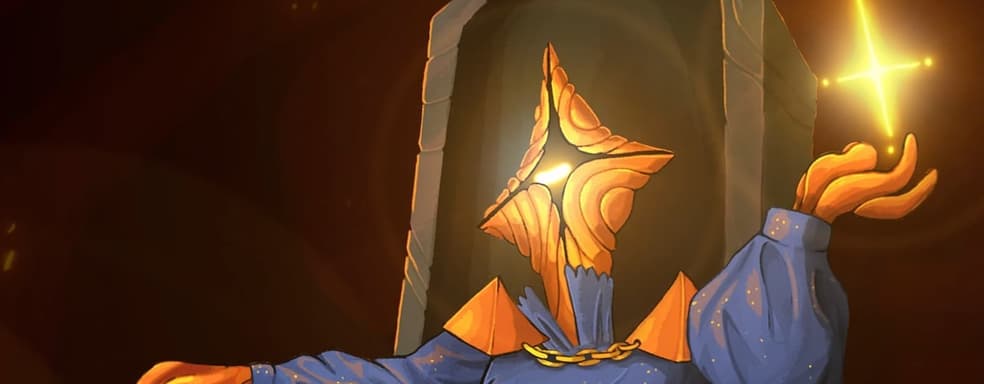
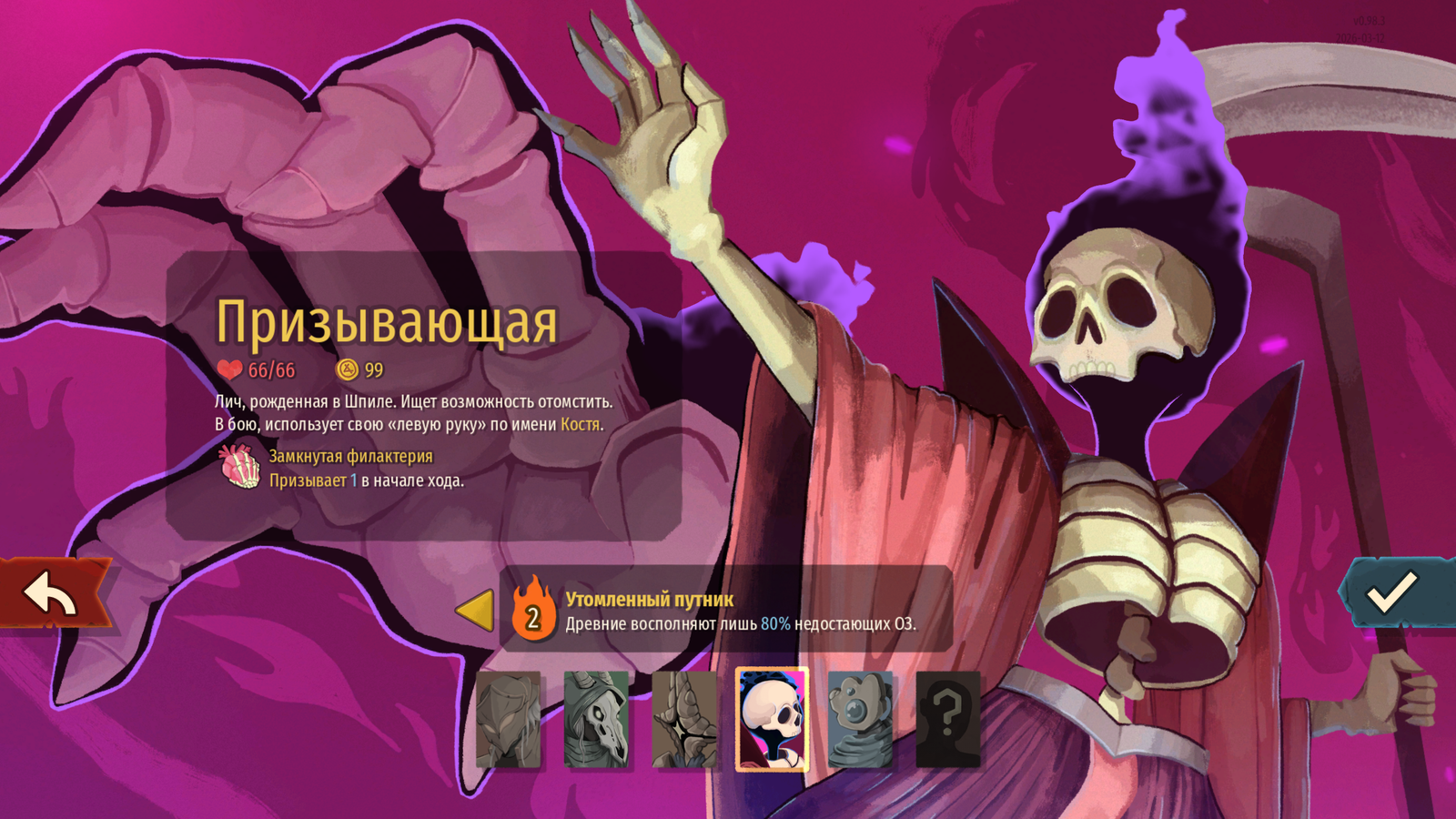
The Heir can accumulate a special resource called "stars", which he spends along with energy to play cards. Moreover, stars do not disappear every turn, which adds another layer of planning. Currently, the Heir has two main paths of development: you can focus on strengthening the summoned Blade or manipulate stars, accumulating them for several turns, and then spending them on powerful combinations.
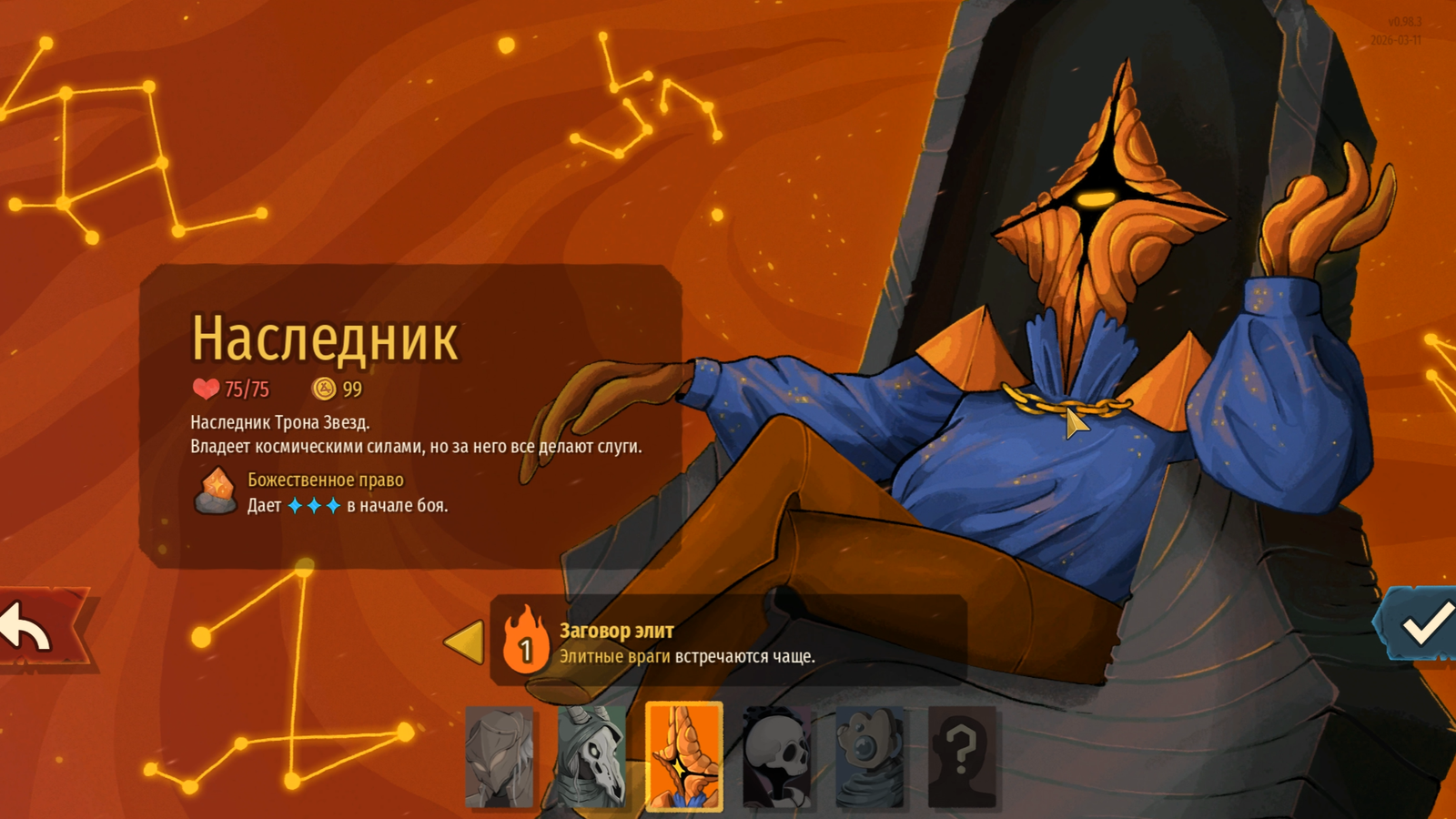
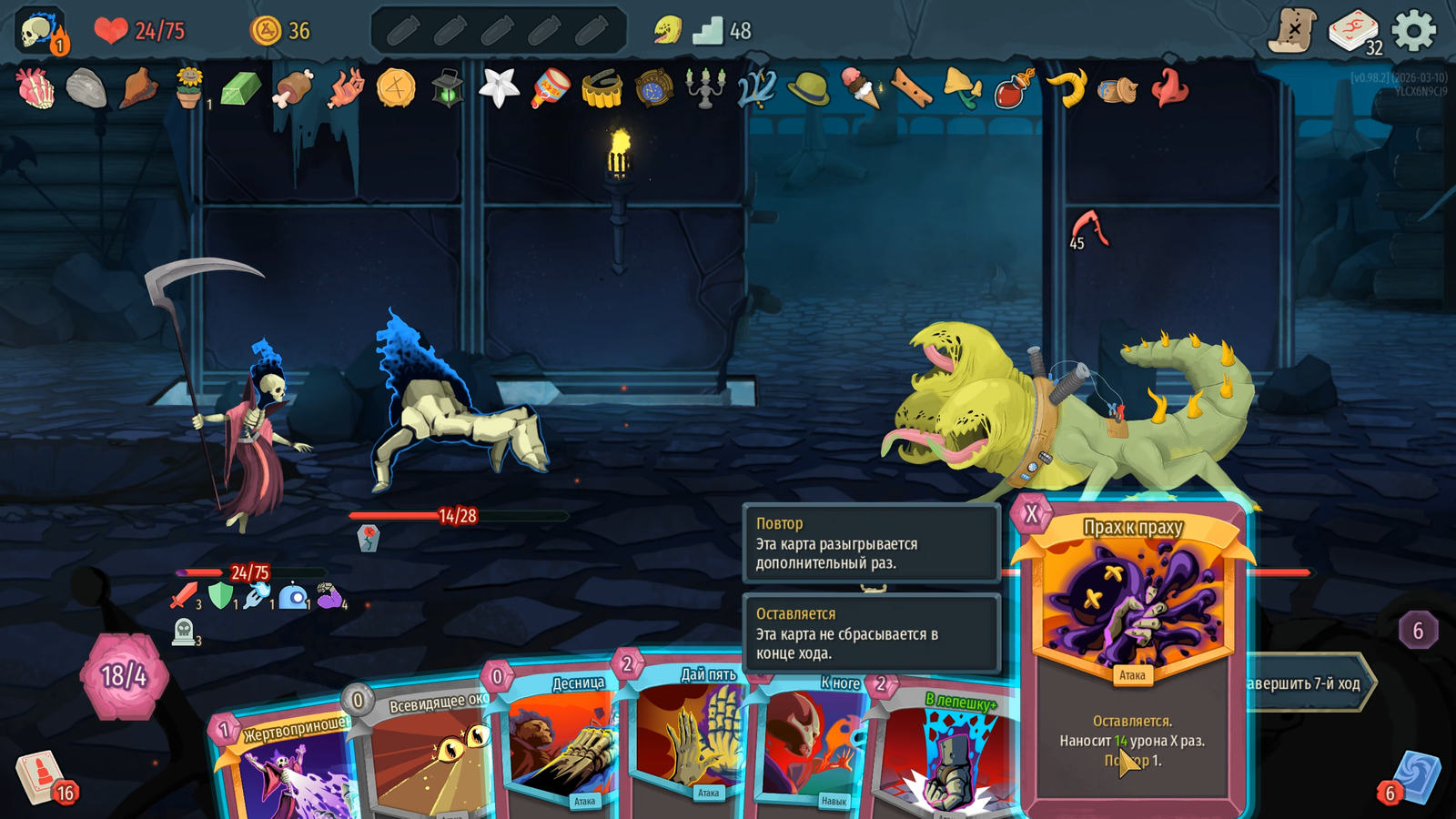
The Summoner is the local version of the necromancer. Each battle she starts with a summoned creature - a bone hand named Kostya. He effectively gives the heroine an additional supply of health, taking hits while he remains alive. Basically, Kostya is very fragile, but cards allow you to strengthen him, sacrifice him for various effects, and summon him back. Even if he dies, Kostya still appears again at the beginning of the next turn.
In addition, the Summoner has a mechanic of evil doom. It works almost like poison for the Silent, but with one important difference: if the amount of evil doom is equal to or exceeds the target's health, the enemy dies at the end of the turn.
So far, the balance of new and old classes does not look perfectly balanced. New characters in most builds feel slower, while old ones, even fresh builds, often turn out to be much more explosive. However, this is a familiar situation for early access: developers collect statistics and gradually correct imbalances, and players are just beginning to feel out the most effective combinations.
In addition to the new classes, the developers have added a whole mountain of cards, relics, events, and enemies. The game demonstrates fresh content literally from the first minutes. Already on the first floors, you can encounter an unfamiliar enemy or receive a card as a reward that was not in the original.
There are also quest cards. For example, a treasure map marking a chest of gold in the next act, or an egg card that can be "incubated" in the camp and get a powerful attacking card in the deck.
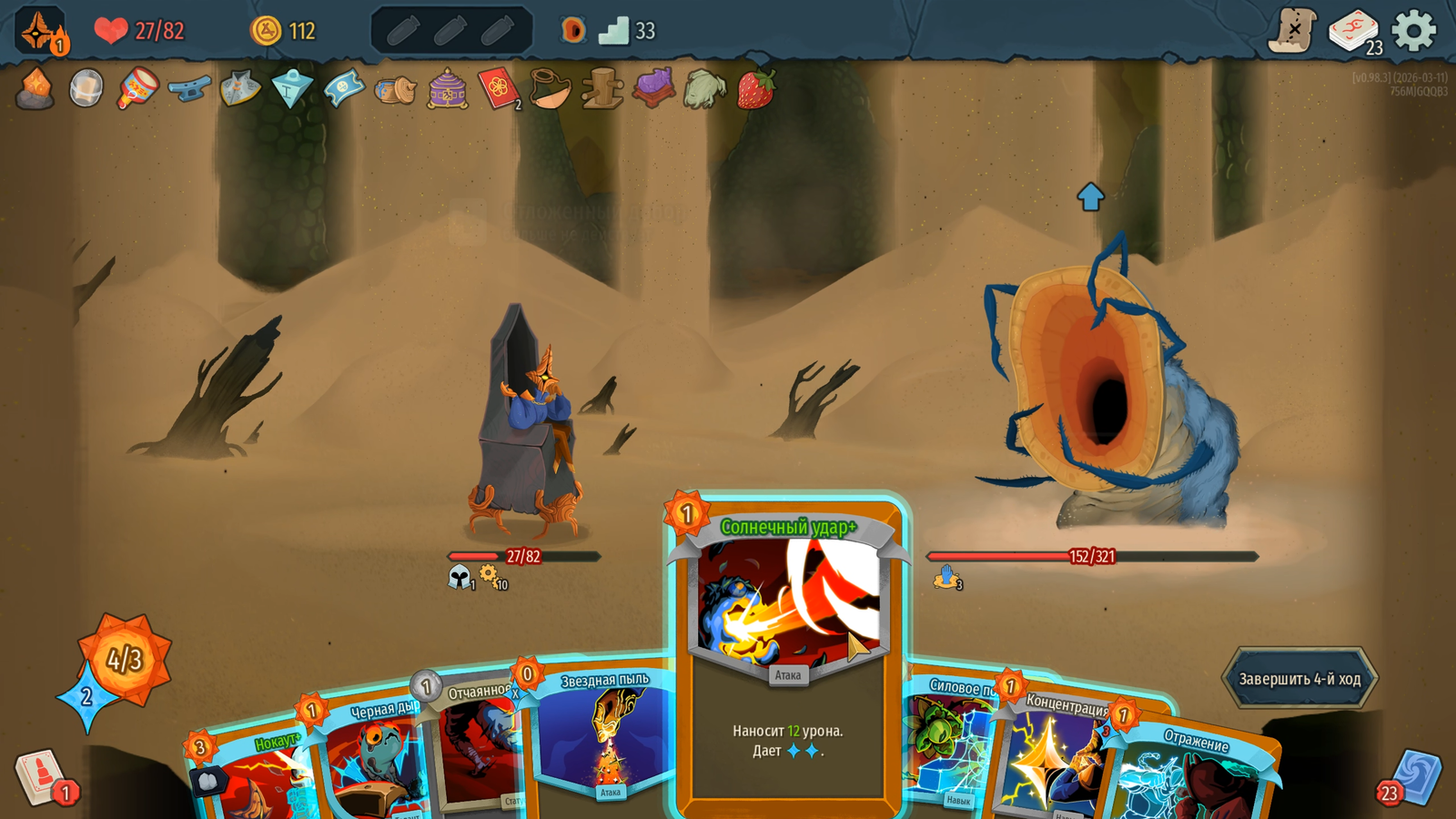
There are also new bosses. For example, a huge crab with two claws attacking from different sides. You have to consider which one to turn your back to and which one to face. Or a sand worm that "sucks in" the player every turn and forces them to play special cards to retreat back.
There are many such small innovations, and it would take a long time to list them. They are not immediately obvious, but in total they make Slay the Spire 2 the same game, only better and more diverse in almost all aspects. Mega Crit has taken a system that has been proven over the years and polished it to a shine. But it is precisely the fact that it is "the same game, only better" that evokes contradictory feelings.
The king is dead, long live the king!
The problem is that the genre has changed significantly in the years since the original was released. While the Ironclad is playing through "Barricade" for the ninth year, we already have the Monster Train dilogy, where battles unfold on several floors of the train at once. This radically changes tactics: you need not only to play cards, but also to distribute forces between the lines of defense and constantly think about positioning.
In Monster Train 2, the developers went even further, adding new layers of mechanics, synergies between clans, active abilities, and floor cards. Against this background, the difference between the original and the sequel feels much stronger.
But Monster Train is not the only example of how the genre has moved forward. There is also the magnificent Knock on the Coffin Lid from domestic developers, where a card roguelike is crossed with a role-playing game. Runs there are overgrown with micro-stories, events, and consequences of decisions. Yes, the game has lower replayability, and the system is not as mathematically verified as in Slay the Spire, but in return it offers much more than just pure mechanics.
There have also appeared roguelikes where enemies can be defeated by diplomacy, and games where mechanics are built around the positioning of opponents relative to the character. There are plenty of examples, and against this background, Slay the Spire 2 looks like too cautious a sequel. So much so that you sometimes want to call it a remaster, a remake, or even "DLC for full price", but not a full-fledged sequel.
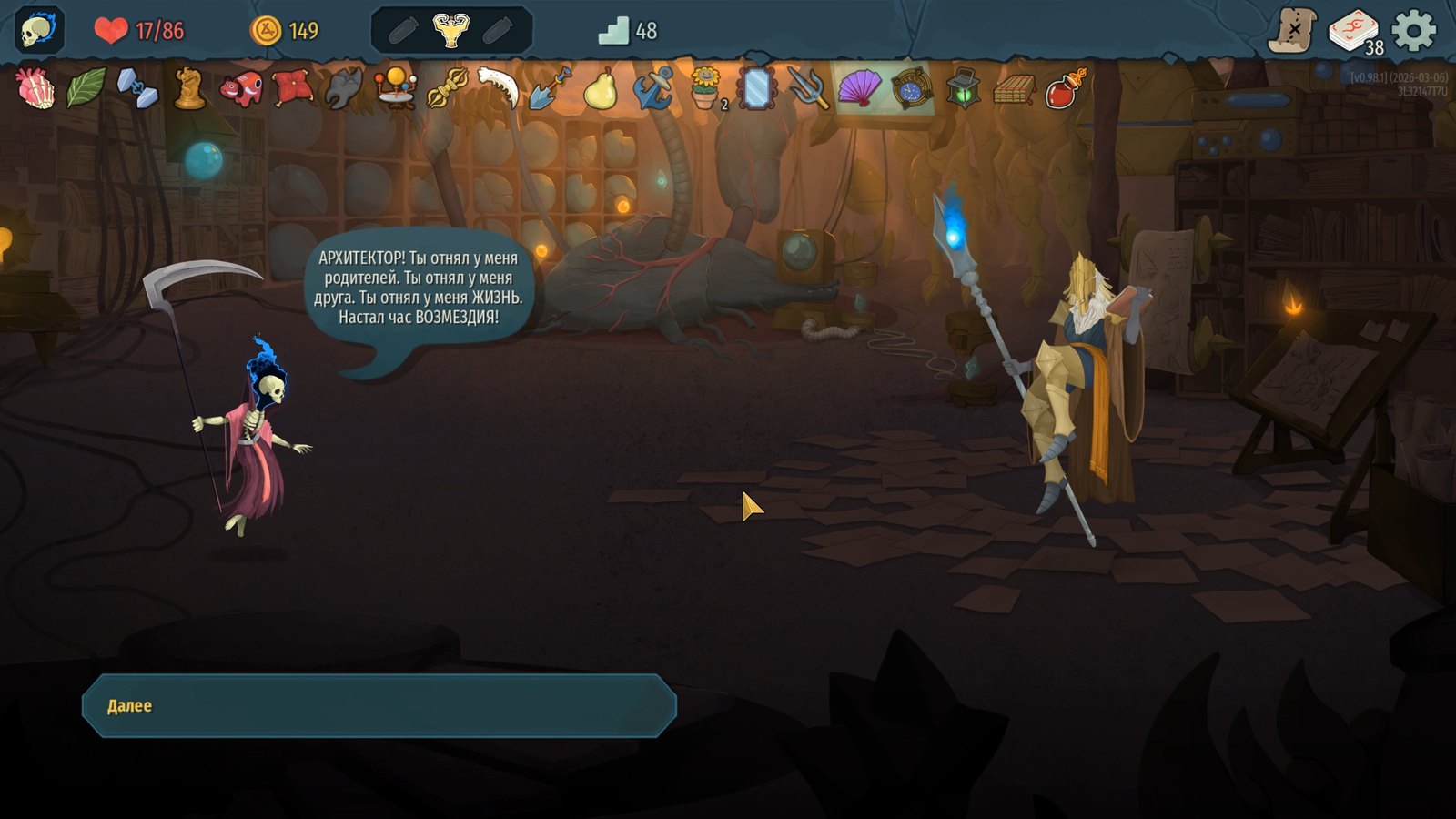
Yes, the game has a semblance of lore. Under certain conditions, so-called eras are opened, where you can read a few lines about the world and characters. This almost does not affect the gameplay itself - except that unlocking eras opens up new cards and relics, but they used to open up in a similar way.
Otherwise, Slay the Spire 2 strictly adheres to the familiar rules of the genre. So far, nothing indicates that the developers are going to radically change or expand this formula.
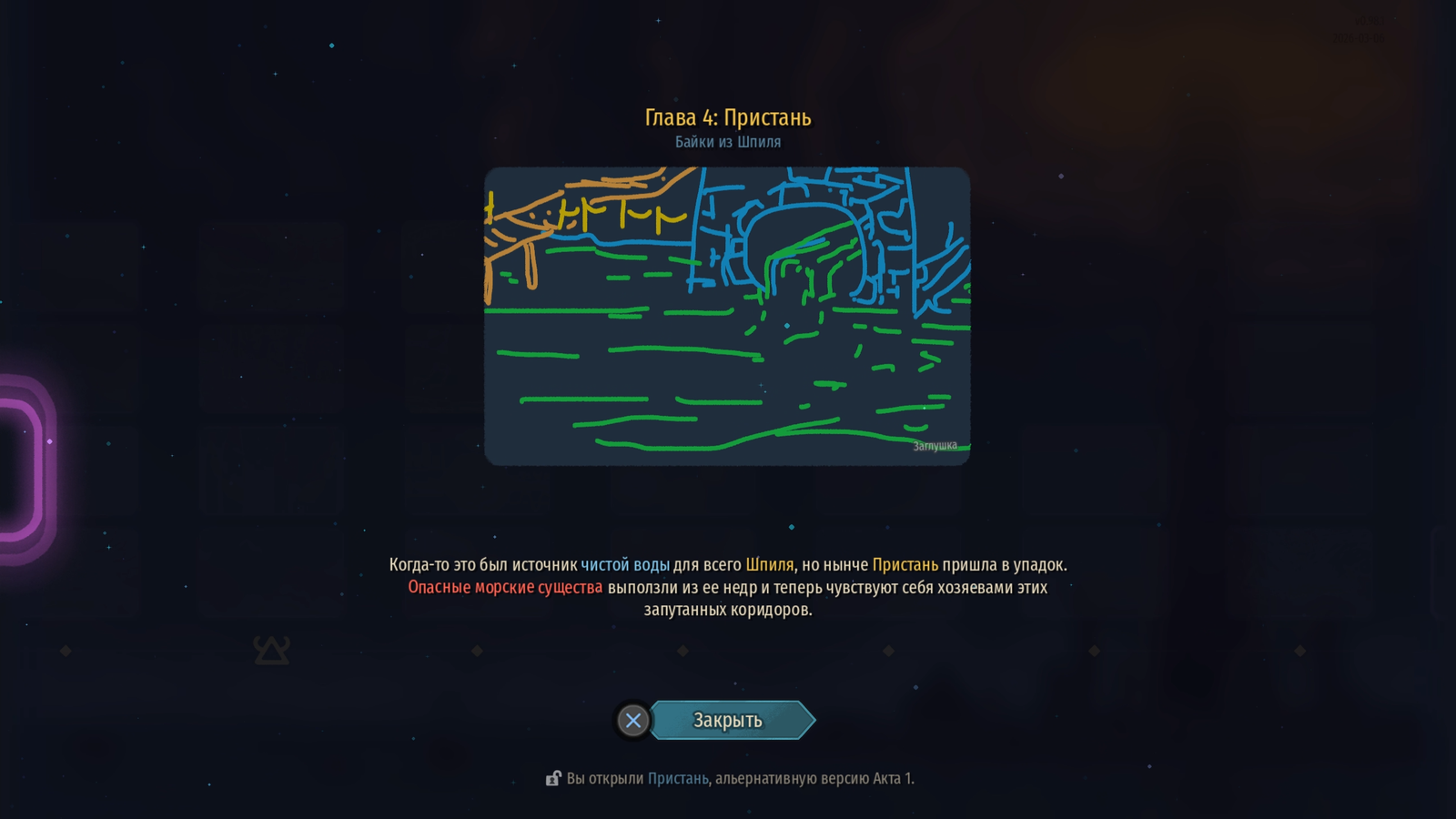
Now the game in early access costs about 1100 rubles (or $25). There is no final act yet, there is no translation into Russian in some places, and some visual elements have been replaced with placeholders, as if drawn in Paint.
Honestly, as a longtime fan, I would have paid more for it without much hesitation. But many players may decide that the game is overpriced - in the direct and figurative sense. And it's hard to argue with that.
But we are still talking about a card roguelike. So, there must be a trump card hidden somewhere. And there really is - a cooperative mode.
Fans have been dreaming of a cooperative for years, and Mega Crit has finally implemented a mode for four players. So far, you can only play with friends - there is no random team selection system. It's nice that the developers didn't take the easiest path of "more players - stronger enemies". Opponents really become stronger, but the game has special cooperative cards with their own synergies and interaction mechanics. In addition, many ordinary cards with buffs, protection, and other effects can now be applied to allies - as well as potions.
This gives a huge scope for experimentation. You can take several identical classes or, conversely, different ones, so that one compensates for the weaknesses of the other and strengthens it, building truly insane combinations. The only drawback is simple: you must have a friend to play with.
But what if you are not interested in cooperative? Then Slay the Spire 2 finds itself in an interesting position. On the one hand, we have a refined version of one of the best systems in the genre. The mechanics work as clearly as before, and new cards, relics, and events add even more variability. Runs are still captivating, and the familiar situation when "one more run - and definitely sleep", started at ten in the evening, ends at four in the morning, has not gone away.
On the other hand, the only task that the sequel handles perfectly is to "kill" the first Slay the Spire, making its existence practically meaningless.
If you've never played Slay the Spire and aren't familiar with the genre, I wouldn't rush to jump on this hype train. It's much wiser to start with the first part. It can often be bought for about 225 rubles during sales, and sometimes even for 99. It's still a great game that explains better than any article why card roguelikes have become a separate genre. Plus, it's even available on smartphones.
If you like the game—and the probability of that is quite high—then you can think about the sequel. Moreover, owners of the first part on Steam can buy the second one with a discount and actually recoup the costs of the original.
And if you're a longtime fan of the series, you've already bought the sequel—and I understand perfectly why. But let's be honest: the unprecedented online presence of Slay the Spire 2 is not explained by the fact that we have a new peak of the genre, but by the fact that it had a great ancestor. As a system, Slay the Spire 2 may well be worthy of the crown. But if you're looking for something more, it's easy to see not an heir, but a usurper on the throne.
Verdict
Slay the Spire 2 is a brilliant return of the legend, which at the same time raises as many questions as it does delights.
First of all, the sequel is worth recommending to those who loved the first "Spire" and want to climb to its top again. Ready to collect decks again and again, try your luck in random events, and spend hours calculating the perfect combinations—get dozens, or even hundreds, of hours of exciting gameplay.
The second part has really become more beautiful, richer in content, and more diverse. Veterans will instantly get comfortable and appreciate the subtleties of the improvements, and newcomers will get a chance to get acquainted with the benchmark representative of the genre at the peak of its form.
But those who expected fundamentally new ideas from the sequel may not like the game. If the Slay the Spire formula has become boring or you were hoping for a revolution, the "second Spire" is quite capable of disappointing. This is not a new round of genre development, but a neat cut of a familiar formula. Yes, there are co-op, new characters, cards, and relics—but all this is more of an evolutionary change.
If you came to the game only because of the hype and record online, it is worth remembering: "Spire" is far from the only strong card roguelike. There are enough worthy projects in the genre that deserve attention and can give the "freshness" that the sequel from Mega Crit sometimes lacks.
Never miss our newsAdd this site to your preferred sources to see us more oftenAdd on Google

![[STREAM] Dark Souls of the year. Valor Mortis](https://media.ixbt.games/fit-in/312x/ixbt-data/1725581/3ffa004e-044b-4d85-a878-777449753d95.jpg)