Phantom Blade Zero review \u2014 a gorgeous disappointment
Translated with AI from the Russian original.
Phantom Blade Zero is easy to mistake for just another Chinese soulslike, but it is actually a far more approachable hack-and-slash title packed with a massive arsenal of weapons, dozens of bosses, and dizzying kung fu. The game certainly knows how to impress, though its creators seem to have overlooked an old Chinese proverb about quality over quantity. Having reached the true ending, we break down how Phantom Blade Zero turns its own greatest strengths into shortcomings.
Matters of the heart
Phantom Blade Zero is set in a grim world of “kung-fu punk”—as the developers themselves dubbed it. It is an interpretation of medieval China where martial arts coexist with the occult, traditional aesthetics intertwine with bizarre mechanisms, and the human body can be literally reshaped or turned into a vessel for someone else’s consciousness.
The protagonist, Soul, an elite assassin from an organization known as the Order, will have to experience the achievements of this local “medicine” firsthand. Together with his sworn brother Zuo Shang, he grew up under the patronage of its leader, Mu Tianmiao. However, after the mentor’s murder, their paths diverged: Soul was framed for the crime, while Zuo Shang, who took the deceased master’s place, volunteered to carry out the death sentence himself.
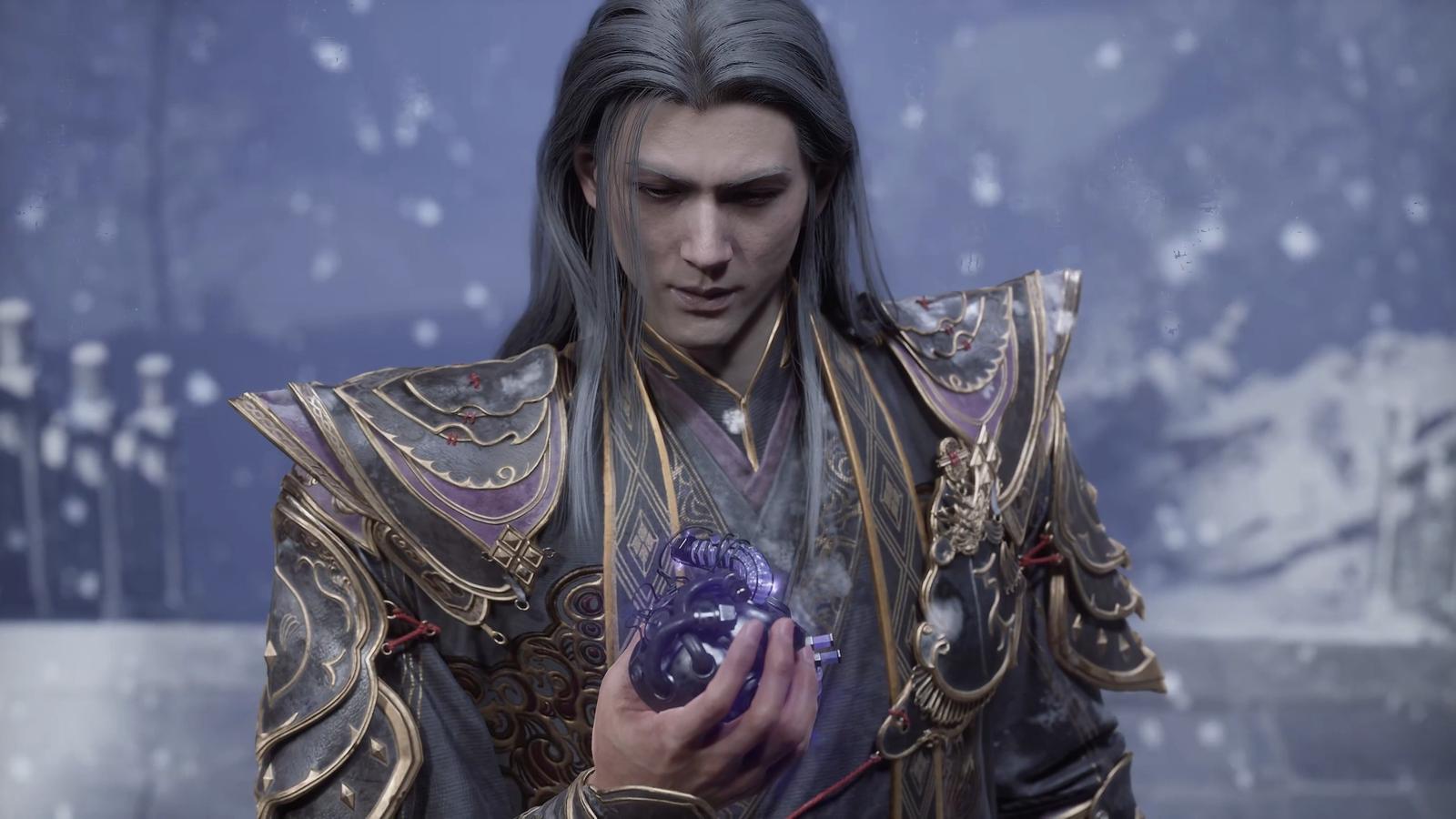
In the opening duel, both sustain fatal wounds, but the mysterious Flesh Carver offers Soul a second chance—a choice between two artificial hearts. The Empty Heart restores life at the cost of human feelings, while the Poisoned Heart preserves his personality but grants only 66 days to live.
Soul chooses the latter. Now he has just over two months to cheat death, unravel the web of events that led to the tragedy, and settle scores with those who ruined his life. The only lead points toward the city of Pangzhen, where, according to the Flesh Carver, lies a mysterious Heart capable of lifting Soul’s death sentence.
Let me clarify right away that there is no need to rush: during your first playthrough, the 66 days exist purely as a narrative device, giving the player complete freedom to explore the world as much as they like. A genuine time constraint appears only after beating the game, unlocking a special “66 Days” mode: each death deducts one day, and once the limit is exhausted, the run is over.
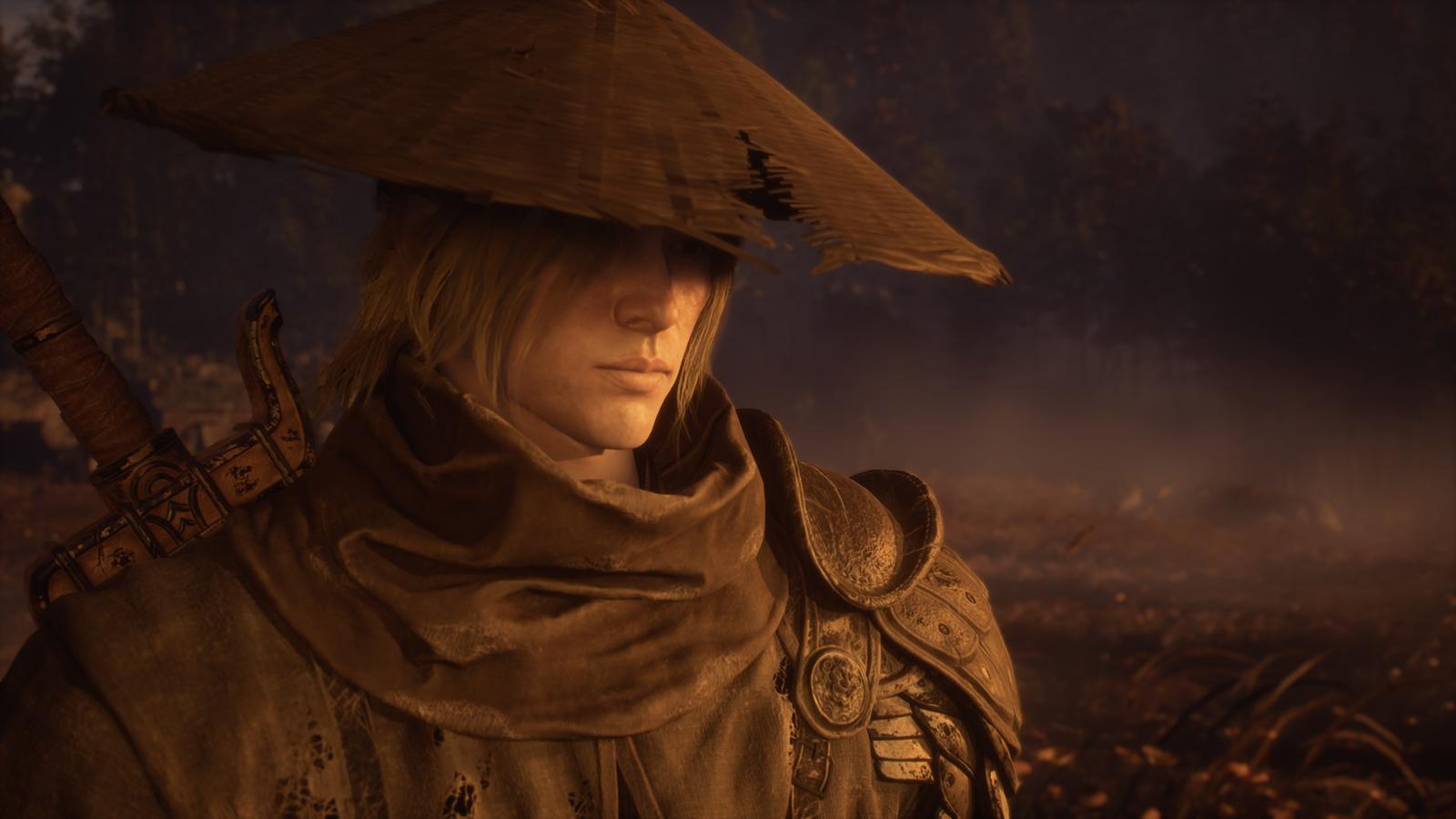
The premise promises a tense standoff between brothers, yet their conflict quickly drowns in side plots. En route to Pangzhen, Soul encounters crazed people, victims of monstrous experiments, and mysterious automatons, while long-standing faction wars, secret cult conspiracies, and the tragedies of common folk paying for others’ ambitions take center stage. The writers attempt to weave an intimate drama into an epic saga about the fate of the world, but the further it goes, the more it feels like yet another fever dream.
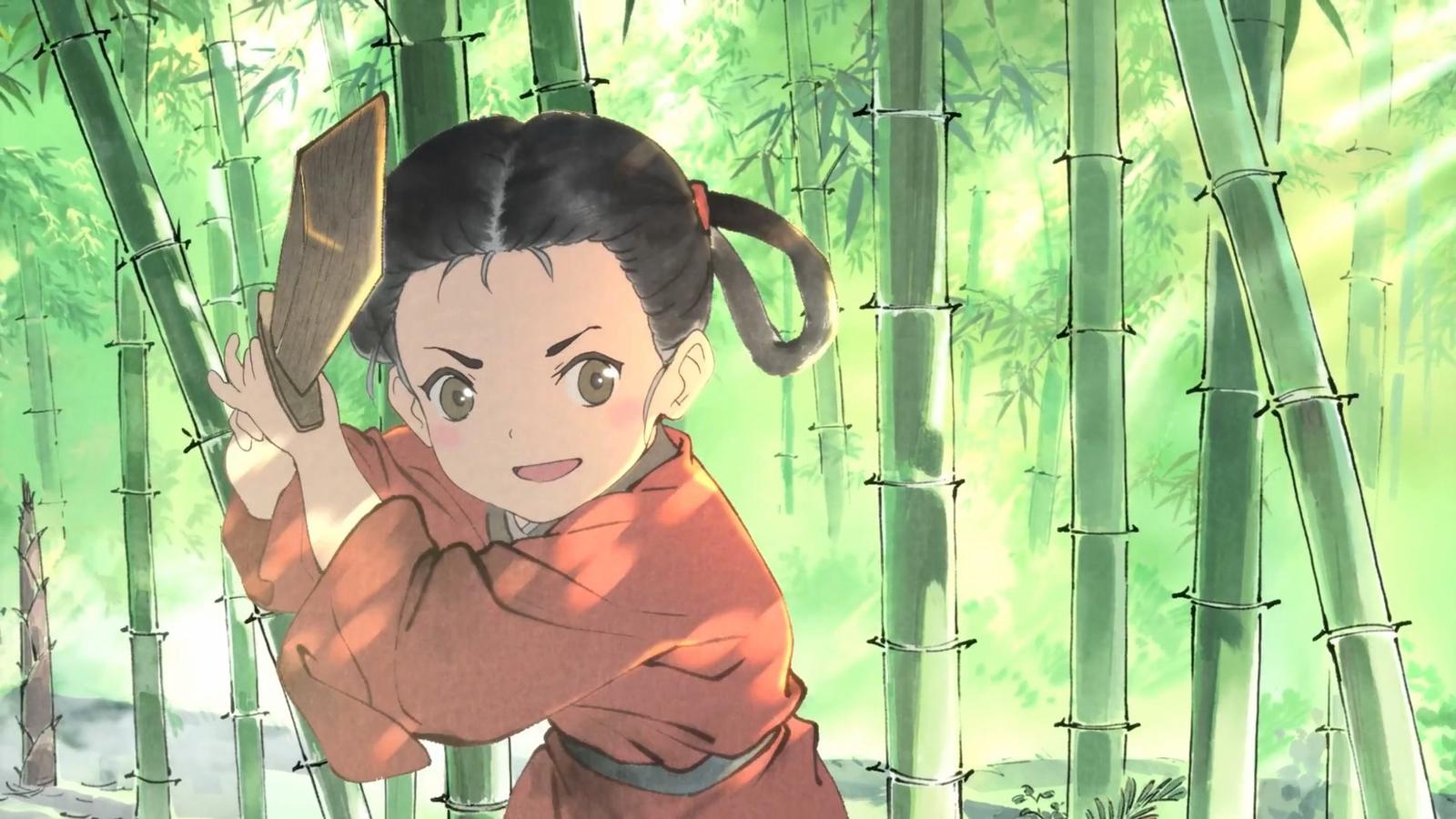
The main plot unfolds through cutscenes, mostly dedicated to past events. Following them is hampered by a convoluted timeline: sometimes a single sequence jumps back and forth between different eras multiple times. The uneven presentation doesn’t help either: solid in-engine cinematics are interspersed with hand-drawn animated shorts and low-res video clips that look like ads for cheap gacha trash. How such disparate elements manage to coexist within a single game is utterly bewildering.
Knowledge about the world and side events can be gathered through scrolls and flowers that preserve other people’s memories. Finding them rewards you with stat boosts and upgrade currency, and the assembled fragments occasionally form compelling stories and chronicles.
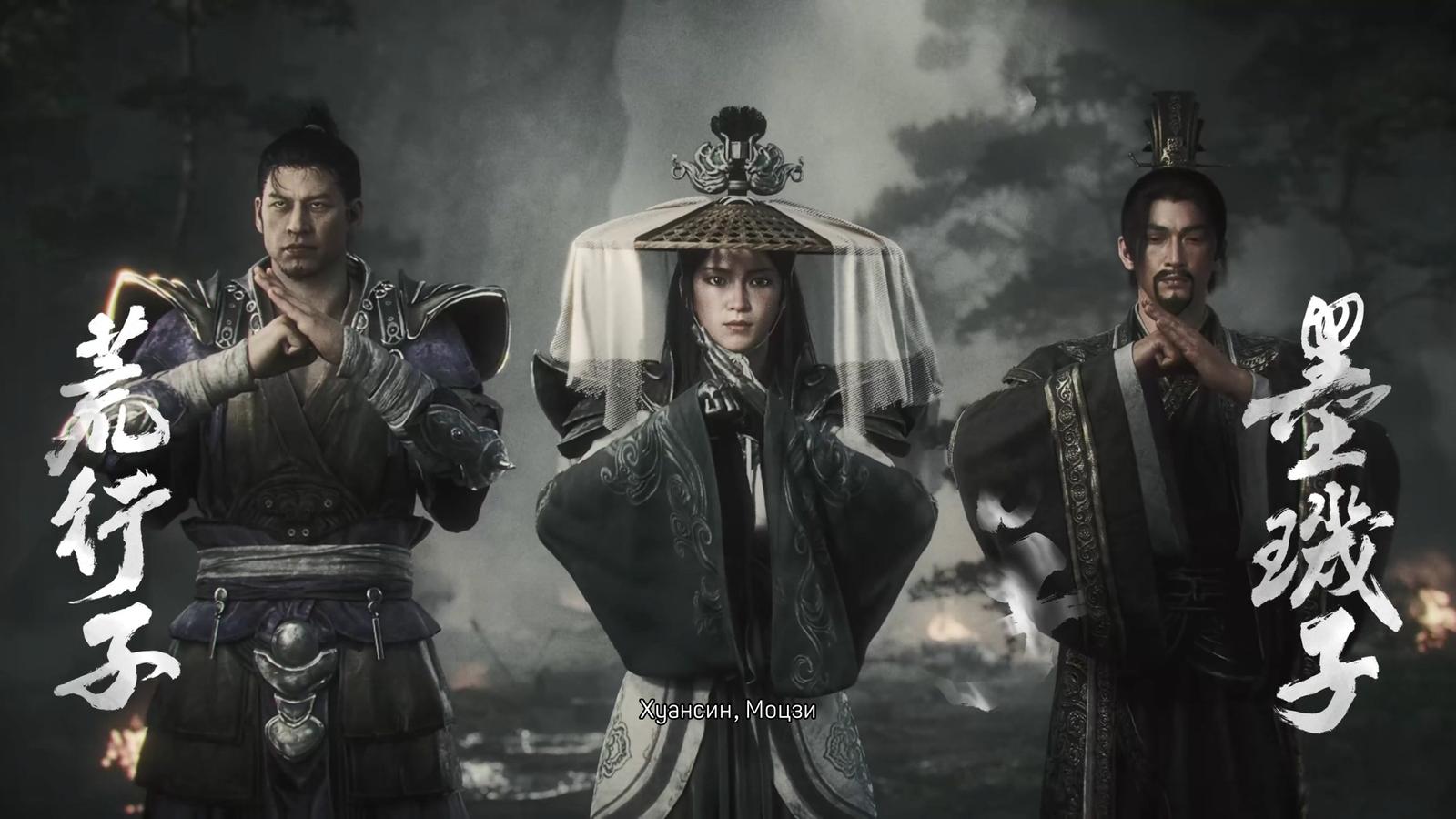
Admittedly, you can truly appreciate these stories only after gathering all the pieces and carefully studying the codex in the menu, because during gameplay the lore arrives in scattered fragments, mixed with unrelated storylines, Eastern philosophy, and esotericism, all seasoned with a barrage of Chinese names and terms. Making sense of it all proved quite challenging, even though I once thoroughly enjoyed tackling “Romance of the Three Kingdoms,” and spent the last New Year holidays reading “Journey to the West,” which I picked up following the release of Black Myth: Wukong.
In the latter, at least, the protagonist had a memorable personality, and the story rested on a well-known literary foundation. Soul, on the other hand, barely develops as an individual. He is your run-of-the-mill brooding swordsman who prefers to settle disputes with cold steel. Fortunately, his combat prowess is precisely what allows you to enjoy the adventure for a while.
Jack of all blades
At first glance, Phantom Blade Zero is easy to mistake for another soulslike. Gloomy locations, winding paths, shortcuts, and bells that serve as bonfires. At these bells, you can replenish health, refill your potions, upgrade your character, and fast-travel to other parts of the world.
However, that is mostly where the similarities to Dark Souls end. Here, you can select a difficulty setting, you keep your resources upon death, and defeated foes do not respawn. Exploring the world is also much safer: lethal traps and other environmental hazards are exceedingly rare—unlike in FromSoftware games, where the road itself often becomes an ordeal.
In terms of structure, Phantom Blade Zero is closer to a character action game with exploration reminiscent of God of War (2018) than to Hidetaka Miyazaki’s creations. Its combat system, meanwhile, tries to merge Sekiro’s parrying with a massive arsenal of kung fu techniques.
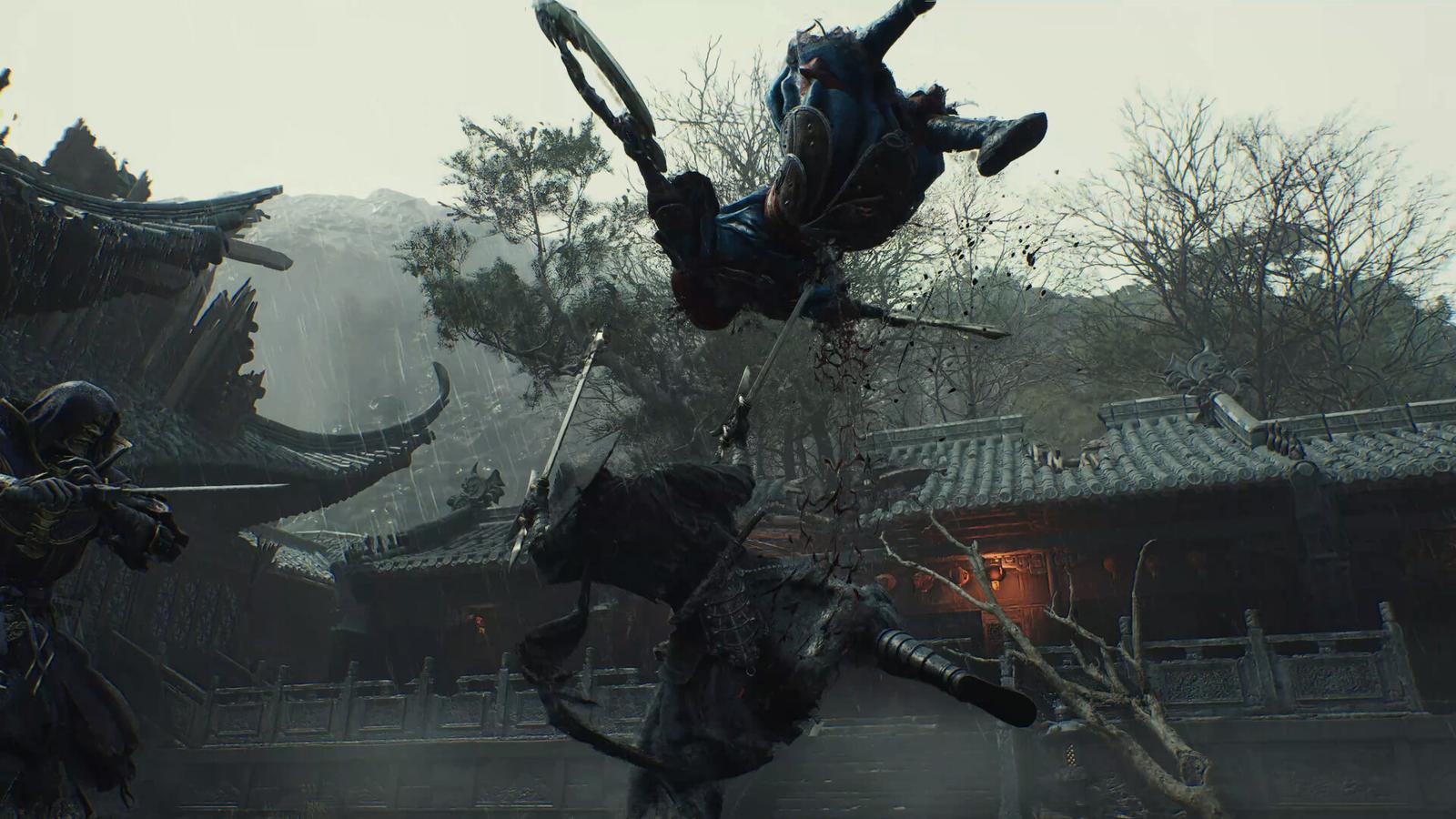
Combat revolves around light and heavy attacks. The former require no resources, while the latter consume Sha-Chi—the local equivalent of stamina. You can weave them into combos packed with acrobatics, spins, and dizzying pirouettes—every clash feels like a scene straight out of a martial arts movie.
The executions are particularly impressive. They vary depending on your weapon and enemy type, and there are so many of them that I saw some only once across my entire playthrough. Soul can also stealth-kill multiple enemies at once. All it takes is a brief quick-time event (QTE), and this capability is unlocked by default without needing a dedicated skill node. The animators went out of their way to make dispatching enemies look spectacular, even if stealth itself carries little practical value beyond adding variety.
Thankfully, all this acrobatic extravaganza does not interfere with responsive controls. During certain animations, Soul gains invulnerability frames, and regular weapon swings can be canceled with a dash to react in time to sudden enemy thrusts. The latter is vital, as select enemy attacks flash with colored cues: red must be dodged, blue must be parried. A successful parry or perfect dodge lets you slip behind the opponent’s back, drain their stamina, and land some free hits on their spine.
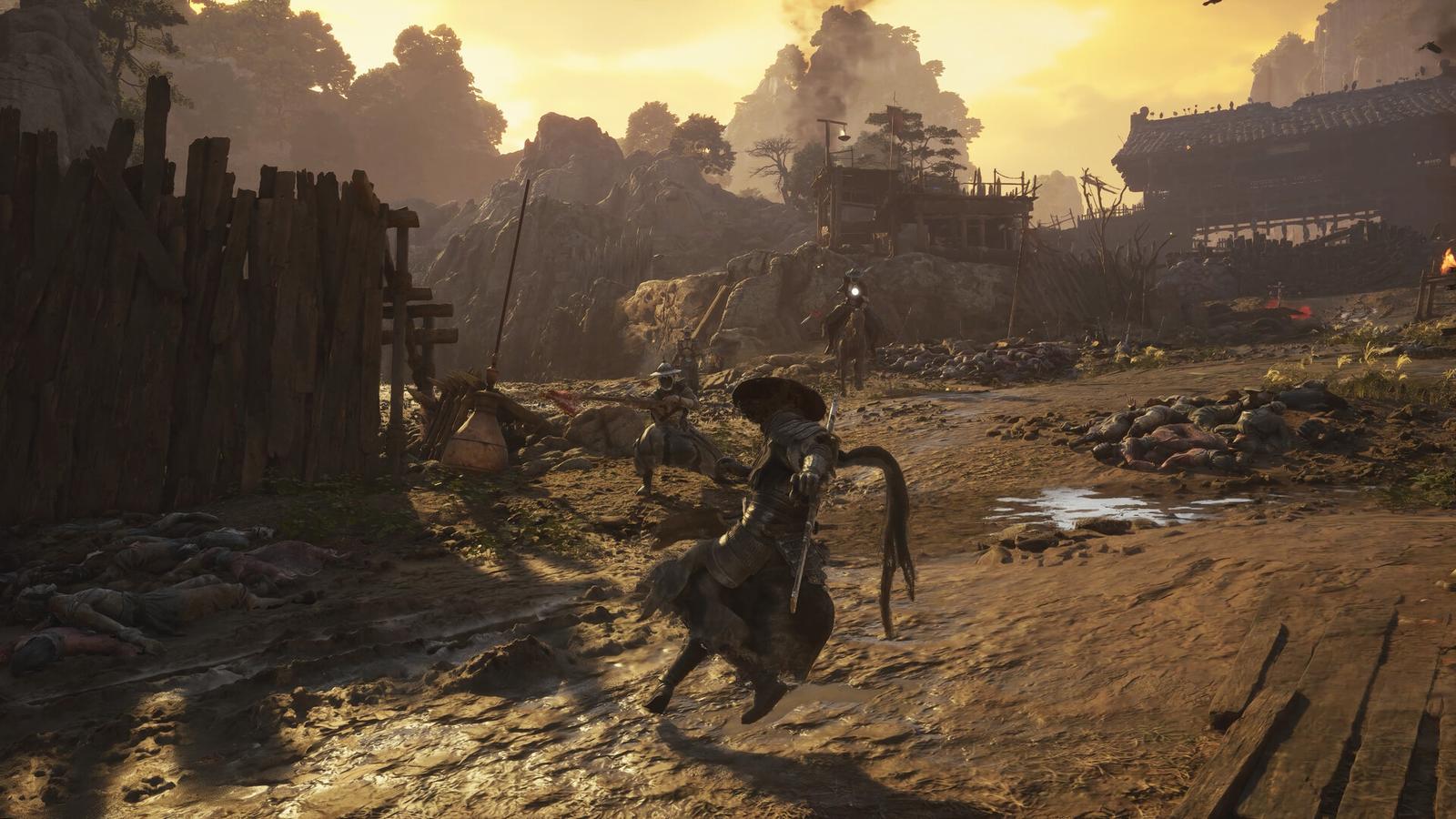
Furthermore, neither dashes nor parries consume Sha-Chi, unlike regular blocking. It would seem you can’t stay behind your guard forever, but here lies an interesting twist: in Phantom Blade Zero, stamina is tied not to the hero himself, but to his equipped weapon. Soul can carry two weapons simultaneously, and swapping between them restores Sha-Chi, allowing you to sustain your assault or defense without pause.
For some reason, many interpreted these mechanics as an invitation to play as passively as possible. Following the release, I read plenty of comments along the lines of: “This is basically an auto-battler! Just hold block, wait for the color signal, tap dodge or parry—no challenge, no momentum, pure boredom.” I even heard this from hardened soulslike veterans. But frankly, who is forcing you to play like that?
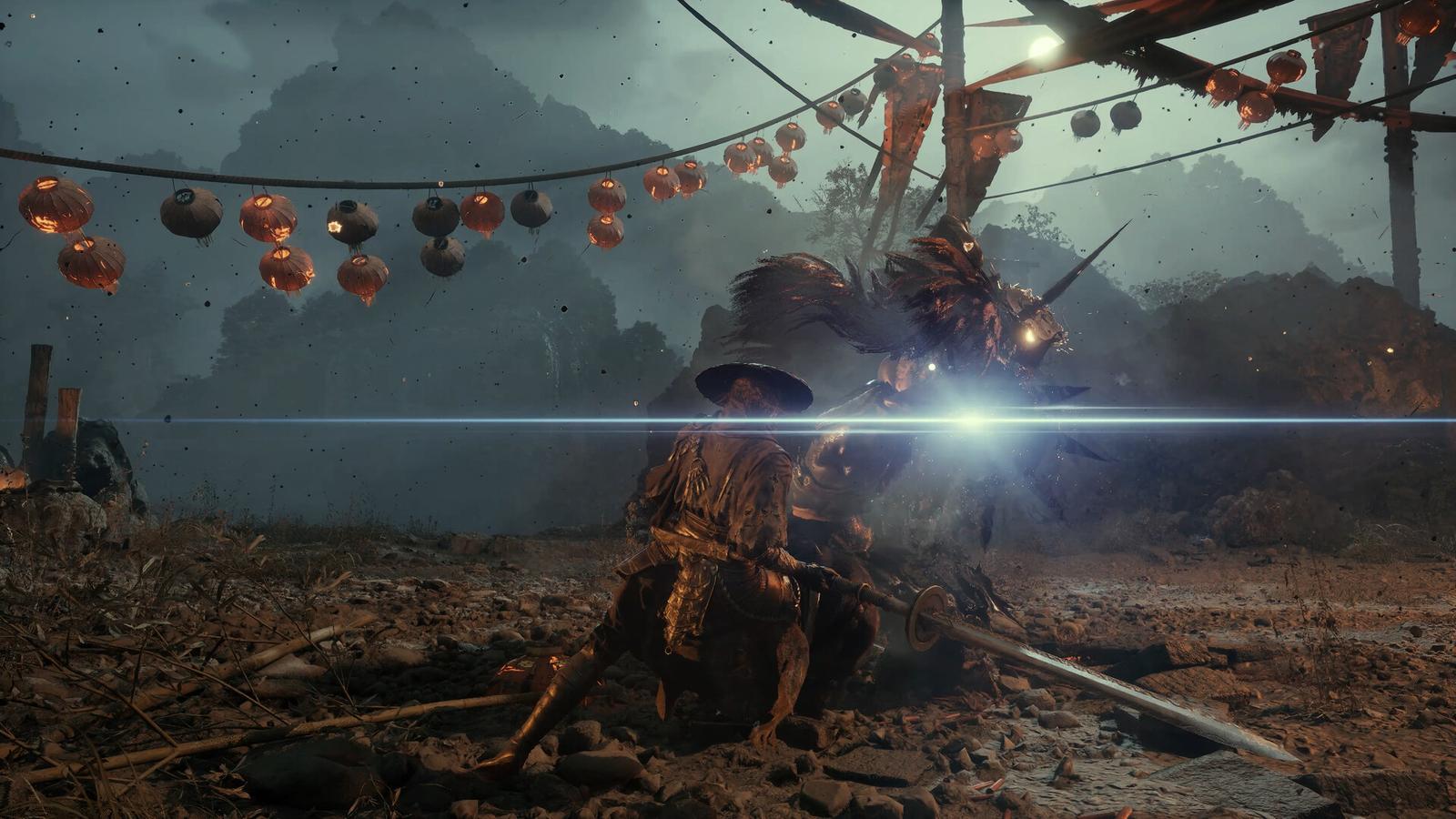
Instead of turtling behind a block and waiting for an invitation to fight, I favored the aggressive playstyle taught to me by Sekiro: constantly pressing the adversary, weaving parries and dodges directly into my own attack strings. A strike, a clash of blades, another strike—deflecting incoming hits without breaking rhythm. Waiting for colored flashes is completely unnecessary: regular strikes can be parried just as easily, and every parry chips away at the enemy’s poise.
Weapon switching turns your offensive into a relentless meat grinder: burn through your Sha-Chi with heavy moves, swap to the second blade, and keep hammering your foe. What’s more, a passive waiting strategy seems especially questionable given that at least some bosses tone down their aggression when the player retreats into defense. So much for dynamic combat!
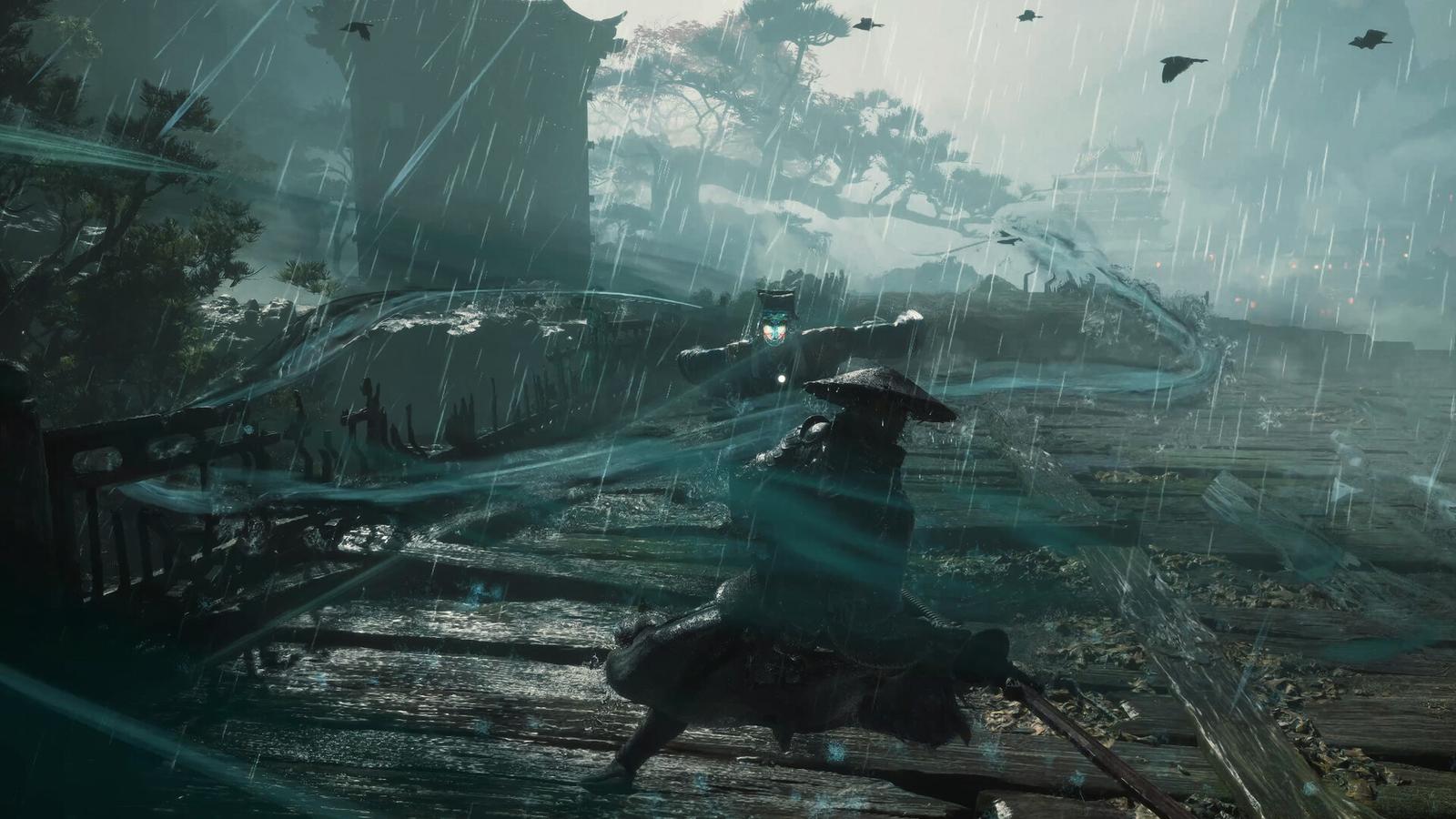
Make no mistake, the encounters here don’t quite match the explosive pacing of Sekiro, but they feel genuinely sluggish mainly in the early hours. As you master the combat system, level up your character, and put together a cohesive build, that feeling gradually dissipates—assuming, of course, you don’t reduce your gameplay to a game of tag with red and blue flashes. Personally, five hours in, I bumped the difficulty from normal to hard: enemies were dropping too quickly, and I wanted them to finally push back.
Early on, excitement is also fueled by the staggering variety of weapons: throughout my playthrough, I discovered 25 primary weapons and 22 phantom claws, with two more remaining undiscovered according to in-game statistics. Primary weapons are divided into one-handed, two-handed, and dual-wielded types, each with its own animations, combos, and special traits. Listing them all would be crazy, but for instance, the “Crimson Phantom” causes exploding spider lilies to sprout from the ground, “Freezing Heat” lets you cycle through three elemental forms, and the “Zealot’s Drunken Sword” allows you to fight in the drunken master style.
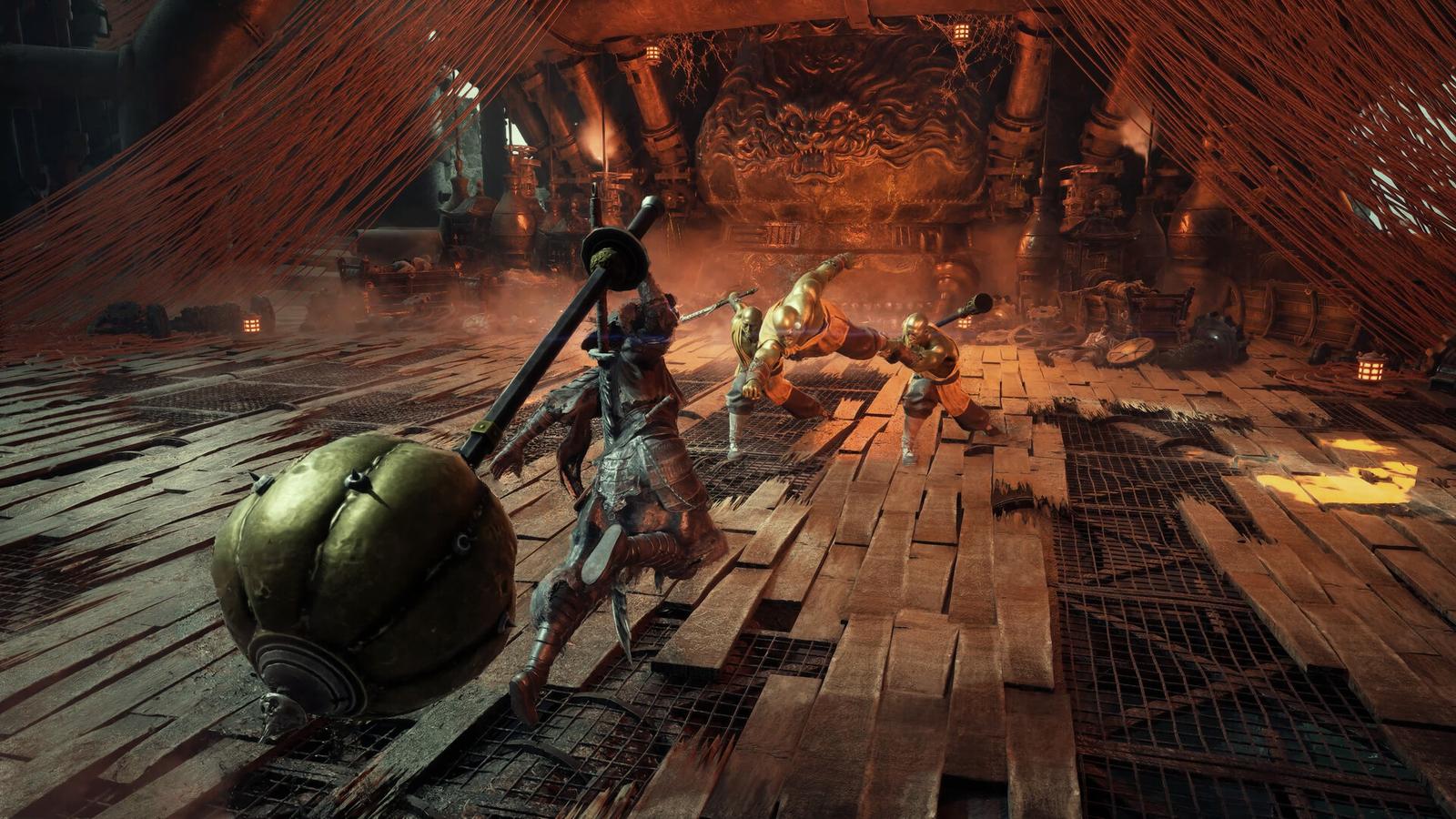
Phantom claws serve as auxiliary tools that consume a dedicated resource—“sparks of consciousness.” Here you get iron gauntlets for breaking shields, a fan that creates a healing zone, prayer beads that summon monks for support, and more.
Moreover, the “Qi Flow” talent unlocked on the skill tree allows you, under certain conditions, to trigger many claws for free during flashy counterattacks and finishers—naturally, with their own unique animations. For instance, equipped with the thunder spear, Soul leaps high into the air and crashes down upon his target like a bolt of righteous lightning.
Throw in three talent branches, accessories, healing potions with passive perks, and the ability to reallocate your upgrade resources virtually without loss. On paper, it looks like a paradise for players who love experimenting with combat.
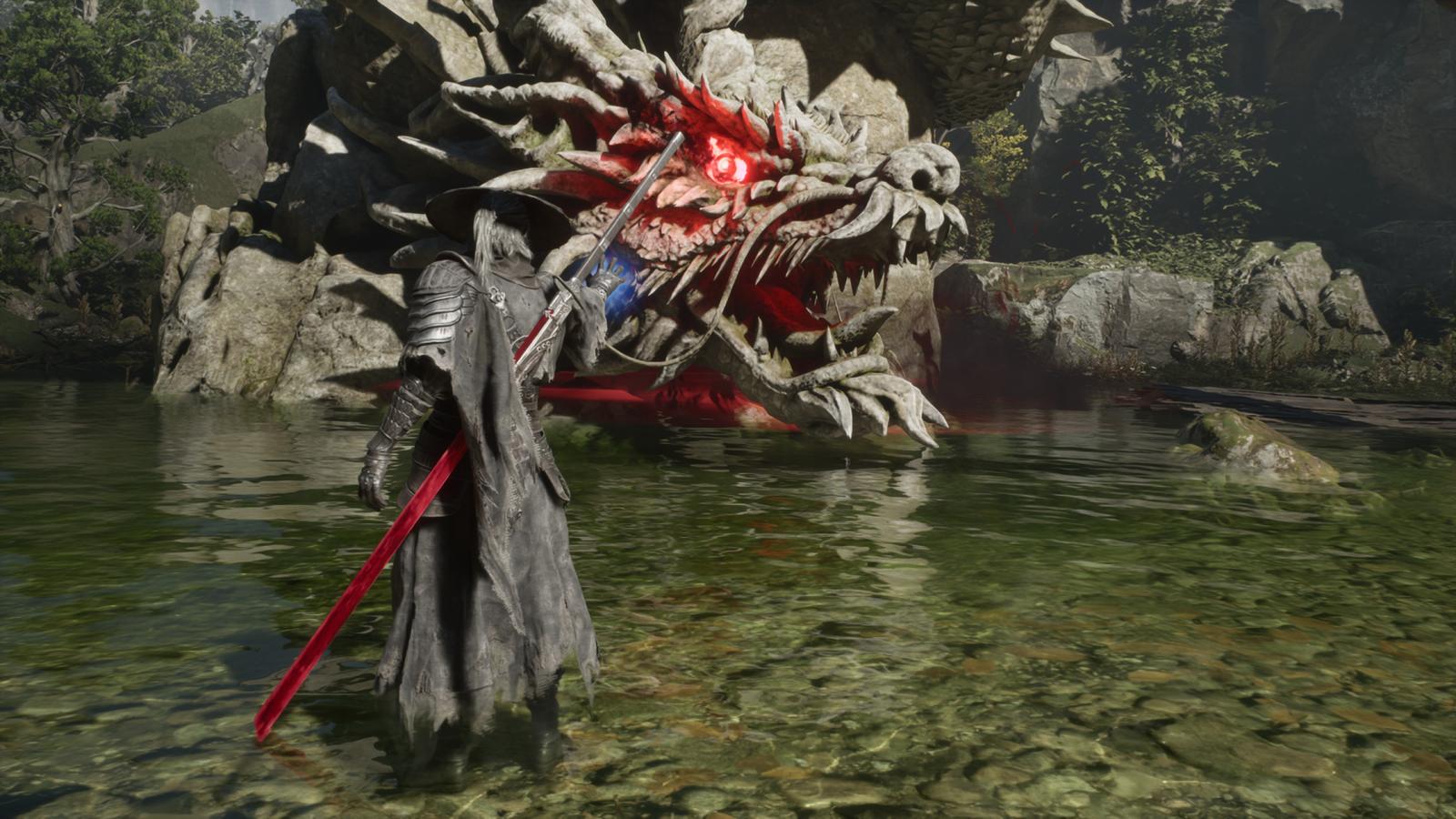
Yet—and there is always a “yet” here—why give me this massive armory if the game almost never forces me to use it? You can find a fire-imbued sword, bring it against an ice boss, and discover that it offers virtually no noticeable advantage. You can spend hours crafting an intricate setup of weapons, accessories, and phantom claws for a marginal edge, or you can simply take any blade and chip away at any boss until they fall. In the end, that is exactly what I did.
Every new weapon elicited roughly the same sequence of reactions. First, pure delight: look at the craftsmanship, the fluid moves, how stylishly the hero wields this thing! Then a few skirmishes later, the novelty would head straight to my inventory to gather dust, while I returned to my trusted dual swords that summon wind and lightning. In the second slot, I permanently kept a two-hander with lifesteal—just in case I ran out of healing flasks.
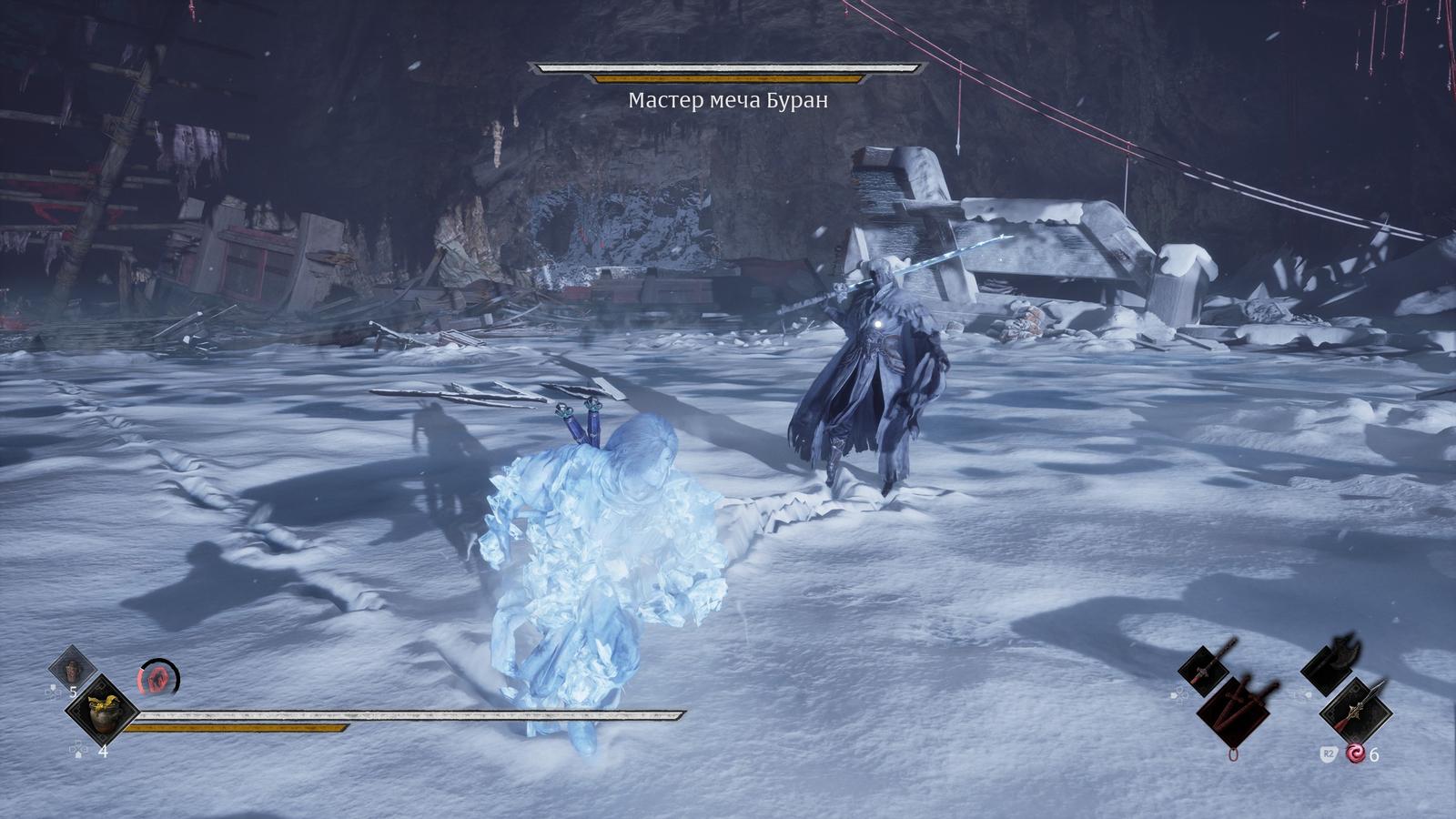
Still, the main issue isn’t just the lack of incentive to experiment. Different weapons change the visual spectacle on screen, but not the tactile feel of combat itself. Sure, blades vary in speed and reach, but the developers grew so enamored with martial arts aesthetics and flashy choreography that they completely overlooked physical hit feedback. I understand that weightless motion is a hallmark of wuxia, but in a game where the player needs to feel like an active participant rather than just an observer, this approach falls flat.
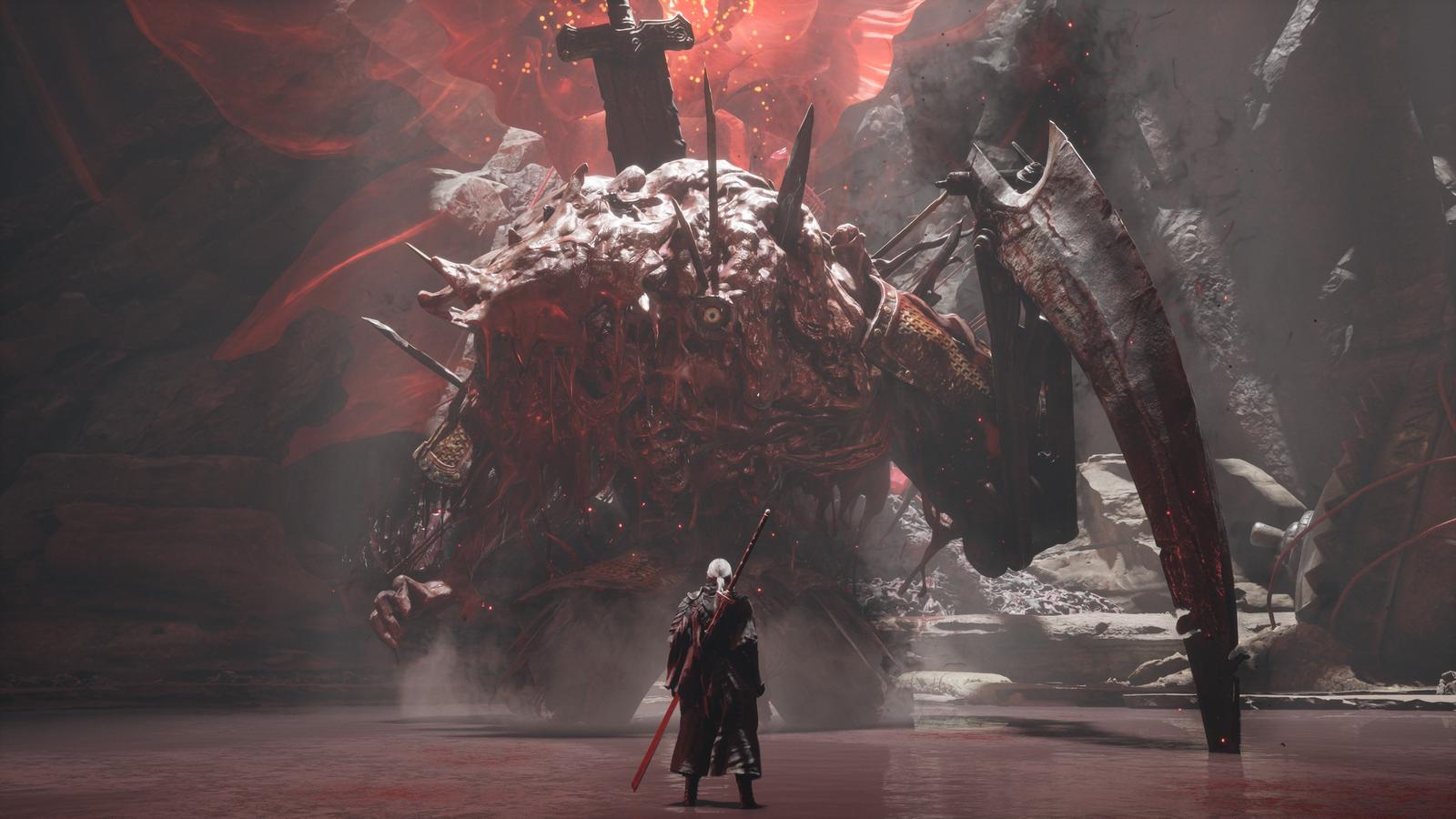
Perhaps all of this could be overlooked if bosses weren’t the centerpiece of Phantom Blade Zero. There are over 60 of them, occasionally appearing every five minutes, yet quantity, unfortunately, fails to yield quality. Outstanding cinematic clashes with key adversaries are interspersed with rudimentary duels—mostly against buffed regular mobs and humanoids wielding melee weapons.
Ultimately, everything blurs into an endless cascade of parries, colored flashes, and visual effects. Meanwhile, bosses that demand stepping outside the standard loop of attacking, parrying, and dodging—such as diving for cover from a fatal strike or tailoring a specific sequence of blows to prevail—can be counted on one hand. In fact, I can recall only two, and you have to fight the second one five times across the campaign.
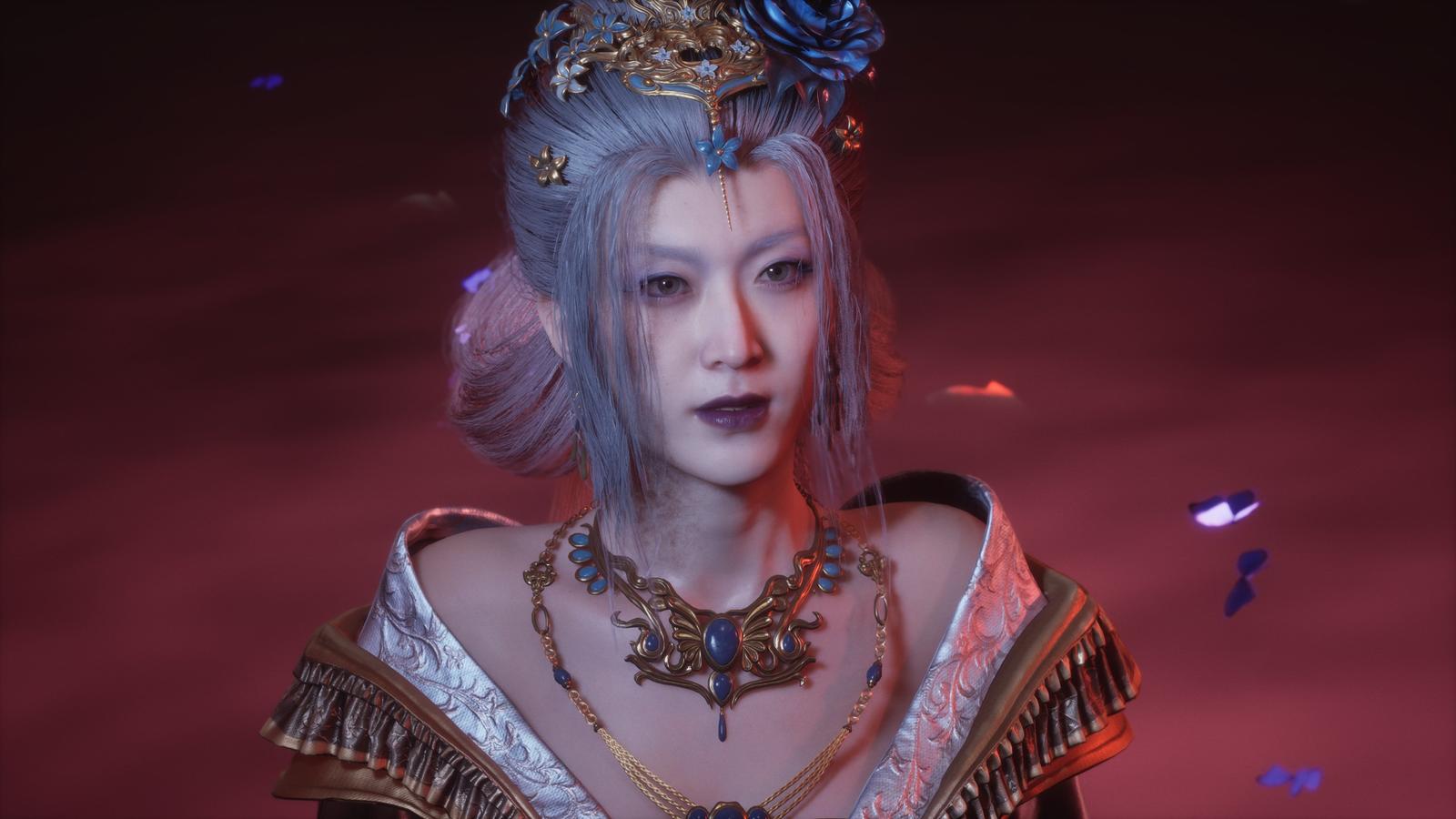
The payoff for a successful parry chain during boss fights also disappoints. While a standard enemy can be wiped out with a cinematic finisher once their poise breaks, a boss merely freezes in place while recovering stamina, letting you wail on them with impunity. The tension instantly evaporates: for the next few seconds, neither focus nor sharp reflexes are required.
On top of that, the difficulty curve swings wildly from one extreme to another. You might dispatch one boss on your first attempt, only to get stuck on a major story encounter for an entire hour. The difficulty is dialed up primarily through sheer attack frequency, without substantially altering the rhythm of the encounter. On the plus side, multi-phase battles are forgiving: upon death, you restart at the most recent phase rather than the very beginning.
One might argue that Sekiro was also built around repeating a limited set of actions. But that is precisely where the difference lies. In Sekiro, every deflected strike, every exchange of blows, and especially the decisive deathblow delivered pure satisfaction on their own. Onimusha: Way of the Sword operates on a similar principle. Both titles boast far more modest arsenals and abilities, yet they know how to make mastering repetitive actions genuinely engaging.
In search of lost purpose
Outside of combat, Phantom Blade Zero offers a fairly sizeable world spanning eight regions. Seven of them are available for thorough exploration, while the final one is reserved exclusively for the climactic battle.
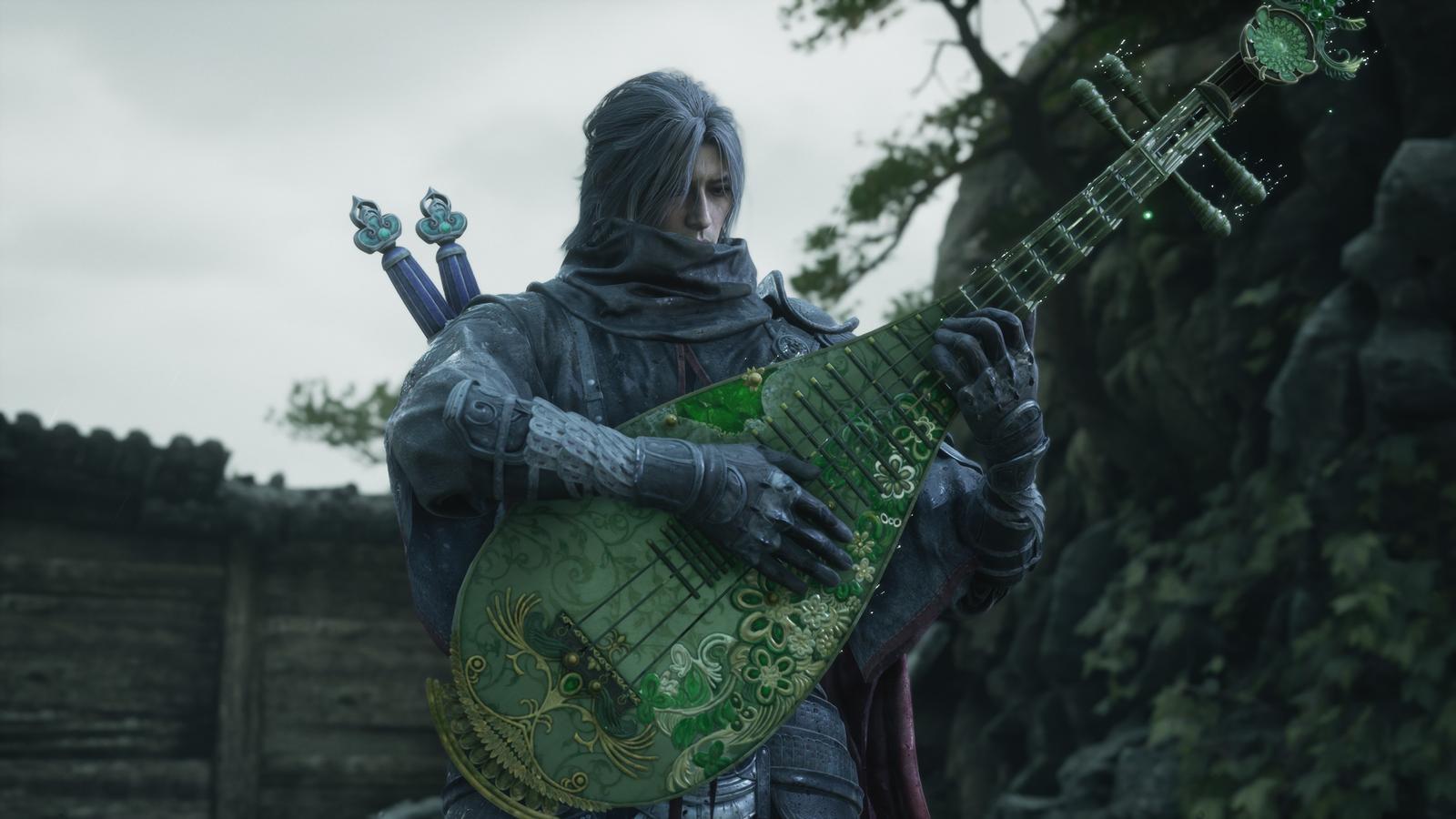
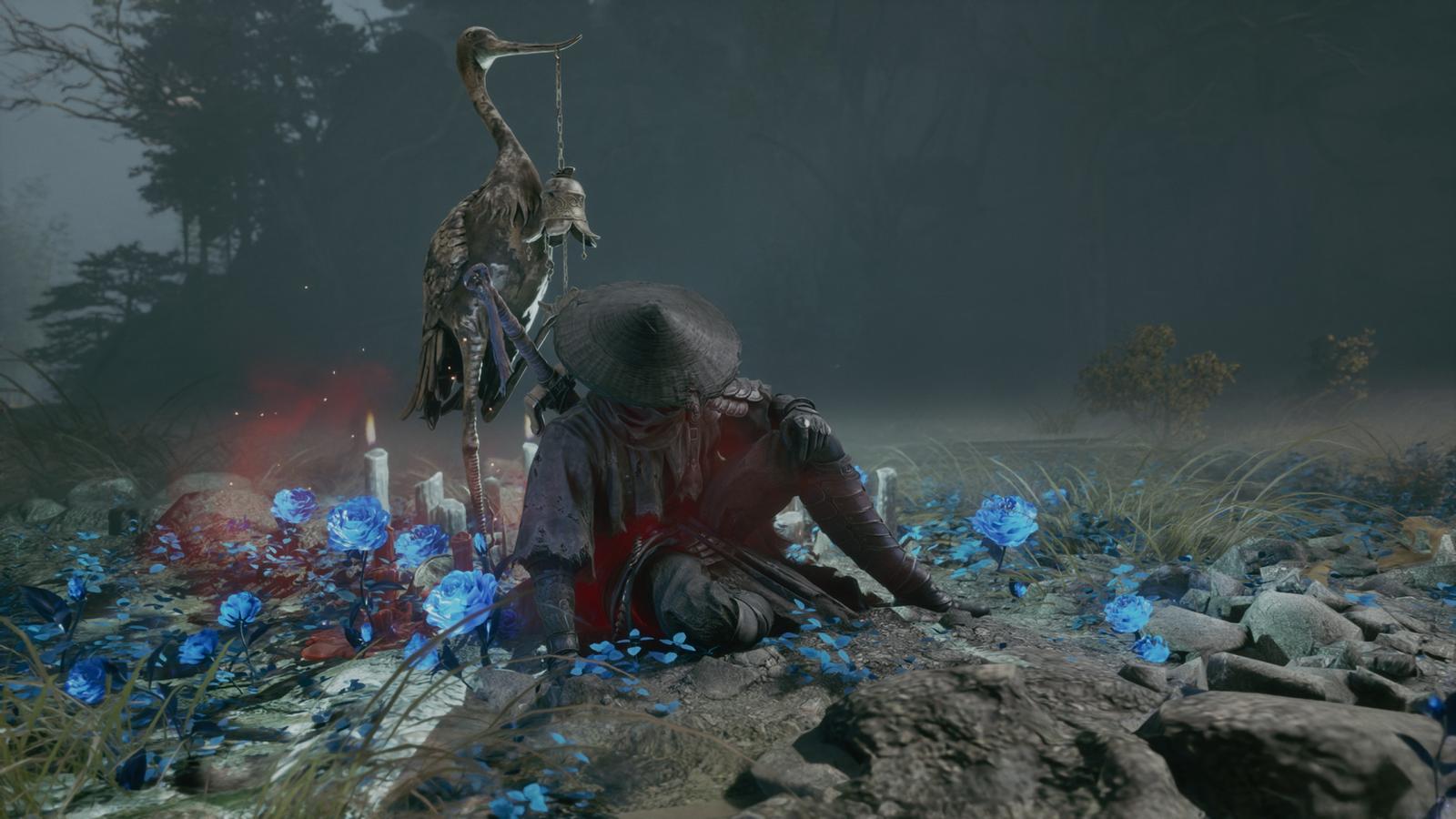
While there is no shortage of the overused drab brown-and-gray Asian palette, at times the game looks stunning—certain vistas practically beg to be captured as desktop wallpapers. Autumn groves ablaze with scarlet foliage, snow-covered hamlets, moody city alleys lit by paper lanterns, grand pagodas sacrilegiously repurposed into puppet assembly lines—there is plenty of visual wonder here.
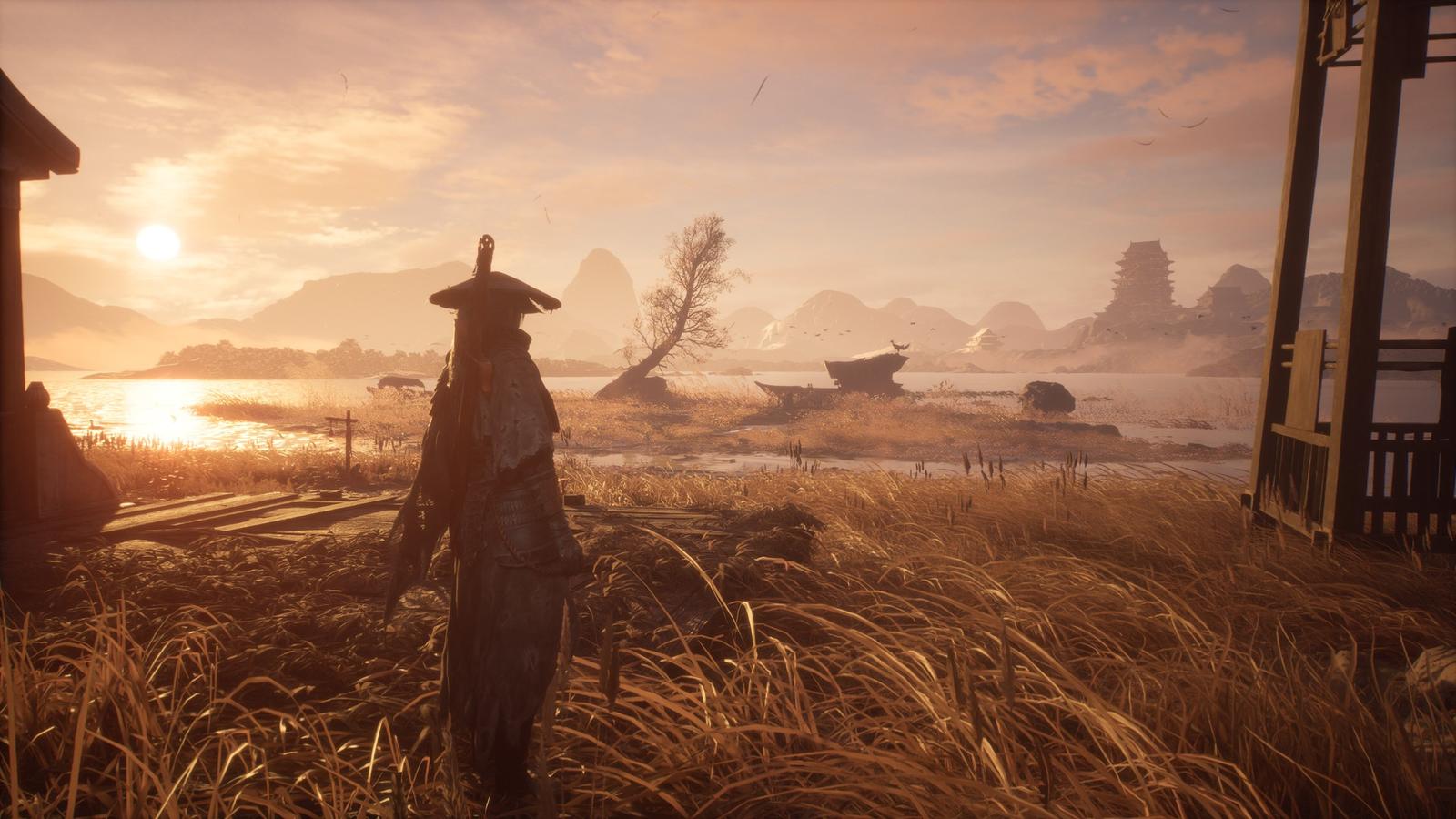
The soundtrack follows a similarly uneven trajectory. While wandering through areas, traditional Chinese instrumentation plays in the background, sometimes missing the atmosphere entirely. During boss fights, however, the music explodes with aggressive beats, electric guitars, throat singing, and even dubstep. Trust me, once you hear it, you’ll agree that this is exactly what “kung-fu punk” ought to sound like—the track Asura of Wrath and Hatred especially burned itself into my memory.
On a technical level, performance is acceptable, though not without blemishes. Without ray tracing enabled, shadows in bright areas occasionally dissolved into a pixelated mess, which led me to keep it on. Stuttering also occurred during transitions between areas—despite a twenty-minute shader compilation step on the first launch.
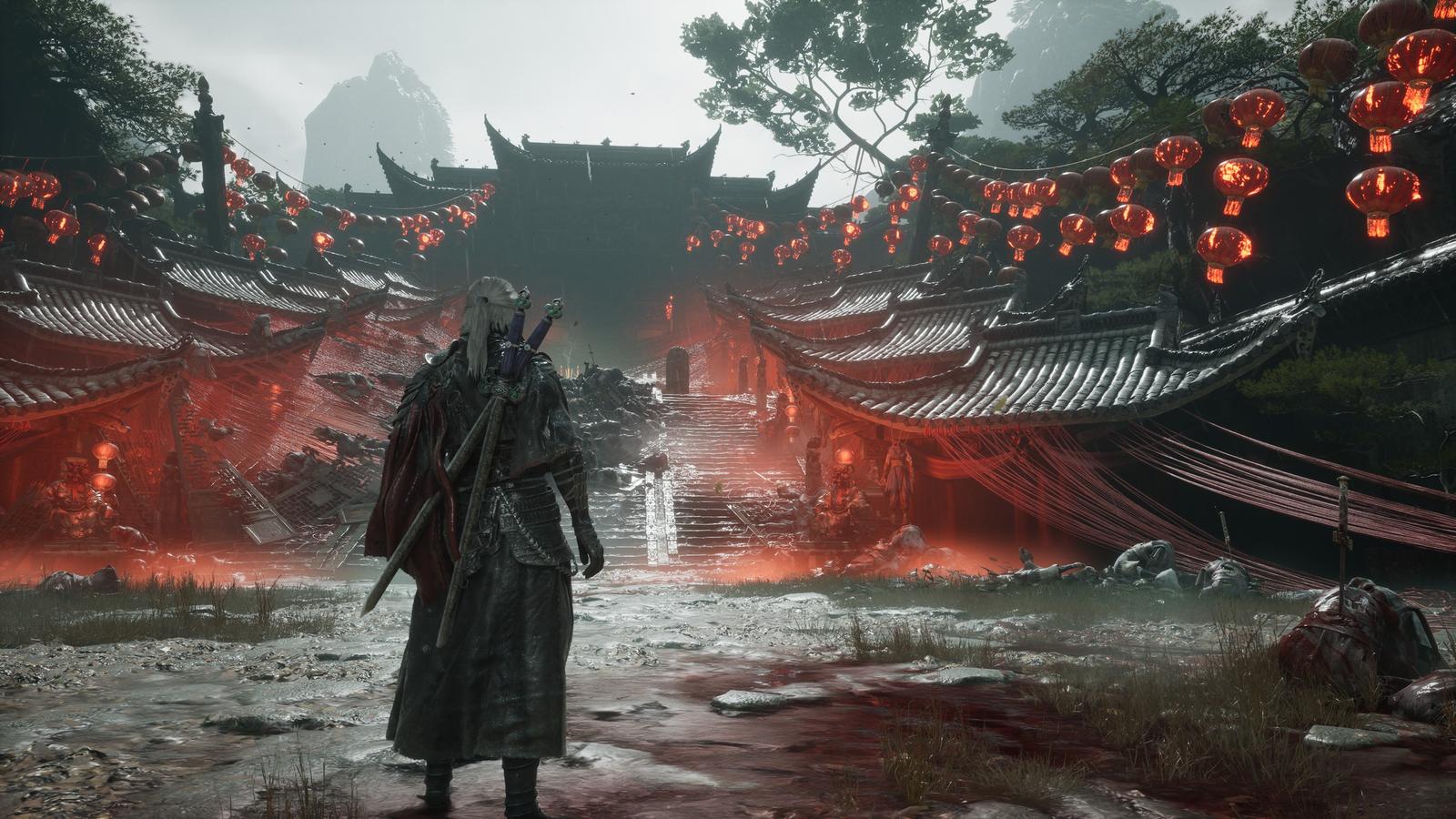
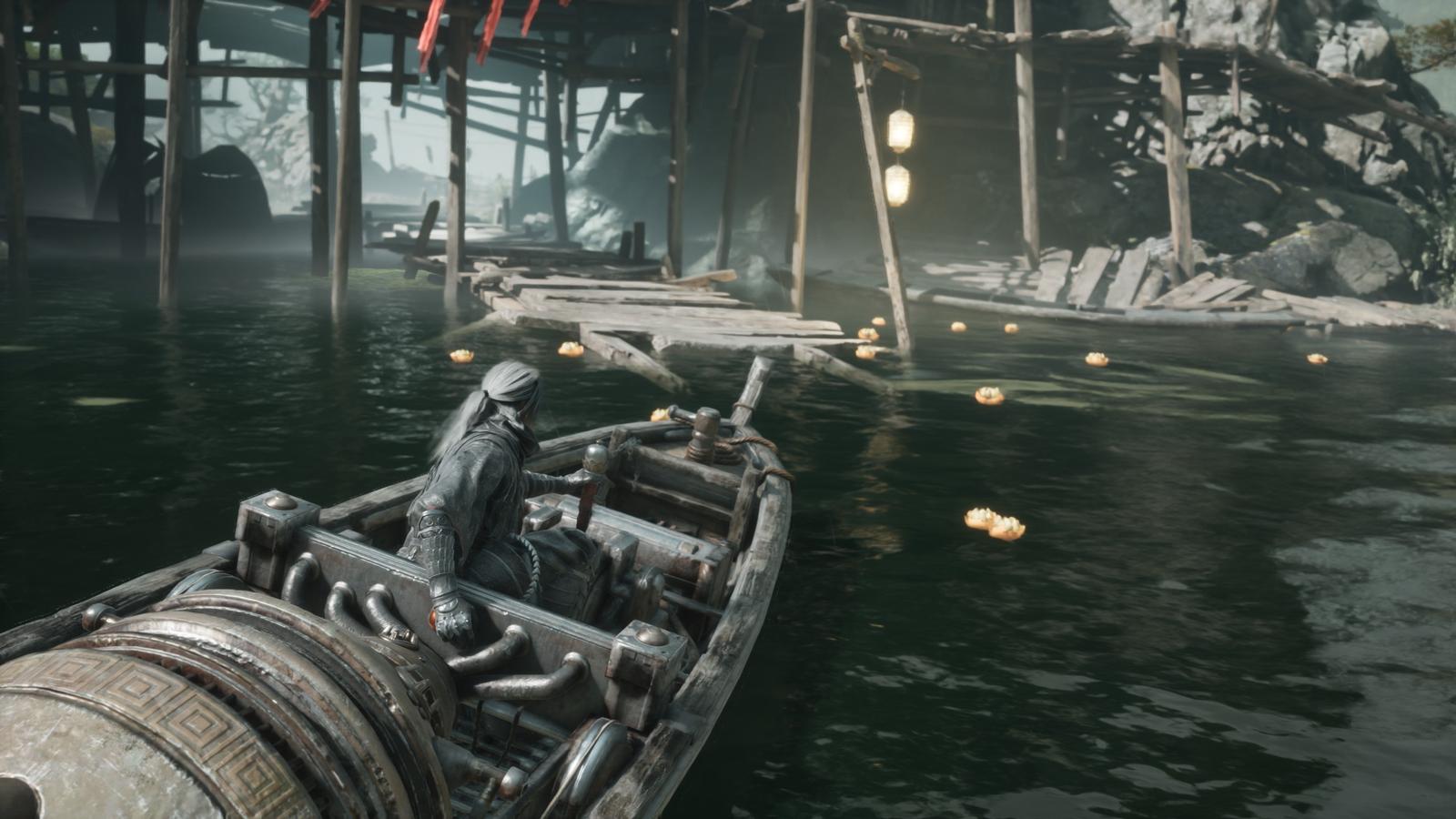
At first, you explore these scenic environments via straightforward corridor paths, but as you press forward, the level design grows more layered and engaging. You encounter branching routes, multi-tiered paths linked by shortcuts, and lake crossings where you navigate by boat—much like God of War (2018). Off the beaten track lie hidden secrets, optional bosses, and numerous side quests, some of which unlock the path to the true ending. Bypassing them and sticking strictly to the main story means missing at least a third of the content, if not more.
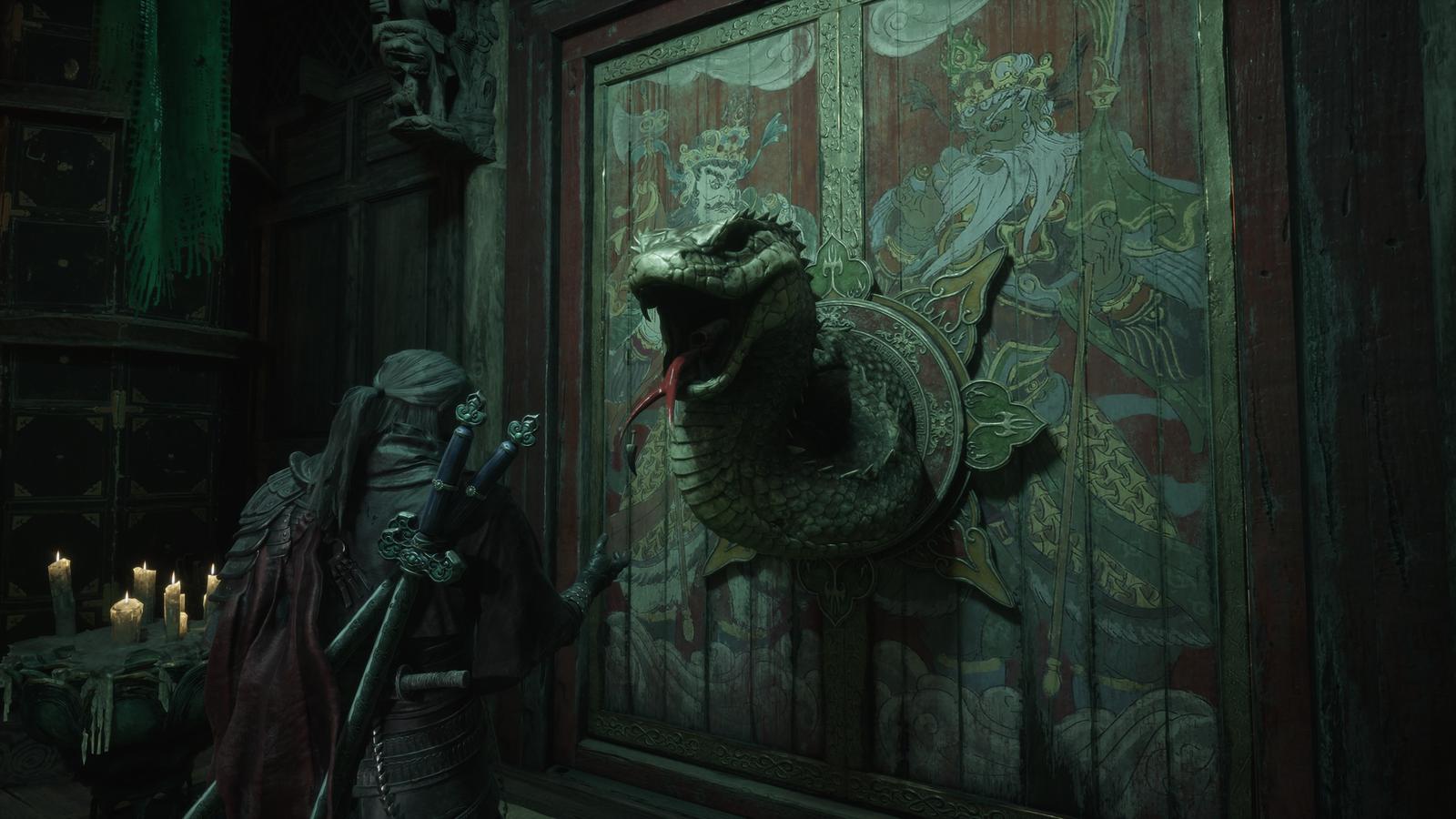
Granted, some areas cannot be accessed right away—you’ll first need to obtain the corresponding phantom claw. An axe severs heavy chains, a grappling hook reaches anchor points, a shield lets you cross through hazards, and a dragon’s maw puts out fires—there is no shortage of utility gadgets.
Nevertheless, I wouldn’t go so far as to call Phantom Blade Zero a “3D metroidvania.” Everything here boils down to a rudimentary lock-and-key system: grab a new gadget, backtrack to the barrier, pick up your loot. In a well-crafted metroidvania, a fresh upgrade reshapes how the player engages with the environment. Previous locales reveal unexpected depth, familiar routes feel different to navigate, and layering distinct abilities opens up new possibilities. None of that is present here.
Furthermore, as mentioned earlier, enemies here do not respawn. On one hand, that’s convenient: you don’t need to clear familiar zones all over again. On the other hand, equipped with your new gadget, you simply jog through deserted streets back to an obstacle you previously couldn’t bypass. Instead of the thrill of rediscovery, you get tedious legwork, making the whole mechanism feel like an artificial way to pad playtime. Removing it entirely would have only benefited the game’s momentum.
Initially, however, I was willing to overlook this backtracking. During the opening hours, I genuinely wanted to inspect every nook and cranny, try out new weapons, tailor accessories to my build, and spend gathered supplies on enhancements. But by the midpoint of the journey, my favorite swords were already maxed out, new discoveries didn’t alter combat dynamics, and upgrade materials steadily piled up without a clear use.
Out of habit, I kept unlocking chests, completing side quests, and downing optional bosses. Yet more and more often, after hours of poking around, I realized I hadn’t found a single item worth using. Naturally, the question arose: why am I even doing this? Is it worth spending ten minutes on another detour? What is the point of returning to a cleared zone or tackling another side boss when the reward will almost certainly end up gathering dust in the inventory?
In the end, I stopped looking for answers and chose to simply push toward the credits. That was when little irritants I previously brushed aside began to grate on my nerves. Take, for instance, the inability to pick up items during combat. Picture this: you need to grab a quest objective, but the game won’t let you interact with it as long as an enemy remains nearby. You have to sprint across the entire zone, track down an archer perched on a ledge, eliminate him, and trek all the way back for your loot. Yes, this rule was in place from the start, but when you no longer want to fight even basic mobs, such friction becomes infuriating.
Perhaps this scenario best sums up my relationship with Phantom Blade Zero: as the credits approached, the game didn’t become worse—it simply kept spoon-feeding me the exact same dish for far too long, until I could stomach it no more.
Verdict
An old Chinese proverb says: “To master a hundred arts poorly is worse than mastering one to perfection.” It captures precisely why Phantom Blade Zero left me with such mixed feelings. S-GAME has crafted an ambitious, visually arresting action game with an enormous arsenal, over 60 bosses, and a world brimming with secrets. Yet a single katana in Sekiro or Onimusha brought me more joy than dozens of blades found here.
For the first 15–20 hours, I gladly mastered the combat mechanics, experimented with various weapons, and roamed the regions. After that, however, the game started repeating itself, offering no fresh incentives to keep going. New finds lost their luster, combat grew wearying, and I pushed through to the true ending mainly out of sheer stubbornness and professional duty. Honestly, I could have saved myself fifteen hours without changing my final impression in the slightest.
Patches cannot fix Phantom Blade Zero’s core shortcomings. Technical hiccups can be ironed out, but the issues with pacing, loot value, map flow, and hit feedback will hopefully be taken into account for the studio’s next project. Phantom Blade Zero must be taken as it is: bloated, visually striking, yet not always justifying the time investment. So, if you haven’t played Onimusha: Way of the Sword yet, spend your money there first. You won’t find better swordplay this year.
Never miss our newsAdd this site to your preferred sources to see us more oftenAdd on Google