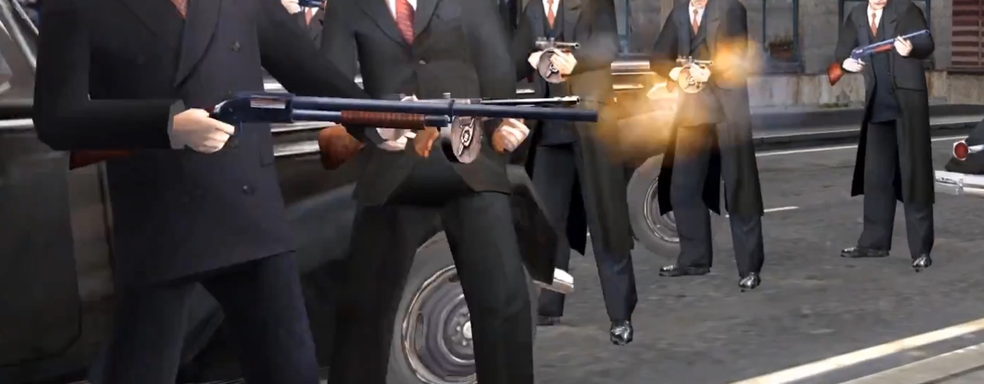
Joining This Family Means Abandoning the Old One: How Hangar 13 Reinvented "Mafia"
With the release of Mafia: The Old Country, the series has finally taken on a new form, all thanks to the developers at Hangar 13. What was "Mafia" originally, and what has it become now? Has this been beneficial? Find all the answers in our new article.
To understand how the series has evolved, we need to trace its path from the very beginning, when it was still under the guidance of the Czech studio led by Daniel Vávra.
A Profound Original
The first installment, Mafia: The City of Lost Heaven, was released in 2002 on PC and in 2004 on PlayStation 2 and Xbox consoles. The development was handled by Illusion Softworks, with Daniel Vávra, the future creator of Kingdom Come: Deliverance, serving as the game designer.
Vávra's approach to development stands out among other studios to this day. In his games, the Czech bon vivant loves to create a deep atmosphere, reinforcing it with unusual, atypical mechanics. Many players dislike them or consider them superfluous, and most developers avoid them. But not him!
We're talking about the routine activities that the game forces the player to engage in. Yes, it forces them to better reveal the characters and their journey: working as a taxi driver or hauling crates at the port. To taste the hardships of an honest life, so to empathize with the character who will embark on the thorny path of crime. This approach strongly contrasted with Grand Theft Auto III, released around the same time, which offered players concentrated gaming madness with arcade shooting and driving. This difference probably allowed the project to stand out among the many GTA clones, as "Mafia," despite many opinions, never was one.
The gameplay of Mafia: The City of Lost Heaven was clunky and simulated, though in many ways it resembled the aforementioned GTA 3: third-person view, a large (by 2002 standards) open world; the ability to steal and use any car; shooting felt different. Unlike GTA, it was necessary to obey traffic laws, otherwise the police would fine you if they noticed speeding or running a red light. The same applied to taking damage during shootouts; the hero would quickly be sent back to the save point after a couple of well-aimed shots.
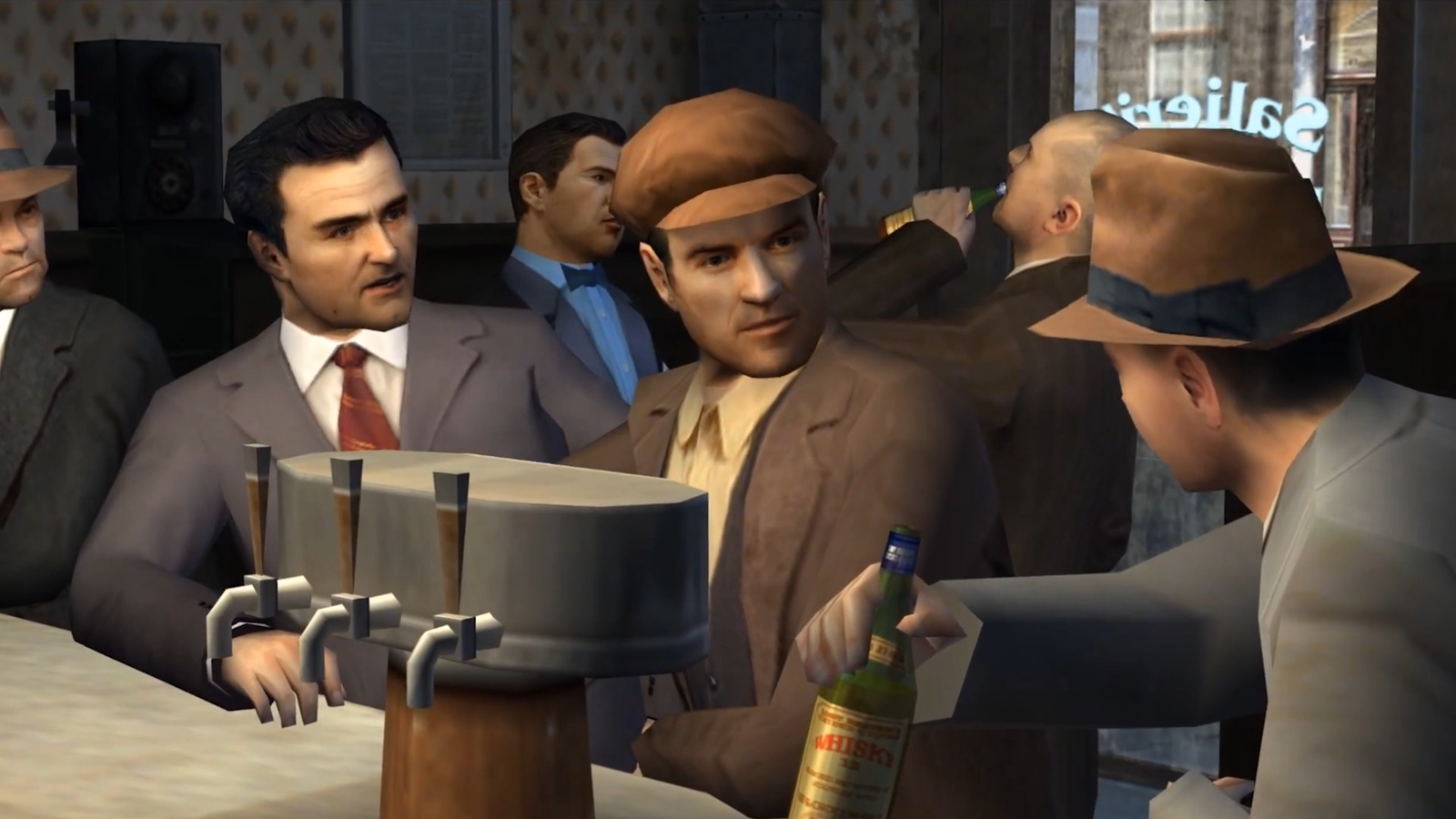
In addition, the atmosphere and story were captivating, crafted in the style of the best mafia novels. The plot told the story of a man named Thomas Angelo, living in the city of Lost Heaven during the Great Depression, from 1930 to 1938. He works as a taxi driver and barely makes ends meet until one terrible evening when he becomes an involuntary participant in a shootout between two mafia groups: the Salieri and Morello clans.
Being effectively taken hostage, Tommy helps the Salieri fighters, for which the next day he is beaten by the Morello family, his taxi is smashed, and he is forced to seek help from the Salieri family. From this moment begins Thomas's long journey in the criminal world, which ends eight years later when he decides to turn in his boss to the authorities.
Despite some shortcomings, mainly related to character development, the story was famous for its depth: the plot had an important philosophical subtext, making the player think, and it was embellished with subtle symbolism, enhancing the impressions. Here you can pay attention to the name of the city, Lost Heaven, and the protagonist's last name, Angelo, i.e., "Angel."
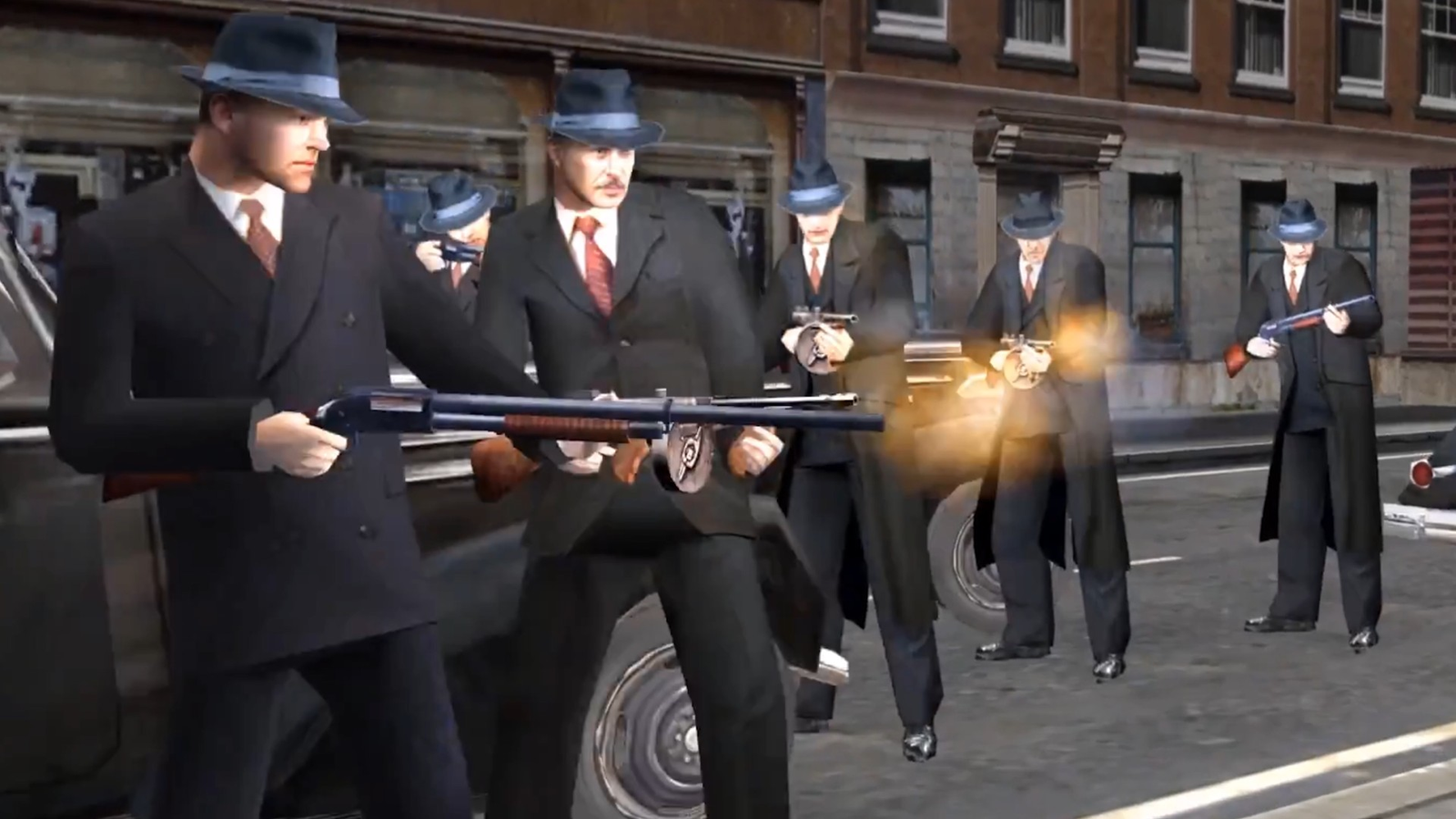
The Unfortunate Sequel That Succeeded
The development of Mafia II was delayed; the sequel was released eight years after the original, in 2010. The game's creation began almost immediately after the release of the first part. Rumors appeared in 2003, and initially, it was supposed to be an add-on, but the developers quickly realized they wanted to "aim for something new."
The protagonist of the second part was Vito Scaletta, and the plot unfolded in the 1940s and 50s. In childhood, Vito and his family immigrated to the American city of Empire Bay from Sicily but ended up in a real ghetto and on the brink of poverty, which led him down a slippery slope. Together with his friend, Joe Barbaro, they went "on a job," but Vito was unlucky and got caught. He was faced with a choice: prison or the army, which was recruiting natives of Sicily to land there at the height of World War II. Vito chose the latter.
After being wounded and returning home, Vito meets Joe again, and they return to the criminal world. If the first part carried a subtle philosophy of life, the second game showed ordinary people who fell into the criminal world. They find themselves in extreme situations, make mistakes, strive to grab as much as possible, and become enemies to their own family. And even because of their impulsiveness and desire for revenge for a friend, they unleash a war between the Italian and Chinese mafias.
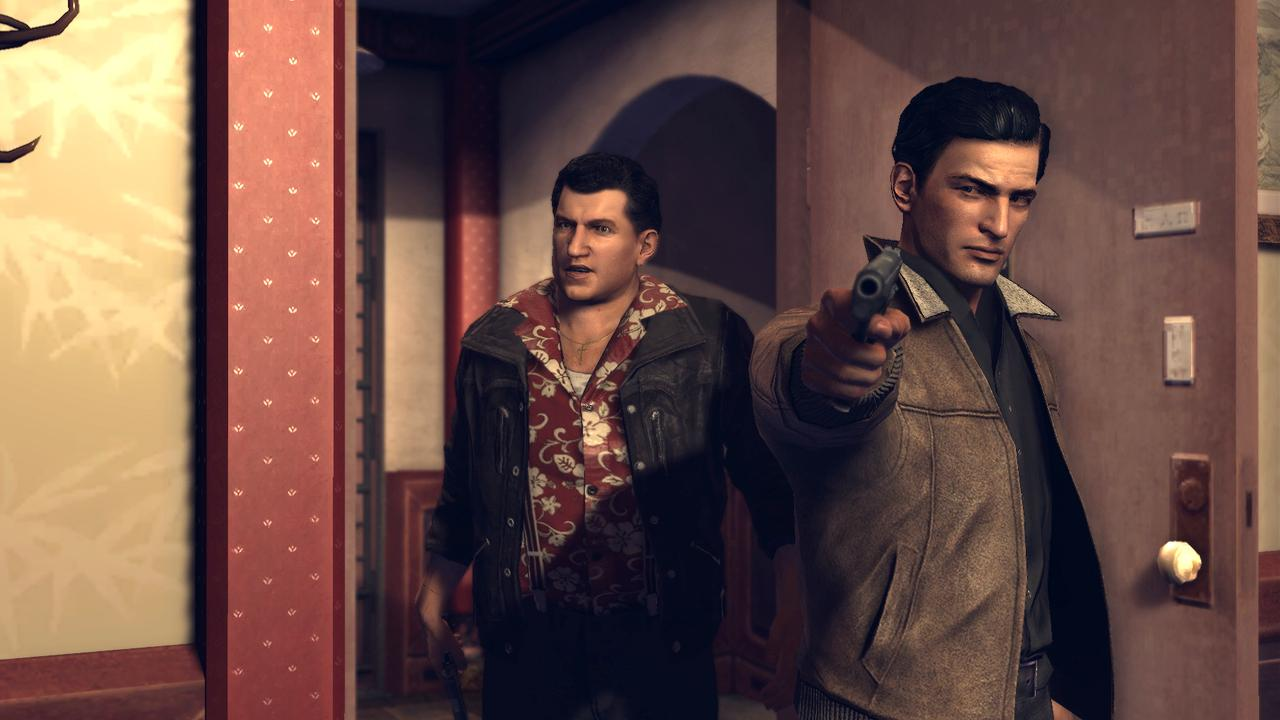
The gameplay of the sequel was not fundamentally changed; they added, perhaps, the mechanics of hand-to-hand combat, but significantly modernized it. The difference between the first and second "Mafias" perfectly demonstrates how quickly technology grew at the beginning of the century. If you can't look at the original today without tears, the sequel plays well to this day, although it feels outdated in places. Not like the stagnation we see today in the gaming industry and technology.
The routine in the game remained, but it was presented a little differently: for the first time, after returning from the front, Vito lived with his mother and tried to help her, after which he realized: "You can't always rummage through leftovers, you have to come up with something." And the first tasks in the ranks of the mafia, as expected, did not shine with drama and epicness; it was the most ordinary work. Moving boxes, which players loved so much, was left as a joke reference.
The story of the creation of the second "Mafia" is a byword. Murphy's Law, which states: "If something can go wrong, it will," played out in full on Mafia II: development was frozen and restarted several times, the team changed the game engine three times, Daniel Vávra left the studio and returned, he was transferred from manager to screenwriter (i.e., demoted), and in 2008, Illusion Softworks was acquired by 2K Games, a subsidiary publisher of Take-Two Interactive, and renamed 2K Czech.
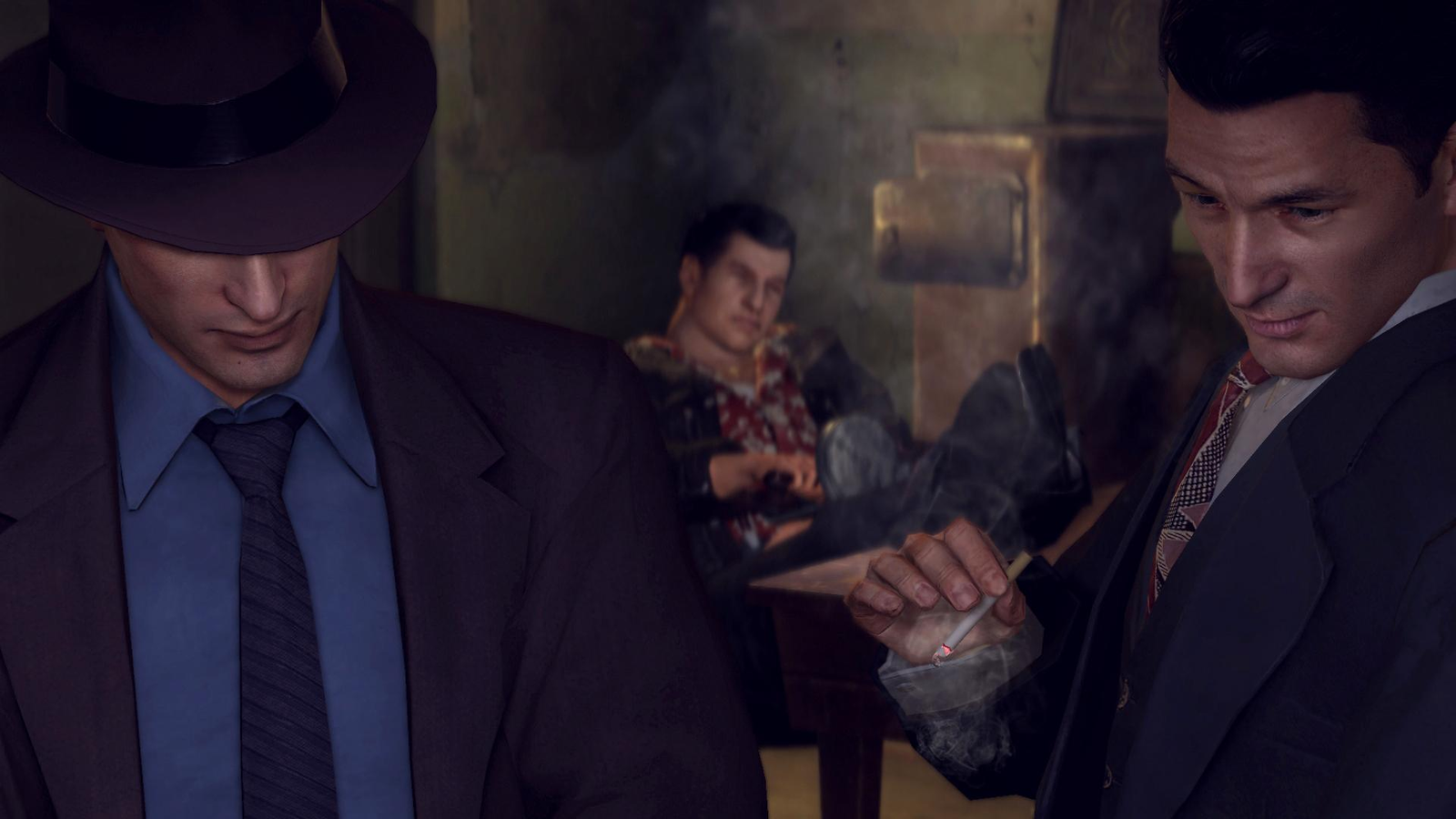
The cherry on top was Vávra's complete departure from the studio in 2009, about a year and a half before the game's release, and, as a result, the complete abandonment of many game mechanics and plot elements that were cut, but the remnants of which stick out from everywhere. Later, Daniel said: "Just yesterday I thought I would stay in this company for the next five years, and today I'm packing my things."
Speaking of cut content, the following went under the knife:
- Alternative endings: other endings to the story were planned, where Joe entered into a deal;
- Additional tasks: the game was supposed to have many side missions, of which only a few remained, and NPCs that were originally conceived as quest-givers offer nothing to the player after a couple of story missions;
- Extended introduction: initially, the segment in Sicily was supposed to consist of several missions, but in the end, only the introduction remained;
- Weapons and the ability to shoot from a car: the game was supposed to have many other types of weapons, from German grenades to various rifles;
- Using the trunk: in the final version, you can open the trunk and hood of cars, but you can't do anything with them.
- Buying cars and real estate: now they are acquired only in the story;
- Locations: the game map was supposed to be larger: a villa, a real estate agency, a subway, car dealerships, a dam, and much more. Everything was cut or used exclusively as decoration;
- The mechanics of reputation, family respect, and police pursuit: all this depended on the player's actions and influenced the game world's attitude towards the protagonist;
- Free roam mode;
- Environment interactivity.
Nevertheless, the paradox is that Mafia II itself is still beautiful; the project's base was so strong that it was enough to make the game legendary, despite all the simplifications and changes.
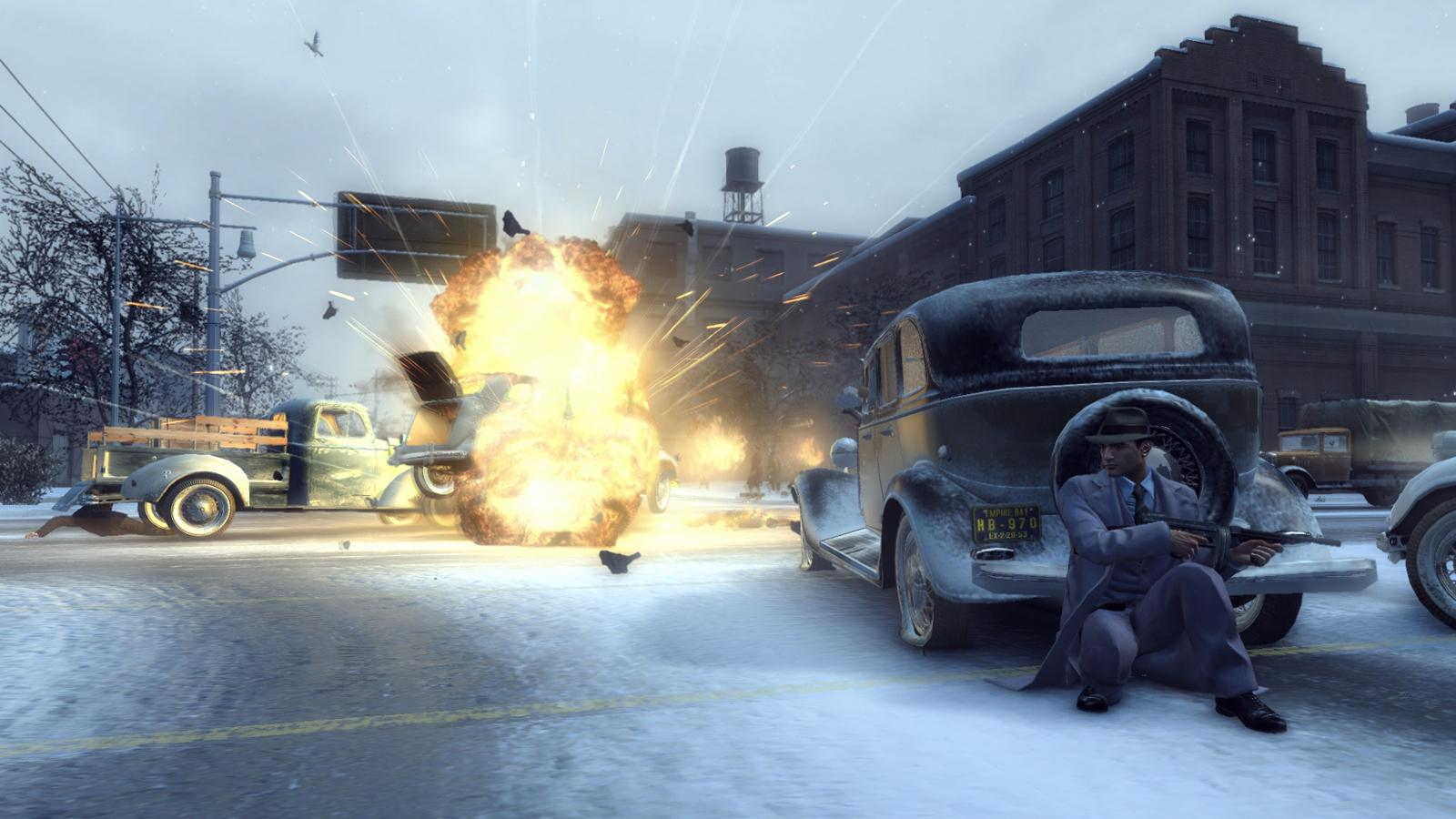
The Hangar 13 Era
After the release of the second "Mafia," it was unclear for a long time what would happen to the series. The scandal with the development of the second game undermined faith that it would even get a sequel. But 5 years later, the third part was announced, and the development was entrusted to the American studio Hangar 13, created in December 2014. 2K Czech helped them until 2017 when they became part of them.
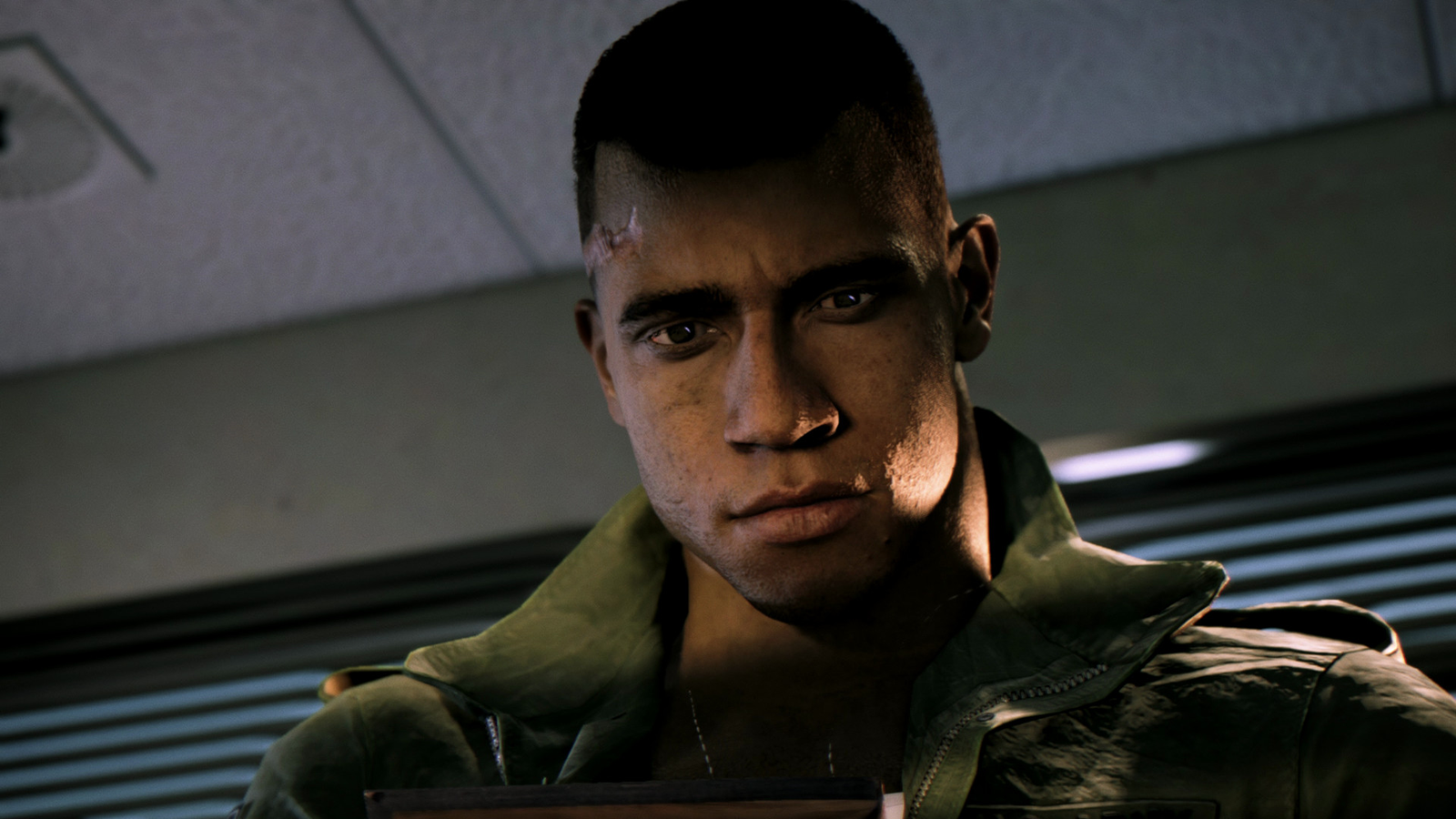
Mafia III tells the story of Lincoln Clay, living in the city of New Bordeaux in 1968. At the beginning of the game, he returns from Vietnam and tries to help his loved ones, the same African Americans from the ghetto who have their own criminal "family." But the local mobster, who offered Lincoln a big deal, Sal Marcano, betrays him and attacks Clay and his loved ones. The protagonist miraculously survives, after which he embarks on a path of revenge.
The gameplay of the third installment was noticeably improved: shooting and driving became much more convenient; Lincoln felt like a killing machine that could eliminate any opponent in an instant; some of the mechanics that were cut from Mafia II were partially used here.
For example, the trunk mechanic: the opening trunk in the sequel was supposed to serve as a weapon depot, which in the third installment was used differently; Lincoln calls a small van of a weapon dealer, the trunk of which is packed with equipment.
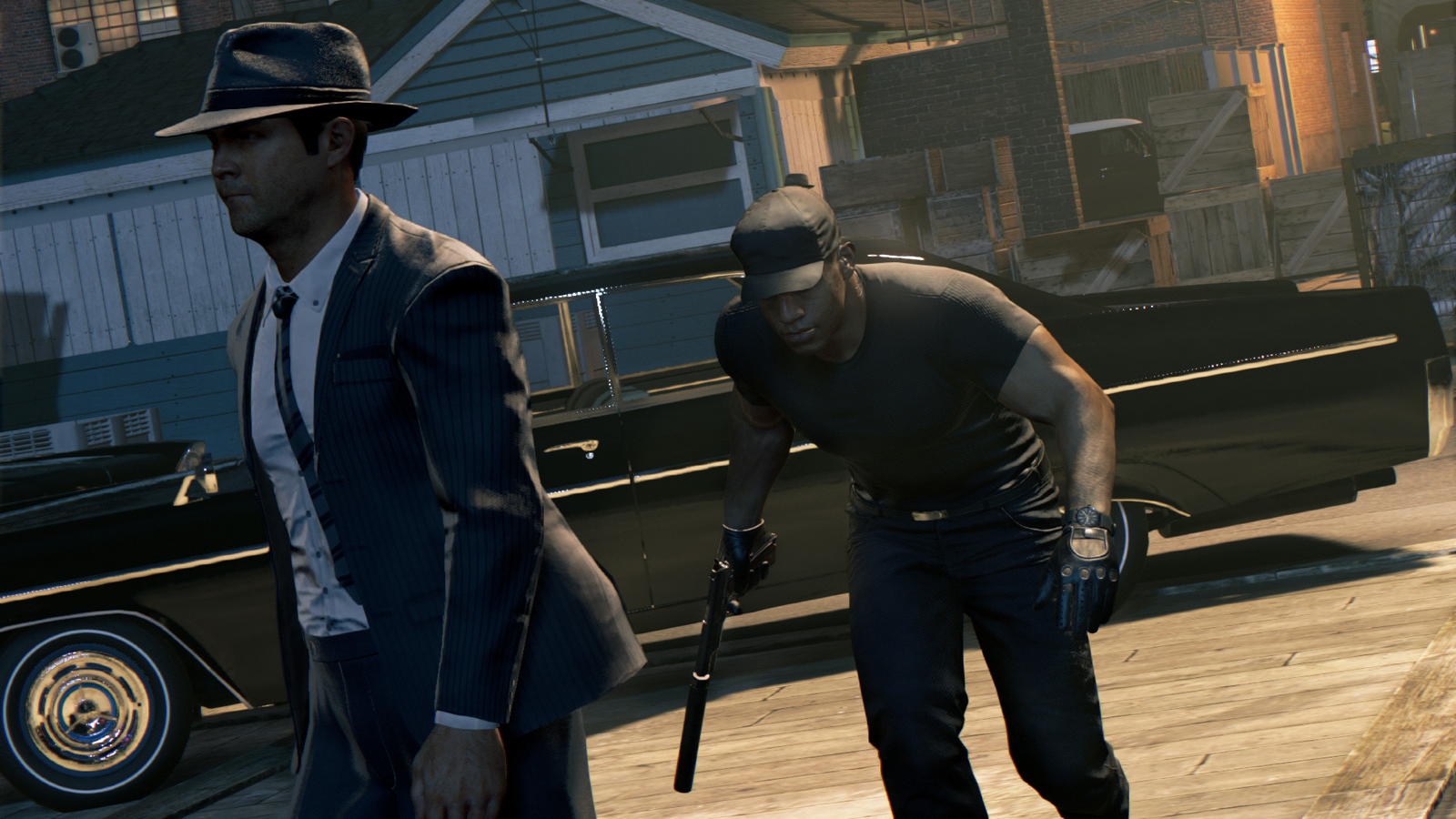
Mafia III was released in October 2016, and it was a reputational failure; financially, the project is considered the most successful in the series with sales of more than seven million copies! The game was criticized, and is still criticized to this day, for several aspects:
- gameplay: there was too much grind in the game, which it frankly didn't need: to advance through the story, the player was forced to clear the map and capture districts, weakening and luring out the mafia boss in order to eliminate him. Also a kind of routine, but it does not serve immersion, but rather stretching the gameplay, which did not correspond to the spirit of the series; Mafia III is at least 2 times longer than its predecessors;
- technical condition: the project was replete with bugs, from very funny to those that can break the passage. Even now, after the release of Definitive Edition, there are still enough technical problems, and the graphics are very "blurry" for a game of the eighth generation of consoles;
- narrative content: the plot of the game was built around revenge, which also went against what the two previous games tried to convey to the player. Even despite the fact that the story itself turned out to be very good.
The third "Mafia" is Hangar 13's first attempt. The first pancake that became lumpy; the developers did not hit either the tone of the series or the gameplay. And, by the way, this is the only part that does not have Russian voice acting. Even here it stands out. It can be said that Mafia III is a bad "Mafia," but a good game: it's all bad with philosophy and depth, but it's fun to play to this day, and it can safely be called the best from a gameplay point of view.
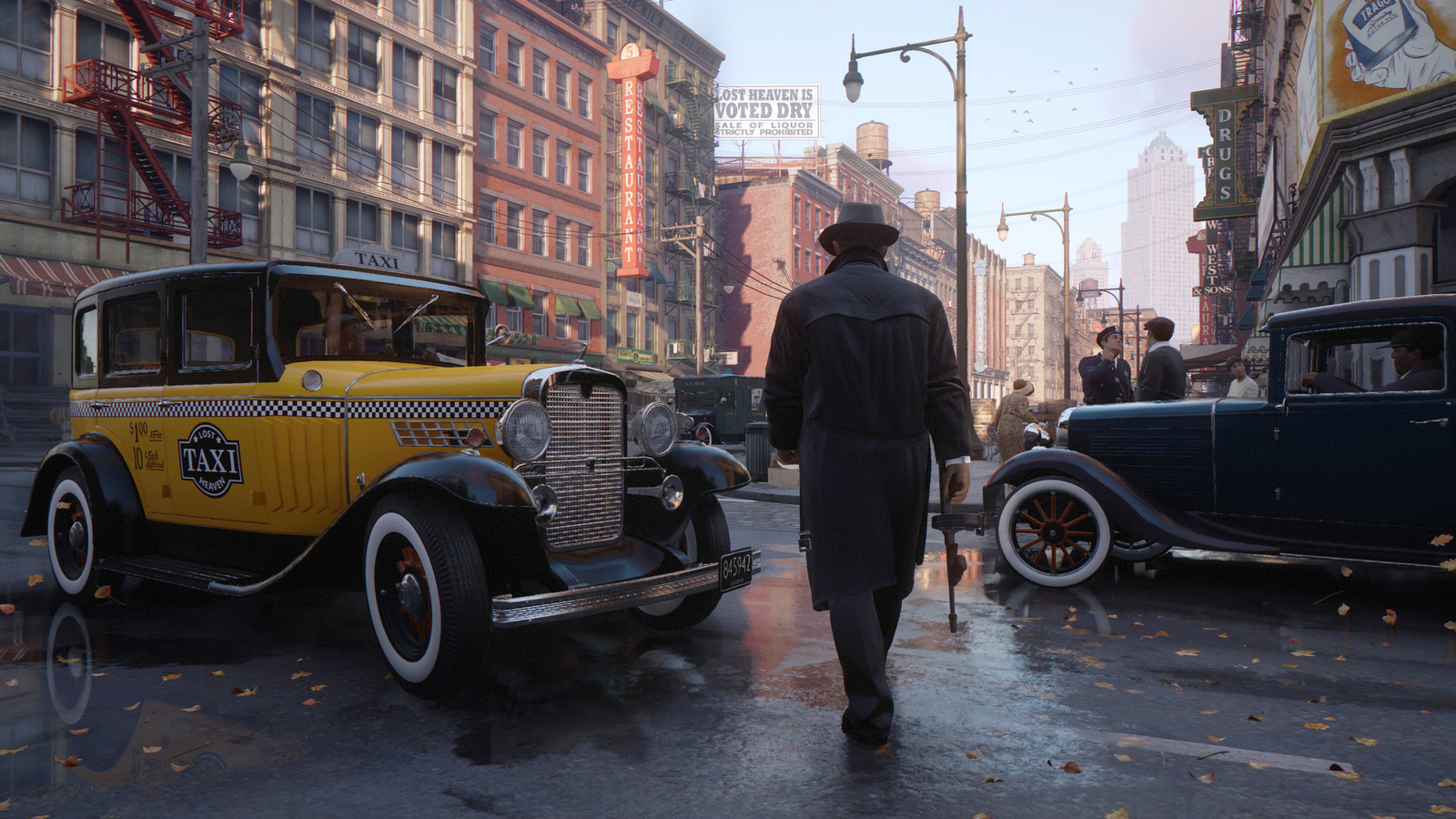
Hangar 13's next game was a remake of the original Mafia: The City of Lost Heaven,Mafia: Definitive Edition. The game was announced in May 2020 and released in September.
The project was created entirely from scratch. Modern graphics and updated game mechanics, as well as a changed plot, it was a complete rethinking of the first part.
The new Lost Heaven began to look simply amazing; many authentic details appeared, further immersing the player in the Great Depression period: various posters and signs that change depending on the year, people talking on the streets discussing historical events, radio appeared in cars with music and news reports, characters in dialogues began to talk about the pressing problems of the era, and so on. Anachronisms were also present, but they almost did not spoil the immersion.
The gameplay, although it did not become something new, still felt relevant; unlike the original, where both driving and shooting were still a test for the player. Here, the developers used their own developments from the third part, slightly sharpening them for a different setting: cars became heavier, hero control became less smooth, and so on.
However, during development, Hangar 13 missed an important gameplay feature of the original "Mafia," that very routine. There, it created the right mood, was an important part of the exposition, grounded what was happening, adding an element of realism to the game and sometimes even performing a narrative function, highlighting the contrast between an ordinary day as a taxi driver and a working day as a Salieri thug. In the remake, many similar moments were cut, which caused controversy. The game became faster and more cinematic, and now they offered to feel the era through the environment, not the gameplay.
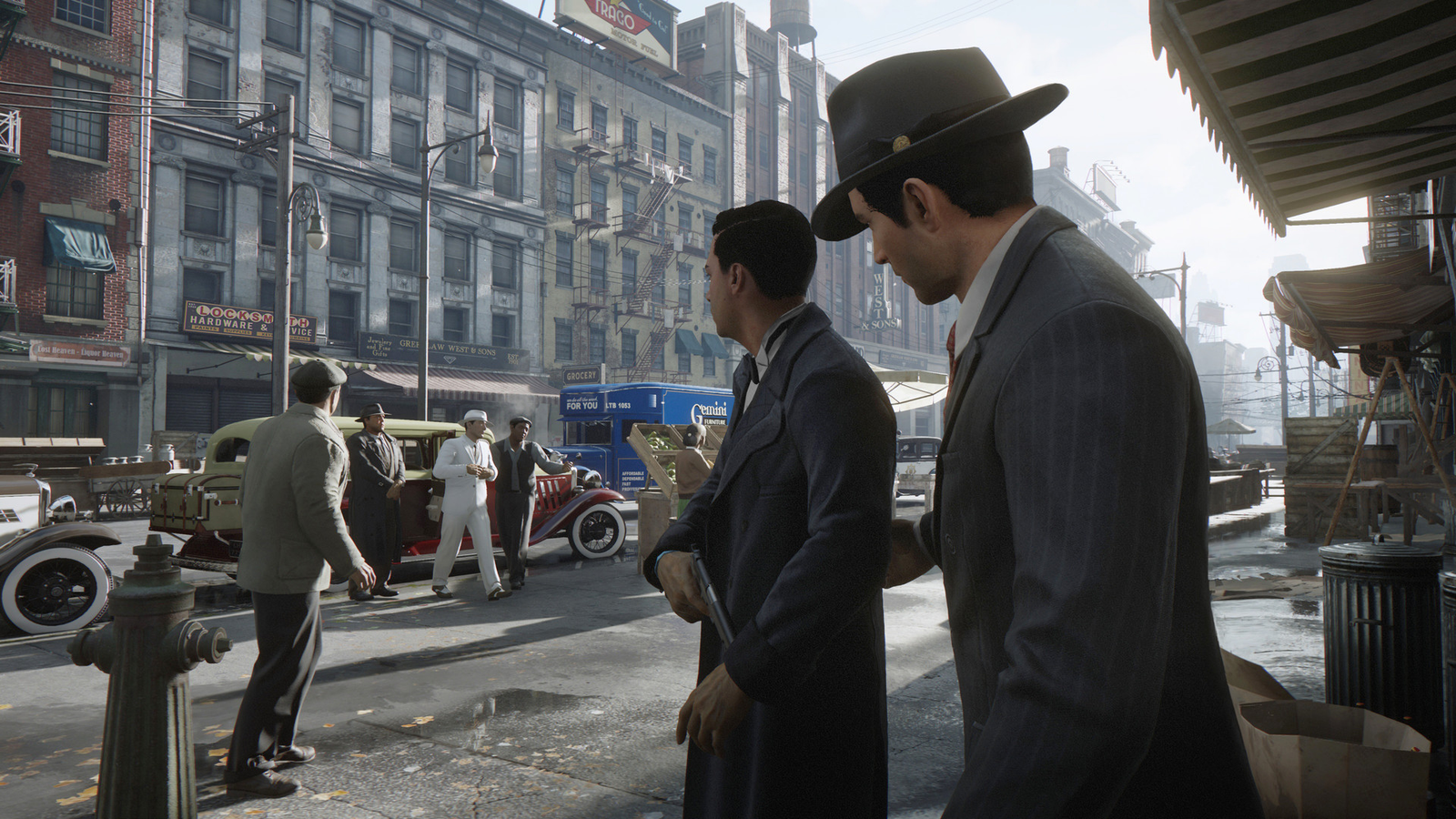
Even more controversy was generated by the plot changes: could the remake match the original? The thing is this: if the 2002 game said that it is important to have your own life principles, know the measure and not covet someone else's, find a middle ground and position yourself correctly, remaining human, then the philosophy of the remake shifted this message in favor of the importance of family.
The difference is best demonstrated by two versions of the protagonist's final monologue:
- in the original: "You know, this world is not governed by laws written on paper. It is governed by people. Some in accordance with the law, others not. It depends on each person what his world will be, what he will make it. And you also need a lot of luck so that someone else doesn't turn your life into hell. And it's not as simple as we were taught in elementary school. But it's still good to have firm convictions and stick to them. In marriage, crime, war. Everywhere and always. I screwed everything up. Just like Polly and Sam. We wanted to live better, but in the end we ended up much worse than the others. You know, I think you need to know the measure in everything. Yes, measure, that's a good word. He who wants too much risks losing absolutely everything. True, he who wants too little from life may not get anything at all...";
- in the remake:"Once upon a time, in another life, someone told me that family is a man's weak spot. His vulnerability. I think he was right... After all, everything I did, good, bad... everything was for the sake of family. I betrayed people I considered friends... And I took on difficult obligations... I spent 8 years alone... Trying to find myself. But I was able to return home... a reliable husband... a good father... and a person. Now, much older and slightly wiser, I see that family is a huge weakness. But it's also a huge strength. For her sake, we get up in the morning, strive for our dream, even if it seems unattainable. Family doesn't let us fall when we no longer have the strength to go on. Remember: money, work, and even friends are all temporary. But family... Family is forever".
As a result of the change in the character's worldview, his character also changed: in the original, Tommy was somewhat apathetic and behaved as if he didn't want to be here, which was only facilitated by the meager animations and puffy faces of the heroes, caused by the technical limitations of the early 2000s and the game's modest budget. In the remake, Thomas often seems to enjoy what is happening. Even his motivation when joining the Salieri clan shifted from despair to a desire to avenge the offenders who smashed his car.
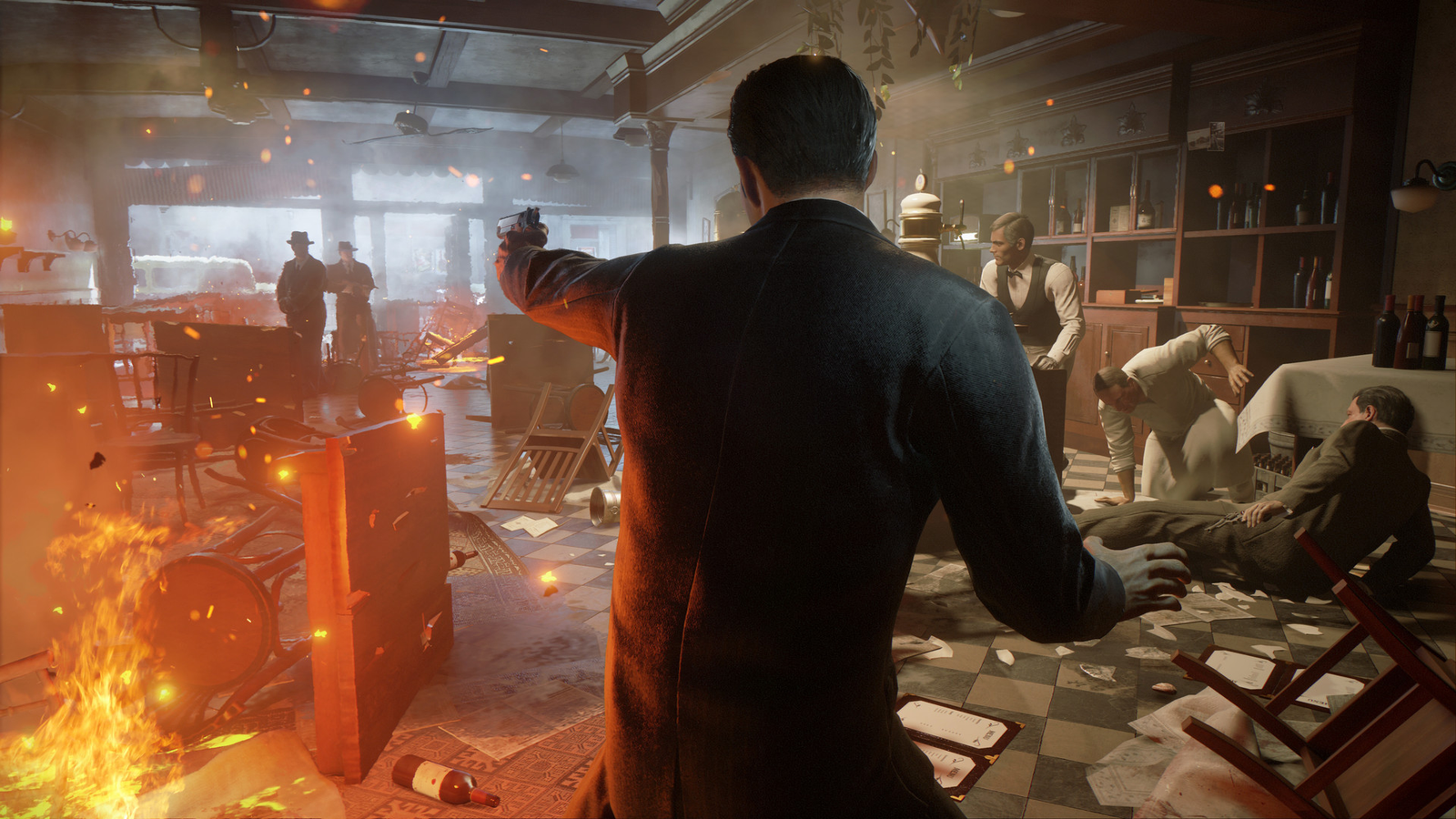
However, other characters also developed. Sam and Polly became more human, as the remake's plot reveals them and shows them as people who have nothing in life but gangsterism. Don Salieri also became more impressive: his transformation from a father figure into a greedy psychopath is shown much more reliably.
Tommy's wife, Sarah, also expanded her role. In the original game, she doesn't appear too often and is more of a stereotype about women in gangster films than a full-fledged character. In the remake, she supports her soulmate and is an important part of the message of the entire game; the scene where she meets Tommy after the shootout, where everyone understands everything and he proposes to her, is simply priceless!
Roughly speaking, Hangar 13 went from the extreme of the original, an emphasis on philosophy and poorly written heroes, to another extreme, a banal (albeit always relevant) theme of family and well-developed characters. Both versions have an equal right to exist. Although Vávra did not appreciate such changes: "They cut out some quotes that were the morality of the whole story. It's like taking a book and tearing out the last pages. I understand that they wanted to focus on family, but the original story was about something more than just Tommy's personal experiences. It was about life, about choice, about the price you pay for your decisions. The new script simplified this, and it seems to me that part of the soul of the game was lost."
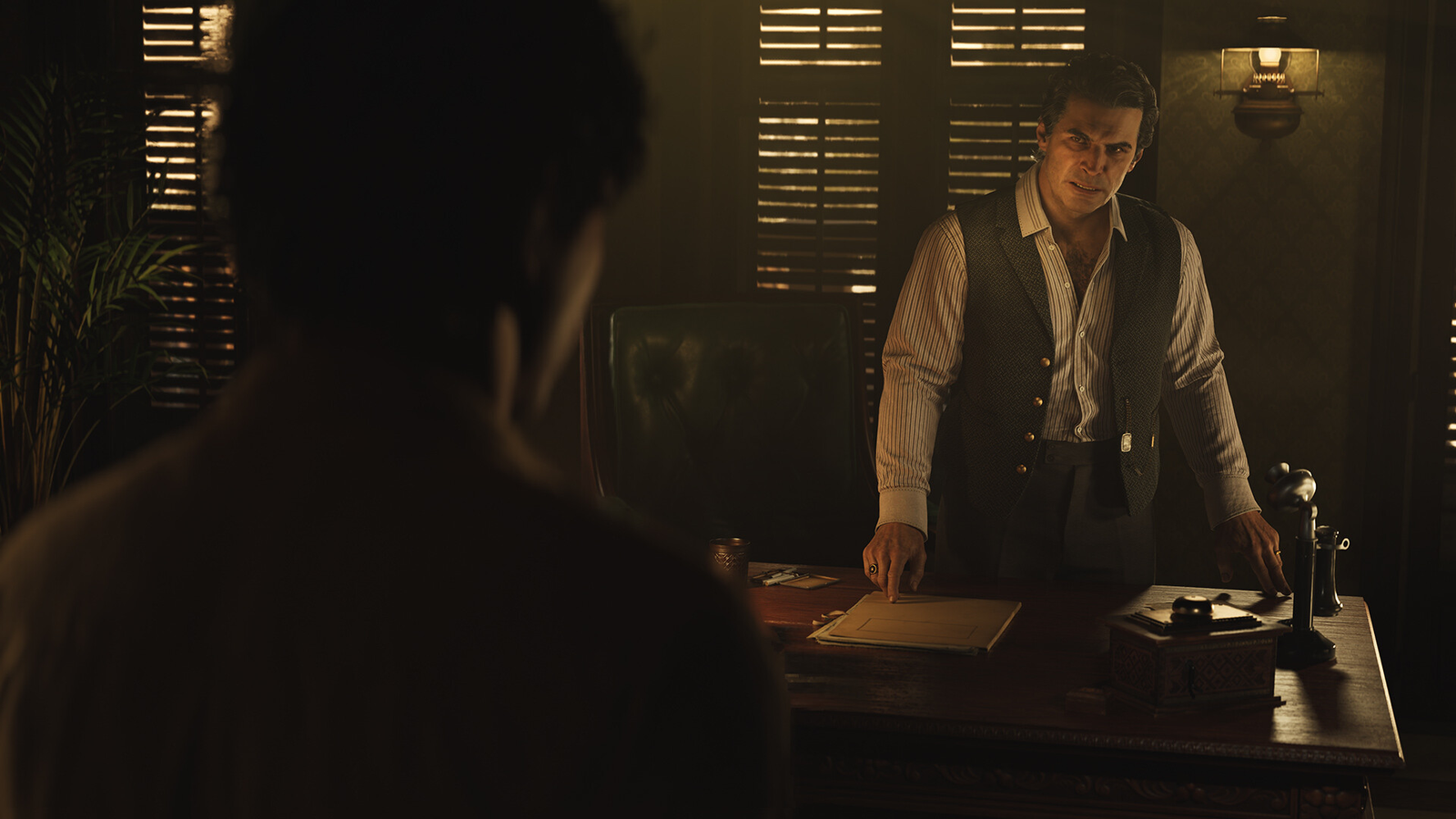
The latest part of the series today isMafia: The Old Country, released in August 2025, a prequel to the entire franchise, sending the player to Sicily at the beginning of the 20th century.
The main character is Enzo Favara, a young man who was sold by his father to a mafia mine as payment for a debt. During the prologue, he rebels and runs away, after which he ends up in the family of a competing group, the Torrisi family.
The main leitmotif of The Old Country was the connection between Enzo and Don Torrisi's daughter, Isabella. The game tells a classic story of forbidden love: a kind of analogue of "Romeo and Juliet," the very classic, the obvious disadvantage of which is the predictability of many plot moves. The main idea laid down by Hangar 13 in Mafia: Definitive Edition has been preserved here: family and love are eternal, and no wealth that a gangster life can bring is worth it.
The gameplay turned out to be outdated: shooting taken from the remake of the original; rudimentary stealth straight from the "best Sony exclusives"; driving cars, which, although fun, does not have historical accuracy.
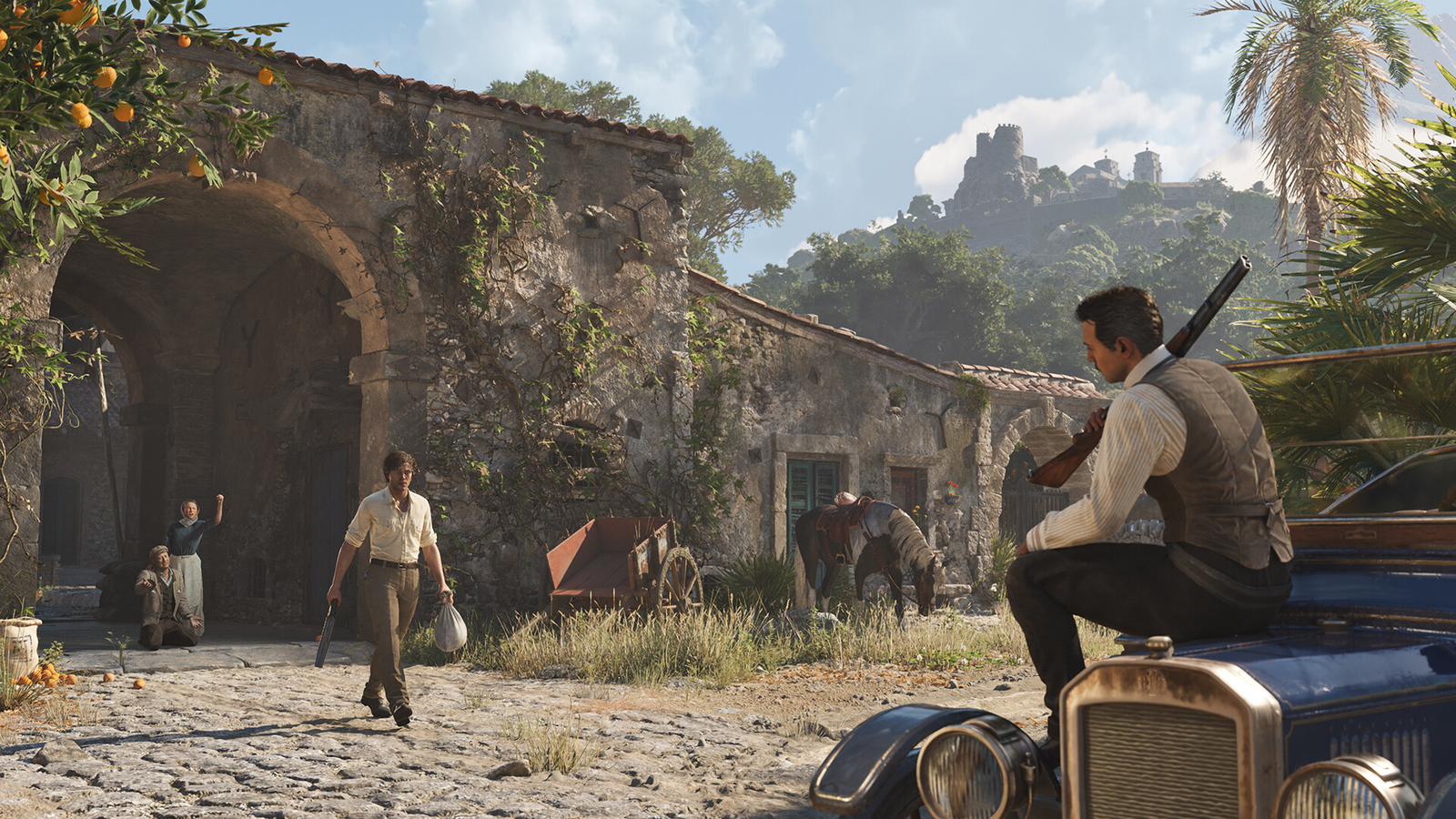
But here the developers did an important thing: they brought back the routine. The exposition in The Old Country takes a good three hours, during which the player: carries boxes, cleans the stable, helps in the kitchen, and participates in races.
All this creates the right pace and demonstrates the hero's growth from a nobody who escaped from the mines to a respected member of the mafia family who is entrusted with the most important tasks. The game no longer tries to rush you through the plot. Therefore, Don Torrisi's words in the final fight, where he calls the protagonist a nobody, stating that "he gave him everything, and without him the main character is nobody," look absurd and like a statement of a madman. At least because Enzo saved the Don's life several times and personally eliminated all his competitors; he was his most loyal subject and proved it more than once. Without such a contrast and that very routine, it would be much more difficult to notice Torrisi's changes, how power went to his head.
Such changes feel like the final touch in the path that the Mafia series has taken since it fell into the hands of Hangar 13: from complete misunderstanding to meeting the original standards, but with a unique philosophy. Old Country became the complete opposite of the third installment: it is an excellent "Mafia" with a great narrative, its philosophy and entourage, but a bad game with old and sometimes boring gameplay.
It would be interesting to see what the developers will offer us next. Maybe it will be a remake of Mafia II? What could Hangar 13's view of Vito Scaletta's story be? Perhaps the role of his family, sister or mother, was significantly deepened? Or they introduced new characters and new meanings, a full-fledged love line for the character? This would be in the spirit of Hangar 13, although at first glance it does not fit very well with what was in the original game.
It is also possible to continue the series, the fourth Mafia. Here, the setting of the 1980s and their romanticization look attractive: discos, neon, and so on. And the usual family issues in such an environment can also be shown very interestingly. There is a huge scope for imagination!
Analysis
And although Mafia is the brainchild of Daniel Vávra, he was only allowed to fully express himself in the very first game. All subsequent games came under the control of other studios, and a little later, Hangar 13, which was specially created for this purpose.
With each subsequent game, they learn from their mistakes, for which they can be praised: if the third installment did not reach the audience of the series, then the remake of the first part, although it changed the message, still united fans around it, which is worth a lot in the modern world of gamers dissatisfied with any changes.
We can see this in the example of The Old Country; it is an exemplary "Mafia" that could only be dreamed of in the era of Mafia 2 and Mafia 3, and Hangar 13 coped with its work and did not fall face down in the dirt. But there were more and more reasons to spit on and trample on a strong product that did not meet all the "norms and rules" of modern gamers.
Has "Mafia" been transformed in the hands of Hangar 13? Undoubtedly. It has moved away from paperback stories about mafiosi and began to talk about something more important: family, love, the burden of ambition, and the power that devours the individual. But, unfortunately, any attempts to "deviate from the formula" are always met with hostility; this has been, is, and will be.
Because "Mafia" is forever. And what it should be, everyone chooses for himself.
Never miss our newsAdd this site to your preferred sources to see us more oftenAdd on Google