Forgotten Gems? A Selection of Games That Need a Remake Right Now
We live in an era of re-releases - game remakes come out every year. Everyone wins here: publishers make easy money, and players happily return to their favorite universes. But not all projects have received well-deserved re-releases - in this article, we'll discuss which games deserve a remake.
Chrono Trigger
The original game was released in 1995. It was developed by Square - the creators of the Final Fantasy series. The creators of the project, in addition to Hironobu Sakaguchi, the author and producer of the same "Final" franchise, included Yuji Horii, the creator and permanent head of the Dragon Quest series. This union is notable because in the 1980s and 90s, Final Fantasy and Dragon Quest set the tone in the JRPG genre, to which Chrono Trigger belongs.
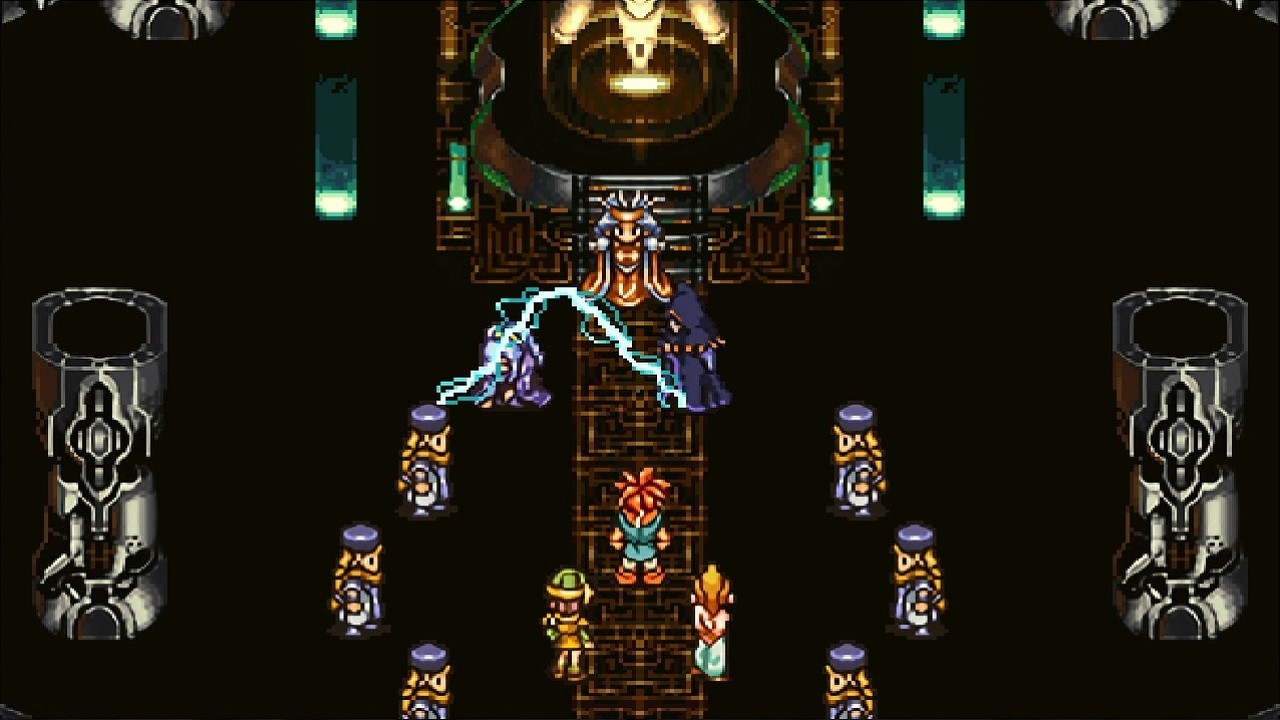
The plot of the game revolves around the mechanics of time travel. During the game, players will visit five time periods of their world: from primitive society to the distant future, in which robots rule. Each time period is a separate map with its own content, atmosphere, design and enemies, and there are about 30 unique bosses in the game, each of which requires a tactic.
The role-playing component is pleasing: some decisions made by the characters sometimes affect the current state of affairs - if you do not save a key character in the past, then one of the companions may simply disappear, since his ancestor died in the past and the timeline was rebuilt.
In total, the game has 14 endings, the receipt of which depends on where and when the player defeats the final boss - Lavos - and on the performance of some special actions. Passing one ending takes an average of about 25 hours, and the game itself has a "New Game+" system that allows you to save the progress of the heroes.
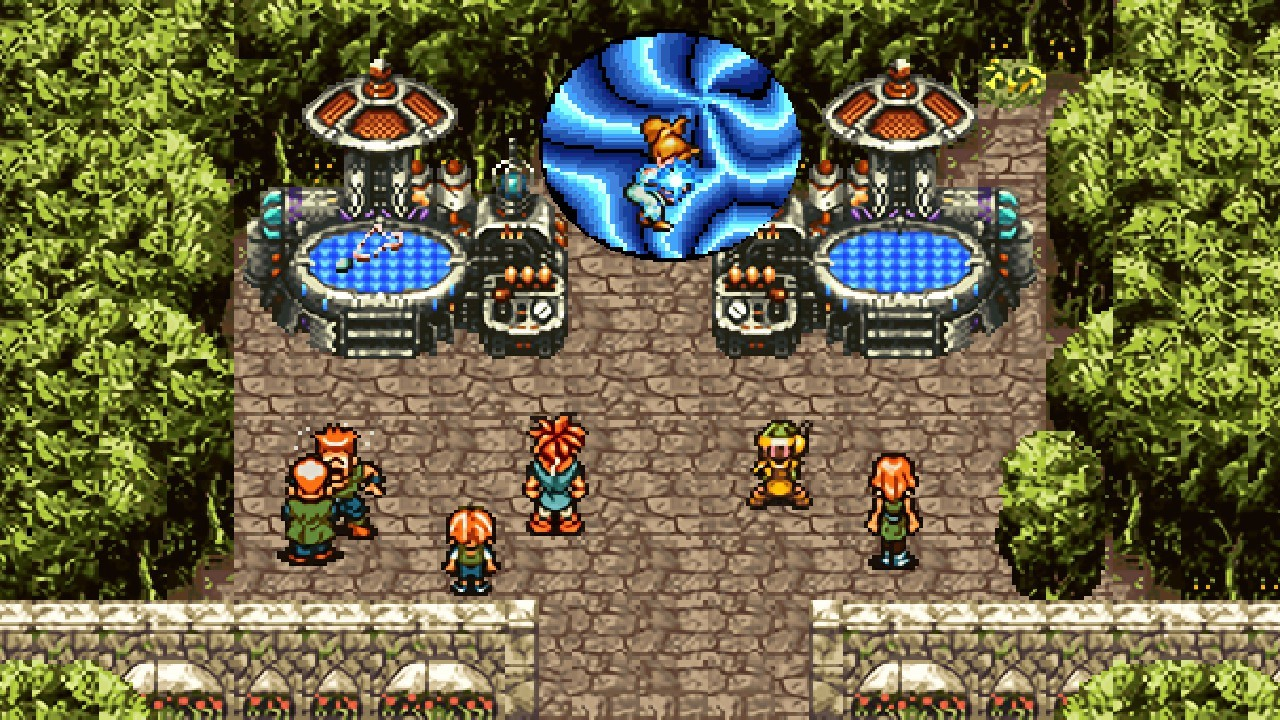
The combat system in the game is turn-based, and the order and frequency of moves depends on filling a separate action scale - ATB (Active Time Battle) - the speed of which is determined by a special characteristic. Moreover, when the turn passes to the character, this scale does not freeze while the player makes a move - if you think too long about your action and let the opponent's ATB scale fill up, then the turn will pass to him, and the player will miss the opportunity to do something.
In battle, characters have access to a huge set of skills and spells that can be combined in more than 40 different ways, and the damage is based on the usual system of elemental interactions.
It is also worth noting that while exploring the world, the player can avoid unnecessary battles by simply running around opponents - a rare JRPG of that time allowed you to avoid random battles, and this became the norm only recently. And you can escape from all fights, except for story ones, which saves time - there is little "grind" in the game.
All this singled out the project among all JRPGs of the 90s and allowed the game to become a classic, on which many developers subsequently relied. Today, the game has more than 90% positive reviews from both players and journalists on Metacritic (9.2 out of 10 and 92 out of 100, respectively) and OpenCritic (94%).
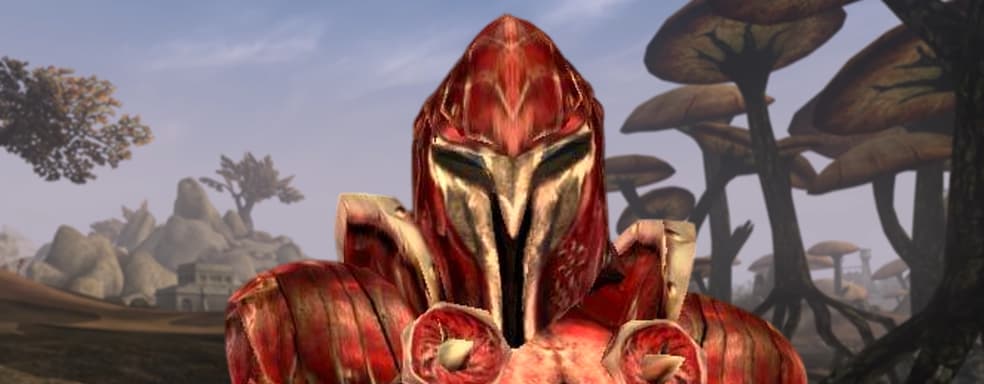
The Elder Scrolls III: Morrowind
The third part of "The Elder Scrolls" was released in 2002. The project largely reinvented the franchise: the huge and empty open world in Daggerfall was replaced by the rich world of Morrowind - even if it was smaller.
The story - like all the narrative content of the project - has become more holistic and deep: there are many different intrigues and vicissitudes, supported by a deep philosophical subtext: the theme of fate and free will, metaphysics and divinity, culture, religion and existential struggle. This distinguishes the third part from the entire series to this day. The main plot is considered by many fans to be the best in the series.
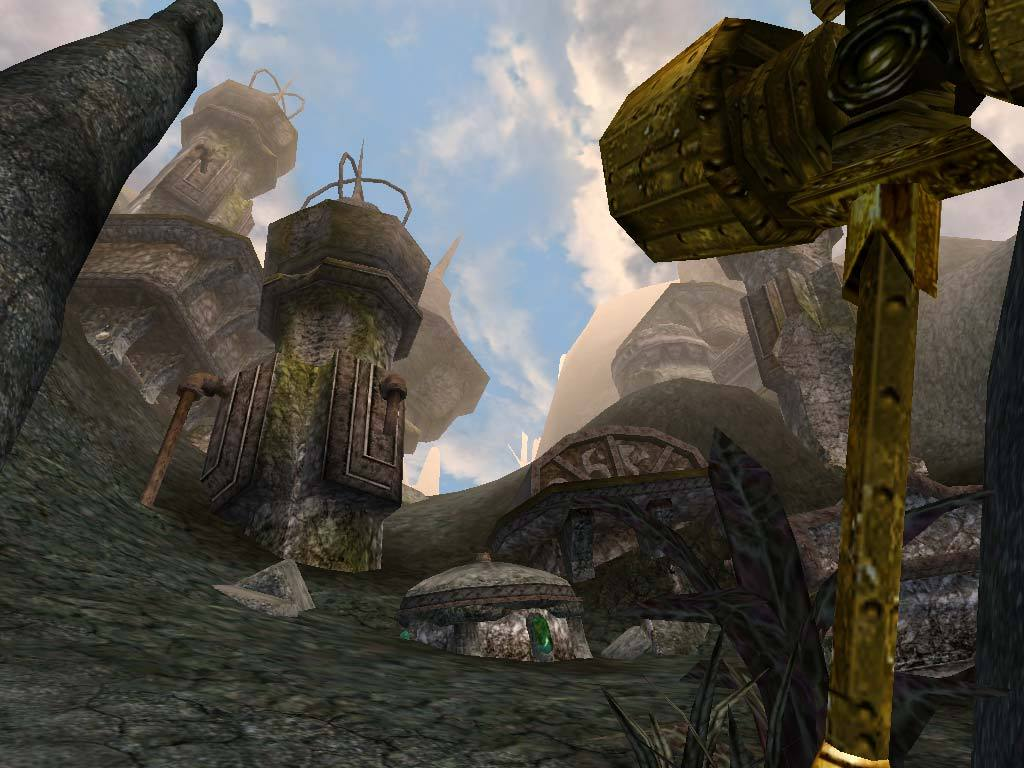
Morrowind also stands out for its art design - not only among the franchise, but also among games in general. The island of Vvardenfell combines a variety of biomes - from ash wastelands and volcanic regions to swampy coasts and mushroom forests. And the muted color palette enhances the feeling of alienation.
The architecture of each in-game race has its own style:
- Dunmer (Dark Elves): Organic architecture of houses in the Telvanni style (mushroom towers), massive Redoran fortresses and elegant Tribunal temples.
- Imperials: Roman-style stone forts contrasting with the local culture.
- Hlaalu: Merchant cities with wooden and clay architecture.
- Dwemer: Mechanistic ruins with steampunk elements, bronze mechanisms and mysterious structures.
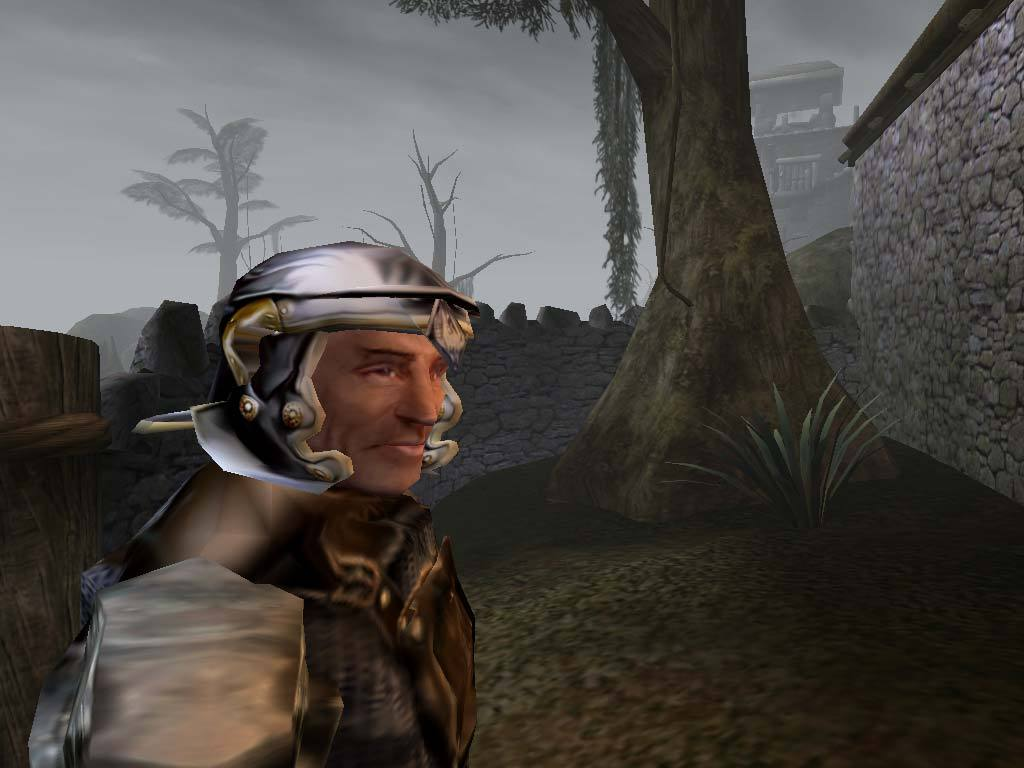
However, the combat system has not stood the test of time. It is based on a hybrid of RPG mechanics and dice rolls - during the battle, especially at the beginning of the game, the player regularly misses, because the probability of hitting depends not only on whether the blow hit the enemy visually, but on how well several characteristics are pumped at once: weapon skill, agility, luck and evasion of the enemy.
But even well-pumped indicators do not give a full guarantee of hitting - with each hit, the game throws a virtual die, and the characteristics of the hero and the enemy only affect the chances.
The presentation of the story is also outdated - most of the dialogues in the game are not voiced, and information about the world and society falls on the player in the form of a large mountain of in-game literature, which you have to look for yourself.
Now a group of enthusiasts is working on an unofficial remake of the game - they are transferring Morrowind to the Skyrim engine, changing all the in-game logic. The project is called Skywind and has been in development for over 12 years. Whether it will be released at all is an open question.
Metal Gear 1-2 and Metal Gear Solid
Metal Gear Solid was released in 1998 on the first PlayStation. Initially, the game was supposed to be called Metal Gear 3 and be a direct continuation of the original dilogy, which was released on MSX2. But Hideo Kojima and KONAMI decided to bring the franchise to the world level, so they removed the number "3" from the title so as not to confuse the Western audience, as was the case with Final Fantasy, for example.
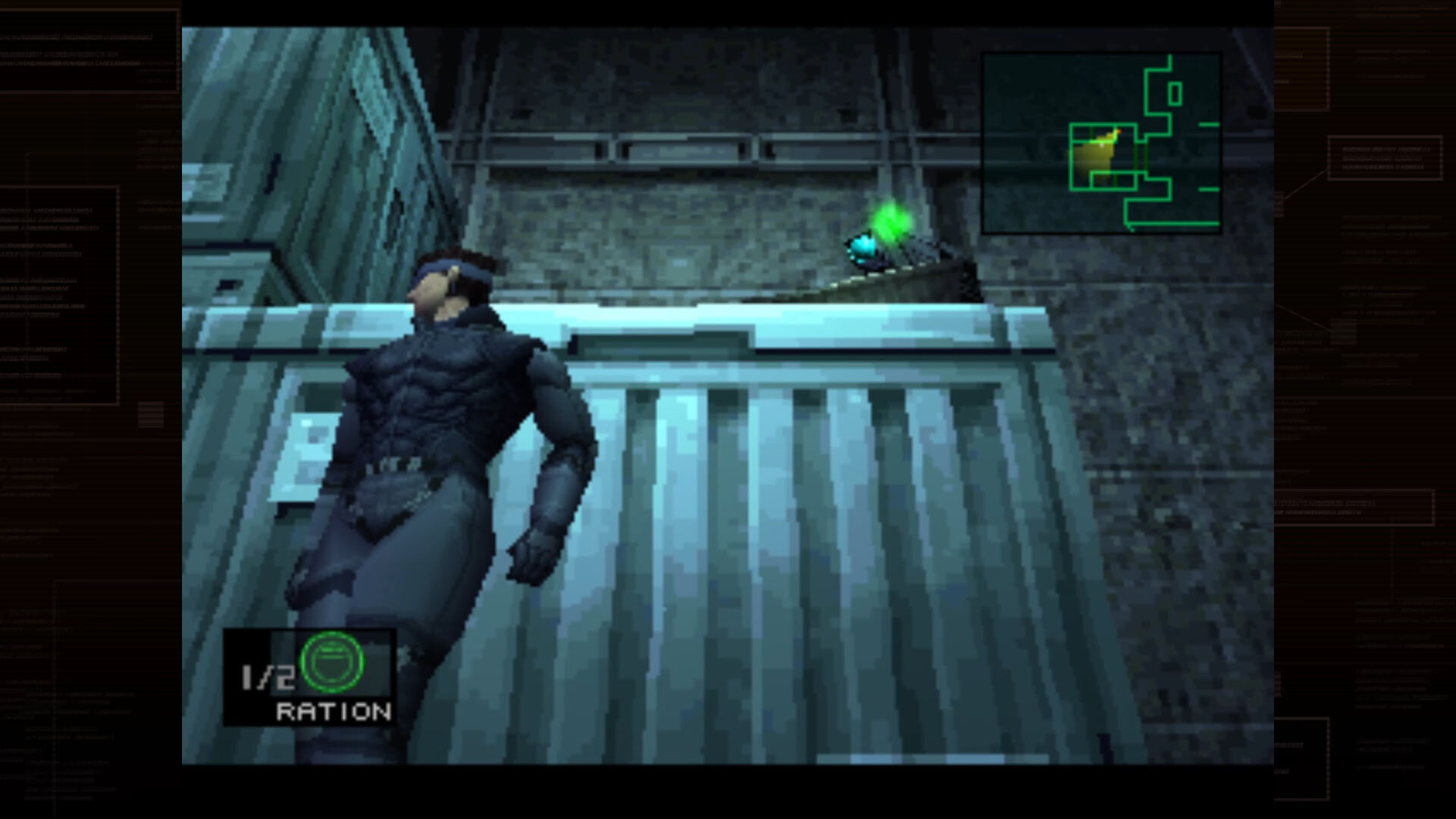
Metal Gear Solid is notable for translating the franchise into three-dimensional space, although the game logic largely remained the same as in the old games - the same top view and an uncomfortable camera that is very difficult to control will not let you lie, and this is very important for stealth action.
But the technical capabilities of PS One allowed Hideo Kojima to "roam": unique mechanics and even bosses appeared in the game - the battle with Psycho Mantis, who could "read the thoughts" of the player by analyzing game data from the save card, is especially noteworthy. To defeat him, you had to switch the controller from one port of the console to another, which made the boss virtually helpless.
The story turned out to be very deep, dramatic and gave start to a new chapter in the life of Solid Snake - a legendary soldier and spy - and the game's cutscenes reached a new level. Two original games give context to what is happening and deepen the narrative. And let Metal Gear Solid 1998 become a soft reboot of the series, which can be played without being familiar with the first two parts, but I would still like to see remakes of all three of these games - this would help popularize the franchise even more, as it deserves.
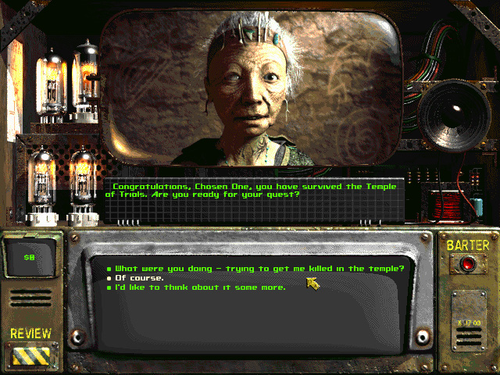
Fallout 1 and 2
The Fallout franchise is one of Bethesda's flagship series: the fourth part sold over 25 million copies as of 2020; Fallout 76, despite a terrible start and a series of scandals, has turned into a successful cooperative and multiplayer project; the second season of the popular series based on the franchise is already being released on Amazon Prime - already in December.
But despite this, Fallout was originally different - in 2007, Bethesda bought all the rights to the franchise for $5.75 million, and Fallout 3, which was released in 2008, became completely different.
The original dilogy, created by Black Isle Studios, differed in everything:
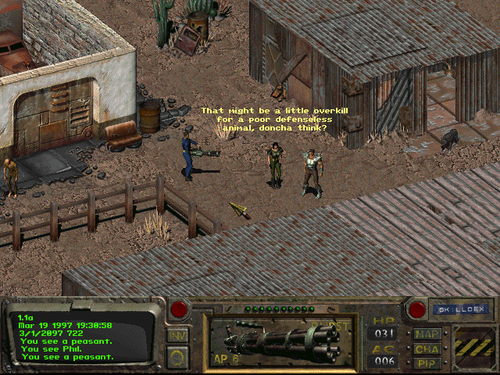
- gameplay - battles were turn-based and based on the Action Points (AP) mechanics characteristic of classic CRPGs, and the structure of the world was more chamber: instead of an open world, everything was divided into separate locations marked on a global map;
- narrative - the first two games have a more gloomy, sarcastic and philosophical tone, while the third and fourth have become more cinematic and focused on heroism and personal sacrifices, with an epic scale and drama;
- camera position - in Fallout 1 and 2 there was an isometric camera, while in 3 and 4 the player could switch between first-person and third-person views;
- and even the location - in the original dilogy, the action took place on the west coast of the USA, and in the dilogy from Bethesda on the east.
The only full-fledged game that more or less corresponds to the spirit of the first two parts is Fallout: New Vegas, which was developed by Obsidian Entertainment. Despite the fact that the game got the basic engine from Fallout 3 - Gamebryo - "New Vegas" was loved by fans of the first two games:
- the project inherited the plot tone of the original and ridicules capitalism, militarism, bureaucracy and other aspects of society;
- the role-playing system became more impressive than in Bethesda games - your choices greatly influenced the world and endings;
- pumping had a more flexible set of skills and perks;
- the game had a reputation system - each faction and each city or group interacted differently with the player depending on his actions and decisions, which made the world more alive.
Remakes of Fallout 1 and 2 could be made using the Obsidian project as a reference - except that the technical part and the combat system, which was somewhat similar to the one in Morrowind, should be completely modernized.
Final Fantasy IX
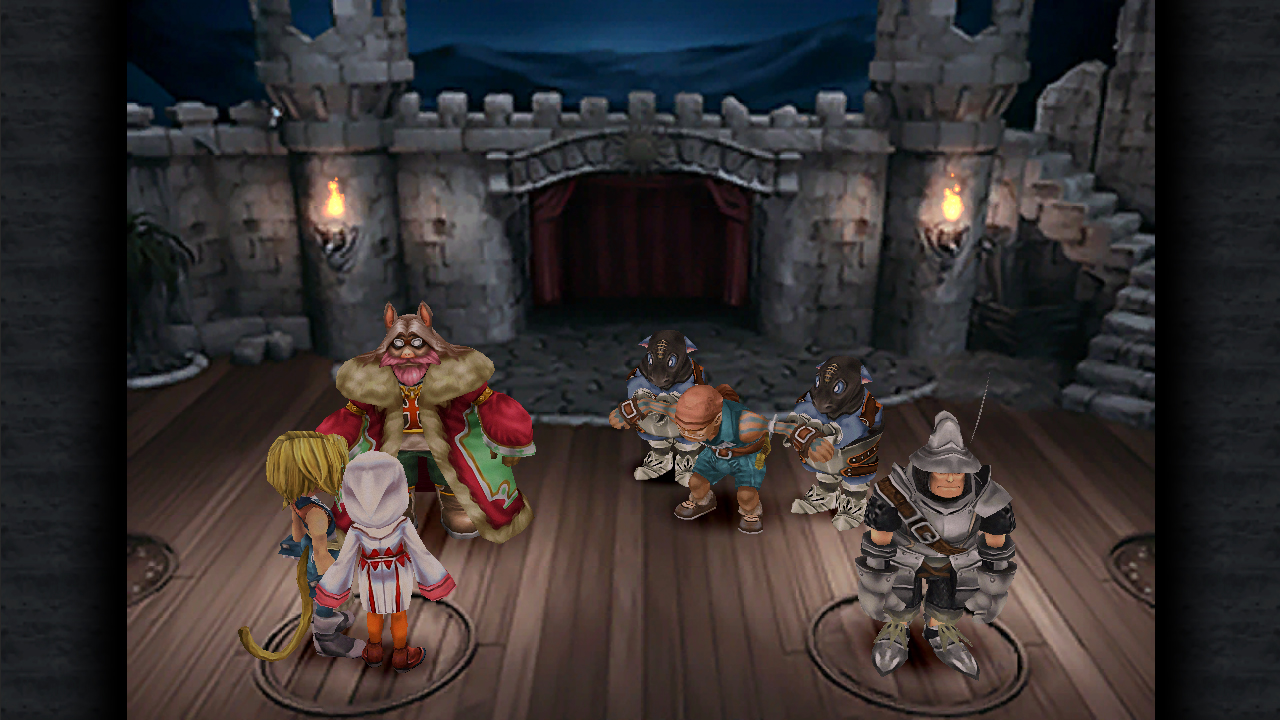
The ninth "Final Fantasy" was released in 2000 on the first PlayStation - this part became the last Final Fantasy released on the fifth generation console. Today, "nine" is considered a cult and is one of the most beloved parts of the franchise among players.
The project earned the love of fans thanks to: the alluring atmosphere of fantasy, which players missed after the futuristic seventh and eighth parts; humane characters; a plot that considers such important philosophical questions as the search for the meaning of life, accepting yourself and your mortality. The tone of the narrative is perfectly balanced - the story balances between humor, drama and tragedy, creating moments that remain in the memory of players for a long time.
The gameplay is also very well polished. The combat system in FF9 is the classic turn-based battles for "finaloks" based on the ATB system. Moreover, here you can switch between several modes that significantly affect the pace of the fights - in "Active" mode, time goes on continuously and does not give the player much time to think, in "Wait" mode, time stops when choosing commands in the menu, and in the alternative state "Trance" characters receive temporary improvements that can radically change the style of battle.
Rumors about a possible remake have been circulating online for several years - it is not clear whether it exists at all. But in general, the project does not need a large-scale revision - update outdated technical elements, adding conveniences to the mechanics and completely redraw the project.
Deus Ex
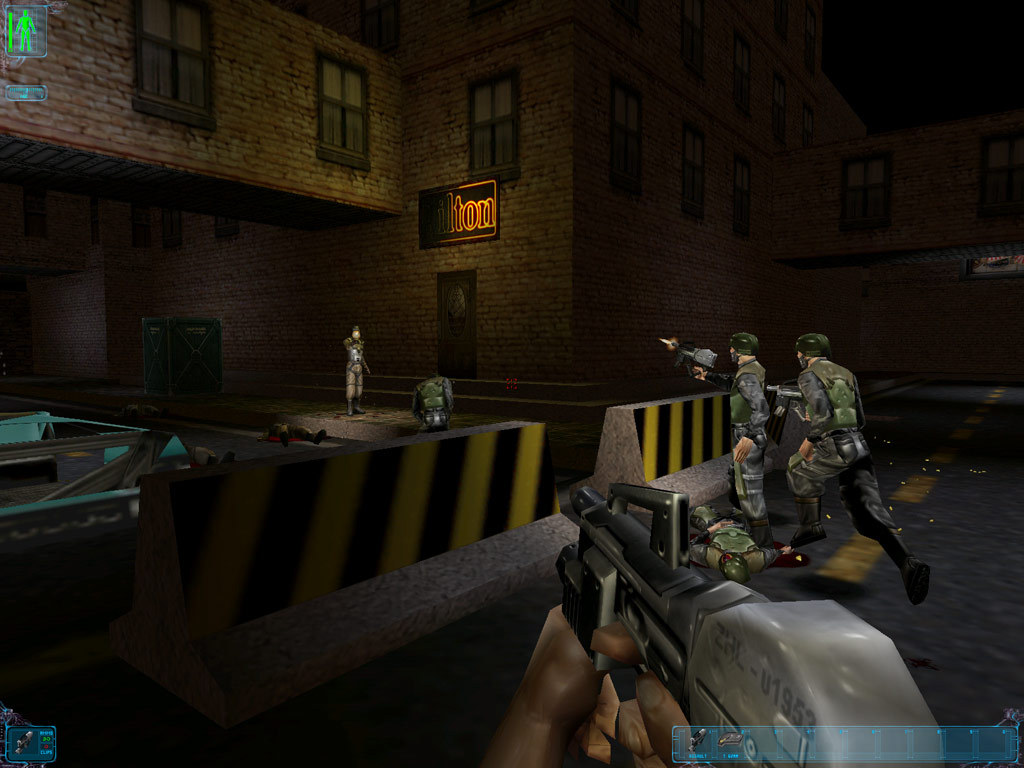
Warren Spector's Deus Ex was released in 2000 and "tore apart" the gaming industry. The project became so successful that many consider it the pinnacle of the immersive sim genre to this day. Others think that this game was the first in this genre - although this is not the case.
The project offered its player a very high degree of freedom, which is expressed in everything:
- in the design of locations that can be passed in different ways: openly, secretly or in roundabout ways;
- in the approach to the plot, when several bosses of the main campaign can be killed at the very beginning of the game and they will completely disappear from the story, and with others you can negotiate;
- in the degree of relationship with the characters, when your actions determine the attitude of other characters to you - some may even refuse to cooperate with you because of your actions;
- in a high degree of interactivity - almost everything in this game can be touched and even find some use, even if it does not always give you something;
- in pumping, where there is a set of skills and various augmentations, none of which can be called useless - but you can't pump and install everything, so you'll have to choose.
- in the selection of weapons: you can fight in close combat, shoot rockets, throw knives, and so on;
- there were also many types of damage: the game allowed you to shock or burn enemies, poison them, and sometimes - simply knock them out, playing a pacifist.
The story was also very deep and philosophical - the player literally has to determine the fate of the world. The project stood out for its genre - there are not many cyberpunk games in general, and there are very few good ones. A remake of this game, it seems, could compete even with Cyberpunk 2077 for popularity in the genre.
However, the heiresses of the original Deus Ex - games with the subtitles Human Revolution and Mankind Divided - although they were loved by players for the deep gameplay and ambiguous themes raised in the story, seem to have put an end to the series. It has been 9 years since the release of the last one, and the rights are still wandering between publishers. Even talking about banal re-releases of newer parts is not necessary, let alone a remake of the very first part.
Resident Evil Code: Veronica
Among other things, the Resident Evil series from Capcom is famous for its remakes. The second, third and fourth parts have already been re-released - even the first game received a remake in its time. And most of them turned out to be very decently modernized games - except, perhaps, for the three.
But not only the main parts of the franchise deserve re-release - some spin-offs are also very good. One of these and, concurrently, the main contender for the remake is the game Resident Evil Code: Veronica.
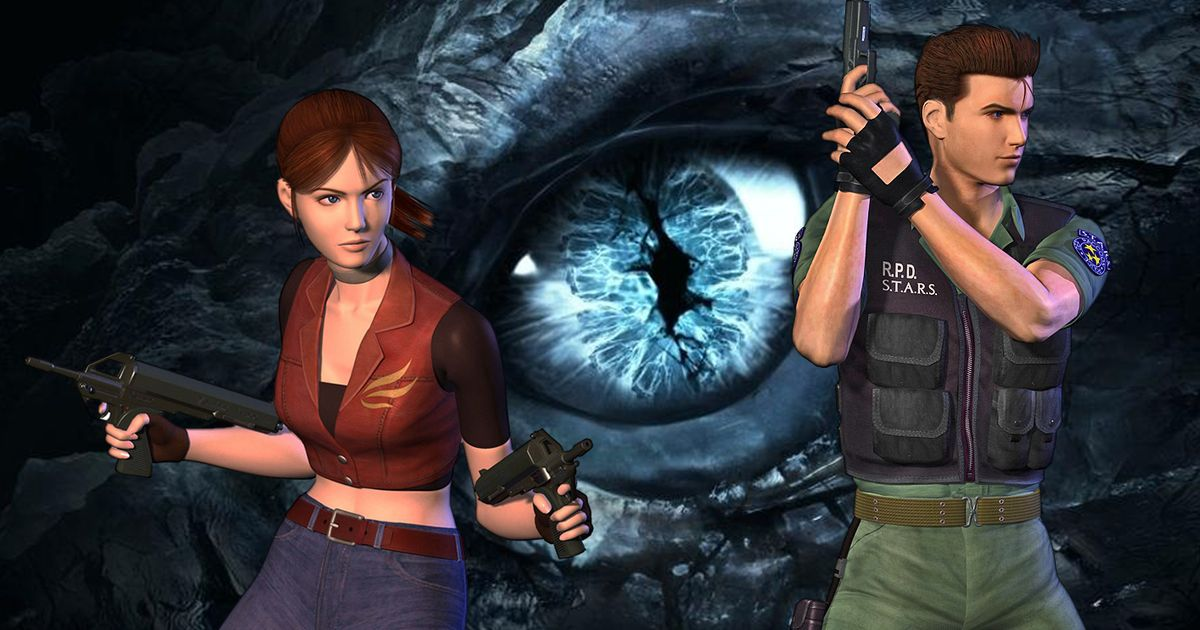
Initially, the project was released in 2000 on the Sega Dreamcast console - it continues the story of Claire Redfield, who is looking for her brother Chris after the events of Resident Evil 2.
The plot turned out to be very rich and dramatic - the dramatic arc with the Ashford family (Alfred and Alexia) is captivating, whose psychopathic personalities and tragic backstory add emotional depth, and the interactions between Claire and Chris, and with the new character Steve Burnside, create an emotional connection. The famous scene with Steve is often mentioned as one of the most touching in the series.
In addition, the game deepens the lore of the universe, including adding a lot of new information about the Umbrella Corporation and the origin of viruses.
The locations include the prison island of Rockfort and the Antarctic Umbrella base - they both create a sense of isolation and claustrophobia, enhancing the horror atmosphere, but at the same time they contrast sharply with each other.
In terms of gameplay, Code: Veronica remained true to the main parts of the series: limited resources, puzzles, exploration and inventory management - the project is considered one of the most difficult in the series due to the large resource constraints. Of the innovations, one can note the behavior of the camera, which has now become actively switching, creating dynamics. Here you will be allowed to play as both Claire and Chris, and new modes are opened after passing.
Capcom could take advantage of their own developments from the re-releases of the second and fourth parts, dividing their gameplay formulas between Claire and Chris and embellishing them a little.
The Legend of Zelda: Ocarina of Time and Majora's Mask
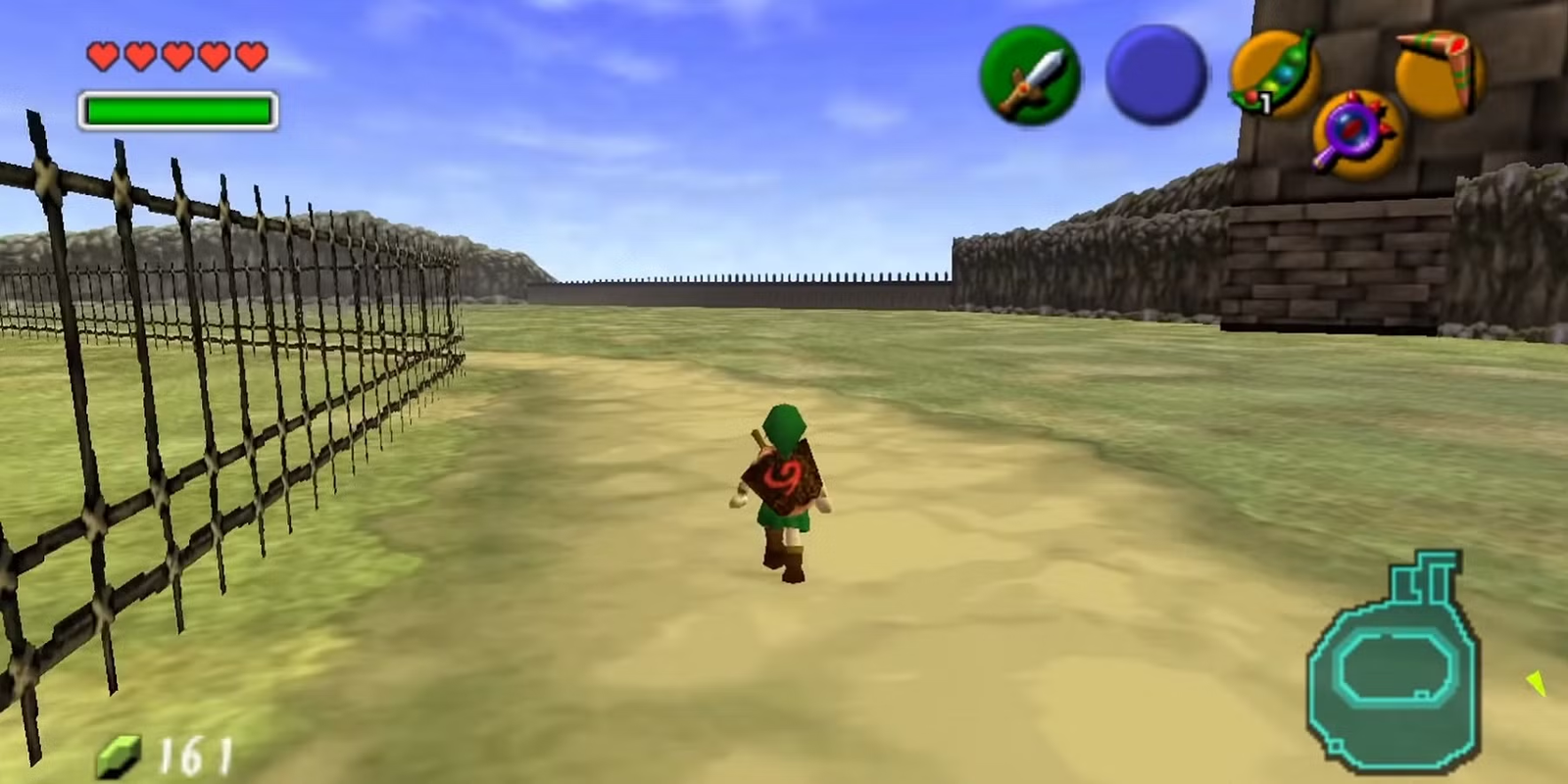
Released in 1998 on the Nintendo 64, The Legend of Zelda: Ocarina of Time became a breakthrough for the gaming industry. The project was one of the first to successfully implement large and open 3D locations, which set the standards for action-adventures. Today, Ocarina of Time has the highest rating from critics in the history of the Metacritic service - 99 points out of 100.
The plot of the game is largely standard for the series: a hero named Link had to save Princess Zelda. But the story contains a number of interesting solutions: time travel, the presentation of Ganondorf as the main villain of many subsequent games and the subsequent branching of the chronology of the entire series into three branches, depending on the ending.
The gameplay revolves around the elements familiar to the franchise: exploring dungeons, fighting enemies and solving puzzles. The game has a time travel mechanic - after reaching a certain story point, the player can move between two time periods, which determines the form of the protagonist - child or adult, which affects the physical strength of the hero and his height, affecting battles and exploration. The world around is also different - when Link is in the past, the world around is calm, and when in the future - devastated.
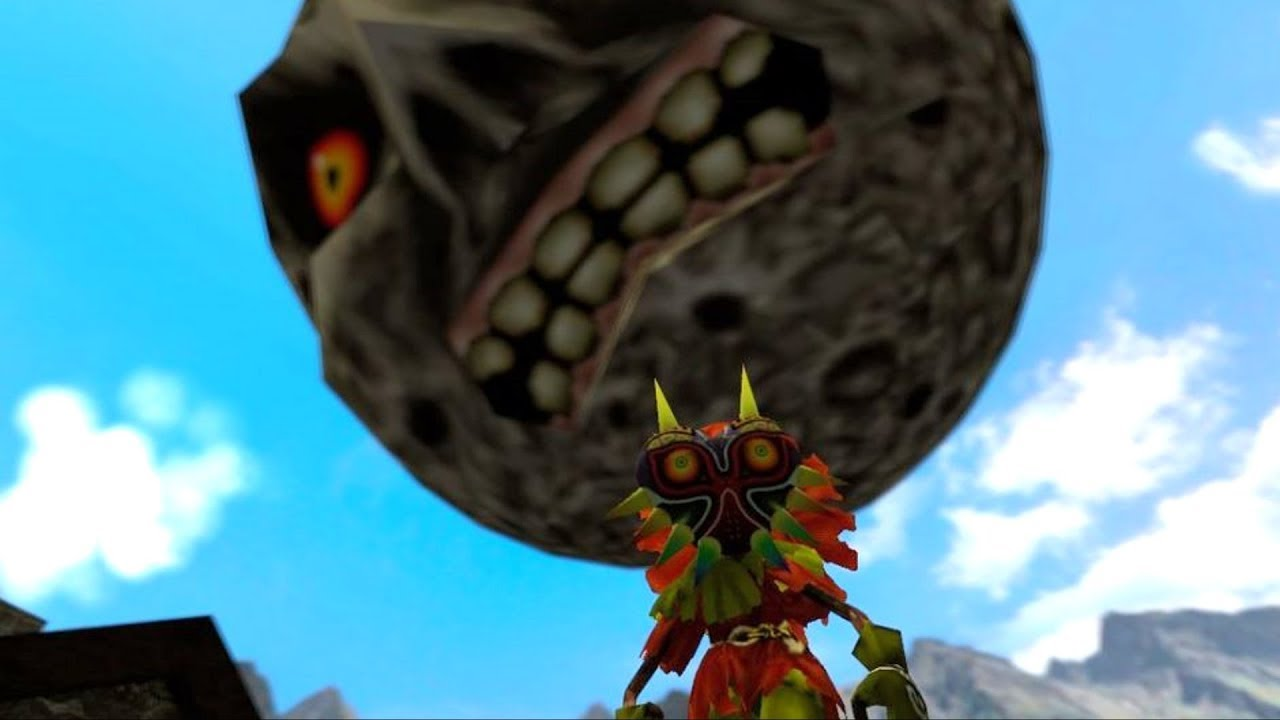
Two years later - in 2000 - a direct continuation of one of the endings of "Ocarina of Time" was released - the game The Legend of Zelda: Majora's Mask. The basic gameplay elements of this game remained largely unchanged: combat system, exploration and puzzles. The time mechanics have been re-implemented - in Majora's Mask, the player has a limited time to complete the game.
Passing Majora's Mask takes an average of about 25 hours, which are divided into cycles - Link has 72 in-game hours or about 54 minutes of real time to complete the main dungeons and get key items. At the end of each cycle, the final of the game comes, and the progress is reset. Only key things are saved: equipment, masks, story items and the remains of bosses.
Sonic Adventure 1 and 2
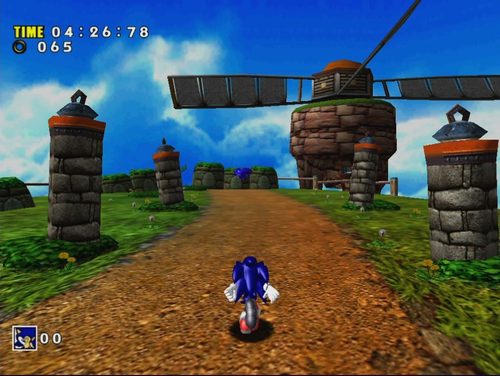
The main mascot of SEGA - the blue hedgehog Sonic - was locked in 2D format for a long time, until the game Sonic Adventure was released in 1998. It was a very serious step in the development of the franchise, which paid off in full: the game impressed players with its dynamic gameplay, world and special levels, such as Emerald Coast.
For its time, Sonic Adventure offered an unexpectedly complex story in which Doctor Eggman planned to collect all seven Chaos Emeralds and awaken the ancient creature Chaos to conquer the world. It was a story about friendship, betrayal and heroism that touched fans.
Players saw events from different perspectives - the project offered six playable characters with different game styles at once:
- Sonic - high-speed platforming levels;
- Tails - racing and flying;
- Knuckles - exploration with soaring and searching for Chaos Emeralds;
- Amy - a slower pace with an emphasis on evasion;
- Big the Cat - fishing;
- E-102 Gamma: a timed shooter.
The second part was released in 2001 and became even more iconic - all thanks to an excellent plot that revealed the backstory of the family of Doctor Eggman - the main opponent of the blue hedgehog - and introduced a new character named the black hedgehog Shadow - Sonic's competitor. Based on the plot of this game, one of the arcs in the anime adaptation of Sonic X was created and the film "Sonic in the Cinema 3" was filmed.
The game offered two campaigns: "Hero" and "Darkness". In the first, we play as Sonic, Tails and Knuckles, and in the second as Shadow, Eggman and Rouge - each of them shows the story from different sides. The final chapter opens after passing both campaigns - much like in the game Nier Automata.
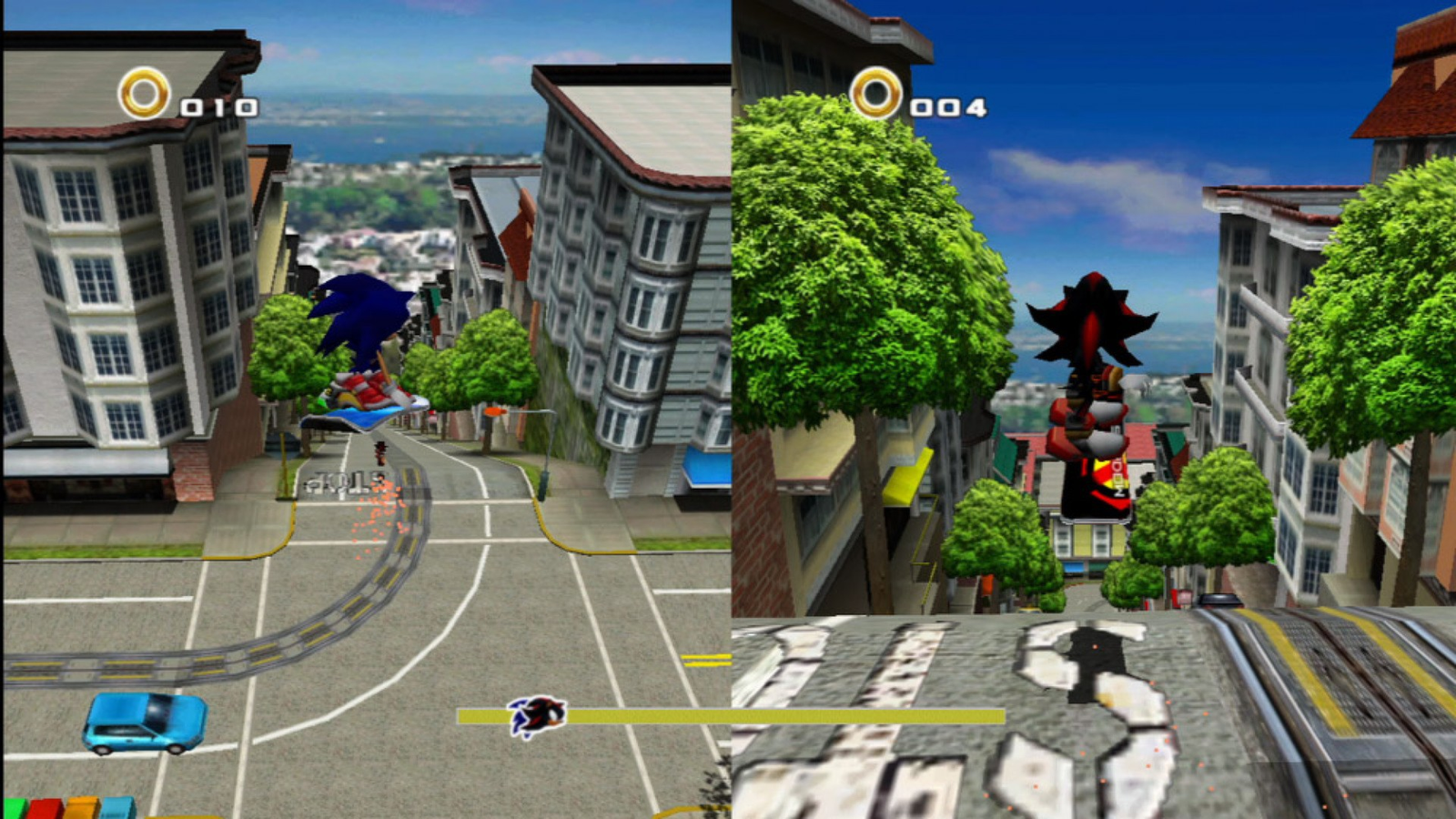
The gameplay has become even better, and the levels of Sonic and Shadow (Escape from the City, Green Forest, Metal Harbor) are considered one of the best in 3D games about the blue hedgehog for their adrenaline pace, cool tricks (for example, snowboarding) and a sense of freedom.
The Sonic Adventure dilogy had a huge impact on the Sonic the Hedgehog franchise, becoming a turning point in its development. These games not only translated the series into 3D, but also laid the foundations for modern lore, style and gameplay solutions that continue to influence the franchise.
Vampire: The Masquerade - Bloodlines
In 2004, developers from Troika Games released the project Vampire: The Masquerade - Bloodlines - a game that is part of a large series of the same name.
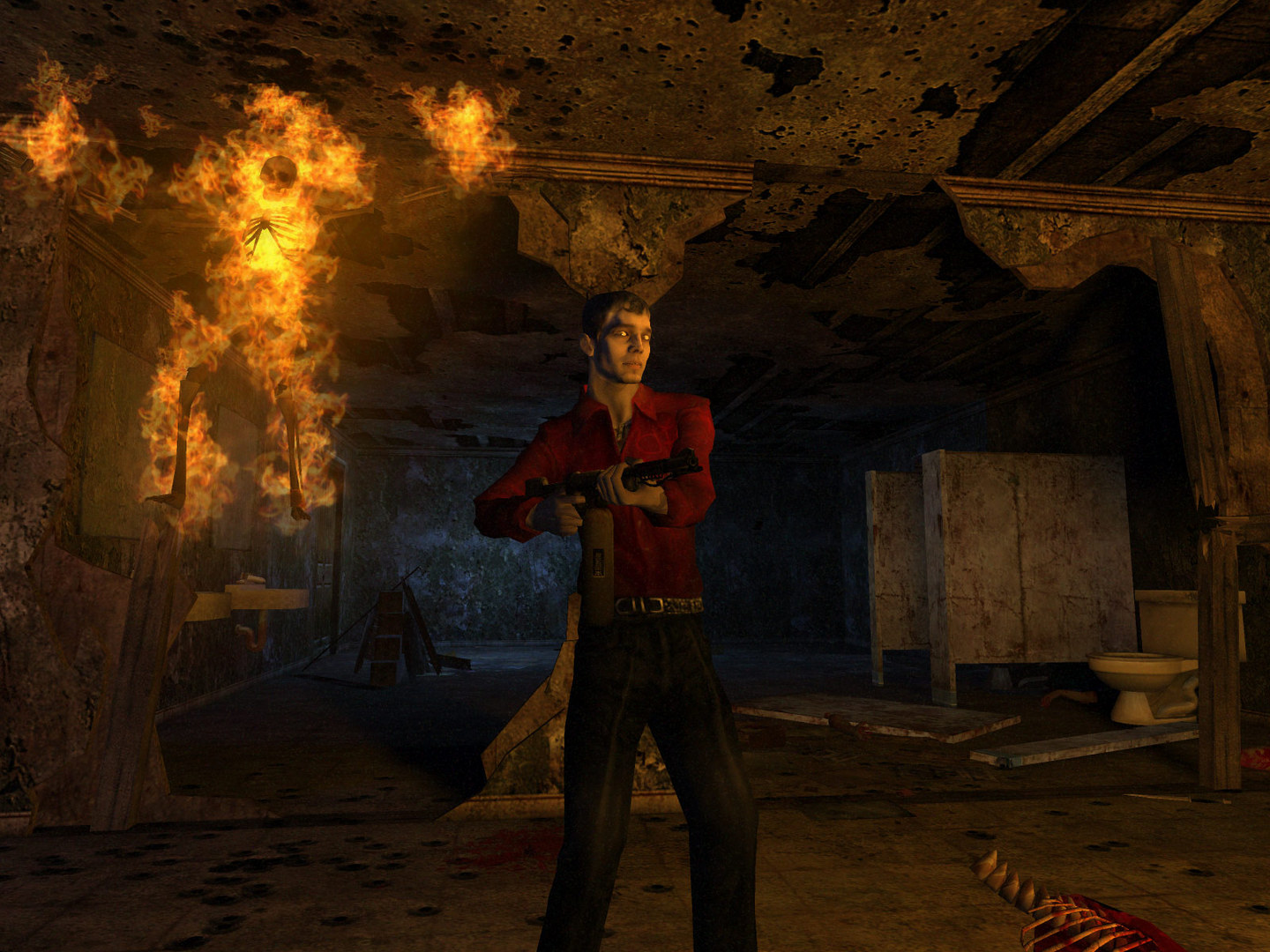
At the time of release, players did not accept Bloodlines - it turned out to be technically broken: many bugs, terrible optimization, problems with the AI of enemies and NPCs, poor balance of difficulty. In addition, the content in the game turned out to be unfinished, and the developers closed shortly after the release of the project.
However, after enthusiasts "worked their magic" on the project, eliminating many technical problems and restoring/finishing part of the content, the game flourished: an interesting plot, charismatic characters, a deep role-playing system offering seven clans with different gameplay at once, a gloomy vampire atmosphere and style of the universe, as well as non-linear tasks with a large number of outcomes.
The plot of the game tells about how the character created by the player is turned into a vampire, after which they begin to use him as a pawn, sending him on missions. The story revolves around the search for the Ancaran sarcophagus - an ancient artifact that, according to rumors, contains the body of an elder vampire and can bring great power or cause the end of the world.
We travel through four districts of Los Angeles, complete tasks, interact with different vampire clans and reveal the secrets of in-game organizations. During the story, the player faces moral choices, political intrigues and mystical secrets. The game offers four endings, depending on the player's decisions, which affects the fate of the hero and the sarcophagus.
Today, Vampire: The Masquerade - Bloodlines is considered a cult game, the sequel to which fans have been waiting for many years. If you eliminate all the technical problems of the original, rework the combat system in a more modern way, and also finish/supplement the game content, but do not touch the story and the entire "plot" component - this will be an excellent remake.
Mafia II
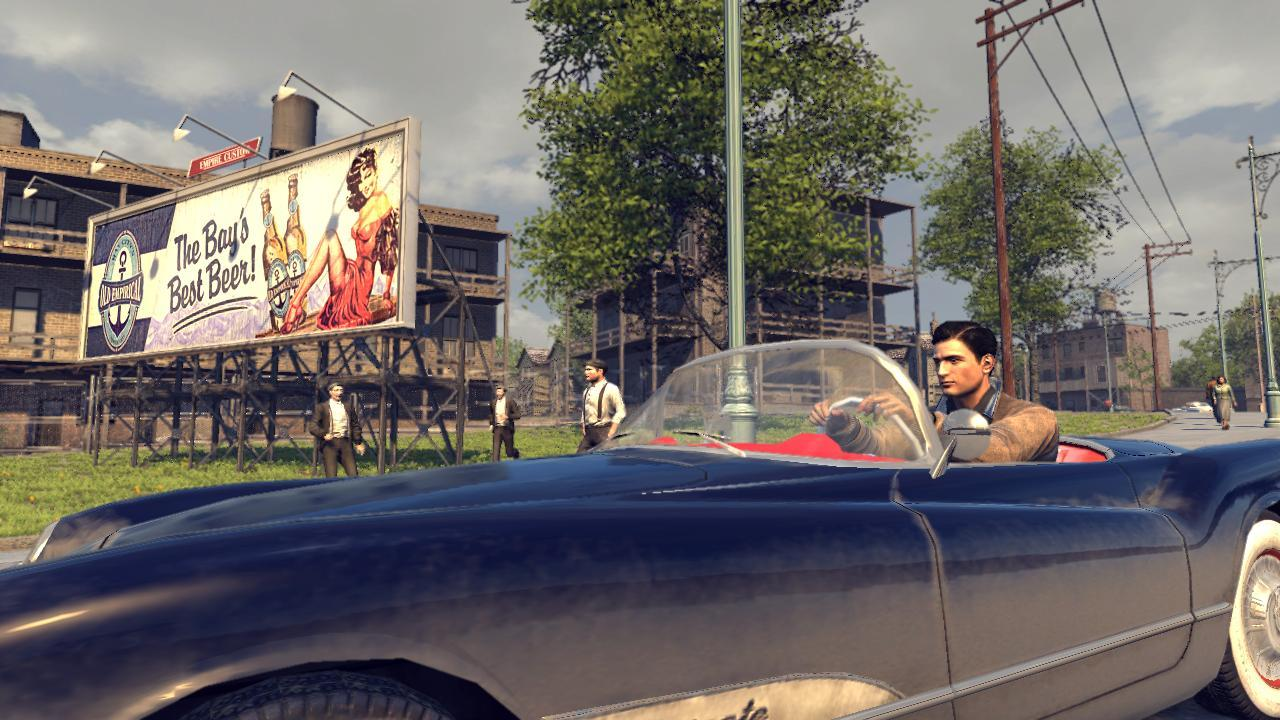
The second "Mafia" was released in 2010 - eight years after the first part. This time, the plot sent the player to the fictional city of Empire Bay in the 1940s and 50s, and the protagonist was Vito Scaletta, who emigrated with his family from Sicily.
Being dissatisfied with life in the Italian ghetto, Vito, together with his friend Joe Barbaro, plunges into the criminal world, starting from the bottom and joining a mafia family. The story of the game tells about how difficult it is to live in such conditions and how easy it is to make a mistake here, the price for which may not be the best deal for Vito.
The original Mafia II, although it turned out to be a good game that deserved cult status, was originally a completely different project - it suffered from many factors: from a three-time change of the game engine to personnel changes in management and the transition of Illusion Softworks to the paws of 2K.
All this led to the fact that a huge amount of content was cut from the game - both plot and gameplay: alternative endings and plot tasks, an extended introduction and many locations unavailable in the final version, there should have been more weapons in the game and the ability to shoot from a car on the go, the ability to buy cars and real estate and much more.
If Hangar 13 - the studio that is now responsible for the franchise - ever undertakes a remake, they simply need to restore most of the lost content. Then the fans would finally get the completed project that they were told about more than 10 years ago. Even if for this they would have to put up with the special vision of these developers, who somewhat revised those ideas that its original creator - Daniel Vavra - laid down in "Mafia".
Never miss our newsAdd this site to your preferred sources to see us more oftenAdd on Google