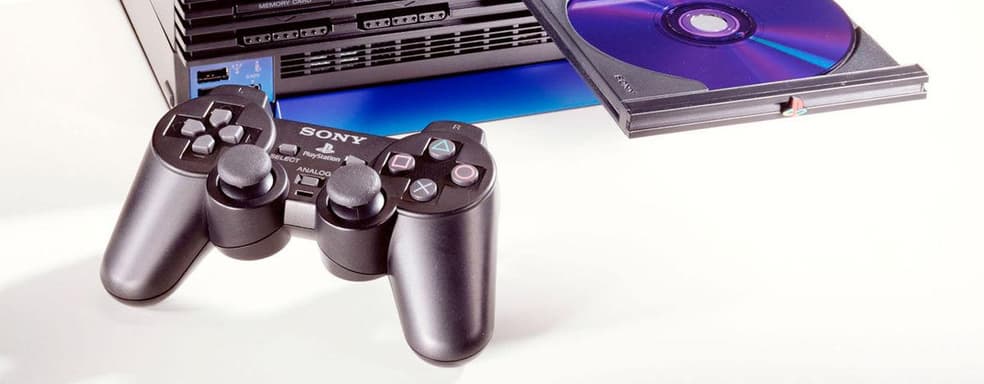
PlayStation 2 - 25 Years. Remembering the History of the Legendary Console
On October 26, 2000, the international sales of the best-selling game console in history, the PlayStation 2, started. Its record of 160 million units sold has not yet been broken, and the device itself has become legendary, thanks to its rich library and huge life cycle. Let's remember how the PlayStation 2 was created: what the console's creators put into the device, what problems game developers faced, and more.
Background
Sony's path in the gaming industry did not begin as intended. Initially, they had an agreement with Nintendo to create a common device: the "blue" ones were to design a disc drive for the "red" console: because the cost of CD production was significantly lower than that of cartridges - approximately $1.5 versus $15 - and the disc format allowed developers much more due to the larger capacity.
The device had two names at once:
- Super NES CD-ROM System - a peripheral addition for the standard SNES;
- Play Station - a hybrid console compatible with NES, released by Sony.
However, the "red" ones feared losing control over licensing: the contract allowed the "blue" ones to dominate the distribution of income from third parties and limited Nintendo's influence on the global market. The deal was broken without even warning Sony, and it happened the day after the presentation where Play Station was first introduced.
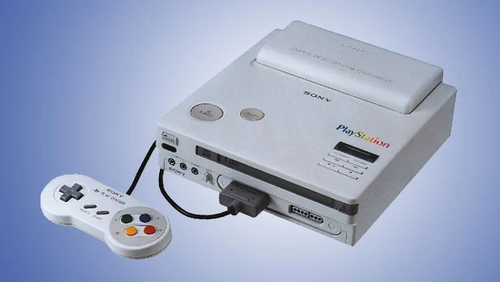
After that, the "blue" ones decided to independently break into the video game industry, imposing competition on Nintendo - the result was the first PlayStation, released in 1994. A real breakthrough in the gaming industry, selling 102.4 million units worldwide by the end of its life cycle. This made it the first game console to surpass the 100 million sales mark - it happened on May 18, 2004.
Announcement and Advertising Campaign of the New Generation
For a long time, there was no official information regarding the next PlayStation - although rumors about the development of a successor had been circulating since the beginning of 1997. Given the popularity of PS One, the question was one: could PlayStation 2 repeat the success of the first? Especially considering that no platform holder had ever dominated two generations in a row before.
For a long time, Sony avoided answers, preferring not to put pressure on engineers and maintain intrigue. As Sony Computer Entertainment Europe President Chris Deering later recalled:"The company feared failure and compared the task before them to winning two gold medals at two consecutive Olympic Games".
The official announcement of the console took place on March 2, 1999 - a year before the start of sales. It happened at a special press conference in Tokyo, organized by Sony specifically for the press and investors. It was a big show, which was very different from the modest announcement of the original console. About 1500 journalists from all over the world were invited - they were given a demonstration of the console's graphic technologies, and the device's press release promised that the PS2 would be able to render graphics in real time like CGI films.
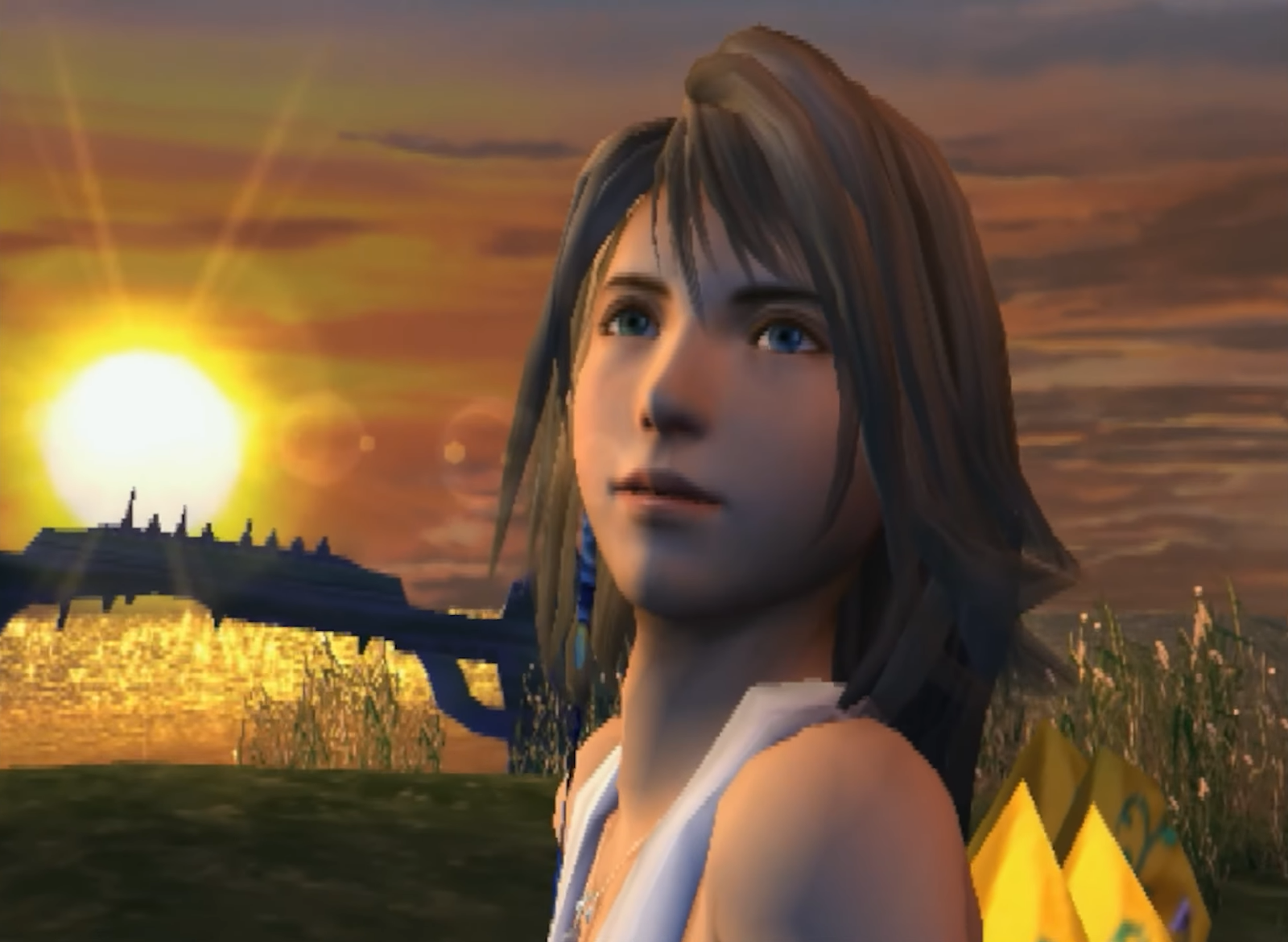
A full-fledged demonstration of PlayStation 2 took place in September of the same year at the Tokyo Games Show: as playable projects, they offered to familiarize themselves with Tekken Tag Tournament and Gran Turismo 2000, which in the future became known as Gran Turismo 3: A-Spec.
As of August 1999, the "blue" ones allocated about 150 million US dollars for the marketing campaign of the second PlayStation, which was considered a very significant amount for that time.
Before the start of sales, two advertising campaigns were conducted: Japanese and Western - the famous director David Lynch was responsible for creating the second. Both approaches, although very different, converged on one thing: there was no context in them - these were trailers that were as detached as possible from the gaming industry.
In total, several advertising trailers were shot, both before and after the release of the console. Among others, there was one in which PlayStation 9 figured as the final point in the gaming industry from Sony - it was shot by director Eric Ifergan for the US and European markets and was remembered by people for an interesting and humorous approach to product promotion. It turns out that we are in the middle of Sony's life path in the gaming industry?
Design
The development of the PS2 design was entrusted to the Japanese industrial designer Teiyu Goto - he also created the look for the first and third PlayStation. The Falcon 030 Microbox computer, which was never launched into sales, was used as a reference for the appearance of the PS2.
The color scheme of the PlayStation 2 was supposed to reflect an entire universe, for which black and a blue inscription were chosen, associated with space and the distant light of stars. As if telling the buyer: our games are infinity. Goto himself saw it as "a planet with a blue color symbolizing intelligence and life breaking upwards."
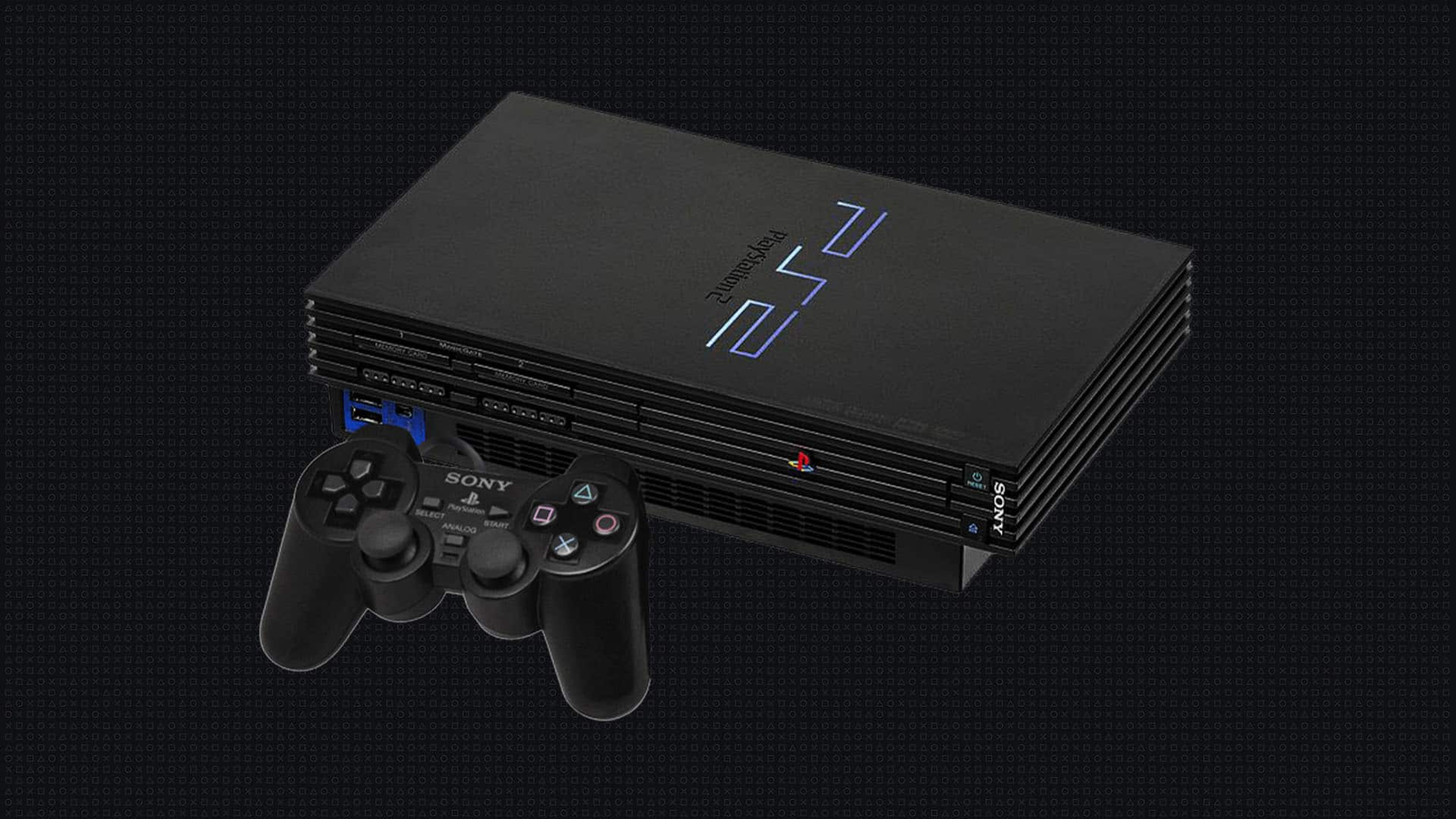
The appearance of the device was futuristic and resembled an alien ship - mysterious, like a cosmic monolith hovering over the Earth. The Slim version became minimalistic and convenient, only reinforcing the feeling of futurism, which perfectly combined with the interface and the sound of the splash screen when turned on.
The console's sound design was developed by Takafumi Fujisawa, here's what he said later:"I used perfect four-string chords with stable harmony to express the power and image of something cosmic".
After turning on the PlayStation 2, the soundtrack immersed the user in an immense space, and the towers that filled the void were a reflection of your travels and the experience gained in them. This space was both alluring and frightening, perfectly balancing on this fine line.
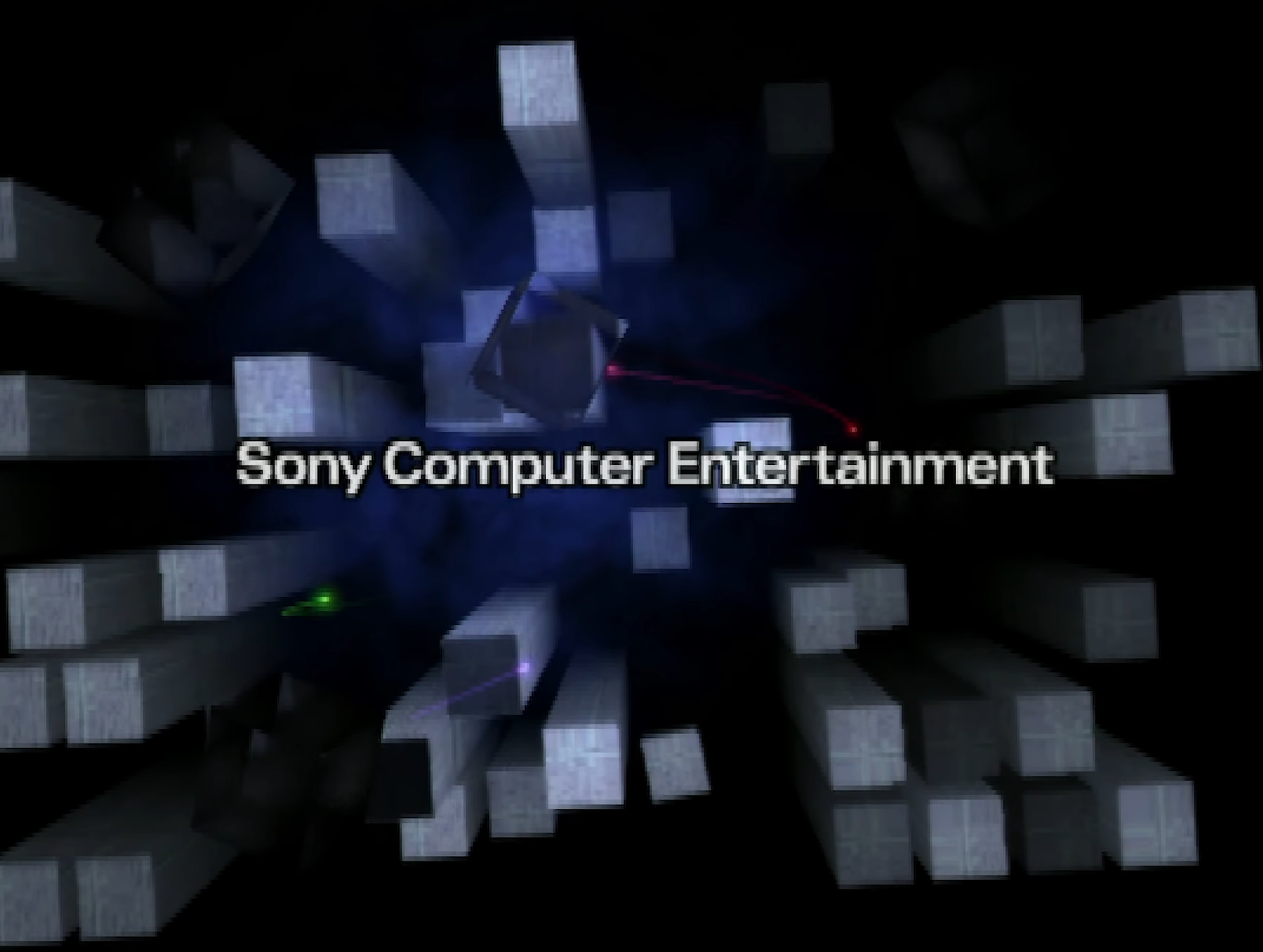
The sense of scale was also emphasized by various details of the device's interface. For example, 3D models created based on data from the memory card, which could react in a special way to their deletion, as if reviving your memories. And when changing various console settings, the glass figures in the background changed and transformed, once again mesmerizing the player with their grandeur.
Technical Stuffing and Its Disadvantages
The development of PlayStation 2 began in 1994 - immediately after the launch of the first "game station". It was handled by Ken Kutaragi - the author of PS One, an engineer known as the "father of PlayStation".
After all the problems with the graphics of games on the first PlayStation, the main goal set for developers was to make sure that games on the new generation worked without any complaints. For this, in collaboration with Toshiba, the console's central processor was created, called Emotion Engine: it became the first commercial 64-bit processor and had a frequency of 294 MHz, which increased to 299 MHz in the latest revisions. The device's advertising campaign promised that thanks to its power, the graphics would be able to demonstrate the full depth of the characters' emotions - hence the name.
For its time, the chip was powerful: the console was even compared to a supercomputer, thanks to which it fell under the Japanese "ban on the export of supercomputers" - partly because of this, there was a difference of almost seven months between the start of sales in Japan and the USA. And a few years after the release of the console, Sony released a Linux kit for PS2, which allowed running the Linux operating system on the console and combining several devices into a cluster for scientific calculations.
The downside was the problematic architecture - the processor combined several specialized blocks:
- CPU - 128-bit RISC core based on MIPS III and MIPS IV architectures. It processed game code, AI calculations, and high-level processing. The core had SIMD (Single Instruction Multiple Data) extensions for simultaneous processing of 128-bit data;
- independent vector coprocessors VU-0 and VU-1: VU-0 is closely connected to the CPU core and can perform both general calculations and geometry transformation, VU-1 is more powerful, specially designed for geometry transformations and lighting calculations. It could work independently of the CPU and VU-0, which allowed parallelizing tasks;
- DMA controller (DMAC): a highly intelligent 10-channel direct memory access controller. It was responsible for transferring data between various processor blocks and RAM, freeing the CPU from these tasks;
- Graphics Interface (GIF): a specialized block for transferring rendering lists from the Emotion Engine to the Graphics Synthesizer (GS). It could combine data from different EE sources and transfer it to the GS for rendering;
- Scratchpad RAM: Small (16 KB) but very fast local memory that was used for data caching and buffering;
- Image Processing Unit (IPU): Hardware decoder for compressing video in MPEG-2 format, allowing full-format video inserts to be played.
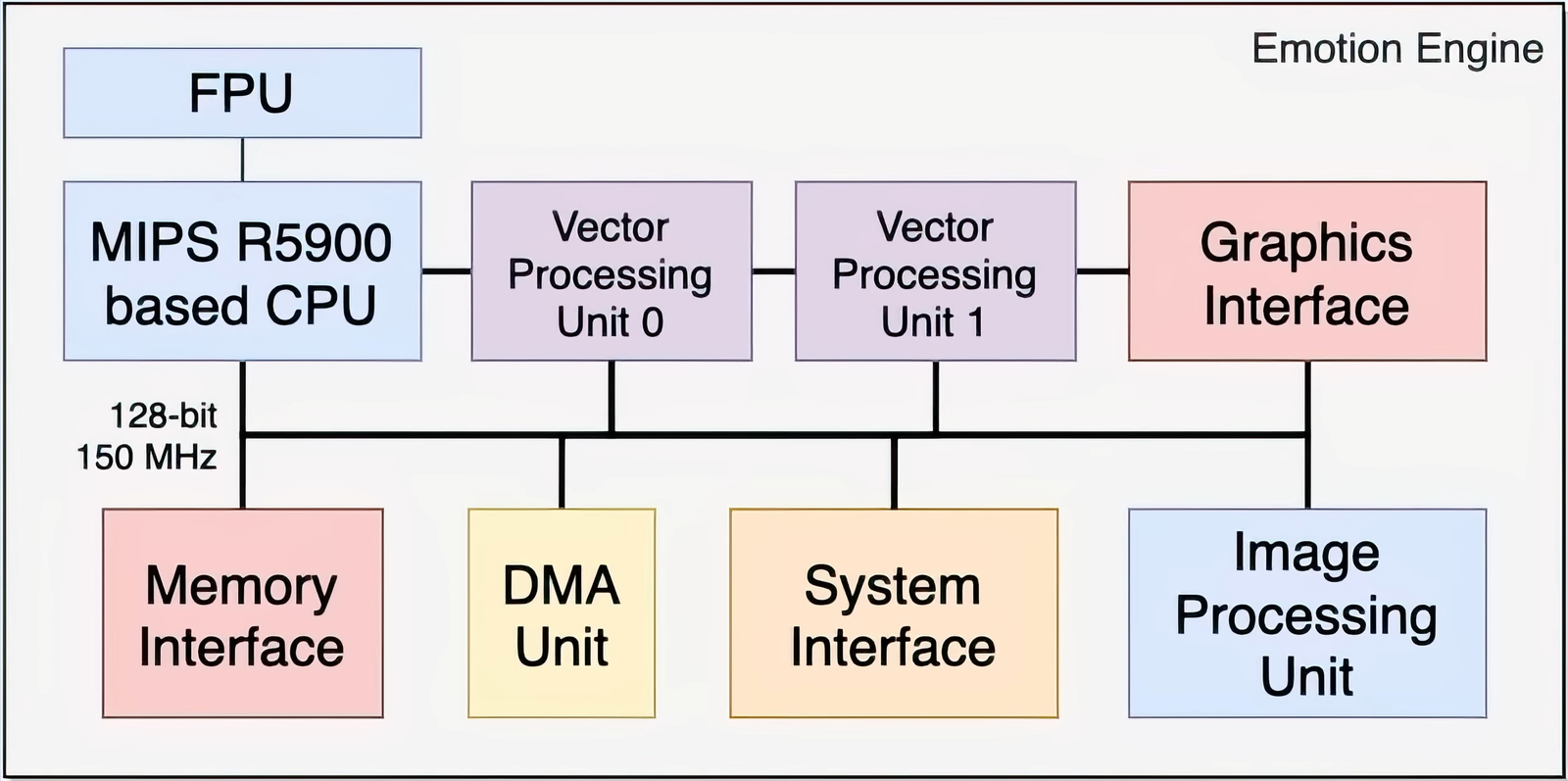
Emotion Engine was not just a CPU, but a multi-block system optimized for processing 3D graphics. Its performance largely depended on the efficient parallelization of tasks between all components. But developers of that time were not used to multi-core structures, which caused many problems, especially at the beginning of the console's life cycle - many had to learn from their mistakes, which led to great difficulties for game authors. And considering that to achieve the maximum result, the game had to be carefully optimized, it was difficult to achieve an adequate and balanced result in terms of load distribution.
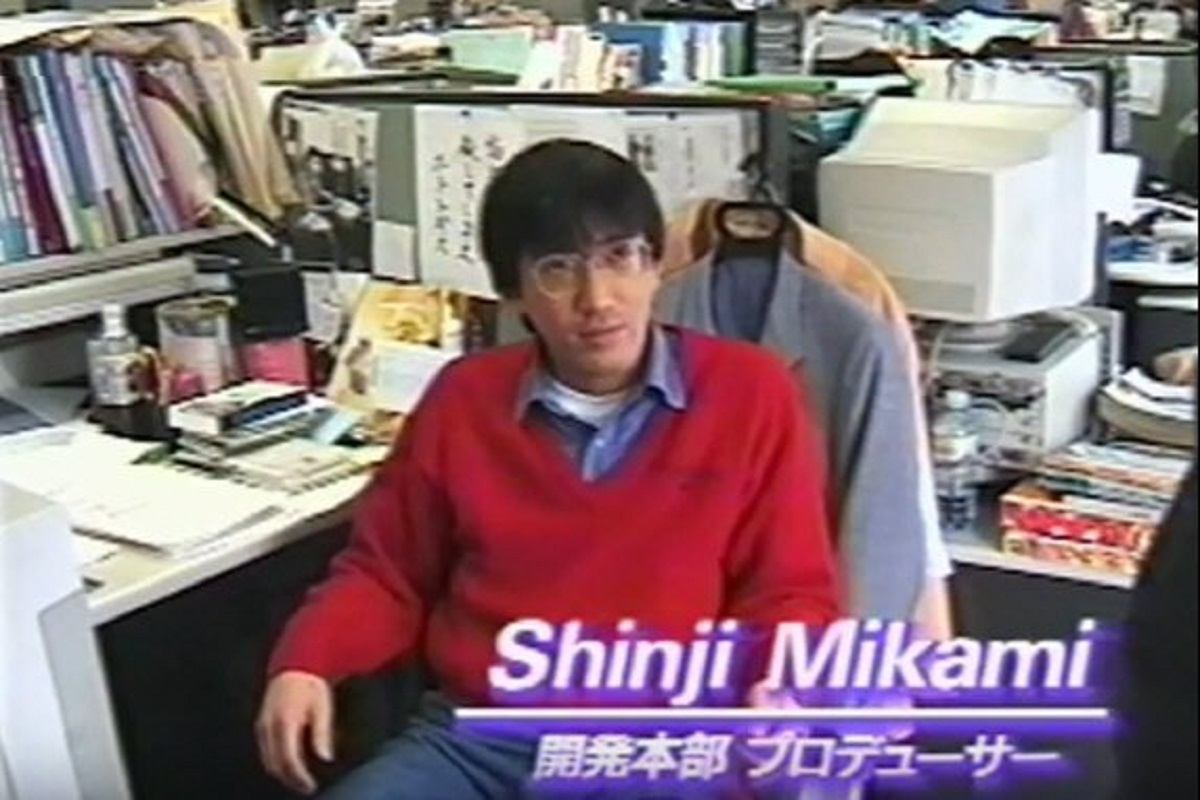
In addition, Sony provided almost no documentation to developers. As Shinji Mikami - the author of the Resident Evil series - said in a 2001 interview with Core magazine:"It was difficult. Although the speed and polygon processing capabilities of the PlayStation 2 are excellent, programming was annoying. There are some annoying technical problems that need to be overcome - it's a difficult machine for the average developer. To unlock its power, you need a super-programmer - most developers won't be able to do that".
Mikami has repeatedly criticized Sony for this approach - he still believes that the PS2 was the most difficult system of all he had to work with, all because of inadequate development tools:"Sony's biggest mistake with the PS2 was simply not providing developers with the resources needed to master the console in a reasonable time, let alone maximize its potential".
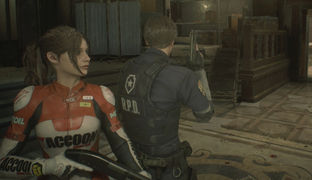
Many game ports on PS2 were noticeably worse than versions on other devices - all because of the complex architecture of the console. In Resident Evil 4, there was low resolution and texture quality, poor lighting and terrible sound, which for games of this genre is a real sin. In Max Payne, the frame rate in a battle with several enemies left much to be desired - only the ability to turn on slow motion mode saved the day.
Over time, developers began to adapt - game engines appeared that were adapted for creating games on PS2, which greatly facilitated the work of authors. One of these was the RanderWare engine, developed by the British company Criterion Games - many popular games were created on it: the Grand Theft Auto trilogy (III, Vice City and San Andreas), Persona 3 and 4, console versions of Mafia: The City of Lost Heaven and Max Payne 2: The Fall of Max Payne, as well as many other projects of that generation.
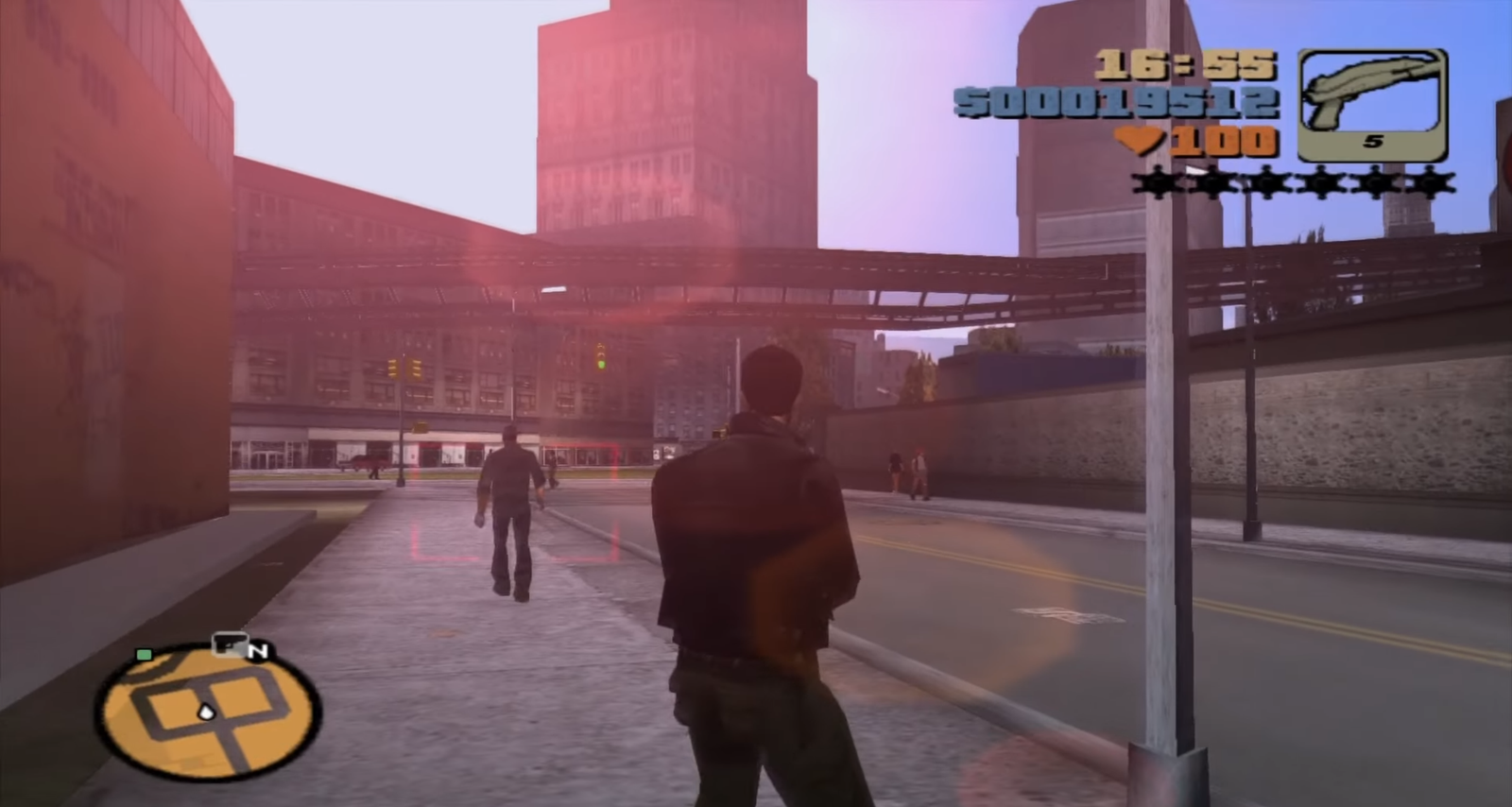
RanderWare became a universal framework, offering libraries for 3D graphics, physics and animation, allowing developers to avoid rewriting code for the unique quirks of the Emotion Engine and becoming a full-fledged replacement for the missing documentation from Sony: the engine had a developed ecosystem, training materials and a community of developers, which helped to quickly solve technical problems and exchange experience.
There were also several alternatives - for example, Unreal Engine 2 from Epic Games. The engine supported PS2 natively, making it easier to create complex worlds with dynamic lighting and was popular for cross-platform projects. All this together allowed developers to get used to it, and the problematic processor did not prevent the console from becoming successful.
Later, in the next generation, Sony stepped on the same rake, hoping that the success of PS3 would be something self-evident: they released an even more complex device in terms of architecture with the infamous Cell processor - but this time luck was not on the side of the platform holder.
Release and Success
Sales of PlayStation 2 started on March 4, 2000 in Japan, October 26 in the USA and November 24 in Europe. Both advertising campaigns were extremely successful: consoles were swept off the shelves. Success was not hindered by either the technical shortcomings of the first revisions - such as problems with the drive, ventilation, malfunction of ports and peripherals, and so on - or the weak starting line of games, which included: A-Train 6, Drum Mania, Eternal Ring, Kakinoki Shogi IV, Kessen, Mahjong Taikai III, Morita Shogi, Ridge Racer V, Stepping Selection and Street Fighter EX3.
But here Sony was lucky for two reasons at once: by the time of release in the USA and Europe, the starting line had expanded significantly - projects such as TimeSplitters, Unreal Tournament, Armored Core 2, Dynasty Warriors 2 and Midnight Club: Street Racing were added to it. The PS2 itself had full backward compatibility with the first PlayStation, for which cool games were still being released at that time: Spyro: Year of the Dragon, Dino Crisis 2, Tony Hawk's Pro Skater 2 and others. All this quickly leveled out the shortcomings of the starting line.
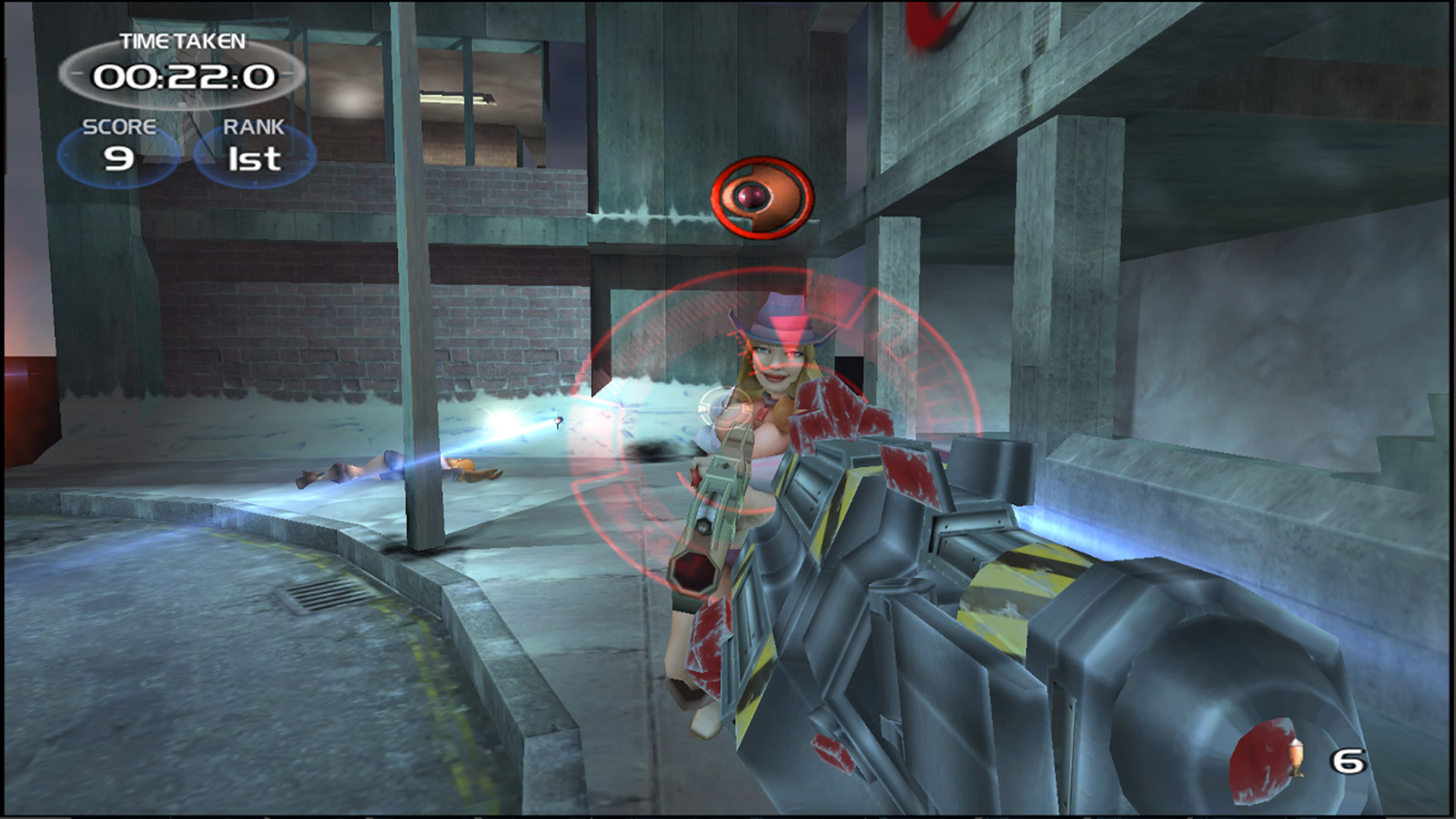
At first, the console was in short supply - at least for a year after the launch of sales, a large number of people could not get the device. Many accused Sony of artificially creating a shortage, but the company tried its best to meet the demand, sending 100 thousand copies of PS2 to the shelves of American stores every week.
In addition to successful marketing, the success of PlayStation 2 was facilitated by several other factors.
Firstly, apart from Sega, which was already in crisis at that time, Sony simply had no competitors at the start, since Xbox Original from Microsoft and Nintendo GameCube were released only a year later - November 15 and September 14, 2001, respectively.
This head start was enough to make up for the shortcomings of the starting line and the first revisions, which allowed Sony to capture the market by 2002 - even the fact that the competitors' devices were significantly more powerful and simpler in terms of architecture did not interfere: 485 MHz for the Nintendo console and 733 MHz for Microsoft.
Secondly, PS2 had the ability to access the Internet, like Xbox, but multiplayer on the Sony console was completely free, unlike the competitor, where you had to subscribe to access the network. Paid multiplayer for the "blue" ones appeared only with the advent of the PlayStation 4 generation.
Thirdly, the very fact that the console had a DVD drive immediately helped Sony win the competition with Sega, depriving Dreamcast of a chance to save the company. After the failure, they re-qualified as a publisher, which they are to this day.
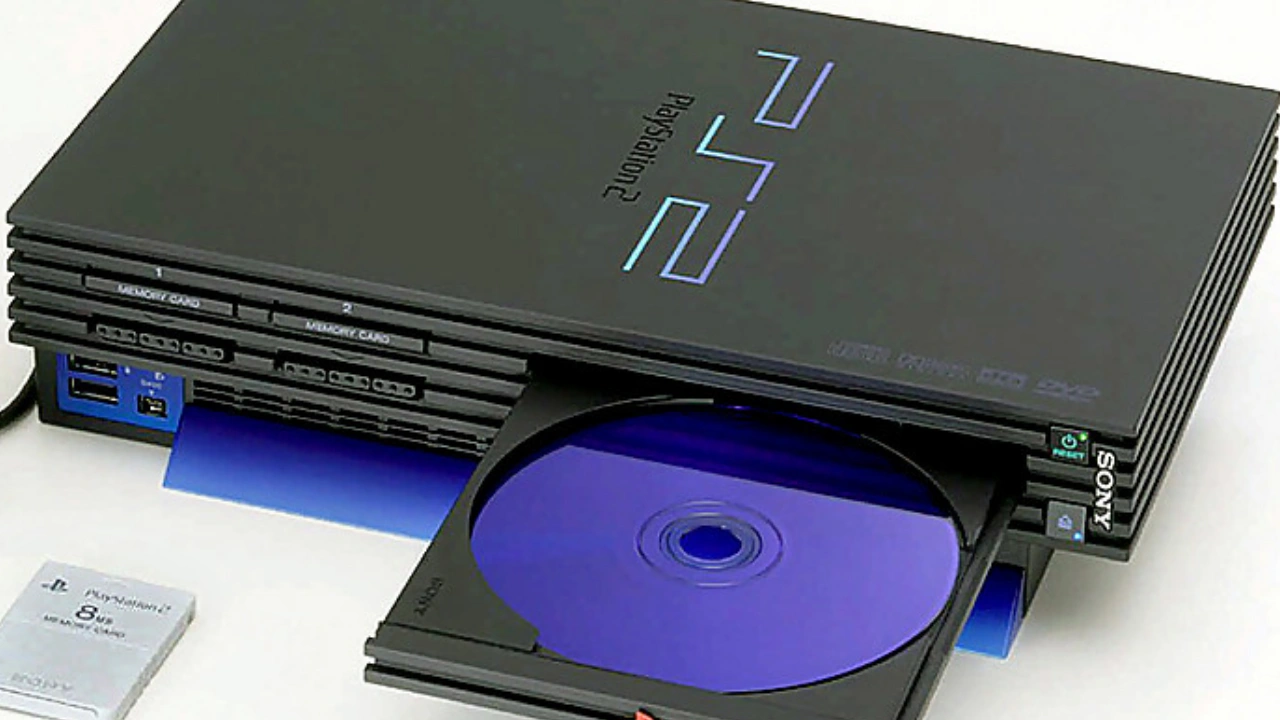
The DVD format allowed developers much more than CD:
- larger storage capacity - approximately 700 MB versus 4-8 GB - which allowed creating more detailed worlds and, as a result, more cinematic games;
- higher video resolution - 240p for PS1 versus 480p for PS2;
- the ability to use the format not only for games, but also for movies;
- the cost of producing one DVD disc was higher than that of CD, but considering its capacity, the overall price tag was lower.
DVD became Sony's feature - the console was selling like hot cakes not only because it was the best gaming device, but because it became the most affordable DVD player on the market: it was much more profitable to buy a device that allows you to play games, go online and watch movies. The PS2 cost $299 at the time of release, while the price tag for the cheapest DVD players started at $200 - but these were basic players, without additional functions.
Here, the "blue" ones had to sell the console at a loss - the cost of producing one device was estimated at about $400, which means that the company expected to recoup on sales of games and accessories, which they did. As a result, the console became the most successful in the history of the gaming industry - it sold 160 million devices: a record that no one has been able to beat to this day!
The Longest-Living Console
On paper, the PlayStation 2 generation was not so long - the release of PS3 in Japan took place in November 2006, which means that the PS2 was relevant for six and a half years.
In reality, everything was not so: thanks to a huge base of players, games continued to be released on the console for many years - including legendary projects! So, in the spring of 2007, God of War 2 was released on PlayStation 2, and in 2008, Persona 4 was released - both of these games were exclusives of the second "game station" for several years.
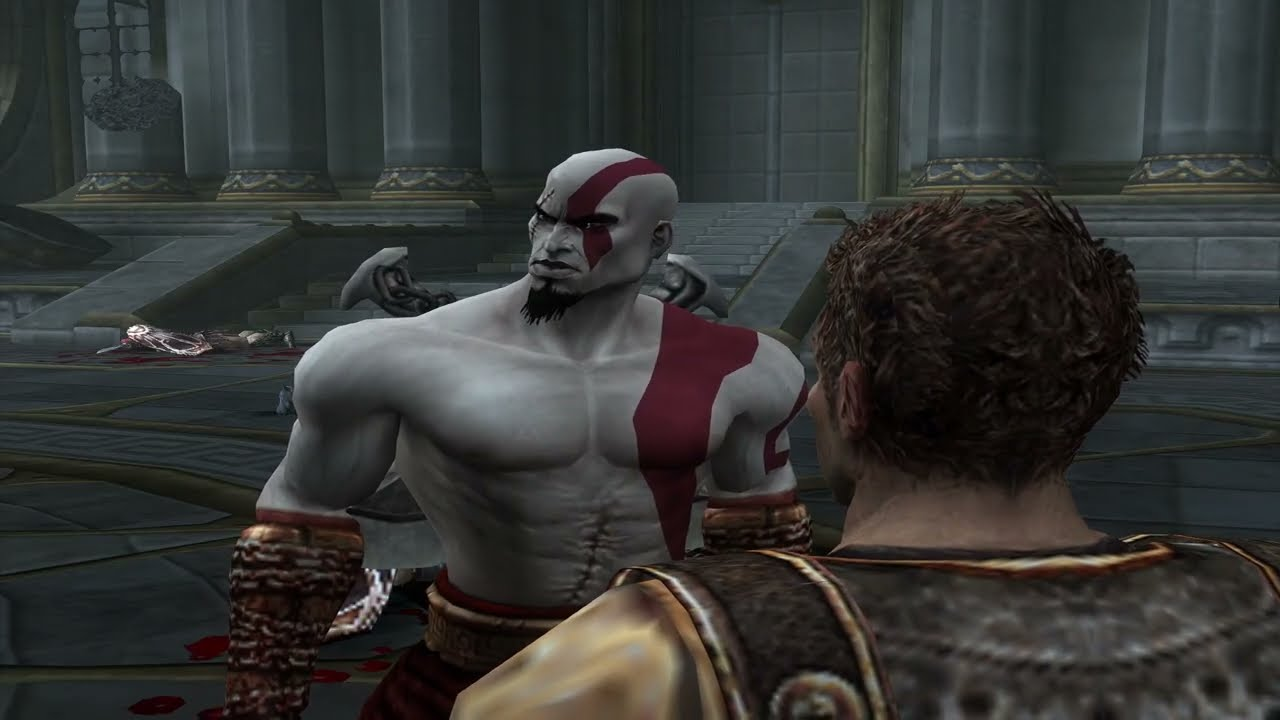
More niche projects and cut-down versions of other games - like Toy Story 3, which cut out the Toy Box mode, which allowed you to create your own maps, or Spider-Man: Web of Shadows, which was made in 2.5D graphics for PS2 and lost cutscenes - continued to be released for many years, effectively doubling the console's life cycle.
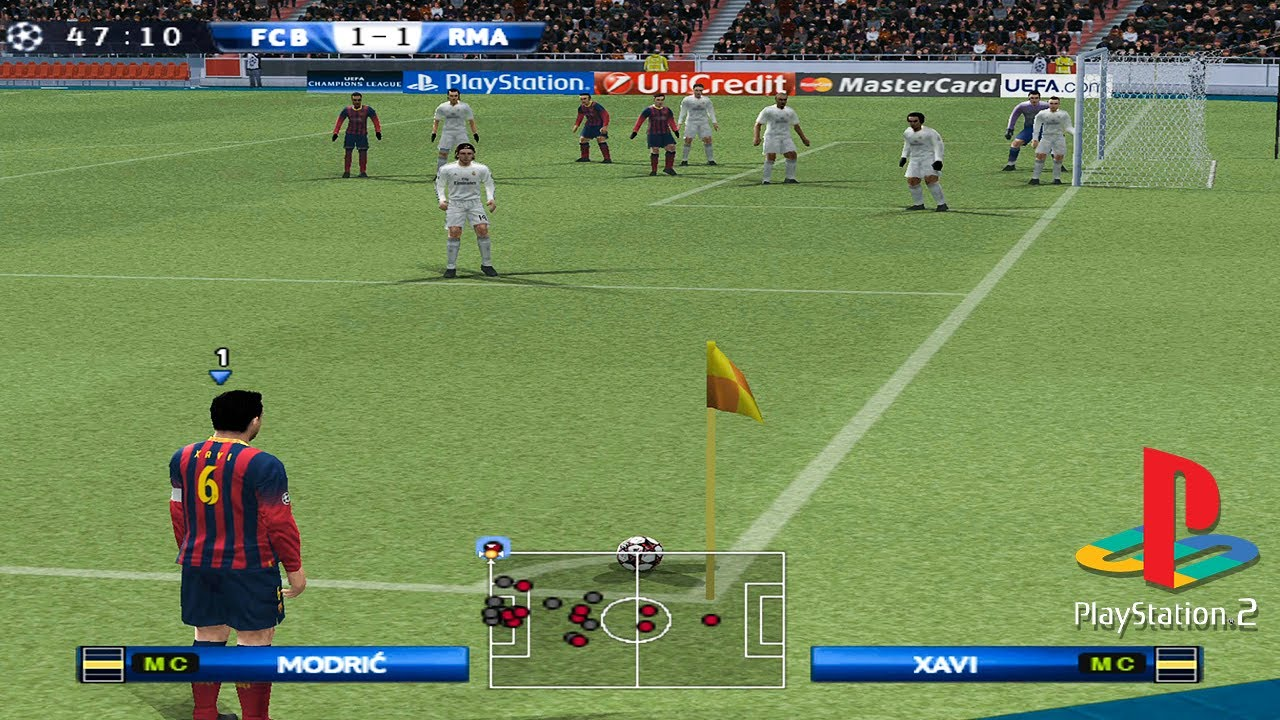
The last official game released on PlayStation 2 is Pro Evolution Soccer 2014 - a football simulator from KONAMI. It was released on November 8, 2013 - a few days before the start of sales of PlayStation 4!
Support for some multiplayer projects lasted even longer: especially in the case of Final Fantasy XI, the servers of which were closed on PS2 as late as March 2016 - you can now play it only on PC.
The production of PlayStation 2 was completed in December 2012 in Japan and in January 2013 in the rest of the world.
Fans continued to support the console, inventing hacking methods, creating their own fan games and applications, as well as emulators, thanks to which today you can play the legendary library of PS2 games on your smartphone.
Analysis
PlayStation 2 is undoubtedly a legend of the gaming industry. Its sales of 160 million units and a life cycle of 13 years is an absolute record among all gaming devices, which no one has been able to beat to this day. This console is loved for its games, design, convenience and multifunctionality, and the advertising campaign is still remembered - it was good, strange and unusual.
Yes, not everything was smooth: the Emotion Engine processor, combined with Sony's cool attitude, which did not provide developers with any documentation, put a lot of sticks in the wheels of game creators, and the power of the device, which was initially compared to a supercomputer, turned out to be not so great in comparison with competitors who came out a year later. But the developers found a way to get around the shortcomings, creating engines that became full-fledged frameworks with developed communication systems, and the multi-core Emotion Engine compensated for the lack of power - the gap with competitors was not as big as it might seem.
What is the secret of PS2's success? Partly - all because of the positioning of the console, which was sold as an advanced and cheap DVD player and, of course, great games that determined the future of the gaming industry for many years to come. But if you look at history differently, it was that rare case when a company, having won the competition almost immediately after the start of sales, did not abandon either the console or its audience and continued to develop - this is where the magic lies.
Never miss our newsAdd this site to your preferred sources to see us more oftenAdd on Google