Valve Learned to Count to Three - Xbox Has Problems. Why the Steam Machine and Steam Frame Announcements Are More Important Than They Seem
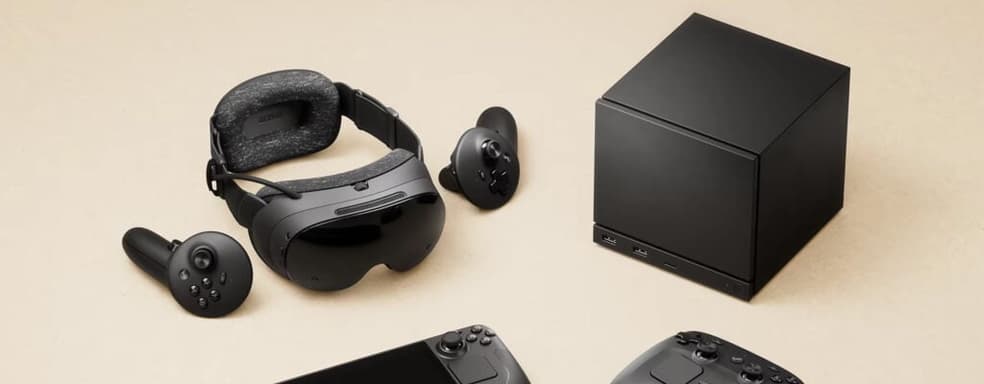
On the evening of November 12, Gabe Newell, without declaring war, introduced a new line of gaming devices to the world: the Steam Machine mini-PC, the Steam Frame VR headset, and the Steam Controller gamepad. At first glance, nothing unusual. However, the presented novelties from Valve actually open a second front in the console wars, because this time the company intends to seriously fight for a place in the home entertainment ecosystem. How exactly does it plan to do this, and why are these announcements much more significant than they seem at first glance? We will analyze in this material.
Steam Machine: Xbox Next Died Without Being Born
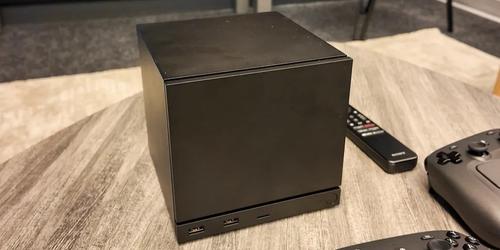
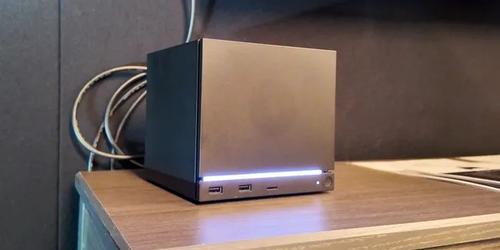
The first and loudest novelty is the Steam Machine. In essence, it is a compact gaming PC in the shape of a cube, which, according to Valve, is small enough to hide behind a banana on a shelf. Of course, this is a joke, but the main thing is that Valve is openly aiming at the segment where Xbox, PlayStation, and Nintendo have been sharing influence for years, and against this background, the Steam Machine looks like a daring contender, because it simultaneously hits all the weak points of competitors. But first things first.
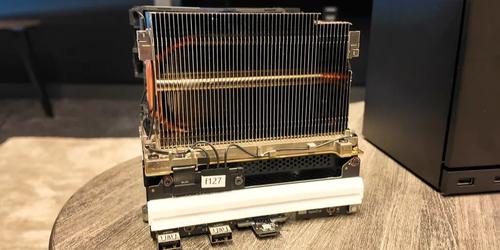
Inside the Steam Machine is a relatively modern configuration at the level of the current generation of consoles. Inside a 16×16 centimeter cube are a six-core AMD Zen 4 processor, 16 GB of RAM, and a discrete semi-custom video card based on the RDNA 3 architecture on a Navi 33 chip with 8 GB of memory and twenty-eight computing units.
In terms of power, it is located approximately between the Radeon RX 7400 and RX 7600. Sounds not too hyped - I understand. However, it is the relatively modest configuration that allows Valve to not inflate the price and make the device truly mass-market. After all, Gabe knows better than others that most players continue to play in 1080p, and for this purpose, this set is more than enough.
Although marketers, of course, could not resist promising gaming in 4K at 60 FPS using FSR, this is more of a target. I would immediately cool expectations to a maximum of 1440p. Nevertheless, there are a number of nuances here that explain why everything is arranged this way, and to understand them, it is worth looking at the Steam Machine primarily as an idea.
The very concept of Steam Machine is not new for Valve - in 2015, the company already tried to conquer the living room with its devices, but suffered a fiasco: less than five hundred thousand units were sold worldwide, which for the market is a statistical error. So why didn't anything take off then?
The first Steam Machines had a raw software ecosystem and lacked a clear direction for development and positioning. SteamOS a decade ago could only run games with Linux versions, of which there were very few. Proton and device verification did not exist, so the buyer of this "PC console" received a reduced library of games and a set of crutches to boot.
Additional confusion was created by the bet on third-party manufacturers: marketing was blurred, configurations differed radically, and prices ranged from several hundred to several thousand dollars. Now the situation has changed radically.
Over the past years, Valve has consistently developed SteamOS and Proton and achieved what was hard to believe in 2015: most PC games run on Linux without the participation of developers. Moreover, SteamOS often shows better performance on the same hardware compared to Windows 11, which allows you to squeeze the maximum out of relatively inexpensive components.
The success of Steam Deck is direct proof that a portable gaming PC can be inexpensive and at the same time comfortable to use. In ten years, SteamOS has matured and is ready to take revenge, and Valve has taken into account past mistakes and is now independently engaged in the production of devices so that the user does not have to guess which Steam Machine is "correct".
This is not the most obvious, but extremely important step towards console convenience, when, seeing the Valve brand, you immediately understand what you are buying, much like in the case of Sony, Xbox, and Nintendo.
But why is special attention paid to Xbox Next in the subtitle? It's simple, it is becoming the main future competitor of Steam Machine. Microsoft is "officially according to rumors" preparing a device that will further blur the line between PC and console, turning Xbox into a universal gaming station. An ambitious plan, but there is a nuance.
A year or two will pass before the release of the next Xbox, if not more, and users are already being prepared for the fact that it will be an expensive "premium" device. The only question is whether the audience needs an expensive universal console, if sales of the current generation clearly show the opposite?
The leader in the number of devices sold was not the powerful Series X at all, but the affordable Series S. Most players just want to be able to play modern projects inexpensively, and in conjunction with Game Pass, this worked. But now the subscription and consoles are constantly becoming more expensive, and with this, the main argument in favor of Xbox as a "profitable" platform disappears.
Against this background, Valve is already offering a device that closes the very need thanks to which Series S became the locomotive of the generation. Steam Machine gives access to a huge Steam library with regional prices, does not require payment for online, runs games in the usual console format, and at the same time remains a full-fledged PC.
If you want to go beyond the "console" use, you can switch to the classic desktop mode of SteamOS (there is a full-fledged Linux) or install Windows for maximum compatibility. No one limits the user in the choice of software, you can install Epic Games Store or emulators of old consoles. Steam Machine remains essentially a gaming PC that only pretends to be a console. And that's what makes it dangerous for the next Xbox. While Microsoft is only talking about the future, Valve is already living in it.
Sony and Nintendo are still relatively safe. No matter how you feel about platform holder exclusives and their modest number in recent years, they remain the reason why an avid gamer has to keep several devices at home.
But Xbox Next now has nothing to oppose Steam Machine: there are no exclusives, Game Pass can be installed on the "Gaben's machine" if desired, and the promised premiumness of the future Xbox raises doubts. Enthusiasts who have the means for a truly "premium" device are more likely to choose a full-fledged gaming PC or the same PlayStation 5/6 Pro.
Ultimately, the most important thing remains the price of the Steam Machine. It is she who will determine whether everything said above makes sense. If for some reason the device enters the market at an overpriced price, it will be a shot in the foot. But in recent years, Valve has been much better with adequacy than the rest of the industry giants combined.
Steam Deck was sold almost at cost, the company did not raise prices against the background of a general increase in the cost of electronics, and Valve's philosophy itself is based on earning not on hardware, but on the platform - as befits a self-confident platform holder.
And if the Steam Machine really turns out to be affordable, even if "reasonably affordable", this will change the market much more than it seems at first glance. For the first time, Valve is not just making a device, but is launching a full-scale offensive of its own ecosystem. Portable here, home PC console there, and then... then everything becomes even more interesting.
Steam Frame: Steam Deck That You Can Wear on Your Face
The second number (although, to be honest, for me - the first in interest) is Steam Frame. Although the device is easy to mistake for another VR headset, it would be a mistake to judge it so one-sidedly. Valve deliberately does not call it Index 2, because in fact it is a Steam Deck that you put on your face. Why? I'll tell you now.
Steam Frame combines several approaches that we have already seen separately from other companies, but for the first time they are assembled under one body.
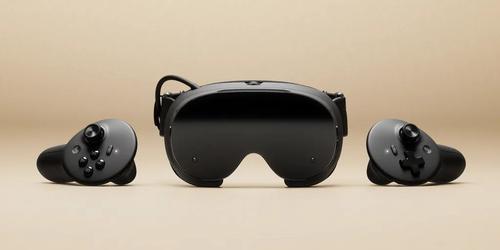
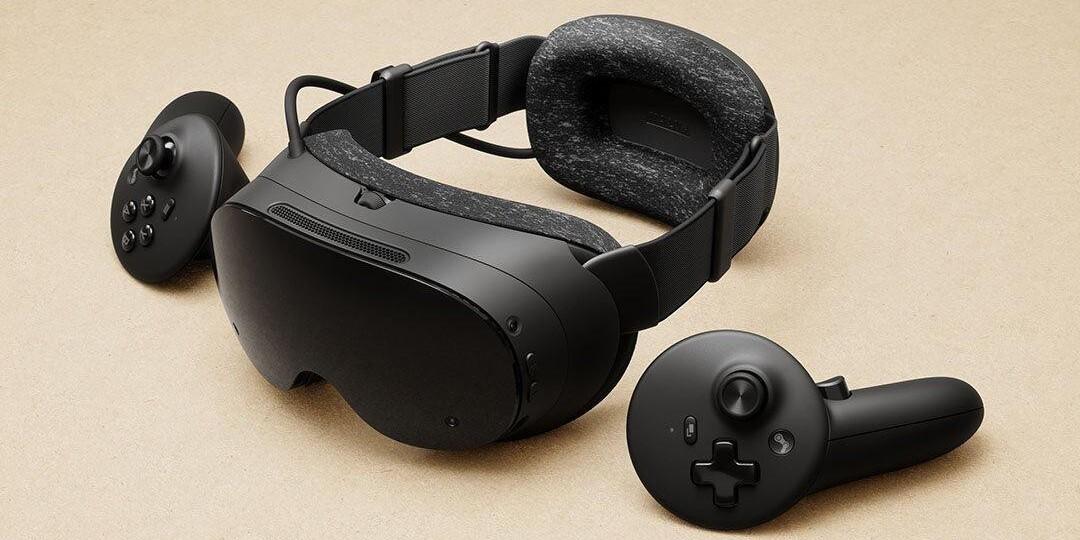
The device is equipped with relatively top-end hardware by the standards of a VR helmet. Two LCD displays with a resolution of 2160×2160 per eye with modern custom pancake optics - "pancakes" that provide a wide field of view of about 110 degrees and a refresh rate of 72 to 144 Hz - are approximately at the level of competitors like Quest 3, but the filling here is more powerful.
Inside is a Qualcomm Snapdragon 8 Gen 3 mobile chip with 16 GB of RAM and a 256 GB or 1 TB drive plus a microSD slot. At the same time, the weight of the device is only 435 grams, which makes it about 20% lighter than most competitors.
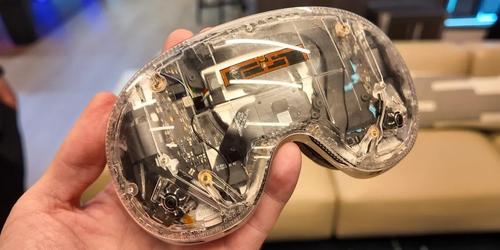
In terms of design, Valve was clearly inspired by the premium Apple Vision Pro, but adapted the idea to its needs. The Steam Frame case is modular: the main part with displays, processor, and optics is separated from the mount and battery. This separation allows for better weight distribution and reduces pressure on the face during long games, and at the same time simplifies maintenance and future modernization of the device - this is built into the design from the beginning.
Valve does not hide that it wants to develop the idea of upgrades: from replaceable straps and headbands to possible modules with additional cameras that can eventually bring the device into the mixed reality segment. So far, this is not part of the official announcement, the information comes from journalists who visited Valve's headquarters and talked with engineers.
The general idea sounds like this: to turn Steam Frame into "the last VR helmet you will need." A device that does not become obsolete every two or three years, but is updated due to its modular design. Potentially, the company will be able to release a new frontal computing unit entirely if it decides to move in this direction: not a separate new device, but a replaceable module that provides a performance boost without having to buy a helmet again. This, albeit a little, will reduce the cost of upgrading for the end user. So far, this is just a bold statement, we'll see how it will be in practice later.
However, Valve offers the most interesting thing right now. It's not just about modularity, but about the fact that Steam Frame was originally designed as a device with two equal modes of operation, and this is its main difference from all current VR helmets.
On the one hand, it is a full-fledged standalone VR helmet that runs games and applications on its own chipset under SteamOS for ARM. It has its own compatibility profile - Frame Verified, its own settings, its own limitations. It can work as a standalone device, without wires and without a PC, and not only in VR games.
Valve officially emphasizes that Steam Frame is a PC, and this is evident in how its autonomous part is arranged. The device is capable of running ordinary "flat" games from your Steam library in virtual screen mode, turning the space in front of your eyes into a huge digital monitor.
At the same time, the user does not need to think about which architecture the game is assembled on - x86, ARM, Linux, Windows - SteamOS itself decides through which compatibility layer to run it. The combination of emulation, internal libraries, and Proton technology makes the process as convenient as possible: you choose which game to run - VR or non-VR, and the system itself decides what to do with it.
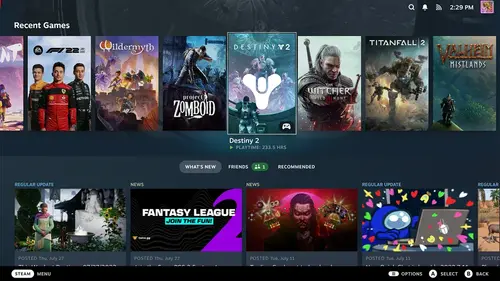
As a result, Steam Frame can install and run any game from Steam (which will soon receive support for Android games), the only question is whether it can handle it. Most likely, the library will have to be filtered for the capabilities of ARM graphics, which are close in level to the same Quest 3.
As I mentioned above, Valve introduced the concept of Frame Verified - games that its headset can handle on its own, like Deck Verified. For example, journalists played Hades 2 on Steam Frame in 1440p/90 Hz mode, but how many games will actually show acceptable performance autonomously? The question is open, but it is already clear that the greatest potential of Steam Frame is revealed when connected to a powerful PC, and here Valve has come up with a number of "features" that allow you to make wireless streaming the main use case.
The headset comes with a special wireless adapter that plugs into your PC and serves as a direct transmitter to the helmet. A personal wireless channel is established between the dongle and Steam Frame, bypassing the router and other intermediaries - in fact, a private "tunnel" without extraneous traffic.
This eliminates the latency problems that inevitably occur when streaming over regular Wi-Fi, when the signal goes through the router. At the same time, all other traffic is transmitted in the standard way over Wi-Fi, and such a "two-channel mode" is a real small revolution in VR streaming.
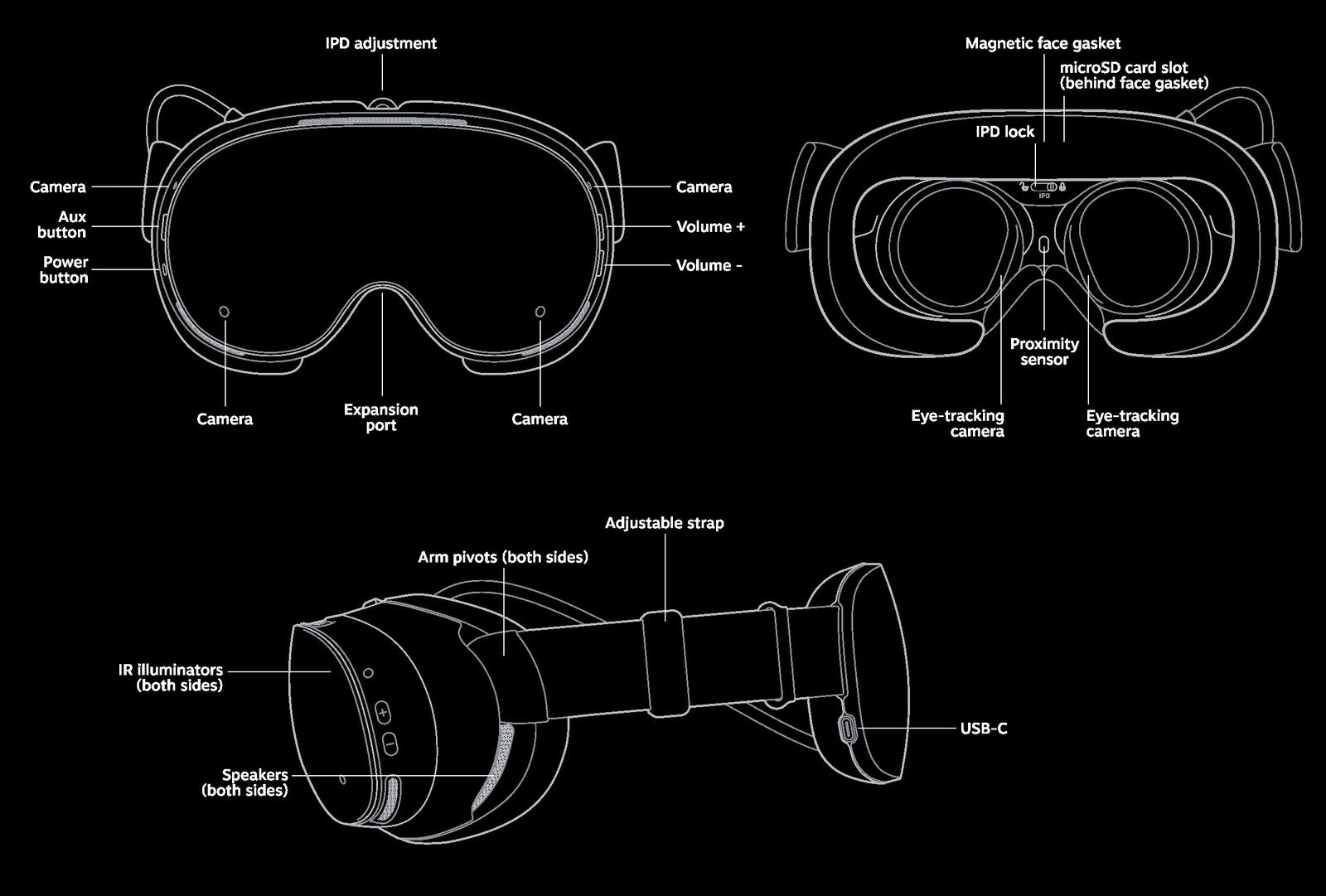
In addition to this, Valve has implemented support for foveal streaming technology to reduce the load on the device. The helmet is equipped with internal eye-tracking cameras, and the system transmits the image in the highest quality only to where you are currently looking, reducing the resolution at the edges of the field of view. This is similar to foveal rendering, but at the level of video stream transmission - universal for any games, without the need for developer intervention.
By the way, Steam Frame also supports foveal rendering, similar to PSVR2. Thanks to the internal eye-tracking cameras, the helmet is able to increase the resolution and detail in the area of view and reduce it on the periphery, reducing the load on the processor and video chip. Moreover, according to journalists, it works so quickly that it literally anticipates the player's movements, making the process as smooth as possible.
The combination of these two technologies can be a useful addition when running games on the Snapdragon processor in Steam Frame, which is a powerful mobile chip, but noticeably weaker than a gaming PC with a high-performance video card.
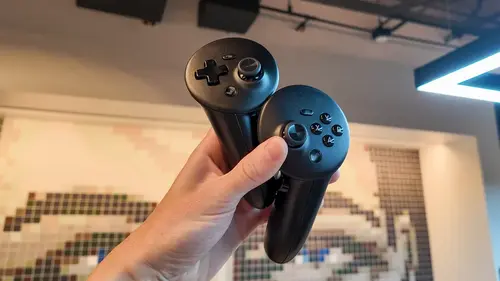
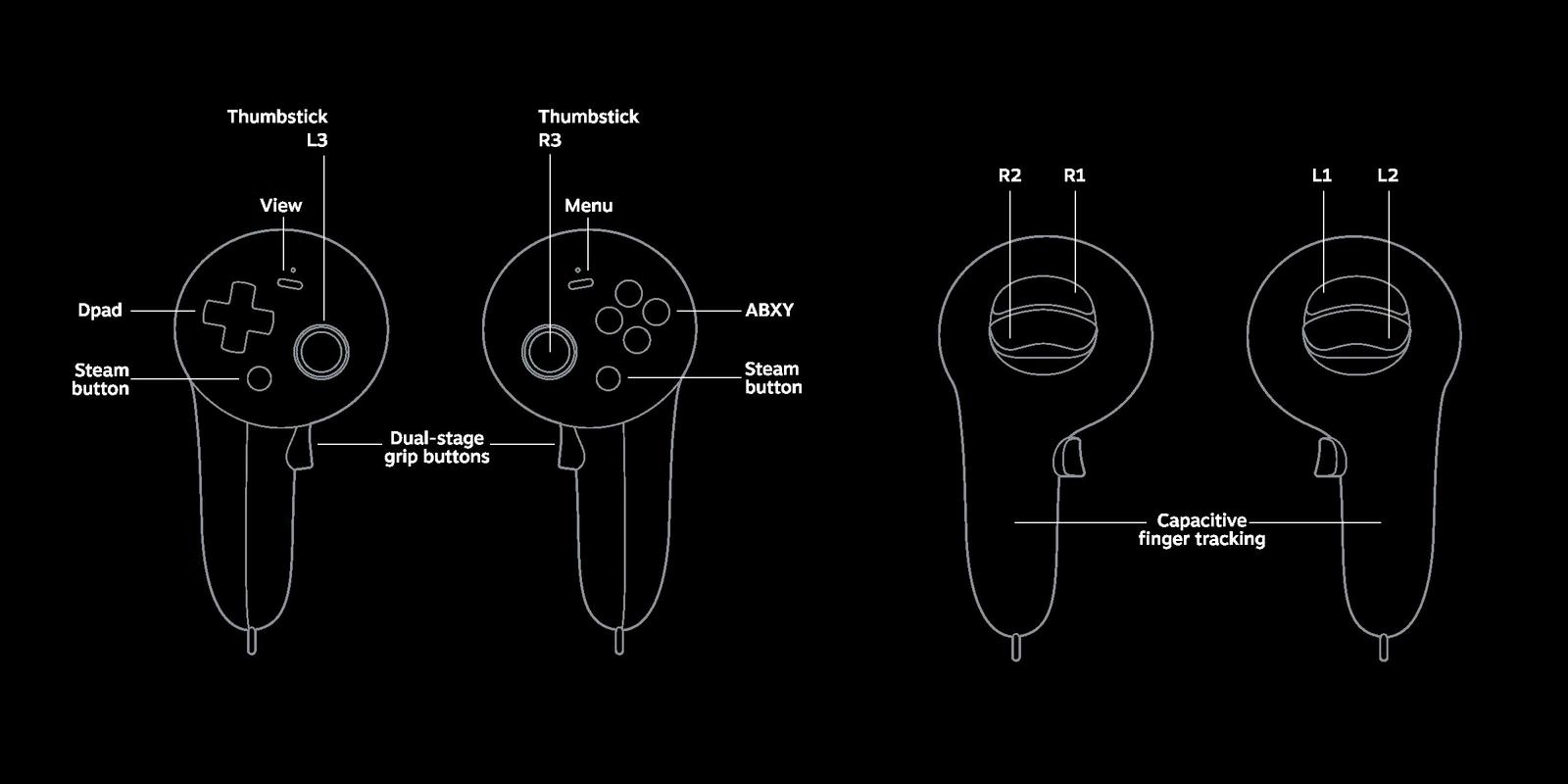
The Steam Frame controllers also rely on the idea of versatility and the ability to play any games, so they are a hybrid of a regular gamepad and the usual VR "hands".
Each Steam Frame Controller is literally half of a full-fledged gamepad: with sticks, a D-pad, ABXY buttons, triggers, and bumpers located where the player expects to see them. At the same time, these are full-fledged VR controllers that are tracked in space through cameras on the helmet and are equipped with capacitive sensors that recognize the position of the fingers. In practice, this means a simple thing: one set of controllers works for your entire Steam library, regardless of whether you are playing Half-Life: Alyx or Hades 2 in virtual cinema mode.
However, as with the Steam Machine, the main question remains open: how much will the Steam Frame cost? Everything is scattered more strongly on the VR market now than ever before, and Valve is betting exclusively on gaming.
Moreover, on gaming that is as unified and open as possible, with access to your entire Steam library and even to part of the content that was previously closed on other platforms (ARM will simplify porting games from Quest and other autonomous systems).
Steam Frame in terms of its characteristics and capabilities looks like the perfect "golden mean": it is located exactly where Vision Pro turns out to be excessive and unnecessarily expensive for gamers, and Quest is not powerful and flexible enough.
Steam Frame seems to be the same "facehugger" that in theory is able to replace Steam Deck on the road. Why not? You can put on a helmet on the plane and spend the flight throwing dice in Baldur's Gate 3 on a virtual screen.
The only serious limitation is battery life. Everything is still modest here: the built-in 21 W⋅h battery is enough for about an hour of active play, since Snapdragon consumes up to 20 W under load. But if desired, this problem can be solved.
An additional external battery in the retainer is already provided by the design, and nothing prevents Valve or third-party manufacturers from offering more capacious options. At a minimum, the very idea of such a gaming format has been in the air for a long time, and Valve now looks like the best candidate to fully implement it.
Steam Controller: One Gamepad to Rule Them All
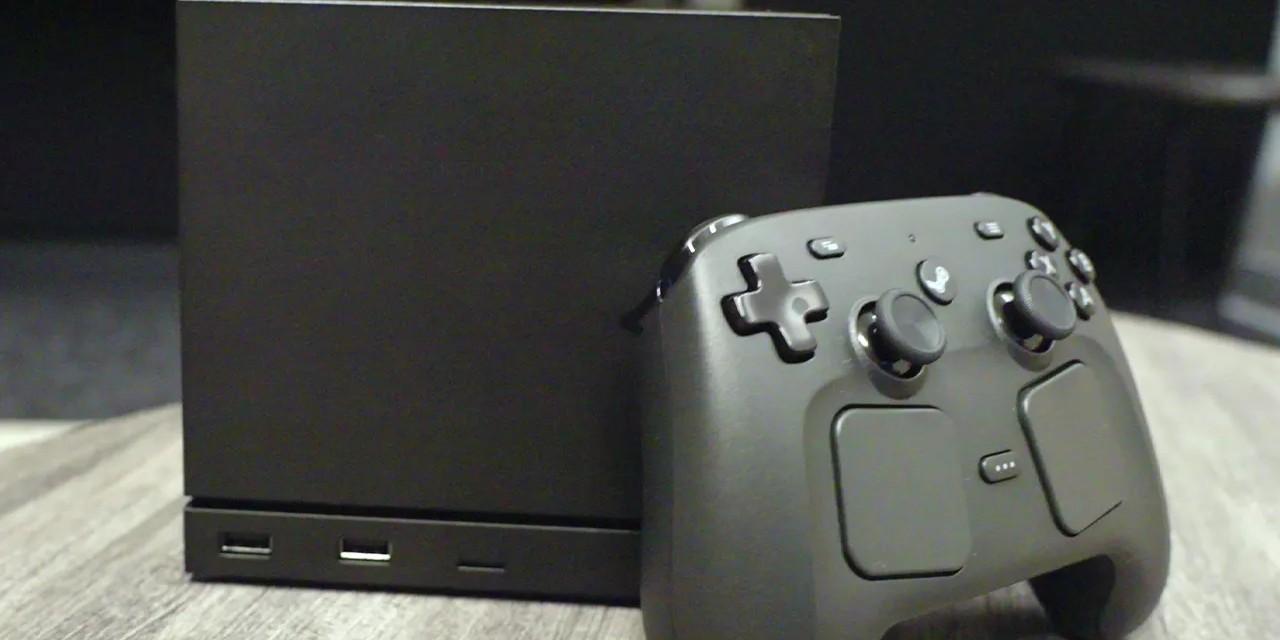
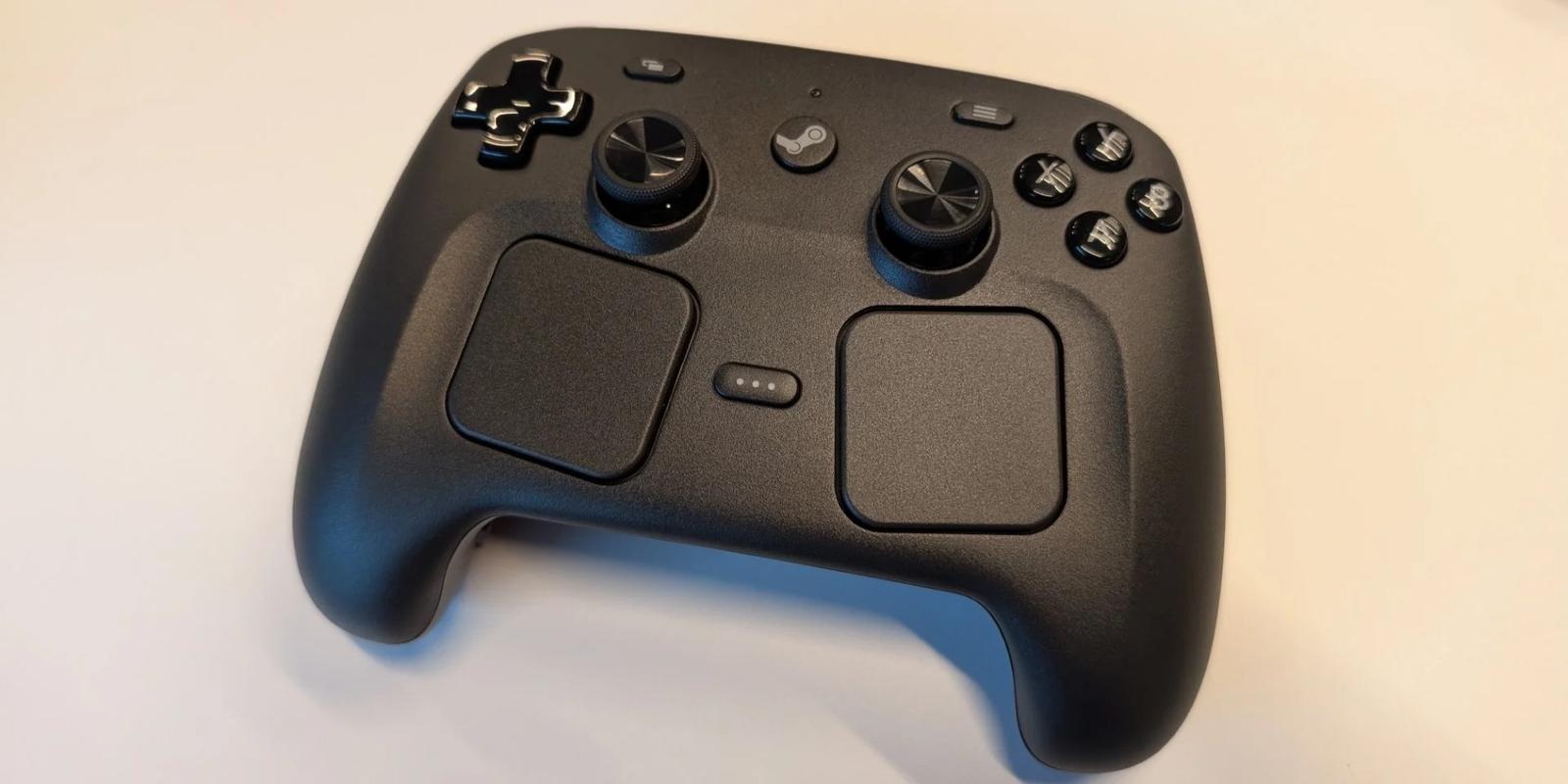
In addition to the material, it is worth saying a few words about the updated Steam Controller. This time, Valve did not start inventing an unnecessary bicycle and took as a basis what has already proven itself well in Steam Deck. The new Steam Controller in shape and logic is a classic pro-gamepad with additional rear buttons, familiar to any player, but with a proprietary "valve" accent: two trackpads that allow you to simulate mouse accuracy where traditional sticks begin to give way. It differs from Steam Deck in only one thing: the trackpads here are slightly tilted inward for better ergonomics.
Although such a design may surprise those who have never held a Steam Deck in their hands, in practice it is much more convenient than it seems. And I am sincerely glad that I will be able to use such a gamepad in everyday play, because, being a console player to the core, I do not see gaming devices in the mouse and keyboard - I just can't stand it when the game forces you to abandon the gamepad for convenience, for example, in card games or strategies.
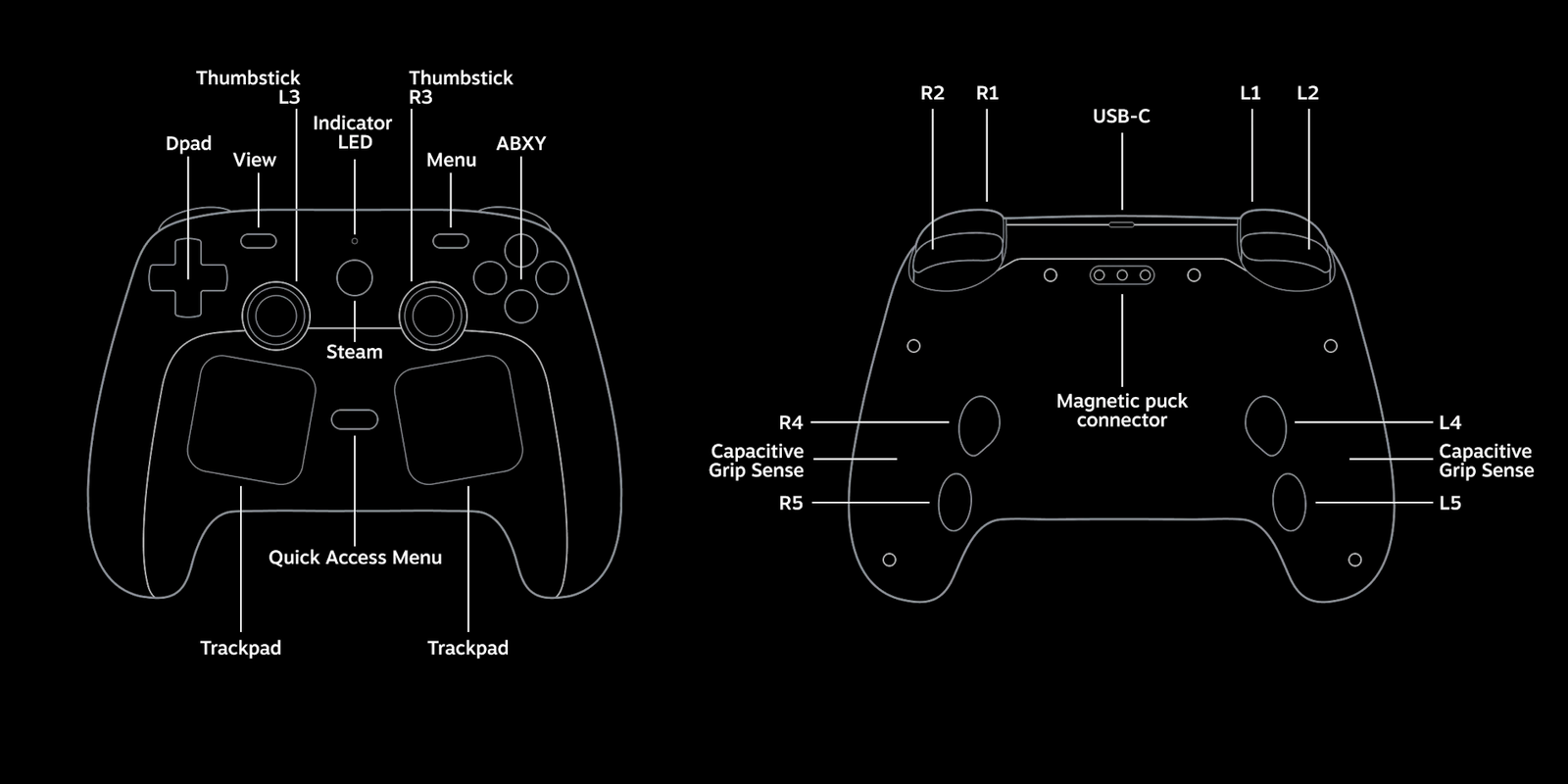
Well, as a cherry on the cake, the new Steam Controller easily switches between all Valve devices, including Steam Frame. And in combination with the ability to store games on one microSD card and simply rearrange it between Steam Deck, Steam Machine, and Steam Frame, you literally switch from one device to another in a matter of minutes without repeated downloads and long preparations.
All this together already resembles not a set of disparate gadgets, but a full-fledged, well-thought-out ecosystem in which devices work as a single whole. And for the first time in many years, one can seriously talk about Valve as a full-fledged platform holder, which is no longer limited to the role of "Uncle Gabe's shop", but is building its own infrastructure for all gaming formats.
Diagnosis
In one fell swoop, Valve announced three devices at once - an unprecedented event. Previously, Gabe Newell's company released "hardware" not too confidently and in small portions, but it seems that Steam Deck became a turning point for it, when it became clear that it was time to change the paradigm.
Today, in November 2025, we are talking about Valve in a completely different way. The company no longer looks like a cautious experimenter who tries something on the periphery of the market and just as quietly curtails the initiative. The company declares its ambition to become a mature platform holder with its own ecosystem, philosophy, and standards, building the SteamOS infrastructure as confidently as Sony and Nintendo once formed their own console business.
Steam Machine is preparing to bring the idea of freedom and openness to the closed community of home gaming systems, Steam Frame is rethinking VR as a natural continuation of PC gaming, and not entertainment for a narrow circle of enthusiasts, and Steam Controller serves as an addition to this picture.
One main question remains - the price. It is she who will determine whether Steam Machine will become a "people's PC console", whether Steam Frame will be able to go beyond interested enthusiasts. I would like to believe that this will happen.
In recent years, Valve has never looked so collected, ambitious, and ready to take a big step forward. Now it has everything for the first time: a platform, an ecosystem, devices, a software base, and an audience that does not need to be explained what SteamOS is.
And since Gabe Newell seems to have finally learned to count to three, I don't want to ignore another question that is in the air and attracts even more attention than the announcement of new devices.
What is Valve preparing for November 19? A suspicious window from November 18 to December 9 flashed in the Steam schedule, and Valve claims that the reason for this is "valid". A VR exclusive for Half-Life can be crossed out - the employees themselves confirmed that there is no separate VR content. If a new Half-Life exists, it will be released everywhere Steam works: on PC, Steam Deck, Steam Machine, and even Steam Frame.
So, if Gabe Newell really decided to finally hit the "3" button - there is no better moment than now.
Never miss our newsAdd this site to your preferred sources to see us more oftenAdd on Google