Escape from Tarkov: 6 Extraction Shooters That Work
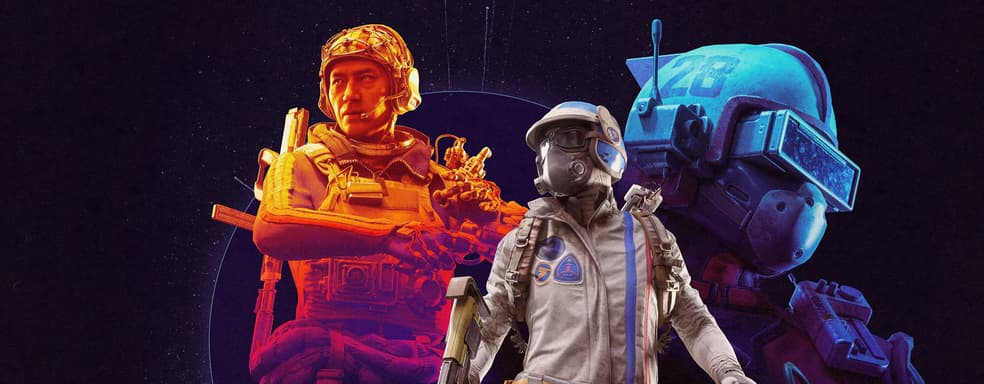
ARC Raiders
Few initially believed in ARC Raiders. The extraction genre has long been entrenched in the niche of hardcore shooters, and the attempt to make it more friendly seemed dubious. However, Embark Studios' PR campaign focused not only on action but also on the aesthetics of retro-futurism and cooperation. This approach worked: the game stands out from its competitors, and its online presence has remained at around 250,000 players for three months.
The technical side of ARC Raiders is excellent. Sharp graphics, detailed visuals, and correct lighting are the result of грамотное использования Unreal Engine 5 и технологии RTXGI. Special attention is paid to animations: parkour, rolls, and slides feel natural. No less attention was paid to the physics of robots: air drones behave chaotically without one engine, and ground drones try to rebuild themselves when they lose limbs.
The plot exists more as a decoration. Cutscenes and lore create a sense of a living world but hardly involve the player in what is happening. The story develops in parallel with the gameplay, without forming a strong emotional attachment. Even against the background of Escape from Tarkov, where the narrative is presented through quests, the history of the ARC Raiders world feels secondary.
Shootouts remain the most controversial topic. There is no weapon in the game capable of eliminating another raider with one shot (even in the head), но в ближнем бою скорострельные образцы уничтожают противника мгновенно. The high TTK (time to kill) and problems with hit registration due to the low tick rate of the servers exacerbate the situation. Ambushes and traps remain an effective strategy. Until recent patches, players massively mined evacuation points, and today the community is coming up with increasingly sophisticated ways to eliminate rivals—from catapults to barricades.
The economy is tied to resource extraction and processing. Money performs an auxiliary function and is used to purchase consumables. Crafting and improving the shelter play a key role. Leveling through the skill tree suffers from opacity: the game does not give specific figures for the increase in characteristics, which makes it necessary to test the effectiveness of skills empirically.
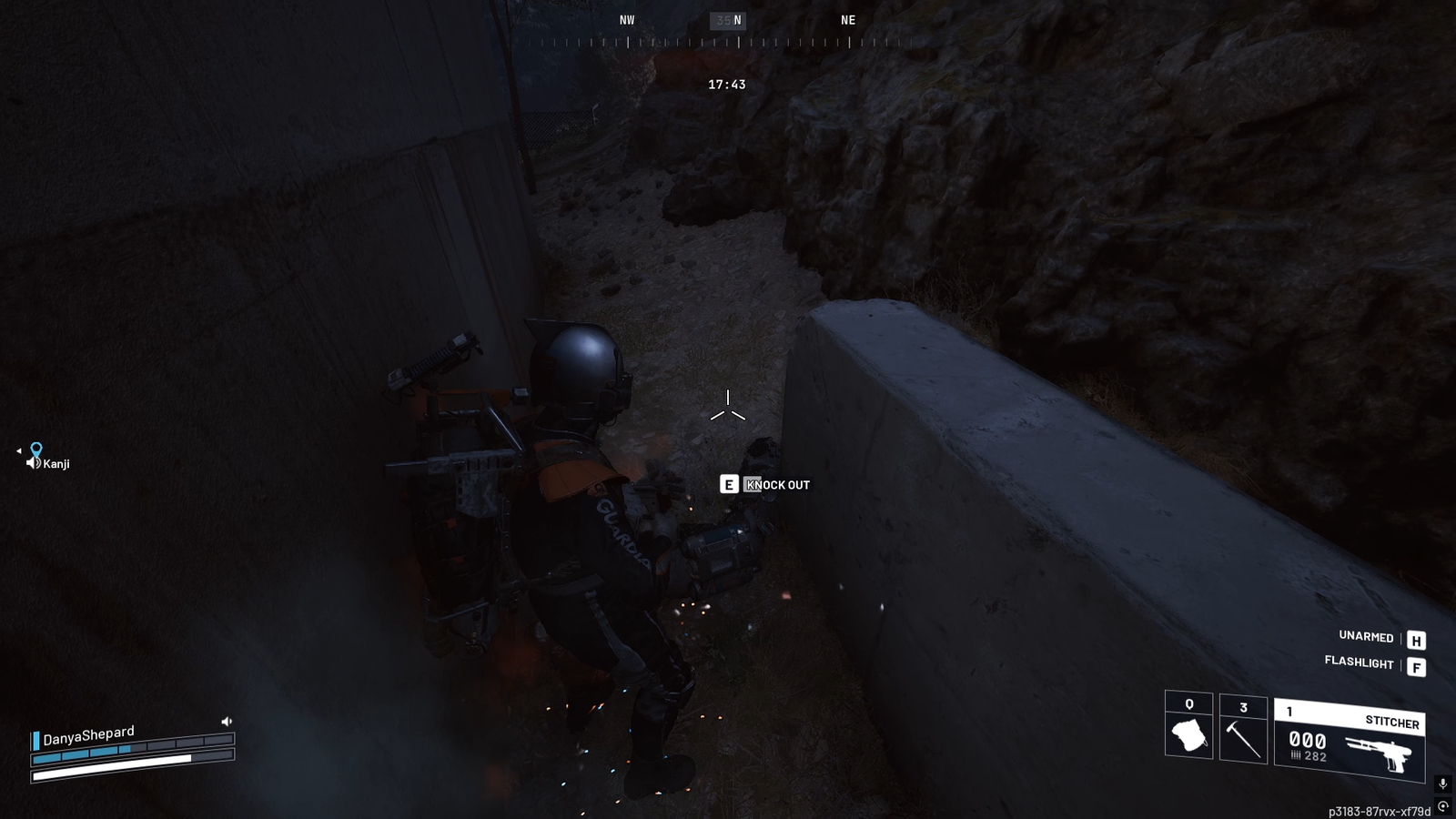
An interesting point: for a long time, a feature of ARC Raiders was considered a "peaceful community." Players often cooperated, but it later turned out that this was due to a hidden selection algorithm that divided raiders by style of behavior. This is what created the feeling of a social experiment. The irony is that the system is easy to bypass: free raids and a quick exit allow you to change your "reputation" in 5–10 minutes and get into a peaceful lobby with aggressive intentions, which introduces an element of unpredictable chaos into the game.
A detailed review of this social experiment can be read on our website.
Escape from Duckov
The game initially seems like a parody of Escape from Tarkov—the visual images and references are too obvious. But behind the humor lies a thoughtful single-player extraction shooter. The project offers an alternative view of the genre: it removes the network component, focusing on the tension created by mechanics and progression, rather than other players. We wrote about how this works in a separate review.
The plot is based on a simple goal: to leave a dying planet. The difficulty is comparable to Tarkov's PvE mode: the game requires preparation, accuracy, and punishes mistakes. The absence of multiplayer eliminates cheaters and lags, and flexible difficulty settings allow you to adapt the game to yourself right in the shelter.
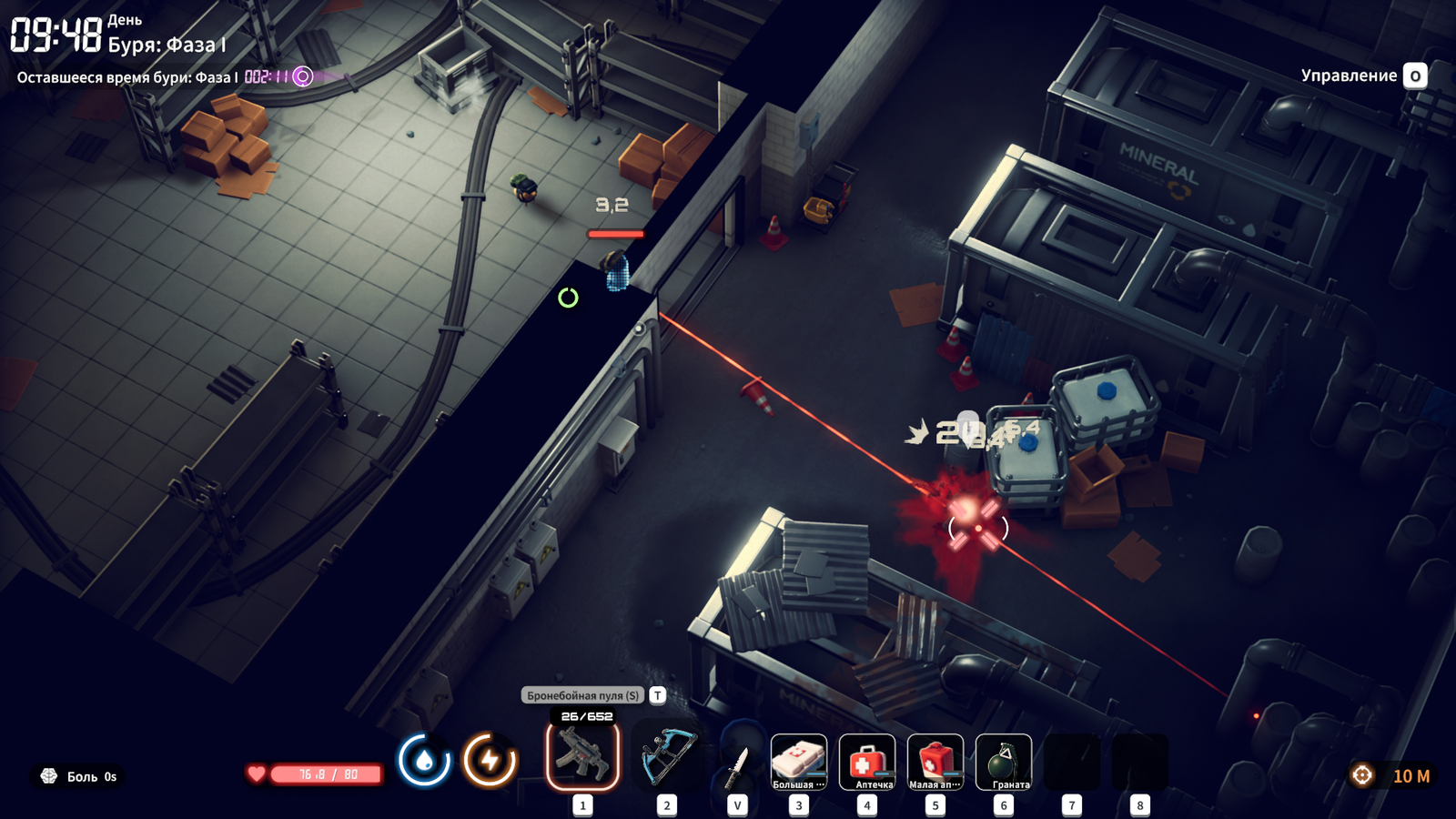
The gameplay formula is classic: raids, loot collection, shootouts. However, the isometric camera and roll system change the dynamics of the battle. Duck enemies react to noise, patrol, and even fight each other. Leveling directly increases characteristics, so in the later stages, the character becomes a formidable force even without top equipment.
A key feature is the lack of evacuation timers. You can safely explore locations that open gradually and are connected by teleports. The levels are saturated with points of interest, and modifiers (weather changes, enhanced enemies) do not let you get bored.
Escape from Duckov offers a well-honed PvE experience: thanks to understandable systems, it is perceived comfortably but does not lose the genre's signature tension.
Witchfire
Witchfire is a rare example of an early access game that does not stagnate but develops methodically. You can read about what the project looked like a year ago in our past material. The Astronauts studio (the authors of Painkiller and Bulletstorm) combined extraction shooter, rogue-lite, and Souls-like here. The mixture seems overloaded, but everything works for one idea—chaos control. You decide how deep to go and when to evacuate.
Battles are built around accurate shooting and magic. The game does not scale the difficulty automatically. Chaos arises not by script but because of your self-confidence. Climbed to a level higher without preparation—be prepared to suffer.
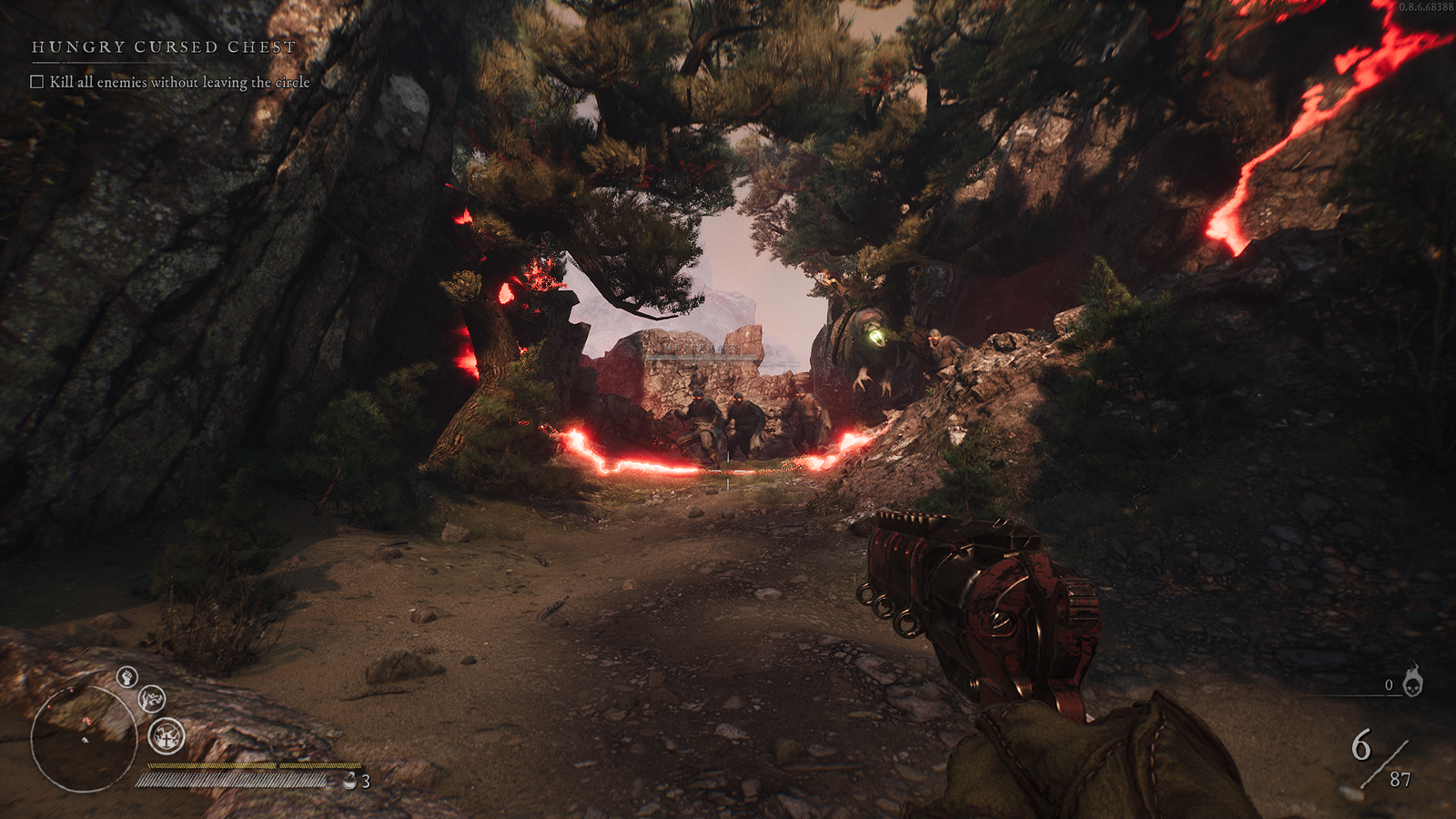
During early access, Witchfire was transformed. The rigid auto-leveling system was replaced by "Gnosis"—a mechanic that allows the player to increase the difficulty themselves. New equipment is now opened predictably, and "punitive" events occur only as a response to errors. The developers chose an honest path: they do not compromise for the sake of speed, creating each element manually. They openly talk about the reasons for the postponements, admit mistakes and correct them as soon as possible, which forms a high level of trust between the studio and the audience.
Despite its early access status, Witchfire has already developed into a complete atmospheric shooter. A full release is planned for this year, and the game has every chance to gain a foothold at the top of the genre.
Tom Clancy’s The Division
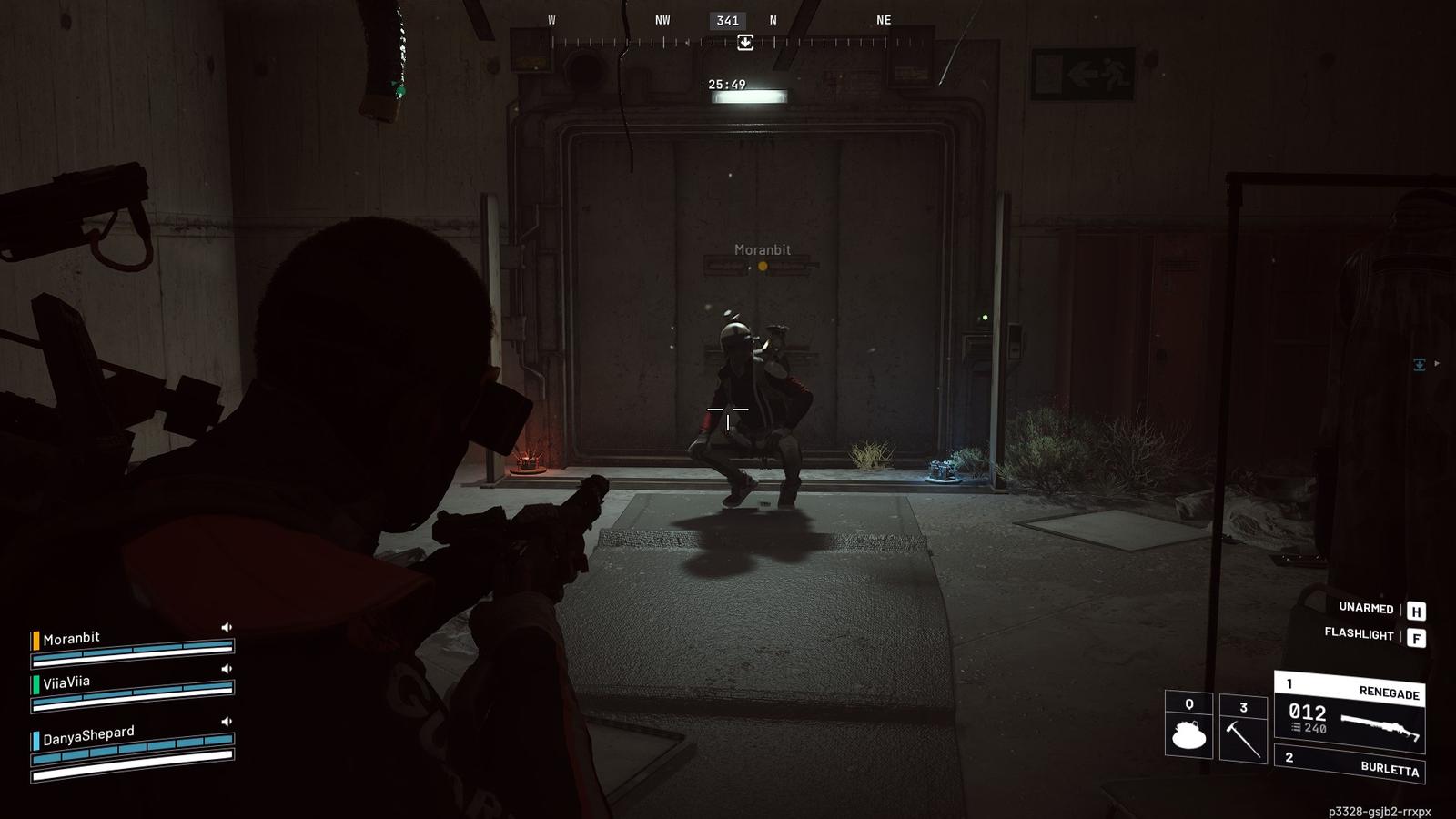
Many forget that it was the "Dark Zone", not Escape from Tarkov, that became one of the founders of the genre. Massive Entertainment formulated the key principles—the risk of losing loot, PvPvE, mandatory evacuation—long before the term extraction came into use.
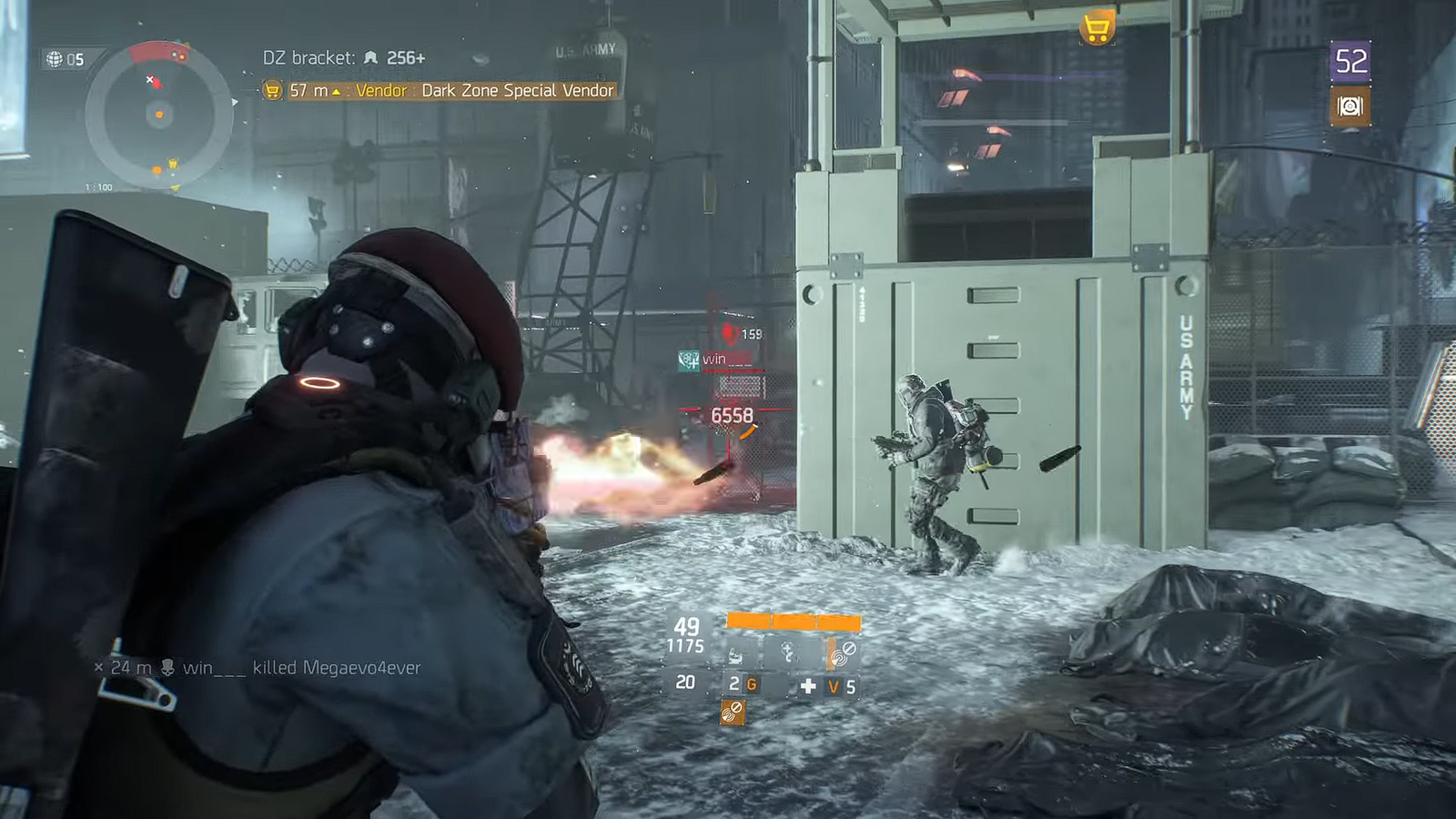
Initially, the Dark Zone was an experiment: an infected sector of New York, where any agent could become an enemy. Valuable loot did not belong to you until the helicopter took it away. The ability to betray partners and become a renegade created a unique social dynamic.
It is also important what role the Dark Zone played in the first The Division. Against the background of a controversial balance and a weak endgame, it was she who gave people a reason to stay. It was not just a PvP mode, but a space with its own logic. The atmosphere of winter New York, dense fog, anxious music, and limited visibility enhanced the effect. Even after years, the Dark Zone of the first Division is remembered as one of the most hardcore shooters of its time.
In The Division 2, the concept was changed: the zones became smaller, the balance became fairer, and the pace became faster. The mode became more sporty and predictable, losing part of the very "dirt" and frightening atmosphere of the original.
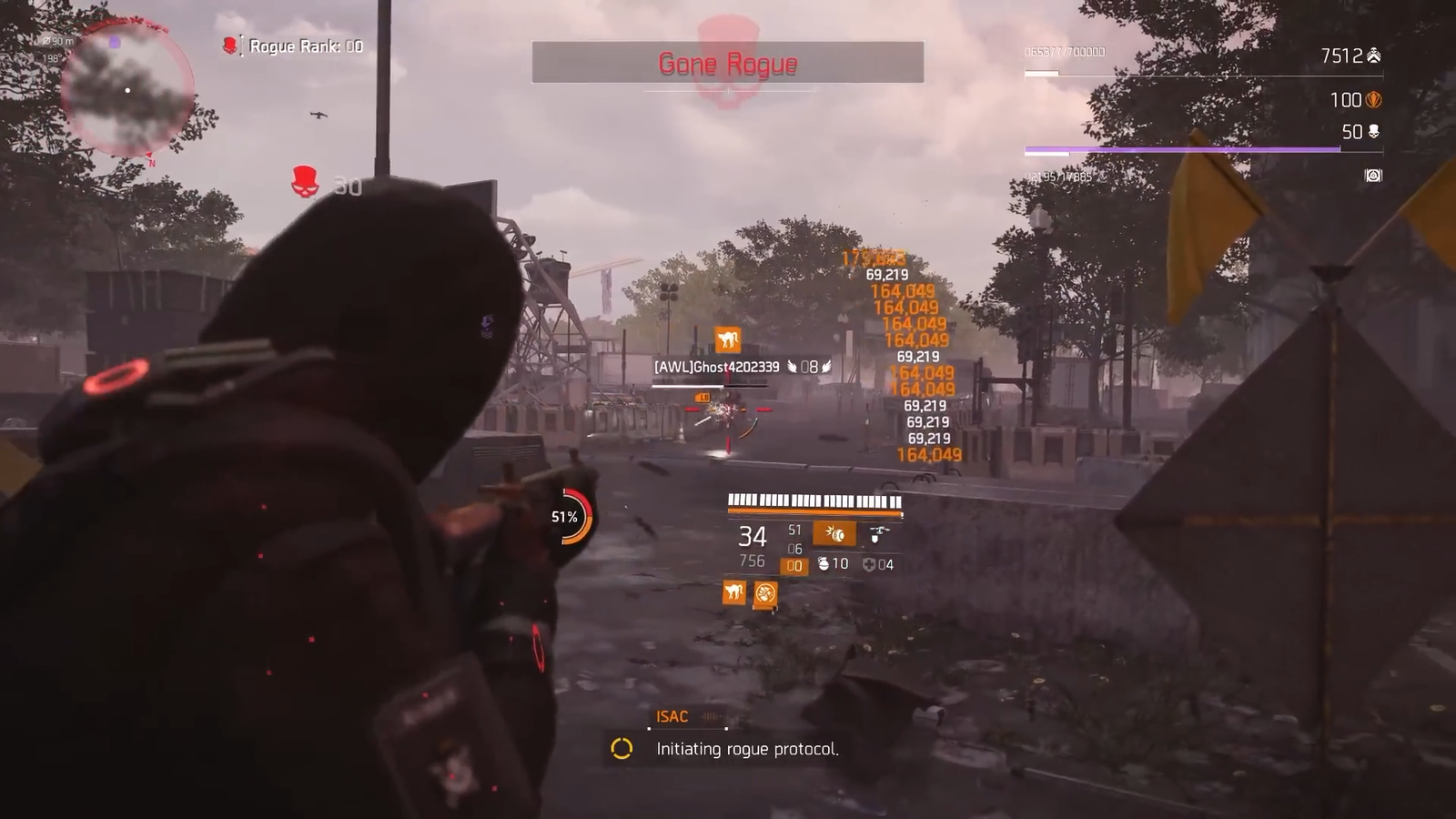
Nevertheless, the Dark Zones in both games remain relevant even years later. The reason is simple: a rare combination of shooter mechanics and psychology. It's important not only to shoot but also to read the behavior of players. It is indicative that Ubisoft continues to develop this format: the very fact that they are returning to the mode after 10 years speaks to its fundamental value.
Dark and Darker
A specific representative of the genre, set in a dark fantasy setting. Instead of machine guns, there are swords and magic; instead of industrial zones, there are dungeons with traps. Dark and Darker is a hybrid of Dungeon Crawler and RPG, where tactics and knowledge of the map are more important than reaction.
The locations are multi-level labyrinths. Narrow corridors and darkness make positioning critical. The maps lack safe paths, and veterans use the environment as a weapon, driving newcomers into traps. Danger may be lurking behind any door.
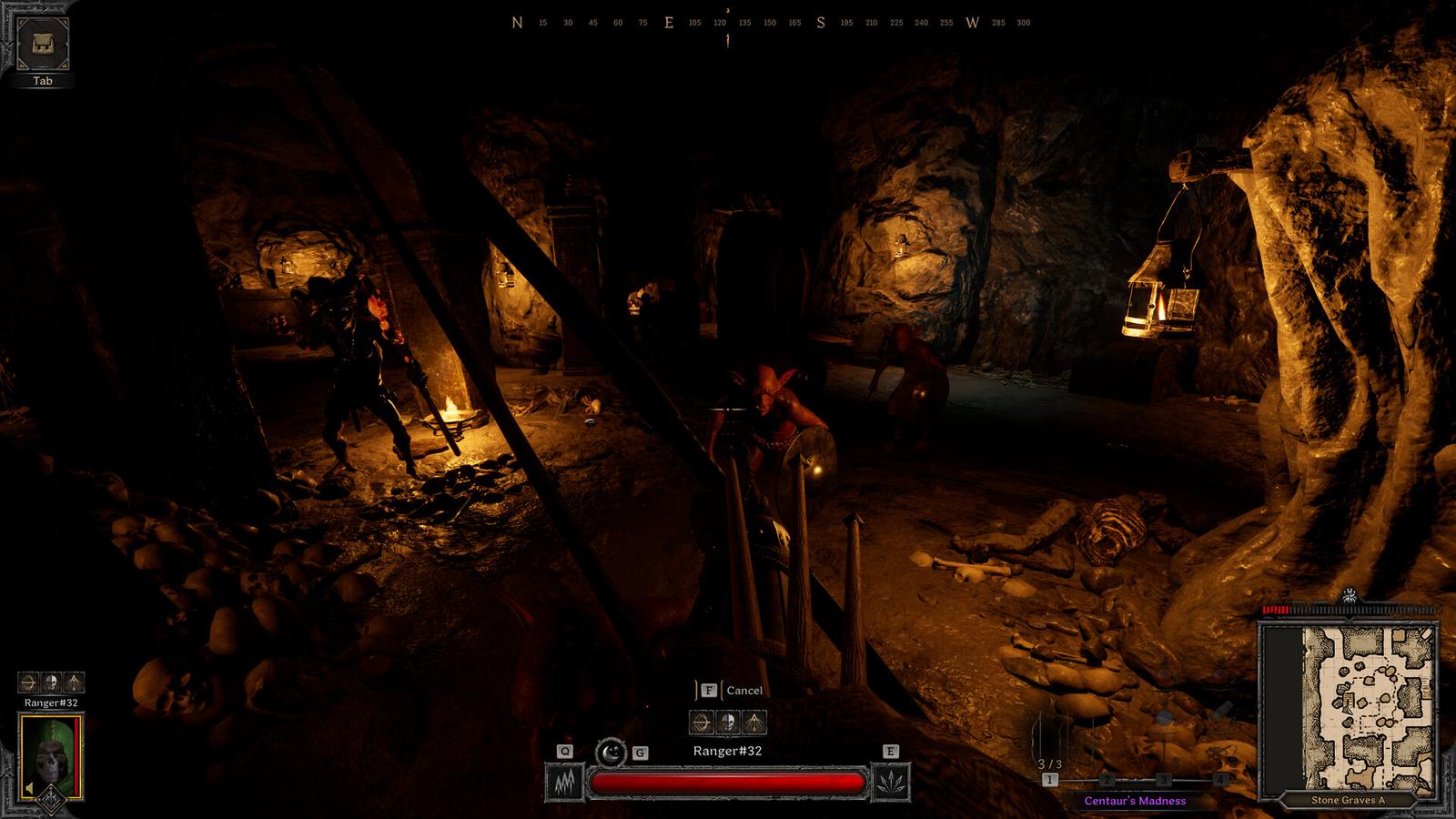
The role-playing system is deep: classes (from knights to mages) differ dramatically in gameplay and equipment. The combat system resembles Chivalry: the outcome is decided by timing and distance. An error in calculating a strike is punished instantly.
Of course, the project has experienced many scandals — from lawsuits to balance problems, which affected the online presence. But even now, Dark and Darker retains a unique core: a dense atmosphere and the feeling that every step could be the last. This is proof that the extraction formula works not only in realism.
MISERY
A unique project that belongs to the indie direction, often called friend-slop. These are cooperative games designed to generate funny situations, not hardcore survival. MISERY stands out precisely because of this unserious tone.
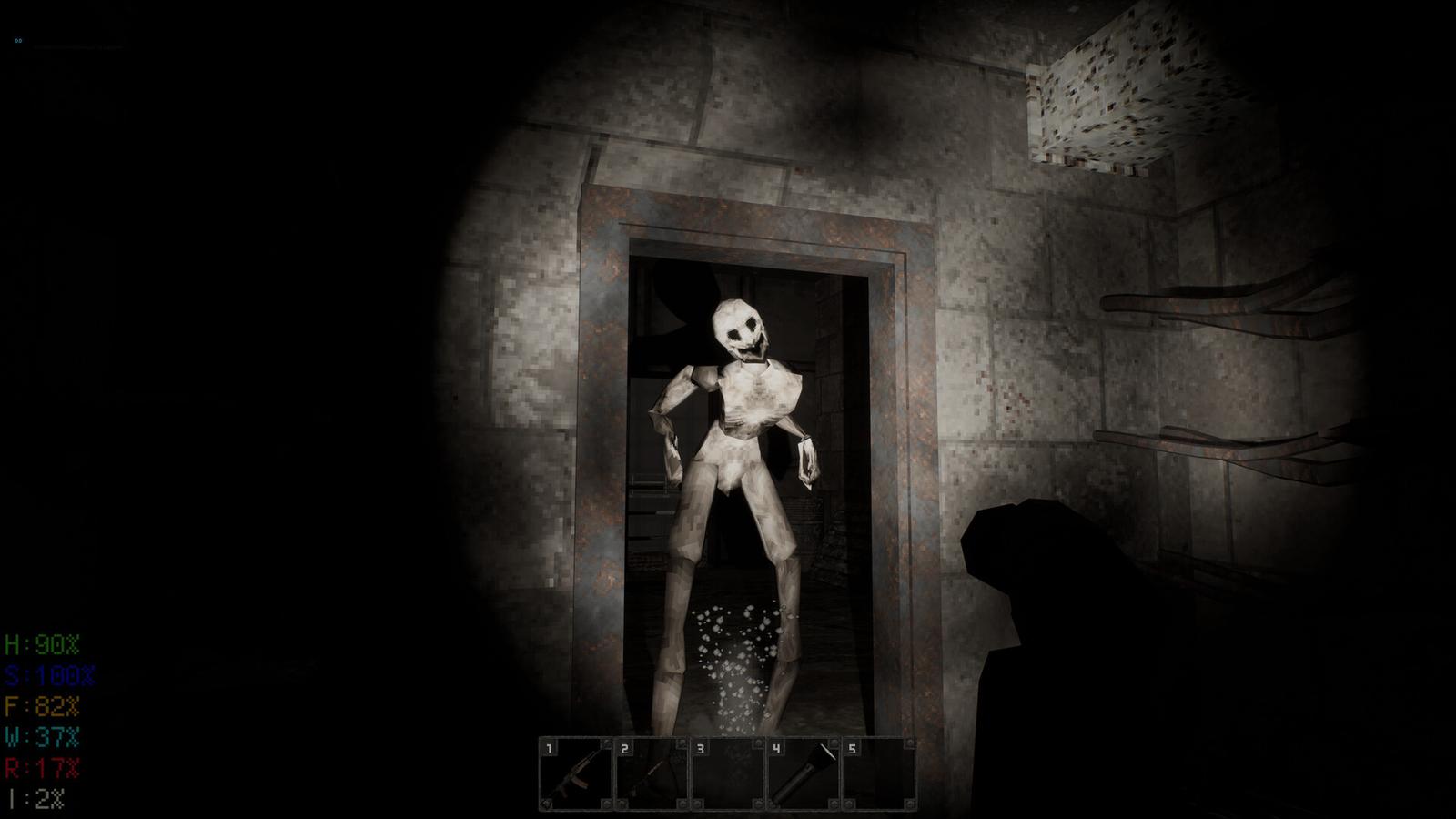
At its core is a cyclical survival model: exiting the bunker, collecting resources in a procedurally generated world, and returning before the emission. But there is no main element of the genre here — the fear of loss. Death does not punish harshly, and equipment is easy to return. This turns the game into a calm routine for relaxing with friends.
But the development of the shelter is addictive. Crafting, processing, trading with NPCs — all this gives a sense of progress. However, after 15–20 hours, the game hits a ceiling due to the lack of a clear endgame — the game is still in early access.
The action here is secondary: the shooting is simple, the enemies take more by numbers than by tactics. Shooting is implemented simply and without pronounced depth, and melee combat feels clumsy.
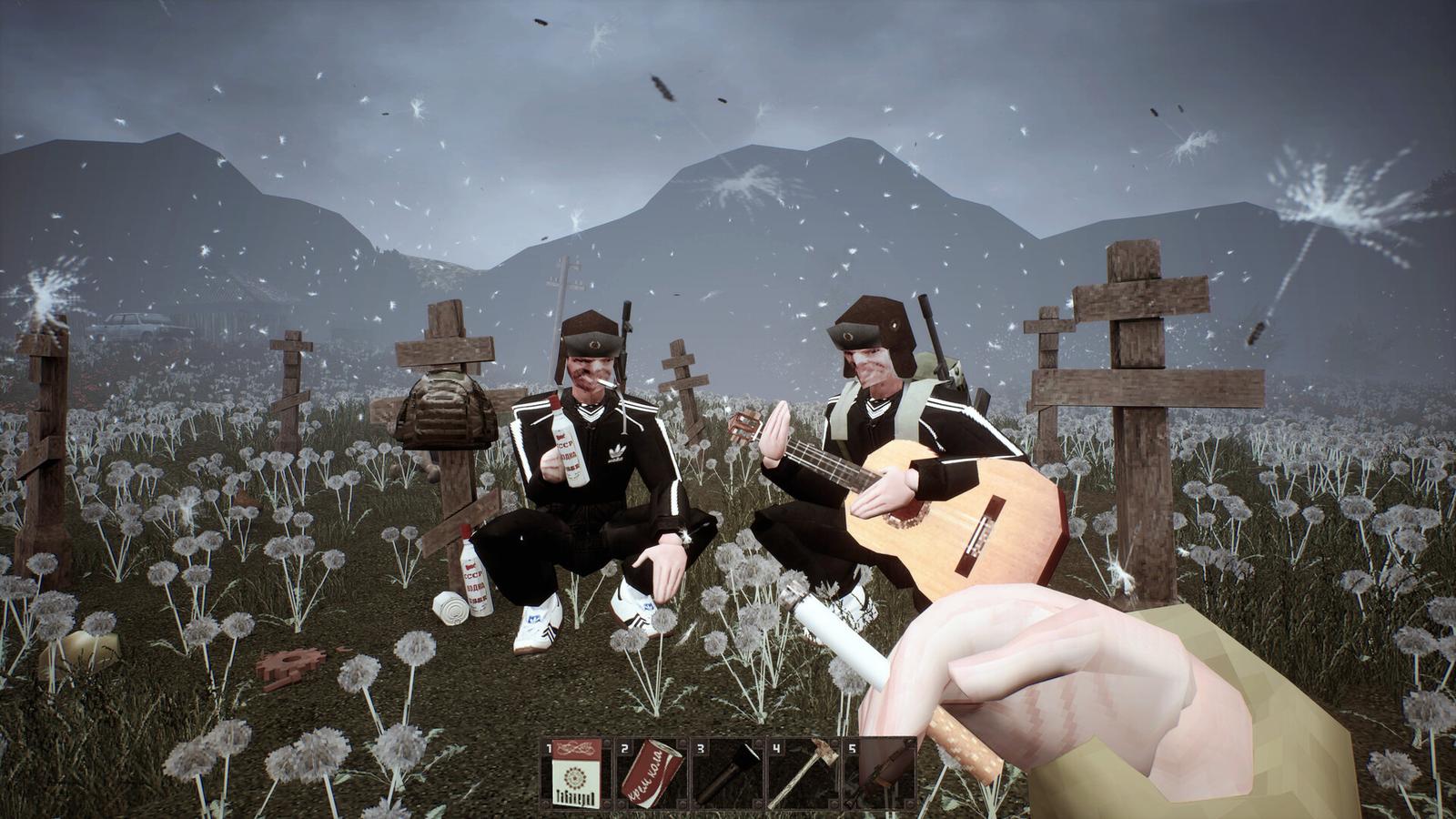
MISERY is an attempt to cross the evacuation mechanics with the fun of Lethal Company. It hooks with depth, the opportunity to spend a couple of evenings with friends, laughing at ridiculous deaths. The cooperative is built on the same logic as in R.E.P.O., RV There Yet or PEAK — around chaotic situations, humor, and spontaneous failures.
Verdict
This list can be considered exhaustive. Games that are left out often face problems that prevent them from fully developing. Some stagnate without support, while others were initially secondary crafts. There are also those who, instead of fighting cheaters, focused on selling skins. It is better not to go into such projects today, so as not to spoil the impression of the genre.
Never miss our newsAdd this site to your preferred sources to see us more oftenAdd on Google