The House That Guillemot Built and Broke: What Led Ubisoft to Collapse and Is There a Chance for Salvation?
The Path to Greatness
Ubisoft's history began in the 1980s in France. The Guillemot family, previously engaged in agriculture, was looking for a new source of income. Five brothers—Yves, Claude, Michel, Gérard, and Christian—turned their attention to the video game market, which they were passionate about. They founded Guillemot International and began distributing games and computer equipment. The business proved successful, and by 1986, the brothers decided to move into developing their own projects. Thus, Ubi Soft was born, and Yves Guillemot headed the company.
The company's first projects were Zombi (1986) and Asphalt (1987) for Amstrad CPC. Ubi Soft also ported Defender of the Crown, acting as publisher and partner to Cinemaware. These projects allowed the company to establish itself in the market.
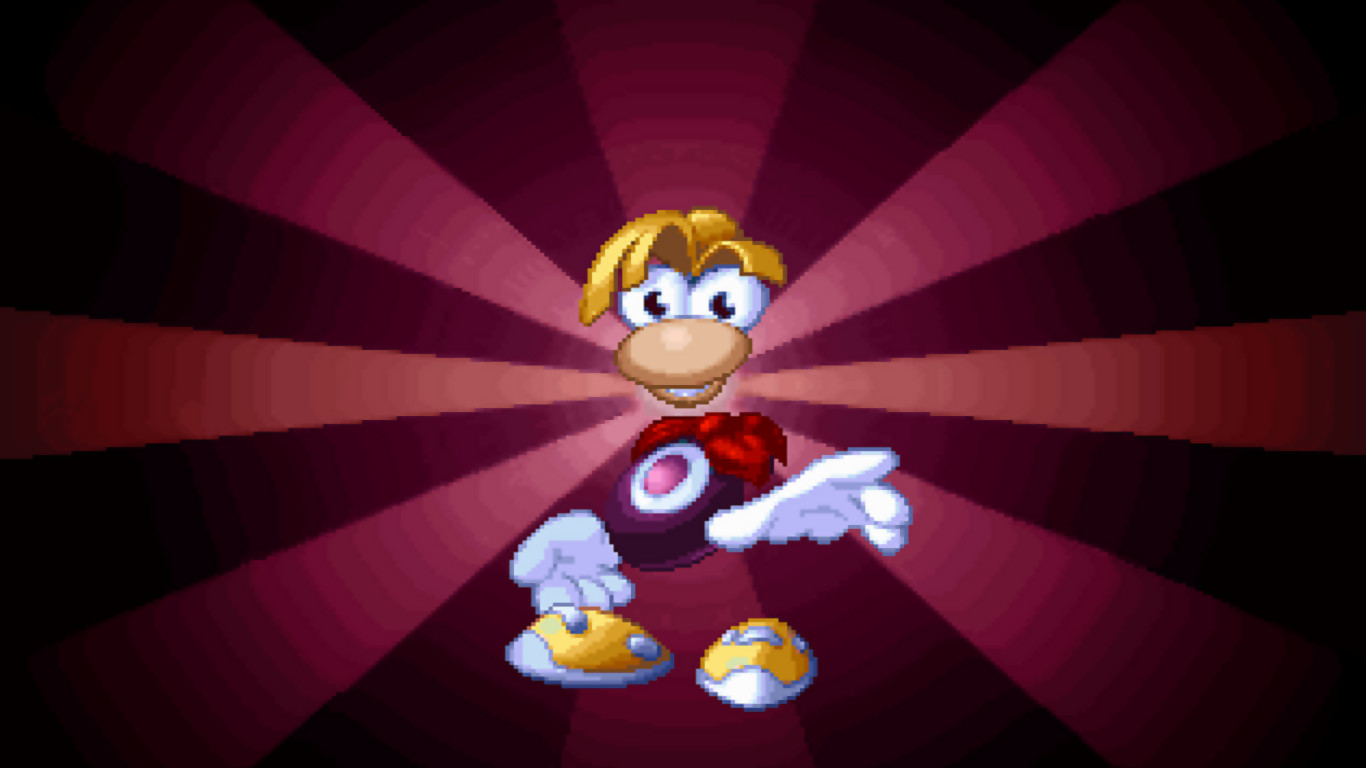
By the end of the 1980s, the company began expanding beyond France: its products appeared in the UK and German markets. The first major success came in 1995 with the release of the platformer Rayman, which sold over 3 million copies in total.
In 1996, Ubi Soft went public. The $80 million raised during the IPO allowed the company to accelerate international development and open divisions in Canada, China, Spain, Italy, and Morocco.
By the early 2000s, the Guillemot brothers' business included eight studios and offices—in Paris, Bucharest, Montpellier, Annecy, Shanghai, Montreal, Barcelona, and Milan.
In 2000, Ubi Soft acquired Red Storm Entertainment, the developer of the first games in the Tom Clancy universe, which was an important step for entering the US market.
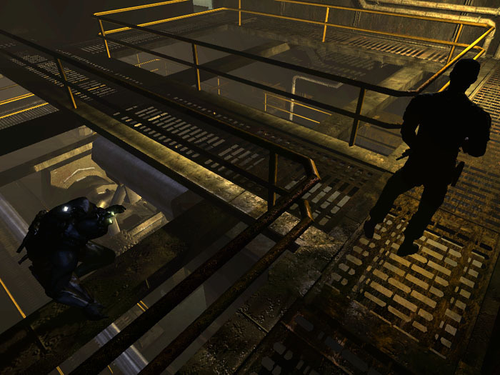
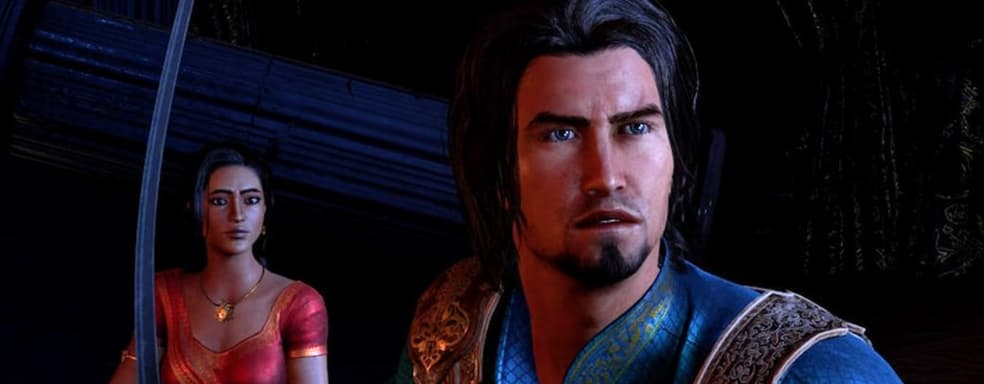
In 2003, Ubi Soft rebranded as Ubisoft, simultaneously releasing Prince of Persia: The Sands of Time. The company had acquired the rights to the franchise several years earlier—presumably in 2001. The project achieved commercial success and strengthened Ubisoft's reputation as one of the leading European publishers.
In subsequent years, the company built on its success, expanding its portfolio with other well-known franchises, including Far Cry and Heroes of Might and Magic. In 2007, Ubisoft launched Assassin’s Creed—a series that propelled it into the ranks of the world's largest gaming corporations.
The Assassin’s Creed Trap
Initially, Assassin’s Creed was conceived as a spin-off of Prince of Persia. However, a year before release, the developers saw the potential of the idea and spun the project off into a separate franchise. The first installment was met with mixed reviews, but it was commercially successful: sales exceeded 5 million copies shortly after release, and eventually reached 8 million. The conclusion was obvious—the series needed to continue.
In 2009, Assassin’s Creed II was released, marking a new stage in Ubisoft's history. From that moment on, the conveyor belt was launched: games about assassins were released annually until 2016. A pause was only taken once—to rebuild and update the series' formula.
The result was Assassin’s Creed Origins in 2017, marking a reboot of the franchise. Despite criticism from fans, "Origins" sold excellently. The game sold almost twice as well as the previous "Syndicate"—10 million copies versus 5.5 million.
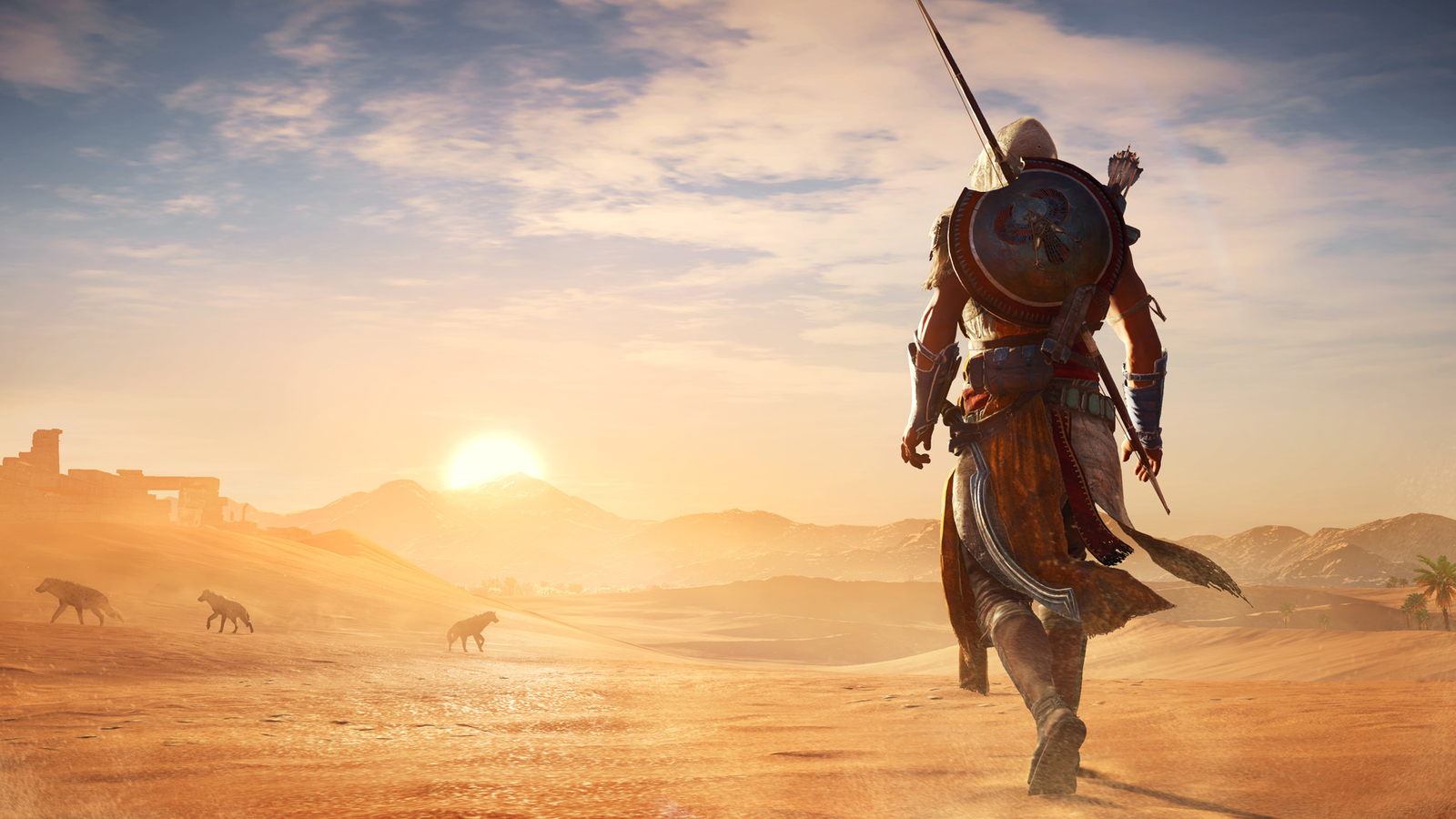
But the game formula froze in place. If the tower mechanic was novel for 2007, it has hardly evolved since then. Like other ingredients that "glorified" Ubisoft: huge open worlds filled with monotonous activities, and the clearing of the notorious outposts. Even the rethinking of "Assassins" towards RPG did not save the situation. There were more problems: a rigid level system, boring leveling, degradation of stealth and parkour. But the action became more spectacular, and the world—more beautiful.
The plot also did not develop, because the main flaw of Assassin’s Creed is in the very idea. From the first part, the series was built as the story of Desmond Miles—and nothing more. This was stated by creative director Patrice Désilets and lead writer Corey May. Nothing else coherent was offered, and from 2012 to 2017, the series did not have a coherent overall plot, although individual projects and their ideas remained curious. And then, after the completion of the story of the next protagonist (Layla Hassan), a void was formed again. The foundation created by the RPG trilogy was simply abandoned.
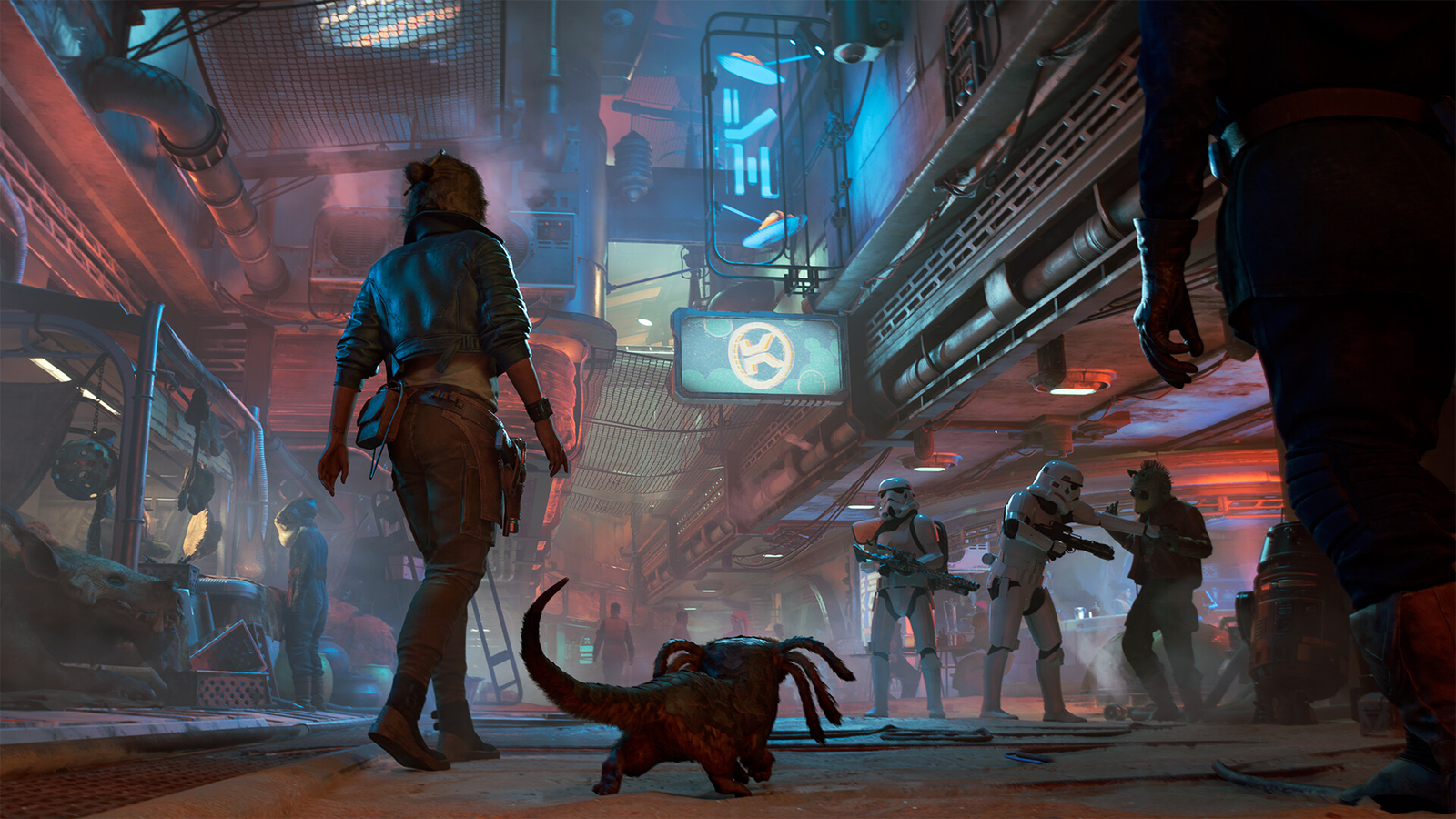
Other games of the corporation suffered in a similar way. Especially Far Cry, where all parts merged into one blurred spot. Thus, the French gradually turned from successful developers into a laughingstock: played one of their games—consider that you have played all of them.
The root of the troubles is in the leadership. While the projects brought money, no one noticed the problems—or did not want to notice them. If everything works, why change? The top managers of the corporation seemed to be afraid of innovations: what if something breaks?
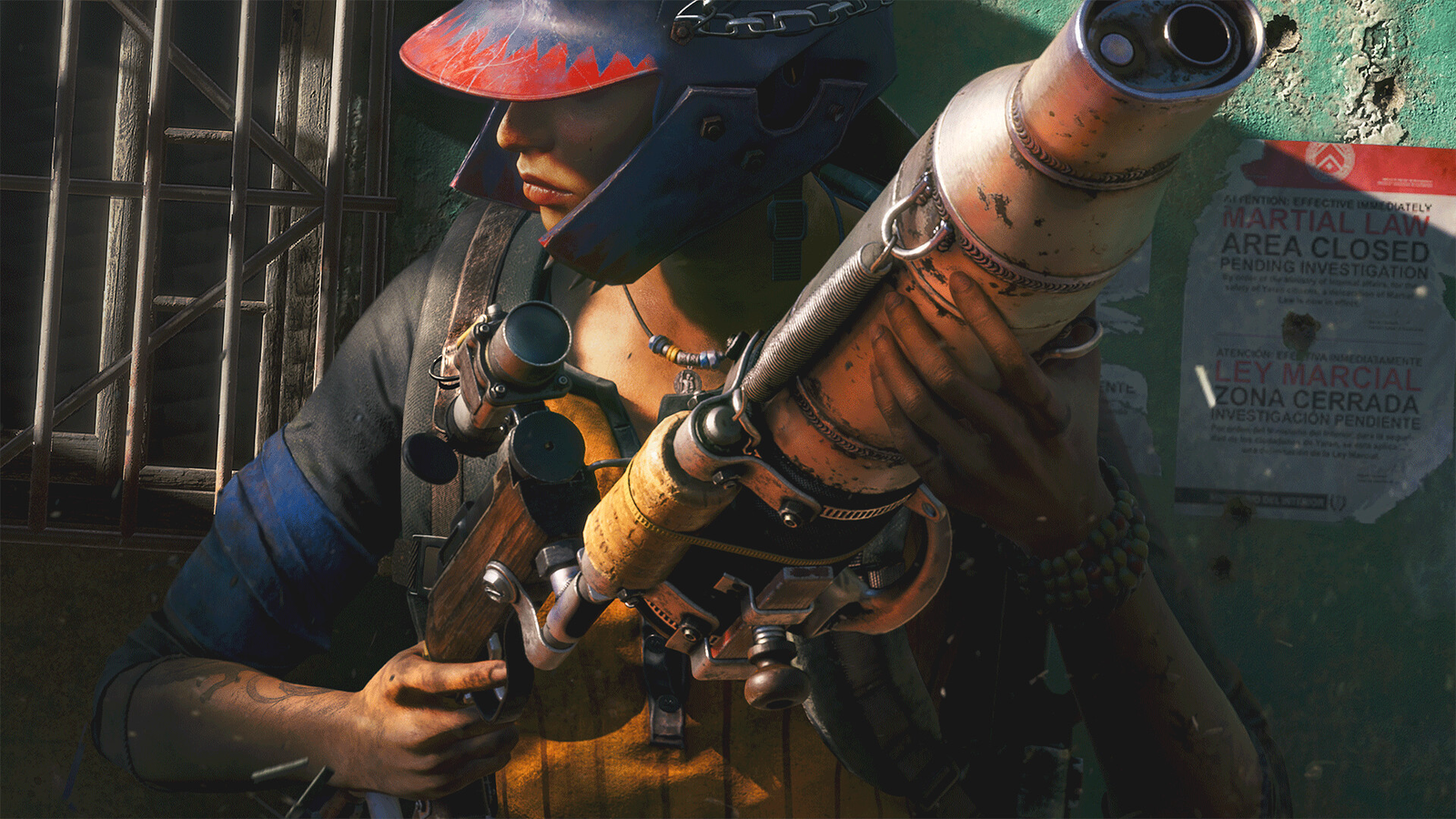
While profit was coming in, Ubisoft, like its own games, grew. But there was less and less sense in this, because a gaming company is not a universe: it cannot expand indefinitely.
Therefore, even if they wanted change, the company would inevitably face an obstacle. Bureaucracy stood as a wall, blocking the developers' path and leaving no space for creative freedom. Last year, Guillaume Brosch—the author of Clair Obscur: Expedition 33, who left Ubisoft in 2020—said: the creation of his game inside Yves Guillemot's corporation would take eight years or even more. He simply would not be able to bring such an idea to the top management.
Greed, Nepotism, and Attempts to Jump on the Last Train
Greed is deeply rooted in Ubisoft—the reason for the fear of change that has shackled the company's development. It is she who gradually bit off piece by piece from the corporation.
The first bell was microtransactions in single-player projects. They not only undermined the company's reputation, but also had a bad effect on the quality of games. It was striking how the developers first created a problem, and then sold its solution.
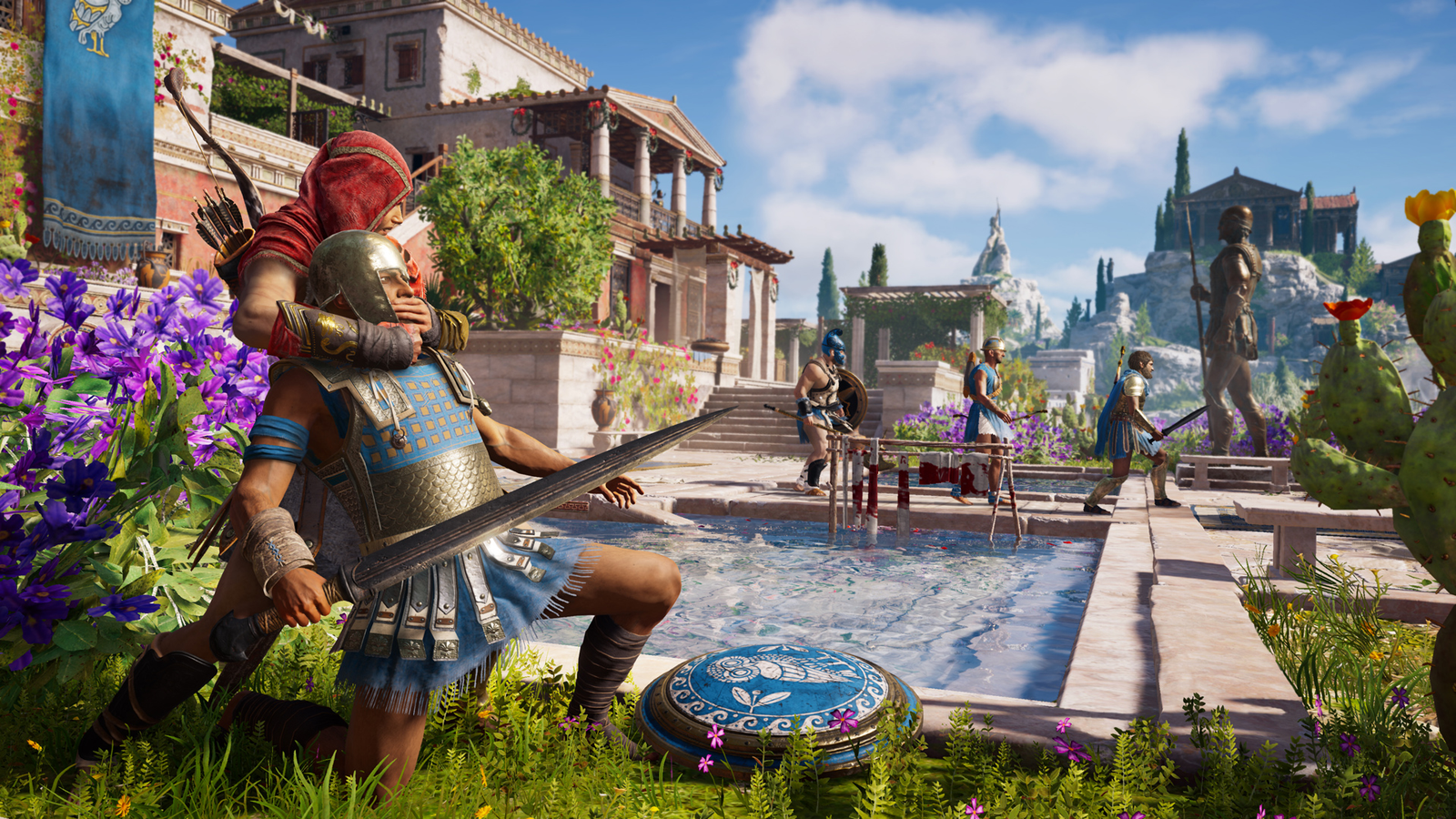
The stupidity is that the income from such payments is negligible by the standards of a large corporation. According to analysts, Assassin’s Creed Odyssey brought about a hundred million dollars on microtransactions. If the management invested in the creators of their games—in their talent and creativity—the result would be much more significant. Net sales of "Odyssey" brought about half a billion, and with DLC—about $600 million. And the reputation would be better: Guillaume Brosch is direct proof of this. And how many more undiscovered talents remain inside?
Another obsession is the endless pursuit of trends. The bosses of Ubisoft, wanting to grab all the money in the world, tried in vain to grab every breath of fashion. Their games-services were released much later than the peak of the genre's popularity—like, for example, the royal battle Hyper Scape. But the top of Ubisoft did not give up, wasting resources in vain and forgetting about elementary savings.
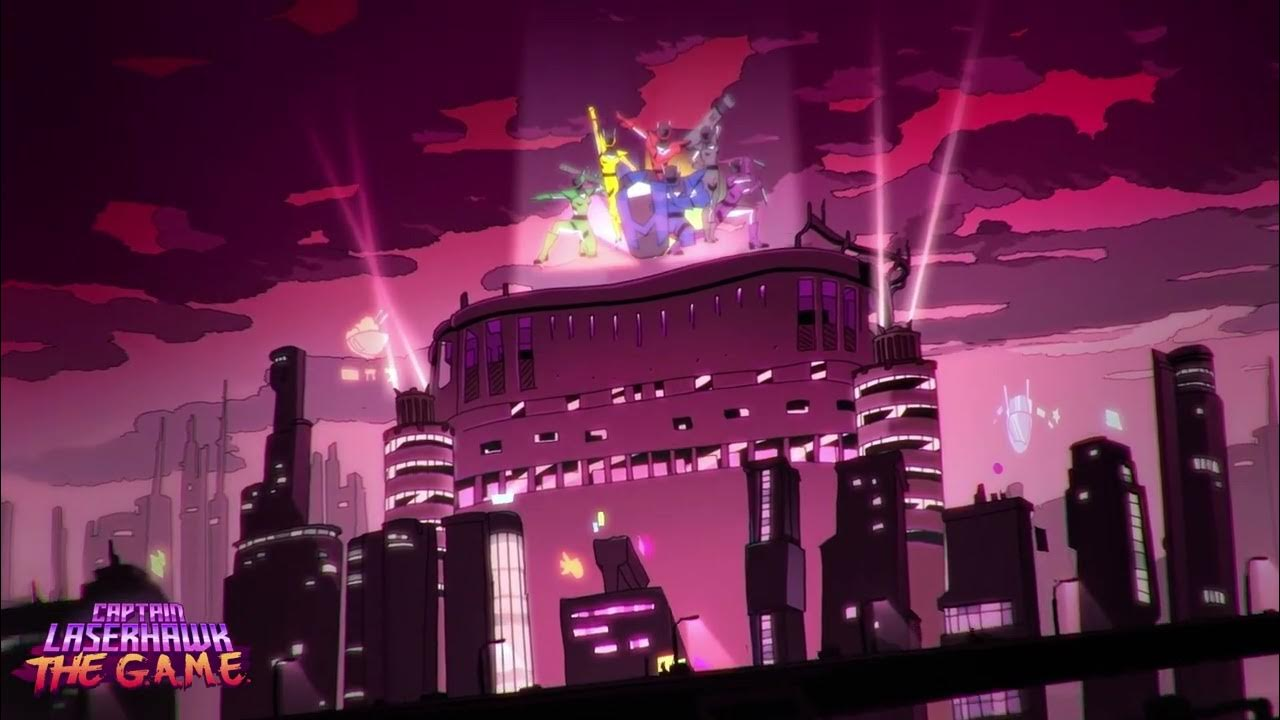
The case with NFT is also indicative. The boom around the blockchain in video games occurred in mid-2021 and disappeared by 2022. However, Ubisoft did not abandon the idea and in 2024 released two games at once: Captain Laserhawk: the G.A.M.E. and Champions Tactics: Grimoria Chronicles. Perhaps someone needs NFT projects today, but certainly not the average gamer. And the money disappeared again.
There is nothing wrong with wanting to make money on the sly. But to do this, you need to be able to foresee and shape trends, and not chase after a departing train. The French, alas, do not have such flair.
Another problem with Ubisoft is cronyism. Many positions in the company went to friends and relatives of Yves Guillemot. One of the studios — Ubisoft Owlient — was headed by Yves' son, Charlie. Looking ahead: during the reshuffle, he headed one of the new studios. Moreover, this decision is now openly criticized by representatives of the Solidaires Informatique trade union, who publicly condemned Charlie's appointment as head of Vantage Studious, which is responsible for the development of flagship franchises — Assassin’s Creed, Far Cry and Rainbow Six.
When leadership positions are obtained through patronage, a person's professionalism is called into question. He comes from the outside, not knowing exactly what and how to do it, and makes a series of unsuccessful decisions, reducing the quality of work. The one who earns an appointment through honest work thereby proves his worth. Exceptions, of course, happen, but rarely. The origins of the problem also lie in the desire to earn money and "skim" the budget — it is much easier to carry out such a plan with "your own" people.
The consequence of cronyism was also numerous harassment scandals within Ubisoft. For a long time, the management concealed what was happening, and then hid behind the "agenda." Like: "Everything is fine — look how diverse and tolerant we are. We even have a corresponding disclaimer in the games!"
Ubisoft Exodus
Problems have been accumulating for years. The company has stalled: large games were released one after another, but did not evolve, and small projects died almost immediately. "Small" and controversial game-services rarely made it to release. And if they did, they — or their creators — were quickly shut down. It is especially обидно for the Prince of Persia: The Lost Crown team, which was disbanded shortly after the project's release.
Both of these things hit the corporation's reputation, undermining revenues. At the same time, a huge army of employees — in 2023-2024, Ubisoft employed about 19 thousand people — ate up the company's financial reserves.
Ubisoft has become an outcast. Each new game raised a storm of indignation online. The company was criticized for every sneeze: optimization, dividing projects into editions and price tags, character images, details of game worlds — and so on. They were criticized for mortal sins, not for ordinary human errors and game conventions. Reasons for criticism were often sucked out of thin air.
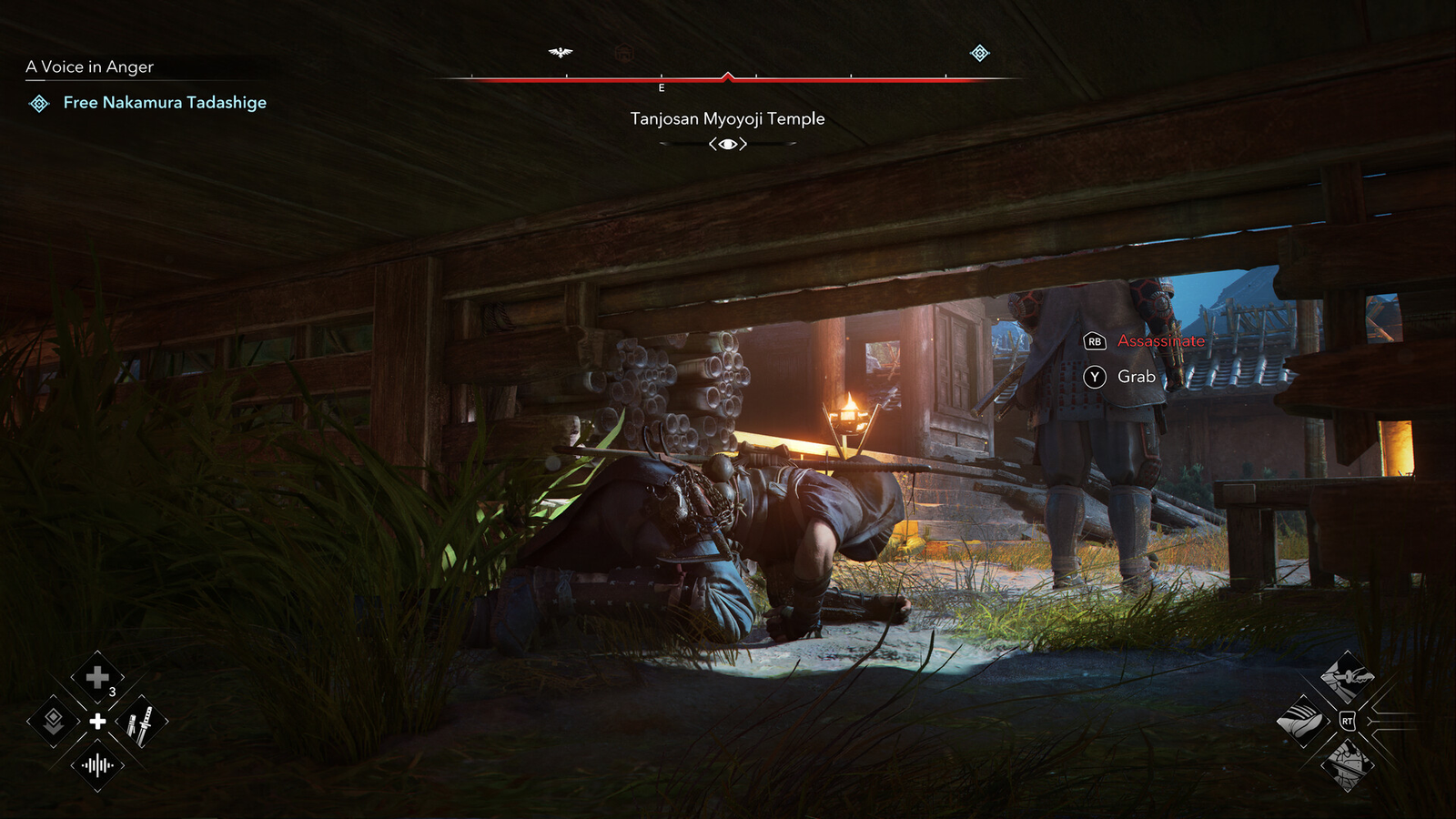
Ubisoft had high hopes for Assassin’s Creed Shadows, but it also failed: the project's dull plot quickly faded from memory. People were much more willing to discuss the scandal with Yasuke and the rewriting of history than the game itself. According to analysts, Shadows sales amounted to about 4.5 million copies — this turned out to be too little to save the sinking French ship.
But here's luck! In March 2025, the Chinese giant Tencent invested $1.3 billion in Ubisoft. The corporation began to restructure: Massive Entertainment will be reduced to 55 people, and Ubisoft Halifax and Ubisoft Stockholm were closed. The French machine broke up into five subsidiaries — "creative houses":
- First creative house. Vantage Studios, led by Yves Guillemot's son. The domain of Ubisoft's key franchises: Rainbow Six, Assassin’s Creed and Far Cry;
- Second creative house. Multiplayer shooters: The Division, Ghost Recon and Splinter Cell;
- Third creative house. Game-service factory: For Honor, The Crew, Riders Republic, Brawlhalla and Skull & Bones;
- Fourth creative house. Story-driven franchises: Anno, Might & Magic, Rayman, Prince of Persia and Beyond Good & Evil;
- Fifth creative house. Family projects: Just Dance and Idle Miner Tycoon.
The situation is quite in the spirit of Embracer Group. Those guys also tried to embrace the immensity — and burned out on it. As a result, the Swedes split into three companies. Each took a separate piece of the market — almost like Ubisoft's "creative houses":
- Asmodee Group — engaged in board and card games;
- Coffee Stain Group — they were given patronage over indie and AA projects, as well as the niche of conditionally free games;
- Fellowship Entertainment — took on large-budget projects and licensed games.
At first glance, Ubisoft's actions seem logical. The company gets rid of the unnecessary and reconfigures processes, trying to become better. Any healing is a painful process. But the way it happens raises questions. A corporation that has become overgrown with fat will not lose weight at the snap of a finger: even the abolition of bureaucracy requires coordination and red tape. This is the paradox.
At the same time, experienced and talented developers are fleeing Ubisoft. And there were enough skilled people there. At the same time, the bosses are steadily adding fuel to the fire, firing those who remain for some nonsense. For example, the leading designer of Ubisoft Montreal — David Michaud-Cromp — was fired after 13 years of "service." The reason? He publicly reacted to the requirement for employees to return to the office. I hope these people will give us many cool games in the future.
The financial issue is no less important: how will the budgets of the "creative houses" be formed? Are they common or separate? The moment is fundamental, because it depends on how exactly the companies will work: will they receive real independence, or will the separation be purely external. And finally, who and how will manage this entire structure?
Often, the creation of small but bright games was financed by profits from the sales of large releases. If each "creative house" becomes completely independent, the possibility of mutual support will disappear. This is similar to a food chain in nature: if one species falls out, the rest begin to suffer. Such financial settings are too subtle to spin them blindly: they need to be calibrated for a long time and carefully.
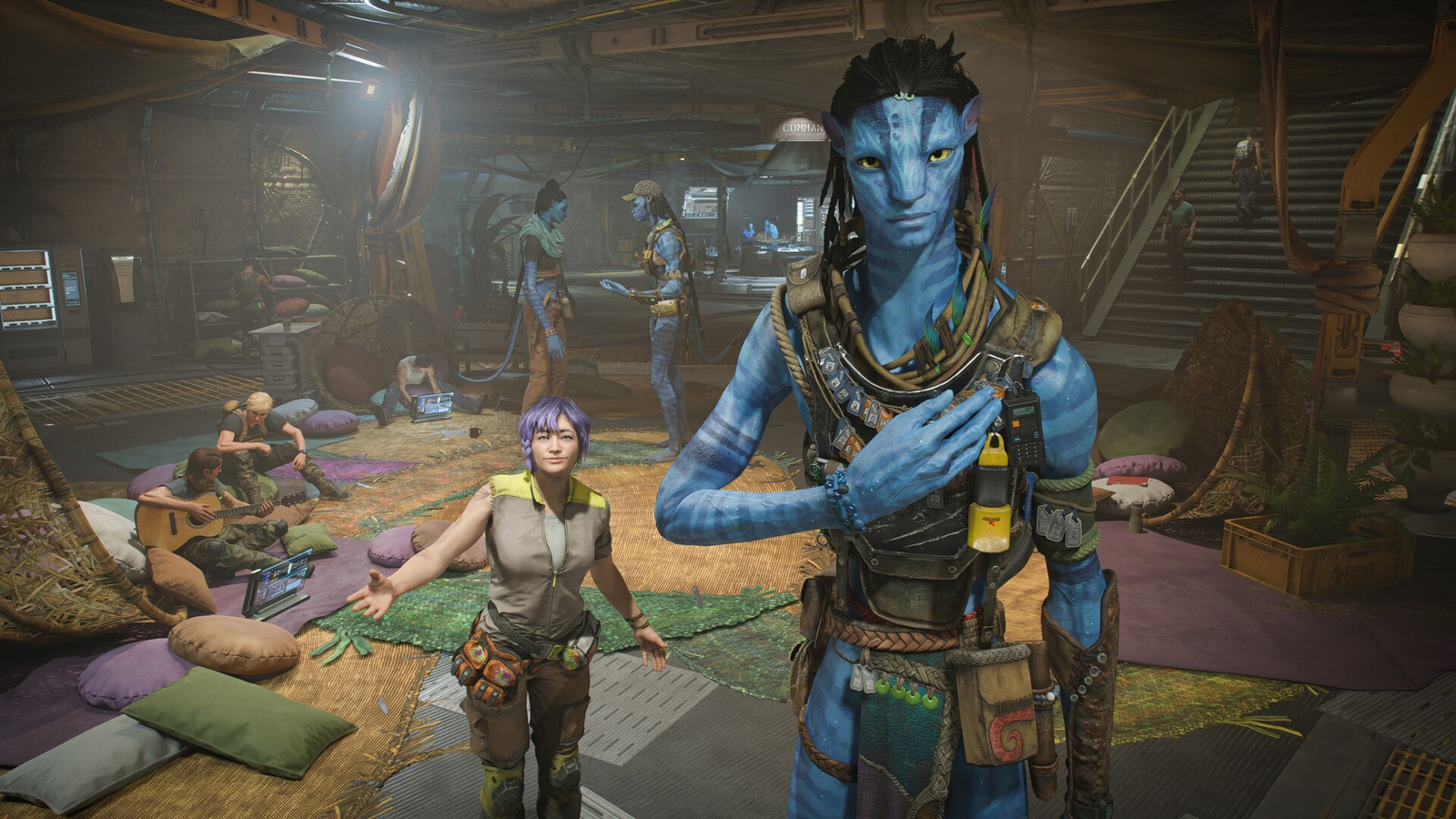
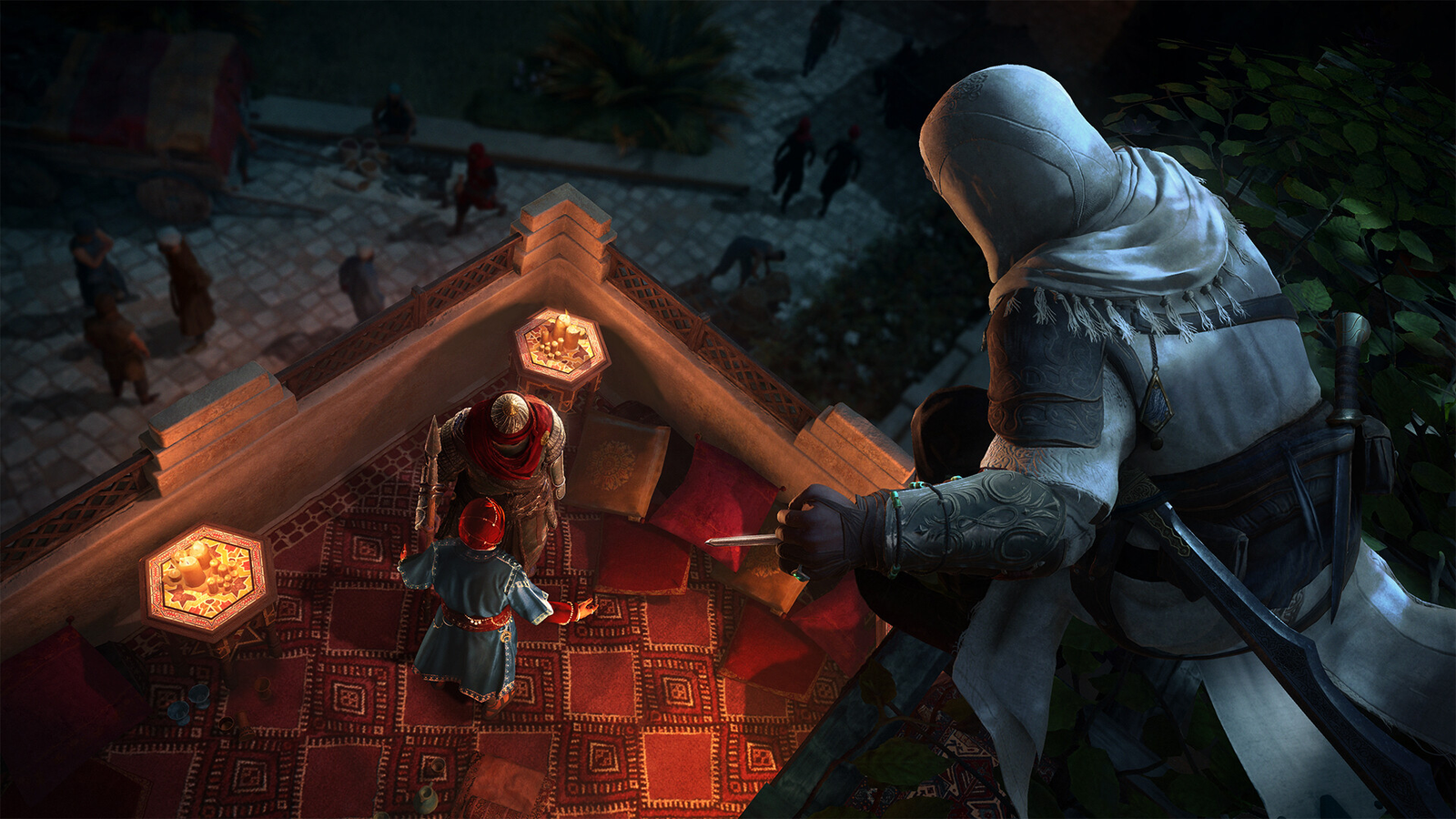
However, at least now there are attempts to become better. Ubisoft has changed its approach to evaluating its games, and recently the quality of products has increased: good additions to the games Assassin’s Creed Mirage and Avatar: Frontiers of Pandora will not let you lie.
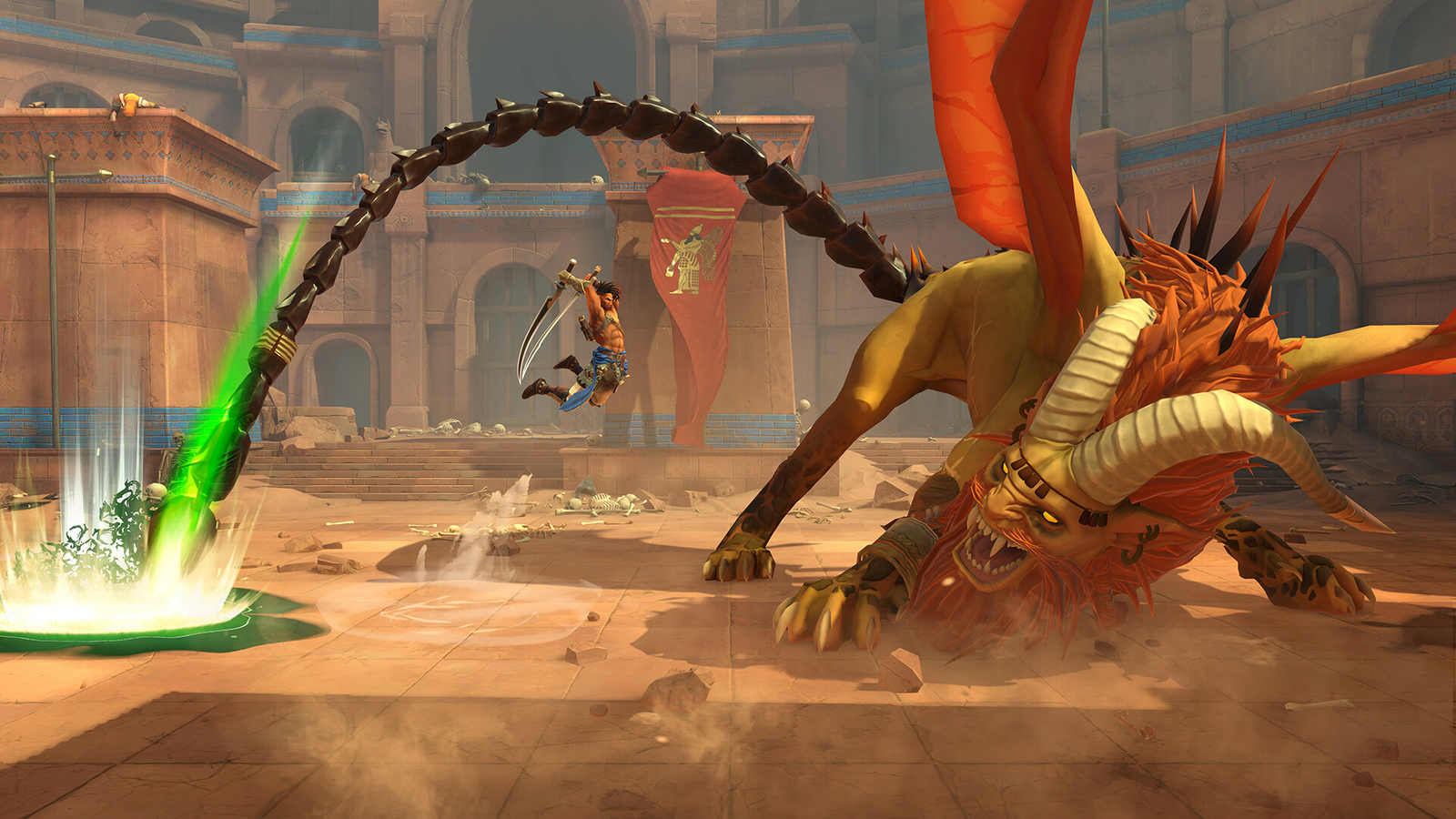
The French, it seems, without much sentimentality, began to clean up the garbage. They did not even spare the remake of Prince of Persia — the game with which Ubisoft's greatness once began. Although the project, according to insider information, was 99% ready. But a touch of uncertainty from the testers turned out to be enough to kill the release.
Against the background of all these changes, Ubisoft's share price has fallen even further. In 2018, their price was at its peak — about 120 euros per share, and the total capitalization reached 12 billion euros. Today, the shares have fallen to the level of 1996, when the company first went public — about 4.07 euros per share. As of February 5, 2026, Ubisoft is valued at approximately 514 million euros.
The appearance of change
Ubisoft's further path is rapprochement with Tencent and orientation towards the Chinese market. The French are walking this road with a wide step: just remember Assassin’s Creed Jade or Rainbow Six Mobile. Whether this will help is a big question.
Jade is being created by Tencent. This miracle will be a conditionally free mobile project. Which means — a bunch of "donat" and, possibly, gacha mechanics. Is this the right decision? But nothing has changed. The game will be similar to Genshin Impact, and its clones have flooded the market. And they don't live long — from one to three years at best. Another chase after a departing trend.
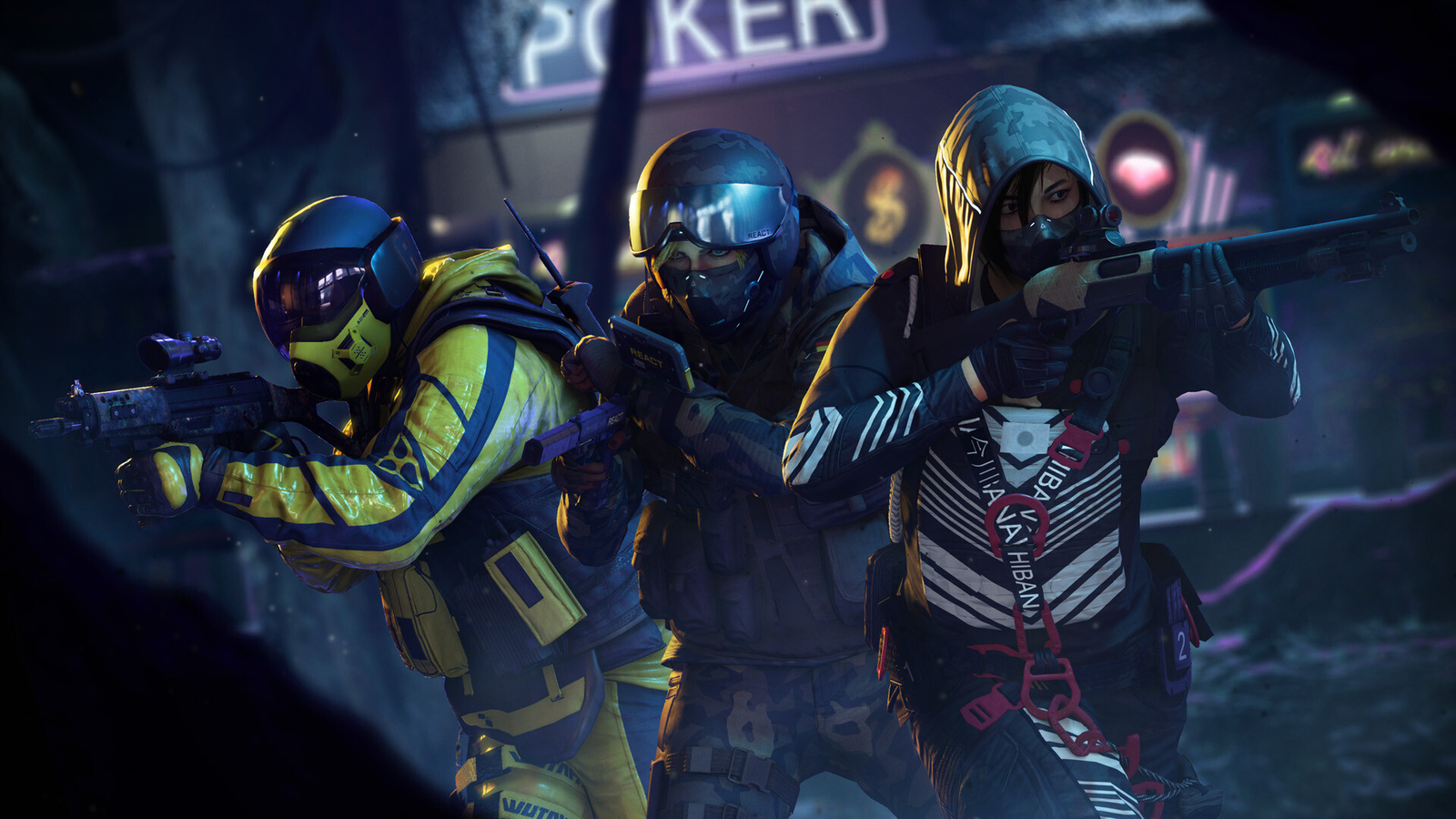
The Rainbow Six Mobile case is also indicative. The game was announced back in 2022 — and was never brought to completion. Four years of development for a "mobile game" is, to put it mildly, a strange term. It will have to compete with Call of Duty Mobile, and here the story is familiar. Ubisoft has already tried to make a "killer" of Call of Duty — XDefiant. The game lasted a little over a year. And if it is still possible to fight with "Kolda" on PCs and consoles, then there are frankly few chances on mobile devices.
Ubisoft needs deep changes, not just the appearance of them. They should go back to basics: make a few strong single-player games and restore their reputation. But the management, it seems, has not learned the lessons and has again chosen the easiest path. Tencent is not a guarantee of success.
Instead of a real attempt at healing, the company cancels an almost finished single-player game that fans have been waiting for for six years. It doesn't matter if it was good or bad — unfinished releases have become commonplace today. But they bring in money, which the French are now catastrophically short of. Decided to take care of their reputation? Yeah, right. Very timely.
Perhaps the reason for the cancellation is different. According to insiders, the company is betting on open-world projects and service games. Nothing new — it's starting to feel like some kind of obsession.
Ubisoft's outcome seems logical, because Yves Guillemot is primarily a businessman. Games for him are just a niche in which he makes money. And for a long time he was lucky. He successfully bought studios and franchises, invested in developers and their ideas. But as soon as Yves Guillemot thought about long-term creative development, he fell into a stupor. Nothing but uncontrolled expansion. Both in games and in business.
Analysis
The Guillemot brothers' company has come a long way: from reselling games and equipment in the 1980s to becoming the largest gaming corporation in Europe at the peak of its development. For almost 30 years, Ubisoft's management successfully built up its business, buying up studios and franchises, but stumbled when it came to creativity. Greed took over, and the company was overwhelmed by a wave of scandals.
The uncontrolled expansion of the corporation continued — like a cancerous tumor. Today, Ubisoft is trying to correct itself, but there are still no truly bold steps that can change the situation. The French have grabbed at a straw in the form of the Chinese giant Tencent, but, despite attempts at renewal, remain the same. The same fear, the same mistakes. And the straw can break at any moment.
Perhaps Yves Guillemot is trying to sell what is left of the once great corporation at a higher price. But the moment has been missed. He should have left earlier.
The future of Ubisoft is a mystery, the answer to which will only be given by time.
Never miss our newsAdd this site to your preferred sources to see us more oftenAdd on Google