Hermen Hulst: The Man Who Kills PlayStation
Translated with AI from the Russian original.
Today, Sony is not in its best shape. PlayStation's internal studios are making many mistakes, for which Hermen Hulst, head of Sony Interactive Entertainment's studio business, is responsible. Let's examine his life and career to understand the reasons.
From Childhood to Guerrilla Games
Hermen Hulst was born in 1971. From a young age, he became fascinated with video games, spending a lot of time playing on the Vectrex — a second-generation console. The device was sold in his mother's store, and Hermen was the one who tested the products.
Born into a family of entrepreneurs, Hulst decided to link his life with business, so he went to the University of Twente to study. But Hermen did not forget about video games, combining pleasure with business: he participated in an exchange program and went to California, where he interned as a market analyst at Ubisoft. This was his first introduction to the inner workings of the gaming industry.
After graduation, Hermen Hulst worked in consulting for several companies, including Philips. But the pull of games made itself felt again, and in 2001, Hulst joined Lost Boys Games. This company was formed a year earlier by the merger of three Dutch studios: Orange Games, Digital Infinity, and Formula Game Development.
There, he replaced Maarten de Ronde — one of the three founders — as executive director. The studio was expanding at the time, and they needed experienced managers, which Hulst became.
In 2003, Lost Boys Games was acquired by Media Republic. As a result, a few months later, Lost Boys changed its name to Guerrilla Games, and Hulst became a co-founder of the revamped company.
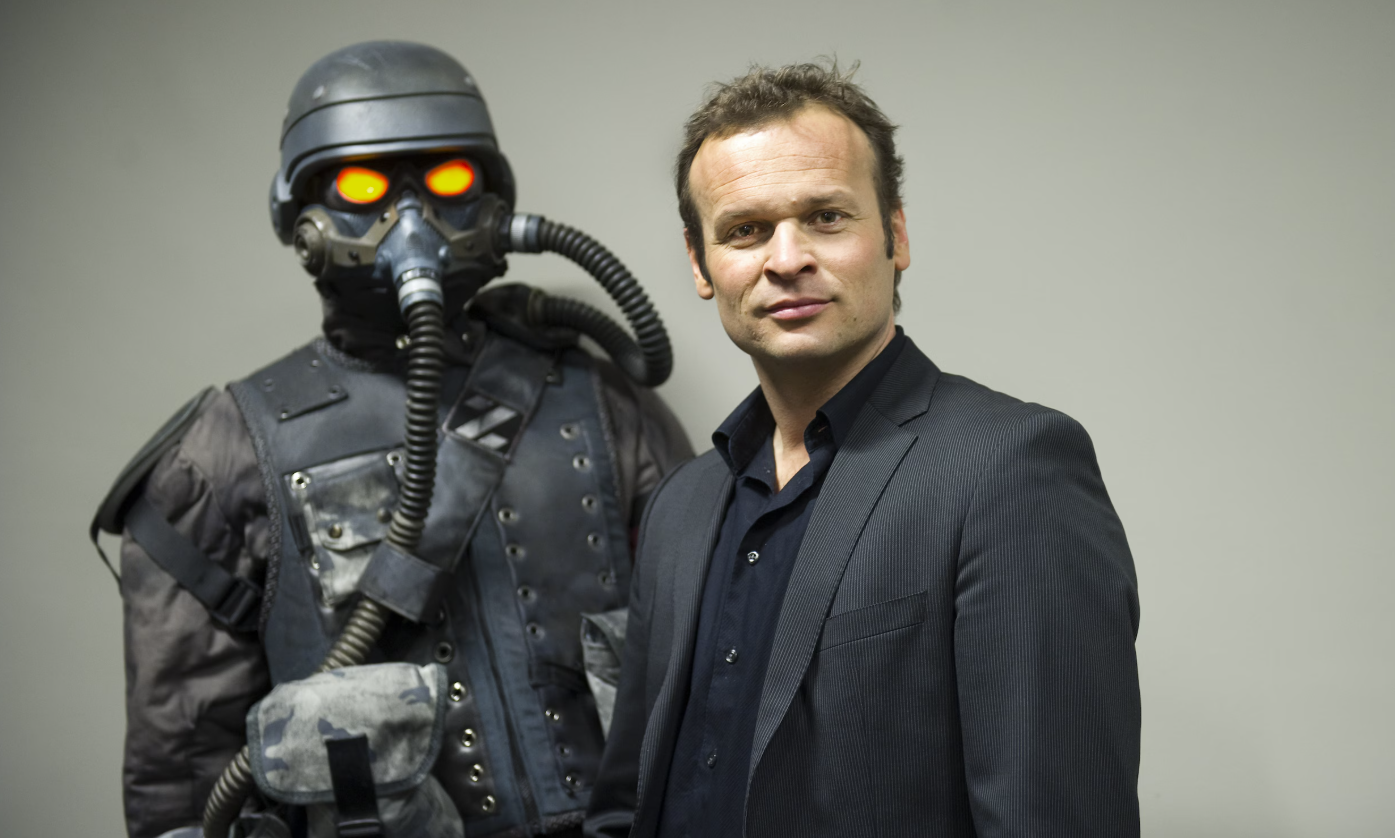
Influence on Killzone
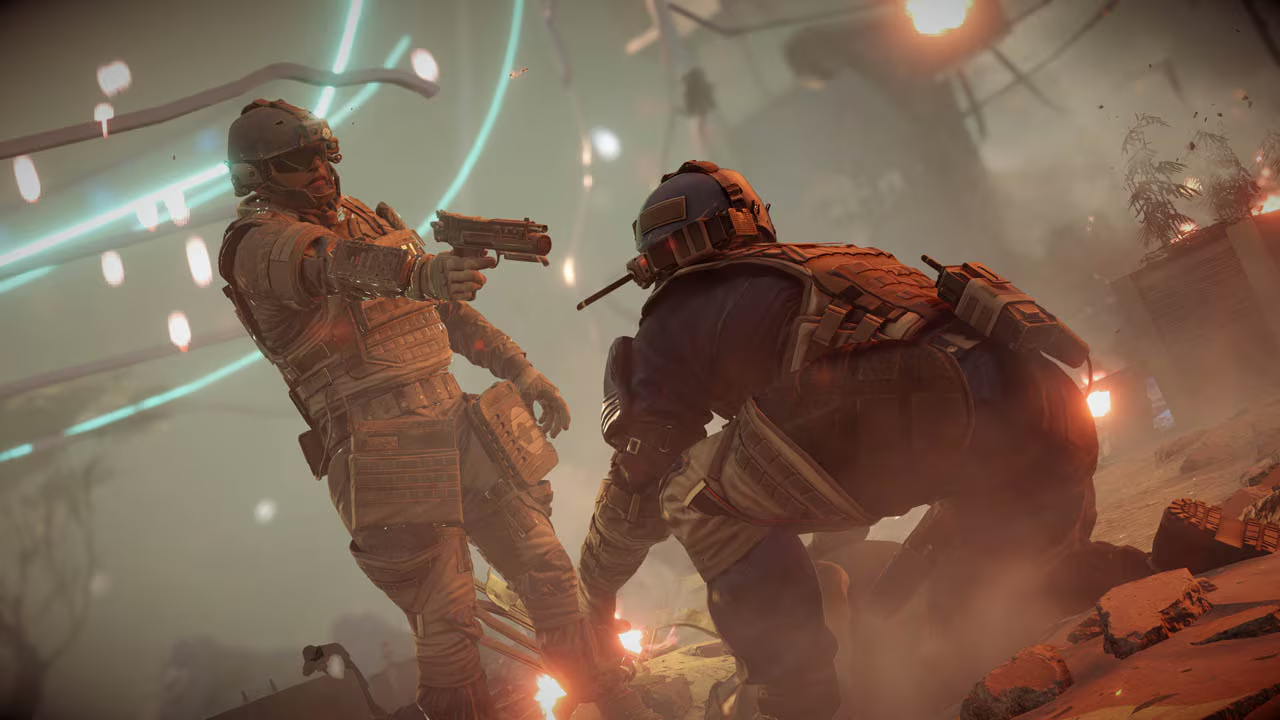
In 2004, the first part of Killzone was released — a franchise that became the developers' face for the next decade. Thanks to the success of the original game, Sony noticed Guerrilla Games, taking the studio under its wing in late 2005.
Hulst served as executive producer for all major games in the franchise. Hermen actively participated in negotiations with Sony, promoting the series, and shaping Guerrilla's image as one of the leading European shooter developers. He was responsible for the studio's overall direction, team management, budgets, publisher relations, and the commercial side of projects.
Hermen also made important creative decisions: he and his team decided to focus on the villains — the Helghast — which defined the visual style and one of the main "features" of the entire series. He was one of those who decided it was better to create their own engine for the franchise rather than use off-the-shelf solutions.
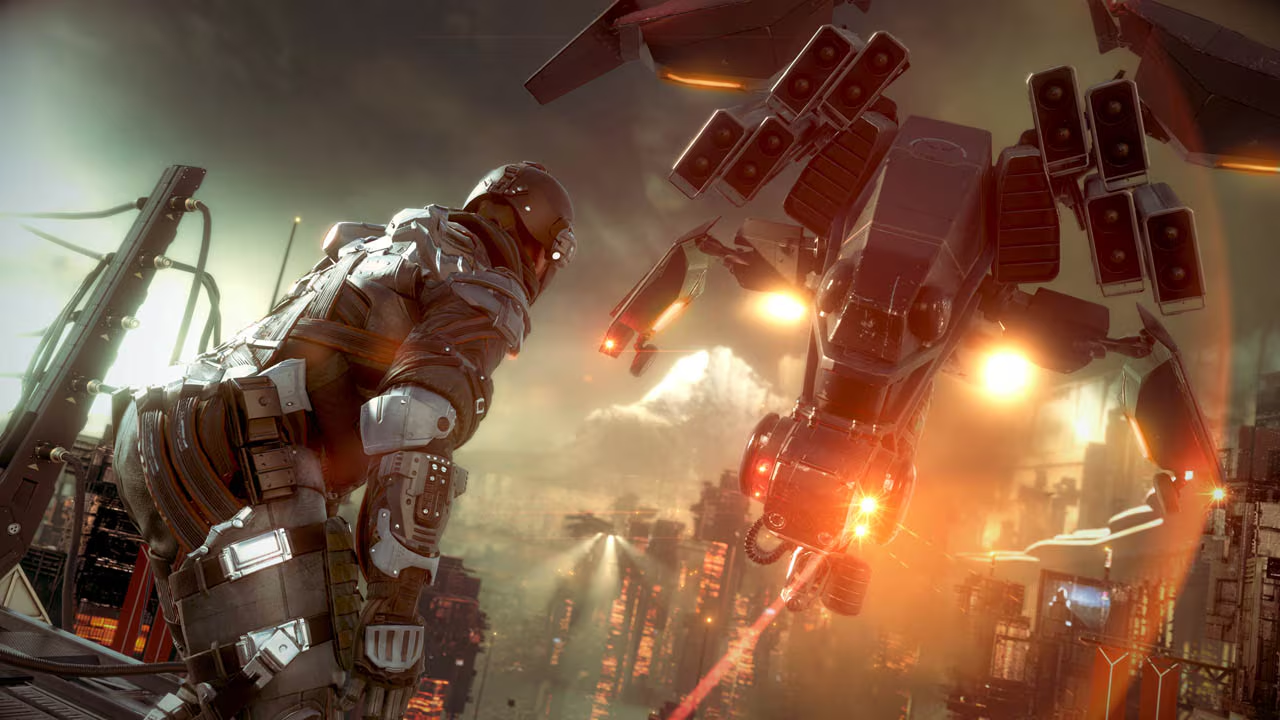
A notable case here is Killzone 2, when Sony presented its trailer at E3 in 2005. The video was incredibly spectacular: photorealistic graphics, cinematic animations, chaotic firefights — all of it looked like a leap into the future of the gaming industry.
Sony positioned this video as a demonstration of actual gameplay on PS3. But it later turned out that the trailer was not gameplay, but a special "tech demo." It was created to visualize the goals that developers should strive for. The studio did not expect Sony to use this internal material for public display, presenting it as a game.
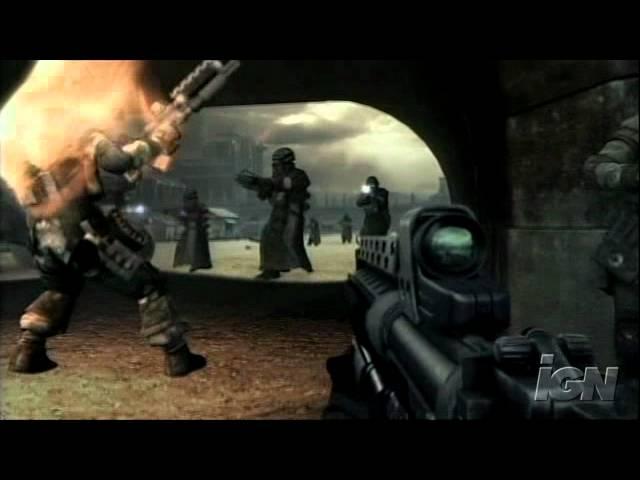
Hermen was one of those who decided to cancel the PS2 version and focus on the PS3, starting development from scratch. This only strengthened people's belief in the video: they thought that the next-generation console would handle these graphics. And when everything came out, a colossal scandal erupted.
Hulst, throughout the development period, repeatedly defended the CGI video in interviews, claiming that the final product would be able to match that vision. Although the developers failed to achieve the level demonstrated in the trailer, the final result was also excellent, and the game became the best in the series.
Focus on Horizon
However, despite its cult status, Killzone could not compete with Call of Duty or Halo, and sales of the series' games were modest. Therefore, in 2010, the studio's management, led by Hermen Hulst, decided to change the direction of work. The bosses gathered all employees, organizing a brainstorming session to come up with something new. More than 30 concepts were presented in total, and the idea proposed by the studio's art director, Jan-Bart van Beek, became the leader. From it, Horizon Zero Dawn was born.
Hermen Hulst turned out to be the chief architect of the studio's change of course. He supported and defended the project at all stages of its creation. Hermen also presented Horizon to Sony's management, which allowed the new IP to establish itself.
And Hulst did not miscalculate. Sales of Horizon Zero Dawn exceeded all expectations and, as of 2023, amounted to more than 24 million copies. For a new franchise, this is a phenomenal result, even if most of the sales came from bundles with the PS4 console.
Largely thanks to this success, Hermen Hulst took over as head of all Sony studios in 2019, replacing Shuhei Yoshida. After that, a real "Horizon era" began at PlayStation. Hulst began promoting this franchise with all his might: in addition to the sequel — Horizon Forbidden West — in recent years, the VR game Horizon Call of the Mountain and the project Lego Horizon Adventures have been released. Players had complaints about all three.
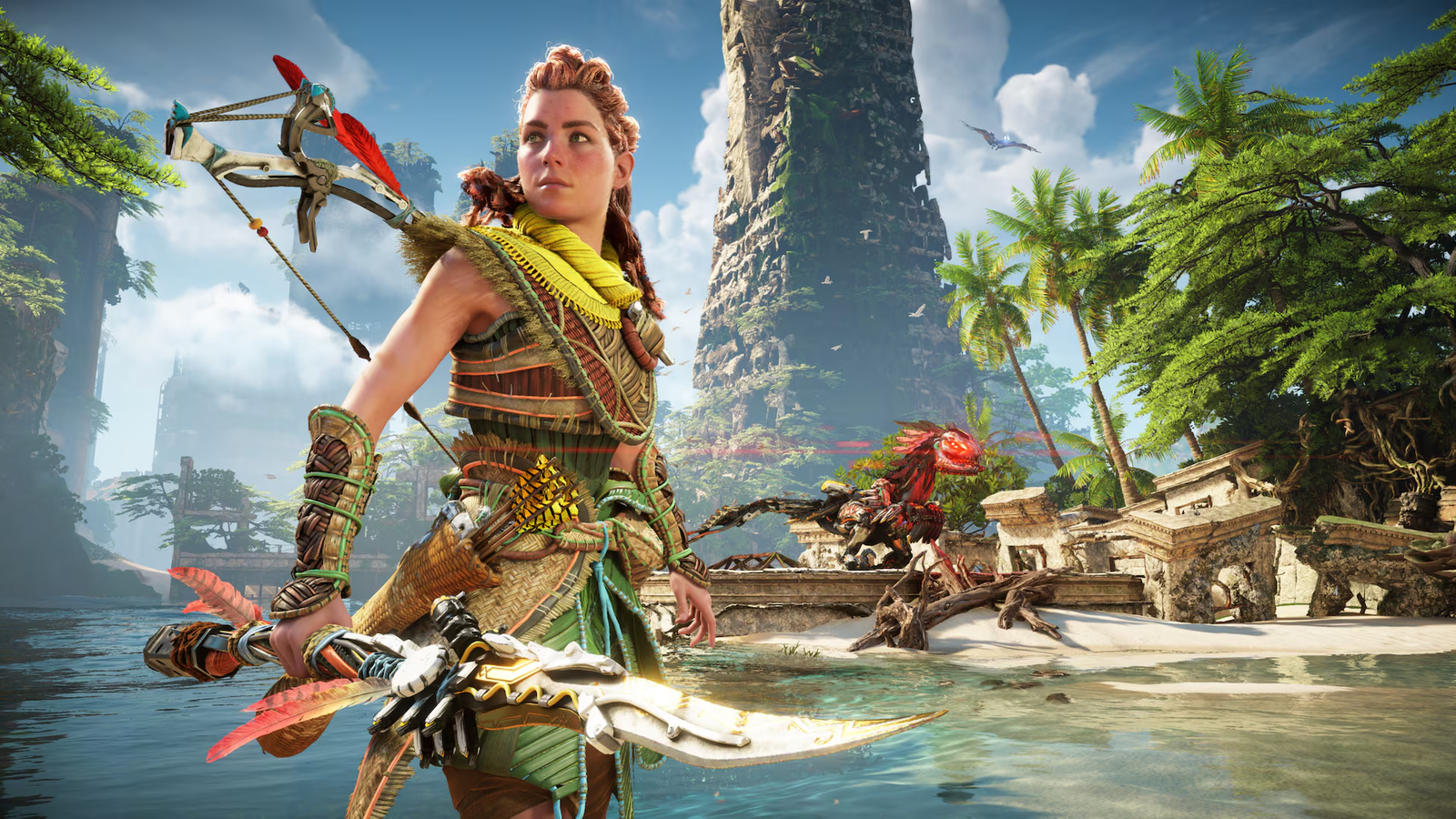
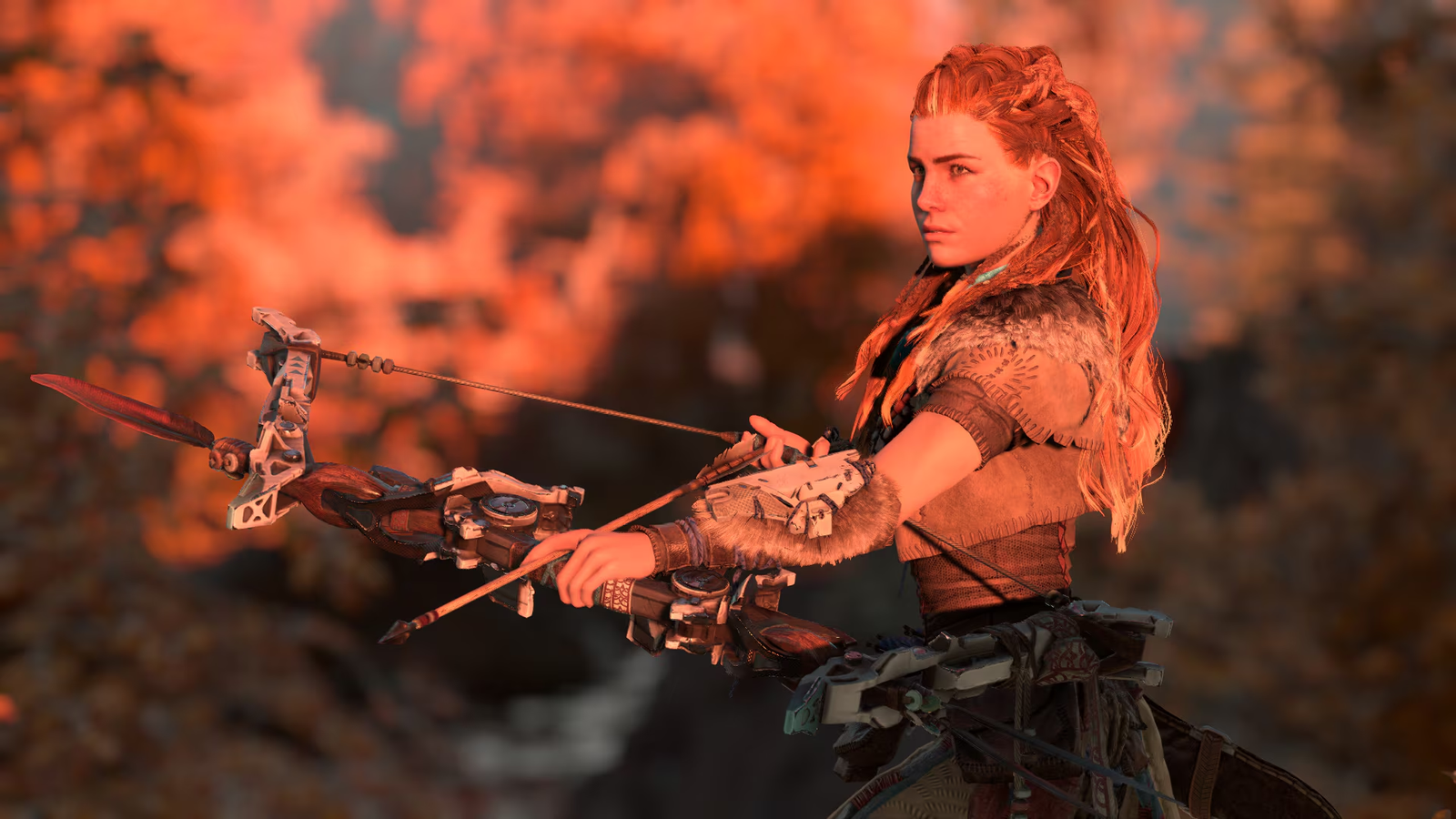
Forbidden West lost the charm of the original: the fascinating lore of the universe was already revealed in the first part, and the second did not offer a worthy replacement. Also, the main character here is shown as too caricatured a "strong and independent" feminist in an apocalyptic future. Watching such a hero is not as interesting as before. Secondary characters, who became more of a convenient backdrop for Aloy, ceased to impress at all.
In the case of VR and Lego, everything is even simpler. The first is a project with excellent graphics but very boring gameplay, most of the time in which the player has to climb rocks. And the second game tried to please everyone but pleased no one: neither franchise fans, nor children, nor new players — it turned out to be too flat and not dynamic enough. The project was not saved even by the fact that it was released simultaneously on Nintendo Switch, PlayStation 5, and PC.
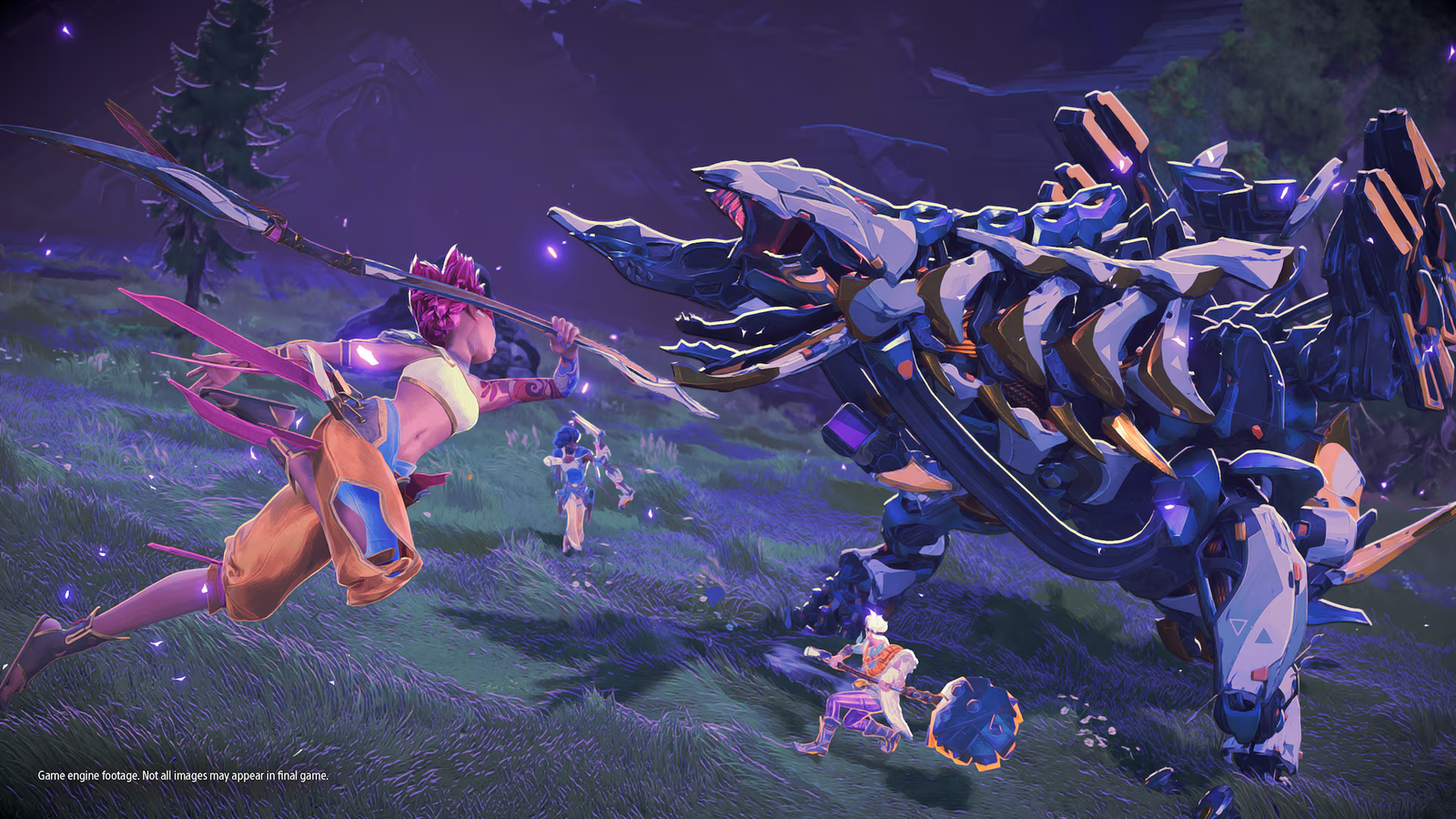
But even this was not enough for Hulst. Two more projects are expected to be released soon: Horizon Steel Frontiers — an MMORPG from NCSoft, and Horizon Hunters Gathering from Guerrilla Games itself. The latter is an analogue of Monster Hunter, but in small matches and with unique heroes, like in DOTA or League of Legends. Players' attitudes towards them are far from enthusiastic.
Especially for Hunters Gathering, the announcement of which was negatively received. People were horrified by the character design and dull gameplay, predicting the project's failure at the level of Concord in advance.
There is no doubt that Hermen Hulst loves video games. But first and foremost, he is a manager who will not take unnecessary risks, preferring to "milk" an existing popular series dry before doing something new.
It is obvious that Hulst uses his high position to excessively promote his "native" franchise. This affects both the quality of Guerrilla's and its partners' products, and Horizon's reputation: these games have become tiresome and turned into a meme.
Even the fact that Hermen was the one who advocated the transition from Killzone to Horizon is easily explained by the numbers. After all, the most successful part — Killzone: Shadow Fall — sold only 2.1 million copies, which is an order of magnitude lower than Horizon Zero Dawn.
Influence on Sony
Today, Hermen Hulst holds the position of CEO of Sony Studio Business Group. He is responsible for key creative and business aspects of PlayStation:
- Manages all internal PlayStation studios, setting their development course;
- Responsible for the development, publishing, and business operations of Sony exclusives;
- Engages in expanding game universes into other media (film, TV series) through PlayStation Productions.
Many attribute all of Sony's sins of recent years to Hulst, especially the decision to maintain a focus on live-service games even after Jim Ryan's departure. But it should be understood that, although Hulst holds a high position, he is not the main person in the gaming direction. The service strategy was approved at the highest level, and it is not so easy to abandon it overnight. Hermen is forced to work with this legacy, trying to correct mistakes.
But how he handles it raises questions. After the failure of Concord, Hulst began to rectify the situation differently: he announced that Sony studios would focus on the quality of projects, not their quantity, as it was before:
"The quantity [of live-service games] is not as important. For me, the main thing is that players have a diverse experience interacting with the game and its community. We have implemented much more thorough and frequent testing in various formats. The advantage of every failure is that people now understand how important quality control is."
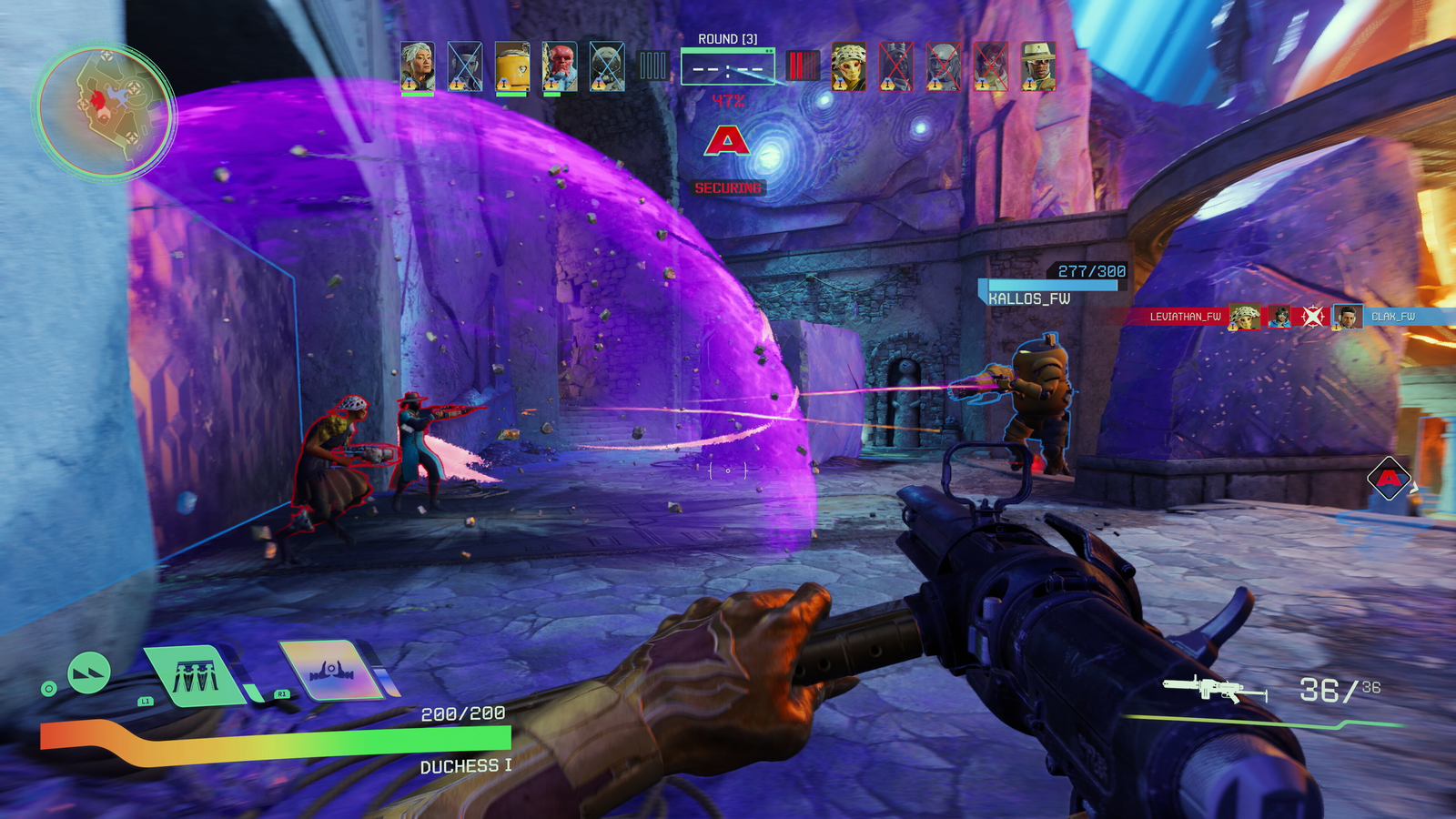
However, due to the change in approach, many projects were canceled, money was lost, and some studios were closed — Bluepoint Games is especially regrettable. These guys specialized in creating remakes, not live-service games. Closing them is a foolish move that will still haunt Sony. Remakes of old games are still very much in demand, and Sony has a huge number of projects in its arsenal that should be revived.
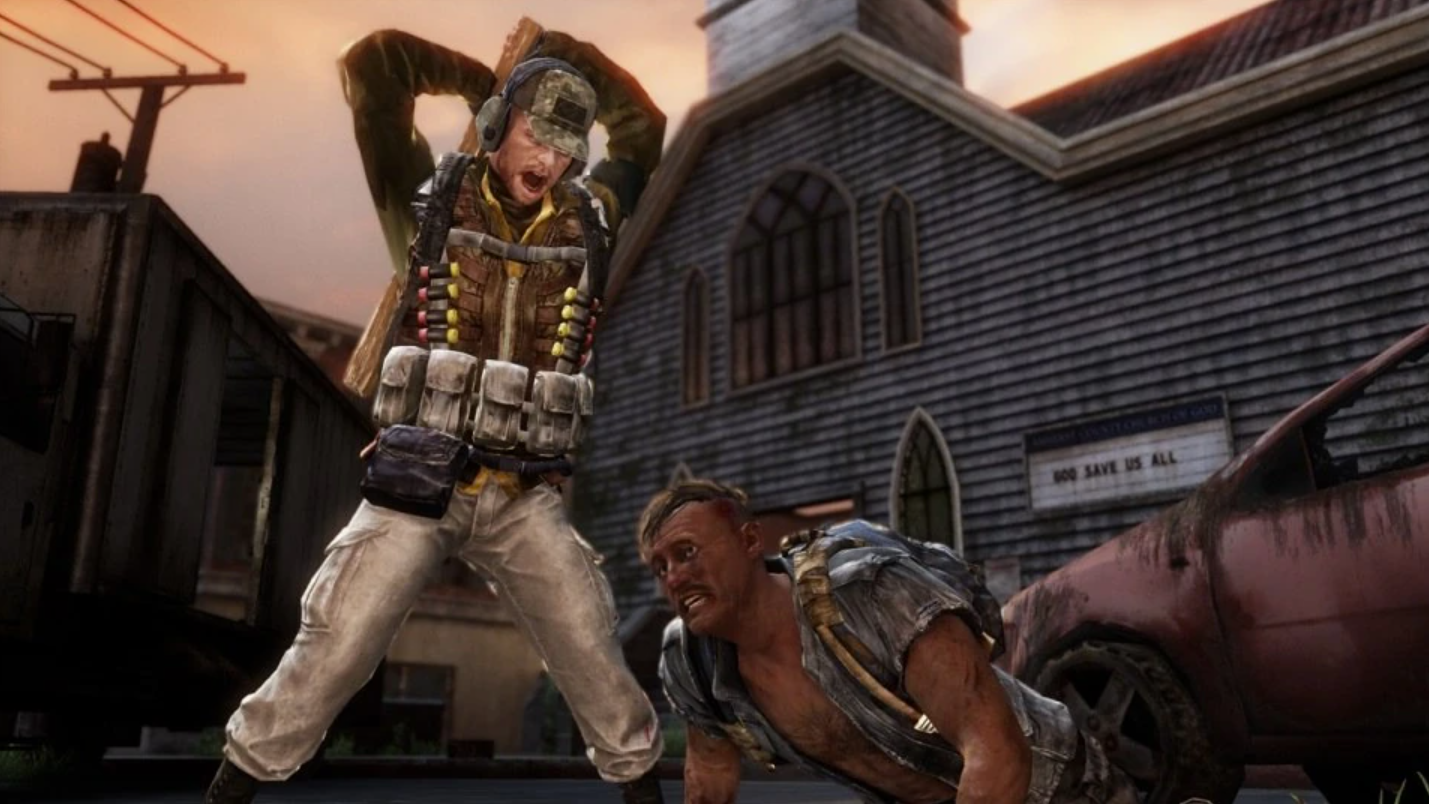
In addition, Sony's management and Hermen Hulst relied too heavily on the "expert opinion" of Bungie, which they bought to help develop live-service games. But are they competent? Because of their advice, the almost ready-to-release The Last of Us Online from Naughty Dog was canceled, although the project was almost the most promising of all the services being developed. After all, the multiplayer in the original TLOU was popular for many years — it is still in demand today, 12 years after the remaster's release. Here, Hermen lacked the foresight to save the project.
In addition to services, several good and successful games were released under Hulst's leadership, such as Astro Bot or Ratchet & Clank: Rift Apart. Experimental projects like Returnal also returned, which were absent in the last years of the PS4 era.
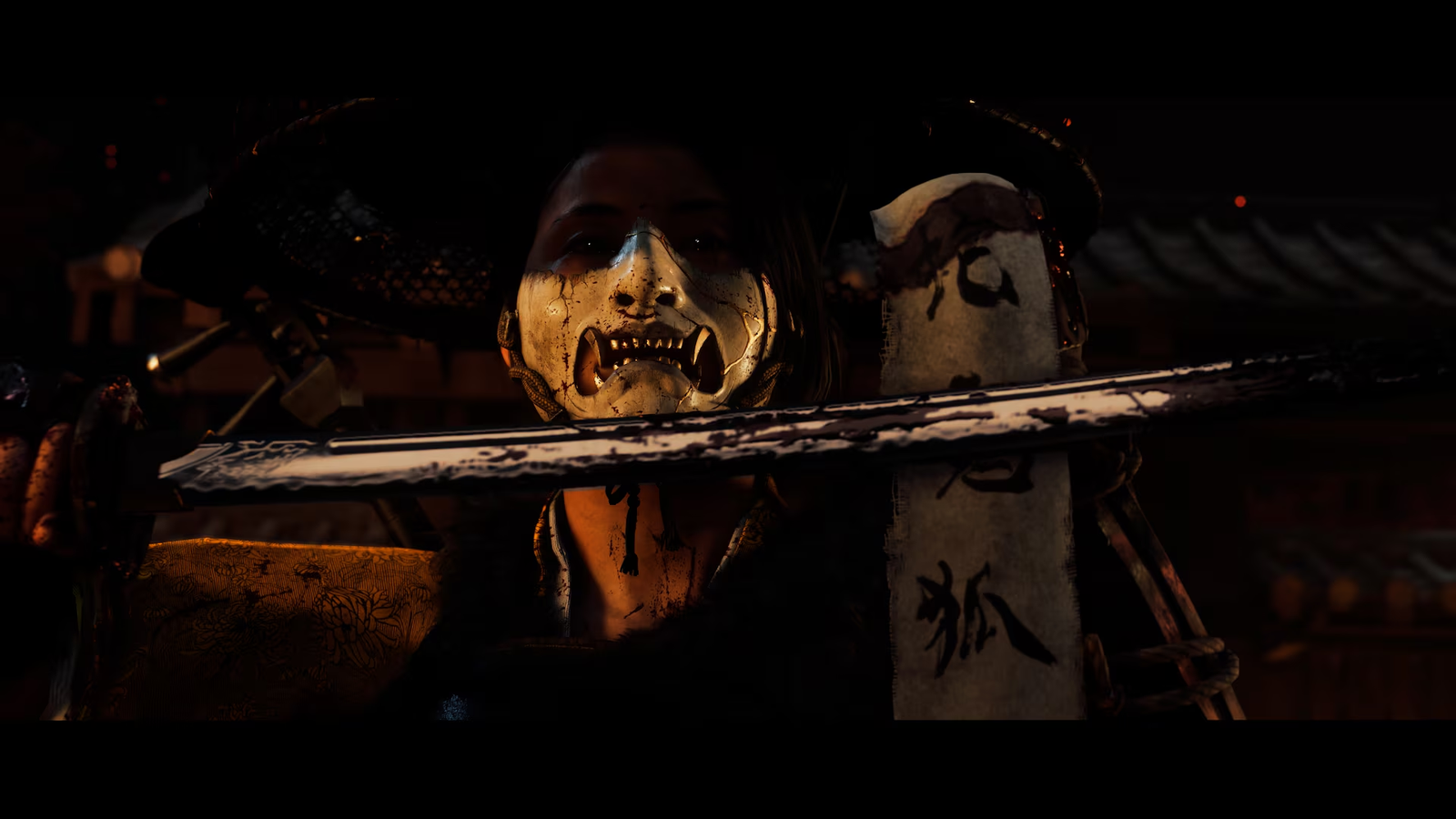
But he also released many problematic games: it was under him that the trend of declining quality in single-player games became apparent. For example, the second parts of PlayStation's main franchises — Marvel’s Spider-Man 2, Horizon Forbidden West, and God of War Ragnarok — although not bad, are worse than the first games in the series. Even Ghost of Yotei was received more coolly by players than Ghost of Tsushima.
What's the bottom line?
It's difficult to judge Hermen Hulst unequivocally. He supports many developers in every way, encouraging experiments, and does not get involved in unnecessary polemics, trying to avoid scandals. He even tries to work on mistakes, rather than doing nothing.
But when it comes to his personal vision, it's different. It seems that he is unable to look at his decisions from the outside and reconsider them. If Hermen sees a problem, he does not understand its cause, confusing it with the consequence. Most of Sony's failures in recent years are largely due to his decisions — including Concord, which Hulst pushed through with all his might, although the project's failure was predictable in advance.
Just as now, everything is clear with Horizon Hunters Gathering, which few people are interested in. And this project does not allow Guerrilla to launch a full-fledged production of at least a Horizon threequel, since all the studio's main forces are occupied with this failed service.
The same applies to Sony's recent abandonment of the PC market, which Hulst also announced. The reason cited is the poor performance of PlayStation projects, while forgetting about external factors: the quality of ports, lack of advertising, release a year or two after the main release, and high cost. This move looks like an attempt to treat symptoms, not the disease.
Hermen Hulst failed to extrapolate the successes of Guerrilla Games' management to the level of managing all of PlayStation. Now he is caught between the management's demand to focus on live-service games and his own lack of flexibility, which would allow him to make these games successful.
The conclusion is obvious — his competencies are insufficient to rectify the situation. He does not see solutions to problems and makes many mistakes that are too costly for Sony. Although he cannot be blamed alone, as there is also higher management that has the final say.
Never miss our newsAdd this site to your preferred sources to see us more oftenAdd on Google