Demand for memory will reach "unimaginable" heights by 2028, making it virtually inaccessible to ordinary users, says Dell
Or people will have to buy it at seriously inflated prices.
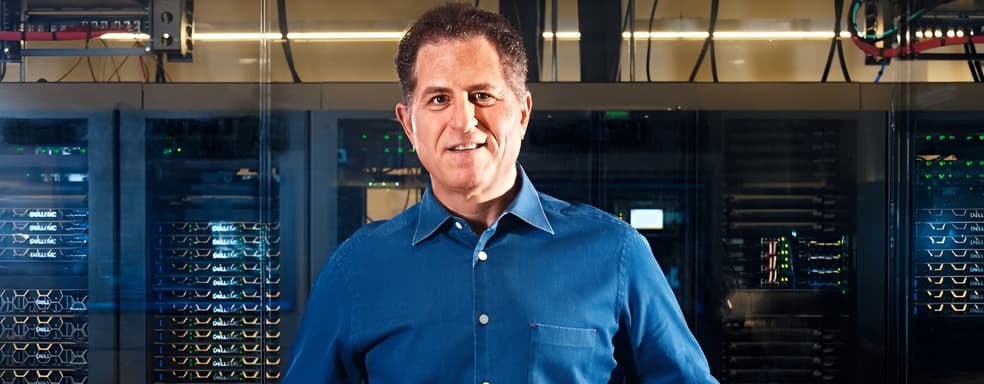
Dell CEO Michael Dell stated that the rapid growth in demand for memory for artificial intelligence systems will continue for several more years and may last until at least 2028. He spoke about this at a recent industry event.
According to the head of Dell, despite recent market fluctuations and skepticism after the sale of shares of memory manufacturers, the fundamental factors remain the same: demand for AI infrastructure continues to grow rapidly. Moreover, the need for DRAM in the coming years will significantly exceed current levels.
Dell noted that both the amount of memory per accelerator and the scale of deployment of such systems are increasing simultaneously. As a result, a situation is formed in which the total demand for memory may increase by approximately 625 times. At the same time, expanding production capacity takes a long time, while demand remains extremely high even now.
He paid special attention to the growing requirements for memory in the AI accelerators themselves. The transition from the Ampere architecture to newer generations, such as Vera Rubin, is accompanied by a sharp increase in the amount of memory used. This refers not only to the development of HBM, but also to the introduction of new technologies — for example, SOCAMM, which further increase the load on the DRAM market.
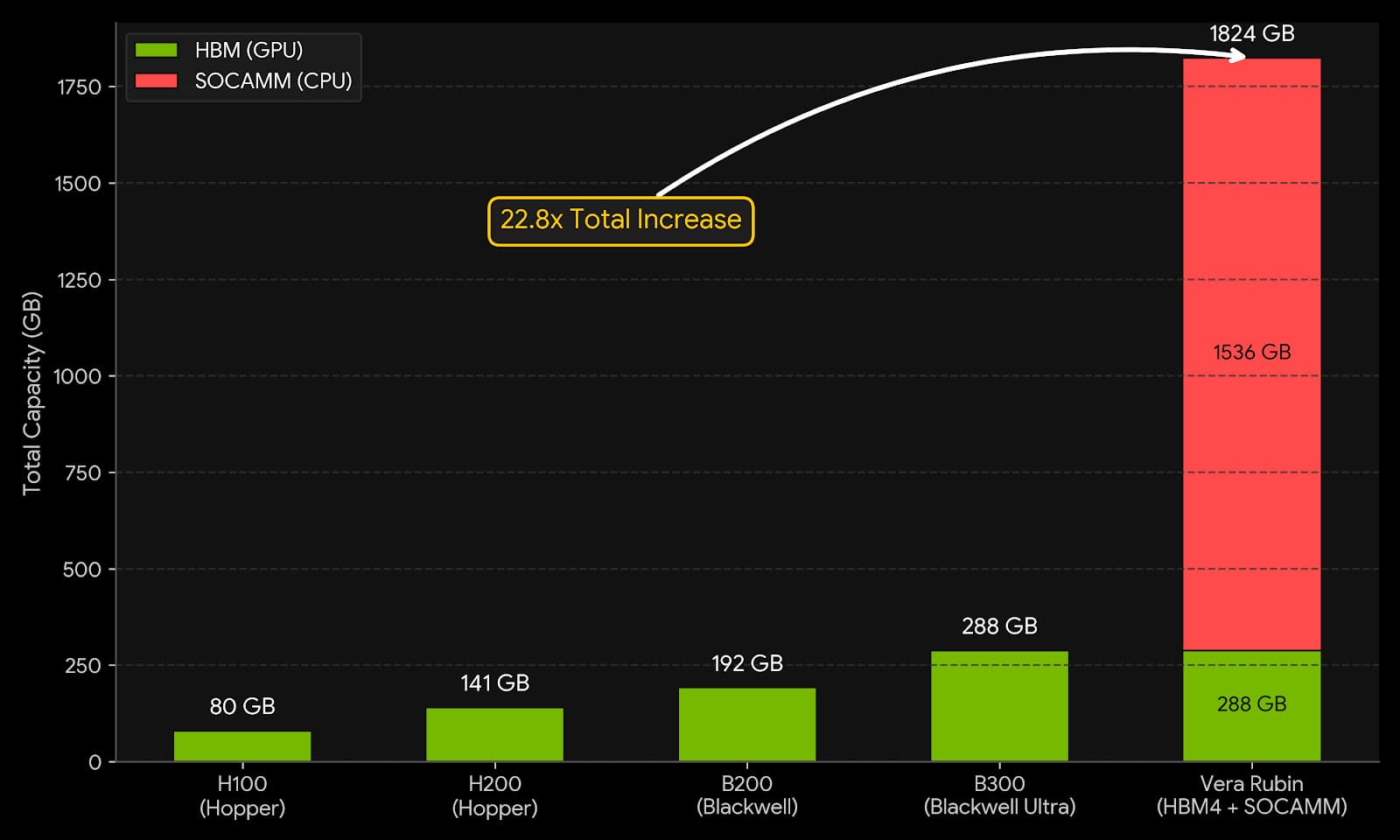
According to Dell's estimates, by 2028 the memory capacity of one accelerator may increase by 25 times, and the total number of deployed accelerators — also by approximately 25 times. Together, this gives the predicted multiple increase in demand.
The largest cloud providers, actively investing in so-called CXL-based memory pools, play a significant role in shaping the market. They form a significant part of DRAM orders, which supports a high level of demand.
Another indicator of the trend's sustainability is long-term contracts. Memory suppliers are increasingly entering into agreements with hyperscalers for up to five years. According to Dell, interest in such contracts is extremely high, which indicates the willingness of customers to spend significant funds for guaranteed deliveries.
Never miss our newsAdd this site to your preferred sources to see us more oftenAdd on Google


![[STREAM] Dark Souls of the year. Valor Mortis](https://media.ixbt.games/fit-in/312x/ixbt-data/1725581/3ffa004e-044b-4d85-a878-777449753d95.jpg)