Fake State of Decay 3 trailer and Perfect Dark gameplay: gamers are increasingly losing trust in developers
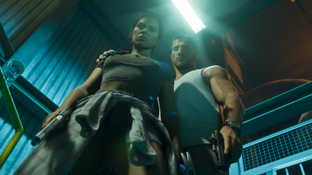
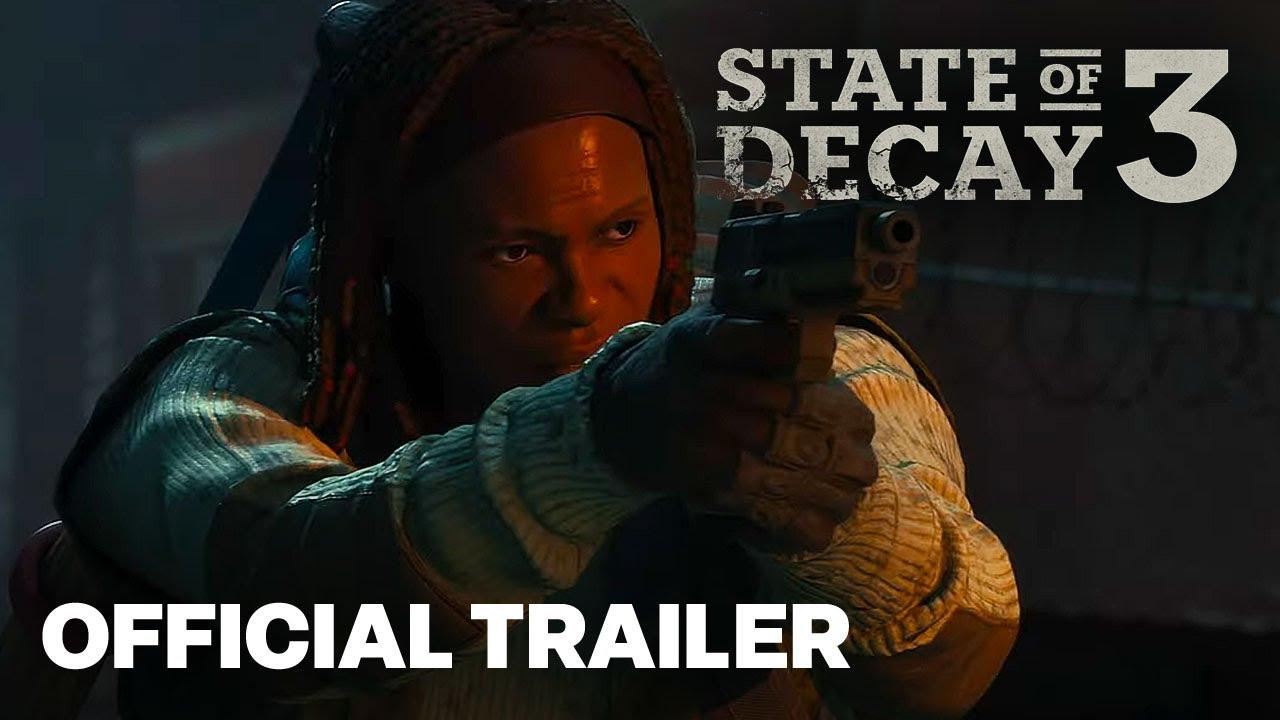
Recent statements about State of Decay 3 have shed light on the marketing problems of major gaming projects. Undead Labs admitted that the high-profile 2020 CGI trailer had almost nothing to do with the actual state of the game.
Studio head Philip Holt said that at the time of the reveal, the game effectively did not exist — the project was at the level of a "Word document," and only about a dozen people were working on it. The trailer, created by Blur Studio, was more of a conceptual demonstration and a way to attract developers than a showcase of the actual game.
For fans, this came as a disappointment, especially considering that some of the ideas shown, such as infected animals, will not make it into the final version. The situation reflects a broader industry trend: AAA games are announced long before full-scale development begins, with flashy but not always authentic materials being shown.

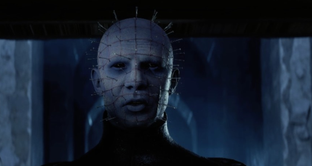
Against this backdrop, other examples of "illusory" trailers also come to mind — from Kingdom Hearts III to the canceled Eight Days and even Perfect Dark, where the gameplay shown did not match the actual state of the projects.
Players are increasingly viewing new announcements with distrust, suspecting that what they are being shown is not the real game, but a pre-staged visual concept.
As a result, Undead Labs' honesty about State of Decay 3 only highlights the industry's problem: many projects lose their potential because of overly early and unrealistic promises.
Never miss our newsAdd this site to your preferred sources to see us more oftenAdd on Google




![[Video] RIP RTX 5090 / GTA 6 Leak / Blizzard Broke WC3 / Cyberpunk 2077 Movie / Phantom Blade Zero Preview](https://media.ixbt.games/fit-in/312x/ixbt-data/1725650/17ffaa31-1709-4a05-91a5-0ee4b75897d7.jpg)