An (Im)perfect End to a Franchise. A Review of "The Conjuring 4: Last Rites"
Translated with AI from the Russian original.
Over twelve years, the "Conjuring" franchise has evolved into a kind of "Marvel of the horror world," spawning spin-offs about the demonic doll Annabelle and the demon Valak. Now it's time for "Last Rites" - a film billed as a farewell to Ed and Lorraine Warren. How worthy is this farewell to the pair of "demonologists," and doesn't the final chord sound a little too familiar? Read about it in our review.
Based on "Unreal" Events
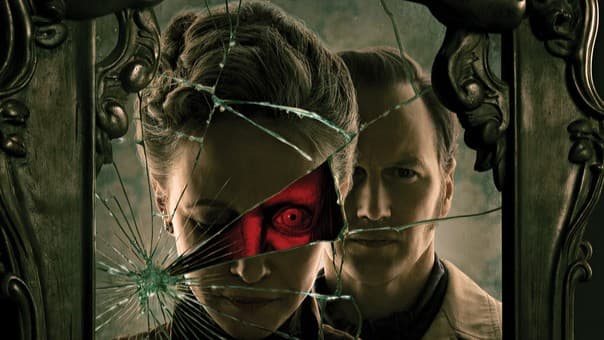
The film opens with a flashback to 1964: a pregnant Lorraine encounters a cursed mirror, and the encounter results in a painful premature birth. Their daughter Judy (Mia Tomlinson) is born dead - and only miraculously comes back to life.
It seems everything ended well, but as the girl grows up, it becomes clear: she inherited from her mother the ability to see what is hidden from others. For Lorraine, this is not a reason for pride, but a source of anxiety, because she understands the price of such a "gift" better than others. This prologue sets the emotional rhythm for the entire film, immediately promising a lot of family drama, and takes us twenty-two years forward - to 1986.
By this time, the Warrens have effectively retired, as Ed has serious heart problems - another heart attack would simply kill him. The couple tries to lead a quiet and peaceful life, but in the world of "The Conjuring," peace is only a dream.
In the industrial town of West Pittston, Pennsylvania, the Smurl family faces a series of sinister phenomena. The house, where children and elderly parents live under one roof, gradually turns into a haven of darkness after Heather's daughter is given an antique mirror for her confirmation. From that moment, the usual way of life collapses, and a stream of supernatural and terrifying events overwhelms the family's life.
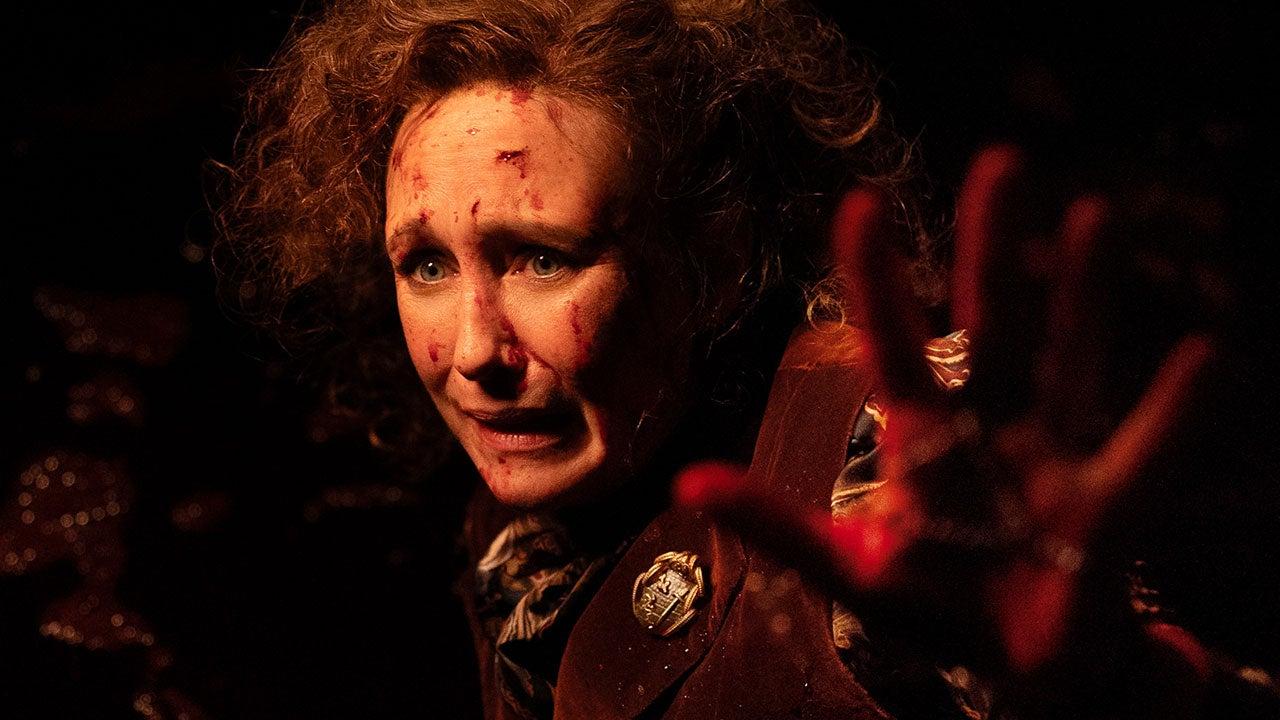
As is usually the case in "The Conjuring," another story is presented as "based on real events." In this case, it is about the Smurl family case from West Pittston, which received wide publicity in the eighties.
Husband and wife Jack and Janet claimed that their house was infested with spirits: furniture moved on its own, children heard voices, and the owner himself was allegedly attacked by demonic entities. Ed and Lorraine Warren did come there, performed exorcisms, and even wrote a book with the family. Later, the film "The Haunted" was made based on this story in 1991.
Of course, in reality, everything turned out to be much more prosaic: the testimonies of the Warrens and Smurls differed, and the facts did not add up. But it was on this layered pie of rumors, horror stories, and hyperboles that the Warrens' reputation grew - and, as a result, the entire "Conjuring" cinematic universe.
In the film, their longtime ally, Father Gordon, a priest who has helped them in investigations more than once and has already appeared in four films of the franchise, informs the Warrens about what is happening. He persistently asks the couple to intervene, because the Smurl family is in a hopeless situation.
At first, Ed and Lorraine refuse, but Gordon's mysterious death and the subsequent series of events, amplified by a heavy sense of guilt, make their return to duty inevitable - to complete what was started back in 1964.
Meeting the Parents and Demons
The first half of the film actually breaks down into two loosely connected lines. While the Smurl family faces the horrors inflicted by the mirror, the viewer is shown the seemingly carefree life of the Warrens.
Ed lectures students who jokingly compare him to the Ghostbusters from the 1984 film, Lorraine is busy with household chores, and Judy, who grew up in the shadow of her famous parents, is desperately trying to find her way.
At first, this technique works: scenes from the lives of the Smurls and Warrens alternate, allowing the viewer to catch their breath after another "scare." But quite quickly, a feeling of dragging arises.
In addition to getting to know Judy and her intensifying visions better, the film offers to celebrate Ed's birthday, see a string of cameos from past installments, and even briefly find yourself in the epicenter of a family comedy in the spirit of "Meet the Parents" when Judy's boyfriend, played by Ben Hardy, appears on screen. As a result, the Warrens steal the attention, and the fate of the Smurls fades into the background - and it is impossible to empathize with them at all.
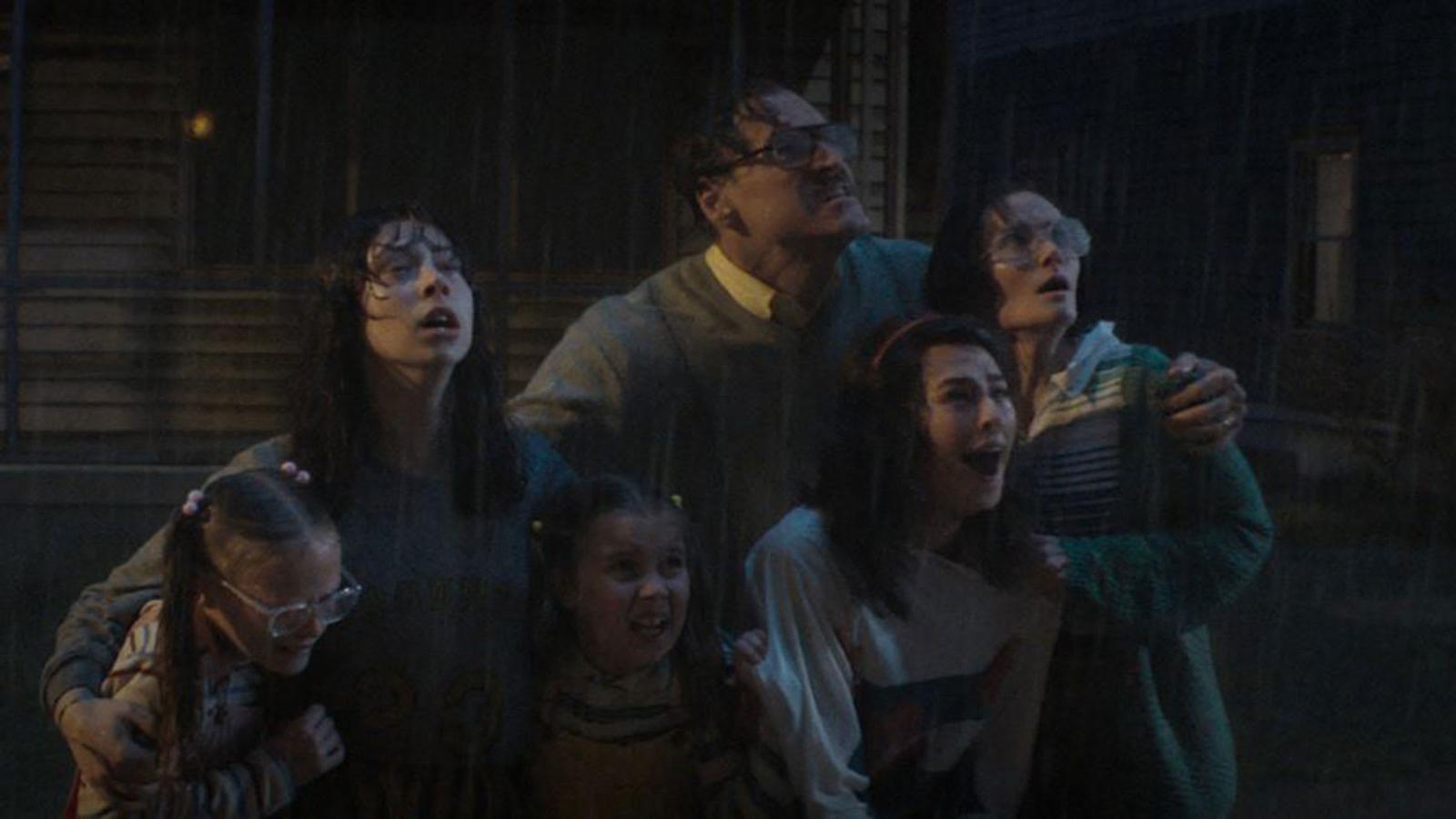
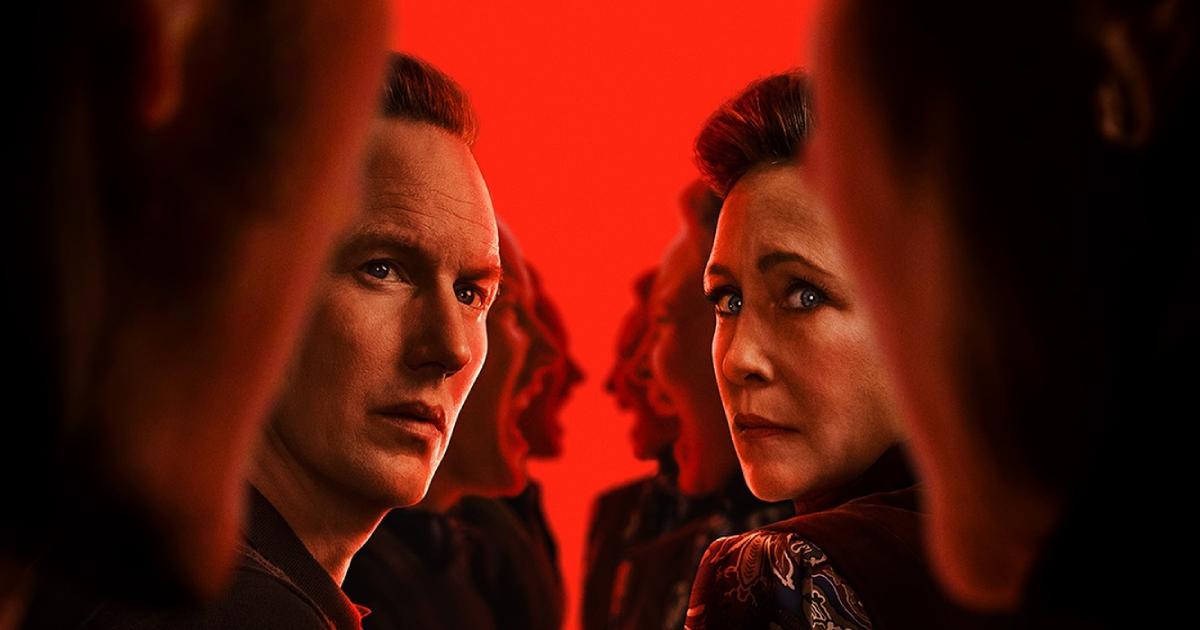
In fairness, I understand why "Last Rites" is structured this way. The Smurl story is just a backdrop here, because the main task of the film is to say goodbye to the Vera Farmiga and Patrick Wilson duo in a worthy way. And the film copes with this mission. Over twelve years of working together, the actors have turned the on-screen Warrens into a living, organic couple, in which the tenderness and fatigue of people who have survived dozens of "battles" with evil forces are intertwined.
Their chemistry remains the main stronghold of the franchise, and in "Last Rites" it is complemented by a soft hint of the continuity of generations: the Warrens' daughter has grown up and is ready to share with her parents part of the responsibility for helping those who have encountered the other world.
Therefore, when the Warrens finally find themselves in the Smurl house in the second half of the film, the confrontation with evil turns into a family affair in the literal sense: the conflict involves everyone, including Judy and her boyfriend.
Without spoilers, it can be said that the ending, no matter how atmospheric and emotional it may be, remains extremely standard and predictable until the last scene. If you know what "The Conjuring" is, you know in advance how it will all end.
But at the same time, the film has enough strength to keep the viewer's attention for two hours so that you don't even think about the time. The film works not due to originality, but due to emotional involvement.
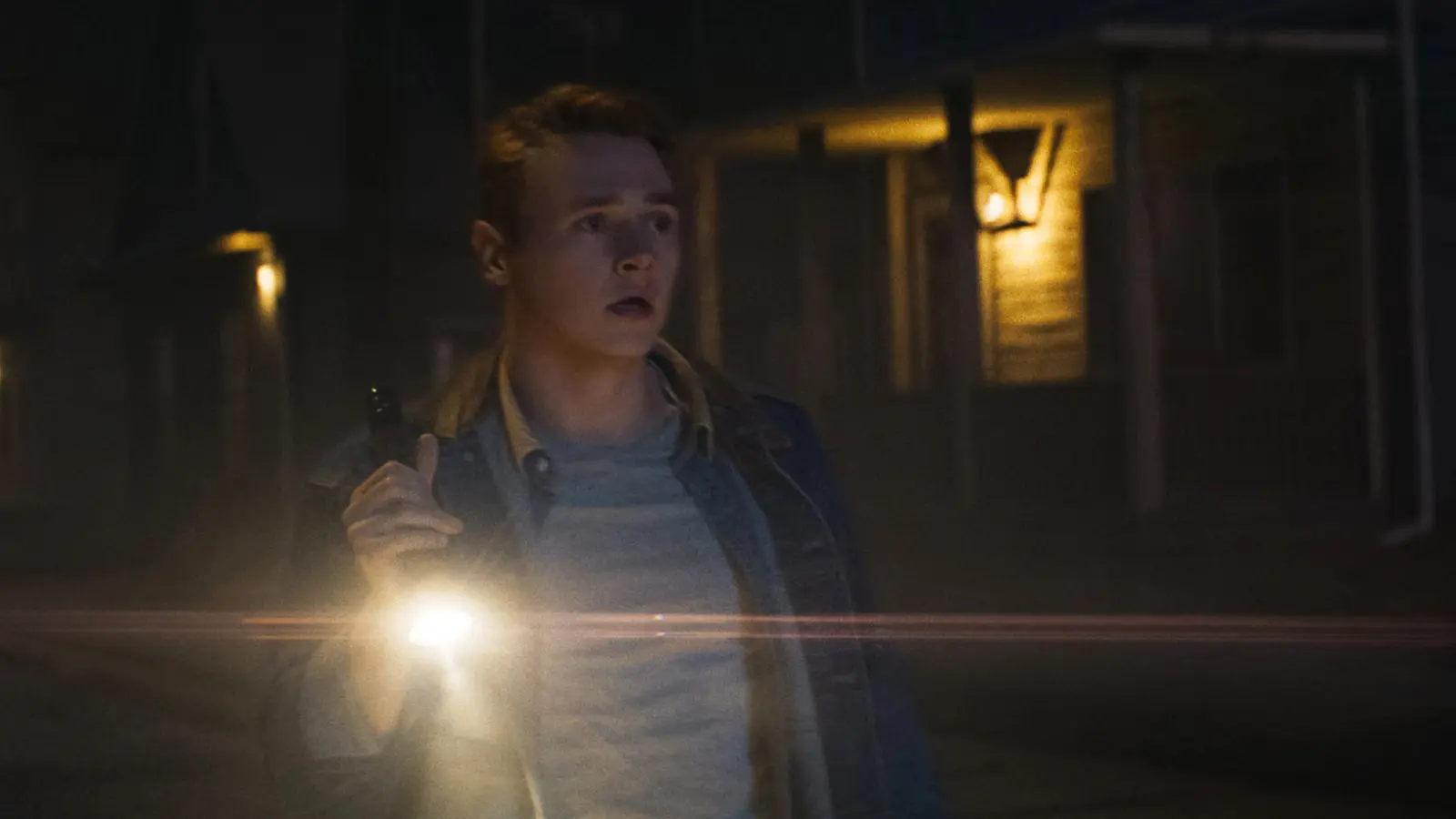
Proven Recipes for Fear
The same goes for the horror component. The film is filled to the brim with clichéd moments that we have already encountered a hundred times - whether in the previous "Conjuring" films, their spin-offs, or in James Wan's "Astral" films. But Michael Chaves is not shy about being secondary and confidently plays out the entire arsenal of genre techniques.
But let's not forget that we are on the IXBT Games website, which means it's time to remember Hidetaka Miyazaki and FromSoftware. It was they who introduced the fashion for bosses with false swings and a delay before the strike - and a similar technique is used in "Last Rites." Here, suspense is often built on the expectation of a screamer, which is delayed a little longer than usual, and then releases the viewer and collapses with doubled force.
I can't be impressed by this, but my wife, who was preparing in advance for every seemingly predictable moment, once "fell" into this trap. Screaming, she jumped up in the chair so sharply that a second later she was sitting with her nose buried in it. Yes, her impressionability is above average, but by the end, the tension had reached such a height that even a suddenly entered cleaner made her flinch - and me, I admit, smile at this ridiculous situation.
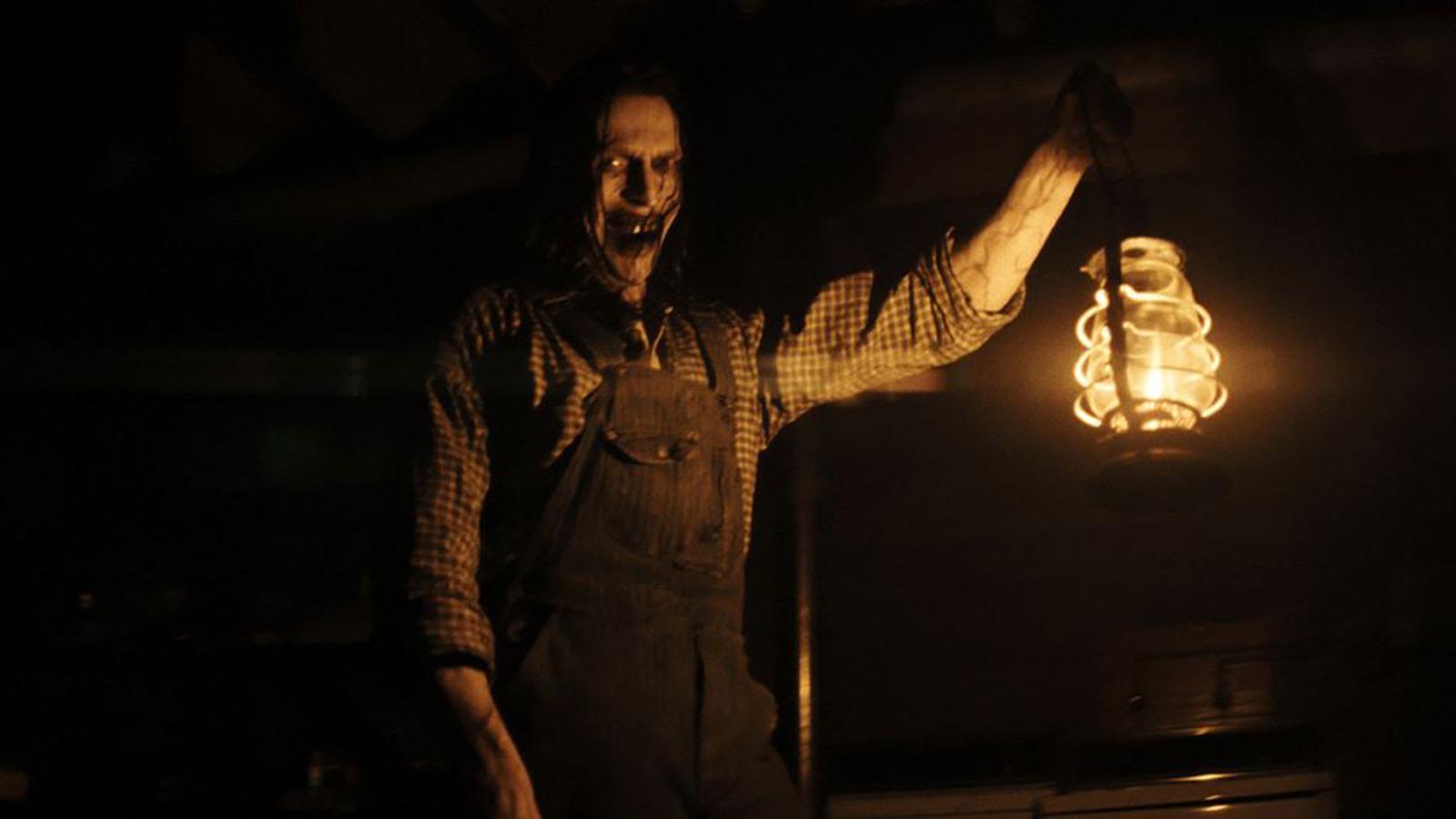
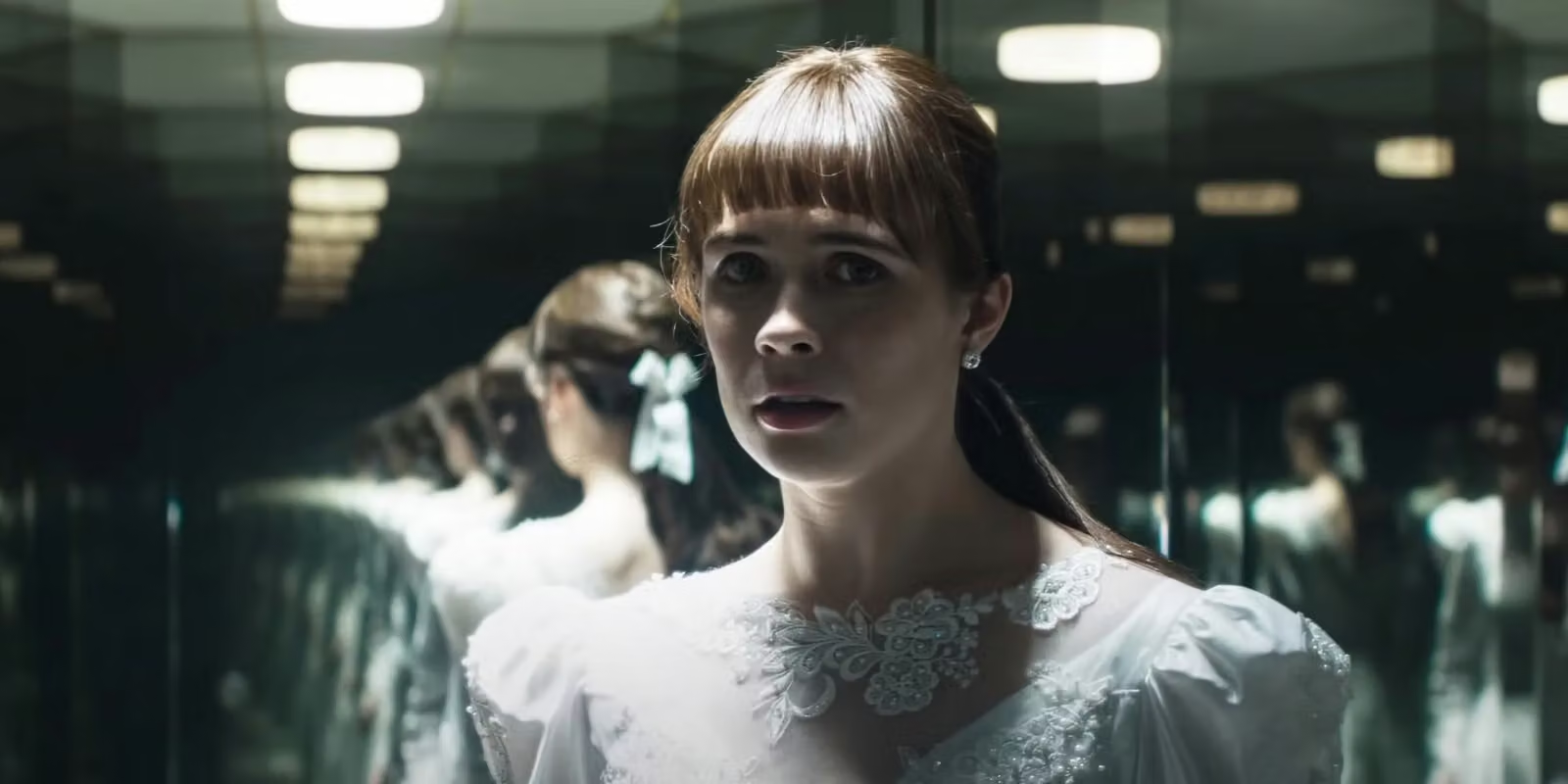
Of course, the setting itself plays a significant role - the darkness of the hall, powerful acoustics, the feeling of sound coming from everywhere. But Chaves has more elegant techniques as well. Take at least the scene with the doll (not Annabelle, although there was a place for her cameo) or the episode in the fitting room, where the heroine finds herself surrounded by mirrors.
I caught myself starting to peer intently into the reflections, looking for the slightest distortions. And this works much stronger than another portion of sound blows to the ears or sudden scary faces popping out of nowhere.
Nevertheless, I won't discover America if I say that such films should never be watched on a smartphone. Somewhere in public transport. With the screen turned off. It's so easy to deprive yourself of that intimate contact with the film, for which the atmosphere is the most important thing. But if you play by its rules, you get a decent horror film: albeit "for one time," like all the previous ones, but definitely not disappointing thanks to the respectful attitude to the genre.
Diagnosis
When James Wan introduced "The Conjuring" to the world in 2013, the film was perceived as a high-quality, but still ordinary horror film about exorcism. No one could have predicted then that it would become the starting point for an entire cinematic universe, comparable in scale to comic book franchises.
Over twelve years, the series has grown to nine films and has become the highest-grossing horror franchise in history, grossing about $2.5 billion - including the $333 million that "Last Rites" brought in during its opening weekend. During this time, Vera Farmiga and Patrick Wilson have become much more "Warrens" for viewers than the real Ed and Lorraine.
Their on-screen images have outgrown the prototypes and have firmly established themselves in mass culture, bringing to horror something that is not usually expected there - genuine family dynamics. Michael Chaves, who previously directed "The Conjuring 3: The Devil Made Me Do It" and "The Nun 2," returned to the director's chair to pay tribute to this dynamic and these characters. And he coped with this task, albeit sacrificing part of the horror and allowing failures in the tempo.
Nevertheless, "The Conjuring 4: Last Rites" lives up to its name and the expectations placed on it. The film gives exactly what you expect, looking at the poster and remembering the past installments. This is a classic atmospheric horror film that does not bring anything new to the genre, but generously and skillfully uses hackneyed techniques, firing them one after another.
The narrative is sometimes protracted, the ending is predictable and overly sentimental, but perhaps it could not have been otherwise when a point is put in a story "based on real events." Perhaps this is not the brightest and not the scariest ending, but it definitely became a worthy point after a very long journey.
Never miss our newsAdd this site to your preferred sources to see us more oftenAdd on Google