Soulless, but with fan service. "Tron: Ares" movie review
On October 10, the premiere of the movie "Tron: Ares" took place - the third part of the famous franchise about the connection between people and computer programs living in the digital world. What the sequel turned out to be and whether you should spend your time and money on it - we analyze in the review!
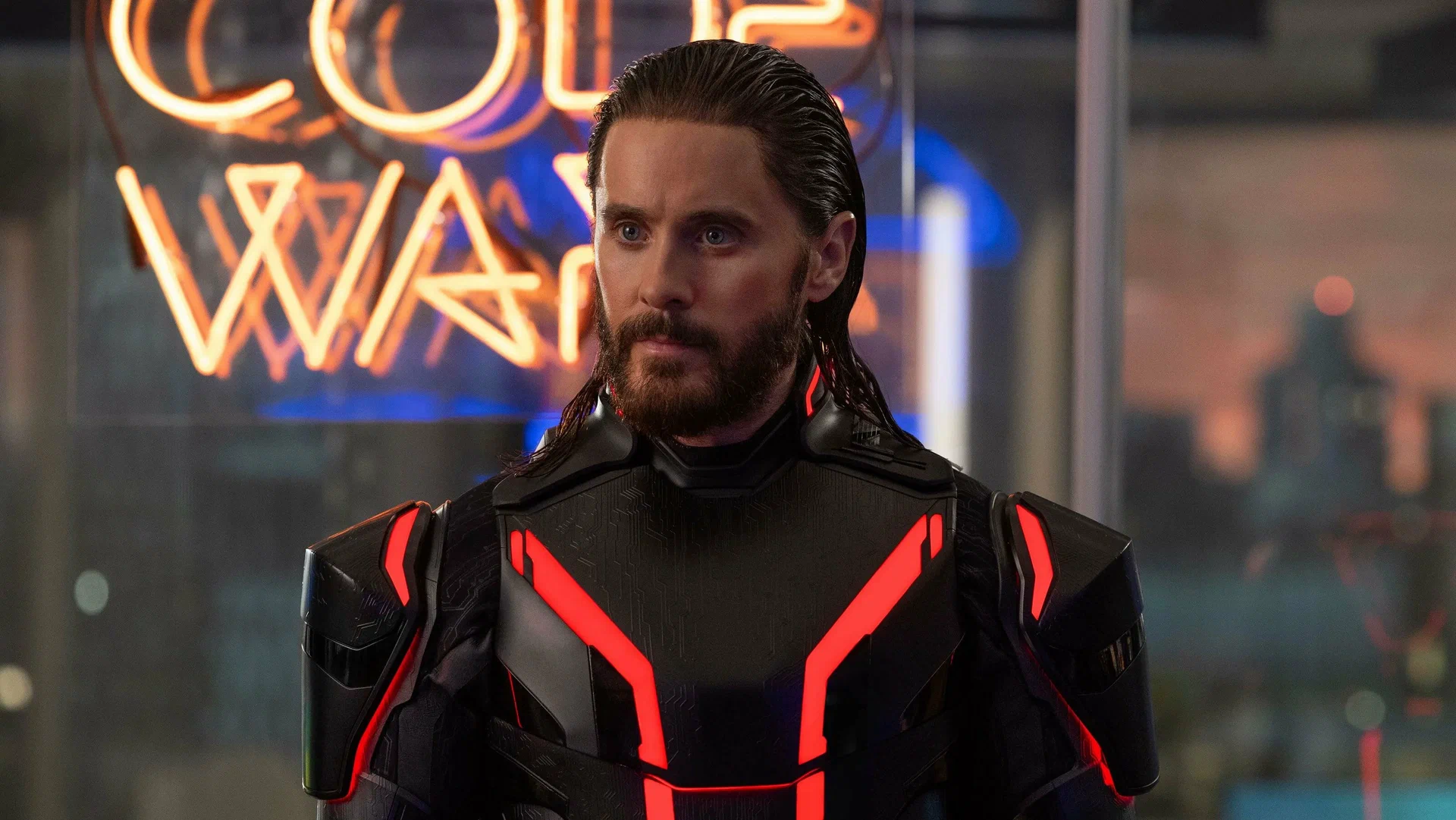
The plot starts with the head of Dillinger Systems Corporation - Julian Dillinger (Evan Peters) - stating that they have invented the ability to transfer what was created in the virtual world to the real world. Objects, weapons, and even programs - one of which is Ares (Jared Leto). He is the master controller - the head of the company's network security.
The presentation easily impresses the military, who are investors, but there is a nuance: such items can only exist in the real world for 29 minutes, after which they disappear without a trace. The only way out is to find the correct materialization code, the so-called "Code of Permanence", which is supposedly stored by the long-missing Kevin Flynn (Jeff Bridges), the protagonist of the original "Tron".
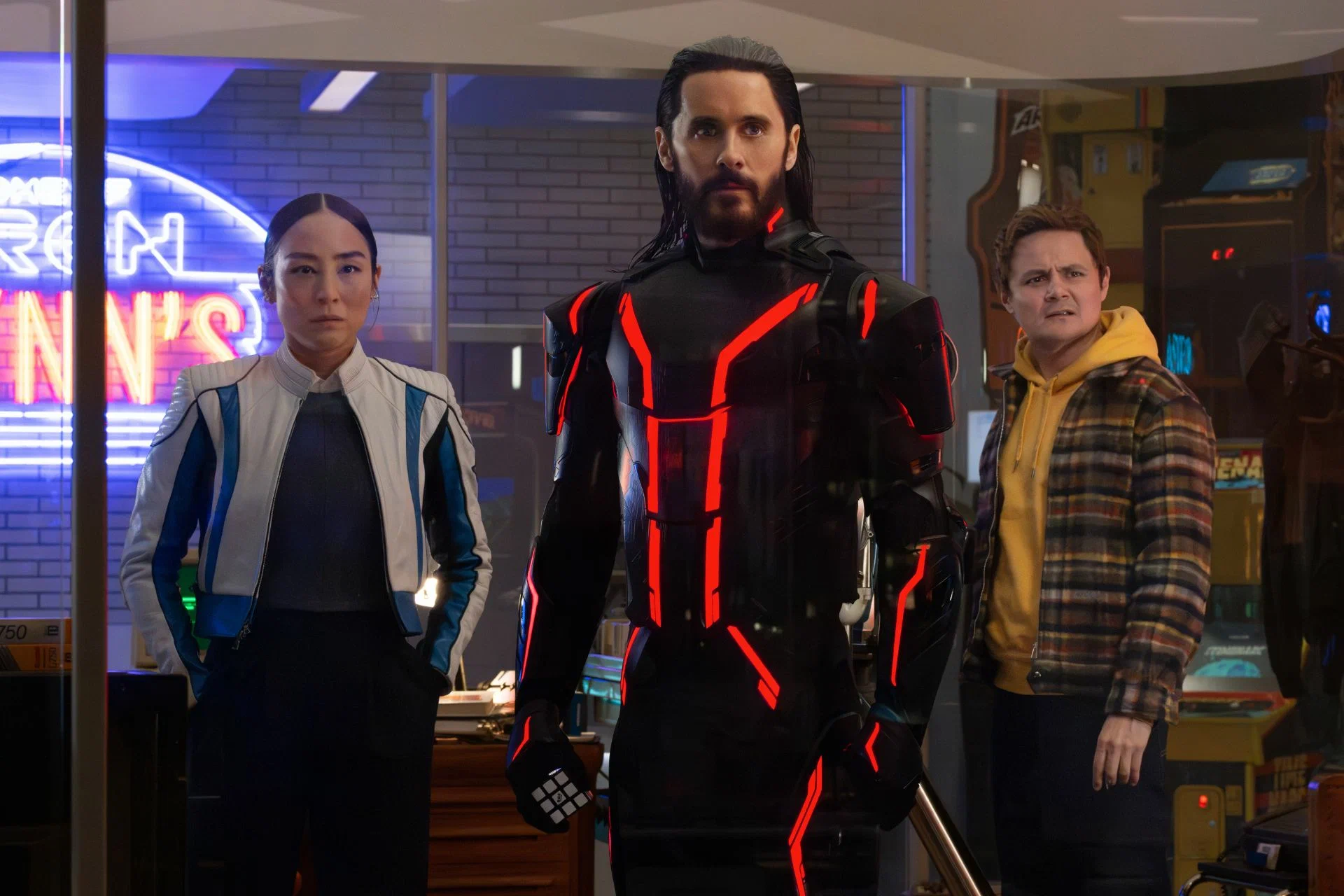
For the first time in reality, Ares faces a banal thing - rain, the sensation of which causes a malfunction in him, leading to the program developing feelings and a desire to know people. He goes against Dillinger and tries his best to protect Eva Kim (Greta Lee) - the head of ENCOM, who was able to find the code on one of Flynn's old backup servers. After all, Julian has opened a hunt for her.
The story leaves mixed impressions. On the one hand, given all the trends associated with AI, the topic of the relationship between people and programs, their mutual understanding, is more relevant than ever: if modern neural networks really ever gain self-awareness, it will be very important for us to learn to understand each other. And it is very good that people involved in creating media content understand this and draw attention to it in this way.
On the other hand, this idea is far from new - science fiction writers have been talking about it for many decades. For example, James Cameron raised this issue back in 1991 in the movie "Terminator 2: Judgment Day" and did it much more emotionally - this is exactly what "Ares" lacks. The picture is sterile, as if made according to a textbook without any unique "features". However, it's not far to go - the same idea was in the original, albeit shown from a different angle.
The acting only confirms the problem of lack of emotions - they all did their job normally, but no more. Even in deep moments - such as Eva's connection with her late sister - you don't feel anything: just tears and denial of characters that don't resonate with you. Is it the fault of the performers or the director Joachim Rønning? "Bad acting is bad directing", as we know!
In addition, the script is very simple and straightforward - you can easily guess all the plot twists long before they happen. Dillinger Systems is the most standard evil corporation you can imagine. The behavior of the characters also applies to this: they are all stereotypical and do not stand out in any way, including Julian's mother - Elizabeth (Gillian Anderson), - who tries to restrain her son, but unsuccessfully. Well, at least they abandoned the love line between Eva and Ares. However, I would be lying if I said that the two previous films in the universe surprised with their plot twists - everything there was also simple and clear long in advance.
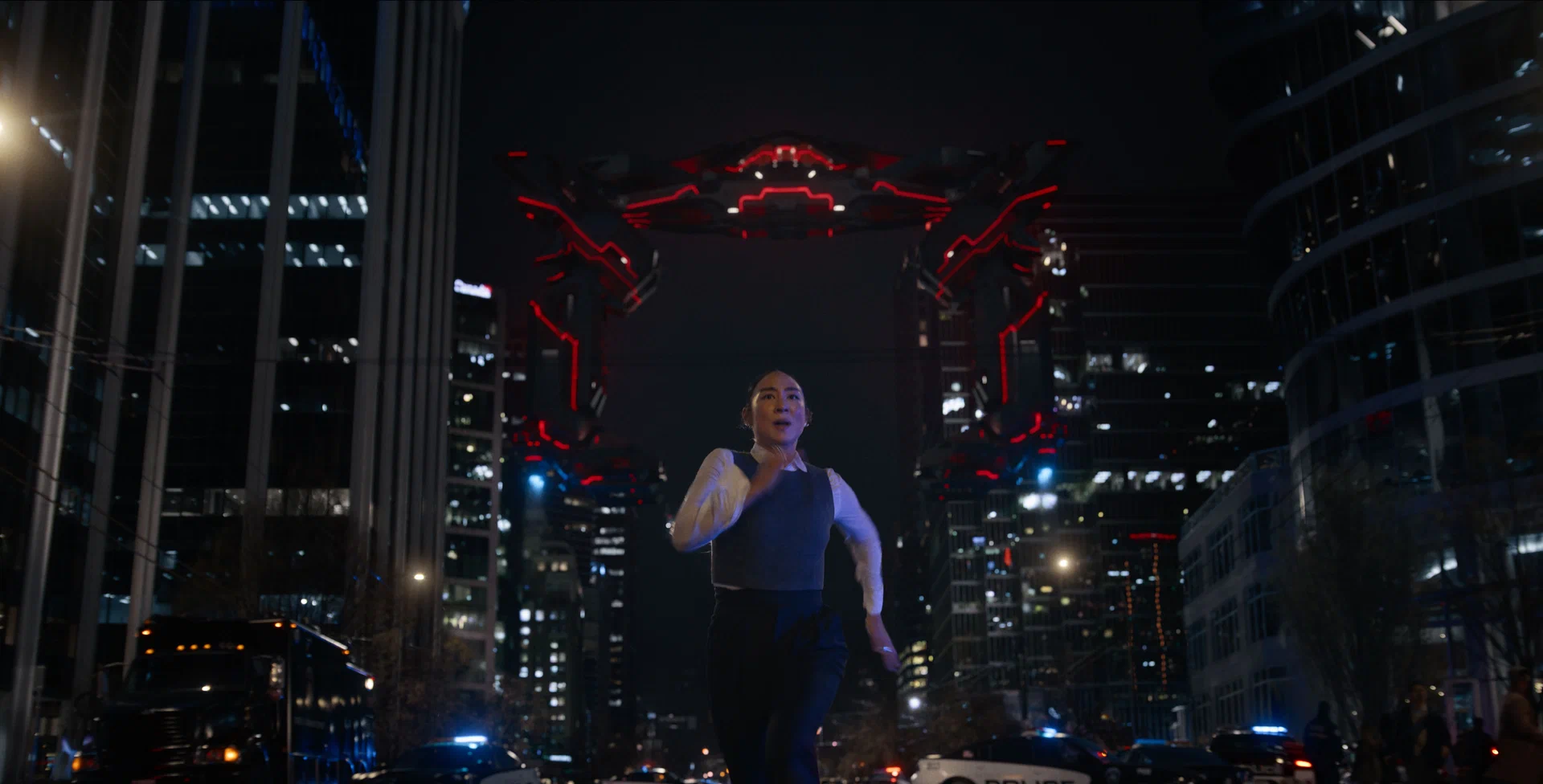
There are enough stupidities and simplifications in "Ares". Here you can recall the chase scene, which looks strange: Eva decides to divert attention to herself and give her comrades time. She runs away from another enemy program - Athena (Jodie Turner-Smith), - but does it as stupidly as possible. Although, knowing the weakness of her opponent - a time limit on existence - she could have led her by the nose until she disappeared completely.
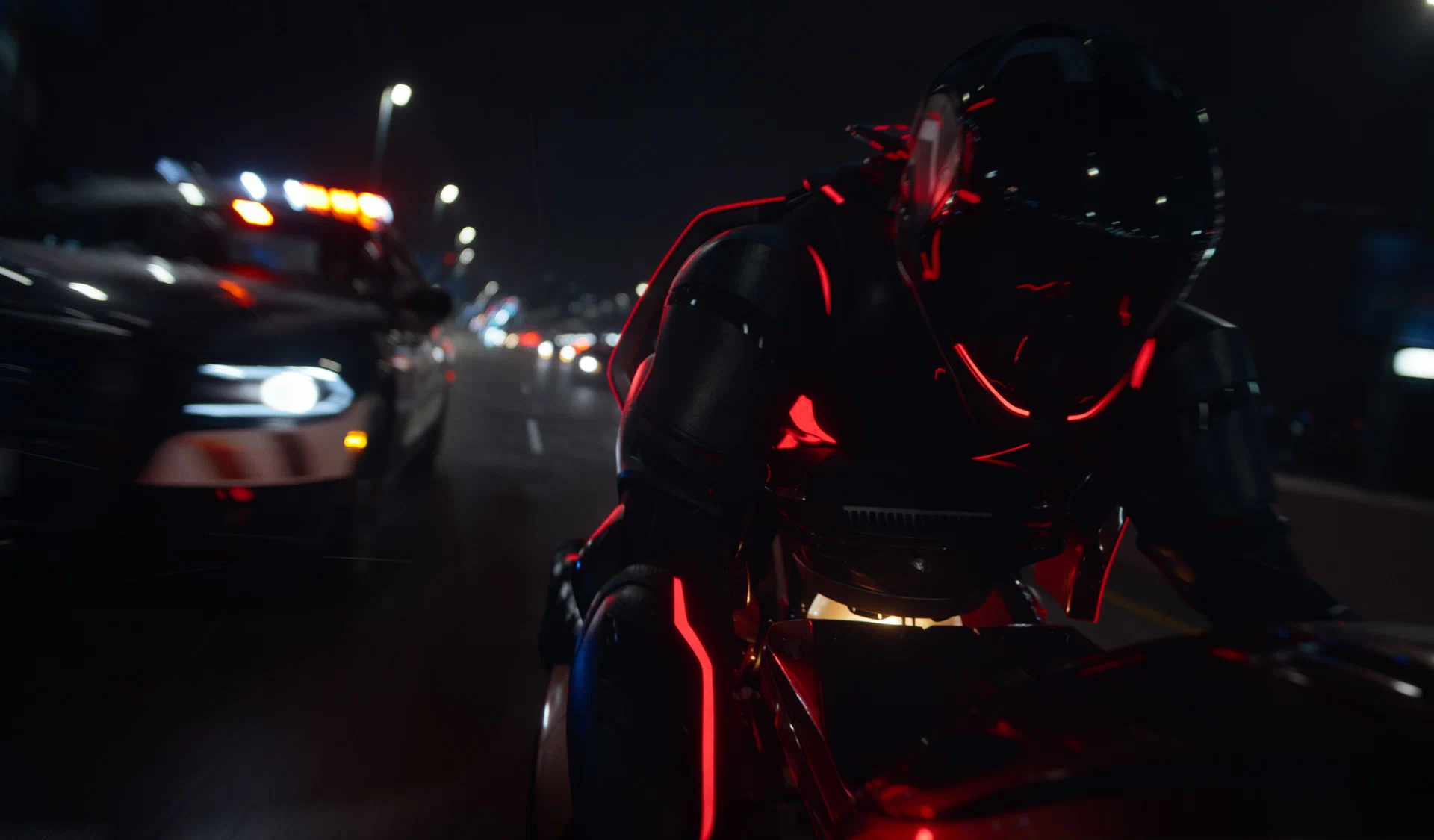
I will praise separately only the small notes of the first "Terminator" - when Athena pursues Eva, I want to say: "It (in this case - she) cannot be bribed. It cannot be reasoned with. It doesn't feel pity, or remorse, or fear. And it absolutely will not stop. Ever". Although there is not enough gloom here.
Connection with the original and the sequel
"Tron: Ares" relies heavily on the first film of the franchise from 1982, largely mirroring it: here the main character is not a user, but a program that is a master controller, which was previously one of the antagonists - here it did not get into the virtual, but into the real world, and ENCOM, which was an "evil" corporation in the original, here acts as a "good" company, which is owned by another protagonist. Well, at least Dillinger was left as the villain, there must be some stability.
There are a lot of references to the first film in the sequel: from banal and recognizable elements to recreating locations from the original in the form in which they remained after the events of the 1982 film. For example, the hole in the wall that remained after the race scene, through which Ares passed here. The authors tried to compensate for the lack of emotions and, as a result, soul, with fan service - it turned out nice, but it's not enough
The scene after the credits is another thread connected with the original: one of the antagonists of the first film appears there - Sark. He interacts with the main villain of "Ares", hinting at a possible continuation, which, given the complete financial failure of the film - it has already brought losses of 130 million dollars - is not worth waiting for.
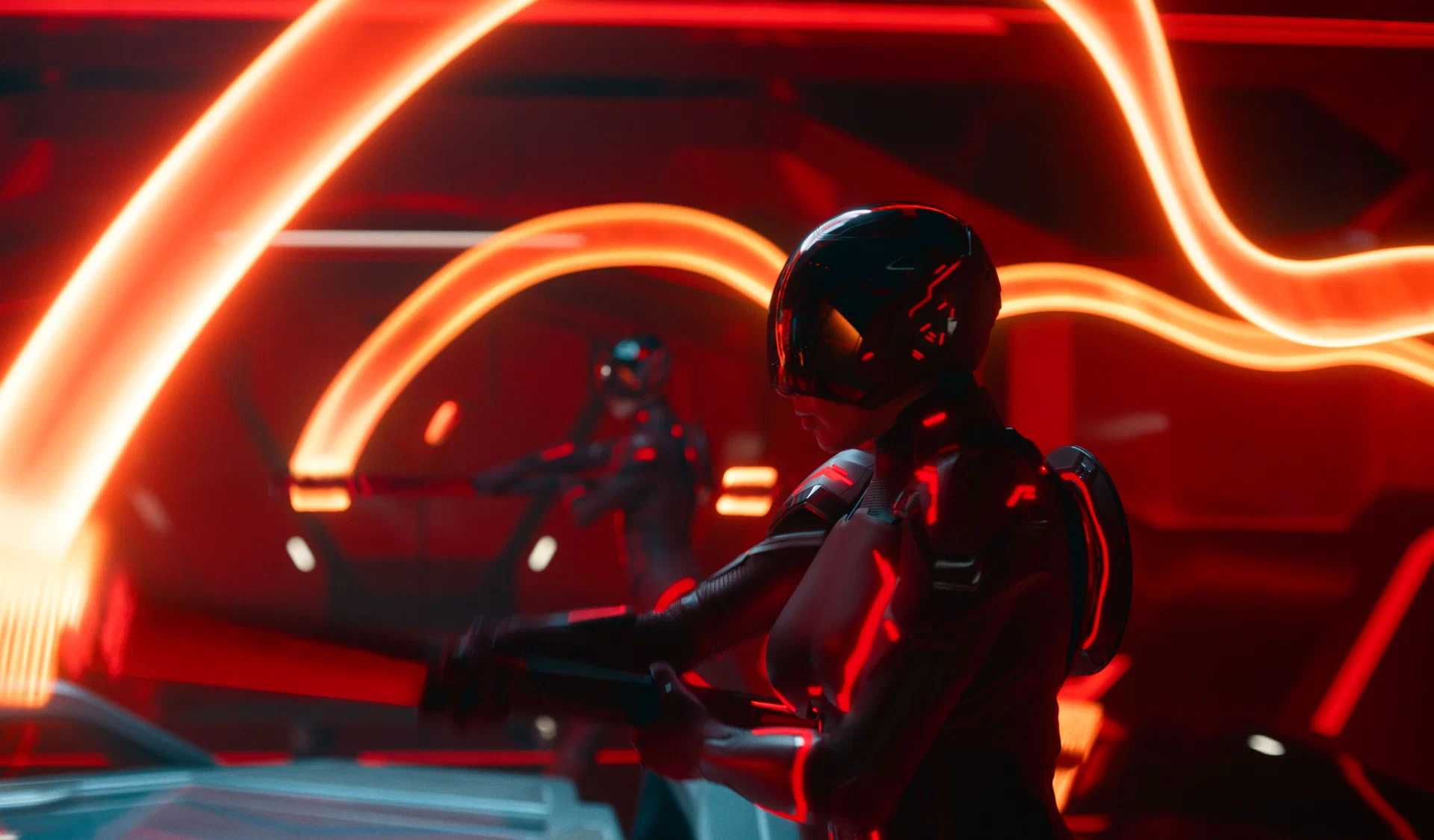
But the main thing - the one whose name is in the title of the franchise - is not here, although Tron was even in the sequel "Tron: Legacy", although his role there was minimal. By the way, "Ares" does not have much connection with "Legacy": only the very fact of Flynn's disappearance from the beginning and the idea of programs entering the real world from the ending. And here "Ares", it turns out, is not unique.
Some moments in the film are simply made up. After reviewing the first and second films before writing the review, I did not find scenes where the aforementioned "Code of Permanence" was discussed in any way - Flynn found it off-screen and did not even mention it once. Perhaps the answer was in the animated series "Tron: Uprising" - this would explain how Quorra at the end of "Legacy" was able to enter the real world so easily.
Technical aspects
The picture in "Tron: Ares" is also a subject of debate. From a technical point of view, it perfectly conveys the style of "Tron", well integrating its elements into our world. The cinematography also turned out great: there are enough moments here when the camera takes an interesting angle, emphasizing the dynamics of the scene and deepening it. Even 3D effects are good: during the session I constantly caught myself thinking that I clearly see the depth of the frame - perhaps this is due to the fact that I have not been to the cinema in 3D for a long time.
But there is no uniqueness of the two previous films, which immersed the viewer in an unusual virtual world, in "Ares" - only the most ordinary city from reality, which is in every first film. A paradox emerges: the authors wanted to move the scene from one world to another in order not to repeat themselves, but as a result they still lost, losing part of the charm.
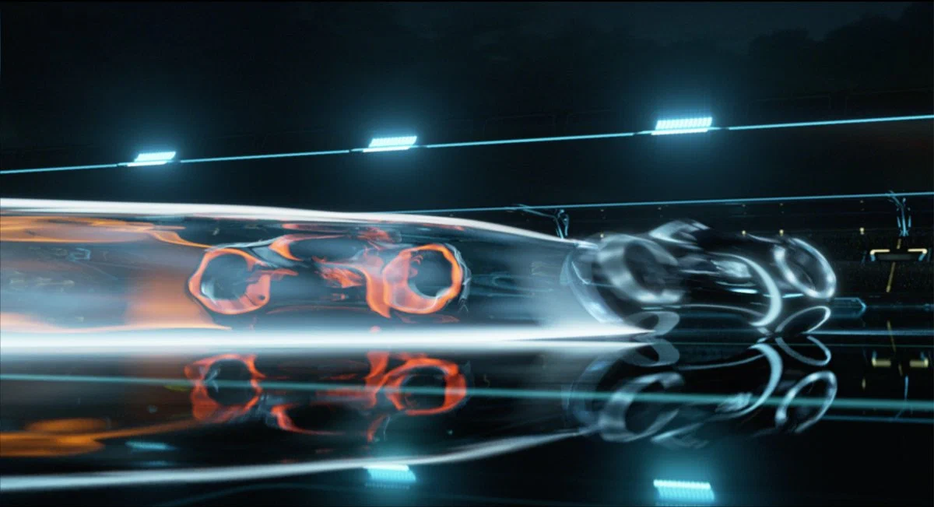
And you can find fault with the design: the characters and technology look too standard - almost the same as in the old films. Although "Legacy" at one time took a small step forward, but there is not even this in "Ares". And the color scheme sometimes hurts the eyes - too much red. Although the scene with the change of colors in Ares is indicative, but the total amount of such colors is tiring.
The music in "Tron: Ares" is good - it cannot be called brilliant, but many soundtracks complement the scenes, creating the mood needed for the moment, at least somehow hooking the viewer. Some compositions can be safely added to your playlist and listened to on a daily basis - they deserve it!
The dubbing is also good - unlike that in the first film, where, although there were recognizable voices, they did not fall into the characters, or into the moments, or into the atmosphere. Everything is good with this here, despite the absence of celebrities at the microphone, everything looks organic and holistic - it sounds unusual and a little strange, except for Kevin Flynn, but he does not have so many words.
Diagnosis
"Tron: Ares" returns us to a world where programs are intelligent and interact with people. This time, the authors decided to take the canons of the original 1982 film and invert many of its elements: the setting, the protagonist, and so on.
However, the result is a controversial product - it is a beautiful, albeit poorly balanced from the point of view of the audiovisual component, a film that seems to reveal relevant topics, but does it without soul, according to a long-known formula. All that the director is trying to do is to compensate for this shortcoming with an extensive set of references to the first "Tron", largely ignoring the second.
Is it possible to watch "Tron: Ares"? Yes. But is it worth it? Leaving the cinema or turning off the film after watching, you are unlikely to remember any unusual moments that would distinguish this picture from many others. Just mindless entertainment for one evening, not claiming anything.