Why Gabe Newell Was Right: How Microsoft Lost the Battle for PC Gamers' Hearts and Knelt Before Steam
2025 was a fruitful year for Microsoft and Steam - both companies entered into cooperation agreements, and "Uncle Gaben's shop" even made money on the Xbox Ally portable console. This is because Microsoft finally realized that pushing "exclusivity" forever wouldn't work - it's better to be friends with Valve. But history remembers that Bill Gates' corporation once tried to kill Steam. Why? Let's remember together!
Ecosystem
Historically, the consumer computer market has had two types of ecosystems: closed and open. The former includes, for example, the Apple ecosystem. It defines the architecture of its Mac computers, develops the MacOS operating system, and handles promotion, quality control, and access to the ecosystem from other developers. This is beneficial for the ecosystem owner. For every product sold within this ecosystem, the owner is entitled to a small (and sometimes very large) percentage of sales.
Such ecosystems are opposed by open ones. The IBM PC computers (Personal Computer, also known as PC — at the time it was an IBM trademark), created to compete with Apple products, had an open architecture. That is, the device's design was not kept secret, and any other manufacturer could produce IBM PC compatible computers.
More affordable devices ensure wider distribution, which allows them to compete with popular closed ecosystems.
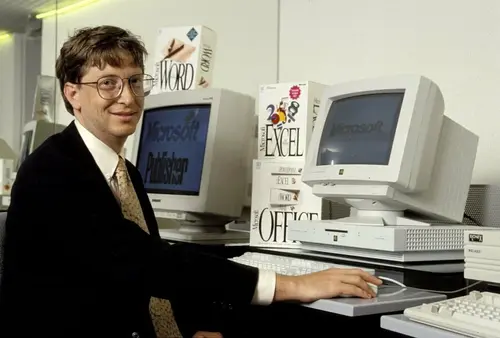
The openness of the architecture also meant that users had the ability to install any operating system for their PC. And due to a number of circumstances, Microsoft DOS (Disk Operating System) became the most widespread, which was replaced by Microsoft Windows. Initially as a graphical shell over DOS, and starting with the NT family, as a full-fledged separate branch of the OS.
MS DOS and Windows were not the only operating systems for PC. For example, IBM itself developed PC DOS and OS/2, and there were also Unix-like operating systems for the PC architecture.
But thanks to the efforts of Microsoft itself and the miscalculations of competitors, first MS DOS, and then Windows, took a dominant position on the PC platform. And starting around the late 1990s, Microsoft began to perceive PCs with x86 architecture processors as its own ecosystem. And the company had certain grounds to think so. Its Office became the de facto most common office suite in the world (including on Mac). In the first "browser war" (1995-1999), Internet Explorer ousted Netscape Navigator from the market, taking almost 100% of the PC browser market.
The only thing that prevented Microsoft from talking about its own Windows ecosystem was the lack of control over the distribution of software for this operating system. But Microsoft at that time did not see this as a problem.
Steam
Initially, Valve, founded in 1996 by former Microsoft employees Gabe Newell and Mike Harrington, was largely an ordinary computer game developer. The company's debut game — Half-Life — received critical and player acclaim, and also had a significant impact on the first-person shooter genre. However, in general, Valve was perceived as "one of" the game studios. Much more public attention was drawn to modifications to Half-Life — Counter-Strike and Team Fortress. By today's standards, their peak online (several thousand players) seems modest, but for developers it was already a serious problem.
The fact is that after the release of another patch that fixed bugs or changed the game balance, players had to wait several days for a sufficient number of users to update their clients. All this time, the servers remained empty. Valve realized that prompt delivery of updates is a critical task that needs to be solved as quickly as possible. The company needed a platform that would allow it to instantly deliver new versions of games to players, provide protection against piracy, and fight cheaters. In the process of developing such a system, the idea was born to use it also for the distribution of games.
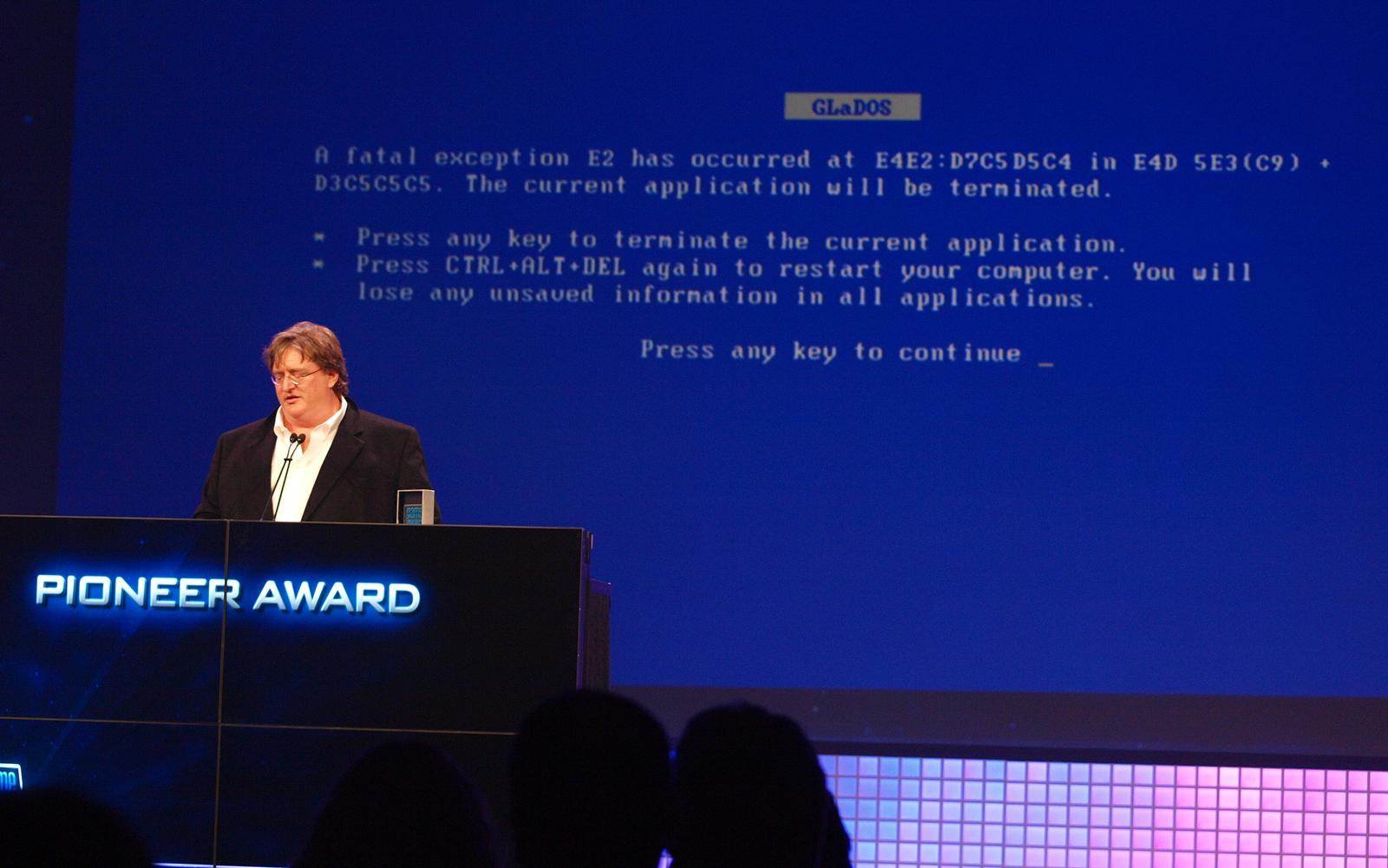
The project turned out to be extremely ambitious, and Valve did not have the free resources to fully immerse itself in its implementation. Therefore, the company turned to such technology giants as Cisco, Amazon and Yahoo with a proposal for cooperation. However, it was rejected everywhere.
Then Valve decided to act independently and created the Steam platform. Its beta version appeared in 2002, and the official launch took place in 2003. Initially, players reacted extremely negatively to Steam. Few people understood why this launcher was needed and why a game purchased on a physical medium required a mandatory Internet connection. Steam and Gabe Newell were openly mocked at the time, but Valve stood its ground.
The second part of Half-Life was released in late 2004 exclusively through Steam, which became an important step in establishing the platform. And already since 2005, games from third-party developers began to appear in the Steam store. This step marked the beginning of the transformation of Steam from an internal Valve tool into the largest digital game store in the world.
Games for Windows
In the 2000s, major players in the gaming industry did not perceive the PC as the main platform — especially in the USA and Western Europe, where consoles dominated. The market initially formed around Nintendo, but with the release of PlayStation, and then PlayStation 2, a new era of digital entertainment began. Microsoft, not wanting to be left out, released its first console in 2001 — Xbox. Although the project turned out to be unprofitable, it provided valuable experience, and already in 2005 the company introduced the Xbox 360, which marked the beginning of its dominance in the console market.
The key advantage of the Xbox 360 was the updated Xbox Live service — it demonstrated the power of a unified, closed ecosystem. Xbox Live provided fast delivery of patches, stable online multiplayer, a unified list of friends, an achievement system, and digital content distribution. Since consoles were "locked" devices, Microsoft controlled every stage of user interaction with the platform: access to the store, updates, and online services was possible only through official channels. The company received a commission from each sale, and the developers — albeit limited, but predictable conditions for entering the market.
Encouraged by the success, Microsoft turned its attention to its own PC market. After all, Windows seemed to be their natural ecosystem.
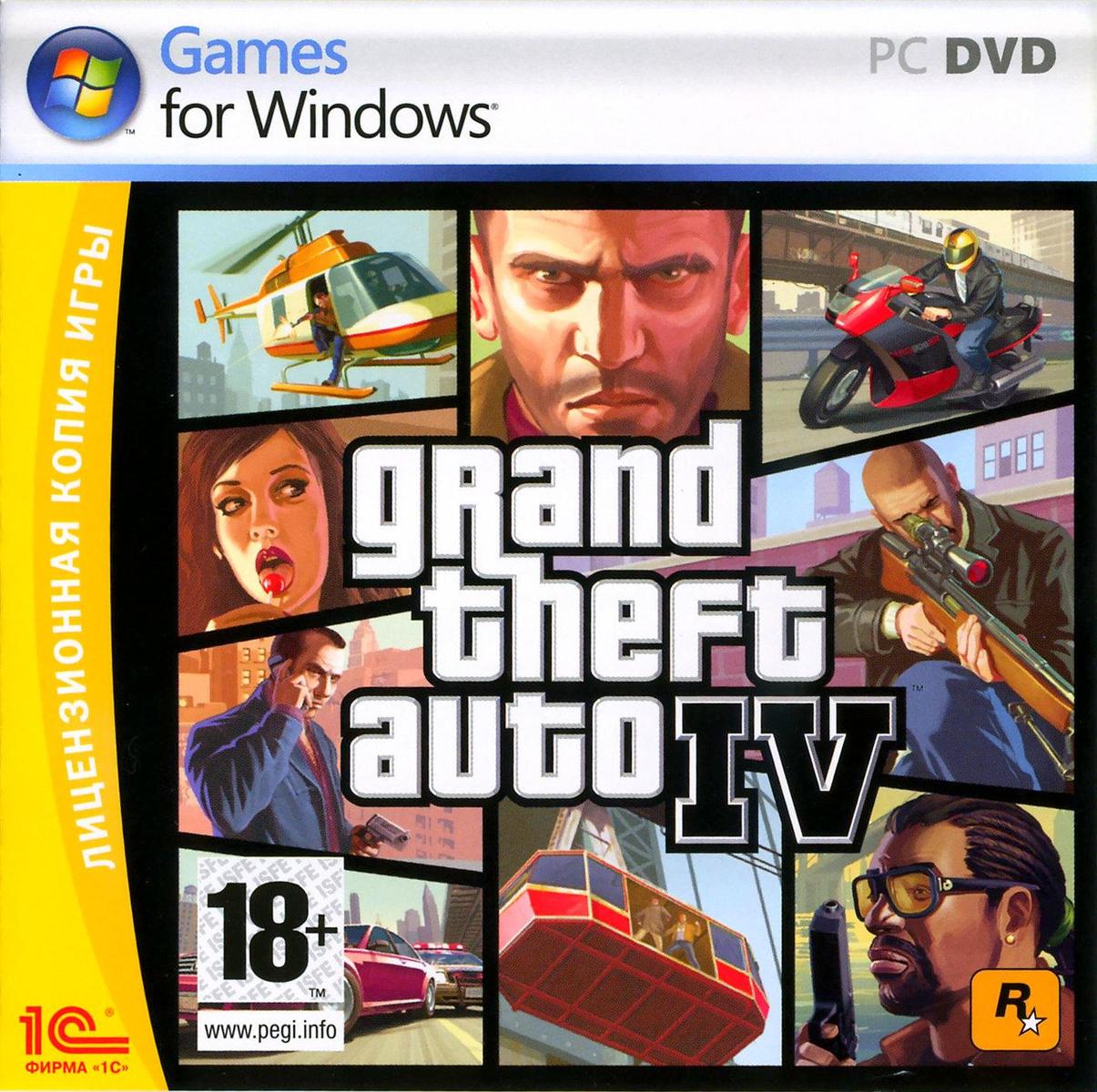
In 2007, Windows Vista was released, which included DirectX 10 — a graphics API exclusive to this OS. Soon, the Games for Windows – Live service and the Games on Demand digital distribution store appeared on Vista.
It is unlikely that Microsoft in those years seriously considered Steam a competitor. In the late 2000s, Steam was only gaining momentum: players gradually realized the convenience of digital distribution, but the platform had not yet become dominant. Therefore, the very idea of transferring powerful ecosystem services similar to Xbox Live to the PC did not initially seem erroneous — from the perspective of that time, it even seemed logical.
However, Microsoft missed several key nuances.
Firstly, Windows Vista had a bad reputation from the very beginning. Users were accustomed to the stable and familiar Windows XP (released in 2001, but actually became the standard for many years), and the sharp changes in the interface, security, and architecture of Vista caused rejection. Many simply refused to update.
To stimulate the transition to the new OS, Microsoft made DirectX 10 an exclusive for Vista. Some games either required Vista to run (Halo 2, despite the fact that the original game was released on the first Xbox!), or offered improved graphics only on it (Crysis). This decision caused a wave of indignation: players saw it as an artificial restriction, not a technical advantage.
Secondly, Games for Windows – Live did not find understanding among the PC audience. Although a subscription was not required to play with other PC owners, cross-platform multiplayer (for example, with Xbox 360) was paid — about 50 dollars a year. Against this background, Steam already offered free online in such popular games as Counter-Strike: Source and Team Fortress 2.
In addition, Windows remained an open platform: users themselves chose which communication clients to use (ICQ, Skype, Teamspeak, etc.), communicated through increasingly popular social networks, and saw no point in being tied to another mandatory launcher.
Microsoft did not give up. Gears of War, Fable III, Shadowrun and some other games were available on PC only through the Games on Demand service, which became, in fact, Microsoft's digital store for PC, and some games from Microsoft Studios and partners were tied to it at the start of sales.
In the late 00s, Microsoft had a real chance to gain a foothold in the PC market and displace Steam from it. The mistakes in positioning and promoting their services and products were not fatal for Microsoft in themselves, but together they dragged Vista along with Games on Demand and Games for Windows Live to the bottom.
At the same time, Valve realized that Steam could not just be a digital distribution platform. Steam should become not just a platform where games are sold online. It should develop as a service. Otherwise, the next reincarnation of Windows Live may be more successful. Valve felt threatened by Microsoft, and remaining the same faceless service for buying games was no longer possible.
Attempt to close the ecosystem
Despite the failure of Games for Windows – Live, Microsoft did not abandon the idea of turning Windows into a more controlled, "ecosystem" platform like consoles. By 2012, Steam had already firmly established itself in the PC gaming market, but Microsoft decided to take the matter more seriously this time. Windows 8 was released in 2012.
The irony is that with the release of Windows 8, Microsoft almost completely repeated the same mistakes as with the release of Vista, trying once again to "break" Windows users over the knee, imposing inconvenient and unnecessary services on users by force.
Windows 8 became Microsoft's most radical experiment on the desktop: the interface was built around Metro — a tile shell originally designed for mobile devices and tablets. The main feature of Windows 8 was the integration of Windows Store — a centralized application store through which Microsoft intended to control software distribution, as Apple did in macOS and iOS.
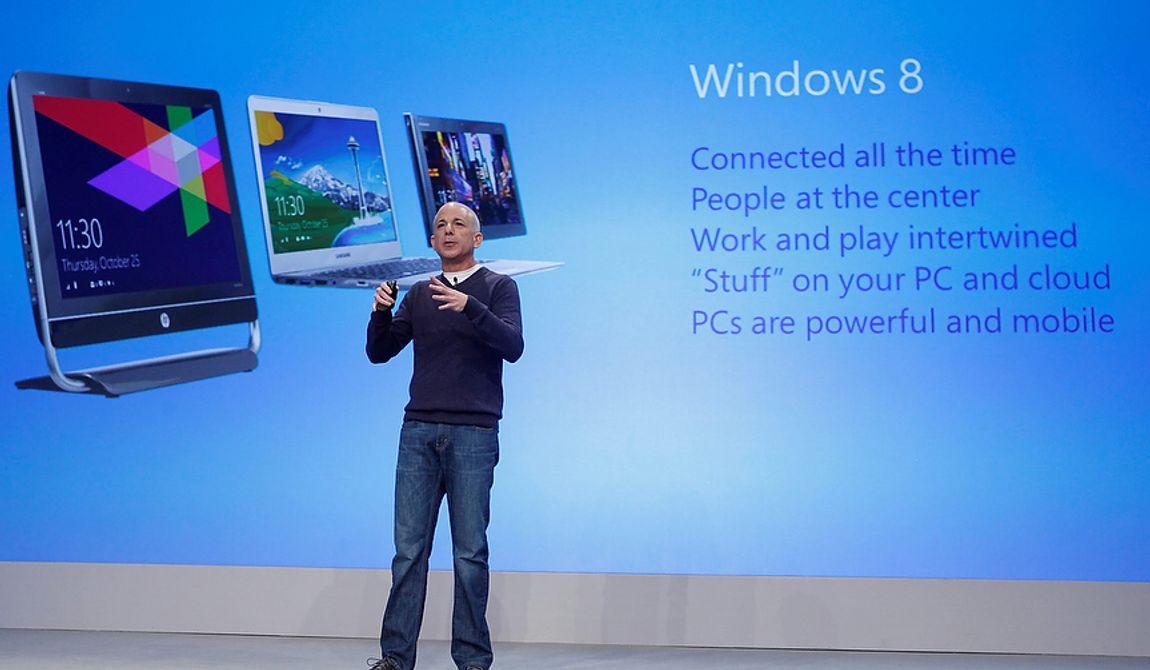
An important step in this direction was the verification policy. To be published in the Windows Store, applications underwent moderation and had to meet strict security and user experience requirements. Microsoft motivated this by caring for users: fewer viruses, fewer crashes, more predictability. However, in reality, this meant that developers lost direct access to the audience, and users lost the freedom to choose software sources.
In fact, with the release of Windows 8, Microsoft attempted, if not completely, then at least partially, to close the Windows ecosystem.
The gaming community reacted sharply.
Gamers were outraged by the attempt to turn an open platform into something between a tablet and a console, as well as experiments with the interface, the absence of the familiar "Start" menu, and the forced use of the tile interface even on computers without touch screens. In response to the wave of negativity, Microsoft was forced to partially retreat — in Windows 8.1 (2013), the "Start" menu was returned in a truncated form, and the transition to Metro became less intrusive.
Among players, conspiracy theories even began to circulate that Microsoft might be putting a spoke in Steam's wheels, making the service's operation in Windows problematic. In practice, this was not confirmed, but Valve faced a serious problem for the first time. They did not control the ecosystem on which they worked. And at any moment, the ecosystem could become closed to them.
And then the company took a counter step. In 2013, the company announced SteamOS — a Linux distribution based on Debian, tailored by Valve for games, and Steam Machines — gaming PCs running under this OS. The goal was clear: to offer an alternative to Windows as a gaming platform and strengthen the independence of the Steam ecosystem.
Although Steam Machines ultimately did not gain widespread adoption, the very fact that SteamOS appeared forced Microsoft to reconsider its strategy. The company realized that attempts to turn Windows into a closed ecosystem on the desktop not only do not bring results but also alienate loyal users and developers.
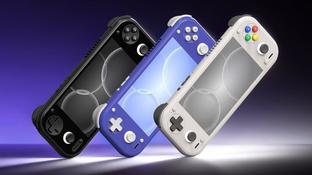
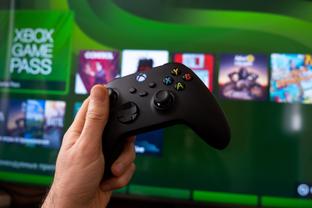
With Windows 10 (2015), the company softened its approach: the Windows Store remained but became an optional installation channel, a full version of the "Start" menu returned, and support for traditional Win32 applications was strengthened. Later, Microsoft even integrated Steam into its own Xbox platform. Thus, the ASUS ROG Xbox Ally portable console fully supports working with Steam, while allowing you to play Xbox games for PC.
What's the bottom line?
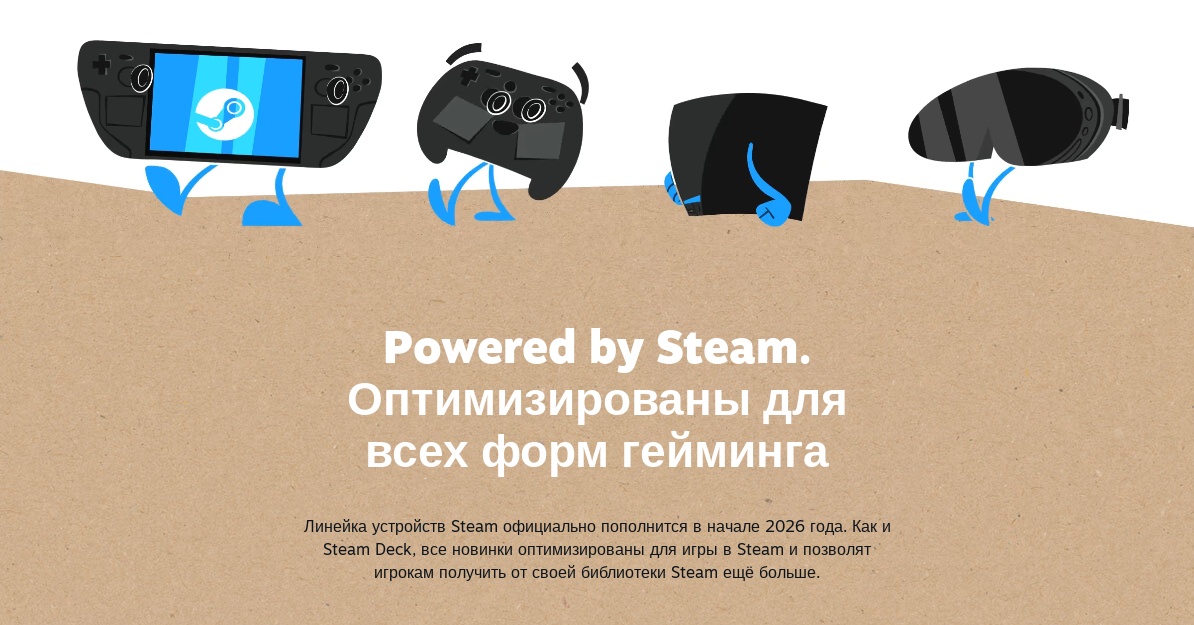
Today, Steam is the dominant gaming platform on PC. Moreover, it has turned into a full-fledged ecosystem: its boundaries have gone beyond a simple digital store. It includes Steam Deck — a portable console based on Linux, its own cloud infrastructure, a unified achievement system, cloud saves, communities, a modification workshop, and even hardware experiments like Steam Machine and Steam Controller controllers.
Under the leadership of Gabe Newell, Valve has always stated that it puts the interests of players first. This was not always obvious — especially in the early years when Steam was literally forced on users by releasing Half-Life 2 only through the platform. However, over time, trust was built: Valve did not block third-party solutions, did not require exclusives (with rare exceptions), and left players free to choose: it was possible — and is possible — to launch games from other stores, use third-party launchers, mods, and alternative clients. It was this openness that allowed Steam to win fair competition — with Microsoft services, with launchers from major publishers (Ubisoft Connect, EA App, Battle.net), and even with the aggressively promoted Epic Games Store, which, despite billions of dollars in investment and exclusive releases, has failed to displace Steam from the first place.
Of course, it cannot be said that Valve consistently provided players with absolute choice in everything. The company's own games — from Portal to Half-Life: Alyx — are only available through Steam, which is a form of soft exclusive. But unlike many competitors, Valve has never tried to isolate users from the rest of the PC world. Steam works on top of an open operating system, does not require a subscription, does not monopolize access to drivers or hardware, and does not block the installation of alternative platforms.
Ultimately, players voted with their wallets and time: it was their trust, earned over the years, and not corporate power, that made Steam a leader. And history shows: on an open platform, the winner is not the one who controls best, but the one who serves their audience best.
Analysis
The history of the relationship between Microsoft and Valve is not so much a competition between two stores as a clear proof that it is impossible to mechanically transfer console rules to a PC. Microsoft, blinded by the success of Xbox, spent years trying to drive PC gamers into a "pen" and milk them. Their mistake was trying to impose restrictions, rather than selling and developing a convenient service.
Valve, having gone through its thorny path, from hatred of Steam to the status of "saviors of PC gaming," learned the main lesson: on an open platform, loyalty cannot be imposed — it can only be earned. Gabe Newell understood that the best defense against competitors (even those like the creators of Windows itself) is to create value for the player, not to build walls around them.
Paradoxically, it was Microsoft's aggressive attempts to close the ecosystem that made Steam stronger. Fear of Windows 8 prompted Valve to invest in Linux and Proton, which years later gave us Steam Deck and real independence from the whims of the Redmond giant.
In the dry residue, this story confirms: when a company starts fighting with its users for control, it loses the market. And when it puts the interests of the community first, it becomes a monopolist not by coercion, but by love. This philosophy is best summarized by Gabe Newell himself in 2013, effectively predicting the outcome of this battle:
«The only company that can kick our asses is our customers. We can argue with Bungie, Blizzard, anyone else, but we won't dare argue with our users. Because we know we'll lose!»
Never miss our newsAdd this site to your preferred sources to see us more oftenAdd on Google