Board Games Strengthen Family Bonds and Continue to Actively Attract Millennials
To celebrate its 30th anniversary, Asmodee published a study on the role of board games in bringing people together, their popularity among millennials, and their impact on family relationships.
Asmodee, a well-known publisher of board, card, and role-playing games, conducted a study involving 8,001 people from the UK, USA, France, and Sweden.
Data published to mark the company's 30th anniversary shows that a quarter of respondents (26%) play board games at least once a week. Board games are almost as popular as video games (32%) and on par with podcasts (29%) in terms of frequency of use in leisure time.
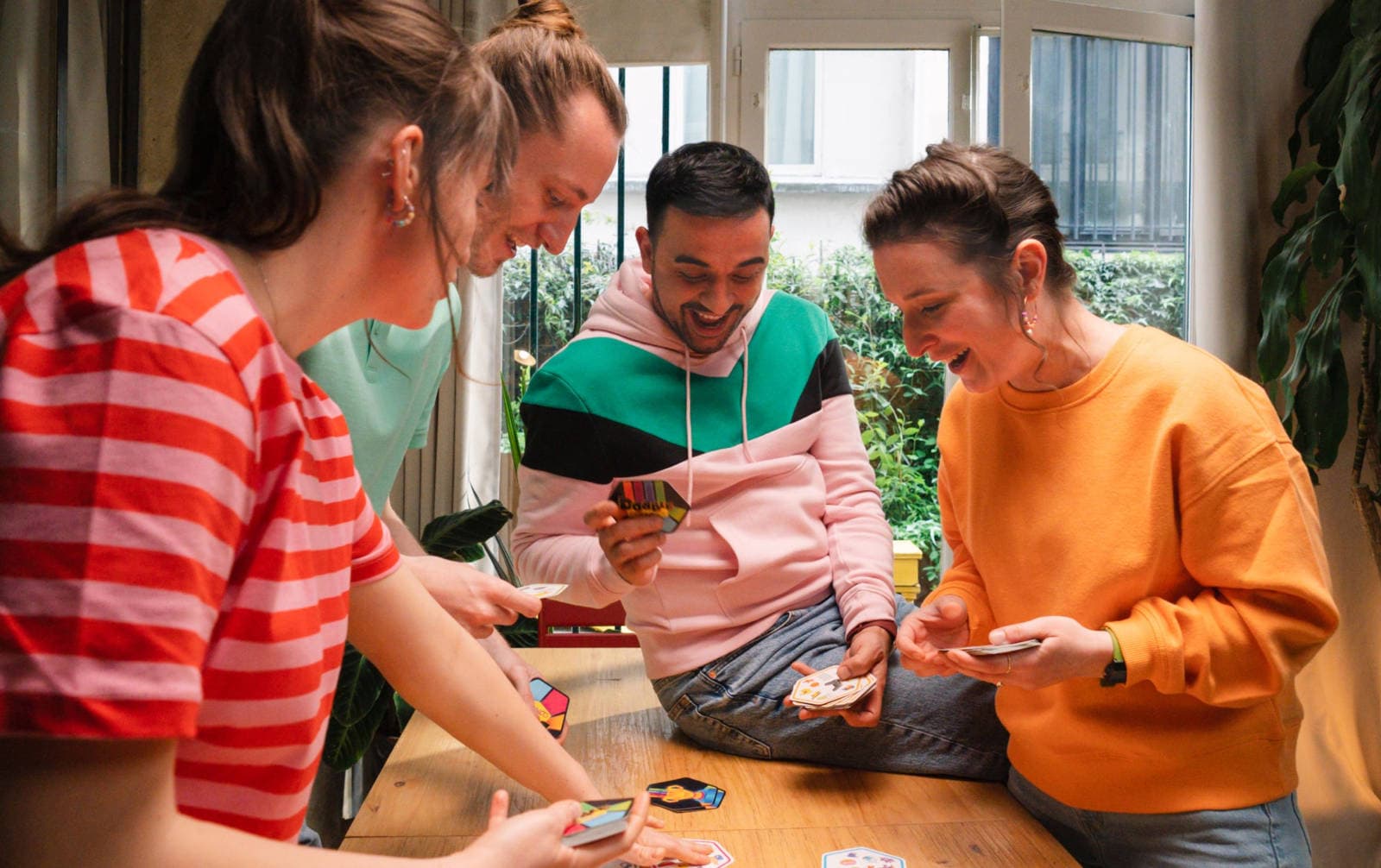
When asked about the reasons for this growing popularity, 64% of respondents said they use board games to bring the family together.
Board games are considered a great way to strengthen human connections worldwide: 64% of people use them to connect with friends and family, and in France this figure reaches 71%.

In a time when many people struggle to express their emotions, 40% of respondents say that playing board games helps them open up more easily than through regular conversation. Just over a quarter (26%) play board games at least once a week.
According to Asmodee employees, in a world where screens often become the main source of distraction, millennials are particularly passionate about this hobby: 41% of them experience joy while playing, more than any other generation.
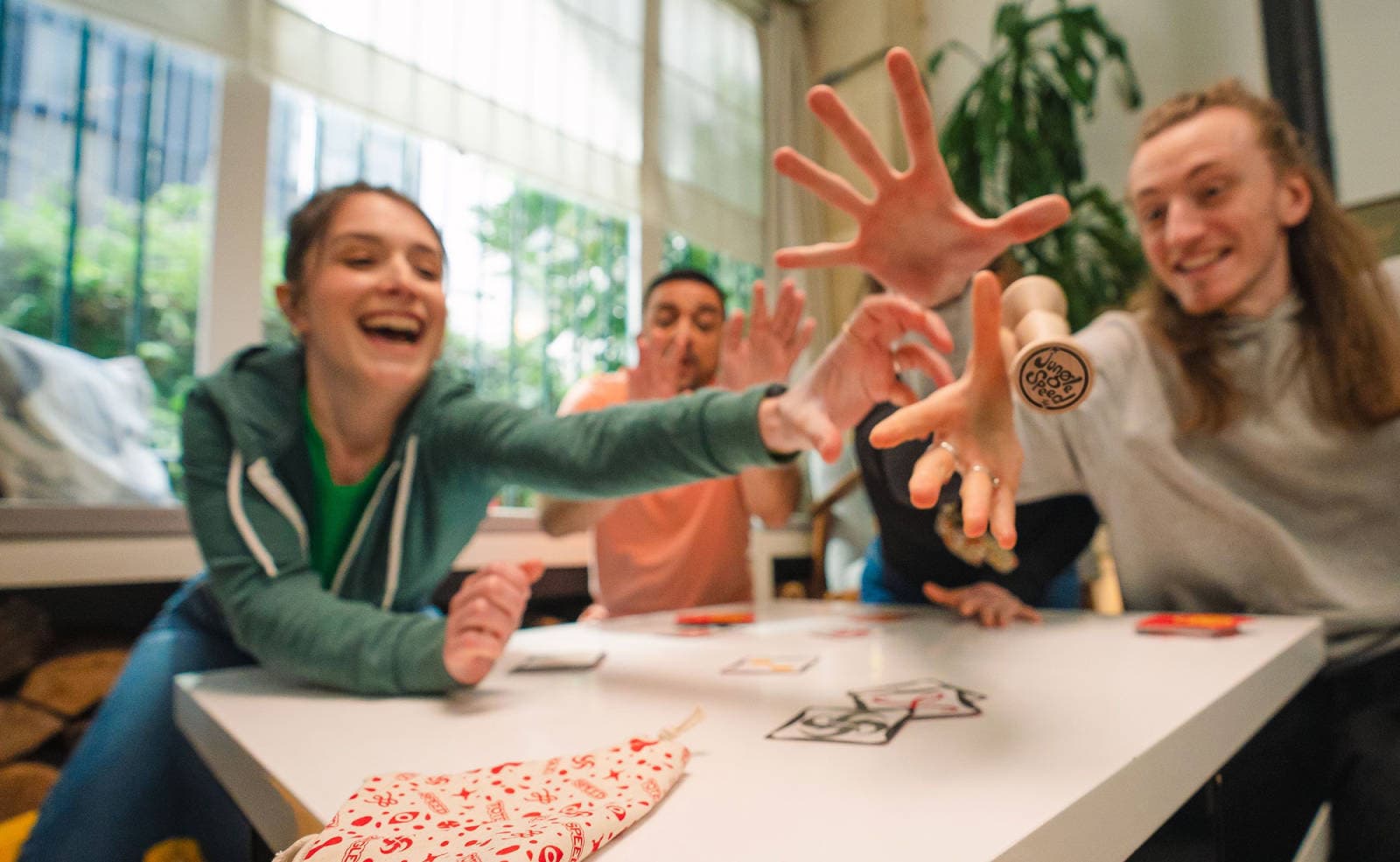
The growing popularity of board games is reflected in the emergence of game bars around the world. For example, in Oxford and Bath, Thirsty Meeples - the UK's first board game cafe, founded by a family couple - attracts many visitors.
In addition, schools and corporate teams use games to improve communication, build self-confidence, and relieve stress.
![[СТРИМ] Цена DDR5 / DLSS 4.5 / Конец RTX 50 / Провал Highguard / Распад Ubisoft / Пальцы Бесконечного лета 2](https://media.ixbt.site/312x192/smart/ixbt-data/1115430/01KG7YTGD2DYQ4A3N2NGER85HY.jpg)