Forza Horizon 6 to Get Massive Graphics Improvements and Long-Awaited Window Decals
Translated with AI from the Russian original.
Players have been asking for the feature for years, but its implementation turned out to be more difficult than many thought.
Playground Games continues to develop its racing series and is preparing a noticeable technological leap in Forza Horizon 6. Unlike previous installments, the new game is being created with a focus on a single generation of consoles, which has allowed developers to significantly improve detail and visual effects.
One of the key innovations is the new refraction-based shaders for headlights and taillights. According to producer Mike Bennett, this technology gives lighting elements a more realistic depth and effect, including iridescent reflections on polycarbonate surfaces. Improvements have affected more than 550 cars, and their number will continue to grow.
The developers have also reworked the materials of all cars in the game, improving the overall quality of visual perception, even without taking customization into account.
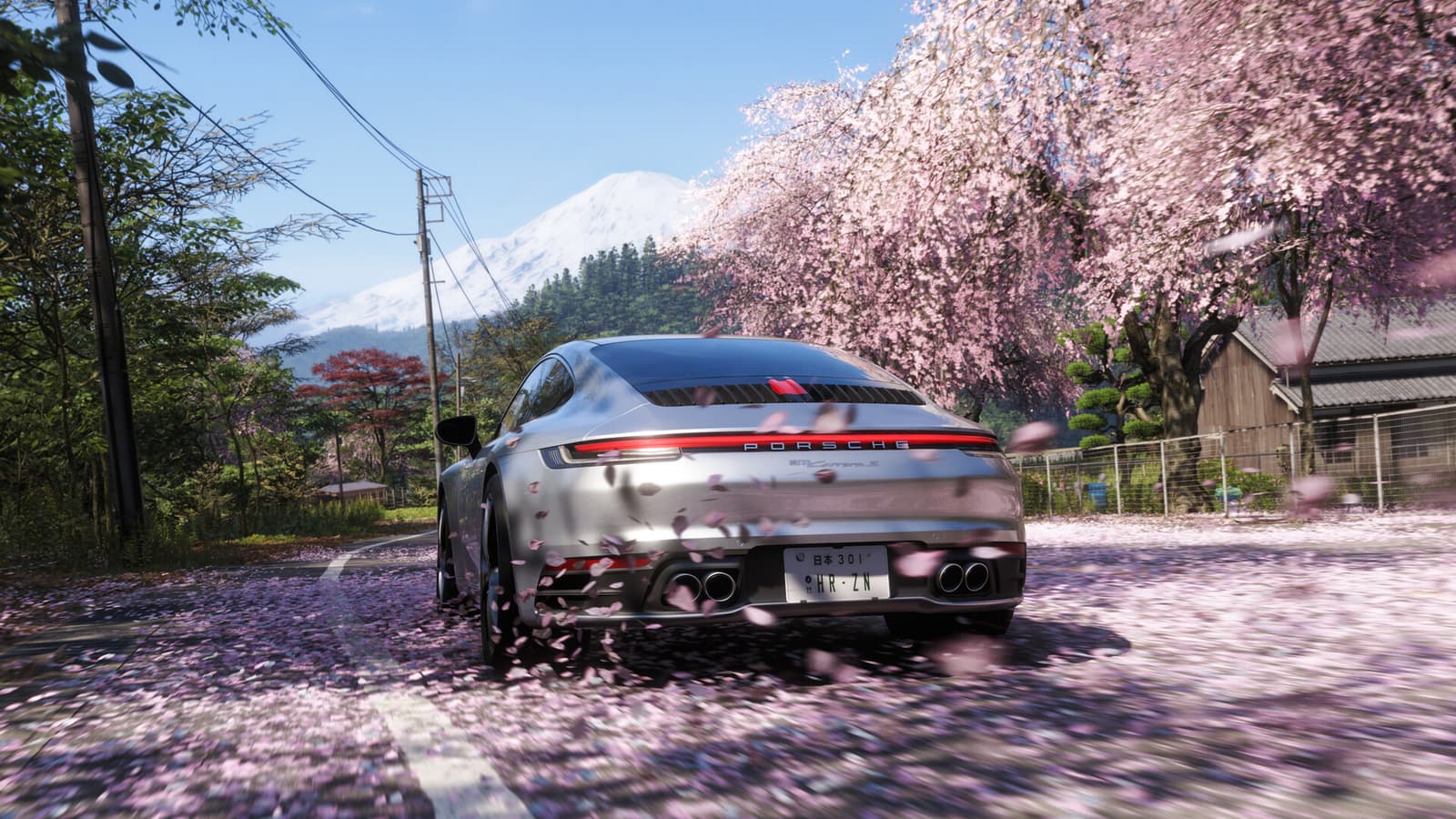
One of the most anticipated innovations is window decals — a feature that the community has been asking for for years. Despite its apparent simplicity, its implementation required significant effort: each car had to be adapted to the new system. Now players will be able to create both large-scale designs covering the entire car and small decorative elements — from sun strips to mini-stickers.
In addition, decals are integrated into the progression: as players progress through the campaign, they will unlock new graphic elements that can be used to personalize cars. At the same time, the transparency system allows you to fully adjust the visibility — if you wish, you can even completely block the view through the windows.
Forza Horizon 6 will be released on May 19 on Xbox Series X|S and PC, while the PlayStation 5 version will be released later this year.
Never miss our newsAdd this site to your preferred sources to see us more oftenAdd on Google