Concord scandal reaches the European Parliament
Translated with AI from the Russian original.
The issue of protecting video games as a cultural product and the property of players has reached the level of the European Parliament.
Stop Killing Games movement leader Ross Scott spoke in Brussels with an initiative to limit the practice of publishers "killing" games with impunity. He compared it to books: if a publisher cannot take back a purchased copy, then in the digital environment, companies do this regularly, shutting down servers and making the product unplayable.
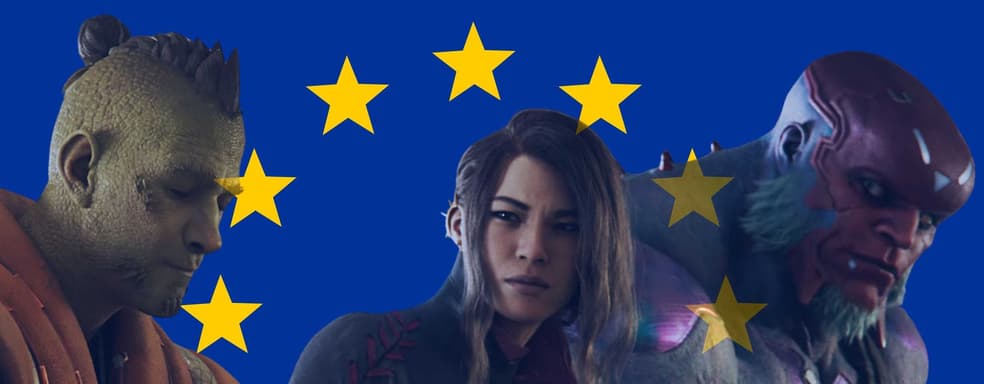
The main example was Concord, a Sony-funded hero shooter that became one of the industry's biggest failures. The project was shut down two weeks after release.
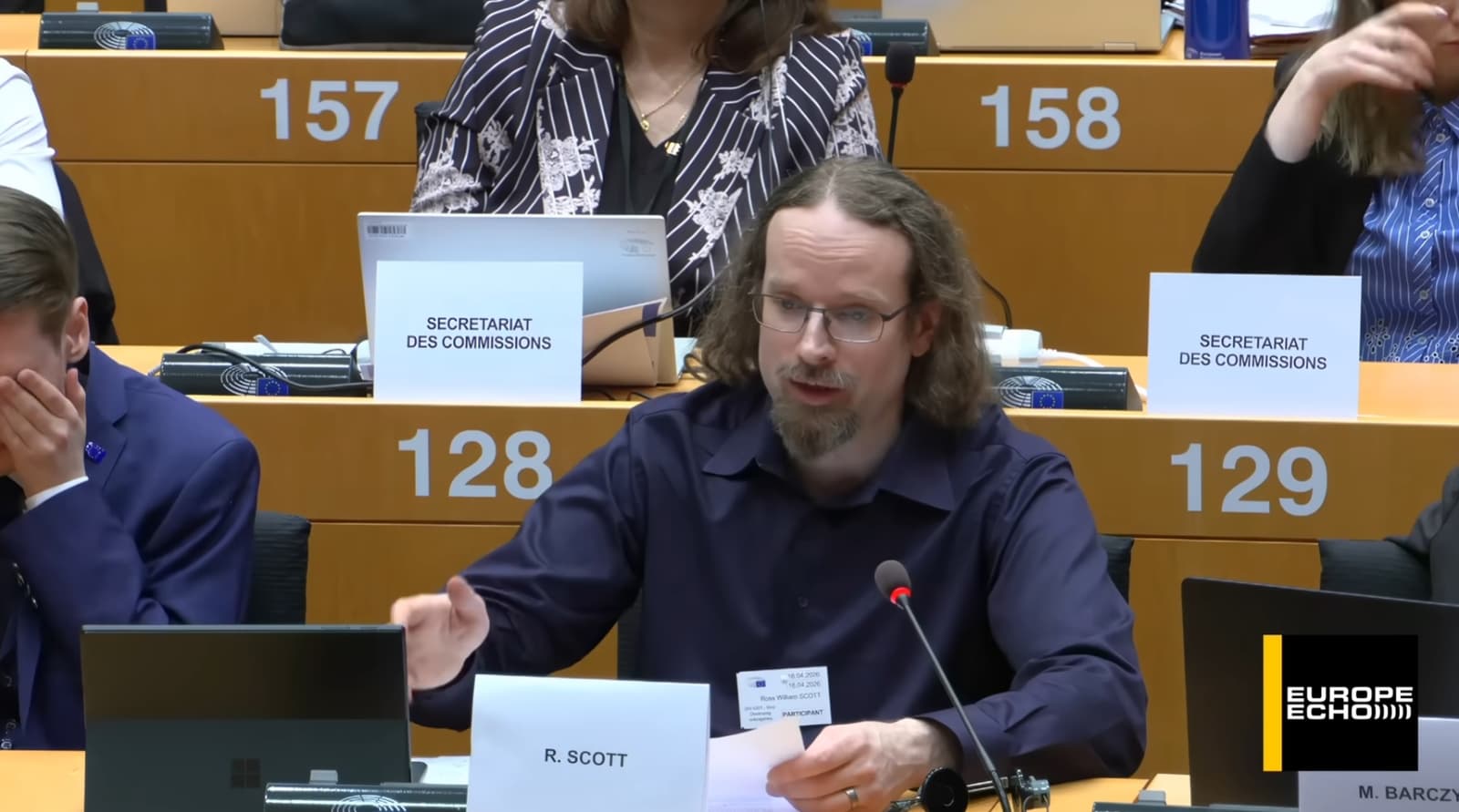
Players were refunded, but the situation became indicative: the game disappeared even for owners of physical copies. Scott noted that the project had "no plans to end support," which is unacceptable from a consumer rights perspective.
During the hearings, he responded to arguments from lobbyists about the high cost of support. The movement proposes: not to demand eternal servers, to turn off online systems after the end of support, and to maintain a basic playable version through offline or community servers.
The discussion in the European Parliament was a step towards new rules on digital property. Scott stated that it is permissible to close a game even immediately after release, if the purchased product is not destroyed.

Never miss our newsAdd this site to your preferred sources to see us more oftenAdd on Google