
Sony to Use AI to Catch Perverts and Scammers on PlayStation Network
Sony Interactive Entertainment, the Sony division responsible for PlayStation, has filed a patent for an unusual security system that will use artificial intelligence to identify potentially dangerous users in online games and services. Application number 18/314775 was published on August 13, 2026.
The technology is based on a kind of AI "bait." The system creates a pseudo-account that looks like a real user and mimics a specific demographic and communication style. The patent specifically considers a scenario where such an account might mimic a minor player.
When a suspicious user begins to interact with this account, the system analyzes their behavior. It is proposed that the pseudo-account be managed using a large language model, such as GPT.
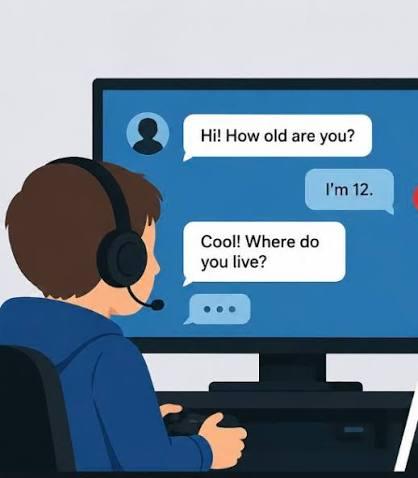
According to Sony's plan, such a system should work much like a police sting operation, but in a virtual environment. However, the mere fact of communicating with an AI account will not necessarily lead to a ban. Instead, the interaction can be used as one of the signs of suspicious behavior.
Among the potentially dangerous actions that the system can track, the patent mentions attempts to:
- move the conversation to a private channel
- obtain personal information
- contact a user who appears to be a minor
- send inappropriate messages
- deceive the user or extort data from them
- engage in spamming
- demonstrate behavior associated with cheating
If the algorithm detects suspicious activity, the account may be flagged by the system for further monitoring. Subsequently, when such a user attempts to contact a real player, the platform may potentially warn them of the danger or take additional protective measures.
Currently, such situations often require a complaint from the user themselves: for example, a potentially dangerous person first contacts a minor, after which the minor or their parents report the violation, and only then does the platform begin an investigation. The technology proposed by Sony should allow suspicious behavior to be detected before a potential victim becomes directly involved in dangerous communication.
Although the document pays significant attention to the protection of minors, the technology is described more broadly. Its potential targets also include fraudsters, spammers, cheaters, and other users who exhibit antisocial or suspicious behavior.
Never miss our newsAdd this site to your preferred sources to see us more oftenAdd on Google