Fragmented but Still Engaging: A Review of the Second Season of "Wednesday"
The second season of Netflix's "Wednesday" concluded on September 3rd. The first season, released in 2022, was a resounding success, making the sequel one of the streaming giant's most anticipated releases. Read our review to find out how the sequel turned out and whether it lived up to the first season.
A New Iteration of "The Addams Family"
The series is based on "The Addams Family" comics, which Charles Addams began publishing in The New Yorker magazine in 1938. Later, in the 1960s, they were adapted into a comedy series of the same name, which made the characters popular. Subsequently, many projects related to them were released: animated series, comics, films, and other shows. The "Wednesday" project is a new iteration of the adaptation, created by Alfred Gough and Miles Millar with the participation of director Tim Burton.
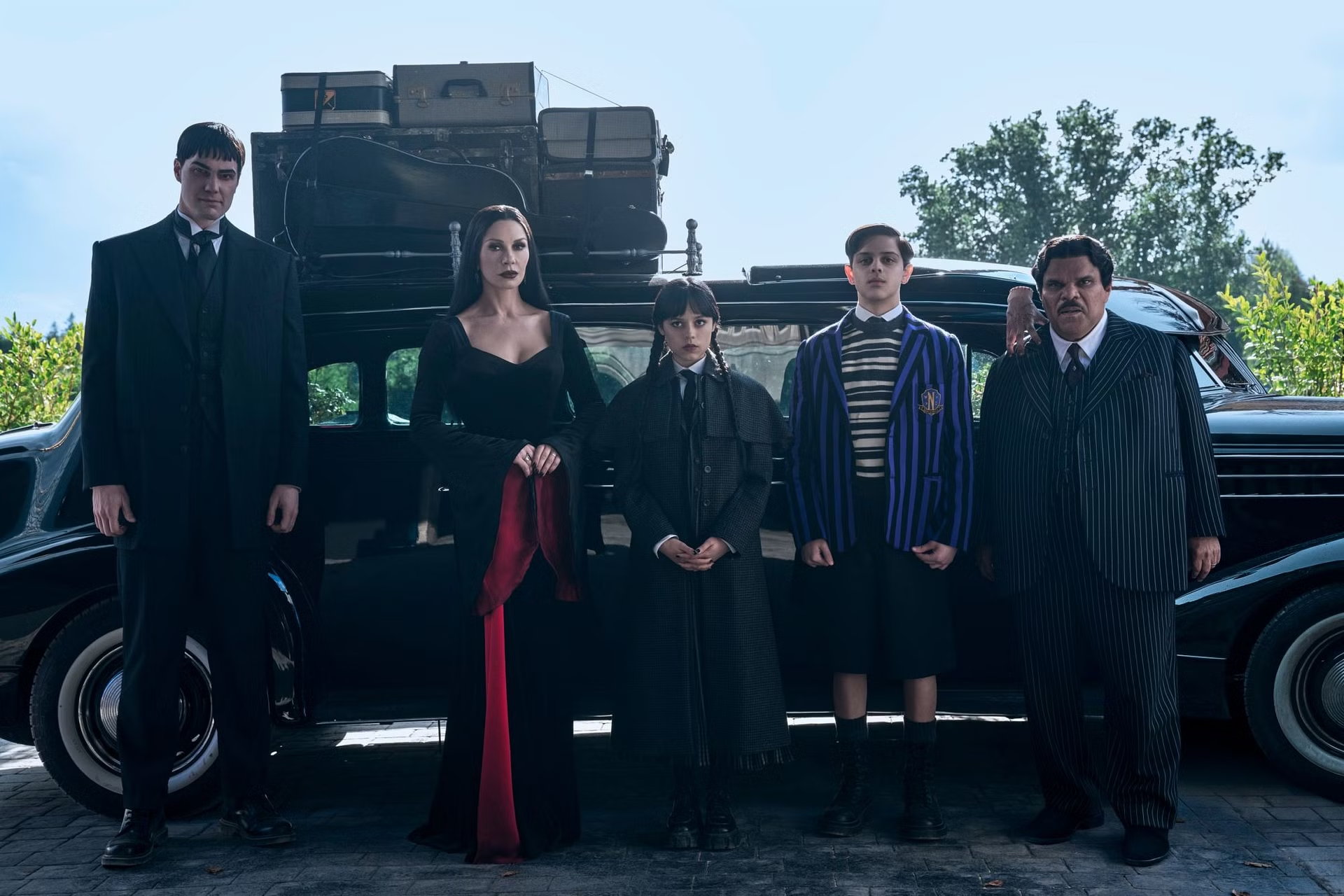
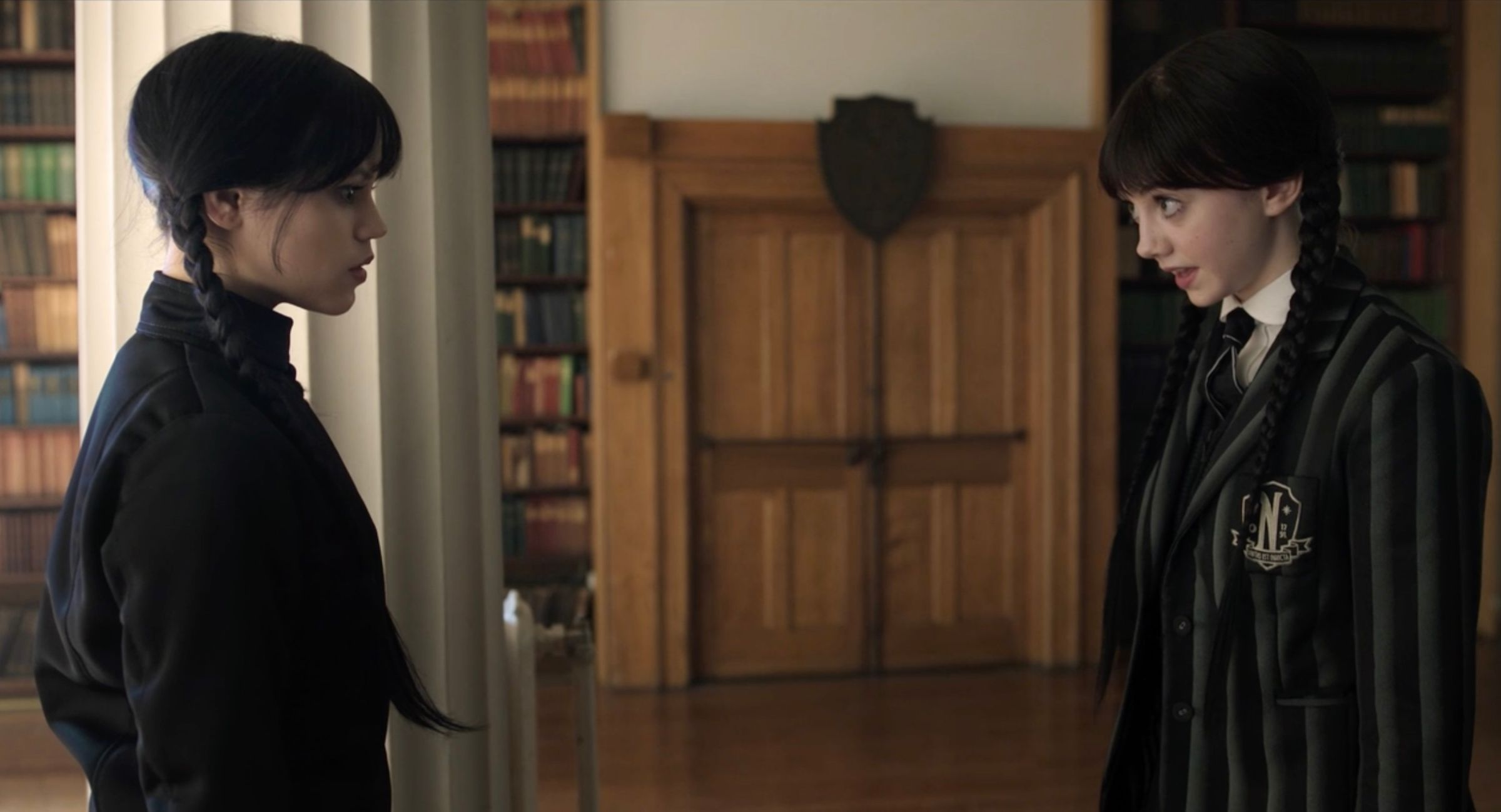
The story of "Wednesday" revolves around Wednesday Addams (Jenna Ortega) – the daughter of Morticia and Gomez. She is a gloomy girl with a sarcastic and melancholic character, completely devoid of a sense of humor. Just in the spirit of the director.
The series begins with Wednesday being sent to Nevermore Academy, a school for outcasts, people with various abilities and peculiarities: werewolves, gorgons, vampires, sirens, psychics, and others. It is a kind of analogue of two schools at once – Charles Xavier's Institute from the Marvel's X-Men comics and Hogwarts from the Harry Potter novel series. The name of the academy refers to Edgar Allan Poe's poem "The Raven" (1845), where the word "Nevermore" symbolizes irreversibility and gloom, which is reflected in its gothic atmosphere.
Two Seasons
At the beginning, Wednesday discovers her abilities as a medium – she begins to have visions that tell about both the past and the future. Given the girl's gloomy character and detective inclinations, she quickly becomes involved in the events in Jericho – a town near Nevermore Academy, where a series of murders committed by an unknown monster took place.
The first season turned out close to ideal: it is a well-structured story with bright characters and a solid detective component, which added a lot of intrigue and interest. The characters felt independent and well-balanced, and the plot lines in the finale organically converged, creating a sense of completeness.
The second season unfolds a few months after the events of the first. Wednesday continues to use her psychic abilities to solve intricate cases: she easily finds a previously elusive serial killer from Kansas City, after which she returns to Nevermore. But soon her abilities begin to fail.
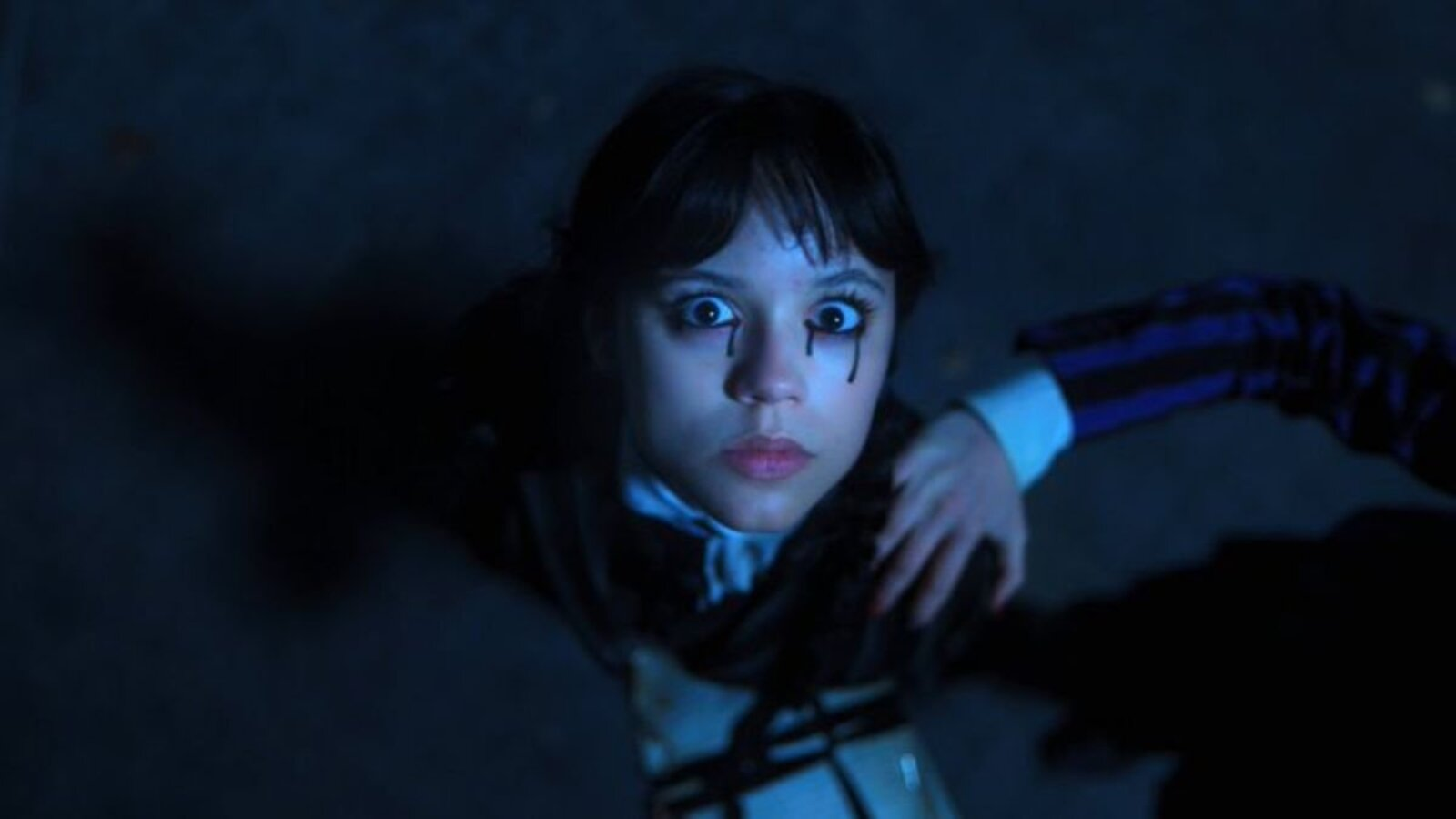
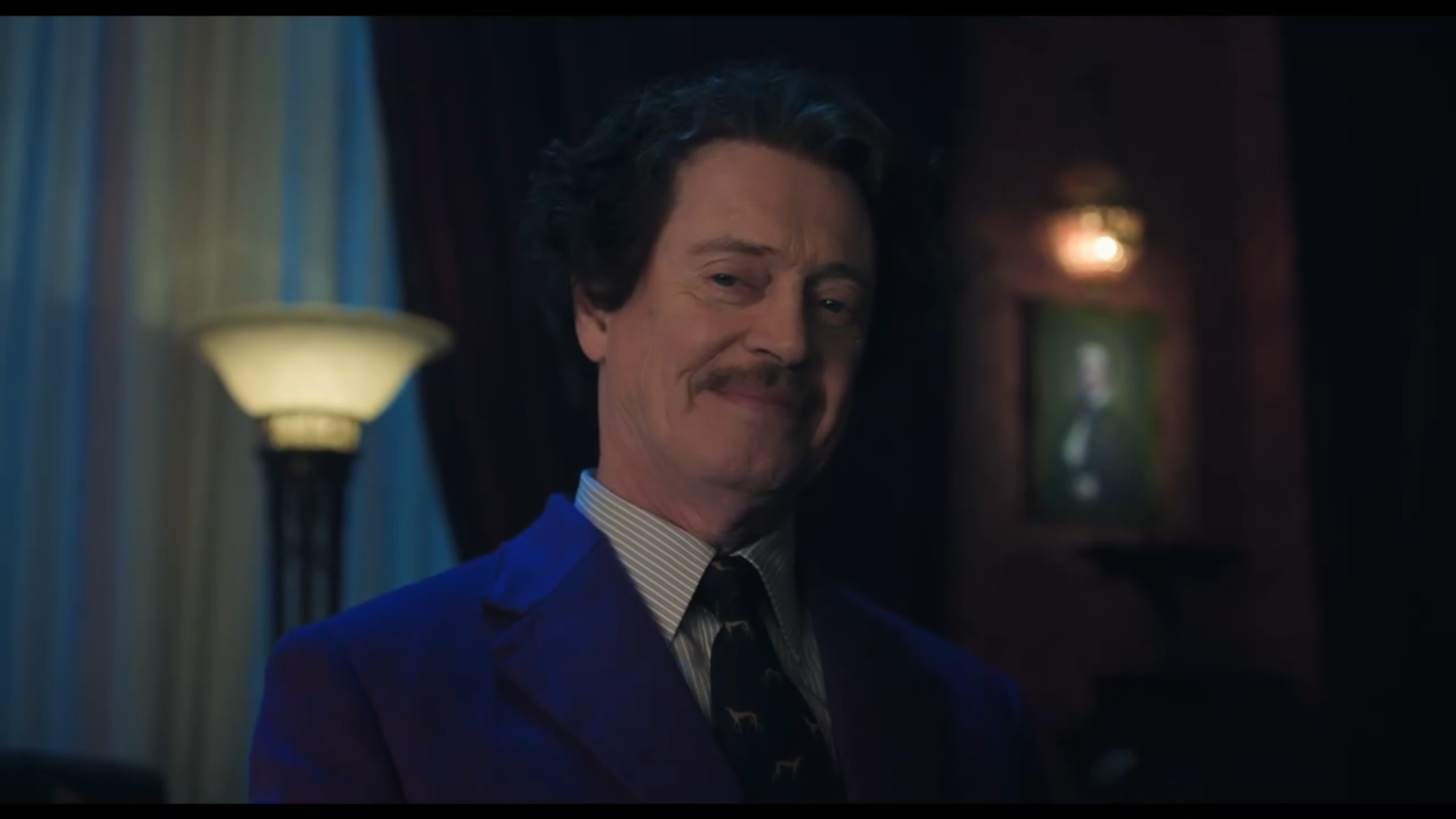
Immediately after returning to the academy, we see changes. Many old characters have been replaced – for example, the director Larissa Weems (Gwendoline Christie), who died at the end of the first season – new ones come. Thus, the post of director is taken by Barry Dort (Steve Buscemi). There are also changes in Jericho: Richie Santiago (Luyanda Unati Lewis-Nyawo) becomes the new sheriff, who was previously the deputy of the former sheriff.
Agnes (Evie Templeton) also became a new character – a slightly crazy fan of Wednesday, who occasionally helps the main character. The role of the other members of the Addams family has also increased: father Gomez (Luis Guzmán), mother Morticia (Catherine Zeta-Jones), brother Pugsley (Isaac Ordonez), and grandmother Esther Frump (Joanna Lumley) also appeared – Morticia's mother. In addition, Tyler Galpin (Hunter Doohan) also returned – Wednesday's former friend, who turned out to be a bad guy. In this season, he was revealed from a slightly different angle, paying attention to the family line.
An Imperfect Sequel
The second season has a number of problems – let's go in ascending order.
Firstly, the number of female characters has noticeably increased here, while the number of male characters has decreased, and their significance along with the quality of elaboration has decreased. Only Ajax Petropolus (Georgie Farmer) remained truly interesting and complete.
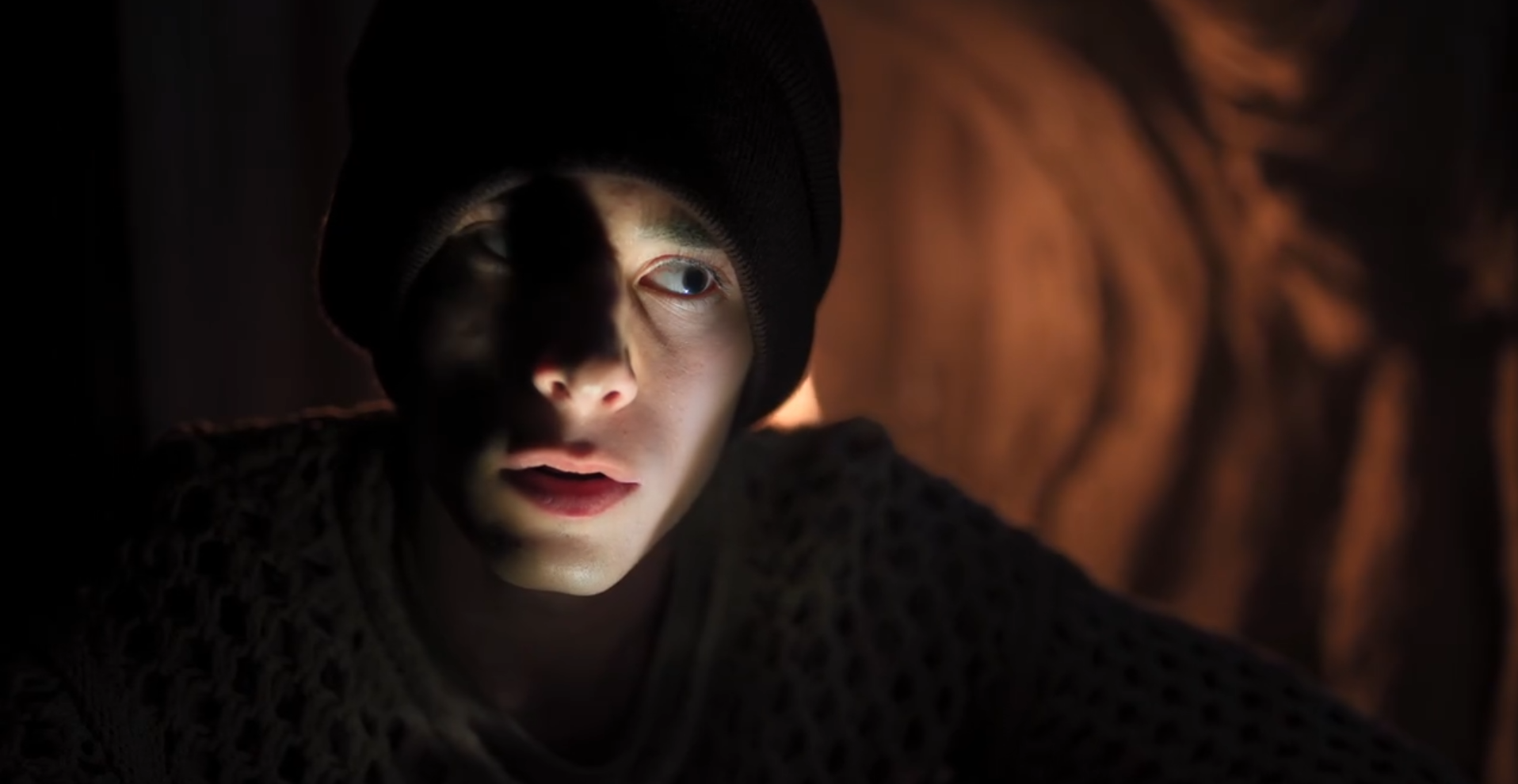
Xavier Thorpe (Percy Hynes White), around whom a significant part of the intrigue was built in the first season, left the academy between semesters – he is no longer in the second season.
The role of Eugene Otinger (Musa Mustafa), although it became slightly more regular – he appeared in all eight episodes of the second season against six in the first – but its significance has noticeably decreased.
The former sheriff Donovan Galpin (Jamie McShane) was removed from the story in the first episodes, and the new one does not impress – she remains in the background, not deciding anything and not having a deep character.
In the second season, a certain Slurp (Owen Painter) appeared, whose role gradually increases from episode to episode, but in the end it is difficult to call him a deep character. His motivation is simple, and his character was explained at the very beginning.
Even the male half of the Addams family – brother Pugsley and father Gomez – are not particularly impressive. The first, although he joined the main cast of the season, but in the end his significance was limited to the first episode. The second did not even do this, remaining just a background hero – so to speak, for the soul.
Secondly, due to the increased number of characters and the greater role of the other members of the Addams family, Wednesday is no longer perceived as the unconditional center of the story, although formally she still remains so.
Here, much revolves around Morticia and grandmother Esther, while Wednesday, despite her gloomy gothic character, sometimes behaves too impulsively, openly rebelling against her mother's decisions. On the one hand, this partially diverges from the unemotional image to which we are accustomed, on the other hand, it emphasizes that Wednesday is still a teenager with her own problems and complexes.
As a result, the project has too many storylines of different characters, and not all of them are needed: some lead nowhere, others look ridiculous. As a result, there is a feeling of overload.
Thirdly, there is no integrity in the story, which partially stems from the first two points: there is not only an overabundance of characters, but also several main storylines. In the first half of the season – one intrigue, in the second – another. Let it flow from the first, but somehow sluggishly, literally thanks to chance.
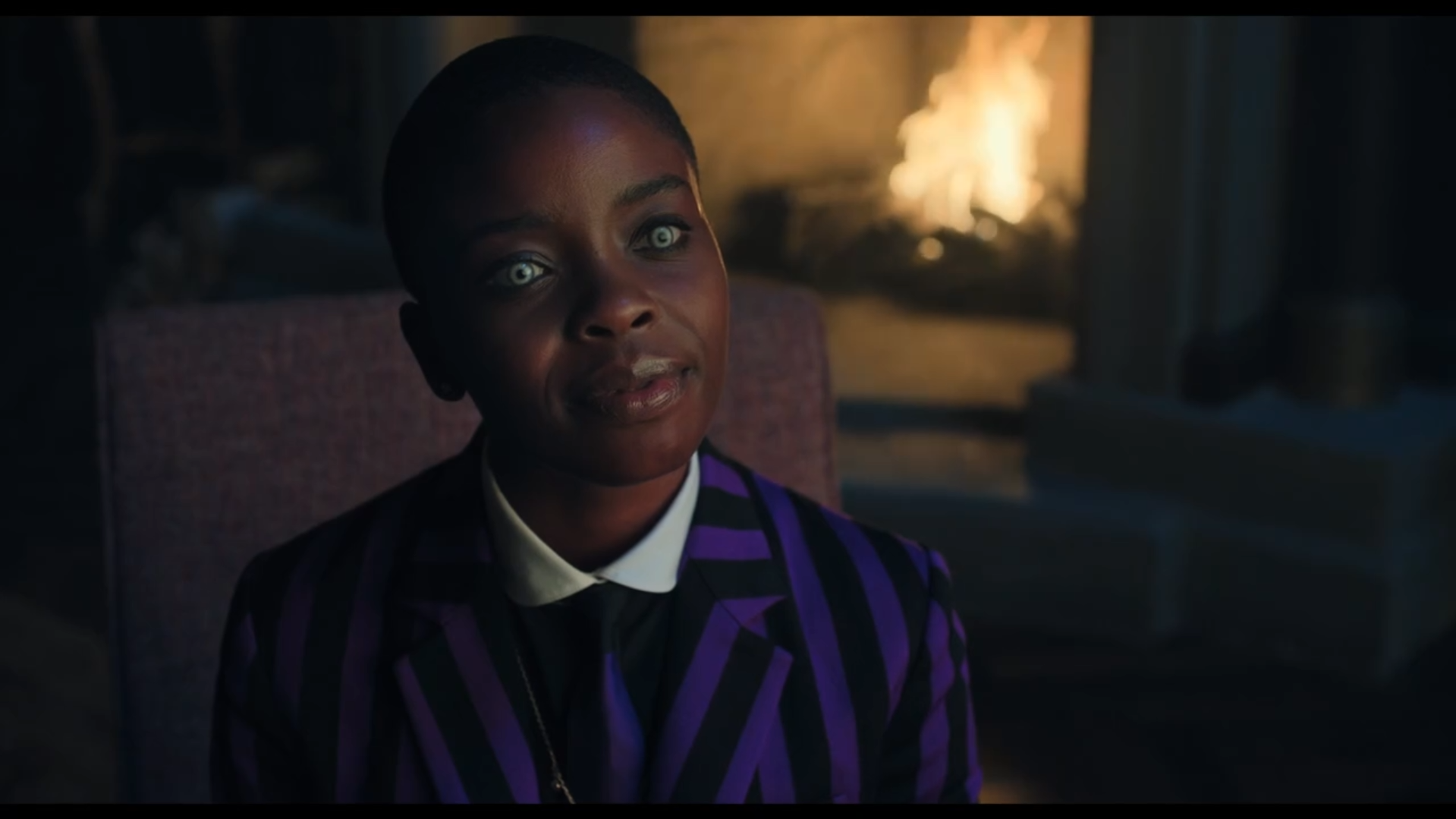
And if the above-mentioned storylines are more or less connected to each other, then in parallel with them, the third one is unfolding, which was started back in the first season. We are talking about the line of Bianca (Joy Sunday) and her mother (Gracie Goldman), which this time became one of the key ones.
As a result, many different characters appear in the plot, including three new antagonists at once – and this is without taking into account the returned Tyler. If in the first season everything was competently connected and led to a logical finale, then here the story breaks down into segments, and the quality of each part suffers from this.
The first half of the season is good, but everything ends too quickly, and the villain is simply сливают. The second half is completely devoid of any intrigue, and the antagonists are revealed very weakly. Bianca's storyline is good, but it feels like a filler, although it directly affects Nevermore.
All this leads to problems with logic and a number of questions. Why didn't Slurp do to his sister what he did to himself? How do his abilities work in general and where does such regeneration come from? Why did Judy (Heather Matarazzo) stop paying attention to Wednesday? And so on.
Still Worthy?
However, the second season has a lot of advantages.
The storyline of Enid Sinclair (Emma Myers), Wednesday's neighbor, turned out to be successful: you can see how she changed after she was finally able to turn into a wolf. Her abilities as a whole have evolved, and the chemistry with Wednesday has only strengthened. The series where they switched bodies became a real cherry on the cake of the season.
Catherine Zeta-Jones is worth mentioning separately – her performance of Morticia is beyond praise! And if in the first season she appeared in only a couple of episodes, then here she is revealed in full – even if this does not negate everything said above.
The aforementioned Agnes also turned out to be excellent: at the beginning she appears as a terrible fan of the main character, but subsequently seriously helps the protagonists and changes noticeably by the end of the season, passing her own arc.
In the second season, the secret of the origin of Thing was also revealed – the very living hand that has been part of the Addams family for many years, and later helped Wednesday. It cannot be said that this revelation turned out to be unusual, but still it turned out to be good.
In the sequel, the role of Wednesday's uncle – Fester (Fred Armisen) – was also slightly increased. In the first season, he appeared very briefly, while here he plays an important role in the first half of the season. The character himself is magnificent!
I also liked the new role of the former director of the academy, Larissa Weems, who returned in the second half of the season: the screenwriters gracefully integrated the deceased character into the further plot. Her return only benefited the project – here is the charisma of the actress, and the ironic presentation of the heroine herself, and the plot significance.
In technical terms, the second season took a step forward – there were noticeably more monsters in the plot, which is why the quality of their elaboration increased, and it no longer hurts the eyes as before.
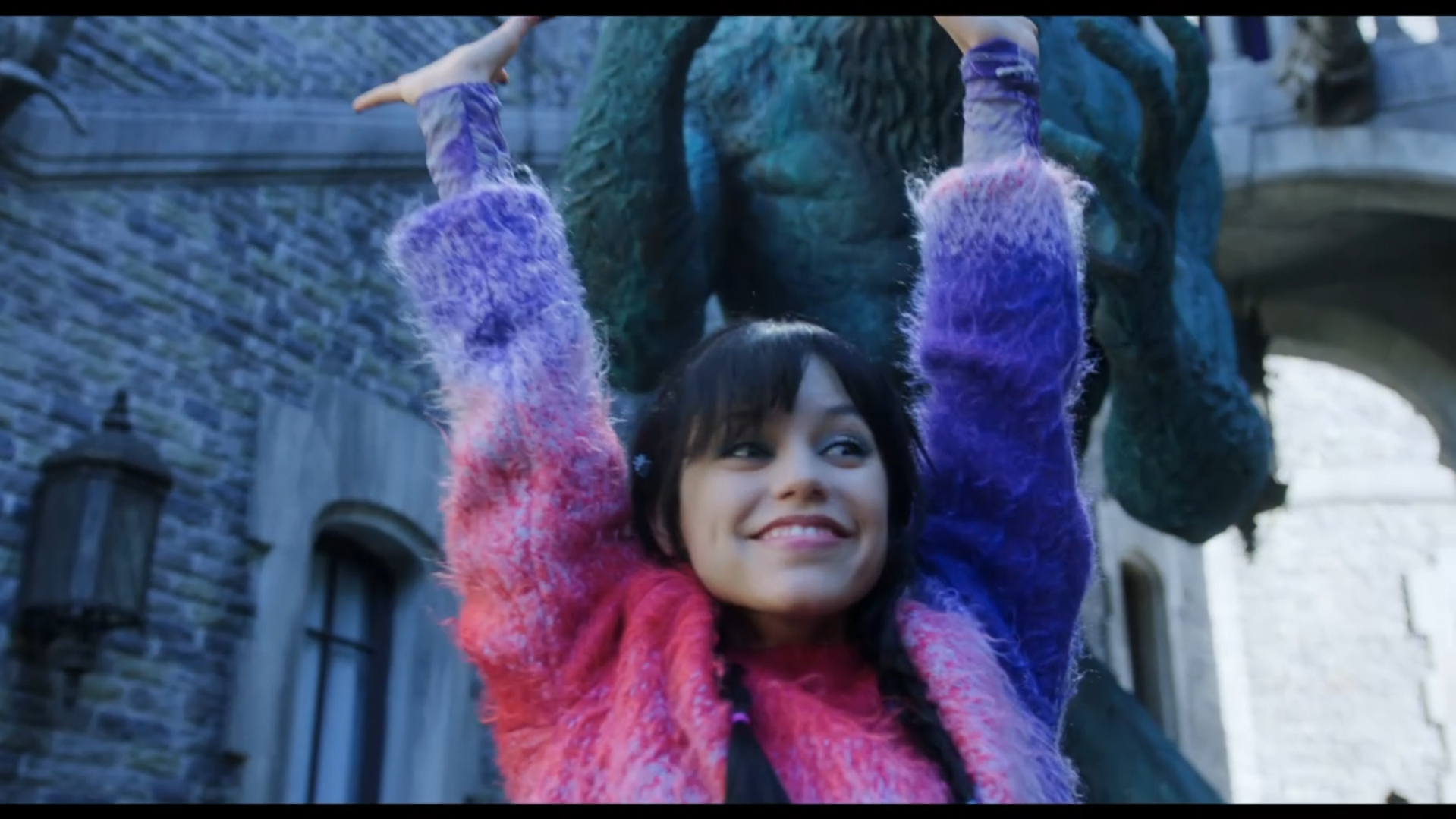
The overall atmosphere is still on par, and some scenes turned out to be magnificent. Jenna Ortega's new dance, for example, is impressive, although it feels more like a deliberate marketing ploy.
Diagnosis
The second season of "Wednesday" has noticeably decreased in quality compared to the first: there are too many characters, there is no complete plot, and the heroine herself sometimes behaves too stereotypically, which is not at all characteristic of her. The detective line was interesting in the first half of the season, but almost disappeared in the second.
The sequel seems to have lost the creative spark that made the first season so good. The narrative of the project seems to have gone in a different direction – it has become less soulful and more calculated.
However, all this does not make the series bad – it still knows how to show interesting characters, please with the atmosphere, individual scenes and even humor. This is still a worthy project that you can and should spend a couple of evenings on, even if it has lost some of its charm.
Netflix has already renewed "Wednesday" for a third season, which is scheduled to be released in 2027. It is he who will become decisive for the series: will the authors be able to take into account the mistakes and at least get closer to the quality of the first season or not? Let's see!