A Prequel to the Finale of "The Boys"? Review of the Second Season of "Gen V"
The second season of the series "Gen V" - originally "Gen V" - a spin-off of "The Boys" project from the Amazon Prime Video streaming service, concluded on October 22. What was the result of the second season: how did it change, was it able to maintain the level of the first, and what will happen to the characters of the series next? We analyze in the review.
Intensity of Passions
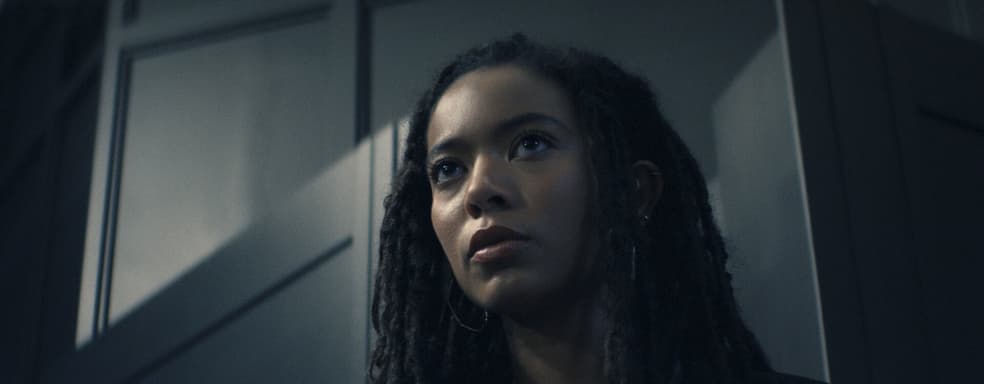
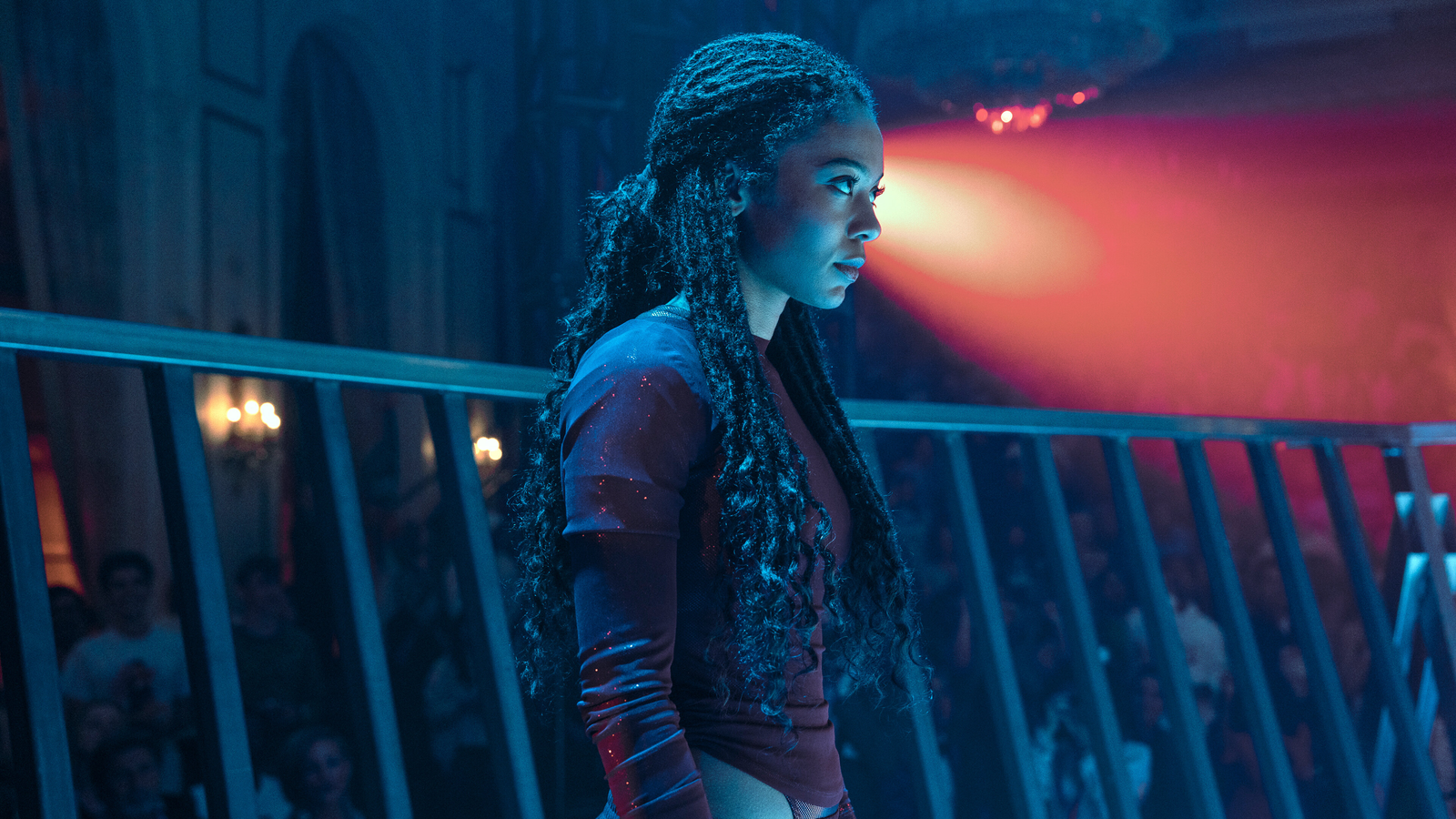
The plot of the second season unfolds after the events of the fourth season of "The Boys": Starlight (Erin Moriarty) has gone underground, while Homelander (Antony Starr) has effectively seized power. The story quickly makes it clear: the main character of "Gen V" is Marie Moreau (Jaz Sinclair), and everyone else is her friends and assistants, who are not always given enough attention. But more on that later.
The story revolves around the scientist Thomas Godolkin (Ethan Slater), after whom the academy where the events unfold is named – he is responsible for the birth of Marie and her abilities: the so-called "Project Odessa".
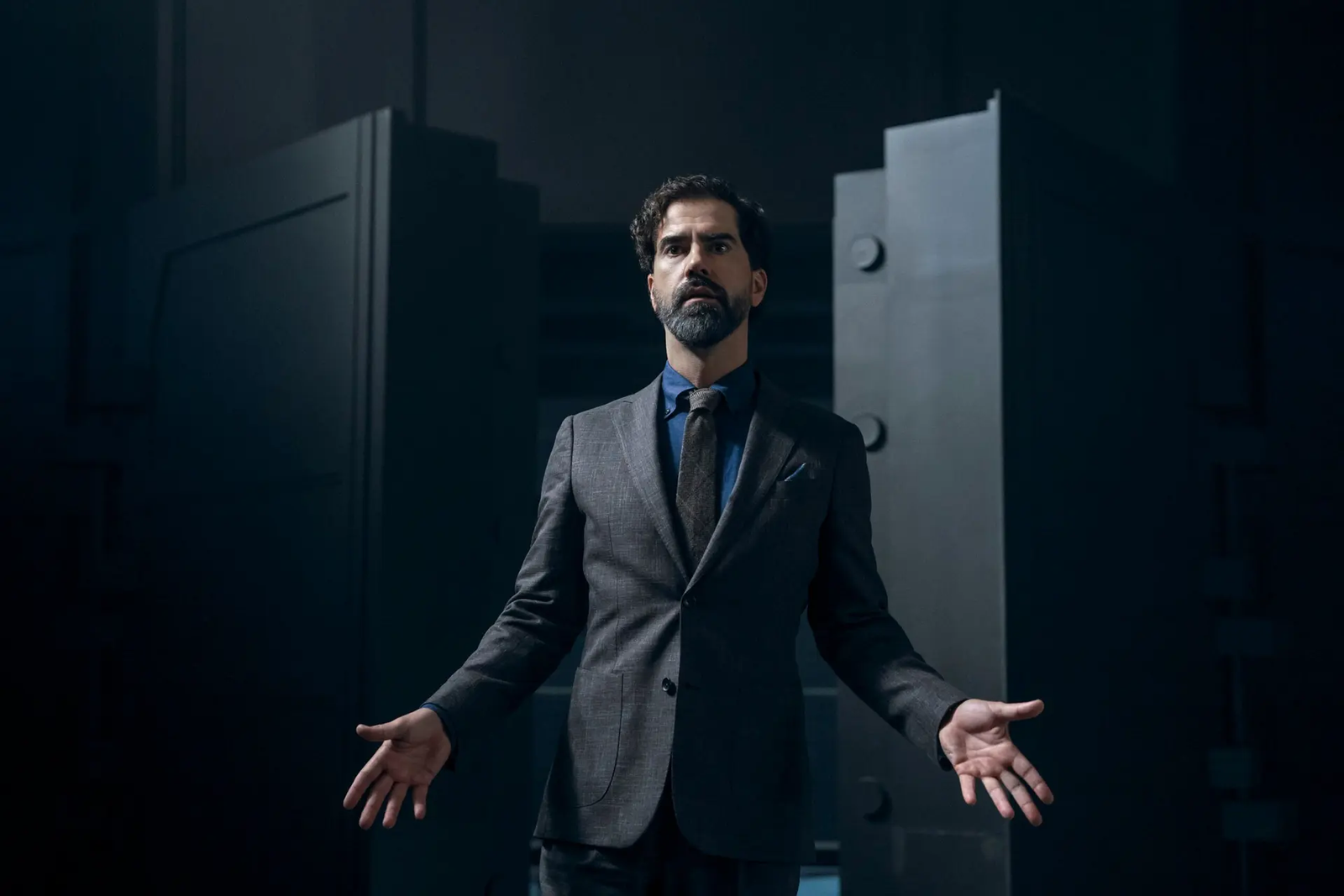
All this adds intrigue to the plot: what is "Odessa"? How exactly did it affect Marie? And what about Cypher (Hamish Linklater) – the new rector of the academy? All the plot lines of the series are intertwined and reveal not only the true meaning of the creation of the Godolkin academy, but also tell about the scientist himself – in both cases, there is little pleasant for the protagonists.
The scriptwriters perfectly played out the death of one of the main cast members between seasons: the actor who played Andre – Chance Perdomo – died in a car accident on March 30, 2024. His character was killed off-screen, and the writers not only made him an object of motivation for other characters, but also added the fact of the hero's death as part of the antagonist's experience.
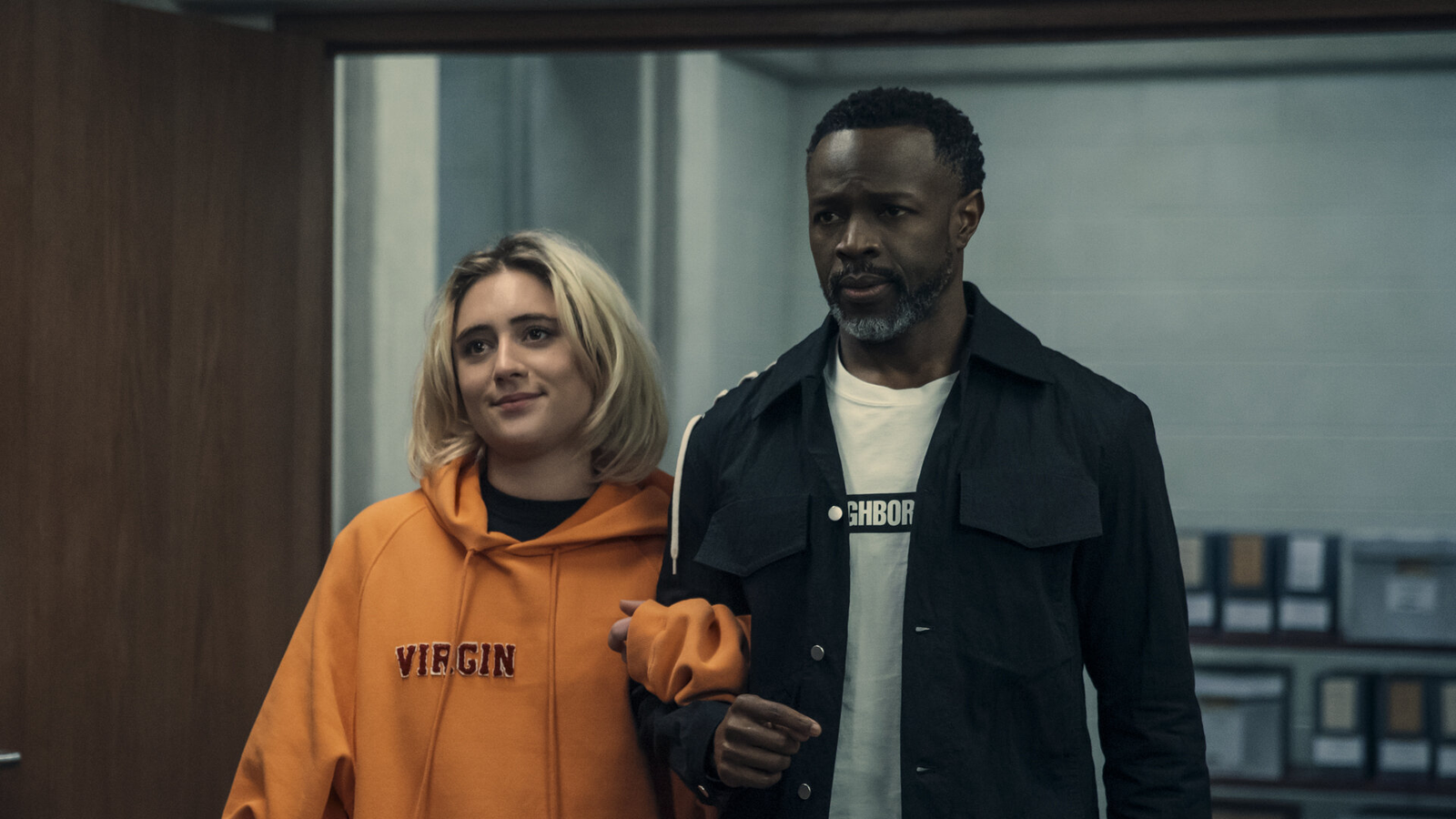
Andre himself was replaced in the plot by his father – the famous superhero named Polarity (Sean Patrick Thomas). He and his son have the same abilities, which allowed them to maintain a small storyline related to Cypher and added emotions. Everything looks as if the character really wanted to be removed from the plot.
Cypher's story is not bad – the twist at the end of the penultimate episode of the season may surprise, but even if not, it looks logical if you remember everything that happened to the character before: how Marie saw him, why he beat his prisoner, and so on. The hero is presented perfectly: mannerisms, gestures and overall style of behavior – all this makes you love the character, in which the actor's merit is high. Even the antagonist's behavior in the last episode is not as impressive as before the twist.
By the way, the confrontation between Polarity and Cypher reminded me of the classic confrontation between Professor Charles Xavier and Magneto – characters from Marvel comics and films about the X-Men. Ironically.
Everything is Ambiguous
The downside of the second season was some logical inconsistencies related to what was shown earlier. For example: if, – as stated in the series, – Marie and Homelander are special, and the rest are not even fit to be compared to them, – which the heroine convincingly demonstrates, – then why in the third season of "The Boys" were Soldier Boy and Butcher, who took the temporary serum, able to resist the leader of the "Seven" without any problems? Why couldn't Homelander defeat them as easily as Marie did at the end of the season with other supers?
The demonstration of the characters' abilities is also sometimes a subject of debate – they work as the script needs, without deep explanations: although Marie is described by the plot as one of the strongest supers in the world, what she does is not always consistent with the stated powers of the heroine. Or another example: why did the antagonist's overexertion at the end cancel what Marie herself did to him? How does it all work and why were her powers so easily rolled back in this case, if she is so special?
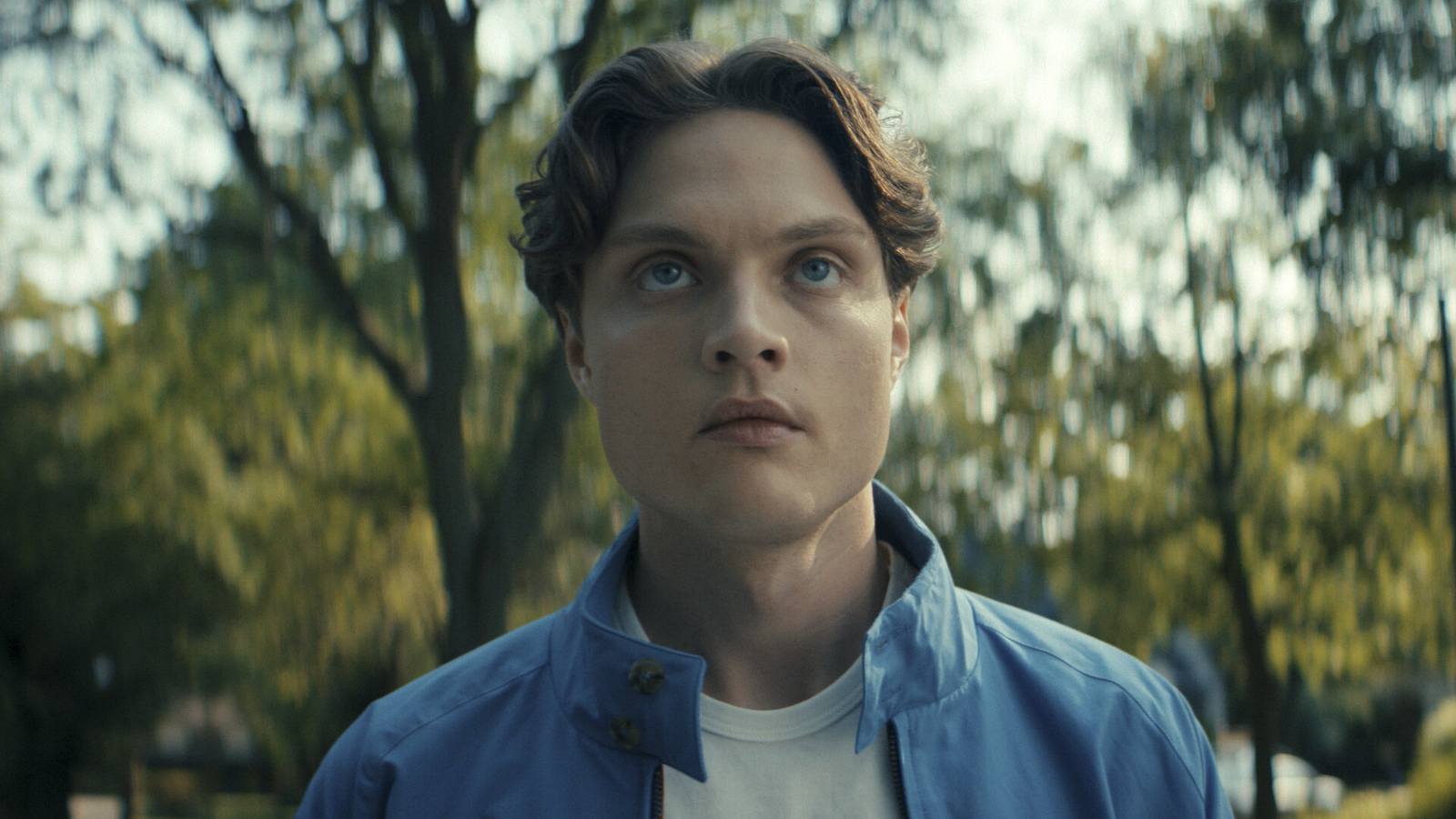
The second season of "Gen V" became a little less daring: starting from about the middle of the season, the sharpness of conflicts among the team of protagonists noticeably decreases – although at the beginning it seems that everything will be the opposite. The characters begin to change and unite to fight a common enemy. This is expressed immediately in two heroes who used to be a source of discord: Cate (Maddie Phillips) accepts her mistakes and decides to help old friends, and Sam (Asa Germann) deals with his psyche and accepts himself as he is.
And if with Cate the plot twist looks natural – the tension in the team and the distrust of other characters do not disappear immediately and what is happening does not cause a feeling of confusion in the viewer, – then in the case of Sam, all his problems are resolved very easily. He just comes to visit his parents, where his mother explains their origin to him, after which this line is immediately forgotten. Although in fact it looks as if the authors were simply too lazy to come up with something.
The story with Marie's sister – Annabeth (Kia King) – was not impressive: we were told about a big conflict that has been going on since childhood and it was supposed to result in something big, but in fact there were few emotions from the meeting and they relatively easily found a common language. On the other hand, this shows that the characters have grown up and behave adequately.
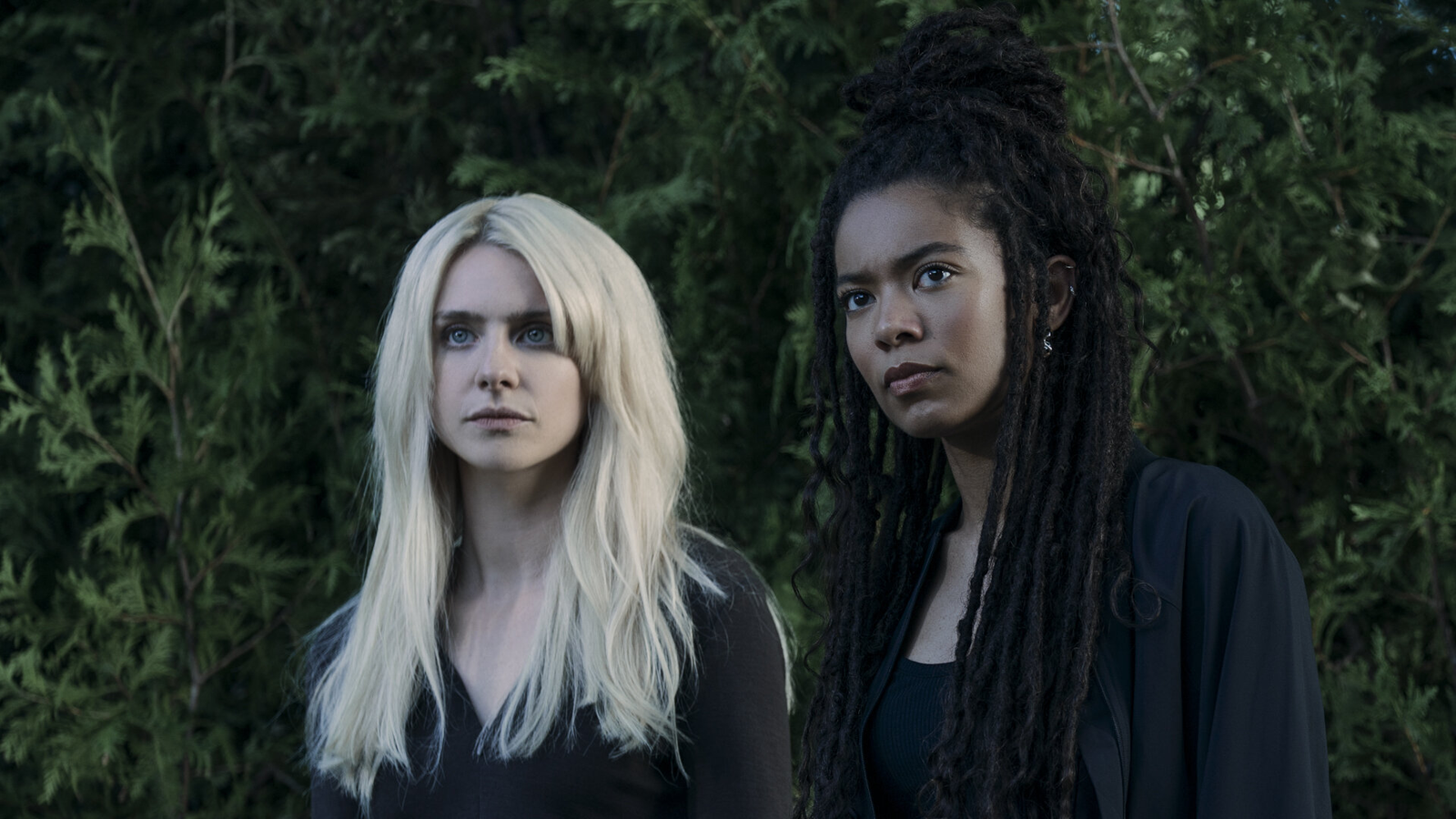
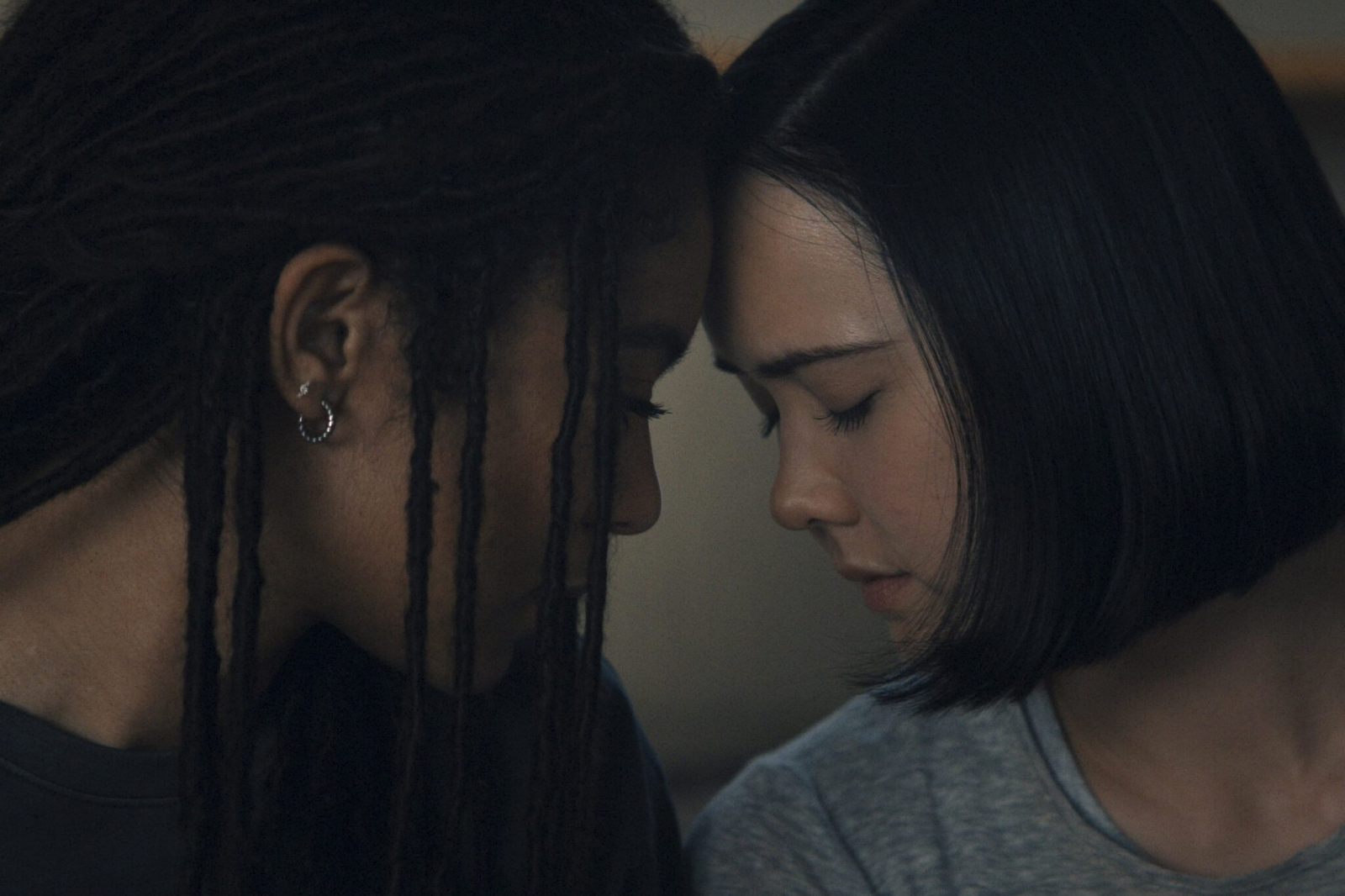
Which cannot be said about Jordan Li (London Thor and Derek Luh), who in the second season is connected to Marie by a love line. This storyline ends in the best traditions of the series of the conditional CW TV channel: stupid and superficial, and the character after that looks like a whiner – fortunately, there was no scandal, otherwise it would have been a circus.
Emma's (Lizzie Broadway) storyline also looks cut off: she meets new friends who help a little in the season finale, but that's it. As in the case of Sam, the heroine's psychological problems – around which her abilities were built – also simply disappear overnight: she begins to control her powers without any difficulty.
One of the problems of the first season of the project – an overabundance of 18+ scenes – is almost absent in the second. There are noticeably fewer such moments and most of them are appropriate: they create the right tone and remind the viewer in time what universe the series he is watching is in. The exception was, perhaps, one of the minor characters, whose abilities are simply disgusting – albeit funny.
All this leads to an obvious conclusion: the second season has somewhat declined, in comparison with the first: it has become more standard for superhero projects shows, although it is still high-quality – while losing the franchise's characteristic style, which, however, is not so bad: people have already begun to get tired of it.
From Spin-off to Original
With the start of the second season, a theory circulated online that Marie would become one of those who would overthrow Homelander, and the details revealed during the story, as well as the ending of the entire season, actually confirm this: the main characters of "Gen V" will certainly appear in the finale of "The Boys", – the fifth season of which will be the last – and will play a significant role there.
It will be interesting to see how they show themselves in the main story and how much the emphasis will shift in their favor – and whether it will shift at all. Here the authors are stepping on a fine line where it is very easy to make a mistake.
On the one hand, if Marie and the others have a big impact on "The Boys", it will make the characters of the main series helpless and will greatly affect the perception: these heroes have been on their way for many seasons and it will be a shame if the protagonist of another series completes everything – even if it is a spin-off that relied heavily on the main events.
But on the other hand, if the scriptwriters simply ignore all this, then the semantic value of the entire "Gen V" will tend to zero, which will make a good project a waste of time for viewers.
To get out of this situation, the author of the universe will have to come up with a middle option that closes both series well, completing the entire story, and, for example, passing the baton to Marie and the others as new superheroes, around which events will continue to unfold – but this is already fraught with "sucking out of the finger", as happened to the Marvel cinematic universe after "Avengers: Endgame".
Diagnosis
The second season of \"Gen V\" turned out to be controversial. On the one hand, the story became more complete, with a pronounced antagonist and a reason for the disparate protagonists to unite. There is less superfluous content in the series, and it looks more harmonious.
On the other hand, the plot of the project seems to forget about the problems it raised earlier, and some characters — especially Sam and Emma — change for the better literally with the snap of a finger, along with which some unique features disappear from the series.
The second season has less \"spice\": conflicts, social themes, ridicule. Even the \"agenda\" has almost disappeared from the story, which deprived the series of a unique feature, demonstrating all the \"plasticity\" of modern high society.
In fact, the entire season is needed to show the growth of Marie's powers, after which the protagonists are transferred to \"The Boys,\" while the further future of \"Gen V\" leaves many questions: the creator of the entire universe — Eric Kripke — stated that he has a ready-made plan for the third season, even though it has not yet been announced, which, it seems to me, is pure formality. Consequently, the franchise will live on, but what its quality will be — we'll see.
Never miss our newsAdd this site to your preferred sources to see us more oftenAdd on Google