This game has flaws - and that's great! The Outer Worlds 2 Review
The Outer Worlds 2 can easily be called a safe sequel to the "space Fallout" from the creators of New Vegas. It develops the formula of the original, without trying to reinvent the game, and does what Obsidian does best - it gives a bright adventure with wide variability and real scope for role-playing. But is this enough to justify the ambitions and consider The Outer Worlds 2 a step forward? Let's find out in our material.
This could have been a comparison with Mass Effect 2
In The Outer Worlds 2 (hereinafter - TOW2), you begin your journey as an agent of the Earth Board, sent with a squad to a research station in the isolated Arcadia system. The mission is to obtain data that would help explain the connection between dangerous rifts in space and the jump engines that provide interstellar travel.
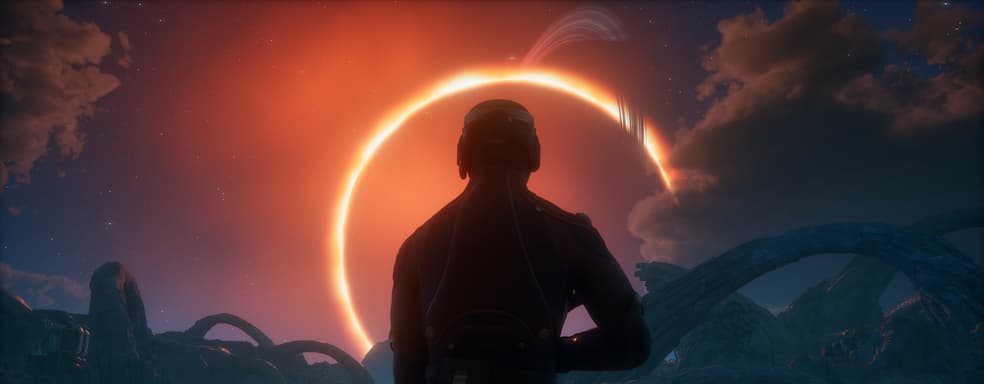
As usual, everything goes awry: there is betrayal, the station is destroyed, and the hero is sent drifting in cold space for ten long years, until he is found by another surviving crew member. Together they have to explore Arcadia, track down the traitor and sort out the complex conflicts between the factions inhabiting the system.
And also: complete what it all started for: unravel the nature of the mysterious rifts, go on a "suicidal" mission and at the same time, save the galaxy, the universe - underline as needed.
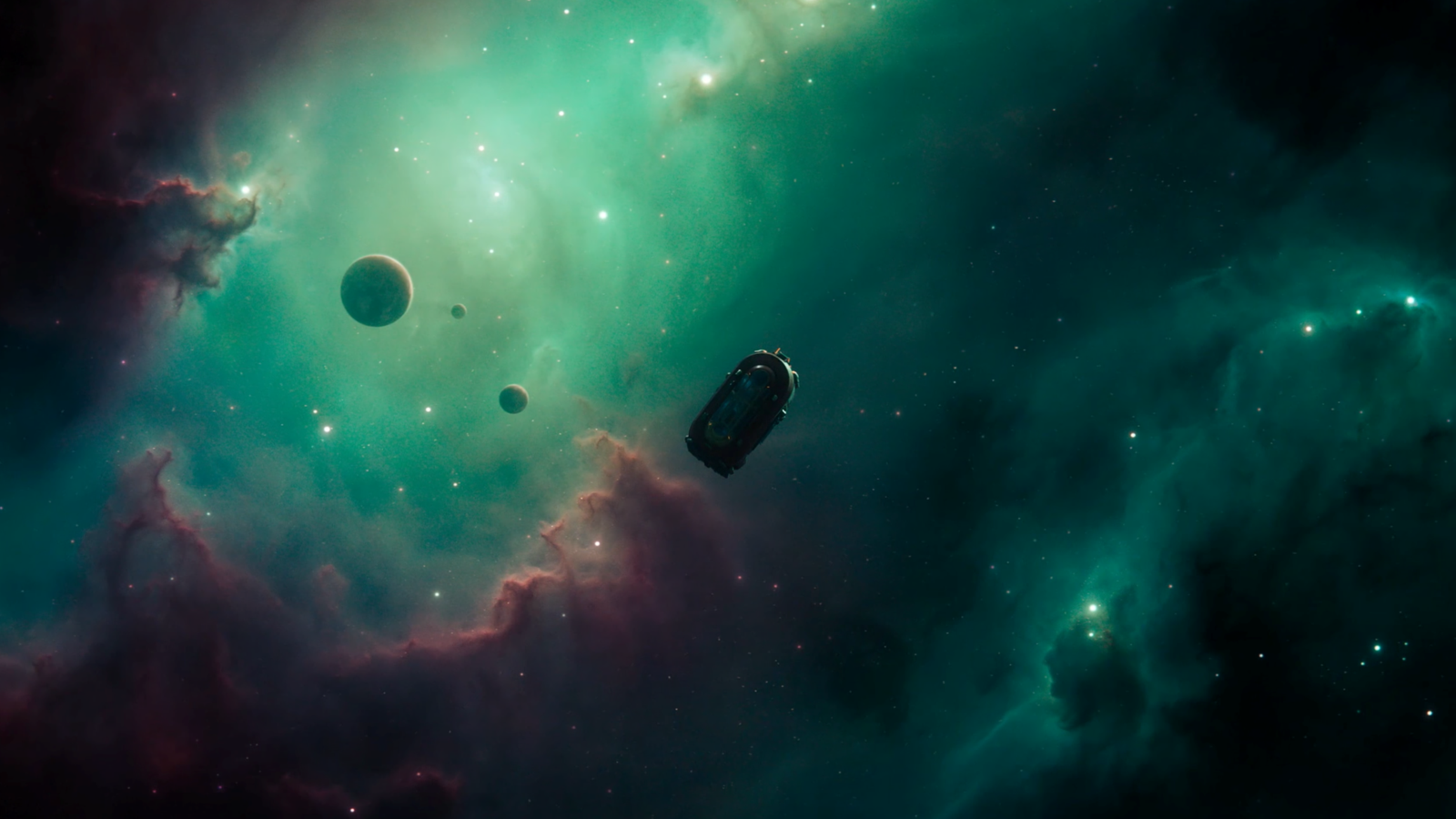
The adventure unfolds according to all the canons of a classic open-world role-playing game. We travel through planets and stations (read - through different biomes), complete tasks, interfere in factional showdowns - both between themselves and within their own circles - immerse ourselves in the lore and gradually unravel the tangle of events and motives behind the central conflict.
The pace of the narrative can be called habitually measured for the genre. After a brisk prologue, the game releases us to the first planet and slightly loosens its grip, allowing us to explore the world at our own pace, without rushing the main events. This, perhaps, is both a plus and a minus of TOW2.
On the one hand, there is enough variability, colorful characters and curious personal stories in each location. Special mention deserves the opportunity to complete some quests in advance - even before "officially" receiving them from the NPC. This creates a rare feeling of a living world and eliminates annoying backtracking, when you have to return to already explored places.
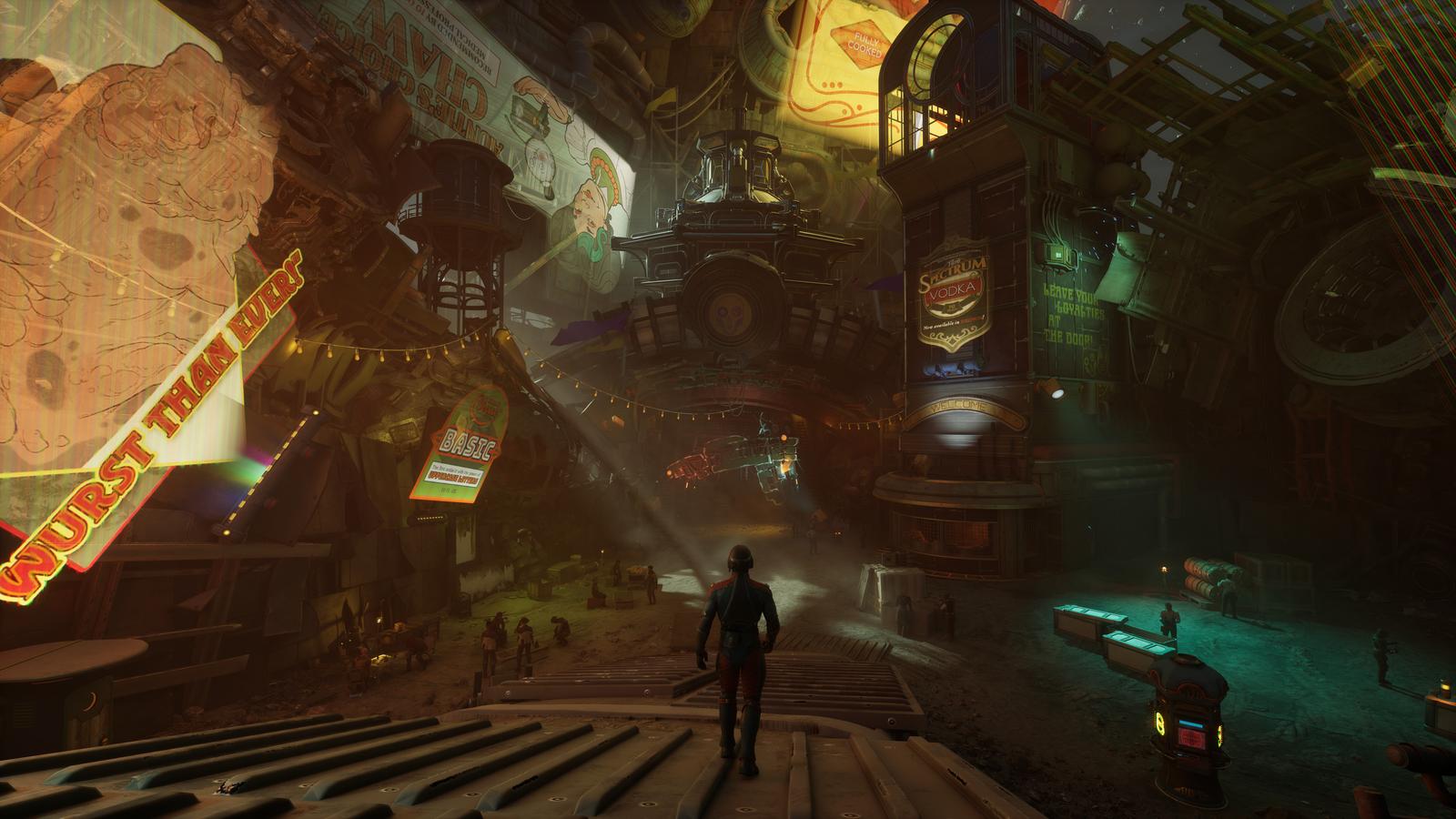
On the other hand, this impression quickly dissipates when you realize that most of the activity boils down to running from one quest marker to another, and there is absolutely nothing to do outside of them. You only need to look beyond the boundaries of the next task - and there is emptiness in front of you - without random encounters, events and organic discoveries. The world does not exist by itself, but as a platform for completing tasks, and this significantly reduces interest in exploration.
The main plot cannot be called predictable, but it does not become truly outstanding either. It rather plays the role of a motivator. At the same time, unlike the original, the story sounds a little more serious, and the satire, although it remains straightforward, no longer pulls the blanket entirely over itself.
As is usually the case in role-playing games, local stories sometimes hook you much more than the central line. The strength of the script here is not in intrigues and unexpected twists, but in how events are refracted through the prism of the player's choices and reflect the ideological clashes of factions.
Three chairs
Among the forces tearing Arcadia apart are three main players.
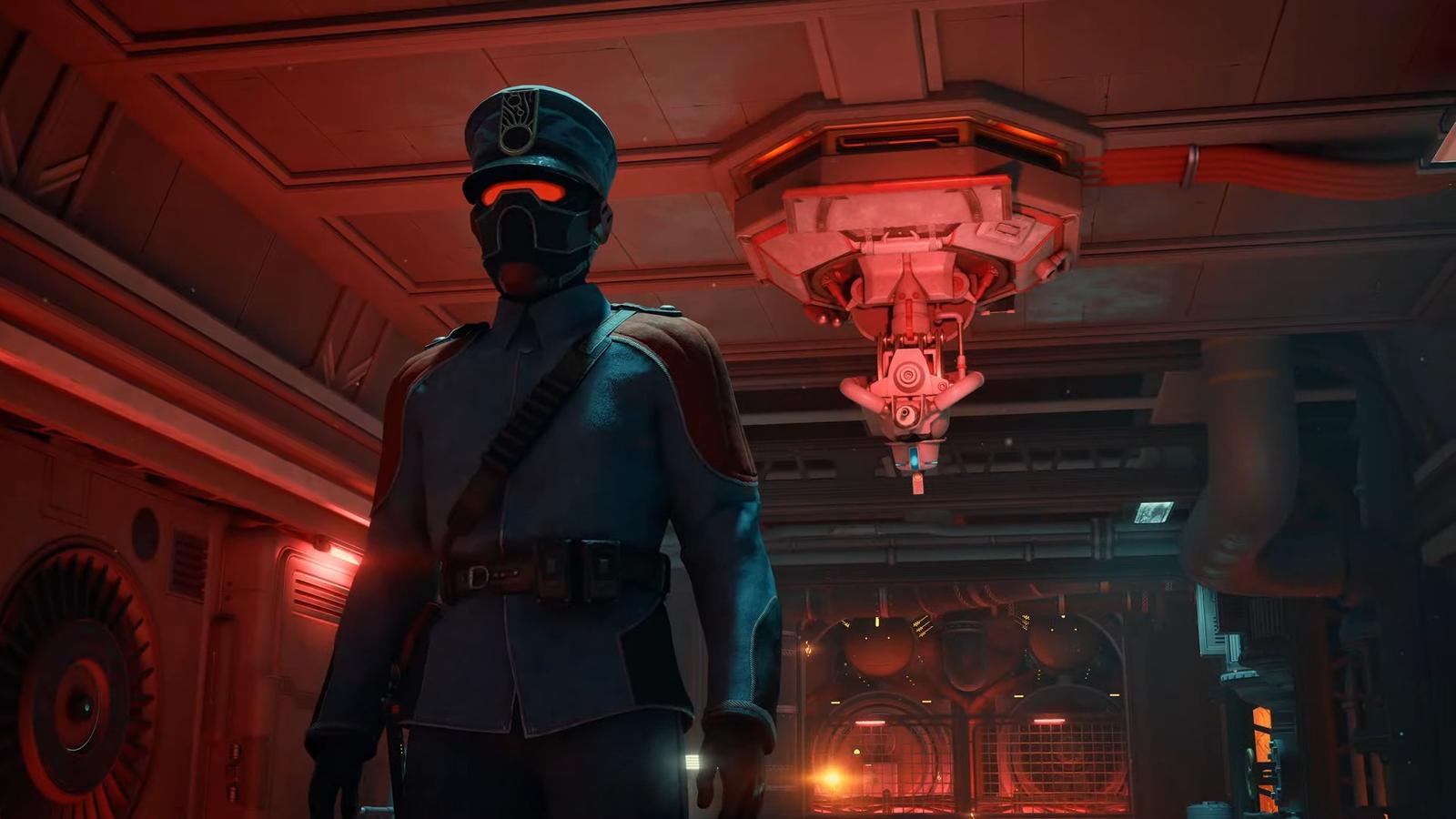
- "Protectorate" - a satire on a militaristic authoritarian regime with an ideology gleaned from Uncle Orwell.
- "Aunt Cosmos" - an ultra-capitalist corporation that arose after the aggressive merger of "Aunt Cleo" and "Just Cosmos", which hides a banal desire to put everyone on the meter behind good slogans about progress and prosperity.
- "Order of Ascension" - a quasi-religious community of scientists dedicated to rational thinking and the search for an answer to the main question of life, the Universe and all that - which, however, hints that in this world they have apparently not heard of Douglas Adams.
Each side looks at the problem of rifts in its own way: for some it is a threat, for others it is an opportunity. But, what is especially important, the conflict does not boil down to a banal confrontation between good and evil and does not turn into a simple tug-of-war, where everything is determined by the player's choice of which side to take.
As befits a good role-playing game, TOW2 allows you not just to observe, but to truly immerse yourself in the ideology of each of the parties, forcing you to doubt your own decisions and feel responsible for them. Internal conflicts play a significant role in this - including those that are revealed through the companions of the main character.
Comrades in the friend zone
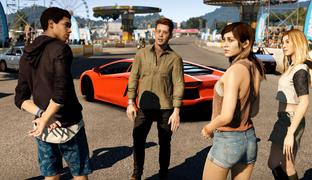
The hero will not have to travel through Arcadia alone. From the very beginning, he is accompanied by two partners - Earth Government agent Niles, the very one who saved the protagonist, and the drone companionValerie.
Niles sincerely believes in the ideals of the government and sacredly follows orders, but his zeal sometimes borders on naivety. Over time, he will have to grow up, facing harsh reality, and the player is able to directly influence his views.
Later, other companions join the team.
- Ines - a girl who survived the experiments of "Aunt Cosmos" on transplanting animal organs in order to create more "efficient workers".
- Marisol - an elderly woman associated with the "Order of Ascension". For her, mathematics is the highest form of morality, and if calculations say that someone must die, she does not hesitate.
- Tristan - a representative of the Protectorate with a hypertrophied sense of justice and blind adherence to the code, which often turns him into a righteous, but mindless executioner.
- Aza - a fanatical assassin from the cult of the "Glorious Dawn", convinced that humanity will be able to be reborn only by passing through the rift.
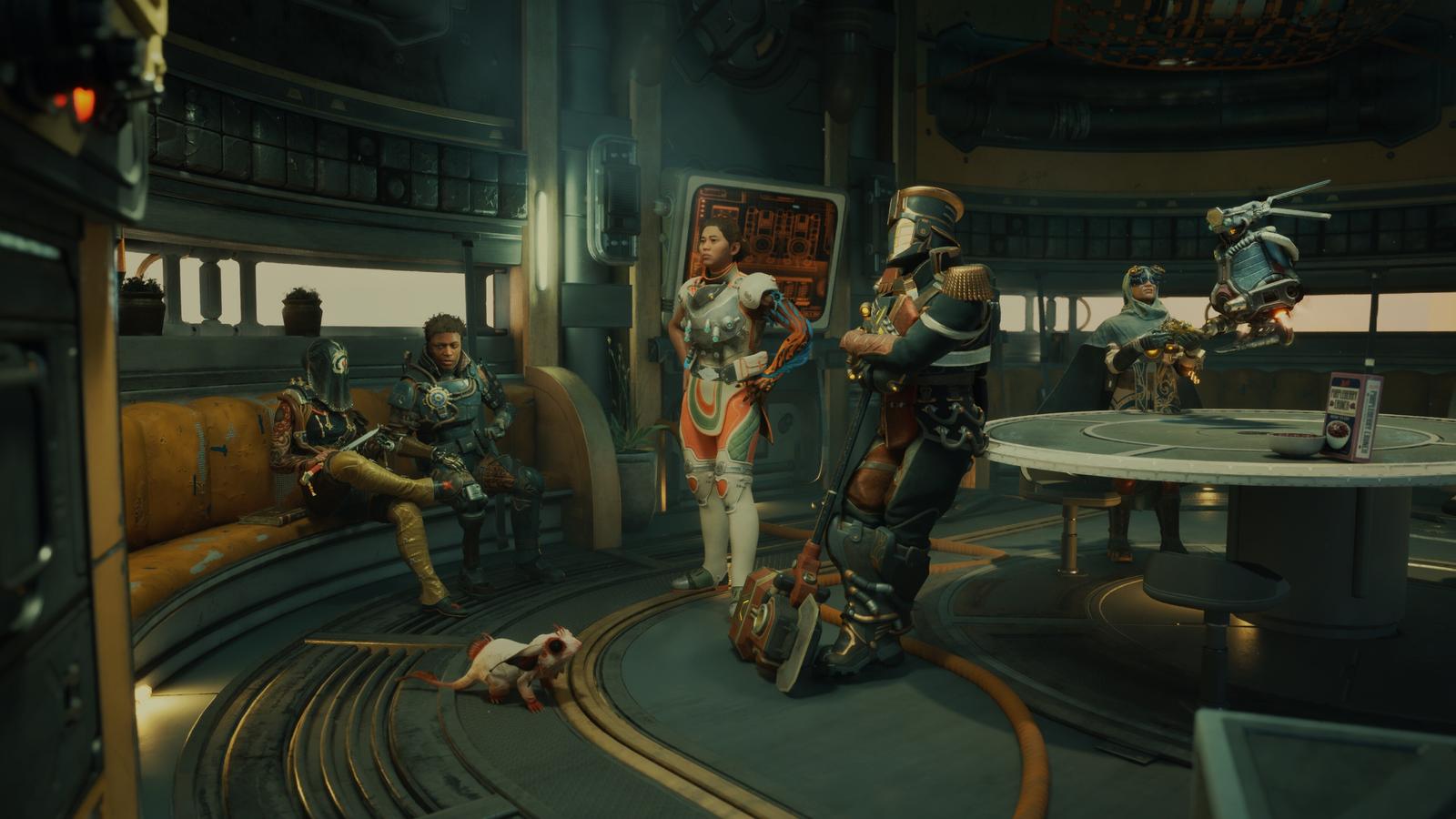
From a practical point of view, companions in TOW2 play the role of fire and technical support. Depending on the pumping, they can heal the player, impose effects on enemies, distract their attention and take fire on themselves.
At the beginning of the game, Niles is especially useful: in addition to support in battle, he allows you to create, modify and disassemble armor, weapons and consumables right in the field, without having to return to the city or ship. I carried him with me whenever I didn't need to complete quests from other companions.
You can take two active partners in the squad at the same time. However, by pumping a certain perk in the main character (more on them later), you can instruct the remaining ones to collect resources for crafting for the common good, while all the fun passes by them. Pumping companions directly depends on the completion of their personal tasks - and this is where the fun begins.
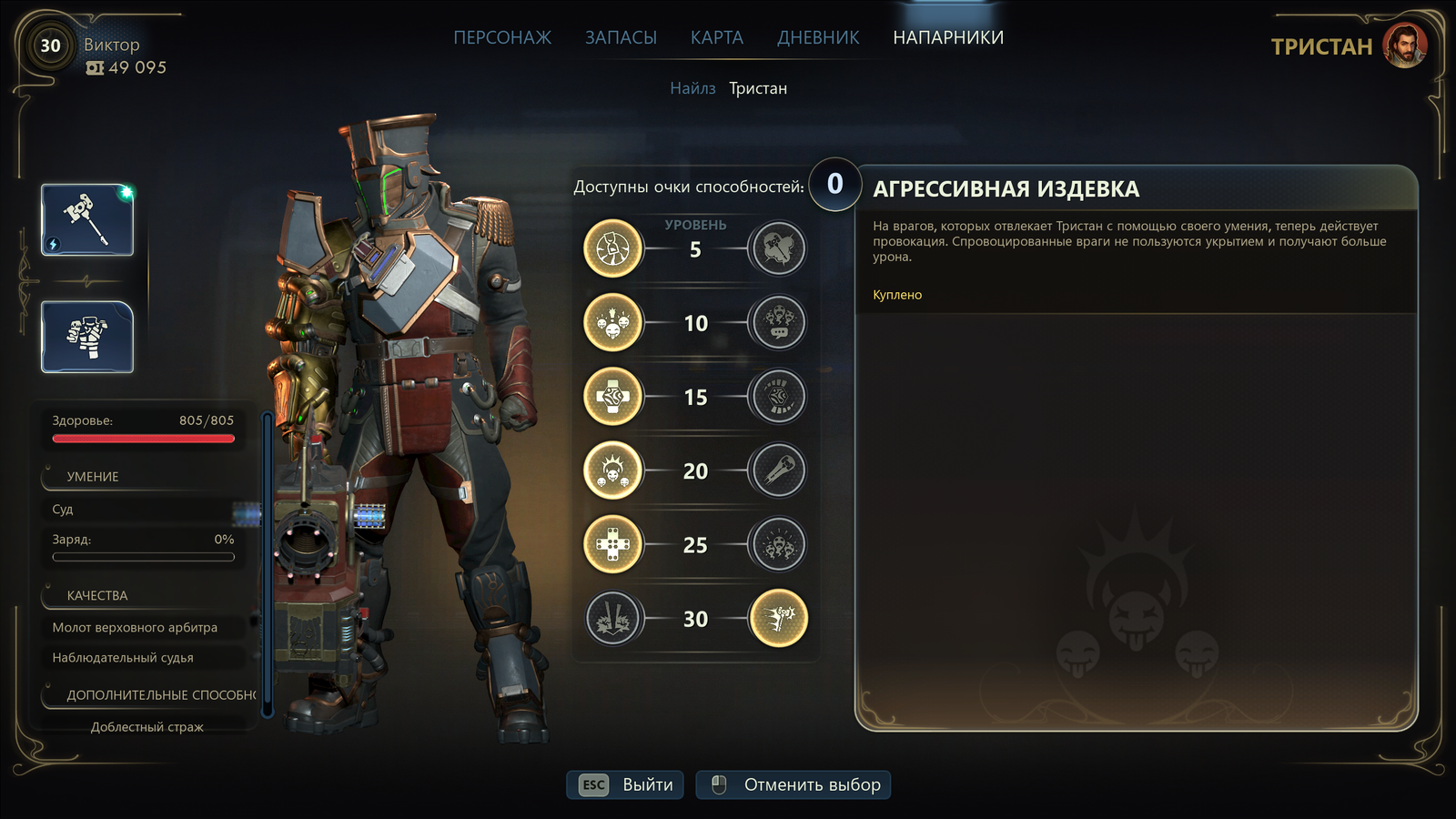
Personal quests not only reveal the character of the companions, but also affect the relationship with them, often intertwined with the main conflicts of the world. They have little impact on the central plot, but it is in them that the real depth of the narrative is manifested. Each character has their own story and motivation, and these tasks are some of the best in the game.
Almost every companion comes to a point where he asks you to make a choice that may go against your understanding of morality or the interests of the faction. Moreover, the consequences of such decisions do not disappear without a trace after the completion of quests.
For example, I once had a conflict with Niles because of a decision I made. First I was rude to him and ridiculed him - then he left the team. Later, I decided to replay the scene and, without changing the choice, tried to convince Niles that my actions were correct.
At first he was cold, but a few hours later, during another mission, he reminded me of our conversation and admitted that he now understood me. This seemingly minor episode became a powerful turning point - it is for such moments that companions in role-playing games should exist.
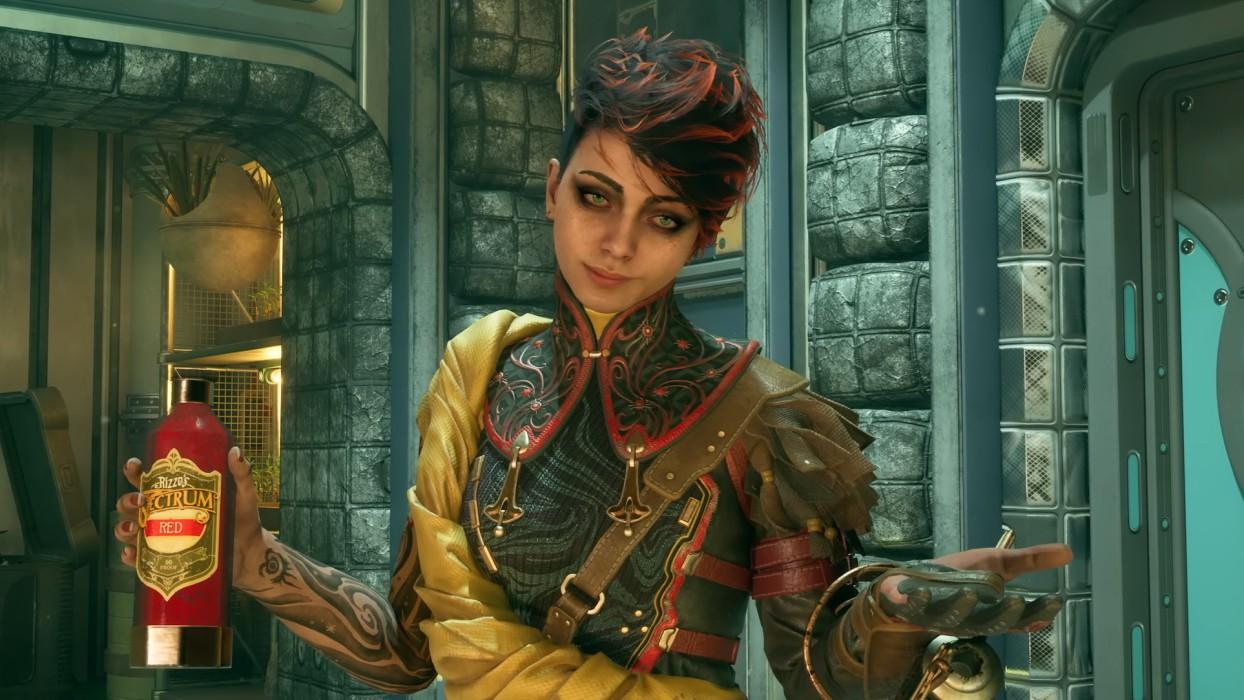
Of the minuses, it is worth noting that in another game from Obsidian there is no romance with partners - it is not in any form. However, emotional attachment is still formed through shared adventures and lively reactions even outside of personal quests.
Companions comment on the player's decisions, argue, exchange remarks with each other and can even gossip with you about other members of the team. Sometimes they become full participants in dialogues: at such moments, you can allow the companion to speak on their own or interrupt them, taking the initiative.
Representatives of factions also react to the composition of the squad. The Protectorate is not too happy to see people from "Aunt Cosmos" in their cities, and the ministers of the "Order of Ascension" distrust former officers of the Protectorate. In such situations, you can leave the problematic companion on the ship - or get a weapon and solve the problem in your own way. It all depends on the player, and, perhaps, it is in this freedom of choice that lies the main thing for which TOW2 should be appreciated.
Attractive flaws, significant advantages
All this variability and freedom of decisions do not arise out of nowhere - they are responsible for the qualities, skills and abilities of your character. The system of creating and developing a hero in the second part has undergone significant changes, becoming both simpler and deeper. For example, there are no attributes - basic characteristics, such as strength or intelligence - at all, but this is only the beginning of the differences.
After customizing the appearance in the local mediocrity generator, as one of my friends aptly put it, the game asks the main question: why did you join the ranks of the Earth Government at all?
There are six options for backstory to choose from - from a former prisoner who saw this as a chance to achieve pardon or escape, to a handyman who himself does not really understand what he got into. I chose a professor who decided to embark on this adventure for the sake of science.
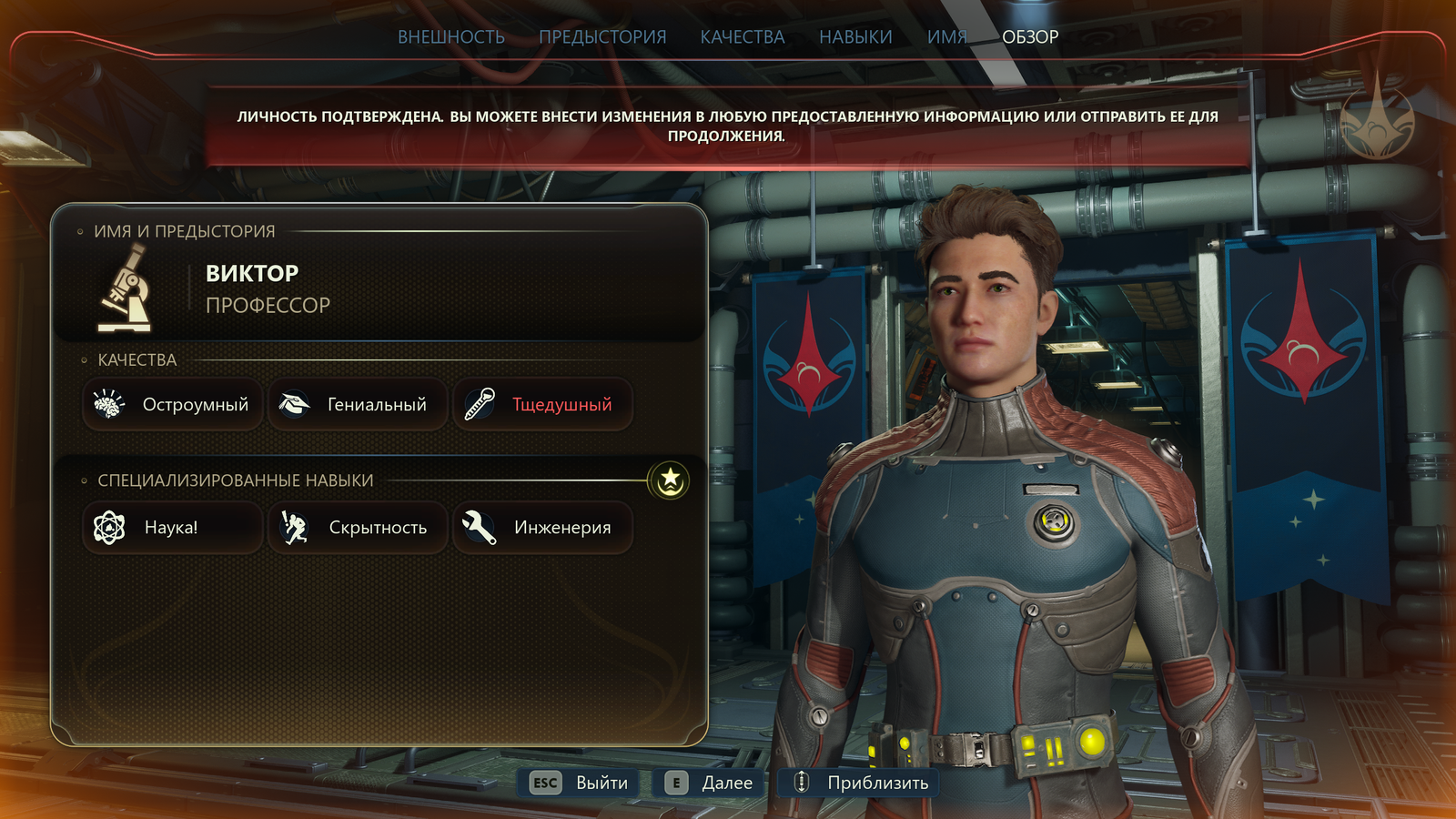
Then comes the turn to choose the qualities with which we endow the character - from the ability to ram opponents to wit, which allows you to maneuver between three chairs with the help of verbal acrobatics and prevent the reputation with factions from falling below neutral.
You can choose only one quality without consequences, but I decided that it was not enough for a professor to be just brilliant, so for two positive ones I had to pay with one negative one. The hero can become rude, stupid or puny.
The first two are not very suitable for a professor, but puniness, which reduces the health reserve and the threshold of intoxication, is just right for a "stuffy" nerd.
Well, finally, it's time to choose the starting skills. Everything is classic: we determine who we want to be and distribute the first points between engineering, hacking, science and many other disciplines. You can choose anything you want - each skill really affects the passage.
Some open alternative routes and ways to achieve the goal, others give new information, others - additional lines in dialogues. And yes, even the ability to handle firearms sometimes opens up very unexpected opportunities.
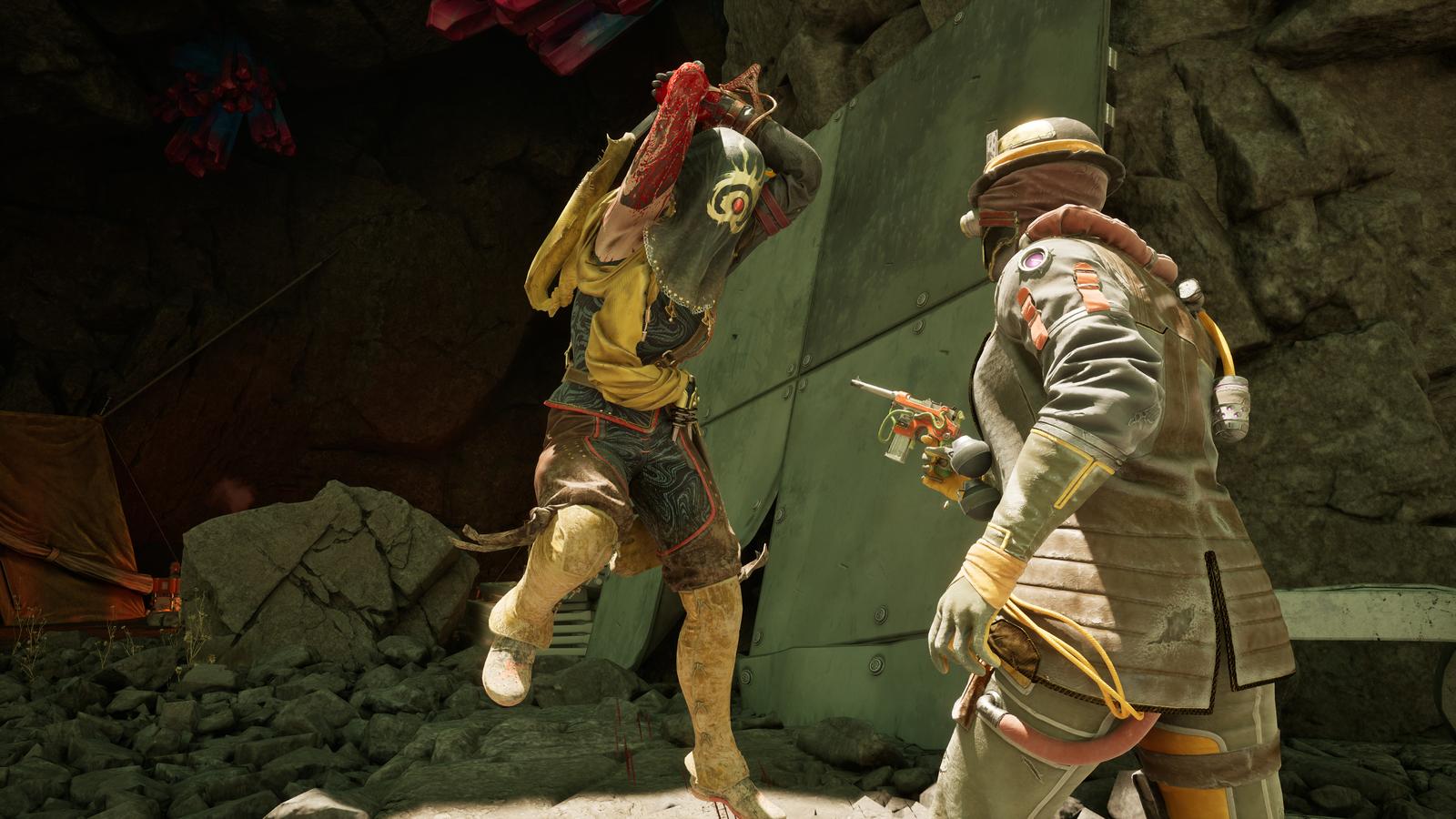
Skill checks work according to the classic scheme: the fifth level of engineering is required - which means that you will not open the door with the fourth, even if you crack. In the process of the game, you will often come across safes, terminals and locked doors for which there are not enough skill points, but you will definitely find something that your build can handle.
At the same time, in locations where key quests unfold, there are always several ways to achieve the goal. You shouldn't worry about the lack of pumping - a way out will be found.
Somewhere you can persuade, somewhere you can bribe, somewhere you can sneak in stealthily or pull the key right out of the NPC's pocket. In one case, dexterity and ingenuity will help, in another - a sniper rifle.
TOW2 constantly reminds you that you are not locked within one solution: even if the game slams the door, it leaves a window. And if it closes it too - a good portion of explosives will always help.
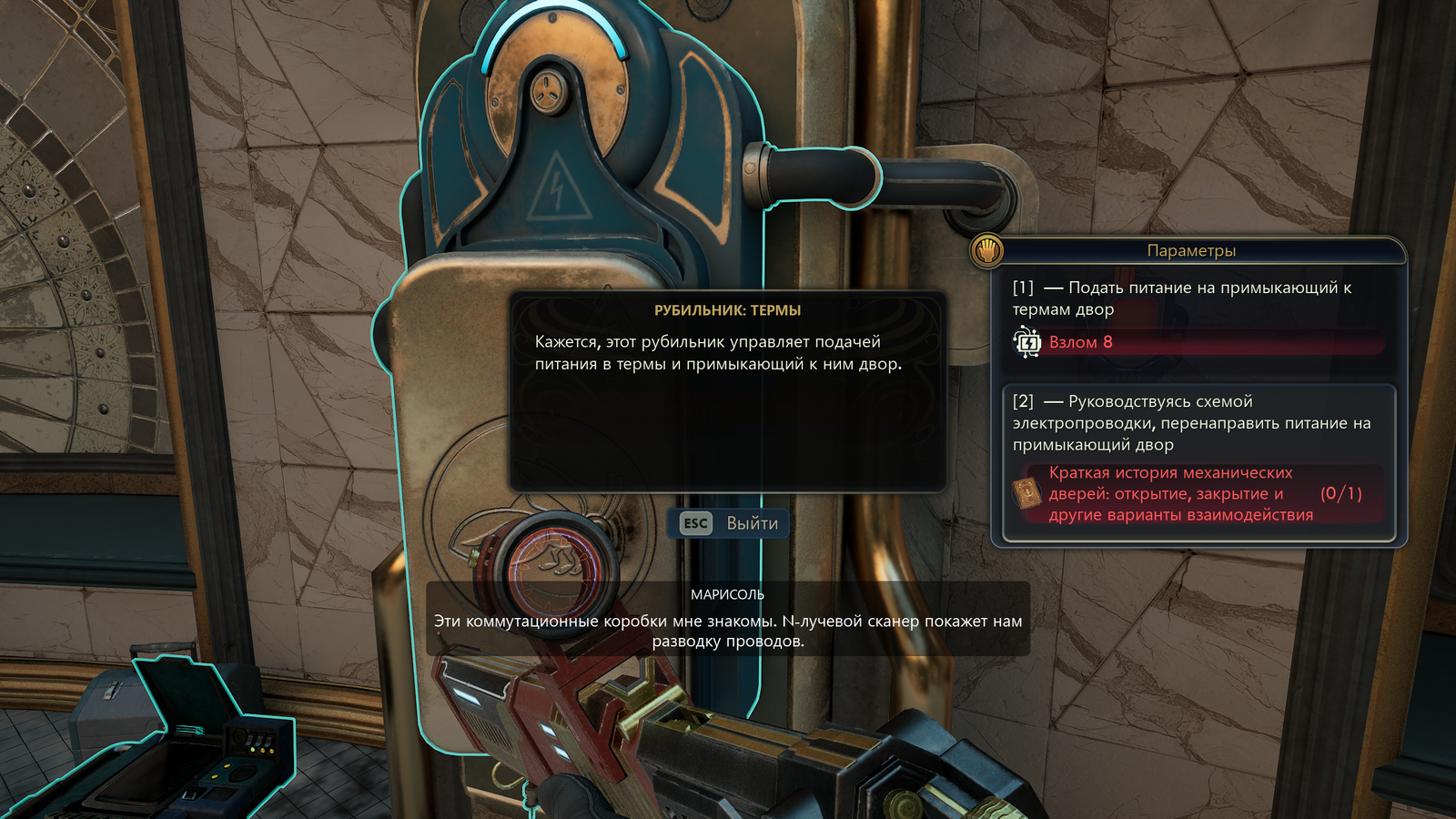
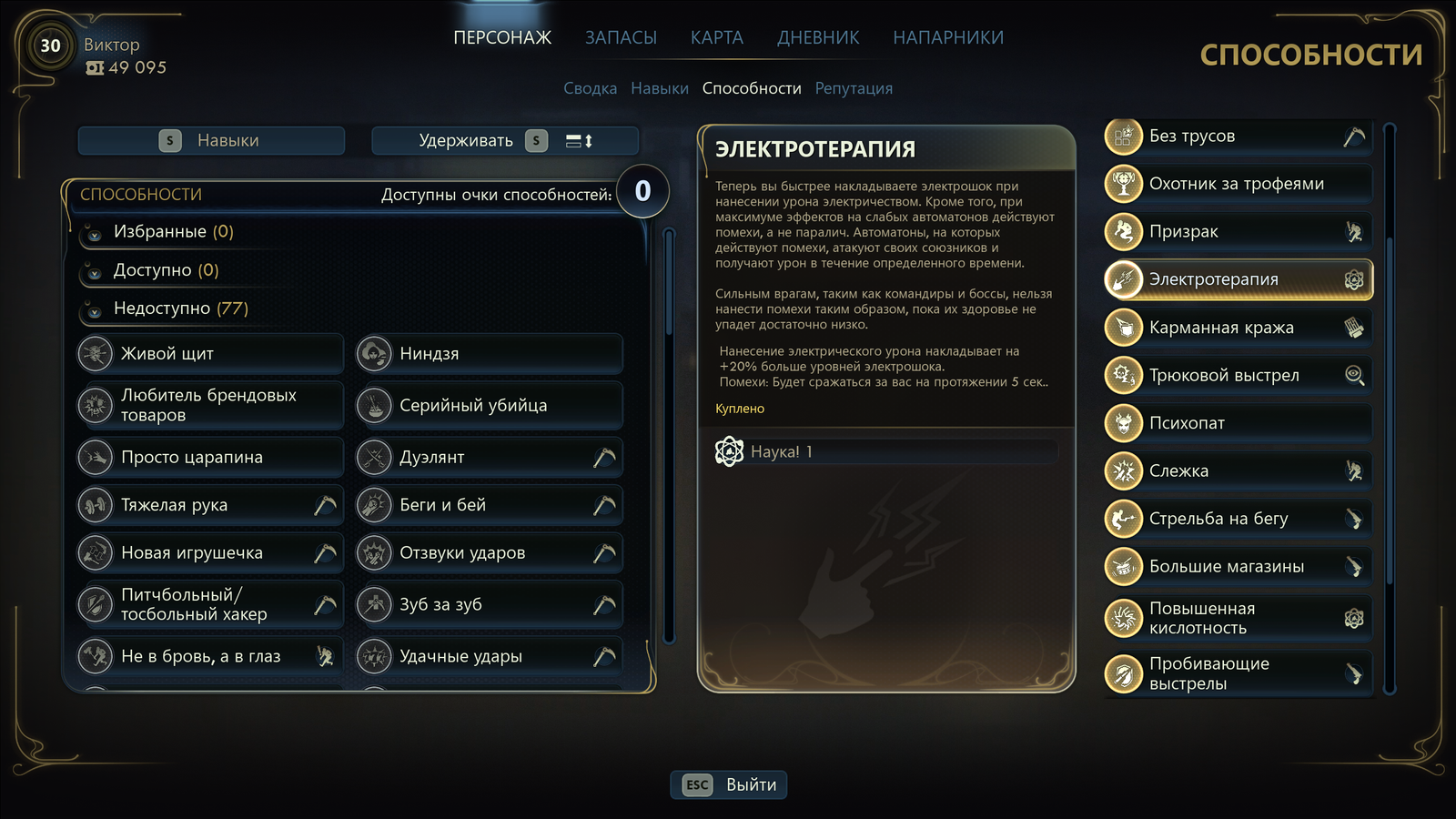
In addition, certain levels and their combinations open up unique abilities that really make the hero yours. Listing all ninety-two is a hopeless task, so it's easier to explain the principle with examples. By pumping "shooting" and "observation", you can open the "marksman" ability, which increases damage to distant targets.
Developing "stealth" and unlocking "contract killings", which increase speed after a silent elimination of an enemy, you will get "surveillance" - an ability that enhances a hidden attack on an enemy who is looking for you or examining the body of an ally. There are also more exotic options - for example, "demolition man", which allows you to avoid damage from explosions, or a whole group of abilities tied to addiction to medicines.
The main "dish" is flaws, or shortcomings. There are fewer of them in the sequel, but each one is noticeably more weighty: now they not only impose a penalty, but often give a side positive effect.
For example, the notorious "knee crunch", which appears if you sneak too often, not only attracts enemies, but also increases the speed of movement while squatting. And addiction to medicines reduces the effectiveness of treatment, but at the same time reduces damage from intoxication. This system encourages experimentation and turns weaknesses into a full-fledged gameplay tool.
At the same time, it is not necessary to take flaws - you can refuse any of them (unless, of course, you have chosen a feature that prohibits this).
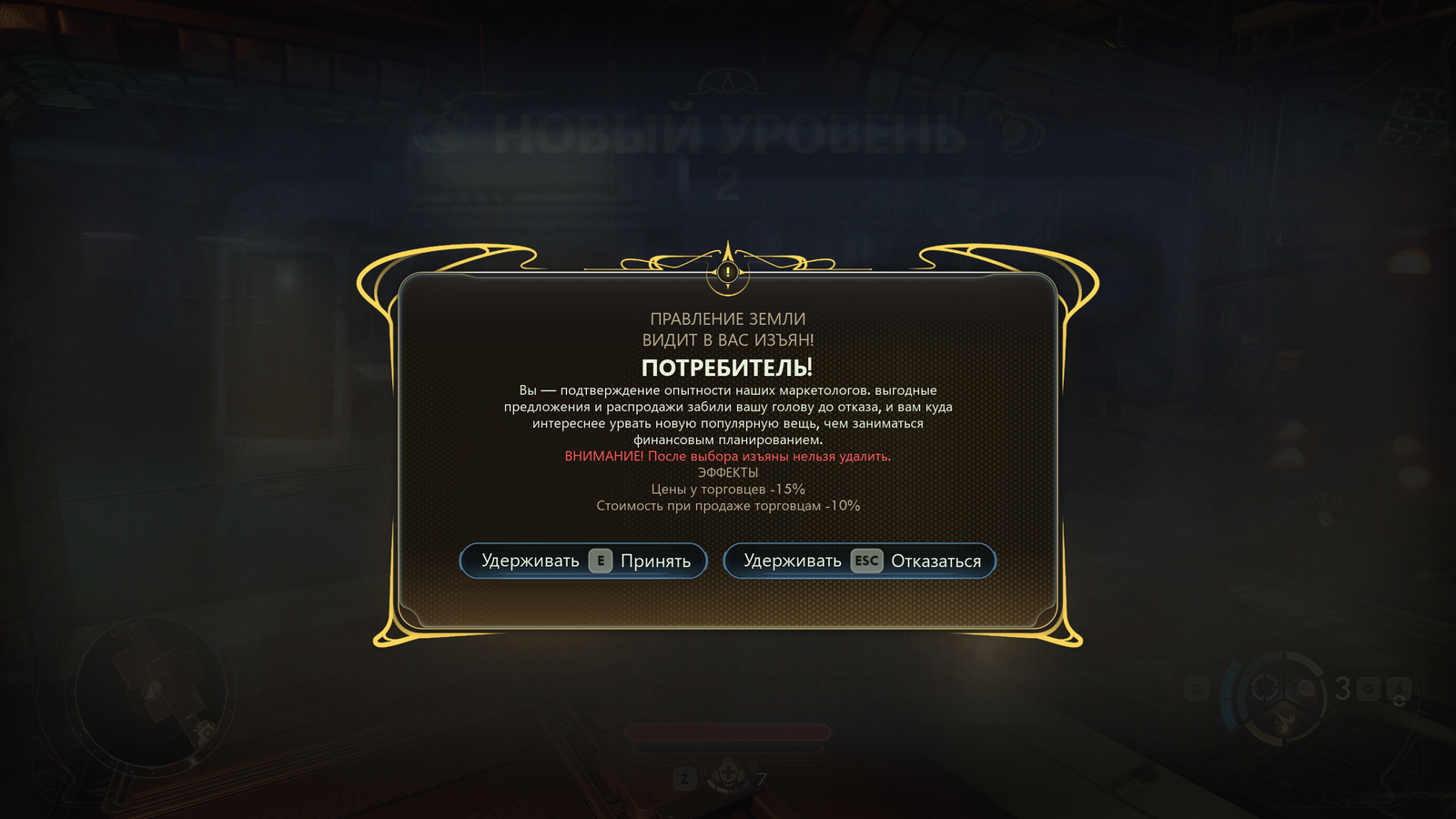
There was also a place for jokes about the players themselves. Those whom Microsoft managed to "warm up" for the deluxe edition with early access will be met by the flaw "Consumer", hinting that marketers managed to make you pay more for the game than you would like. This defect reduces prices from merchants, but you will also be able to sell them something cheaper than usual.
Of course, the effects of abilities and flaws can be enhanced with equipment and weapons, of which there is more than enough here - albeit not on the scale of Borderlands 4.
For example, you can wear a firebug suit that restores health while standing in the fire, or armor that replenishes ammunition when you take damage, as well as a helmet that heals depending on the amount of ammunition in stock.
In combination with weapon modification, which blocks half of the incoming damage, perks for survivability and bonuses from allies, this kit turns the hero into a living tank. In it, you can just stand still and watch as the companions deal with the enemies.
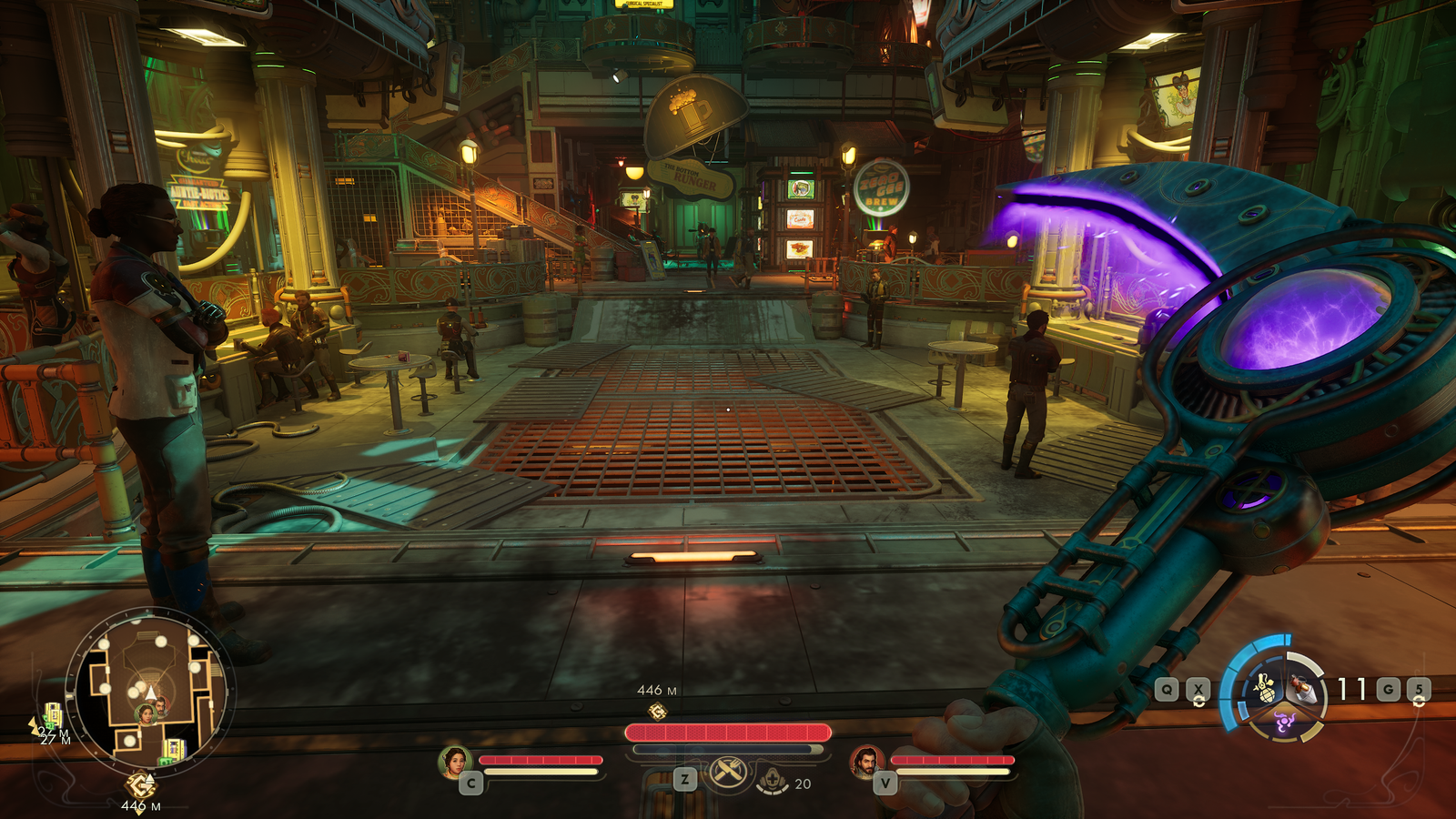
Yes, weapons and armor can be modified - change the type of ammunition, increase protection, hang silencers and give equipment new passive effects. It's easy to get lost here, experimenting with builds, but it would be even better if they allowed you to change them at least a couple of times during the passage.
The project has an exorbitant replayability, but it is difficult to try different builds within one campaign: points invested in skills and abilities cannot be redistributed. And this is sad - regardless of how flexible and, in a good way, crazy the synergy between all these elements can be.
Returning to weapons - shooting in the sequel has really been improved, and now you get real pleasure from it, especially if you play with a gamepad. True, everything again rests on the chosen specialization.
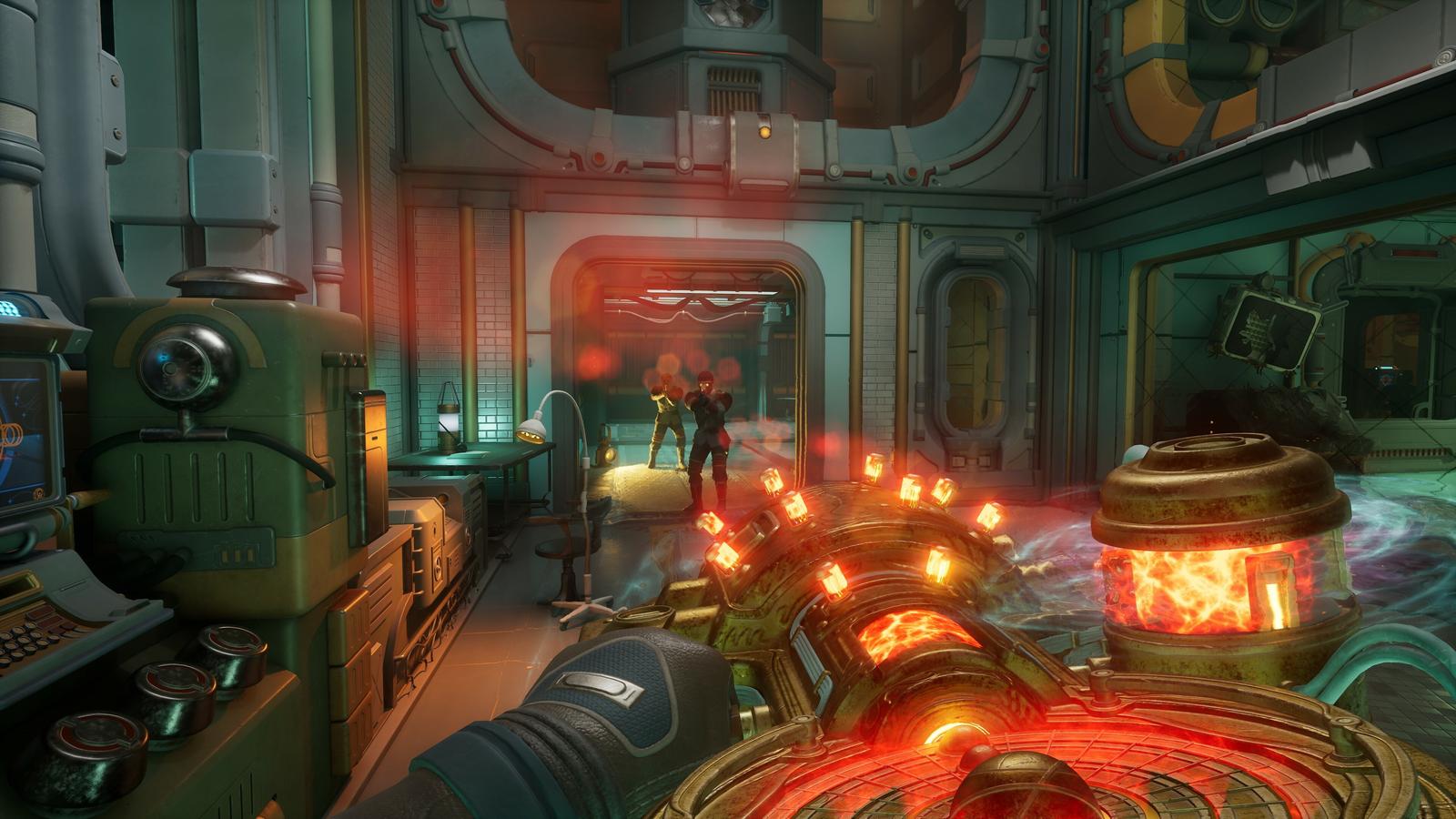
The arsenal is impressive: from futuristic, but familiar pistols and machine guns, to truly crazy samples - like a reducing pistol, a blaster that shoots tumors (which, by the way, can be eaten to heal - ew!), and a spam gun that releases exploding advertising drones if you try to press "skip ad".
However, the effectiveness of each type of weapon is still limited by your pumping. It would seem that the game does not introduce weight restrictions - you can carry with you at least the entire arsenal of the galaxy and a ton of ammunition. Equipment does not require an upgrade: picked it up from the floor - and ready to go.
But you won't be able to pump everything: the maximum level of the character is limited to the thirtieth, and this is only fifteen points of abilities and thirty skills. Investing only in firearms means missing out on a lot of interesting combinations.
In addition, the impression is slightly spoiled by problems with balance and a couple of other roughnesses. They should be discussed separately.
Unobvious and incredible
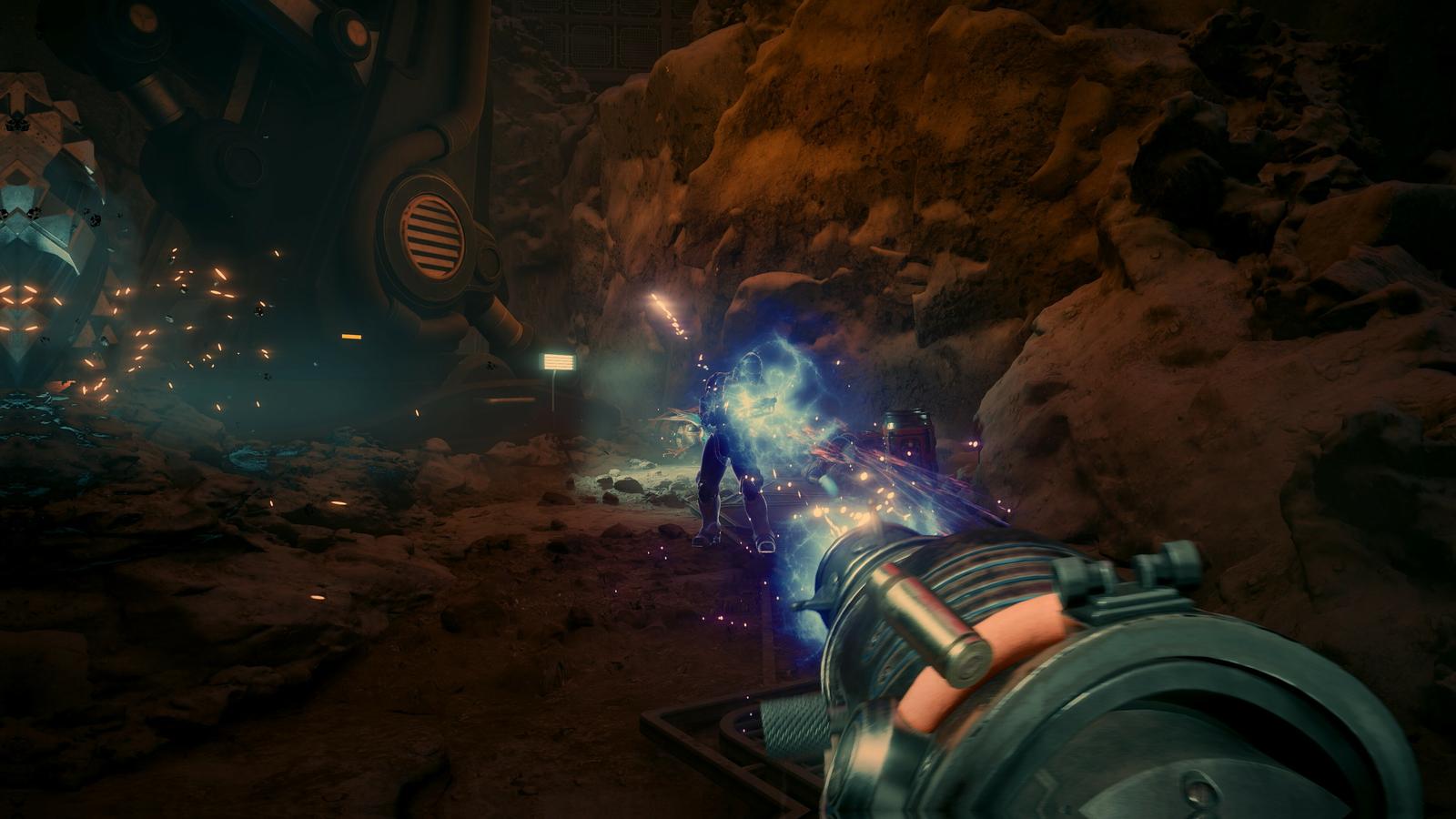
Continuing the "combat" theme, it is worth mentioning a rather strange difficulty curve. At the beginning, you can play anything and in any way - opponents fall at a comfortable speed, and the hero feels confident even without special training. But a few hours pass - and the situation changes.
Enemies begin to turn into sponges for damage, and without investments in defense, the main character, on the contrary, folds in two counts. This is that rare case when I had a burning desire for the game to have autoleveling: now it's too easy to become a hostage of your own build.
Initially, I planned to go through the game exclusively stealthily, focusing on knowledge and diplomacy. However, at some point, although my stealth was pumped the most, the enemies stopped dying from one accurate blow from the shadows - all because I stubbornly did not want to invest in melee combat. I had to master firearms a little to speed up the process.
As a result, my scientist-spy retrained as a stealth sniper with an electric arsenal. That's how I went through - crawling in the shadows, shooting at heads and mentally apologizing for not being able to arrange Dishonored.
Although, in fairness, the level design in TOW2 contributes to this. It is not a masterpiece, but it is definitely good: the routes are thought out, stealth works (with an eye to pumping), and the ability to combine approaches makes each mission flexible and exciting.
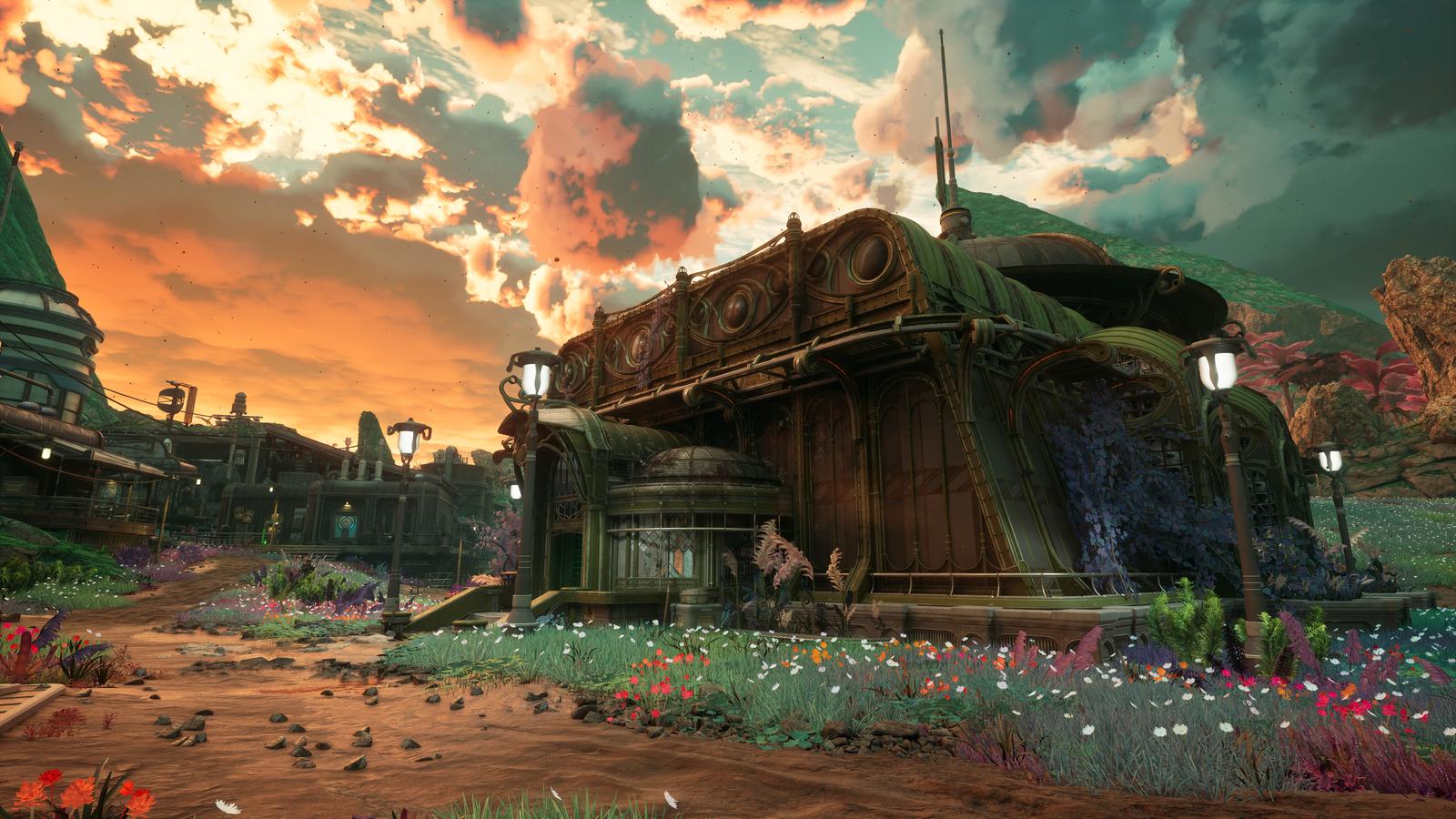
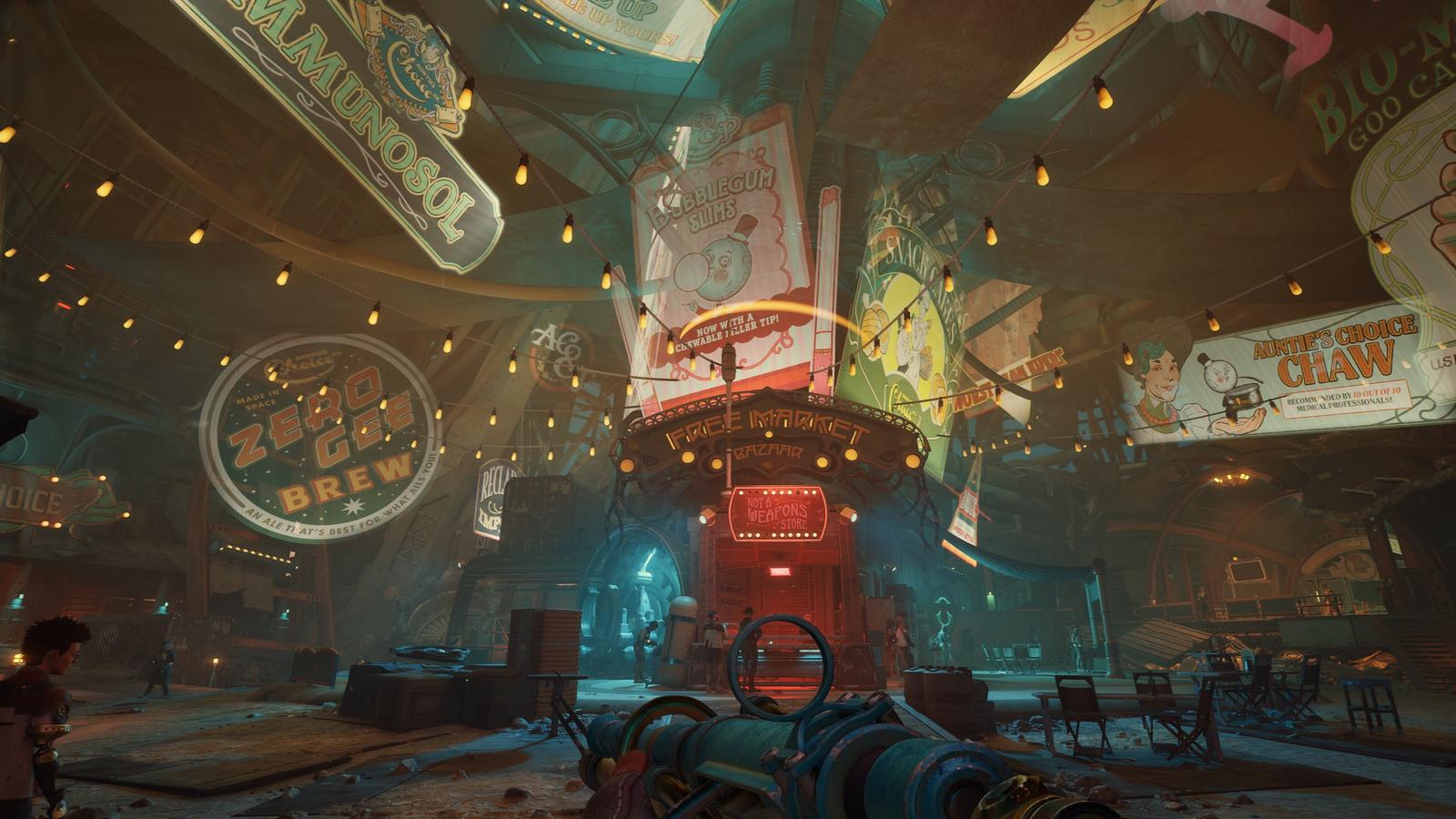
But the same cannot be said about the visual style. It is, to put it mildly, eccentric here. Sometimes it seems that a child who was given a coloring book and a box of felt-tip pens was responsible for the art direction. He honestly tried, but in the end he painted everything in different colors, without thinking about harmony - at least at the level of Itten's color wheel, combinations of shades and composition. And certainly without regard to the fact that someone will have to look at this for dozens of hours.
On the one hand, this palette gives the game recognition - it cannot be confused with anything. On the other hand, you get tired of this motley pretty quickly. Personally, I liked the locations with a calmer color tone the most - the snowy Abode, devoid of flashy accents, and Praetor, where blue and orange shades prevail instead of pink and green, as, for example, on Eden.
I literally breathed a sigh of relief when the first two planets were left behind, although side quests still force you to return there from time to time.
At the same time, individual interiors, on the contrary, are striking in their taste and attention to detail. Scientific laboratories, bars and residential areas combine elements of retrofuturism and art deco - it looks organic, sometimes no worse than in some Bioshock Infinite.
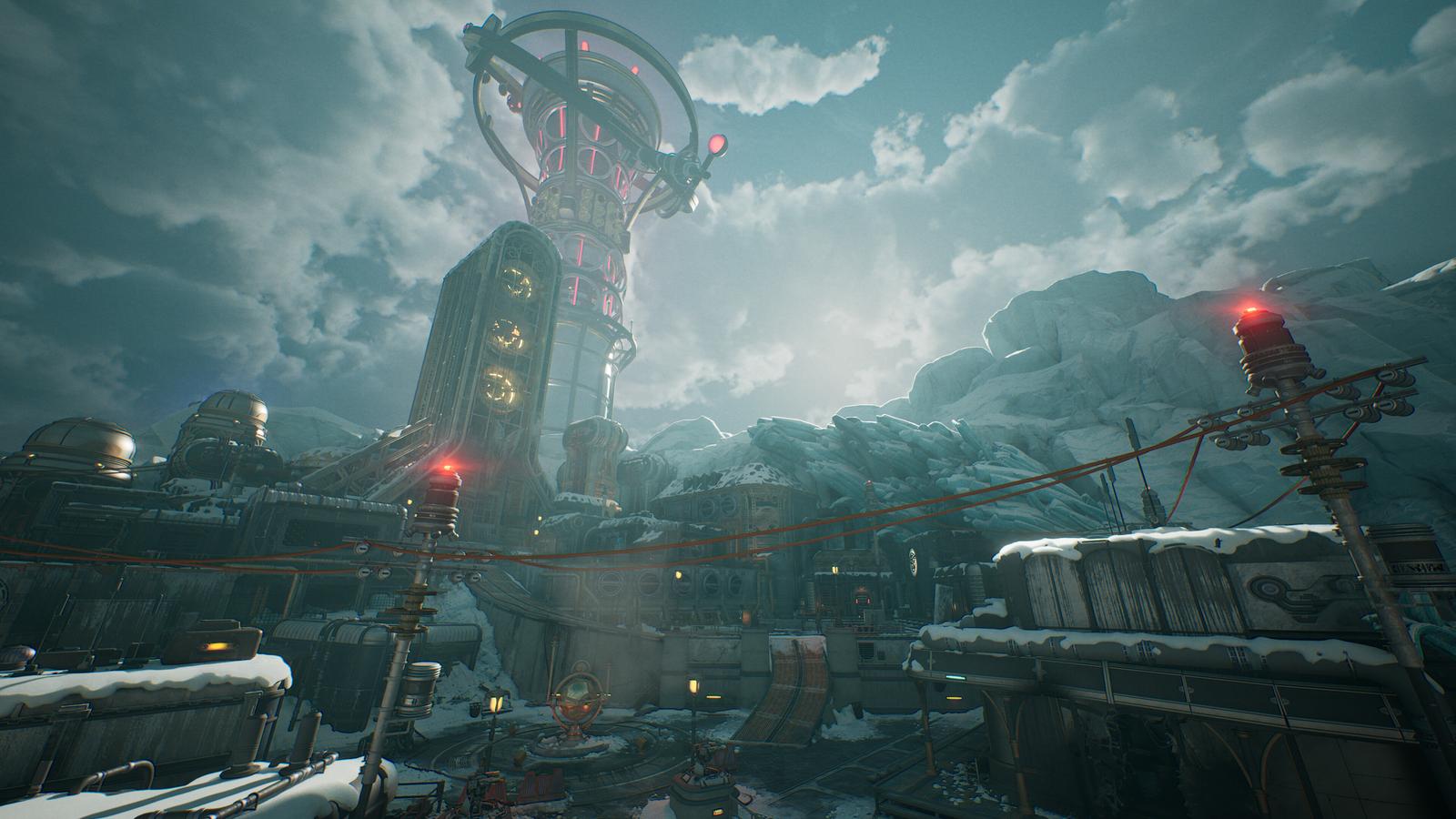
Nevertheless, it is clear that the game is frankly inexpensive, although it costs as a full-fledged AAA. The textures are not always clear and detailed, the opponents are almost the same: people, robots and beetle-like creatures that shoot plasma on one planet, and cobwebs on another.
The developers actively promoted the third-person mode, trying to attract an audience that ignores role-playing games from the first. And... The game only looks worse in it. With this camera, TOW2 begins to resemble an even more budget "eurojank" like Tainted Grail: Fall of Avalon, for which, to its credit, they ask for only one and a half thousand rubles - and this automatically encourages you to forgive many flaws.
In TOW2, I can recommend this mode only for builds with an emphasis on melee combat - and this is we are still considering a "working" game in a vacuum. I don't know what version you will find on release, but I, as the owner of the premium edition, was also waiting for bugs and visual artifacts.
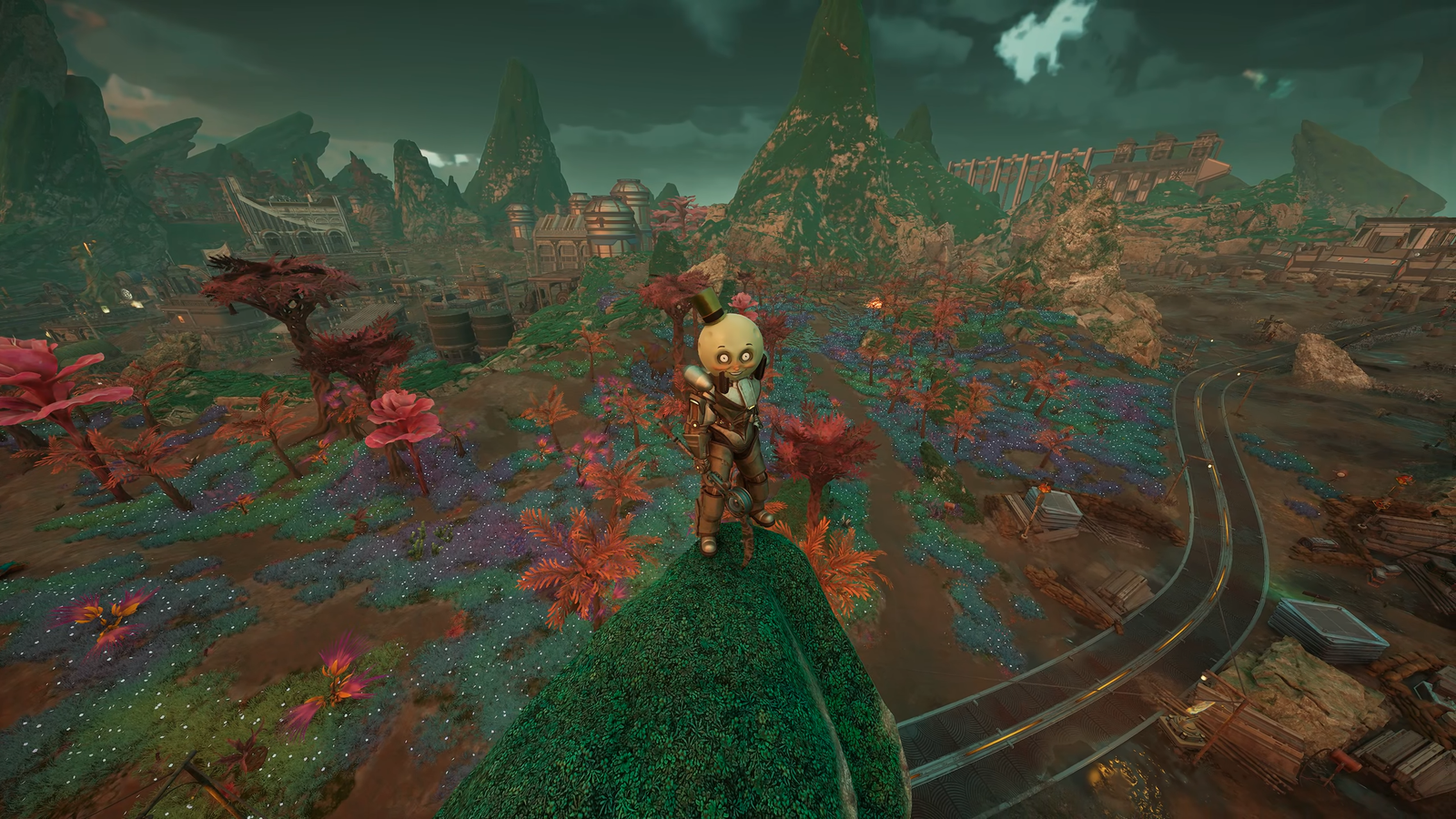
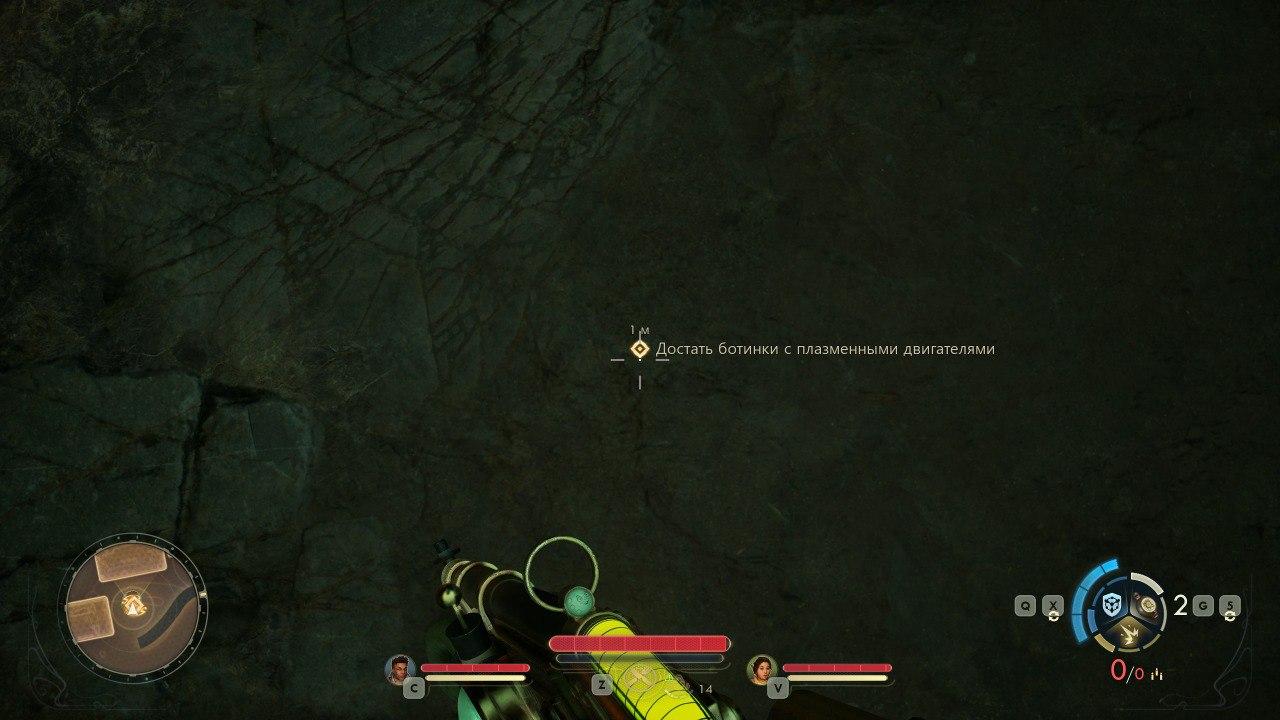
To begin with, I had to replay four hours of the game, because the NPC, who opens the ability of a double jump, fell under the textures. I found out about this too late - which is logical, because I just didn't see him. At that moment, I did not understand whether it was possible to complete the game without this mechanic, so I calmly (after I burned out so much that I did not want to play at all, but still told myself: "okay, this is Obsidian - I forgive") went through everything again, already at an accelerated pace.
In the future, there were no more such serious bugs: for forty hours I got stuck in textures a couple of times and caught two crashes. After that incident, I saved literally after each dialogue and eventually filled all one hundred available slots, but I was no longer afraid of technical problems.
Well, of course, what review of the game on Unreal Engine 5 does without complaints about optimization. On RTX 4070 Super, TOW2 works slightly weaker than "well" optimized projects on UE5.
In native 1440p at maximum settings without ray tracing, the game somehow holds 40-45 frames. With ray tracing enabled, only DLSS in "quality" mode provides stable 60 fps. At the same time, without RT, the same mode gives about the same 60 frames, only occasionally approaching 70. The problem is that there are oddities in the operation of the "very high" preset and ray tracing itself.
Ray tracing adds softness to light and shadows, but creates noise on darkened surfaces, reminiscent of "white noise" on old TVs. This problem is most noticeable at "very high" settings.
The difference in performance between "very high" and "high" is colossal - about 30 frames, regardless of the mode. On "high" I get about 70 fps in native 1440p and up to 100 - with DLSS in "quality" mode. The picture does not look worse, there is less visual noise, and the funniest thing is that even with ray tracing on "high" you can achieve stable 60 frames in native resolution.
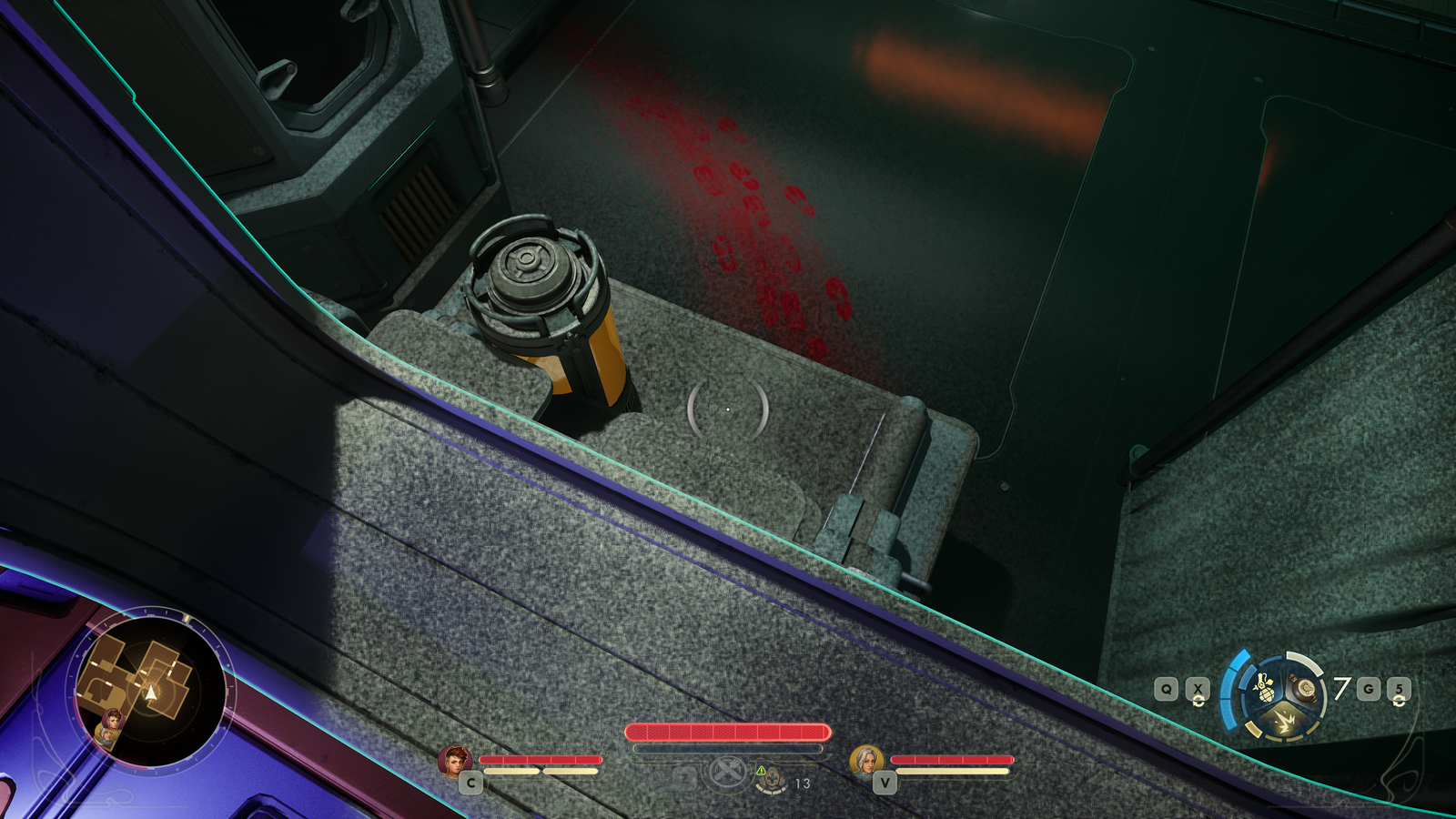
And finally, it is worth noting that closer to the middle of the game, there were more and more locations where my 100 fps suddenly turned into twenty. The game began to stutter so much that the frame rate dropped to three to seven. Moreover, this happened not in the open world, but exclusively in corridor locations - buildings and laboratories.
Only a reboot saved: after it, it was possible to rise at least to forty and pass the problem place. While I am writing these lines, the game has already received an update weighing a dozen gigabytes, but additional hours of tests have shown - the above problems have not gone away. I hope that after the official release "for everyone" your technical experience will be better. Although... this is a role-playing game from Obsidian. What am I talking about? He-he.
Diagnosis
The Outer Worlds 2 turned out exactly as expected. This is a fascinating role-playing game that justifies the genre affiliation one hundred percent. It gives a bright adventure with interesting stories and characters, giving the player enough freedom so that everyone can live it in their own way.
At the same time, this is a classic, "safe" sequel that does not reassemble the mechanics anew, but only corrects the weaknesses of the original and adds a little more - in terms of the plot, which has become a little more serious; the world, which is elaborate and large-scale, albeit with reservations; role-playing, development and combat system. But, hand on heart, it is difficult to call it a real step forward for Obsidian Entertainment. You have already played this game - first, when you launched Fallout: New Vegas, then, when you played the first The Outer Worlds. Rather, it is a skillful restoration of familiar ideas.
But is this enough to compete for the title of the best role-playing game of the year? I know at least one guy from the Czech Republic who will disagree with this.
Nevertheless, this is one of the best works of Obsidian in recent years, so fans of the genre and the studio should definitely not miss it. Unless, of course, you are repelled by the visual style. Perhaps the game is worth taking with a discount or waiting for a couple of patches (if you do not have Game Pass), because Microsoft's ambitions are still higher than the ambitions of The Outer Worlds 2 itself.
Pro
- Deep role-playing structure
- Wide variability
- High replayability
- The plot has become more serious and does not slip into parody
- Excellent dialogues
- Bright companions
- Flexible development system
- Shooter mechanics have been improved
Contra
- The open world is poor
- Difficulty jumps
- Oddities of optimization
- Eclectic visual style
- There are bugs
- Lack of romantic lines
Never miss our newsAdd this site to your preferred sources to see us more oftenAdd on Google