On the Level of "Andor": Why "Darth Maul: Shadow of the Sith" is a Must-Watch
On May 4th, the first season of a new animated "Star Wars" series concluded, telling the story of Darth Sidious' former apprentice some time after the fall of the Republic. The project was loved by many viewers, becoming a resounding hit. Is it really that good and what makes it stand out - we tell you in this review.
Balance of Plot and Characters
A year after the end of the Clone Wars and the rise of the Empire, Maul is hiding on the planet Janix. This is a relatively independent world where the Empire's power is barely felt, allowing bandits and surviving Jedi to hide. Here, Maul tries to revive his criminal syndicate and find a new apprentice.
The plot of "Shadow of the Sith" is unique for the franchise. It's not a heroic saga, not political intrigue, not a daring adventure, not criminal showdowns (although some of that is here), and not even an ideological struggle for freedom at any cost. No, the main characters simply want to survive, which leads to interesting and sometimes dramatic consequences. Their motivation is clear without words, because it makes them similar to ordinary people, not majestic figures from a space epic.
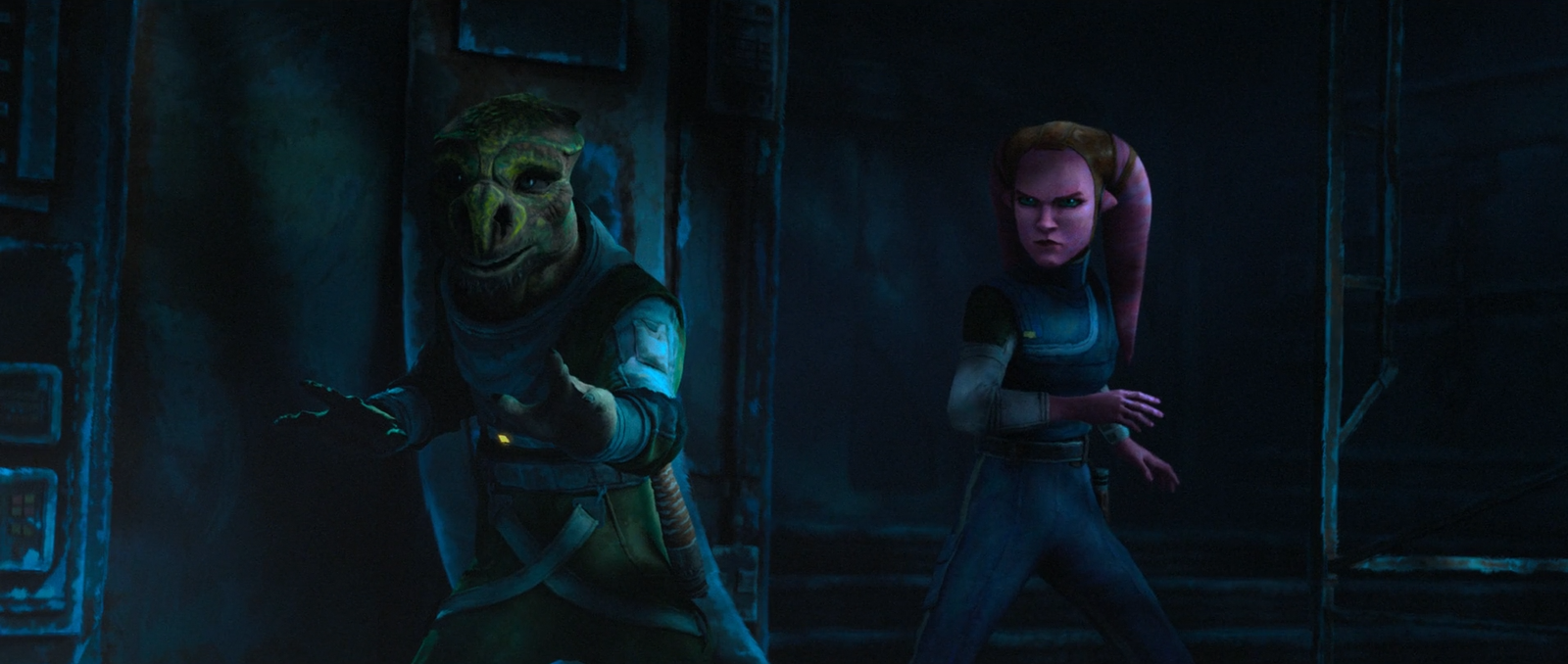
There are several protagonists: Maul, Jedi Master Iko-Dio Daki, his apprentice Devon Izara, local police captain Brander Lawson, and his son Riley. Each character's personality is well-developed and influences the story.
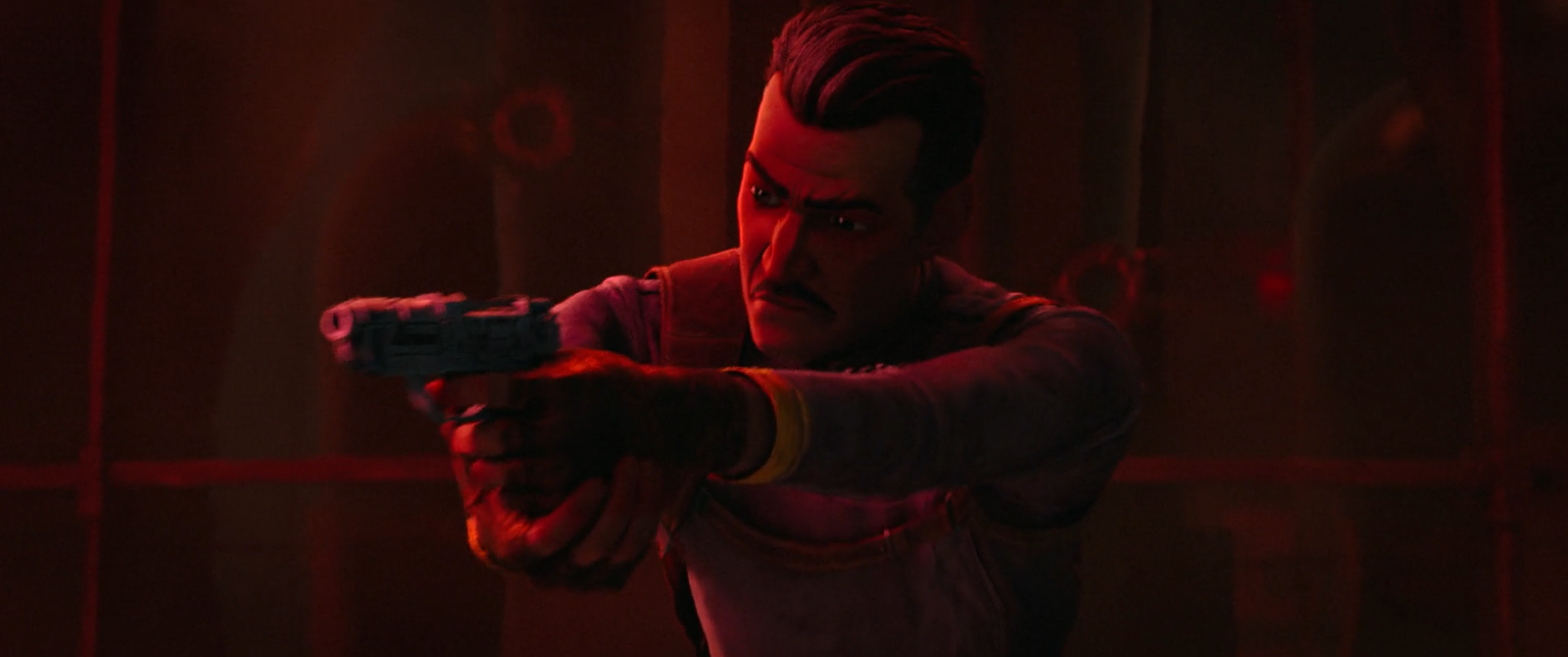
The Lawson family is appealing due to the circumstances in which the father and son found themselves. I'm talking about a world where there are almost no Imperial forces, which makes it look very distinctive. Before, we hardly thought about what police might look like in regions of the galaxy without being tied to global politics. It's a pity that a deeply developed detective investigation never materialized — that would have been interesting.
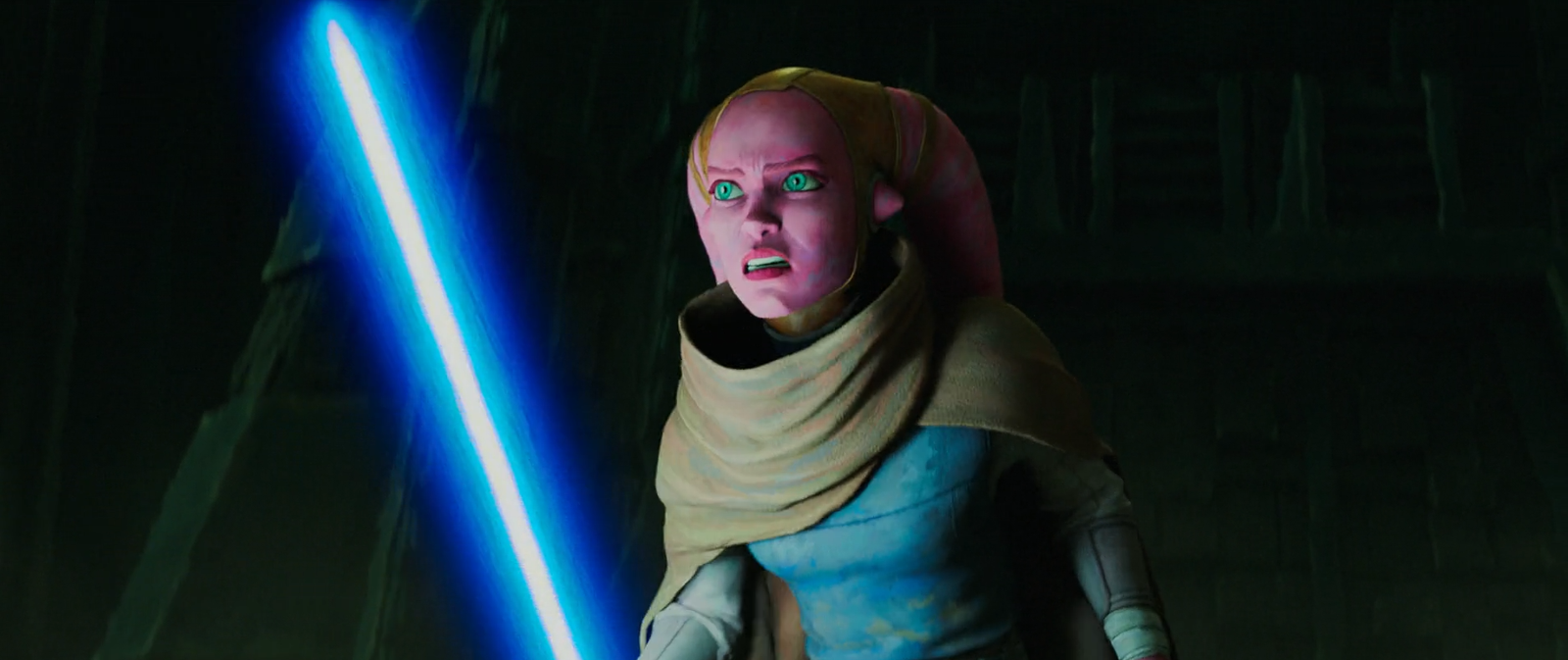
The Jedi duo is not bad. Padawan Devon is too straightforward. She wavers between Maul and her master, but without hysterics or making a scene. And her master — Iko-Dio Daki — is excellently developed. He is both a deeply wise elder, like Yoda, and a very energetic and pragmatic Jedi, capable of casting aside prejudices to survive. Without deviating from his philosophy — just like Obi-Wan.
Other characters are also good: Maul's funny droid with personality, Brander's simple-minded droid partner, Mandalorian mercenaries, and others. Not all of them influence the plot, but they strongly affect the atmosphere: "Shadow of the Sith" is a dark story that is not afraid to get rid of characters on stage, sometimes in the most brutal way. The last two episodes of the series stand out especially, where a real game of elimination begins. It felt as if we were in a completely different era of the galaxy.
And most importantly, this does not spoil the script, which has almost no inappropriate humor or foolishness from the characters. Some controversial moments occur, but the protagonists themselves react demonstrably to a significant portion of them — especially in the case of the droid partner's "antics."
The only drawback is the balance of power among the characters. Some characters were made too strong, and others too weak compared to how they were shown in other projects of the universe. But during viewing, this is not noticeable and is explained by logic and additional details that can be overlooked.
Maul and His Completion
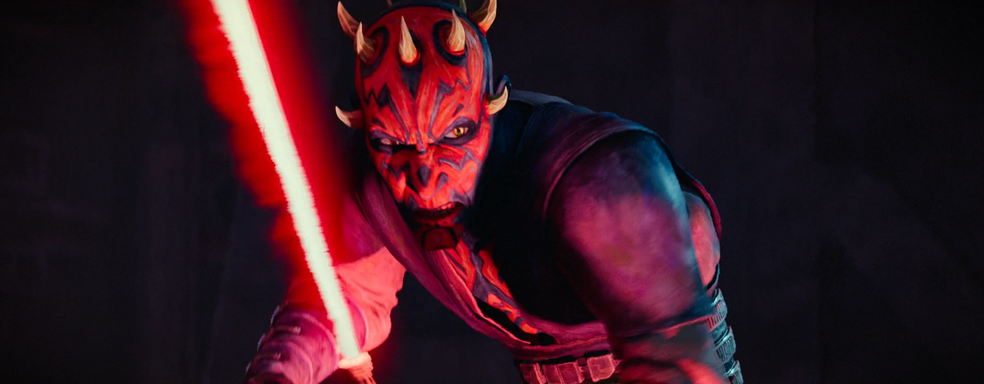
At first glance, Lord Maul hasn't changed much since the end of the Clone Wars. He is still the same outwardly restrained and slightly reflective character, capable of both talking down an opponent and switching to rage mode and slicing them with a lightsaber. And in some episodes, he recedes into the background or even third plan, giving screen time to the Jedi and the Lawsons. The creators failed to delve deeper and show the far, far away galaxy through the eyes of a dark side adherent. But…
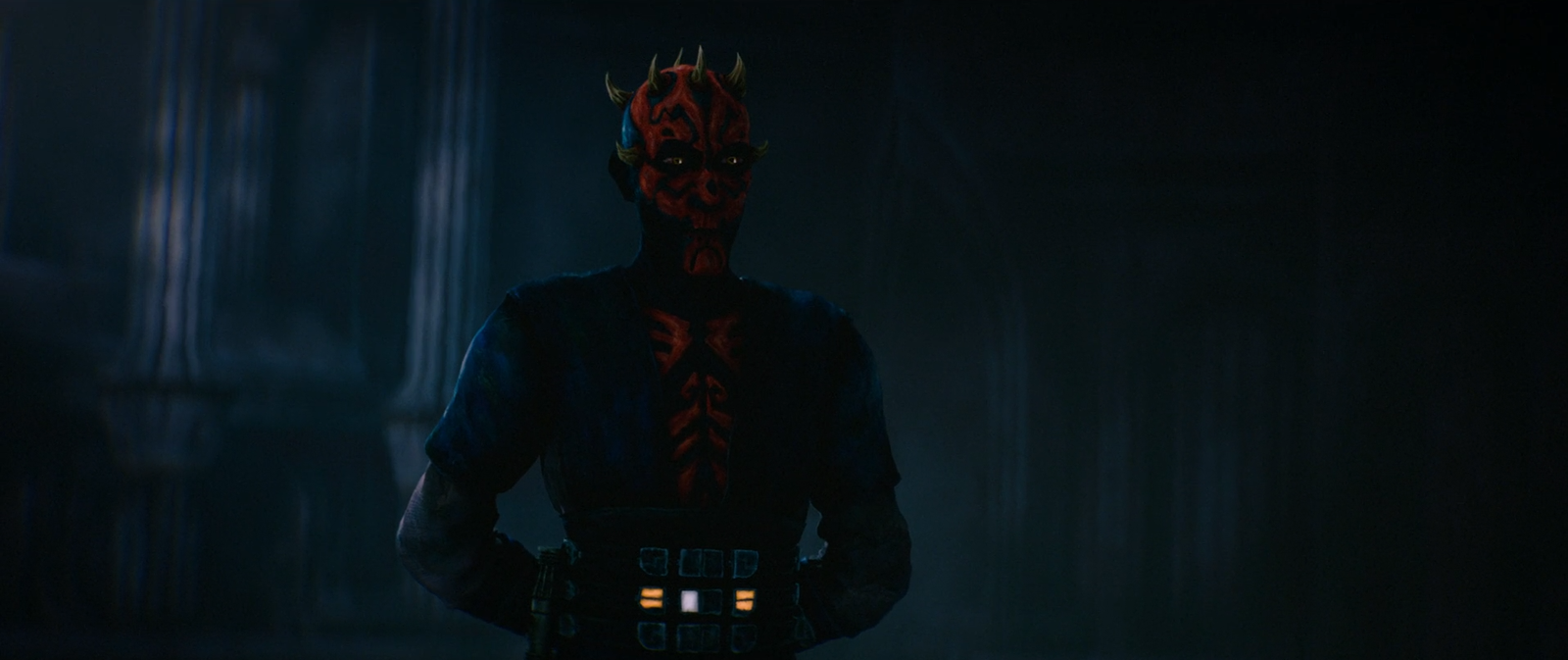
The idea of Maul's resurrection after "The Phantom Menace" seemed controversial to me. Given that he was literally cut in half and thrown into a chasm, I considered it foolish. And at first, when all he wanted was to destroy his former master, I was skeptical of him. But after "Rebels," where he was shown to be more restrained, Maul interested me for the first time. And the additional — seventh — season of "The Clone Wars" only intensified this interest.
Now he is a pragmatic anti-hero/villain who, although he remained loyal to the dark side, has found a philosophy and become more alive. For the first time, Maul clearly showed his feelings, besides rage, cunning, hatred, and fear. Now you can sincerely sympathize with him. The character thinks through strategy, uses the environment, and sometimes even controls emotions, like the Jedi, accurately assessing strengths.
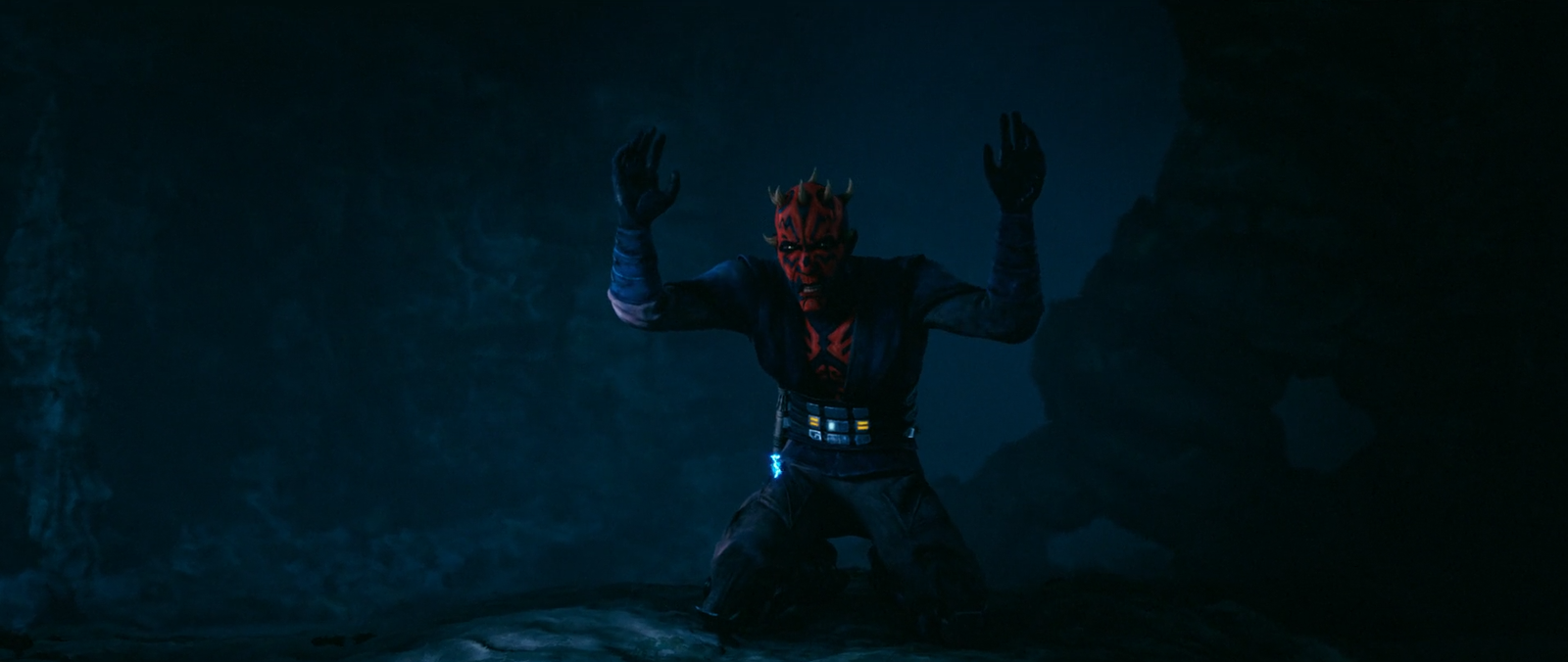
Maul has become a rare example of a third party that this galactic conflict lacked. Moreover, this is not the usual "gray" Jedi who abandoned the order's code, but a real dark manipulator pulling the strings.
After the first season of "Shadow of the Sith" concluded, rumors emerged about another "resurrection" of the character — after his death in "Rebels." And here everything will depend on what they do with him next, because Maul has one serious problem — he is severely limited by canon.
This is especially noticeable at the end: the series concludes with a "promising" cliffhanger that is unlikely to lead to anything globally. After all, we all know perfectly well how Maul's life will end (at least for now) and how the Empire will fall. The Zabrak will not be able to influence anything or participate anywhere.
It's reminiscent of the situation at the end of the second season of "The Mandalorian," when a strong plot point with Luke and Grogu led to nothing, because it was hindered by what happened to Skywalker later in the sequel trilogy. The creators can no longer fully unleash their creativity and will have to delve into the personal stories of the characters, without claiming grandeur.
Atmosphere of Beauty, Horror, and Grandeur
Separately, we need to talk about the technical side of the project. One of the strongest aspects of "Shadow of the Sith" is the atmosphere, which immerses the viewer completely, thanks to several things.
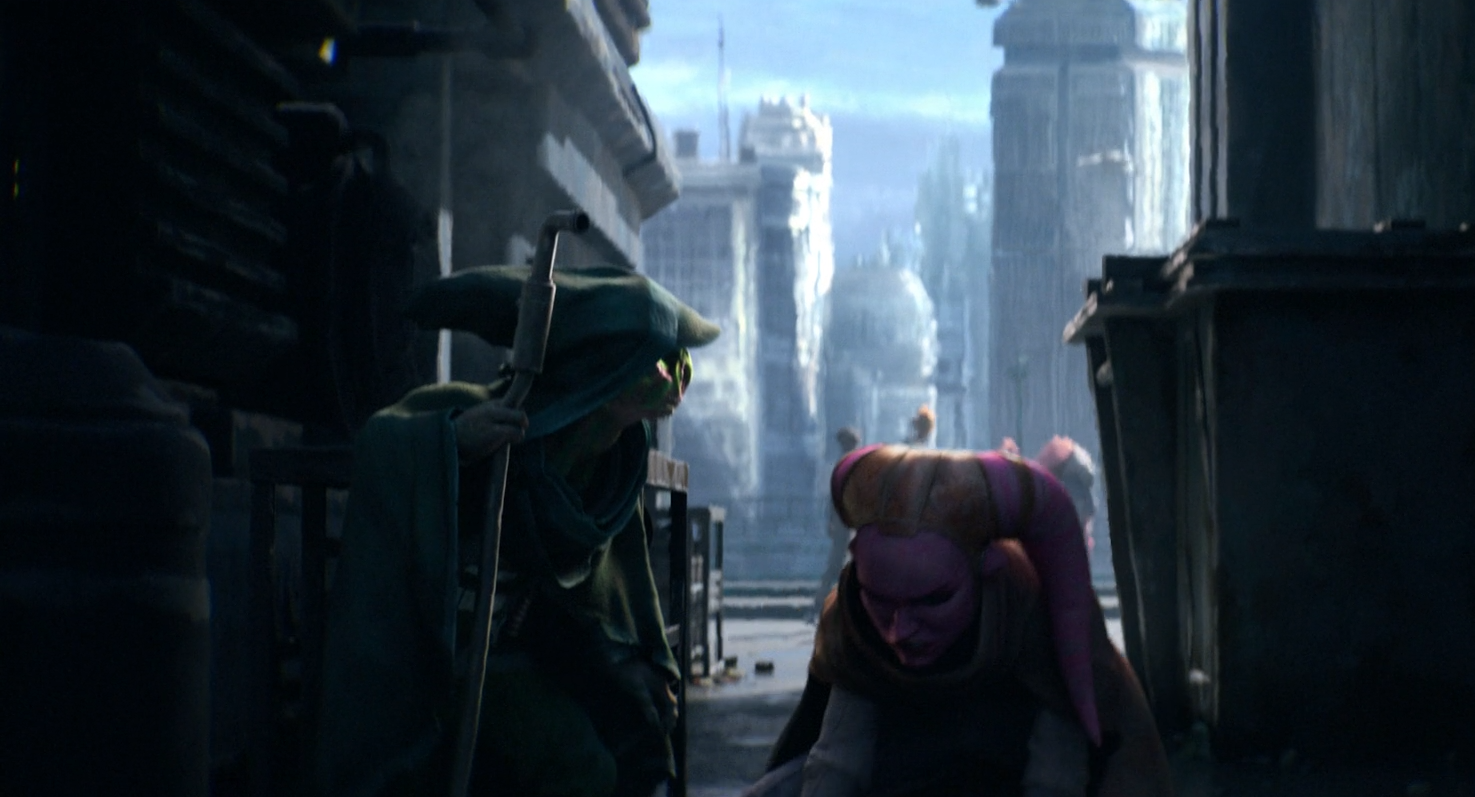
I can praise the artwork endlessly. The backgrounds, in particular, are excellent, resembling real paintings by artists. There are constantly shots with a meticulously drawn city on the planet. It feels as if a skilled artist has elegantly worked with a brush, combining various colors, strokes, and techniques, bringing to life concept art, which fills artist websites like ArtStation. Previously, I had only seen something similar in the last season of "The Clone Wars."
I would especially note the lighting. There are many magnificent scenes where the reflections of lightsabers and city lights play an important role. Sometimes they are needed for contrast, and sometimes — to build horror and grandeur.
Battles and emotional scenes are staged no worse than in the best feature films of the saga. The battles are very dynamic and do not sag at all, giving the viewer only rare seconds to catch their breath.
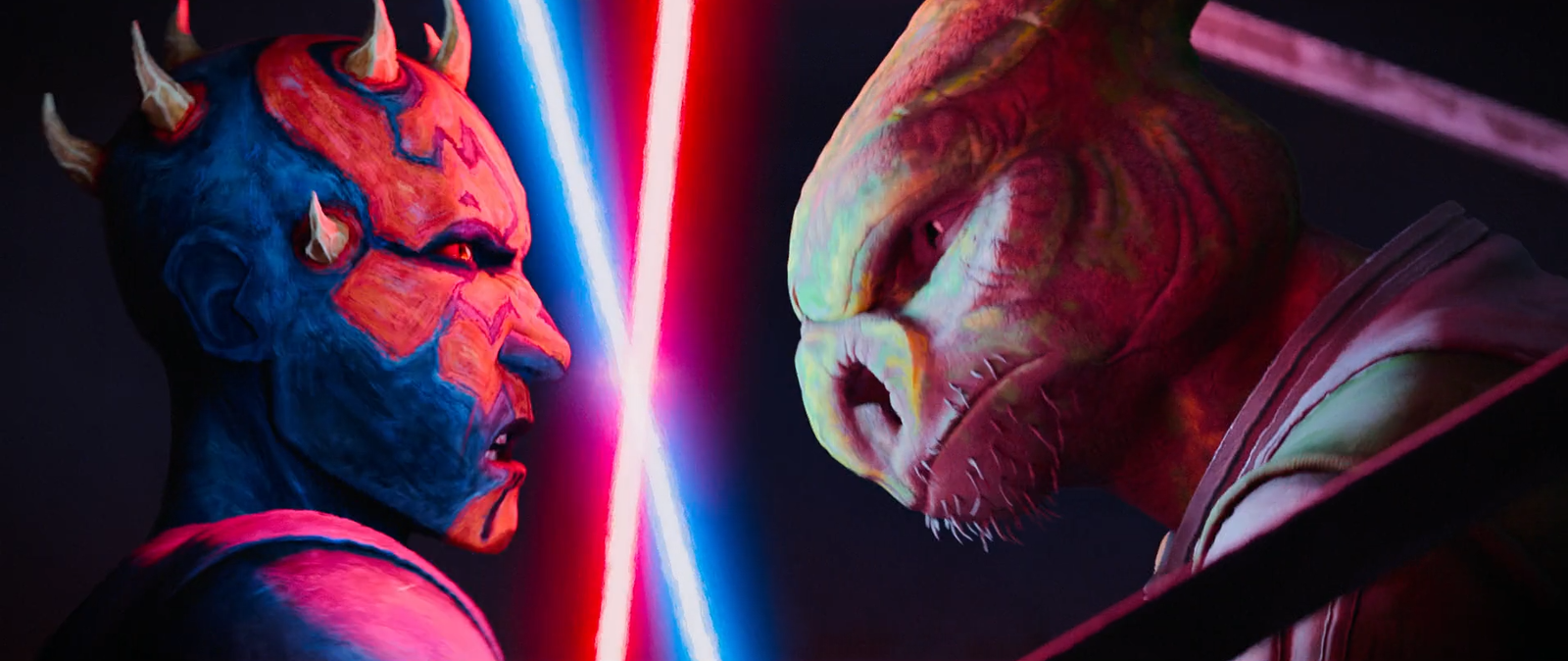
The animations are deeply elaborated and reflect the characters' feelings, which is important as it influences their worldview and powers. Maul, for example, sometimes gets angry, making his attacks look jerky, and sometimes calmly dominates, cornering his victim. And sometimes he shows weakness in a situation from which it is difficult to escape.
This is complemented by music that takes the best of what the far, far away galaxy has to offer. For example, you can often hear the epic compositions of John Williams, well-known to all fans of the franchise from the prequels and beyond. They build tension and create a sense of scale, although the story unfolds on one planet — there are almost no scenes in space.
The series has many details that form references — including hidden ones. For example, in the final battle, one of the antagonists made a minor movement that can be easily missed, but which was a "response" to events from previous films. Or how Maul holds his lightsabers in one scene refers to how Starkiller did it in the game Star Wars: The Force Unleashed 2 — both characters were played by actor Sam Witwer.
Character designs also say a lot. Iko-Dio Daki is a representative of the Mosic race, specially created for "Shadow of the Sith." These are reptilian humanoids of small stature and green color, which only enhances his similarity to Yoda.
Devon is a pink Twi'lek, and Darth Maul had an apprentice with the same skin color in the "expanded universe." This detail alone tells a fan a lot about the events of "Shadow of the Sith."
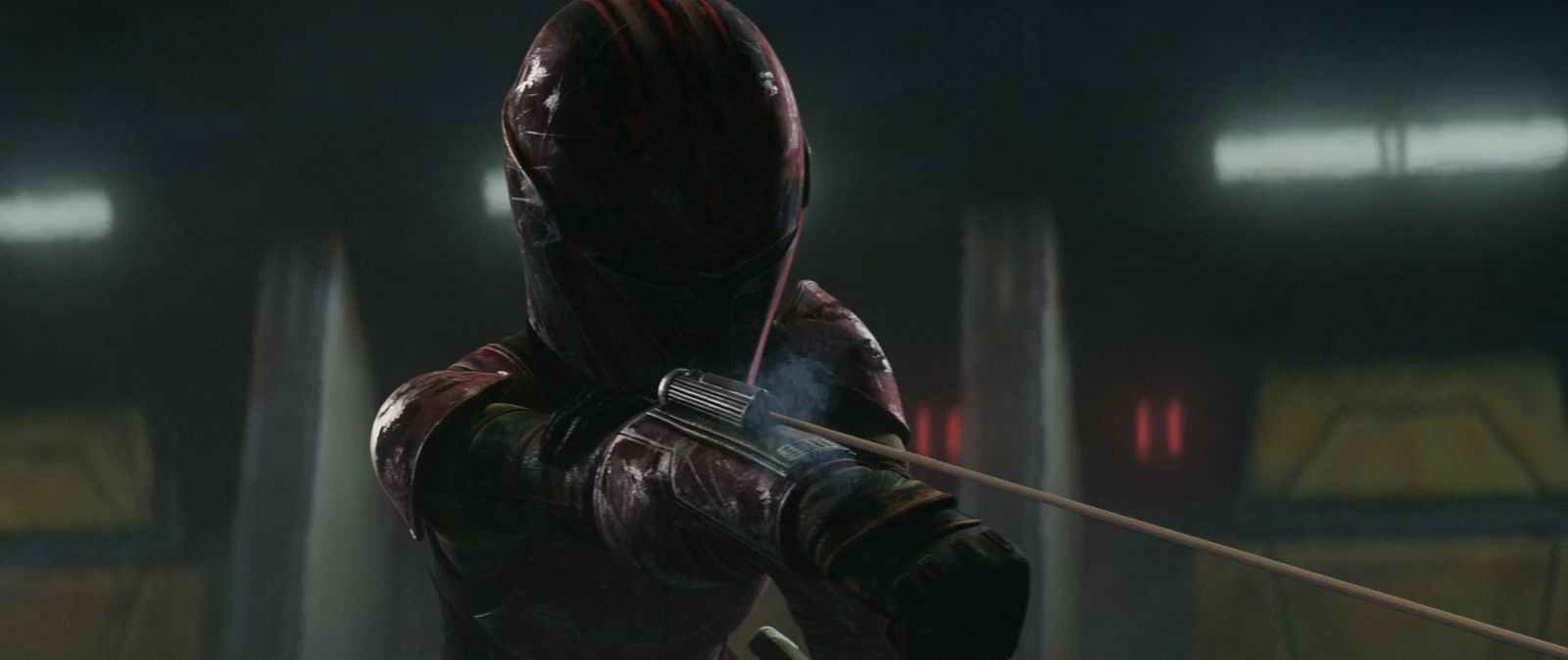
Only the image of one of the antagonists, who wears specific "medieval" armor strongly reminiscent of the cover of the game Dark Souls 3, was amusing. Every time I saw him on screen, this association arose. He had already appeared in another project of the franchise, but it wasn't as noticeable there.
Verdict
The animated series "Star Wars. Maul: Shadow of the Sith" is one of the best works about the far, far away galaxy of the Disney era, along with "Andor" and "The Clone Wars."
There is nothing superfluous in the project, and what is there is used to the maximum. All the characters here are in their place, because they play an important role in the story either here and now, or have potential for it in the future.
Maul, although not revealed in a new way in the usual sense, becomes a full-fledged protagonist with whom one can empathize. Observing him is now interesting not only as a strong character who strikes terror into the galaxy, but as a hero with his diverse emotions.
All of this is beautifully presented: magnificent artwork, where almost every freeze-frame makes you want to hang it on the wall in a frame, excellent animation, a deep set of soundtracks, and a mountain of important references and details that sometimes influence the plot.
Strictly recommended for all "Star Wars" fans!
Never miss our newsAdd this site to your preferred sources to see us more oftenAdd on Google