Diablo IV is dangerous for your personal life. Lord of Hatred expansion review
Over three years, Diablo IV has accumulated a significant debt to players, and Lord of Hatred looks like an attempt to pay it off - with interest. Blizzard seems to have finally remembered that a $40 expansion needs to be delivered like a grown-up: with an epic story, new classes, fulfilled promises, and systems that interlock all content into a dense dopamine flow. Beware: after Lord of Hatred, it's especially hard to escape Sanctuary.
Demonic Santa Barbara
I've known Diablo for over two decades, and I'm pleased to see how it changes as I grow up. So, first things first, let's talk about the story. For me, the series has long transcended the boundaries of a high-budget clicker and has become a vast fantasy world that can be considered a second virtual home.
The events of Lord of Hatred – hereinafter LoH or “Lord of Hatred” for convenience – unfold some time after “Vessel of Hatred.” In the finale of the previous expansion, Mephisto took possession of the prophet Akarat's body and set out to sow hatred across the world, leaving players with a feeling of slight hunger and great deception. Now it's clear: we were simply being thoroughly warmed up for the grand finale of Diablo IV's main story arc.
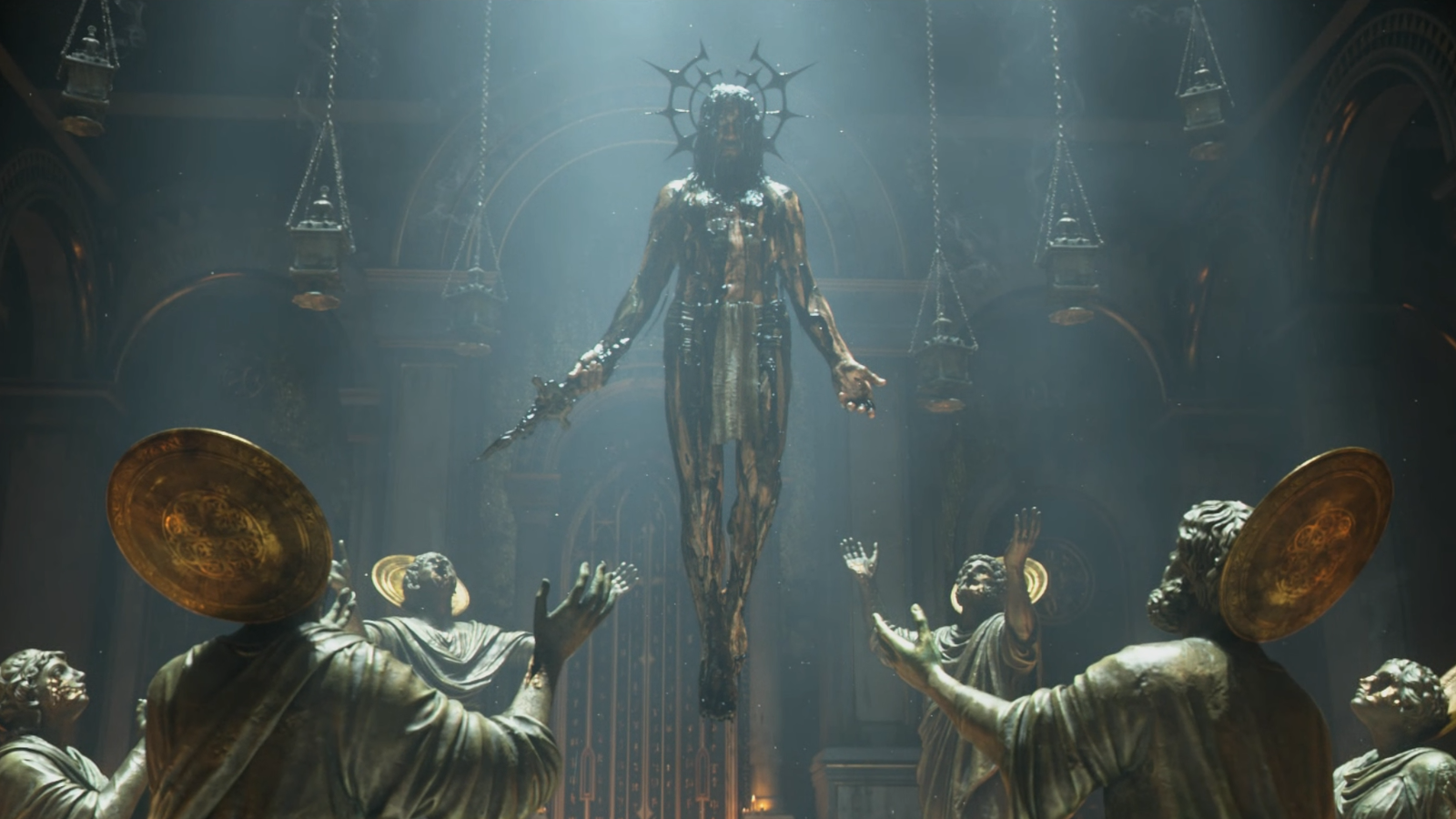
The expansion doesn't bother with trifles. Already in the first magnificent cinematic, immediately after a brief recap of the main campaign and the previous DLC, Mephisto wipes out one of the key characters. After that, the Wanderer – the main character – along with the Horadrim Lorath Nahr, sets off for the Skovos Isles to bash Mephisto's horned skull.
But this is Diablo, which means evil is one step ahead again. Mephisto is touring Skovos extensively: gathering followers, performing miracles left and right, and quickly bringing the Amazon queen Adreana under his sway. So, a warm welcome from Lorath's former beloved is not to be expected.
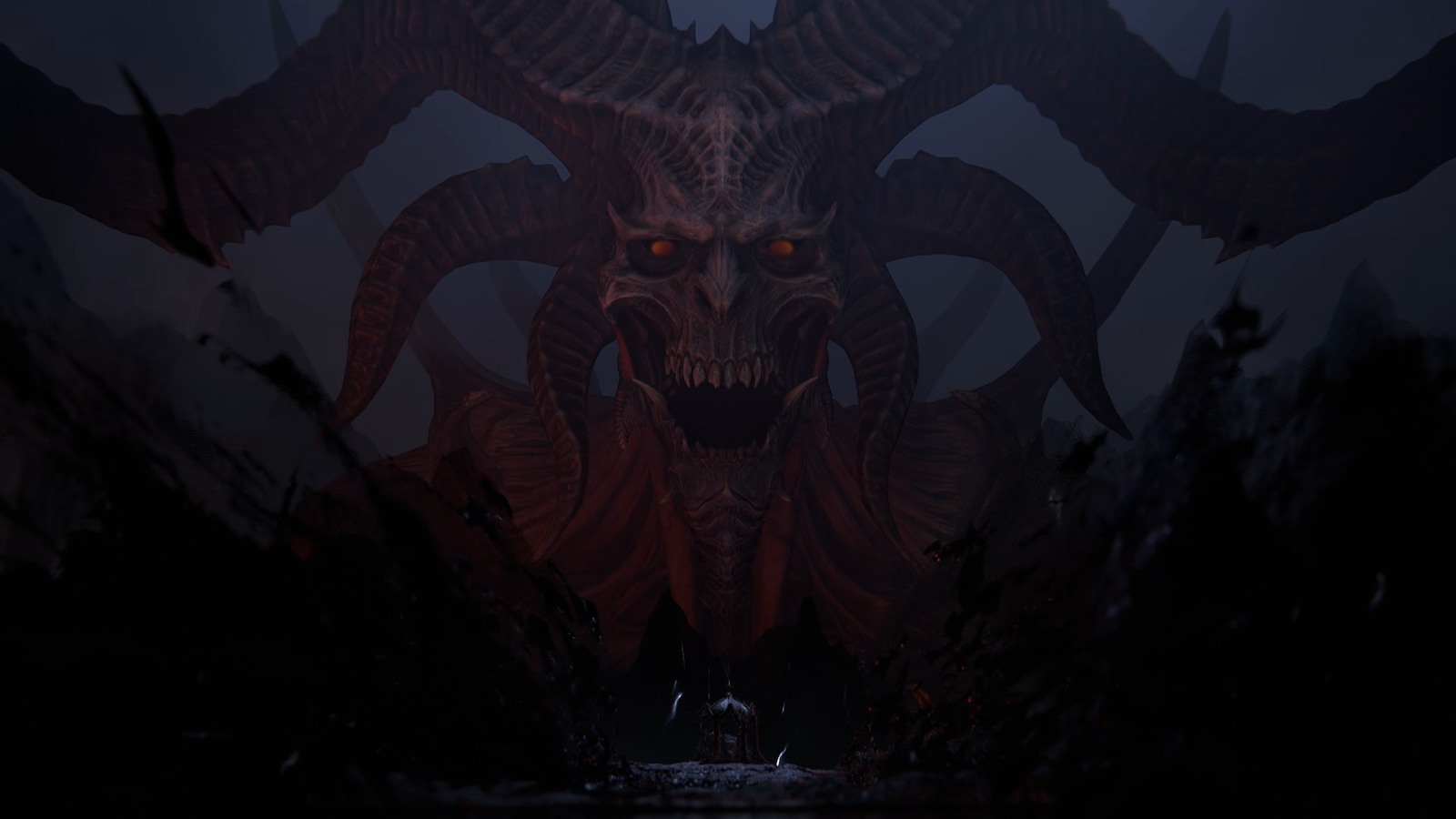
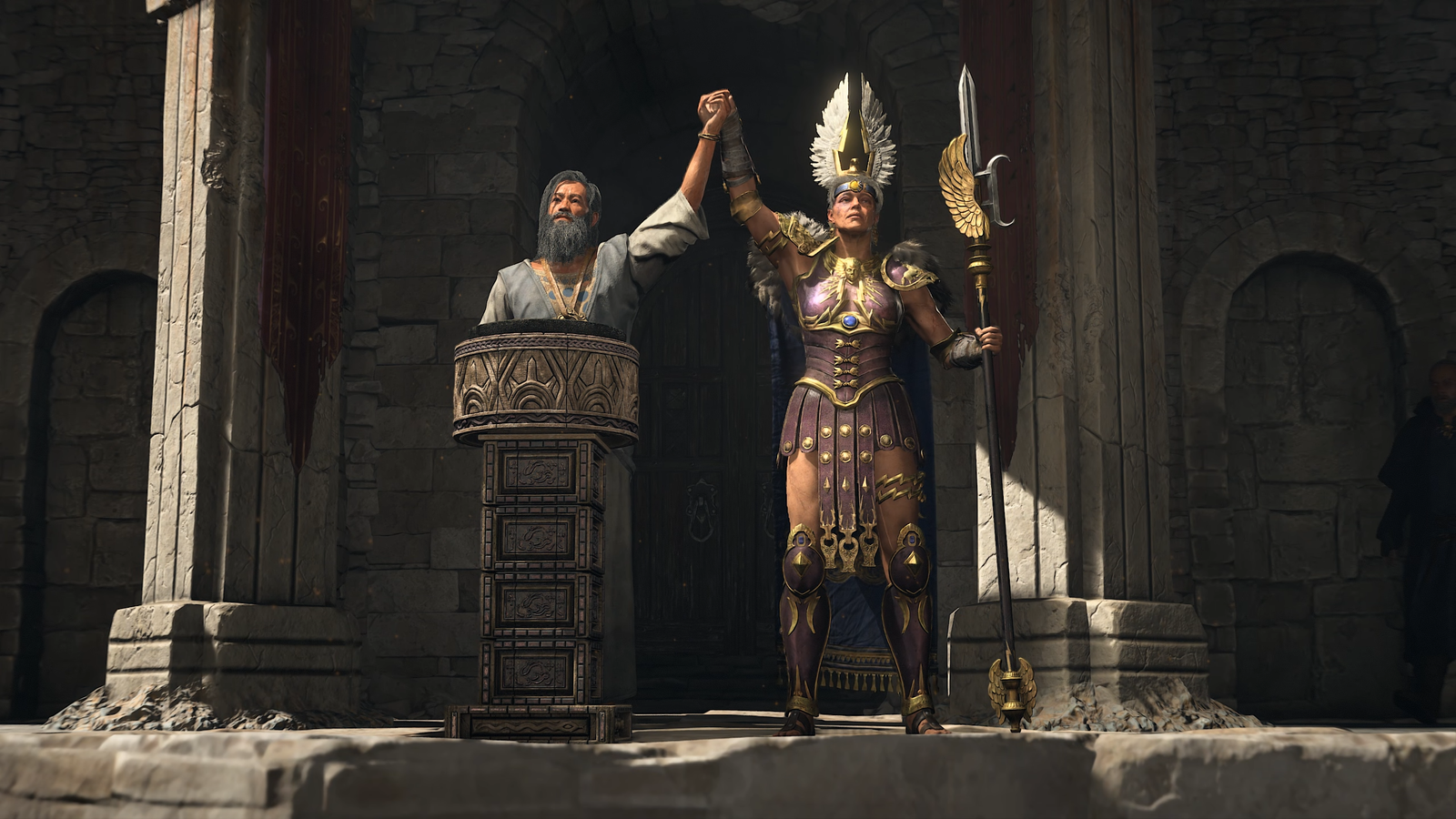
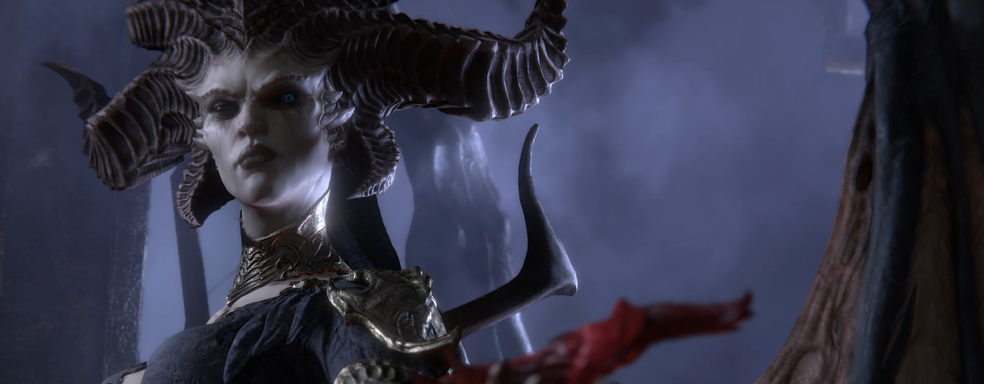
The heroes then turn to the oracle Cyre for help. She informs them that Mephisto can no longer be defeated by ordinary means, and with the help of rather simple rituals by Diablo standards, she suggests awakening Lilith, who, as it turns out, had been resting inside the main character all this time. Yes, the Daughter of Hatred has returned and, after a bit of resistance, agreed to oppose her negligent father to protect Skovos – the cradle of human civilization.
Now imagine what all this results in: an Amazon civil war, ancient prophecies, a cartload of lore, demonic family feuds, and a worthy redemption arc for Lilith, after which you fall even more in love with this demoness. Even Tyrael drops by the party – and needless to say, for any Diablo fan, this is an event in itself.
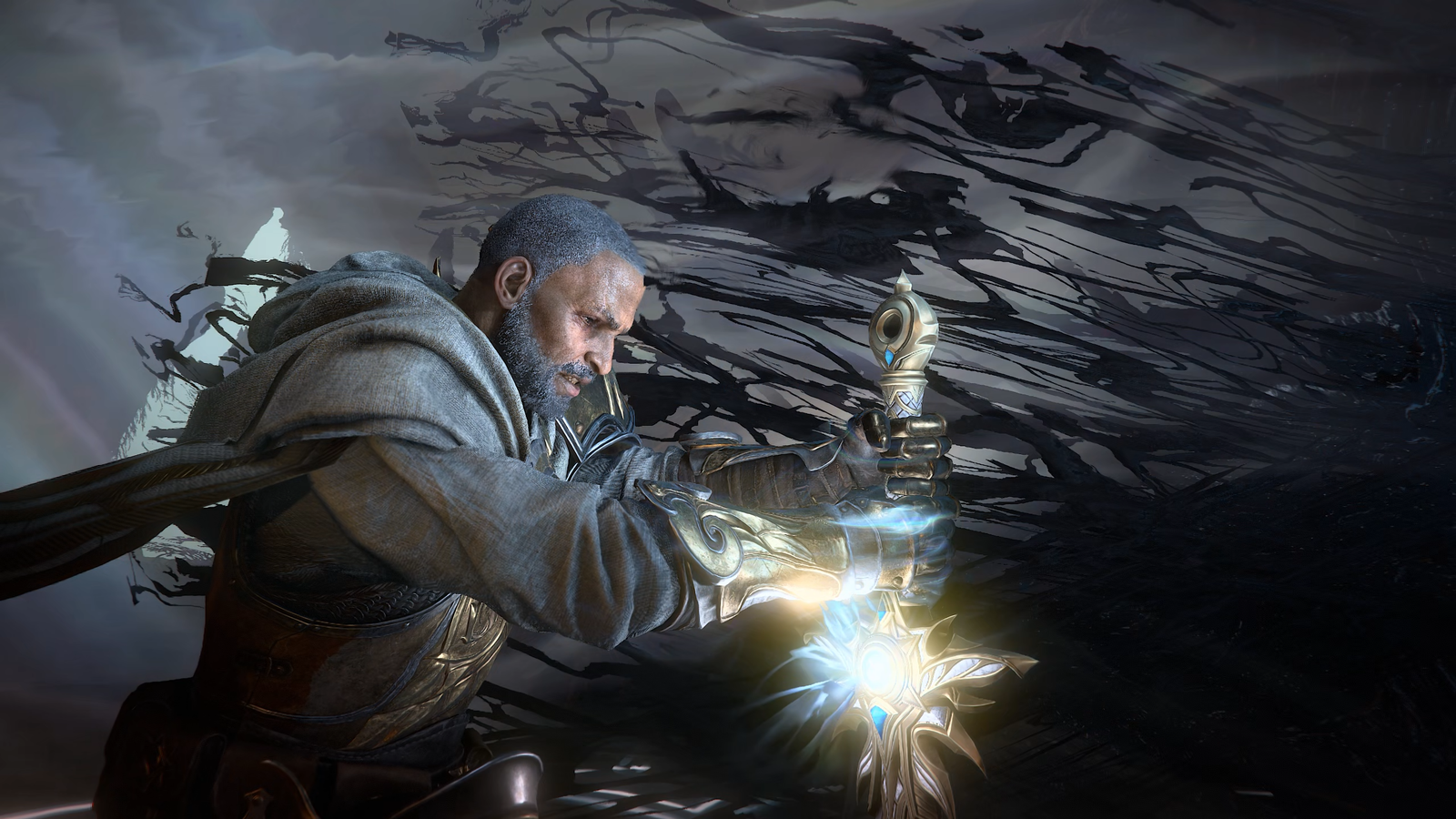
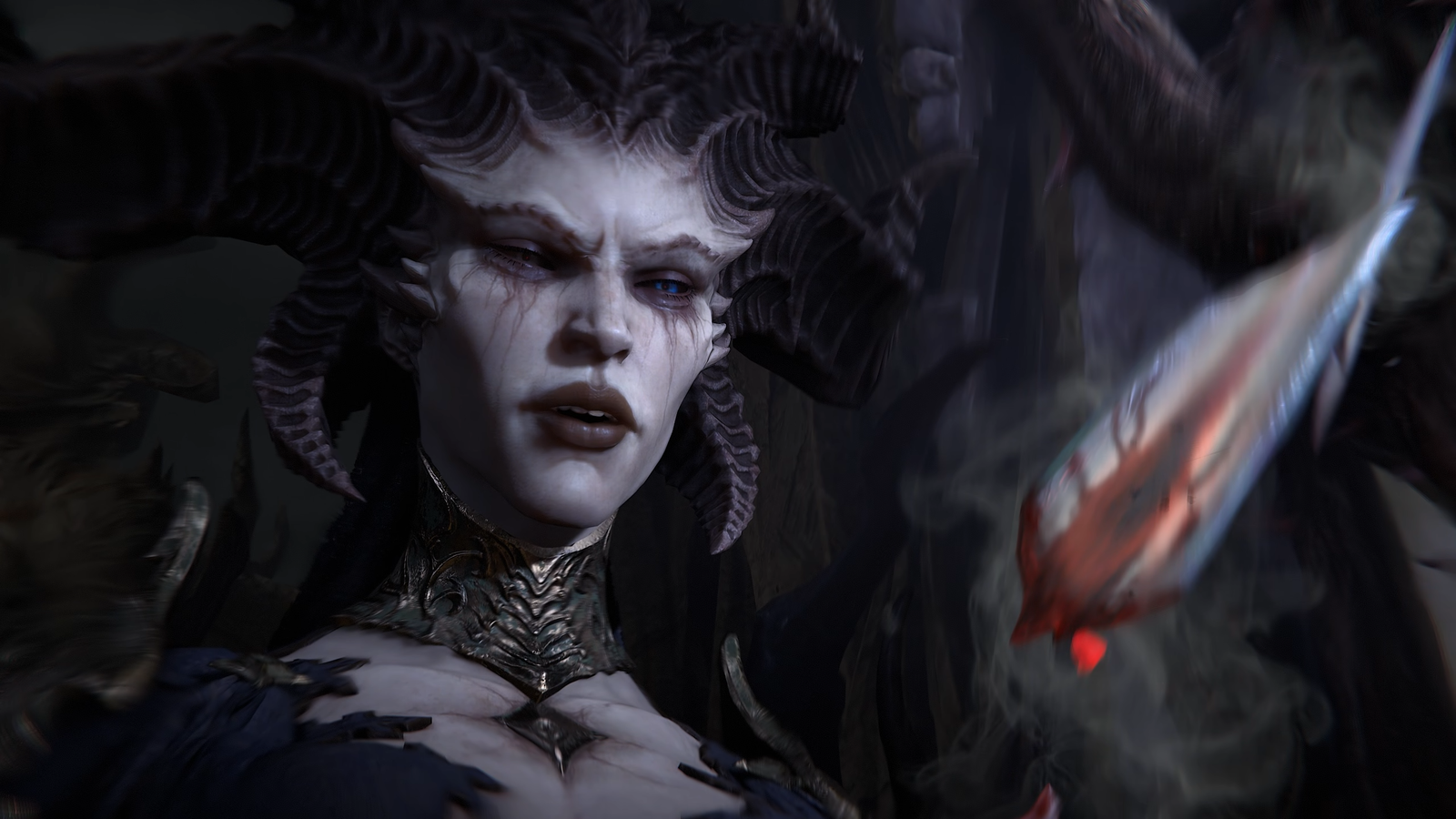
As a veteran of the series, I wanted to squeal with delight at every plot twist. Yes, many twists are predictable, but they perfectly meet my expectations: I was interested in what was happening, the characters pleased me, and the scale of this demonic family drama, which is also presented with magnificent staging, captivated me.
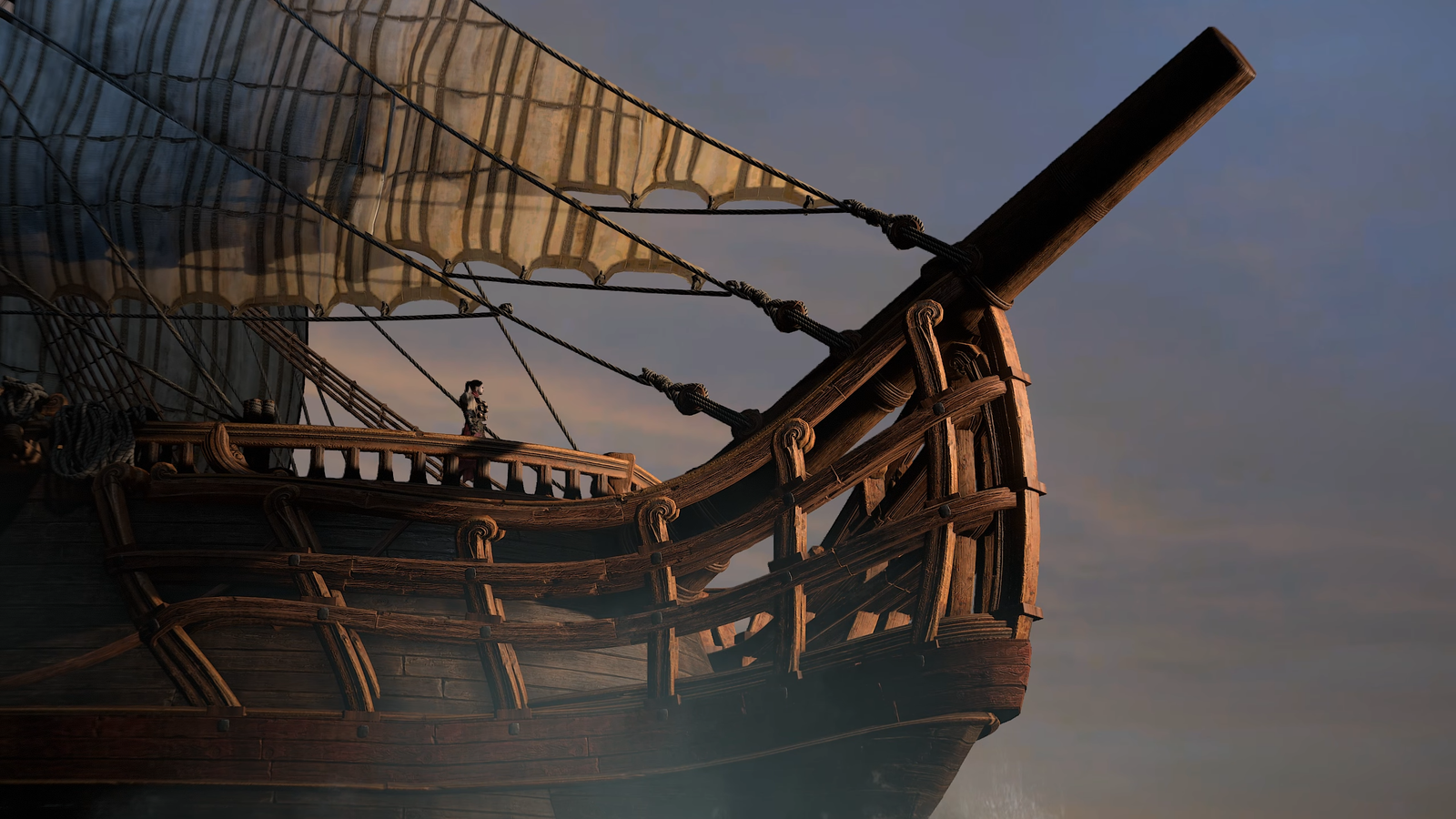
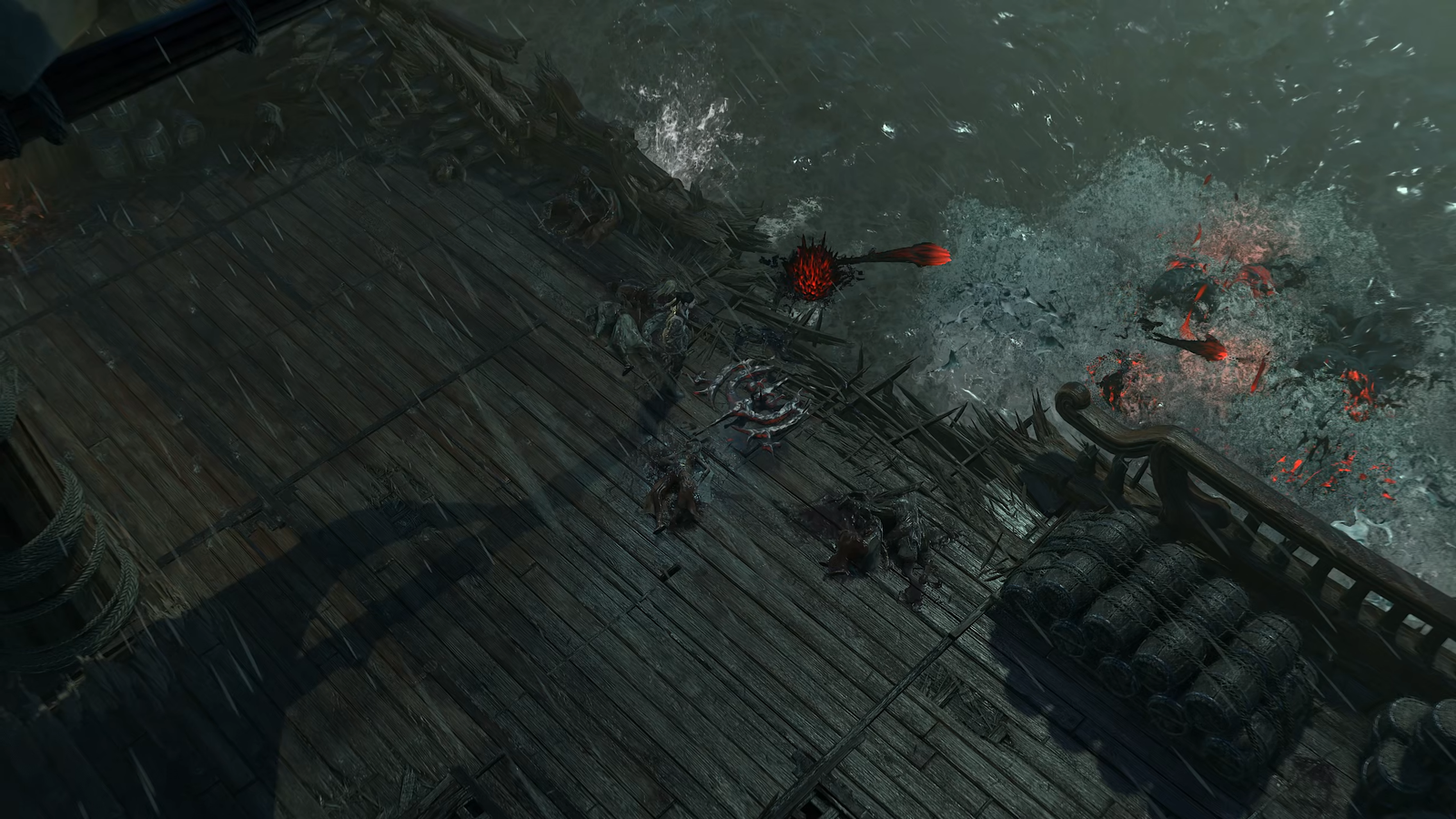
Blizzard once again shows that even in isometric Diablo, money should be on the screen. Something is constantly collapsing in the background, sea creatures scurry outside during a ship scene, lava flows down a mountain and blocks the path. The only thing that spoils the impression is the series' familiar distance: almost thirty years have passed, and we are still looking at small people and cannot enjoy all this beauty on a full scale.
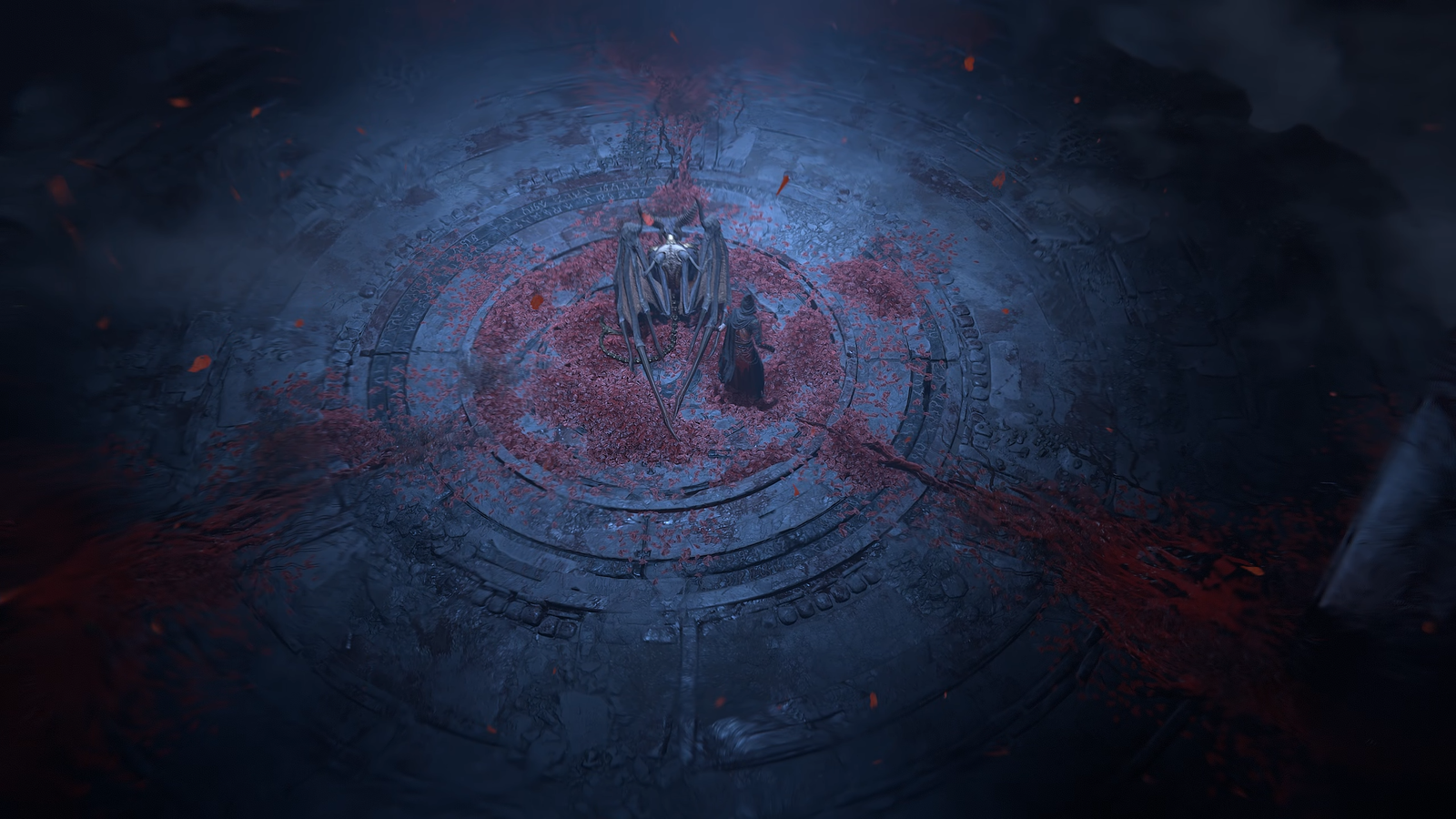
Hence the long-standing problem of the series: in some scenes, the actors underplay, not quite conveying emotions. The voice acting is still high-quality, but where the situation calls for pain, rage, or despair, the voices sometimes sound too even, as if the actors recorded without a full understanding of what was happening on screen.
Nevertheless, Diablo IV maintains its standard and delivers the best story block among all expansions in the series. It's easy to say this because LoH doesn't have many competitors, but this doesn't diminish Blizzard's merits: the campaign turned out to be spectacular, dark, fan-oriented in a good way, and despite its scale, quite compact. When leveling from scratch in a season, it takes about eight hours to complete, with almost no slowdowns – except for one escort quest – and after the finale, it makes you seriously wonder where the series will go next.
My Big Skovos Meat Grinder
But while we're here, it's time to admire the new location, which also didn't disappoint. If Nahantu in “Vessel of Hatred” seemed like the most picturesque region of Diablo IV, now Skovos rightfully takes its place.
The new land is clearly inspired by Greece and Mediterranean islands, so at first it greets you with sun-drenched coastlines, idyllic meadows, autumn forests, and architecture that echoes ancient motifs – not as overtly as in Titan Quest II, but recognizable enough.
In the first few minutes, it even seems that Sanctuary has become too bright and welcoming again, almost like in Diablo III. But this impression quickly dissipates. The demonic infection spreads from the volcano in the west and gradually gnaws away new territories from Skovos. The further you advance into the region, the more Mediterranean beauty gives way to hellfire, corpses, bones, and all sorts of abominations that are supposed to be plentiful in Diablo.
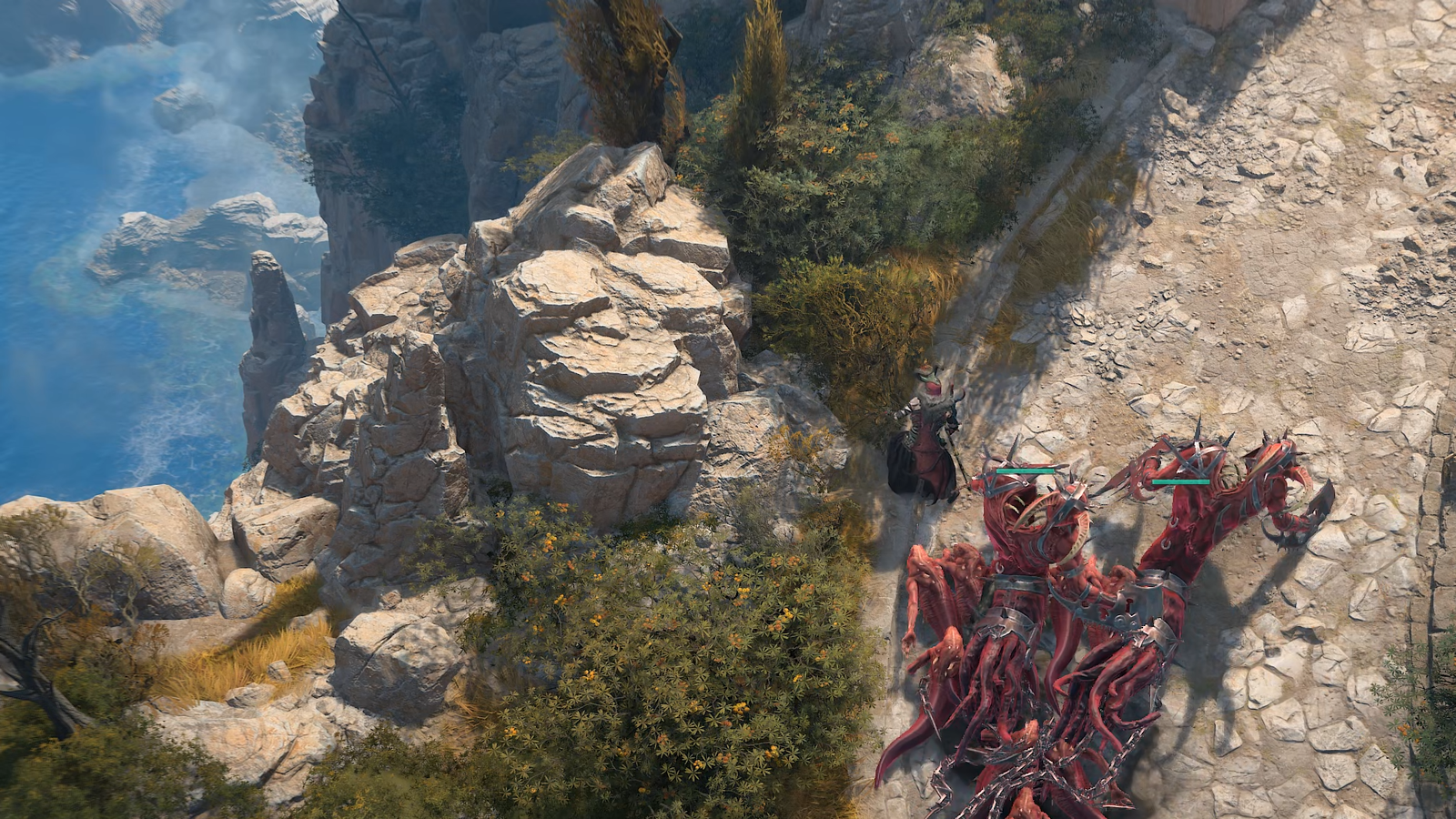
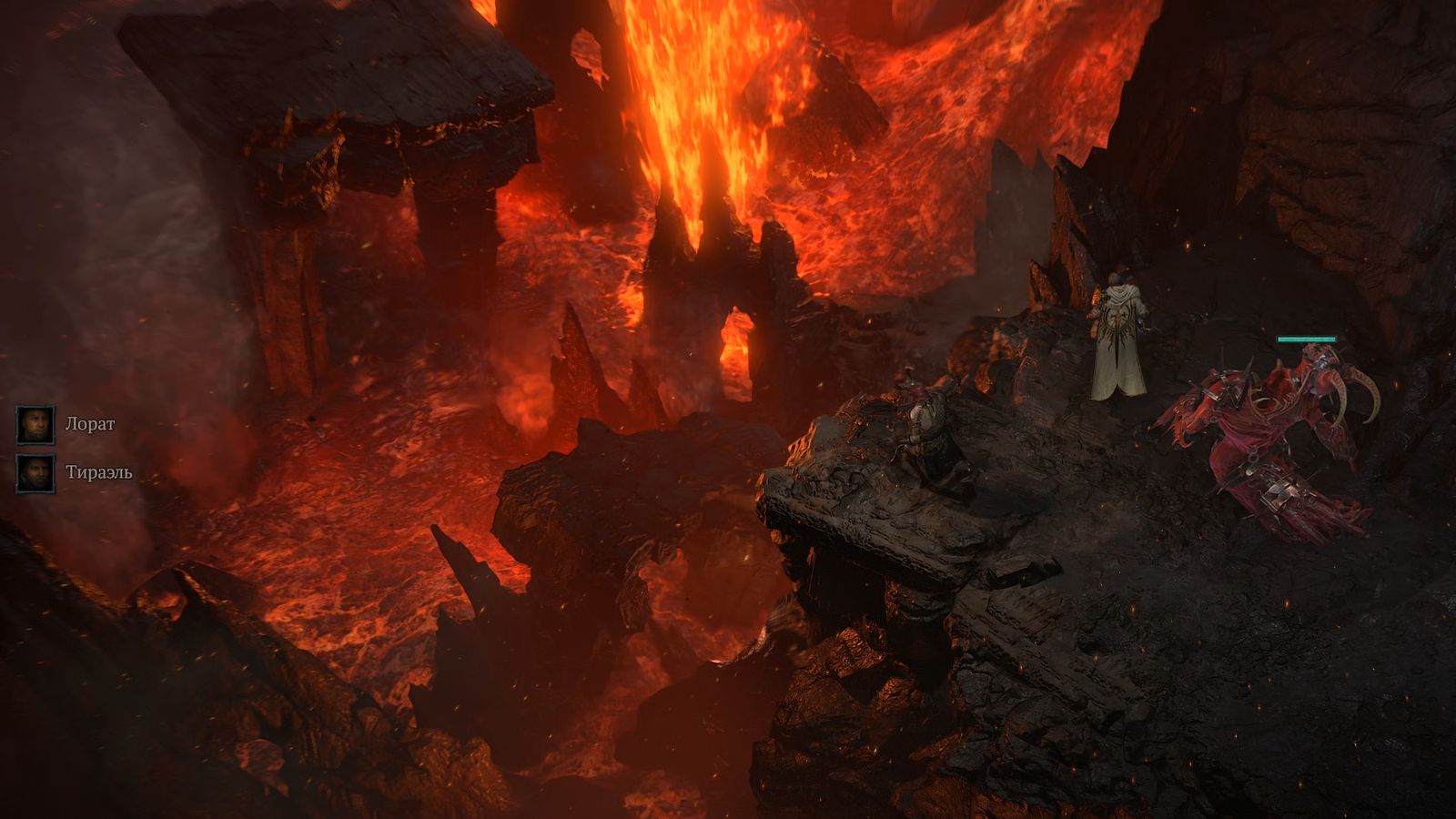
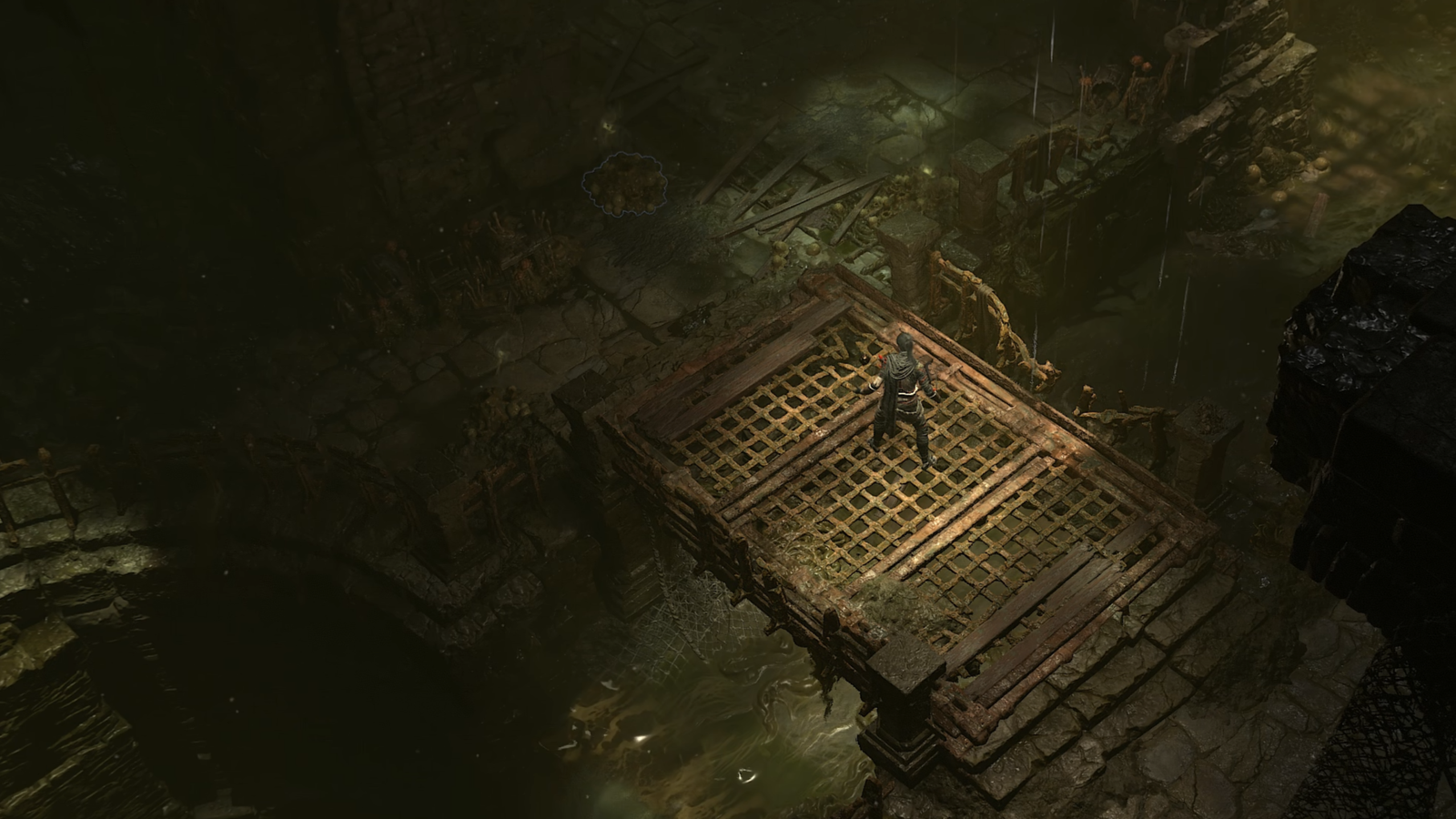
The artists once again delight in constructing interiors from bones and others' suffering, and you still admire it, to be honest. Even something as mundane as the sewers of Themis – and how many sewers have we seen in Diablo – made me stop on my first visit, peer into the details, examine every rusty grate, and literally feel the stench.
Of course, we didn't come to Skovos for a tour. Admiring the white stone, the sea, and the autumn forests is pleasant, but after the credits, the local program boils down to the usual Diablo grind: slaughtering hordes of fanatics, demons, drowned creatures, and other evil spirits that kindly spill out of the infernal depths.
And, looking ahead, I'll say: Blizzard seems to have learned from the criticism of “Vessel of Hatred.” In addition to the story, the expansion has enough changes to justify its price tag.
Holy Hammer and Infernal Power
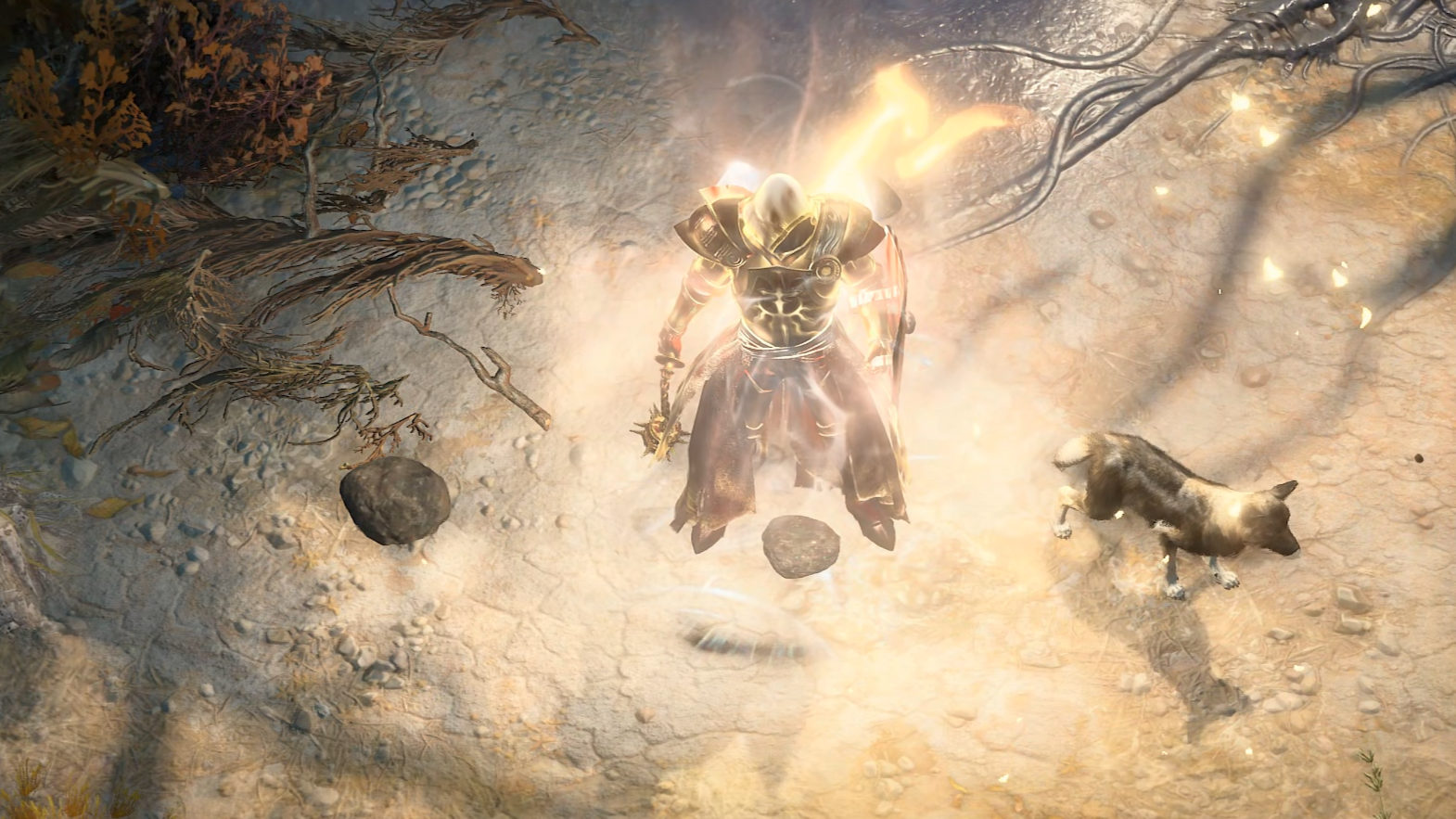
“Lord of Hatred” adds two classes – Paladin and Warlock. With a small caveat: the Paladin appeared earlier for those who pre-ordered the expansion. And he himself is understandable from the first seconds. This is an old acquaintance from Diablo II, who brings holy light, hammers, and auras back to the fourth part, and at the same time fulfills a long-standing fan dream of once again delivering righteous slaps to demons on behalf of higher powers.
You can take on the role of an indestructible Juggernaut, hurl hammers like Thor as the Punisher, wield a divine sword as a Zealot, or transform into an angelic judge delivering divine retribution from the heavens. There's plenty of room for experimentation, but I won't lie: I only briefly acquainted myself with the Paladin to get a general idea. The role of a knight in shining armor has never particularly appealed to me.
But in the Black Sabbath concert regular who chases demons on a leash, I found a kindred spirit. Of course, I'm talking about the Warlock.
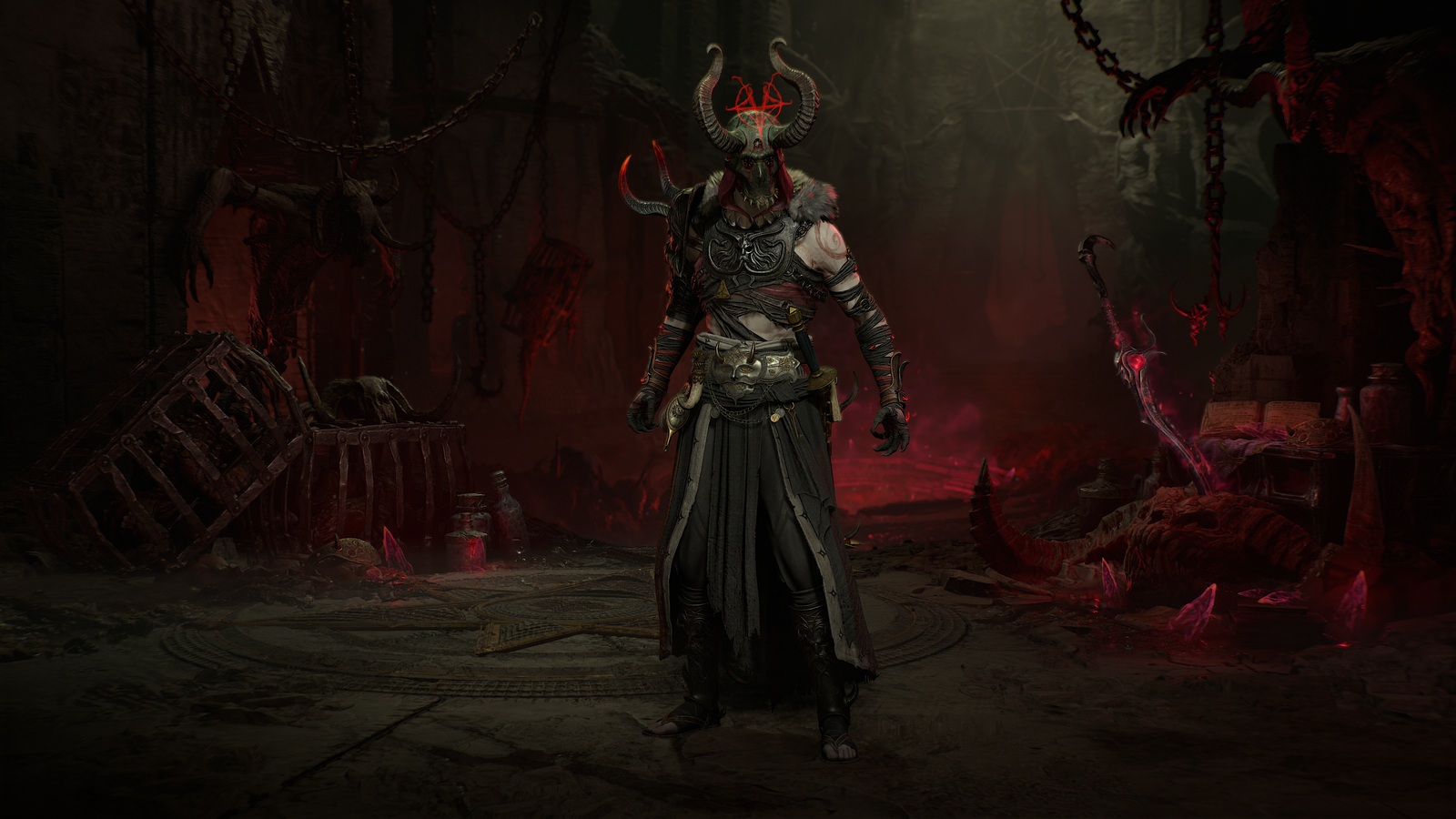
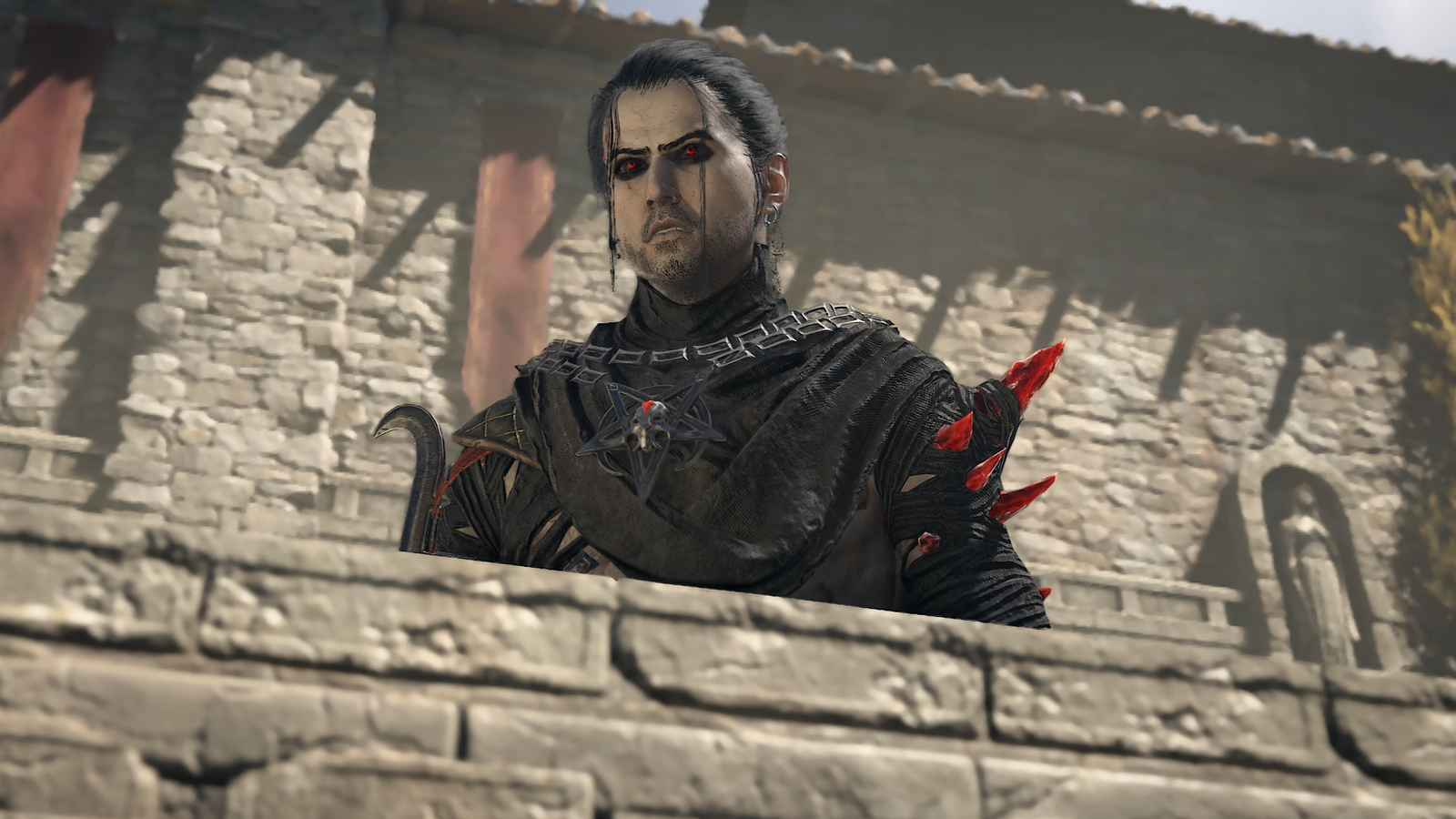
This is a new class for Diablo, although its lineage is easily discernible. It echoes traits of the Warlock from World of Warcraft, the Wizard from Diablo III, and, of course, a bit of the Necromancer. The Warlock's specializations revolve around summoning demons, hellfire, shadow damage, occultism, and transforming the hero himself into a demon.
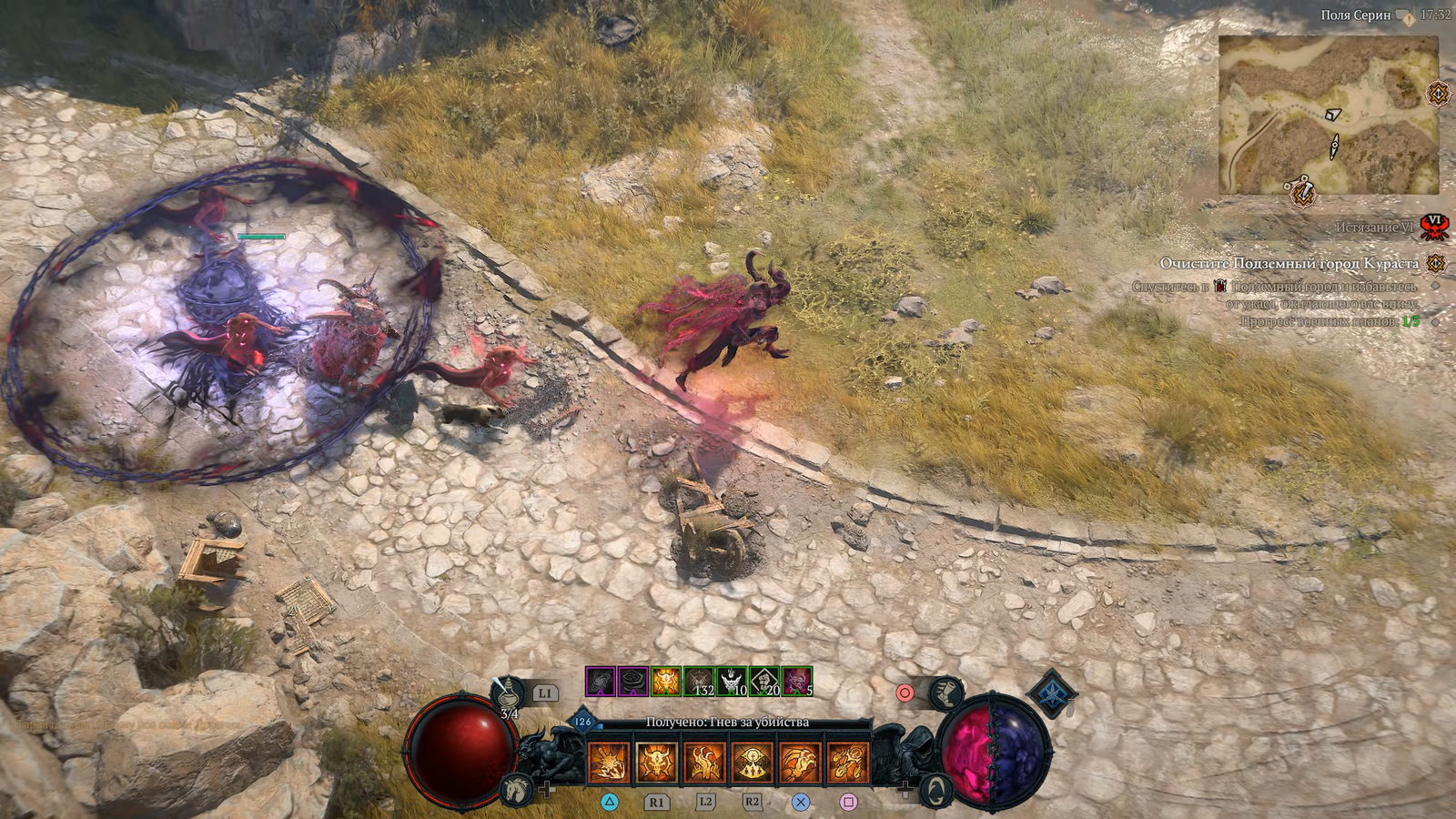
At first, I had mixed feelings about it. On the one hand, Blizzard really found a way to make it unique compared to the Necromancer, turning most demon summons into full-fledged spells. On the other hand, that's what bothered me at first. I wanted to drag around a whole demonic zoo, and how pleasant it was to discover that the right build still allows this fantasy to be realized. In the end, I got a more reactive and lively version of the pet-wielding necromancer, which keeps you awake during a long night run.
What's especially important is that the new classes haven't become a dominant force, as was the case with the Spiritwalker in the first expansion. If you look at the leaderboards, the power spread between builds seems quite adequate, unless, of course, you exclude the Sorceress with Chain Lightning.
In the conditional top 15, new classes occupy only a few spots, and far from the top. For Blizzard, which was previously accused of selling "mandatory" DLC through an overtly overpowered Spiritwalker, this is already significant progress.
Moreover, this progress is achieved through pleasant methods: the maximum level has been raised to 70, the skill development cap has been increased, and old classes have also received their share of updates, available even without purchasing the expansion. Blizzard has reworked skill trees, cleaned up useless passives, and replaced them with modifications affecting active abilities.
At the same time, the Paragon system was slightly revamped, tweaking bonuses on nodes and glyphs to make rare affixes on equipment feel more valuable, and character progression offered more reasons to experiment.
War Plans and Other Evening Plans
Observing the development of Diablo IV, I noticed a simple trend. After the initial unsuccessful seasons, Blizzard embarked on a course of system coherence. Developers began not only to add new endgame activities but also to link them into a single stream, so that the player presses "play" and immediately enters a meat grinder with such a dense flow of dopamine that it is impossible to escape. The fresh expansion became the icing on the cake of this strategy thanks to two systems – War Plans and the Horadric Cube.
War Plans
War Plans are essentially a playlist of activities where the player is offered the Pit, Helltide, bosses, the Kurast Underground City, and other daily entertainment for the residents of Sanctuary. It would seem there's nothing new: we used to jump from one activity to another before. But the system solves several problems at once.
For starters, it subtly encourages you not to get fixated on one thing. If before you could spend an entire evening in Helltide, and the next day grind nightmare dungeons until your fingers turned blue, now the game motivates you to complete the entire War Plan route, because you get additional rewards on top of the usual loot and experience.
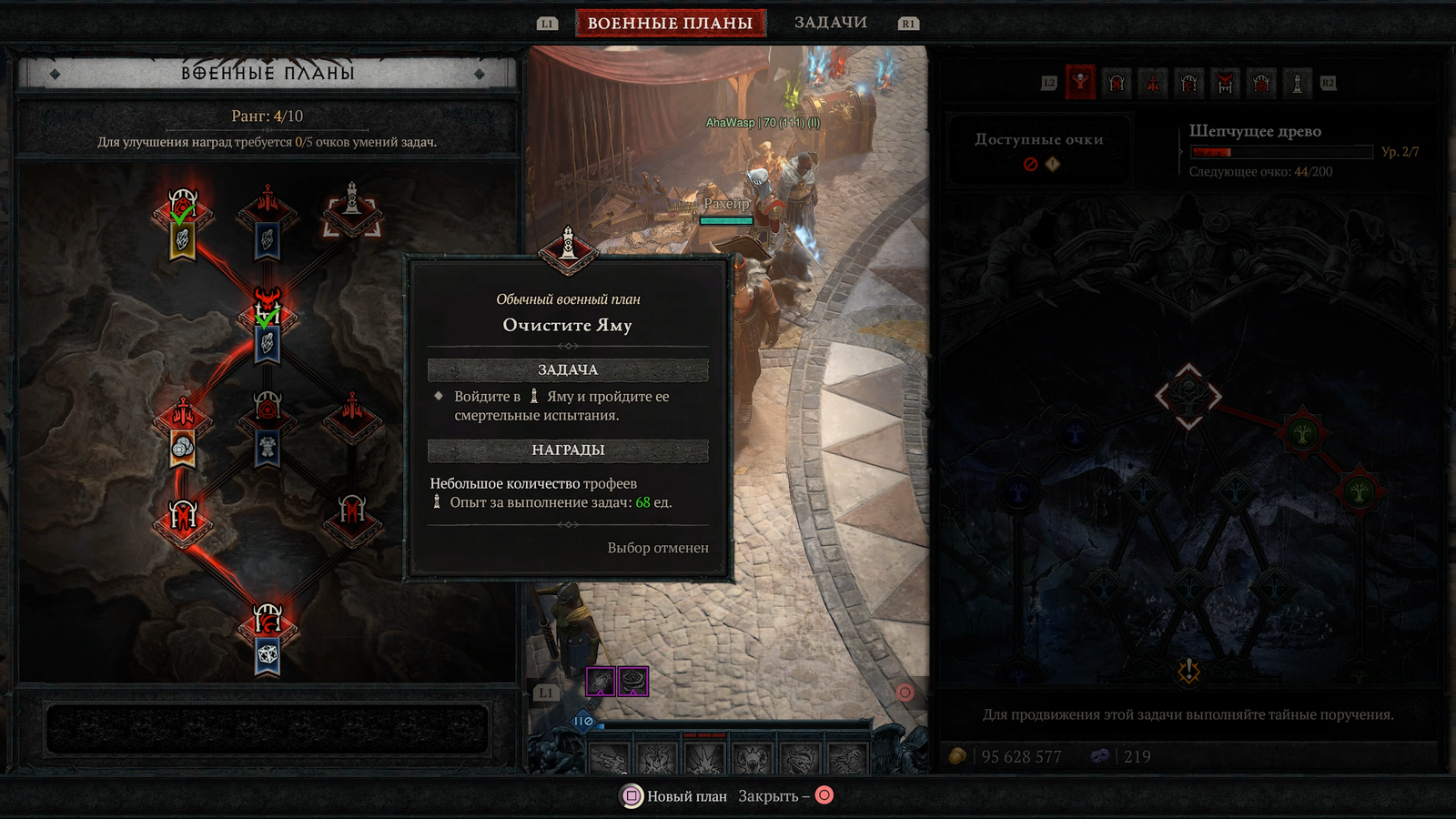
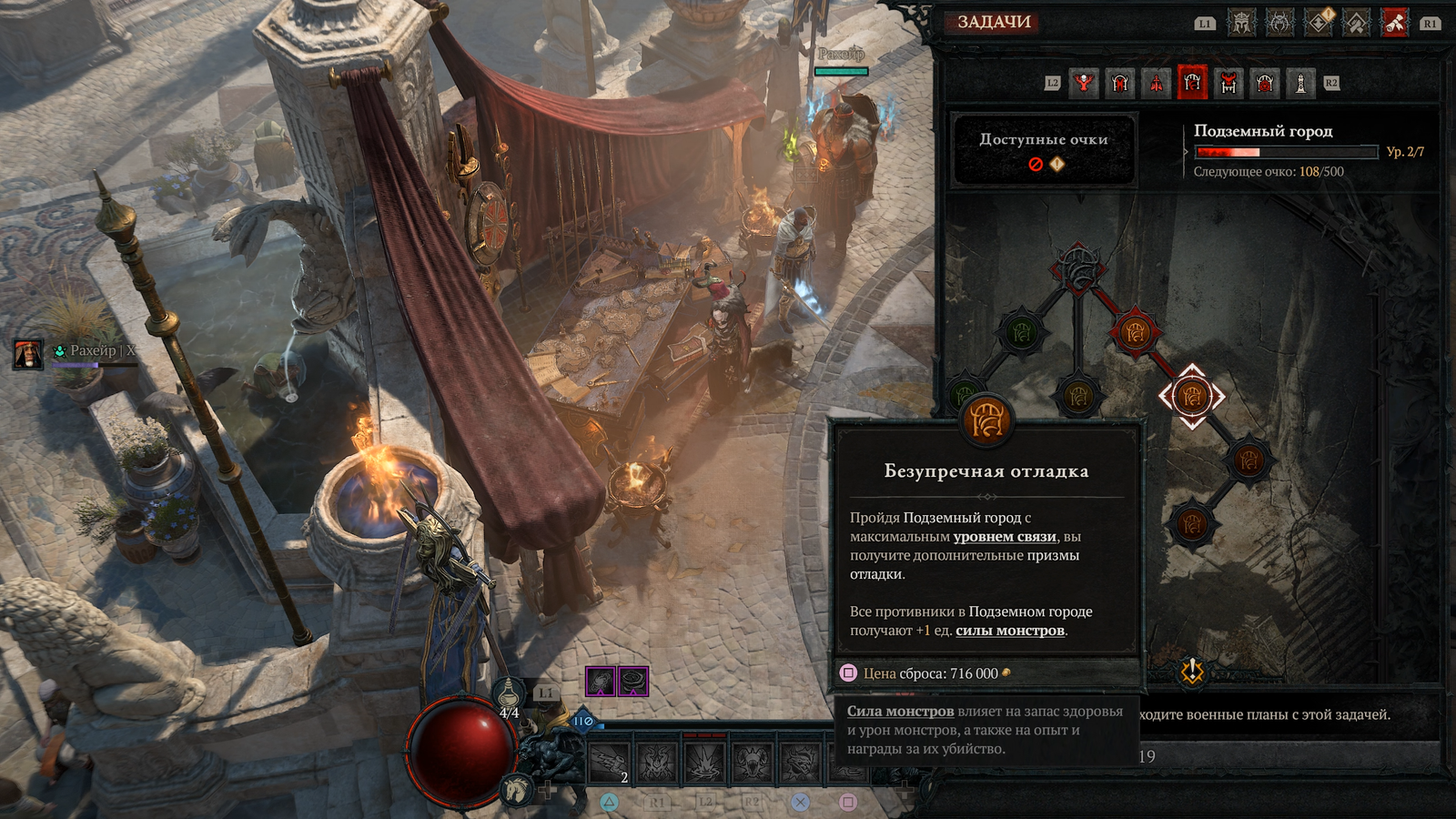
At the same time, the system gives more control over the farming itself and the player's priorities. Along with War Plans, Diablo IV introduced separate development trees for each activity. You can level up specific directions and choose what you want to receive more often: resources, experience, or items. In practice, this works great because the game practically doesn't let you catch your breath.
You just fly from one activity to another with almost no pauses. You finish a stage, press a button – and you're already at the next point on the route. Less fuss with the map, fewer manual teleports, more pure gameplay, rewards, and reasons to tell yourself "just one more run," and then suddenly discover that it's already dawn outside.
The main complaint about War Plans so far lies in the area of co-op. The plan's progress is individual, so in a group, the one whose route is being completed gets the full benefit. The others only receive basic loot and experience for the activities themselves.
Horadric Cube
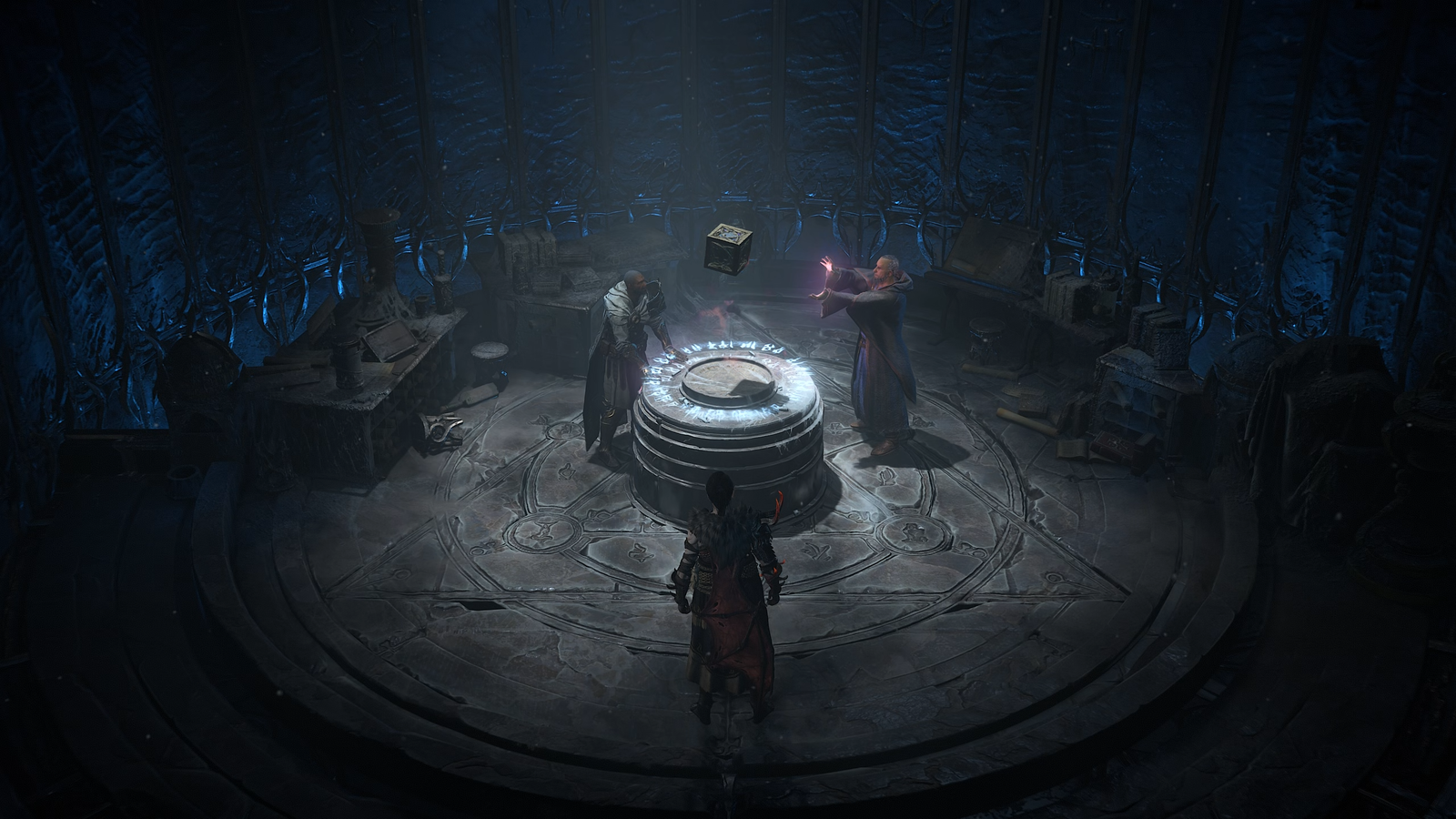
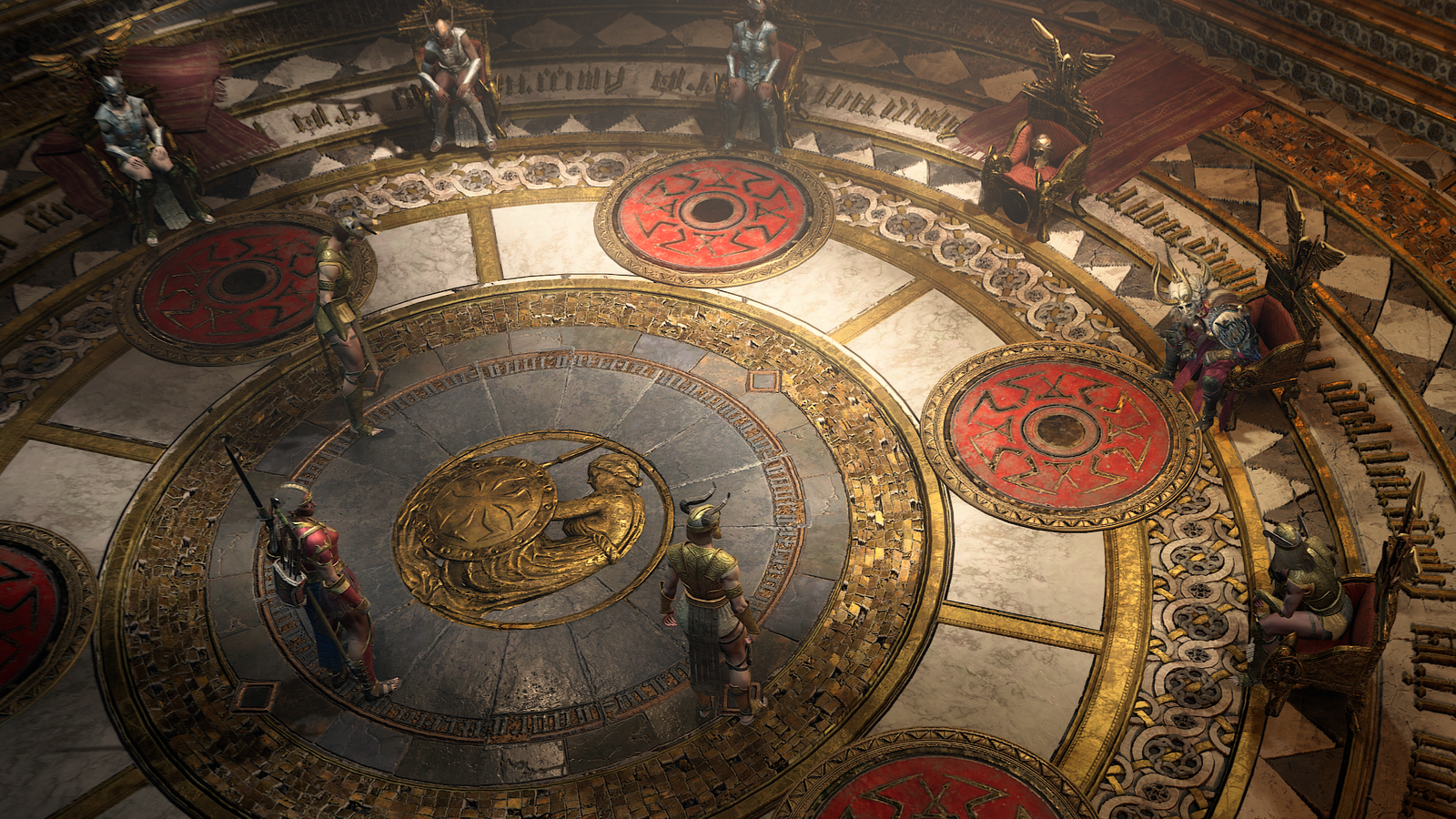
The old friend – the Horadric Cube from Diablo II – has returned in Lord of Hatred and divided Diablo IV into "before" and "after." Seriously. Now it's a central element of build-making, which makes complaints like "I'm not getting anything" much less relevant.
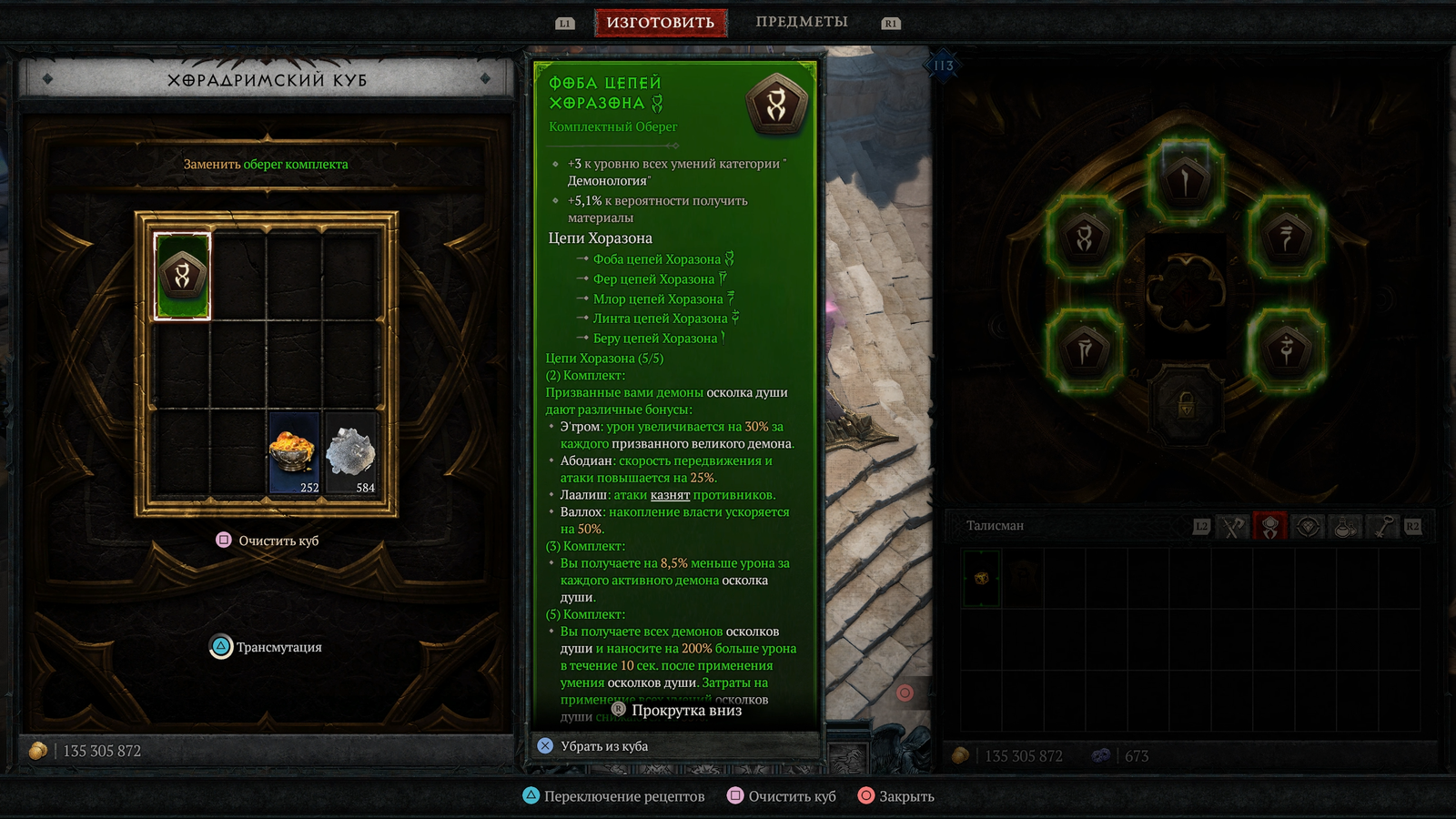
Through the cube, you can create legendary and unique items from ordinary blanks, recycle unnecessary items into other unnecessary items – just kidding, sometimes into useful ones – upgrade equipment, change properties, work with runes, gems, resources, and even get unique items from bosses without facing them directly.
Of course, the cube doesn't solve all problems. The most valuable crafting resources are obtained in limited quantities, so you won't be able to turn any character into a death machine in one evening. But for the first time in a long time, I assembled a devastating build without dozens of hours of farming ultra-rare equipment. I just created a unique item that my build needed. Yes, with mediocre characteristics, but here and now I got a working foundation around which I can already play, strengthen, and polish the build with a file.
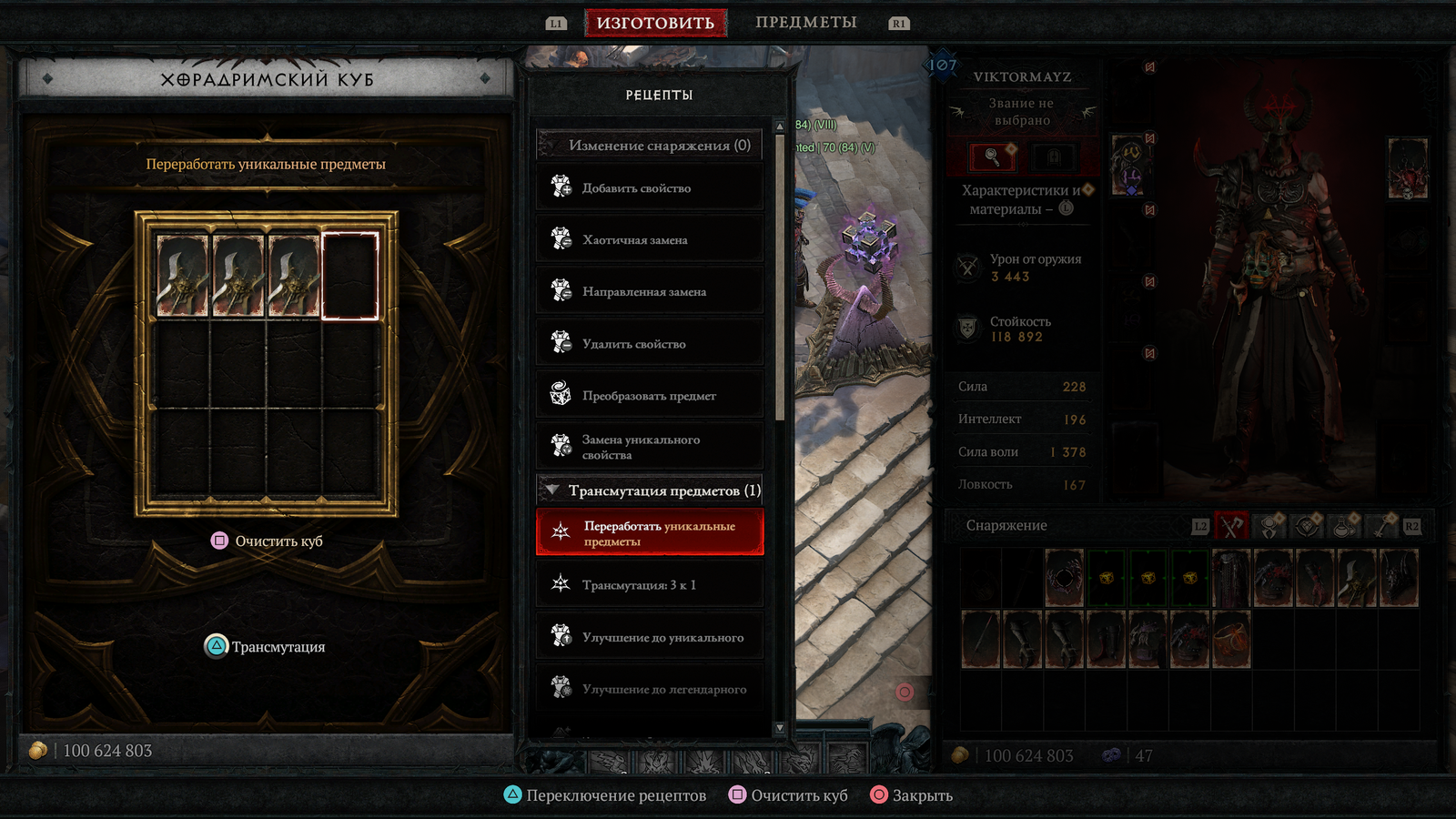
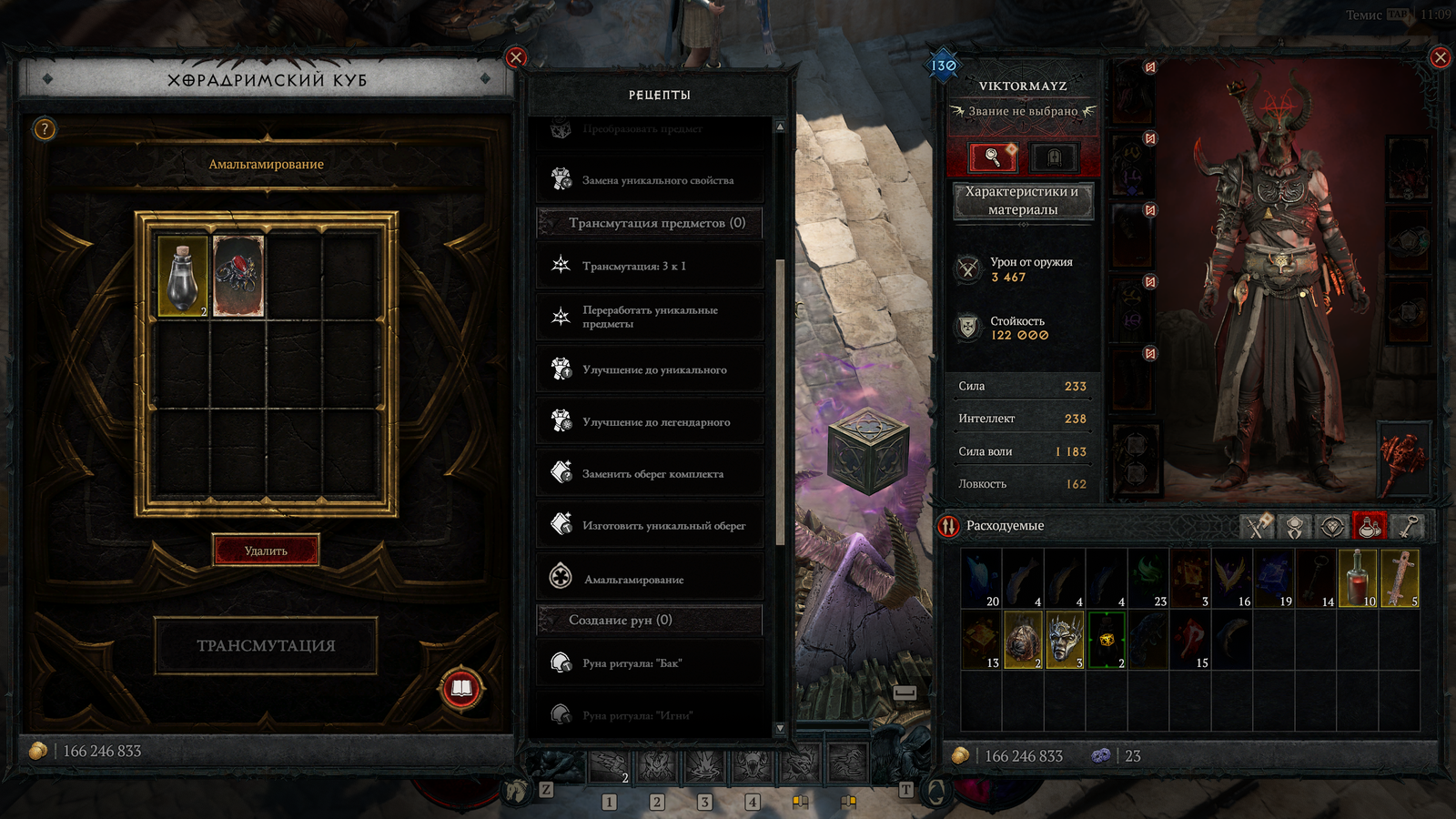
This is a brilliant solution that once again fuels an endless dopamine rush. The Cube gives meaning to any farming: no matter what you're doing, you're still moving towards strengthening your character. At the same time, Blizzard clearly understood that such freedom would have to be balanced. Crafting is not cheap, resources must be used wisely, and unique items can now drop with random affixes, so you still need to find the right version of the desired item, but it can be further improved. The system has become more complex, but it pays for this complexity with flexibility and rewards those who are willing to delve into the mechanics.
Sealed Fate
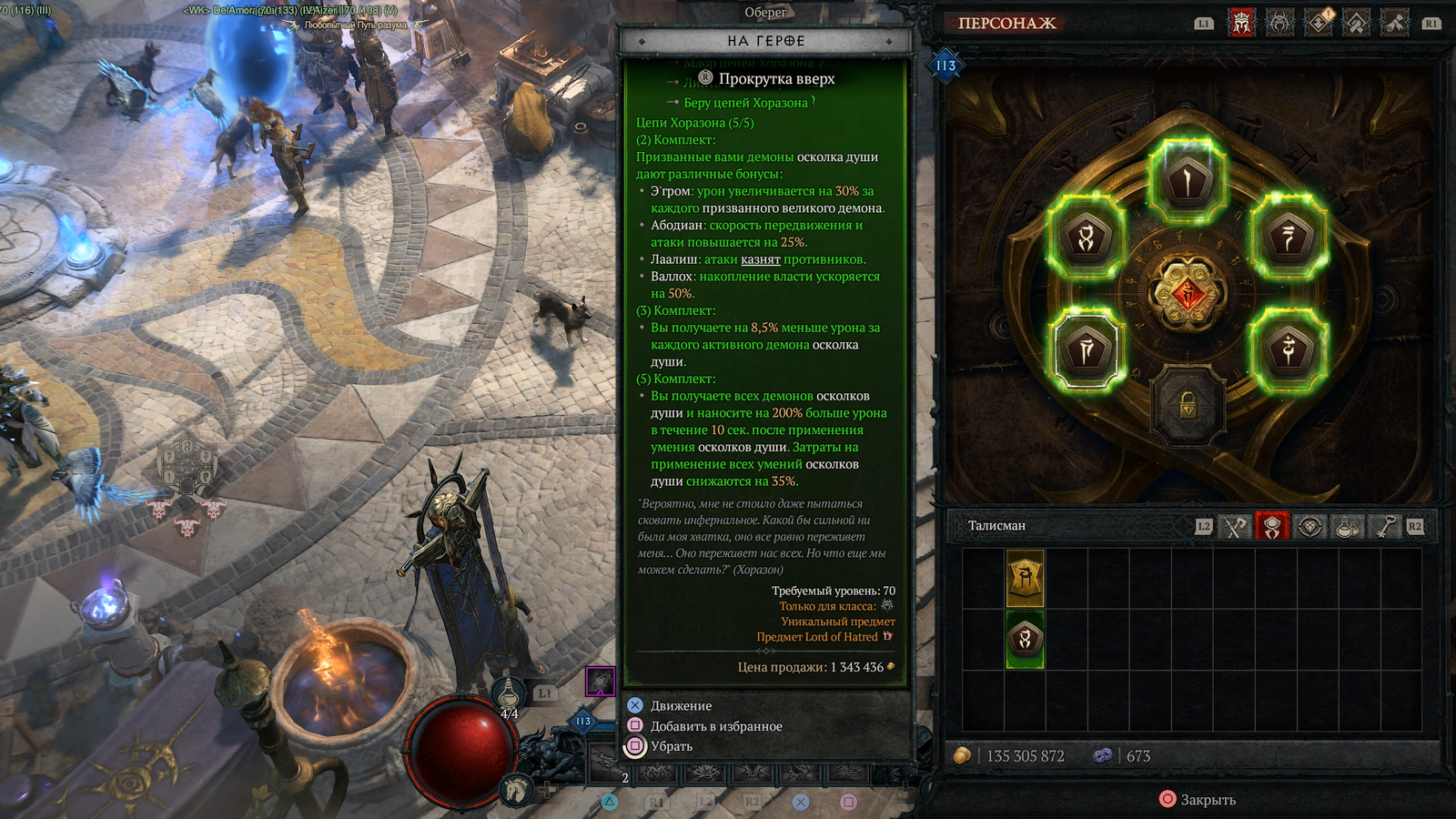
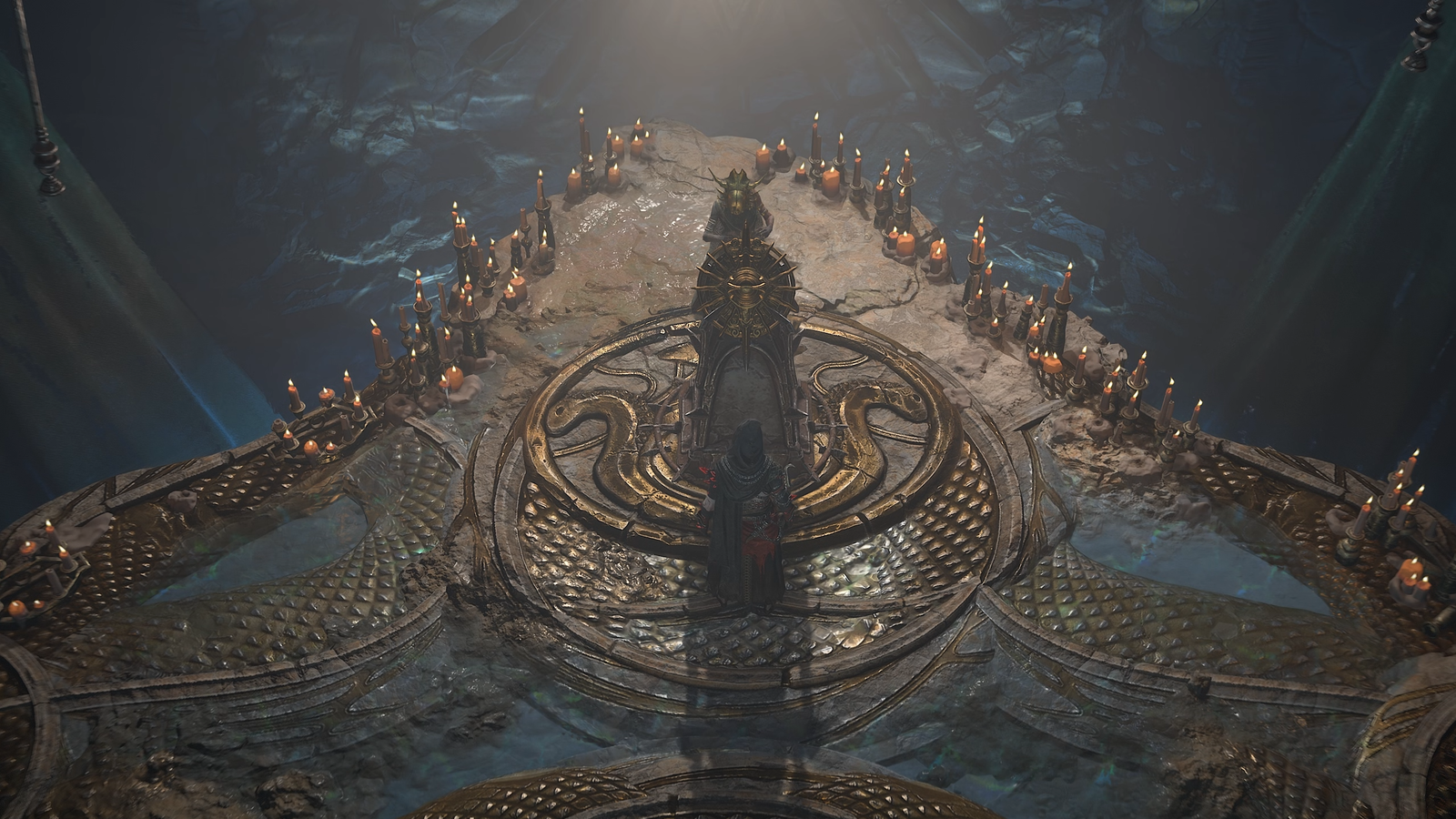
But not by the cube alone. “Lord of Hatred” brought with it the long-promised enhancement to build-making – equipment sets. Blizzard had been talking about them, it seems, since release, but for a long time didn't understand how to approach them without nullifying all previous struggles with equipment. In the end, they found the most elegant solution possible and simply added another layer of gear.
A new tab with a seal appeared in the character's inventory. Charms are inserted into it, which can provide unique effects or combine into powerful set bonuses.
The growth in overall character power was followed by corresponding changes: the maximum difficulty was raised to "Torment XII," and a rare activity called "Echoing Hatred" appeared in the endgame. Access to it is only available at high difficulty levels, and even then, only if the gods of RNG are benevolent enough to grant you a rare key that starts a separate quest.
The event is simple: waves of monsters with ever-increasing difficulty rush at you, and your task is to exterminate the evil as quickly as possible and hold out for as long as possible. As a reward, the game showers you with countless legendaries, uniques, and resources, but the main dream here is a unique epochal seal that reduces the requirements for sets. With such a thing, you can wear two sets at once, and that's a ticket to a completely indecent zone of power.
Cows, Fishing, and Other Joys of Life
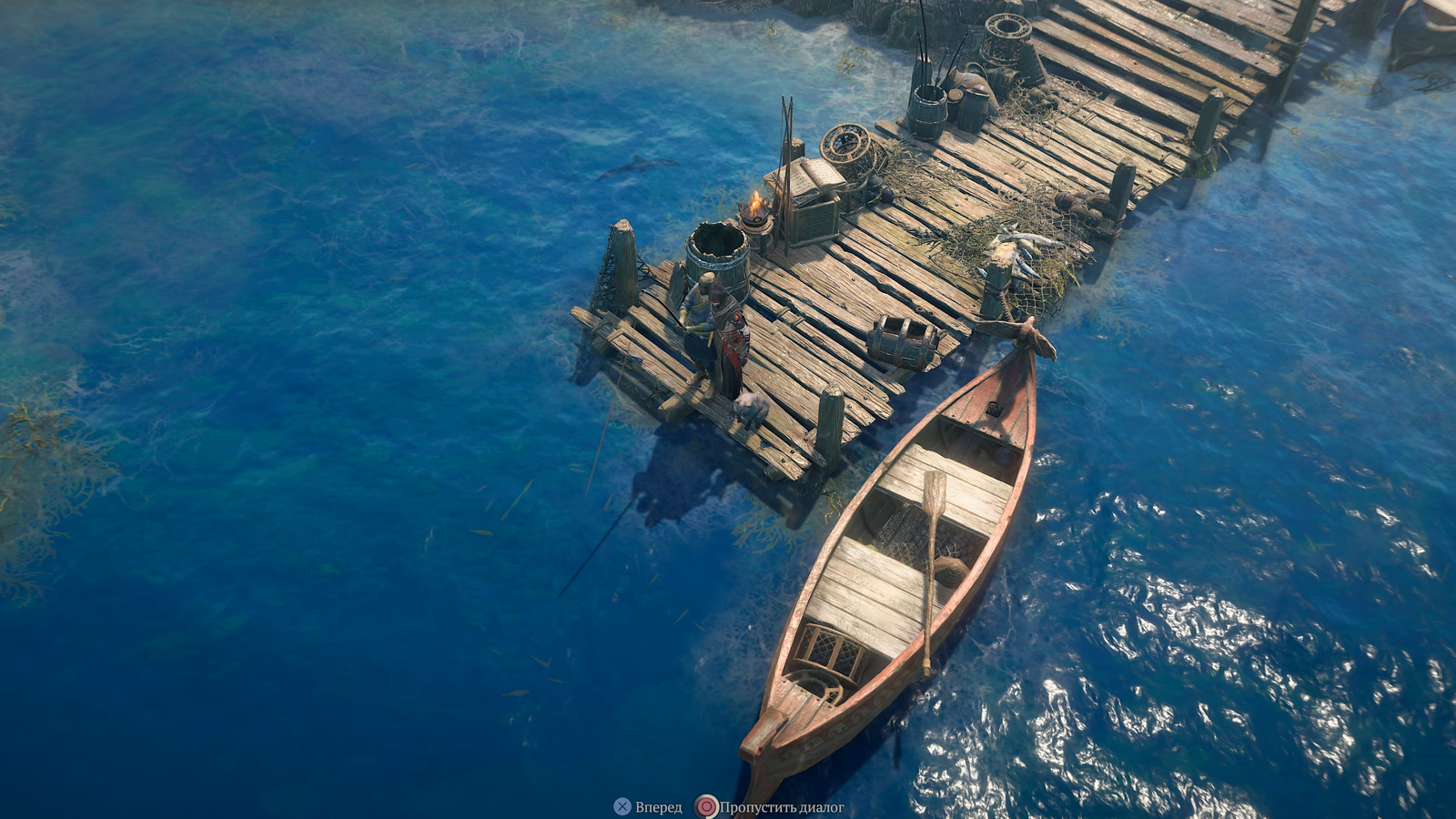
Blizzard also didn't forget about fans of peaceful activities, if such exist in Diablo. Fishing has appeared in Lord of Hatred. Now, in between saving humanity, banishing Mephisto, and assembling the build of your dreams, you can stand by a body of water with a fishing rod and ponder eternity.
However, for now, fishing offers little motivation to return to it. Fish are mainly needed for collections, which grant titles. Rumor has it that you can pull a rare pet and some other pleasant trifles from the water, but I got the impression that fishing was introduced primarily to add a headache to those who decide to find the secret cow level.
Yes, it finally appeared in the game, although the loading screen hint still claims otherwise. An absurdly long chain of actions leads to it, and one of the steps is fishing out a wooden coffin. As you can see, I wasn't lying when I said that in this expansion, Blizzard thoroughly went through the list of fan requests.
And since we're talking about wish lists, it's worth mentioning the loot filter. You can customize it or download ready-made configurations from other players. The system helps clear the screen of unnecessary clutter and highlights items that are specifically useful to you. In the early stages, you should be careful with the filter, because even trash will be useful at first, but in the endgame, such a setting saves a lot of time.
A transparent mini-map, which can now be overlaid on top of the gameplay, can also save a lot of time. Don't laugh. Yes, this feature was available in Diablo II and III, and only now has it made it to the fourth installment. But... better late than never.
However, after years without this feature, I've become so accustomed to a clean screen that I perceive it as visual noise, preventing me from noticing a puddle of poison or other nastiness that wants to send my character to the afterlife. So, I have no desire to get used to it again.
Blizzard Quality
However, overall, there are still a heap of questions regarding the technical side of the project. During my playthrough, I encountered invisible walls, experienced crashes, and struggled with broken controls. I won't dramatize: these were isolated incidents that were fixed by restarting the game. But it certainly doesn't make it any more pleasant.
Things are much more serious with mechanics, items, and builds. As usual after a major update, builds with infinite damage, unkillable heroes, items, and aspects that don't work as intended by the developers have surfaced. Blizzard has already disabled some problematic items and is preparing fixes. Perhaps some of them have already been released by the time you read this text.
On the one hand, it's a live-service game, and such situations have long been commonplace for the small "indie studio" from Irvine. Personally, they didn't spoil my playthrough. In a couple of seasons, everything will settle down – right until the next big update, which will once again test the old patches.
On the other hand, if you're interested in the competitive aspect of Diablo IV, such problems will be much more annoying. In that case, you probably already live in patch notes, leaderboards, and build calculators, and are more aware of all the problems than I am. For players like me, who dive into Diablo IV for a hundred or two hours a year, this is a weak reason to deny myself the pleasure of spending a few evenings in a world I've loved since childhood.
Verdict
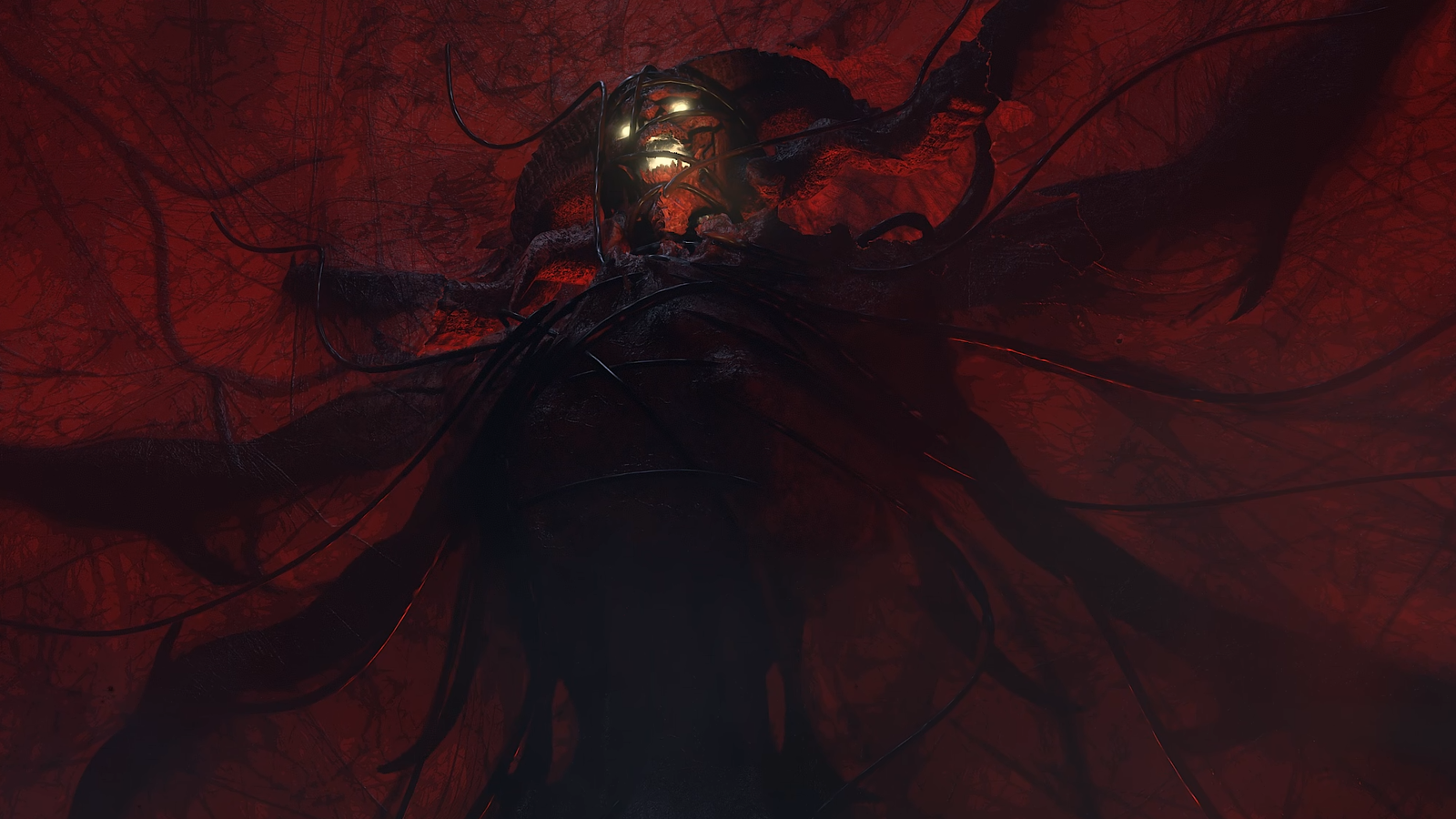
Lord of Hatred is an excellent and substantial expansion. It fittingly concludes Diablo IV's main storyline, gives Lilith a strong redemption arc, showcases Mephisto in all his terrible glory, and leads to the main question: what's next? The campaign turned out to be so spectacular, dark, and epic that after the finale, it feels like you could go straight to Diablo V.
Though why rush? Blizzard has created such a solid foundation for the fourth installment that a new game can be postponed for a long time. Just keep developing this one. You're already doing great! Or finally make a third-person spin-off – I'm tired of hinting.
However, the story is only part of "Lord of Hatred's" strength. If you live for farming and build-making, the new classes, updated old ones, the Horadric Cube, talismans, and the revamped endgame will provide enough reasons to stay in Sanctuary for dozens, if not hundreds, more hours.
In the conclusion of my Vessel of Hatred review, I wrote that Diablo IV was then in its best state ever. Now I can repeat that again. This means Blizzard is moving in the right direction.
Never miss our newsAdd this site to your preferred sources to see us more oftenAdd on Google