Highguard Failure: How to Lose 90% of the Audience in Two Days After Announcement
Highguard was the final announcement of The Game Awards 2025, but instead of popularity, the game is rapidly dying. 90% of the audience left within two days - this looks like a new record! But who promoted it and why, and why did the "shadow drop" bet fall apart? How did a single marketing move turn a launch into a death sentence? We investigate in our new feature.
Audience attention is the most expensive resource. It is easy to buy but hard to earn. It is even harder to transform attention into interest. From there, everything is decided by how clear and convincing the game is in the first minutes of introduction.
The story of Highguard is indicative precisely because the project had what thousands of teams dream of: a giant stage that managed to attract almost 100,000 players. And yet — it was an almost perfect recipe for how to turn a PR stunt into a reason for hatred.
So what happened?
If you piece together the public chronology and what the authors themselves said, a paradox emerges: they wanted to release Highguard following the Apex Legends model. According to the developers from Wildlight Entertainment, their game was supposed to be a "shadow drop" — a sudden release without a preliminary announcement or advertising campaign. But after talking to Geoff Keighley, they abandoned this idea.
Then events began to take on a very dark tone. Highguard closed The Game Awards ceremony. It was placed in the slot where the public traditionally expects the most grand announcements. This is exactly where everyone was waiting for the announcement of Half-Life 3, speculations about which had been promoted for two months.
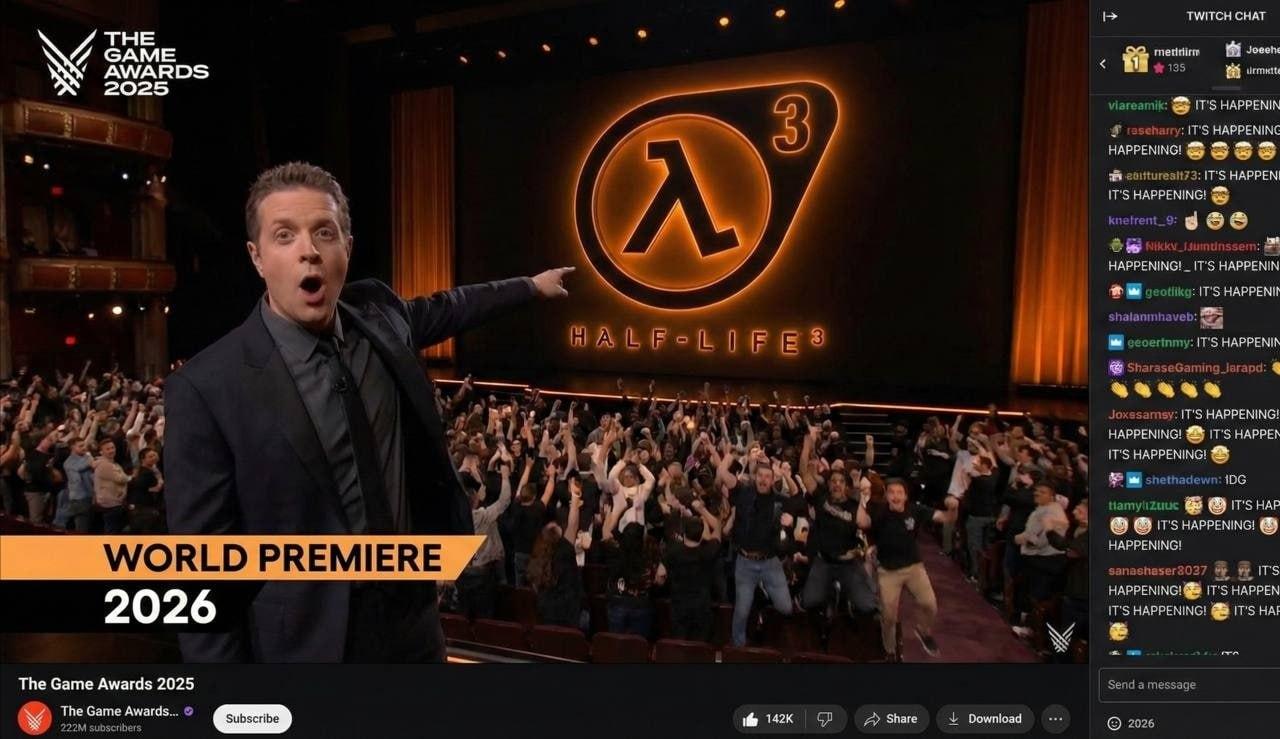
An important nuance regarding Keighley's role. From his side, the position was that Highguard's appearance in the program was his initiative and the developers did not pay for promotion at the ceremony. But even if money was not directly involved, the effect on the audience was the same: the final slot looks like a mark of quality and a promise of scale.
But the viewers did not understand the game. On social media, there were talks that Keighley personally insisted on including the game in the show's finale without explaining its core idea. At the same time, the game suffered much more than the showman. After all, Highguard had an interesting concept — a "raid-shooter" genre about base sieges. But it wasn't communicated.
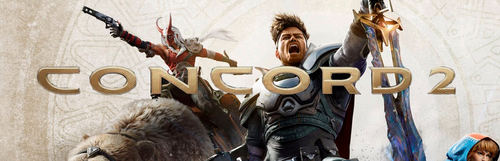
Next, the studio did what works in PR in only one situation: when you've already hit a scandal and are waiting for the crowd to switch to another event — they went silent. But this doesn't work as an advertising strategy for a new game that requires a presentation a month before release. This led to a sad outcome: instead of clear explanations, the game began to be discussed through negative analogies and memes about "Concord 2".
At launch, Highguard gathered a large audience — Steam recorded 97,000 concurrent players. But they failed to retain them. Due to technical problems and a general negative background, today a little over 5,000 people are playing the game. Later, the developers made excuses, saying they had to fight off a wave of skepticism and negativity fueled after the announcement.
And here is what's important: Highguard failed not because it was shown on a big stage. It failed because the big stage gave an advance of expectations, and then the team did nothing to convert that advance into an understanding of the game and into trust.
The result was a rare marketing zigzag: in a short period, the project managed to try on several incompatible roles at once — "sudden release," "main sensation of the show," "silence," and then "here is the release — figure it out yourself." After such promotion, the entire PR department can be safely fired.
Marketers without work experience
Highguard is particularly interesting because it was promoted not by an idea, but by a biography. In advertising and positioning, it constantly popped up: "from the people who worked on Titanfall and Apex Legends." Even on the Wildlight team page, the emphasis is on the list of projects rather than specific roles.
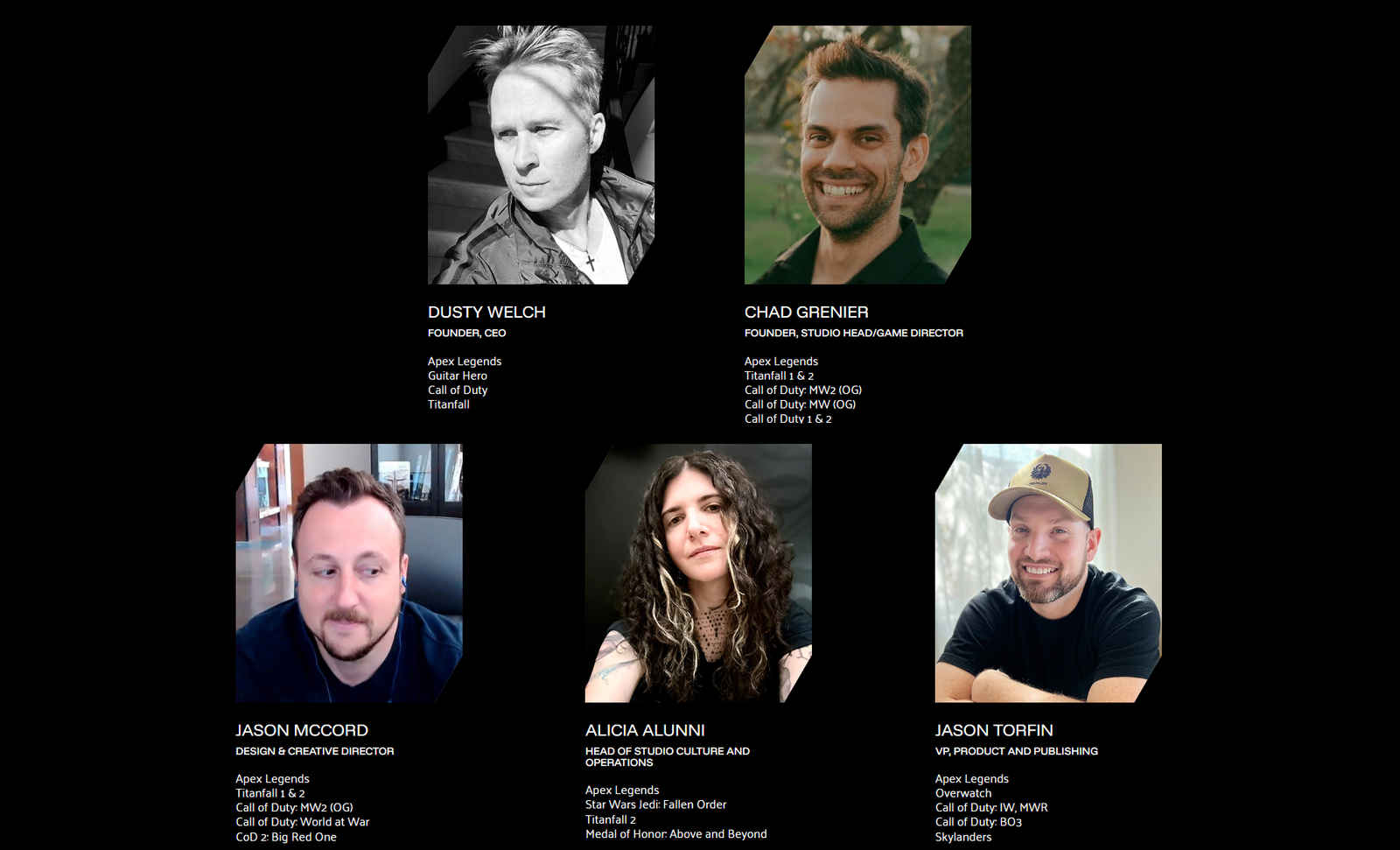
This is where the key problem of "veteran marketing" begins: the industry loves a success story, but the audience doesn't buy a line on a resume — they buy high-quality games. And if the promise sounds like "We made Titanfall," but the product looks and feels different — the reaction won't just be cold. It will be hostile, because players feel like they are being won over by the creators' authority.
Relatively speaking, there are two roles for developers: visionaries and professionals. Visionaries sell a project with their name because their contribution is not a mention in the credits, but the full creation of a successful product: coming up with the concept, securing the budget, selecting the team, making creative decisions, and taking responsibility for them. For such people, the name is part of the brand.
The other side of the industry is the executors: designers, programmers, marketers, artists. They can be the best in their field and still not necessarily know how to create a new game as a product. This is a different skill, a different risk, a different competence, a different volume of responsibility. Therefore, the simple logic: "We are veterans of Respawn — so you must believe" does not work. Moreover, sometimes it works against you.
The history of gamedev is full of cases where veterans from giants launched studios with loud promises and then hit walls of finance, management, and market realities. You don't have to look far: Carbine Studios closed after problems surrounding the MMO WildStar. Frost Giant Studios tried to make a StarCraft II clone called StormGate. It also failed, and the studio faced layoffs. And there are so many of these "Blizzard veterans" that we have a separate article about them on the site.
No matter what the employees' portfolio is, it guarantees almost nothing to the player. Gamers don't know how these people will perform no longer as executors within a large studio, but as leaders. Therefore, the attempt to "sell" Highguard with past merits and copy the sudden release formula looked naively stupid.
Apex could afford suddenness not because it didn't spend a cent on marketing. It launched as an innovative and polished battle royale project, with a powerful infrastructure ready to accept millions of players, and a large advertising campaign already after the release. Highguard tried to repeat the success but lacked the main thing: a credit of trust, innovation, or a brand.
Examples of proper promotion
Marketing in games is not needed to deceive the audience, but to explain the concept before other people's memes and comparisons do it for you. If a game cannot be described in one clear phrase and shown in one clear video, the market will find a label for it itself.
In the case of Highguard, the basic actions were obvious because the game has a specific promoted concept. It needed to present an overview video not at release, but immediately after the announcement. In it, the entire gameplay loop should have been shown in detail: base management, resource raids, skirmishes, raid rules, and the cyclical nature of events.
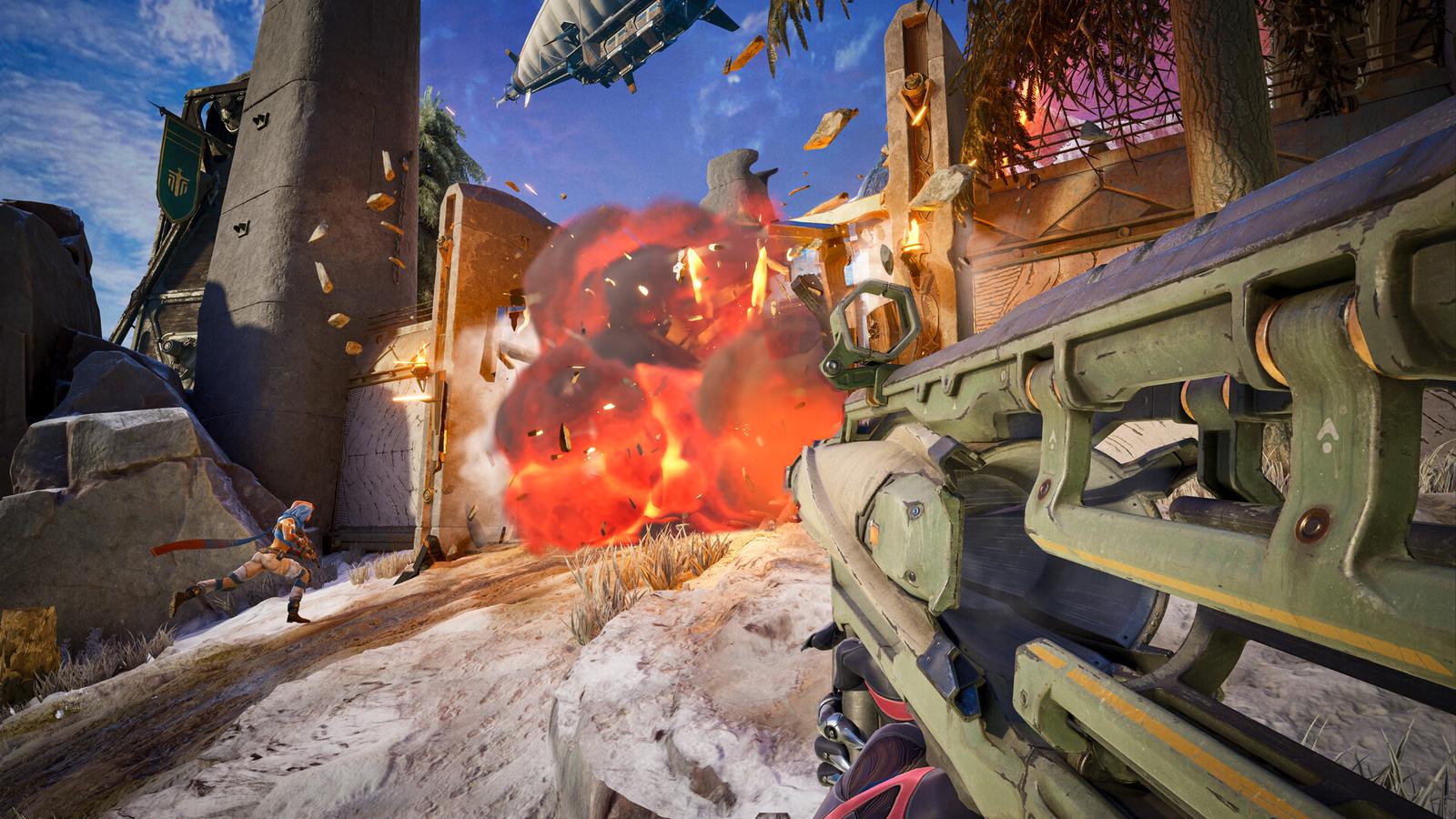
The logical continuation after such a showing would not be going silent, but announcing a beta test. And not in a "play for two hours and forget" format, but as a meaningful concept check. In the beta, controversial points could have been honestly presented to the audience to get detailed feedback: does the 3v3 siege idea work, does the match pace falter, how pleasant is the shooting, does equipment progression break the feeling of a fair fight, and do the servers withstand real loads.
Against this background, the "shadow drop" looks like a harmful plan. A sudden release works not because the developers were silent, but because at the moment of launch, the game already has something to hook people with, and there is someone to pick it up. For Apex, trust in the authors and a sense of novelty within a popular genre worked. For Hi-Fi Rush, the suddenness was linked to a contrast in expectations. Rumors and leaks mentioned a dark setting, but at release, we got a positive slasher. And for Oblivion Remastered, the brand itself made the release an event: even without advertising, fans were still waiting for the return of their favorite series, and rumors only increased the hype.
Leaks in general have become a separate marketing tool in the industry. There are leaks that break plans and force excuses, and there are "controlled insights." They gently warm up interest and create an effect of presence: the audience feels as if they are participating in a secret, discussing hints, and putting together a puzzle. But even this trick does not replace a clear dialogue with players.
Therefore, even an ideal "quiet release" would not have made it a hit: at most, it would have given a stable, very small online presence. And then everything hits the unpleasant truth: Highguard was a weak game from the start.
No amount of advertising can save this
Marketing can give a game a chance, but it cannot replace the game itself.
The most disappointing thing about Highguard is that the concept is curious. It's a "raid-shooter" about sieges: not survival and not a MOBA, but a team formula of "fortify base — gather resources — win skirmish — siege fortress." In a mass form, similar feelings today are more often caught either in Rust or in Minecraft Bedwars modes. The idea sounds fresh — the problem is in the execution.
In the first hour after release, some players faced queues, crashes, match instability, and general launch roughness. Then what kills any "word of mouth" at the start kicks in: the feeling of being unfinished. The project suffers from frame drops, unpolished graphics and settings, as well as strange network code, because of which you can witness world generation live while everyone else is loading.
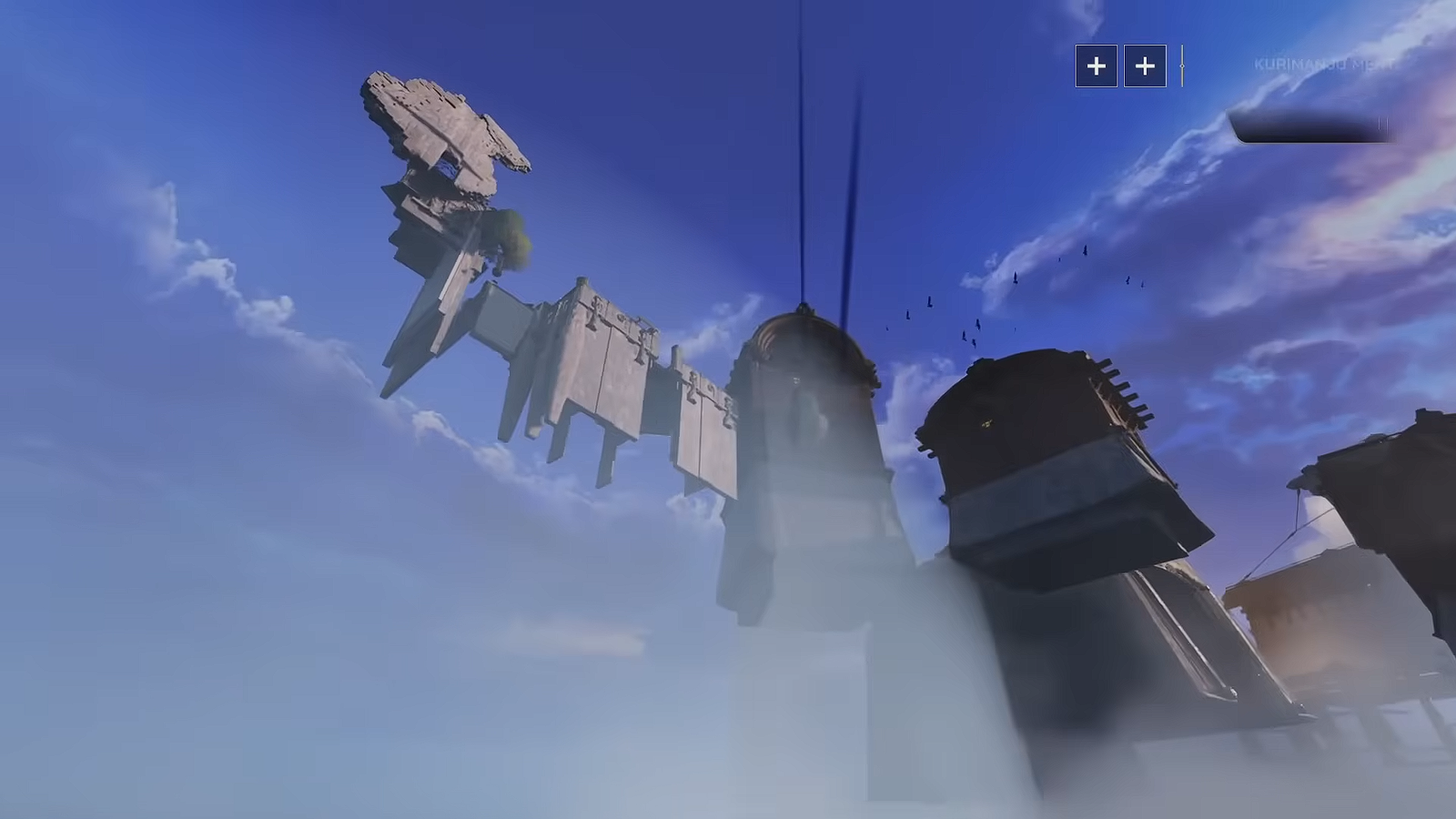
The main problem in the gameplay is the too long time-to-kill (TTK) in firefights. Characters are too tanky, and battles turn into a prolonged exchange of damage, where the ability to keep the crosshair on the enemy and a large magazine capacity decide everything. Add to this the equipment progression. Armor quality drastically changes survivability in team battles.
At launch, talk arose around Highguard about similarities with Apex — from the interface to the general feel of the gameplay. This is a significant reason to think: when developers sell a game with the phrase "from the creators of Titanfall and Apex," any coincidence begins to be read not as a school tradition, but as parasitizing on an image and a reason for a lawsuit. Tellingly, the authors changed the wording in the project description — mentions of "creators of Titanfall and Apex Legends" were erased.
Here the final conclusion arises: even if the marketing had been perfect, Highguard would still have disappointed with inadequate quality. It would have had to be pulled out with patches and clear communication. But what kind of communication can we talk about if the PR department is afraid to go on the Internet?
Verdict
The failure of Highguard is a clear example of how promotion works and why it is not limited to a one-time action. The final slot at The Game Awards gave an opportunity to announce itself, but the attention received must be justified by the game's merits: a clear idea, a confident demonstration, a sense of novelty, and an understanding of why it exists at all.
Wildlight jumped over their heads. They showed Highguard not as a new word in the genre, but as a new project from "former Titanfall and Apex developers." This is the main mistake. Therefore, viewers saw not a fresh concept, but another attempt to mix recognizable mechanics in hopes of success. Highguard became a victim of its own marketers: the team decided that if they were given a big stage, interest would appear on its own.
But interest must be proven — by idea, quality, and clear presentation.
Never miss our newsAdd this site to your preferred sources to see us more oftenAdd on Google