GOG Head Blasts DRM and Bandai Namco Lawsuit Over The Witcher 2
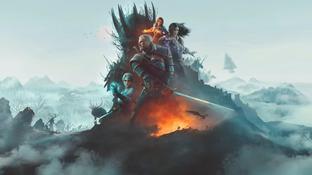
14 years after the release of The Witcher 2, CD Projekt co-founder and new GOG owner Michał Kiciński has strongly criticized DRM. In the past, publisher Bandai Namco sued CD Projekt after the protection was removed from the game.
According to Kiciński, the philosophy of the store has not changed after GOG was bought out from CD Projekt. In an interview, he said:
This is a key value of GOG, and there is no sign that it will disappear in the foreseeable future. It is not only an ethical position, but also a pragmatic one. It allows people to play regardless of what happens to the platform or internet connection.
Kiciński criticized the model "where you pay full price, but your rights are like those of a person who rents the game." Formally, buying a digital project is a license that can be revoked. In the case of GOG, thanks to DRM-free installers and the ability to create backups, it is impossible to completely deprive the user of access to the game.
From the very beginning, we did not consider DRM to be a solution to the problem of piracy, because games are still hacked, almost on the day of release. We see DRM as a system that complicates life for the legal buyer. The only reason for its existence is the requirements of copyright holders.
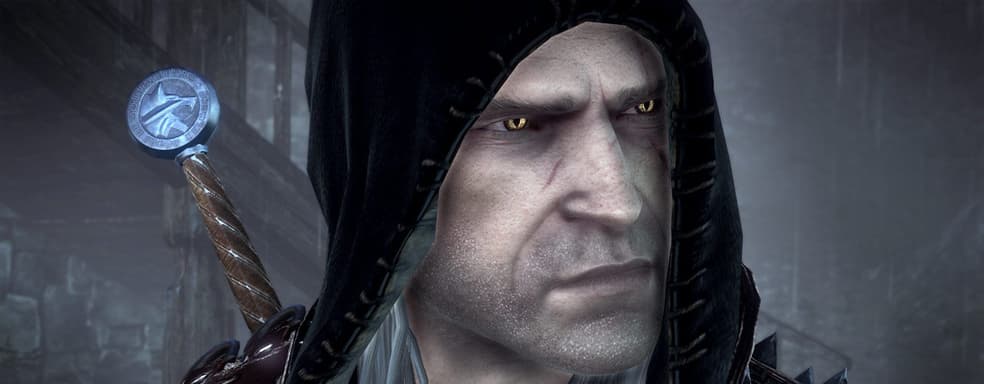
He recalled the situation with The Witcher 2. After its release in 2011, CD Projekt released a patch that completely removed DRM. At the time, the studio stated:
We considered DRM necessary to prevent leaks before release. This goal has been achieved, so we are happy to give players complete freedom of use.
Most corporate people make frankly stupid decisions. I encountered this personally when our own publisher sued us.
According to him, Bandai Namco did not accept the argument that DRM was no longer harming the business, and ignored players' complaints about errors and reduced performance.
Never miss our newsAdd this site to your preferred sources to see us more oftenAdd on Google