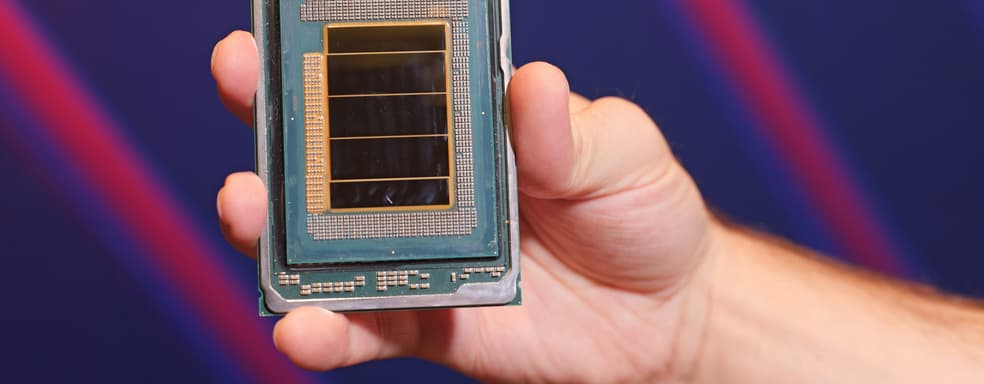
Intel started selling processor dies that it used to simply discard as waste
Due to an acute shortage in the market, there are those who are willing to purchase even such a product.
Amidst the rapid development of the AI inference segment and the emergence of so-called "agent AI," the demand for computing power has sharply increased. While previously the artificial intelligence market primarily relied on graphics accelerators, now more and more of the load falls on central processors and memory. This has led to major companies, including Intel, actively ramping up production.
Intel's financial results for the first quarter were strong. The company noted "solid execution" and increased shipments as key success factors. Intel's business is still based on Intel Xeon server processors, widely used in data centers and AI infrastructure.
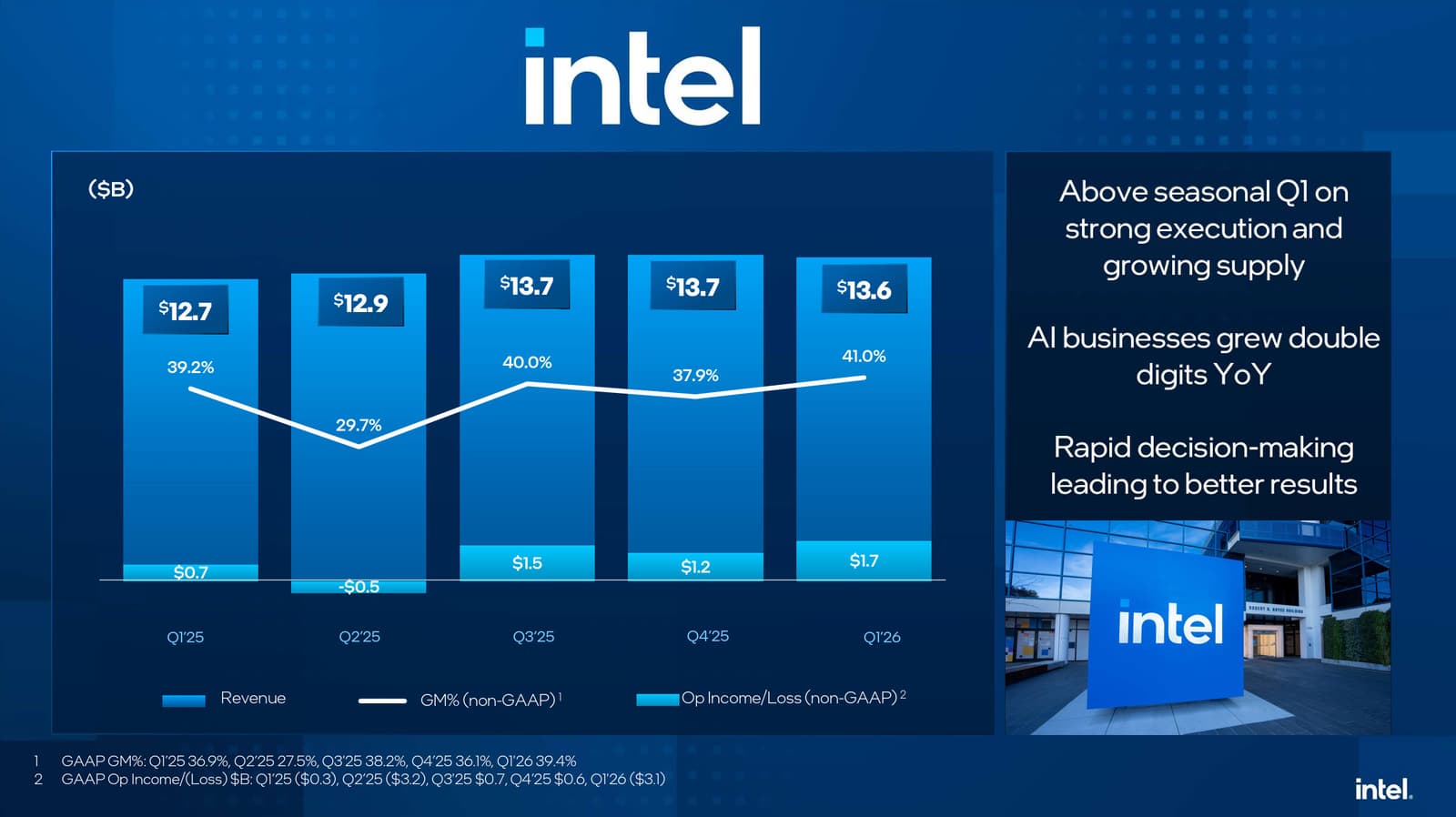
However, as it turned out in a conversation with analyst Ben Bajarin from Creative Strategies, an unexpected factor played a significant role in revenue growth. This refers to the dies that form on the edges of silicon wafers during chip manufacturing. Usually, such specimens are considered lower quality and are either used in budget products or discarded entirely.
This time, Intel decided to take a different approach: the company reprocessed these "low-grade" dies, lowering their characteristics, and released full-fledged products based on them. Due to an acute shortage of processors in the market, customers were willing to purchase even such solutions.
Read more on the topic:
Never miss our newsAdd this site to your preferred sources to see us more oftenAdd on Google