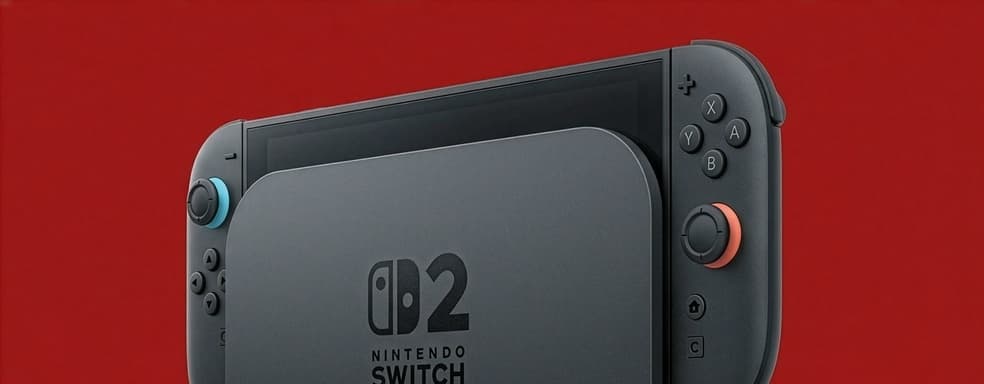
Nintendo wants to arrange a "hardware lottery" for Switch 2 buyers - information about a model with a new LCD screen has appeared online
No official information has been received from Nintendo yet.
A year after the release of the Nintendo Switch 2, signs of a possible hardware revision of the console have appeared online. According to sources, a new LCD panel was spotted on a Chinese component resale platform, which could replace the display used in the initial version of the device.
Despite the Nintendo Switch 2 remaining the only portable console with NVIDIA DLSS support, the device has been criticized for the quality of its LCD screen. The main problem is considered to be a noticeable ghosting effect caused by the slow response time of the matrix. According to available data, the Switch 2 display responds approximately 50% slower than the screen of the original Nintendo Switch.
The possible new panel was reported by the author of the Nintendo Patents Watch account on Bluesky. According to him, the discovered display, presumably manufactured by Sharp, differs significantly from the Innolux panel currently in use. The changes concern the design of the open circuit, connectors, and cables, which indicates not a minor refinement, but a full-fledged design update.
It is not yet known what improvements the new panel will receive. The situation is complicated by the fact that the current Innolux display already uses LTPS glass manufactured by Sharp. Nevertheless, the differences in design suggest that the new version may receive improved characteristics.
Previously, Nintendo has already fixed HDR support issues with firmware updates, so the main candidate for hardware improvement remains the reduction of the ghosting effect, which cannot be eliminated by software means.
The question also remains open as to how the company will proceed with the updated version of the console. Nintendo may completely replace the current model with a new revision or release both versions in parallel. The second option could lead to a kind of "hardware lottery," where buyers will not know in advance which display version they will receive.
Never miss our newsAdd this site to your preferred sources to see us more oftenAdd on Google