What we wasted our time on: Disappointments of 2025
In addition to the joy and pleasure from great new games, we also experienced feelings of annoyance, hatred, and other negative emotions from disappointing projects. You understood correctly - this material features the main underdogs of 2025 according to our editorial staff!
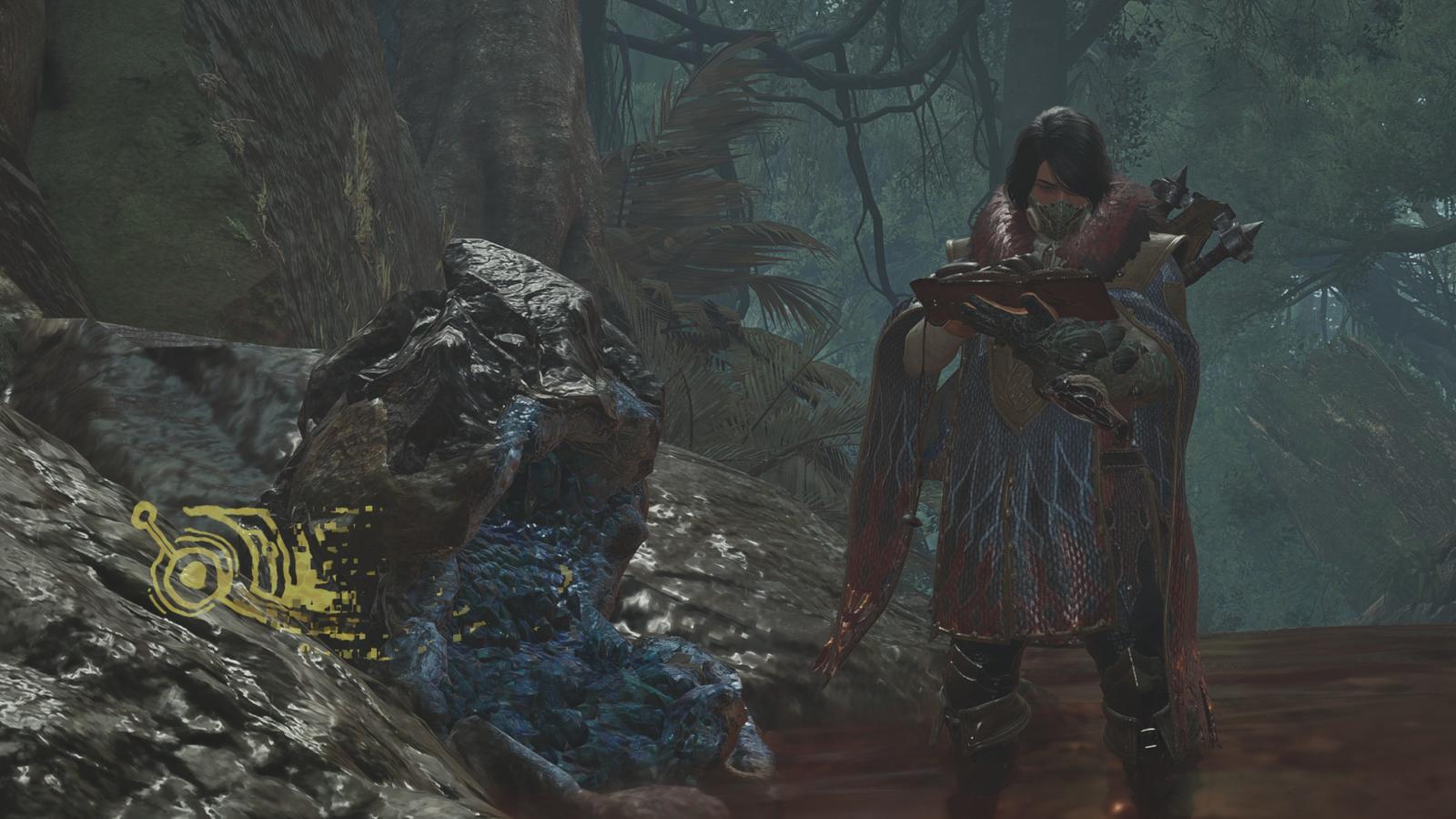
Monster Hunter Wilds — Maksim Dragan
Monster Hunter is one of those series with which my relationship is like a roller coaster. I like it here, I don't there. One moment I'm screaming with delight while defeating a huge dragon, and a few minutes later I feel sick from having to once again dully prepare for another hunt. Ambiguous, to say the least.
And I was afraid to approach the new part for a long time. I was delighted with Monster Hunter Rise — it was smaller, but more concise and intense. And most importantly, it knew when to quit. No more than half an hour for preparation and hunting, and you can go about your business. But World, like Wilds, are already full-weight parts of the series to which you need to devote your whole self, ignoring the rest of your life if you want to achieve something.
And at the fifth hour of playing Wilds, a misunderstanding arose: why am I doing this? I'm bored, tedious, and uninterested in going after the same monster once again to pull up the power level for new contracts or story missions. I'm tired of running through the monotonous orange desert, occasionally replaced by dirty green canyons. This stupid armor and weapon design, hypertrophied in an anime style, hits my eyes!
Yes, 5 hours is ridiculous for a definitive verdict. But if the above can be loved or endured at least for research purposes, then the disgusting optimization of the game is impossible to forgive. Poor CAPCOM is already tearfully begging players to return and promising to improve, but the developers are only making Wilds worse. The latest patch cut the graphics so that the project would somehow work at 60 frames on powerful PCs. Shame on your Japanese heads! Give us Rise 2 for Switch 2!
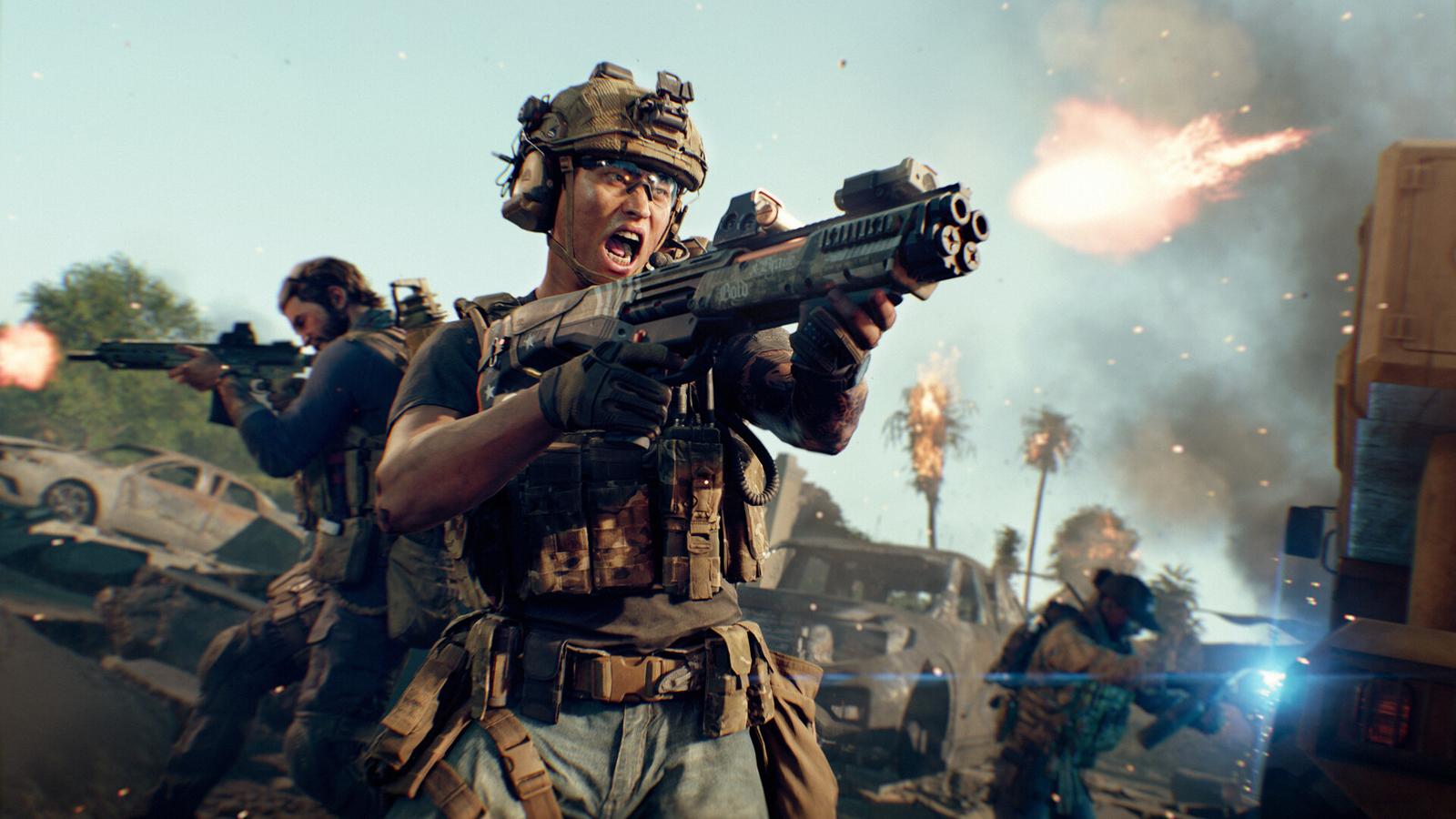
Battlefield 6 Story Campaign — run.code
As good as the multiplayer mode in Battlefield 6 is, the story campaign in the new shooter is just as disgusting.
No one will argue that sometimes various conventions can be allowed for the sake of spectacle, turning a blind eye to the lack of logic and forgiving script holes in the hope that later the game will improve and give a more coherent explanation of what is happening. In the case of the campaign in Battlefield 6, almost everything consists of conventions — action for the sake of action. What? Who? Why? It doesn't matter. The heroes will bulge their eyes, deliver loud but completely empty speeches.
Completing the story mode will take only a few hours, but these will be the most aimlessly spent hours of your life. Faceless heroes trying to complete almost meaningless tasks. The final twist in the spirit of "the butler did it" completely puts an end to the desire to see a sequel, which the game clearly hints at. You will just sit in front of the screen, experiencing anger, disappointment, and frustration at the same time because you decided to spend your time on this.
There is no doubt that the campaign was made with the change from multiplayer and only to justify the $70 price tag. It seems that not only did AI work on it, but after it, no one fixed anything — they took it as is. Anyway, people will spend more time in multiplayer.
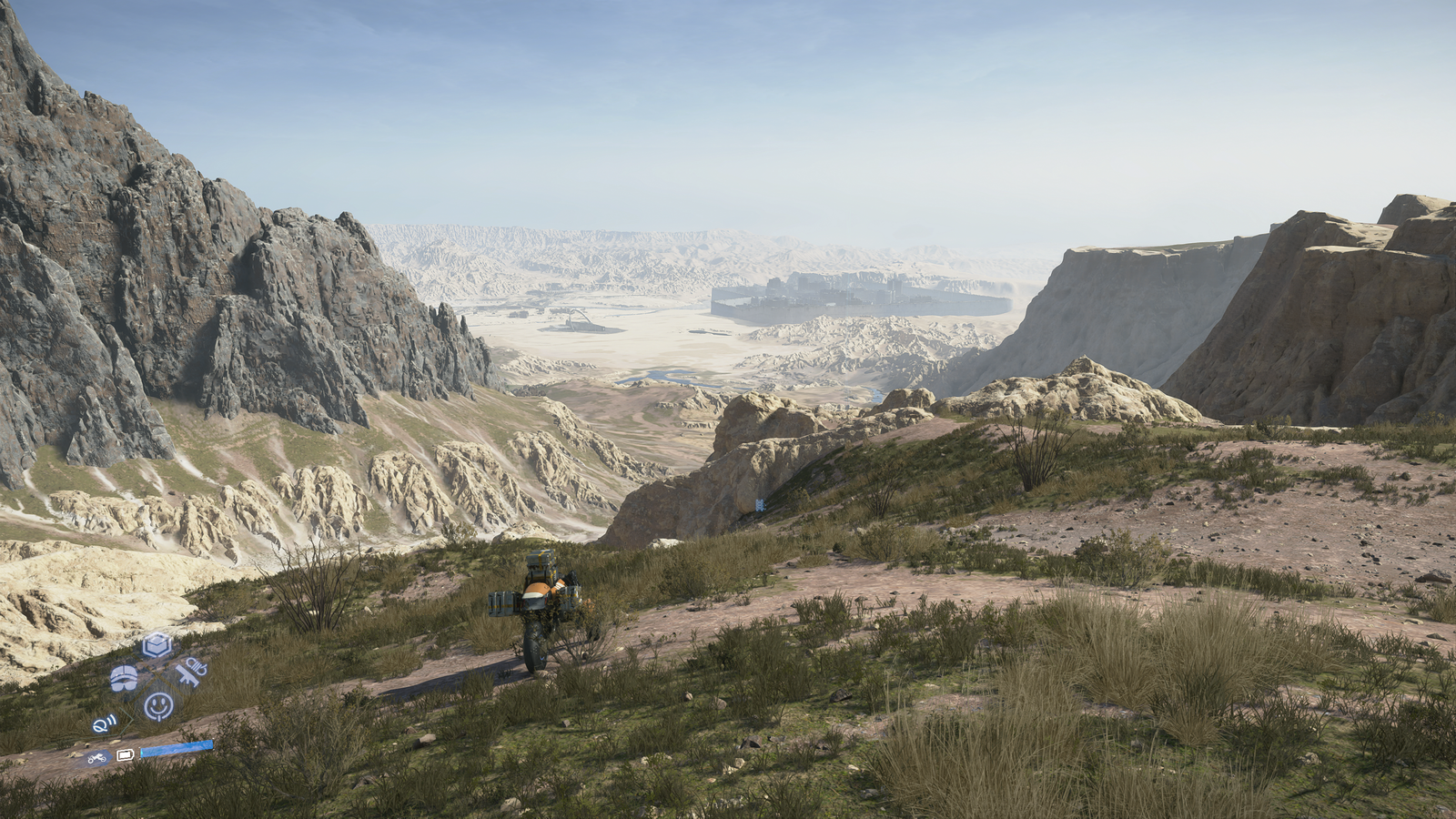
Death Stranding 2: On the Beach — George Petrovich
The first part of Death Stranding is one of my favorite games. At least because it was the first game I played on an iPad with my daughter. The second part promised to be a real family event.
When the final credits rolled and my daughter realized what Uncle Sam had done in the end, a little child's happiness turned into real dancing on dad's neck. At that moment, it seemed that Death Stranding 2 was the best game in the world, because no other gave so many emotions in the finale. And then came the aftertaste. And the understanding that these emotions were provided not by the game, but by your child's reaction.
And what did the game itself leave behind? The feeling of an unnecessary sequel. Don't get me wrong, Death Stranding 2 is a wonderful work. It takes all the best from the first part and elevates it to an absolute. The technical execution causes genuine delight. Everything in the game is good, except for the question "WHY?".
The problem with the sequel is that Hideo Kojima said everything he could and wanted to in the first game. The original is a finished work that requires no explanation. The plot of the second part feels like a squeezed rag. Drops are also water, but it's not enough to quench thirst. Are there emotional moments? Absolutely. Great directing? Of course. But it's hard to empathize with a plot whose main intrigue is guessed after 15 minutes. And for all 40 hours, the viewer is made a fool of.
But it's not just the plot that the sequel is guilty of. The first part divided the community: you either accepted it or categorically rejected it. In the second part, they tried to please everyone, but the opposite effect occurred. The original gave an incredible sense of satisfaction from overcoming unbearable conditions. In the sequel, they became even tougher, but from the start, the game gives a choice: if you loved to suffer — suffer even more; if you didn't — here's an all-terrain motorcycle and a bunch of weapons.
Naturally, when you have a choice, you prefer not to suffer, which ruins all the efforts of the developers. The second part lost the sense of grueling overcoming, because any route can be driven with a breeze, simultaneously knocking down all enemies. The game won't punish you for it anyway.
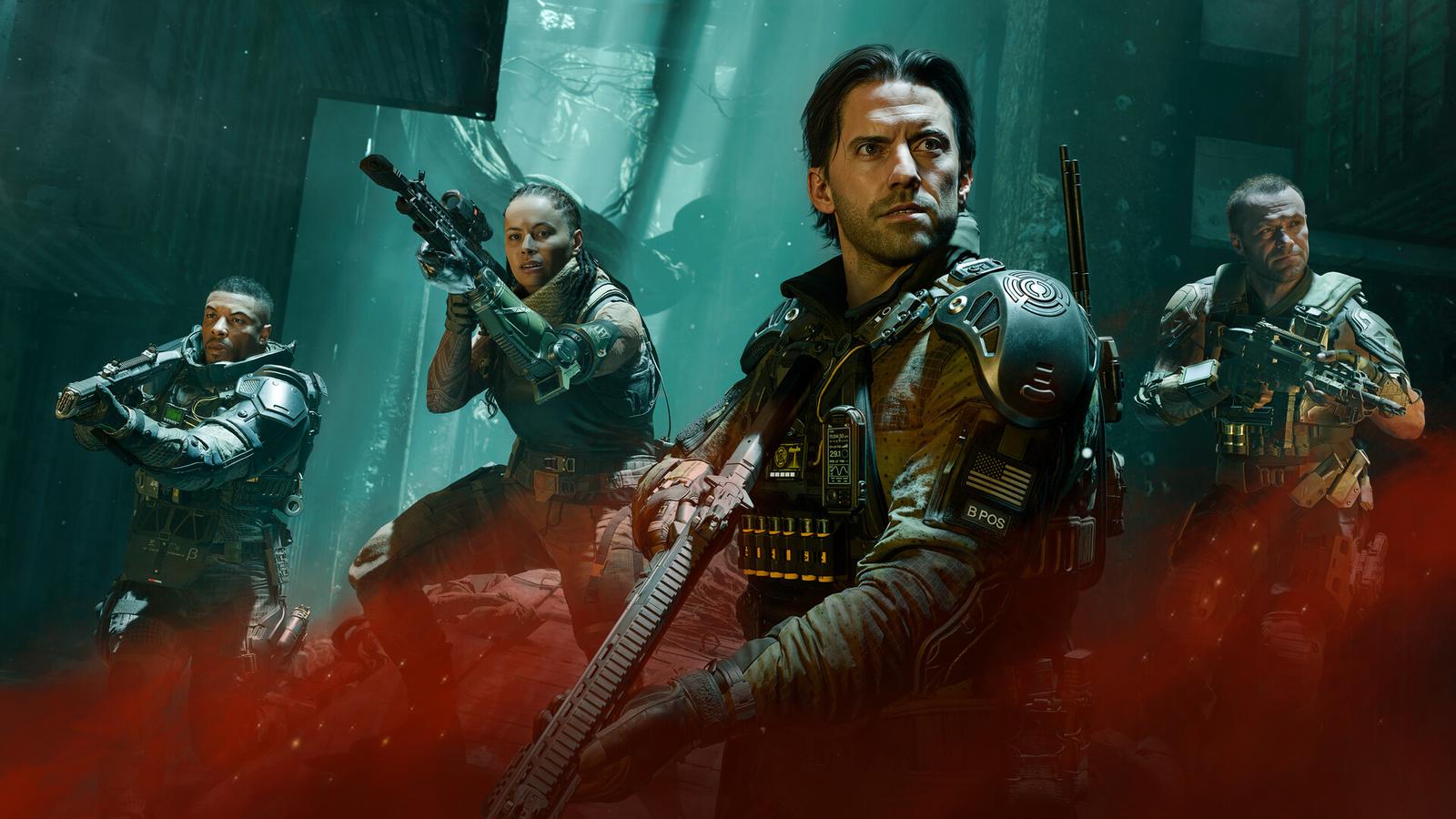
Call of Duty Black Ops 7 Story Campaign — Mikhail Shkredov
On December 21, 2025, it became known that the famous developer Vince Zampella died in a car accident. This terrible event for the industry made us remember his greatest contribution to the shooter genre. He was one of the creators of Medal of Honor: Allied Assault, the first parts of Call of Duty, Modern Warfare 1 and 2, as well as Titanfall 2. All these games have one thing in common — they knew how to surprise. They put the player in difficult situations and gave bright emotions. Some scenes from Zampella's projects have become iconic. His teams understood better than anyone how to make scripted shooters.
The story campaign of Call of Duty: Black Ops 7 also surprises and shocks. However, in the worst possible way. To say that you are looking at the work of a bad neural network is to insult neural networks. To call the Black Ops 7 campaign "creative bankruptcy" is to insult the words "creative" and "bankruptcy".
This shapeless jumble of clumsy references, journeys into the subconscious of heroes, and battles with huge bosses only brings sadness. Can modern studios really sink to such a bottom? It turns out they can. It turns out they are capable of repeatedly assembling levels from pieces of multiplayer maps, mindlessly dumping enemies — without staging, without meaning, without any idea.
Once, when launching a Call of Duty story, you understood that the creators had saved something cool for you. Now you understand that the developers have once again refuted the phrase "there is nowhere lower to fall".
Genshin Impact 6.0 — Mikhail Kazachkin
The history of series and games knows many "failed" finales. The reasons vary — creative differences, tight deadlines, team changes — but the result is almost always the same: disappointed fans and loss of cult status, if it even had time to form.
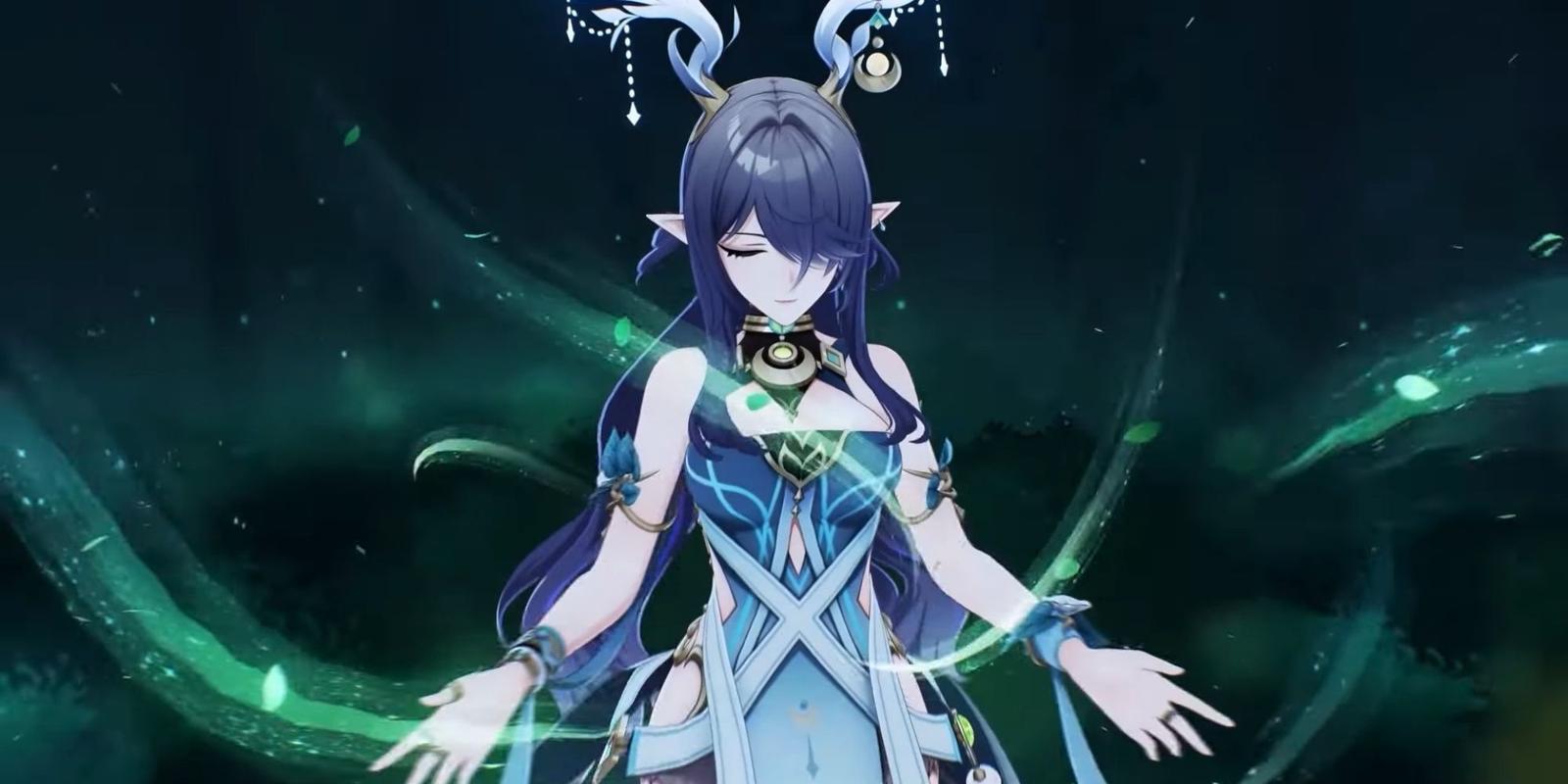
The release of version 6.0 was supposed to be the epochal conclusion of the five-year saga promised back in 2020. A journey through seven regions of Teyvat, a fairy-tale world, dozens of characters with deep stories — all this, it seemed, should have converged into a single, multi-layered meta-plot. But now it's obvious: initially, this plot existed only in the form of general sketches. The writers were given freedom at every stage, not being tied to a clear finale. And when the time came to write it, it turned out there was nothing to finish.
The fragments of the plot turned out to be too scattered, and HoYoverse, it seems, still doesn't understand how to assemble them into a coherent mosaic. Instead, the developers introduce a rapid technological leap — the "western" civilizations of Teyvat suddenly transition to mechanization and industry. This is explained by the influence of the Travelers' starship that arrived in this world many centuries ago. Thus, Genshin Impact turns from a fairy-tale fantasy into techno-fantasy.
But was it worth doing? Let's remember the Might and Magic series, and especially Heroes of Might and Magic III. Did many players see alien ships and high technology in those universes then? No — they believed in mages and dragons. And when they tried to add the "Forge" faction with its clear techno-bias to HoMM III, the community rejected it, despite the fact that it "fit" into the lore.
It's the same here: the contrast between Nod-Edge 6.0 and Mondstadt from version 1.0 is shocking — and not in a good way. Yes, the gameplay mechanics work flawlessly. But you don't want to play anymore. Genshin Impact 6.0 is no longer the game that millions fell in love with in 2020. And this is the main disappointment of the year.
Destiny: Rising — Mikhail Kazachkin
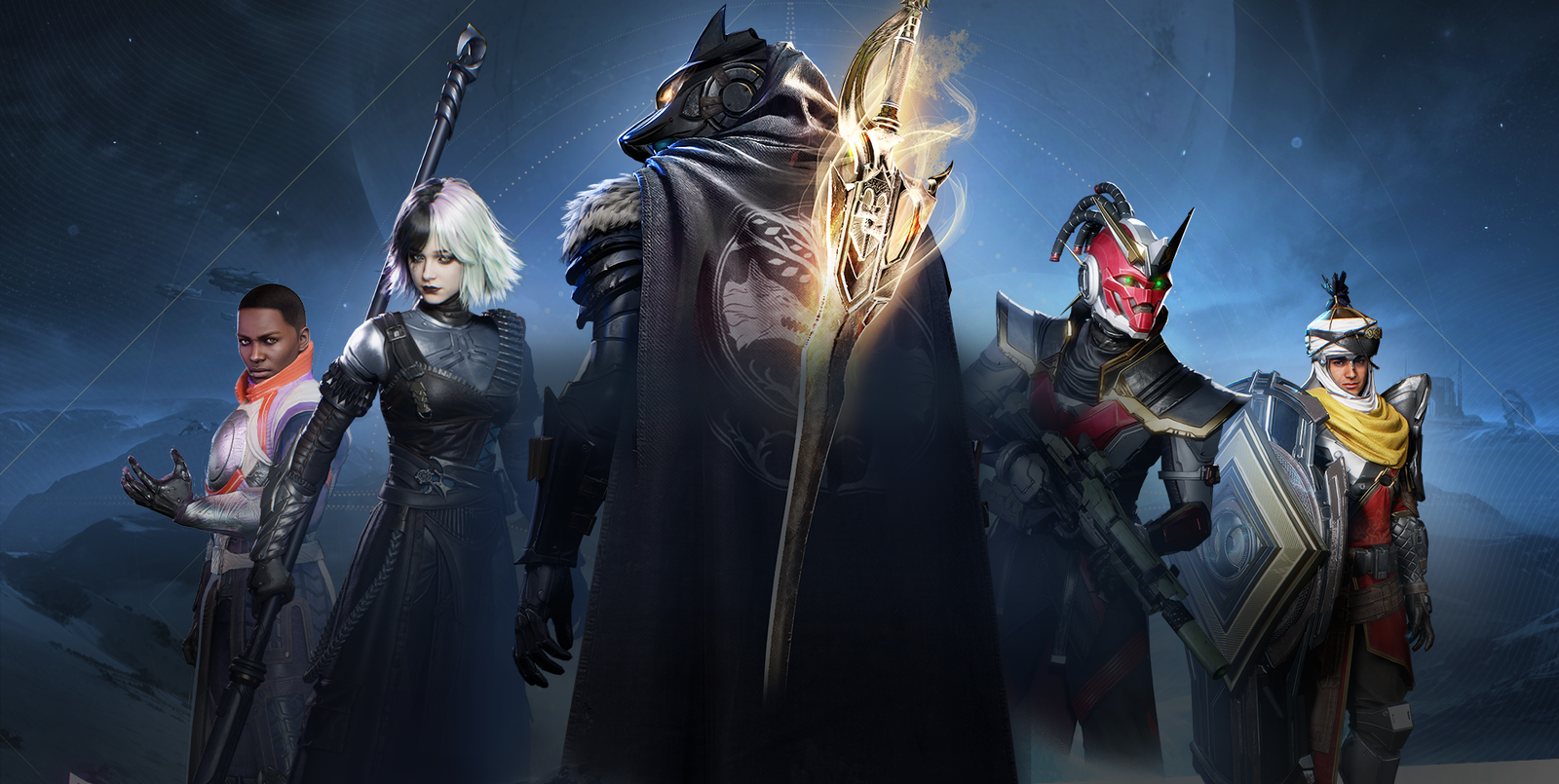
2025 was not rich in major mobile game releases. Against this background, Destiny: Rising had every chance to be noticed not only by fans of the franchise but also by a million-strong army of smartphone players. The start of a successful game instantly generates a wave of discussion. And if Rising had turned out well, we would now have one of the best releases of the year.
Instead, we got a rapid outflow of the audience by the time of the first update and routine promises from the developers to fix everything. But it feels like the game can no longer be saved.
Formally created according to all the templates, Rising fails in the main thing — in the feeling of the gameplay. Personally, the shooting seemed primitive and unimaginative to me, unworthy of the level of NetEase, which cannot be called a newcomer to the market. Although the Chinese giant has few of its own franchises, its experience working on licensed projects is huge. How it was possible to make the key mechanic of the shooter so weak is unclear.
But besides the controversial shooting, the game has enough other problems: a faceless plot, ridiculous AI, monotonous level design, as well as a strange visual style of the characters. And, as the cherry on top, gacha mechanics in a game with PvP zones. The developers claim that gacha does not give an advantage and pay-to-win is absent. Perhaps it is so for now. But the very idea of combining gacha and a competitive component is inherently flawed.
Metal Gear Solid Delta — Vitaly Kazunov
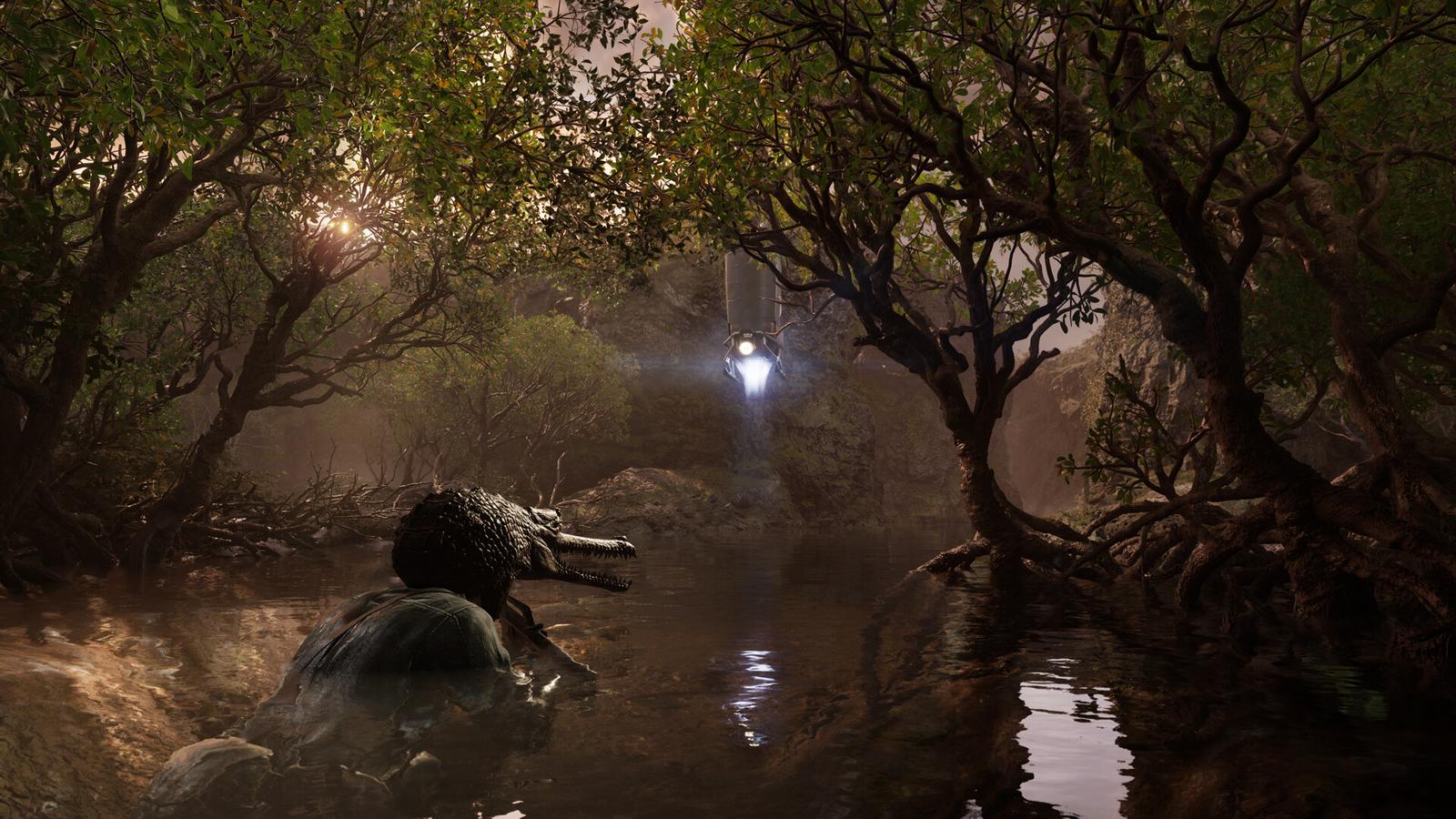
It's a big mistake to re-release a PS2-era game with micro-levels and a bunch of technical limitations in 2025 with modern graphics. It looked strange 20 years ago, and now... Primitive as it is.
Once Hideo Kojima wanted to make a game about survival in the jungle (don't ask), so the hero hunts animals, puts meat in his inventory, and munches on it right in battle. You can also use camouflage, climb trees, drown in mud, attract enemies with a growling stomach, and one of the bosses can just die of old age. The list of gimmicks can go on for a long time. The problem is that the game doesn't force you to use them, and its very structure is outdated.
Tiny arenas, stupid enemies, linearity. Levels can simply be run through from one checkpoint to another to watch a scene and continue the path. If you are noticed and an alarm is raised — no big deal. It's enough to run to the loading screen of the next location, and the pursuit will magically stop.
A separate line goes to the specific plot. Double and triple agents, clown bosses from a traveling circus, inappropriate references to previous parts (despite the fact that it's a prequel). In addition — inconvenient controls and poor optimization.
Metal Gear Solid 3 failed to make a splash in the hit-rich year of 2004. Now the remake has come out... And was immediately forgotten, reminding only of the disappointment of 20 years ago.
Silent Hill f — Maksim Dragan
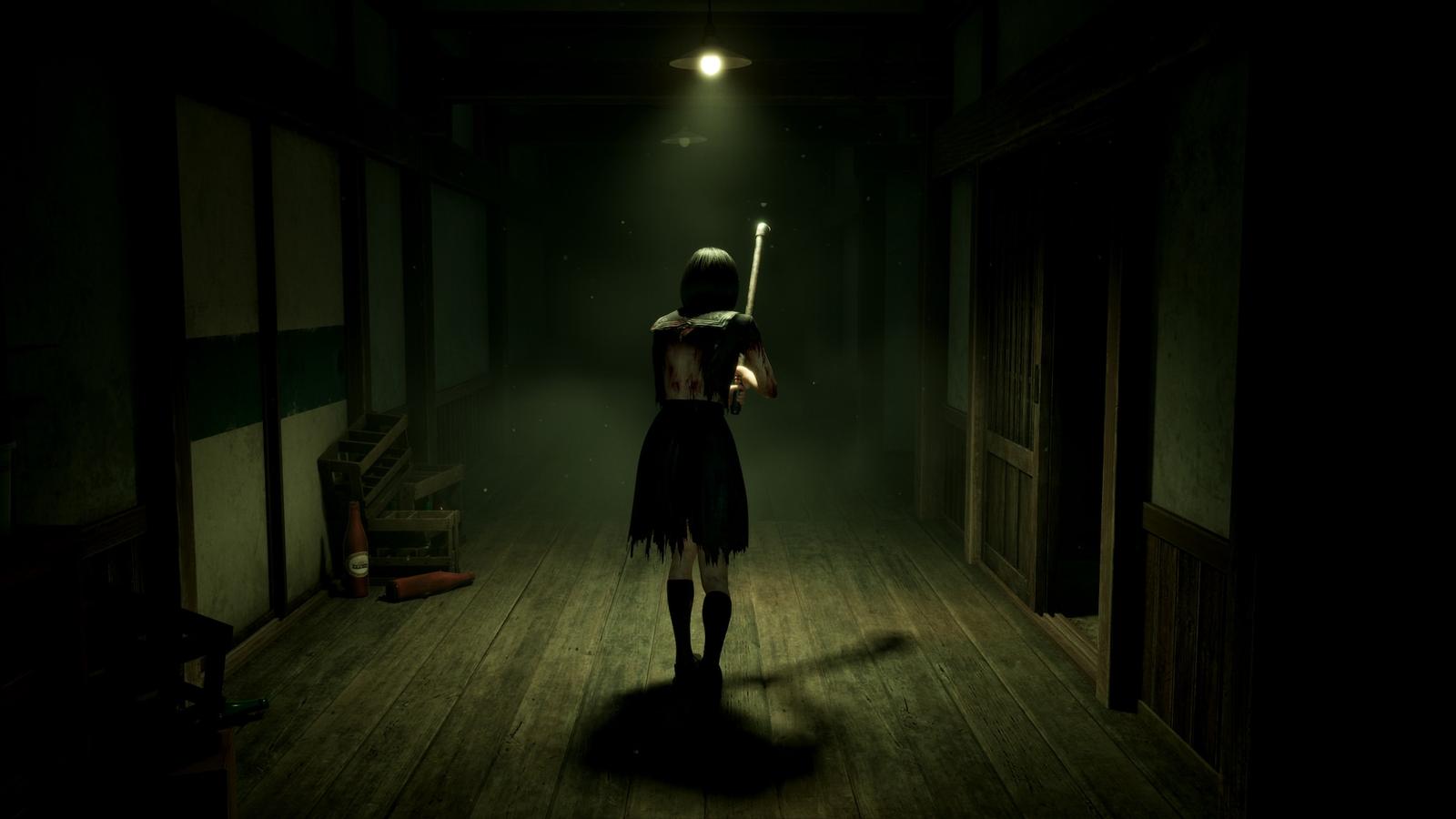
The most painful disappointment usually happens when you wait for something strongly. You invent things for yourself, fantasize, and in the end you get... Silent Hill f.
And yet the idea of placing the game in 1960s Japan is not so bad. Silent Hill is not always and not so much a city as a purgatory where sinners pay for the horrors they have created. And this concept personally hooked me until the very release, and in combination with the surreal art design of the local monsters covered with sprouts of some unknown plant, it sold the game altogether!
However, the problems started as soon as I launched the game. Who is this heroine? Why does she behave like a half-rotten log in dialogues, expresses no emotions, is not surprised by what is happening, and if she still breaks down — she does it deliberately in a Japanese way! As if Johnny Stereotype worked on the script, not Ryukishi07. In a word: I don't believe it!
And the further I moved, the more questions and inconsistencies arose. I'm not even talking about the completely crooked and inconvenient combat system — this is a disease of all games in the series, part of the atmosphere. The main problem is that Silent Hill f needs to be completed 3 or 4 times to put the story puzzle together. Do you know what it's called? Mediocre script and creative impotence, when the story has to be stretched over 3-4 playthroughs. Just like in Nier: Automata!
Avowed — Vitaly Kazunov
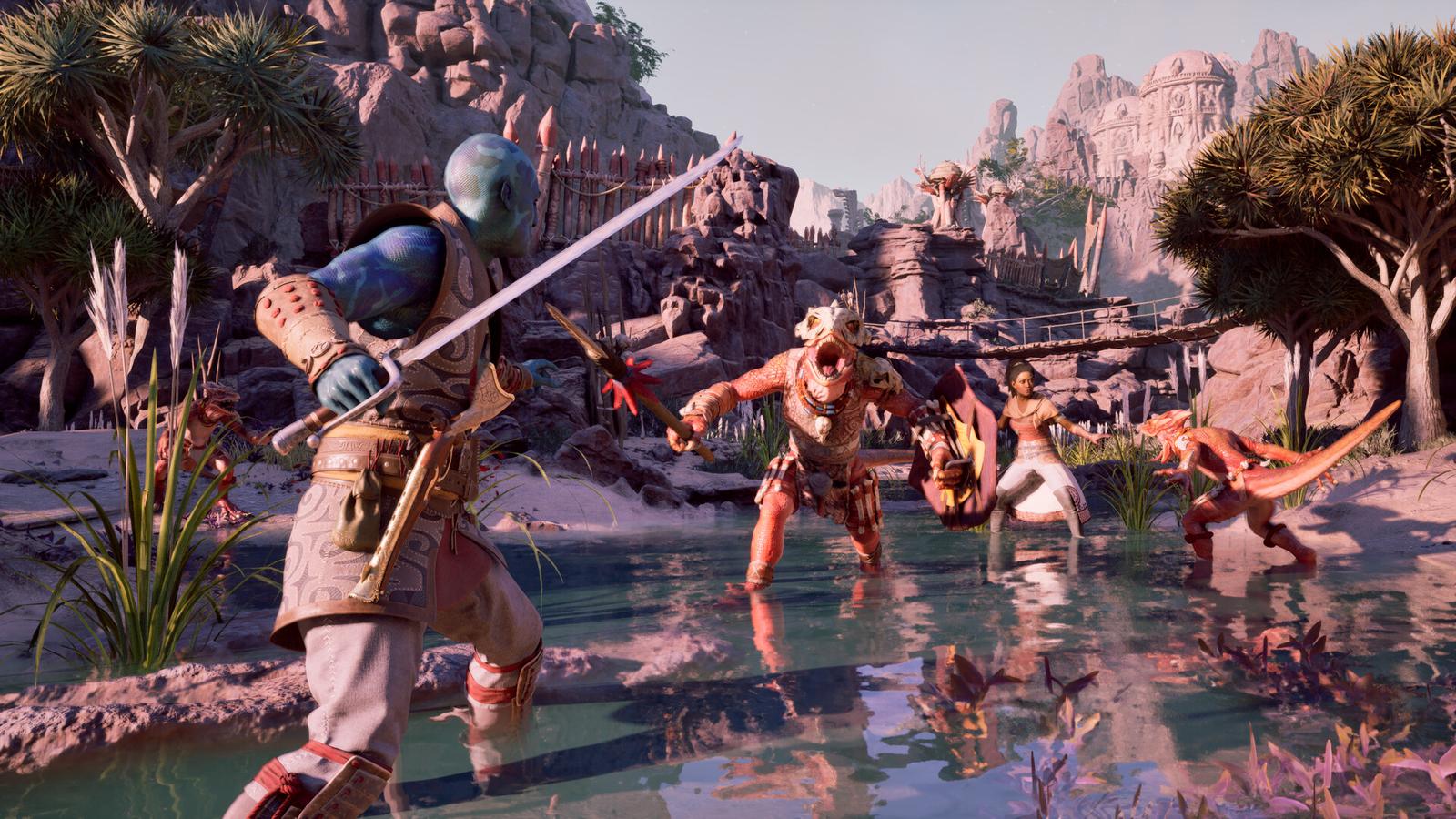
It's hard to understand how the famous studio Obsidian (creators of Fallout New Vegas, Neverwinter Nights 2, Pillars of Eternity 1-2) could create such a thing. Role-playing genre veterans under Microsoft's wing once presented a game trailer in the style of The Elder Scrolls. Dark fantasy, first-person view, swords and magic. Everyone was delighted. Later we were shown gameplay footage of Avowed — the art design became much worse, but we were promised that it would be a deep role-playing game with the ability to play a real villain with a corresponding finale.
And then Avowed came out. And it disappointed. Much is explained by the fact that the developers initially made a cooperative action game, and then abruptly changed course and began to pull the logic of a classic RPG onto this skeleton. Dialogues with branches that lead nowhere. Villainies happen, but often off-screen — in a couple of lines of text. You just walk forward through the gut of the level, simultaneously pulling stories out of dull companions. The plot seems bland, and the world — a decoration. The main character with a mushroom on his head (if you choose such a race) looks comical altogether.
The battles are not bad, but they quickly get boring. Weapons almost don't change — in a new chapter you just find materials to upgrade a sword to a conditionally "epic" status and hit "epic" monsters. And since resources are given strictly according to the plot, the point of exploring levels in search of secrets disappears.
Finally, the game simply repels visually — another plastic world on Unreal Engine 5, as if painted with bright colors without a sense of proportion. The game has no face of its own. It's a banal fantasy that is ten years late.
Eriksholm: The Stolen Dream — Eduard Epshteyn
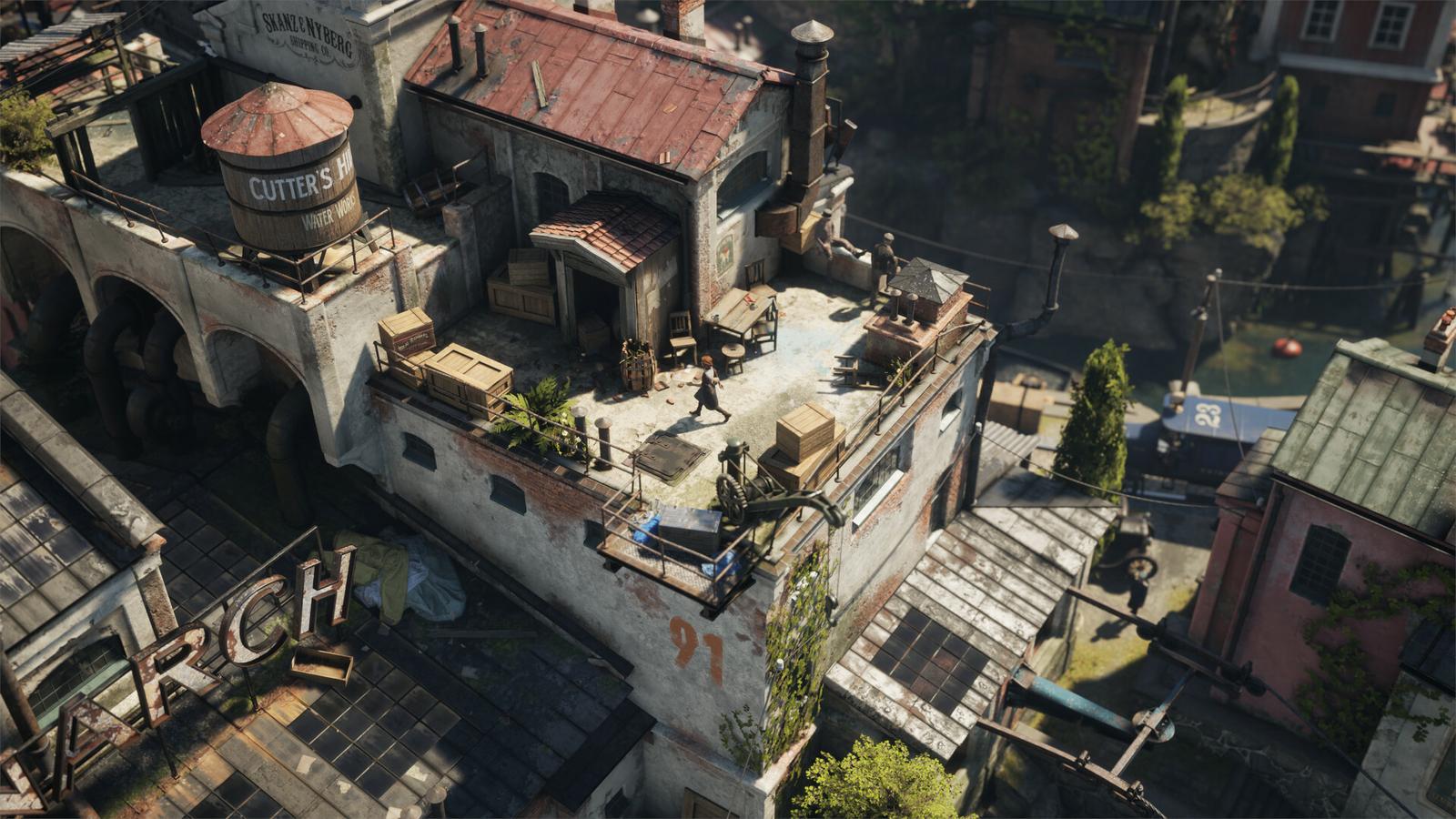
This game made a lot of noise in 2025 — not as much as Clair Obscur: Expedition 33 or Dispatch, but enough. In this regard, I decided to check what it is. And what did I get?
And I got a very weak project. The plot here is banal and stupid: it tries to reveal different themes — from the problem of social inequality to the thirst for revenge — but each time it switches to the next question, forgetting about the previous one. Why all this? They should have chosen one thing and gone deep into it!
Gameplay-wise, everything is just as bad: it's a banal stealth puzzle that assumes only one solution. It would be fine if you just had to figure it out — that's normal. But no, often this single solution is executed very crookedly: sometimes you have to perform actions with jewelry precision, hitting the right pixel. A slight mistake — start over! At least save points are scattered in abundance.
The only thing that can be praised in the game is the atmosphere: the locations are beautifully drawn, the music immerses you in what is happening, and the overall picture quality is sometimes higher than in major blockbusters. It's just a pity that all this stuff costs too much — 2500 rubles. Seriously?
Of Ash and Steel — Maksim Ivanov
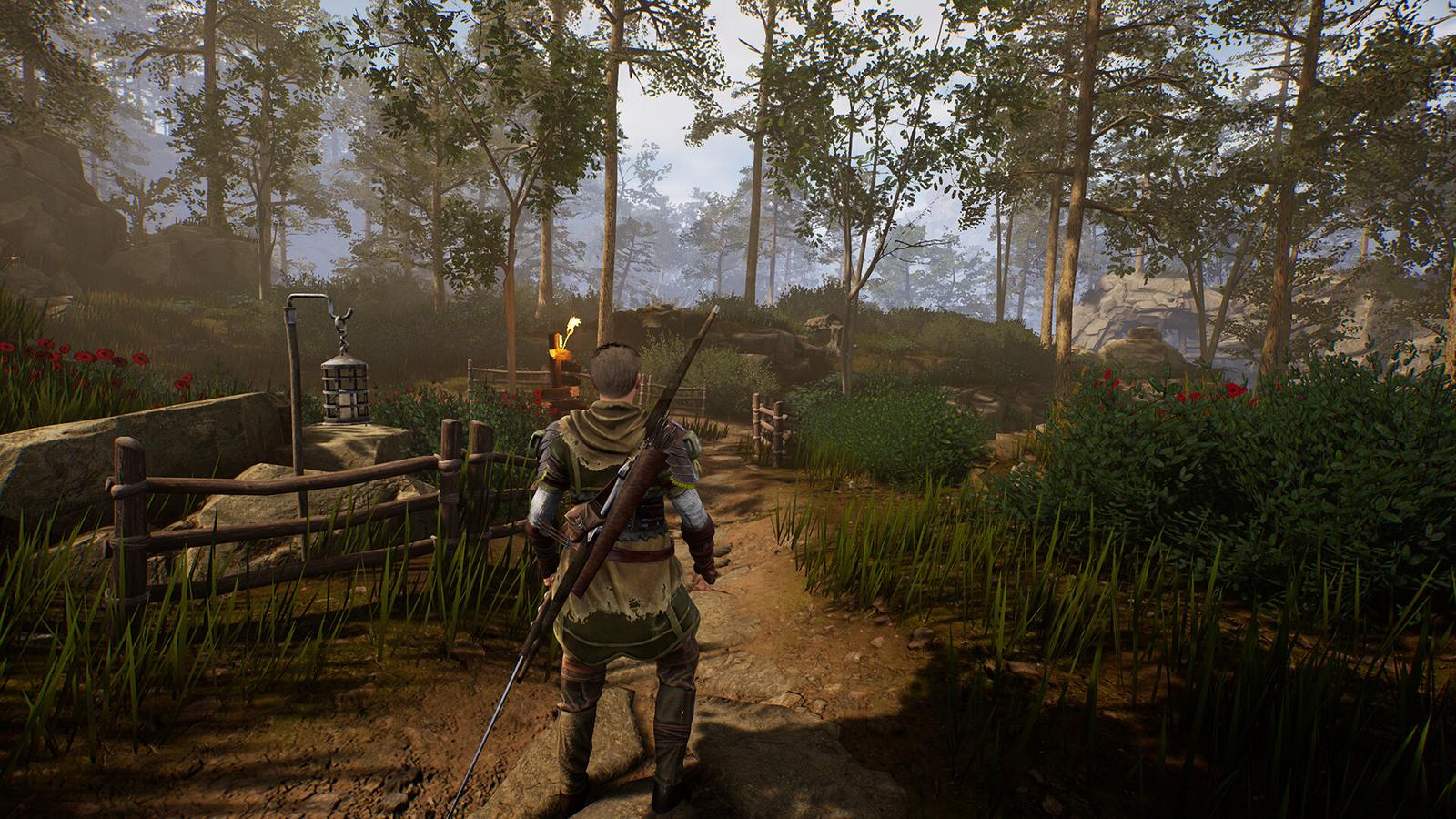
It's easy to criticize frankly bad games — scold and forget. It's much harder when a game has many positive elements that bring pleasure. Of Ash and Steel boasts an unusual world, well-thought-out characters, and the fact that the developers clearly tried when working with mechanics.
Everything is ruined by the execution. You constantly experience disappointment during the most banal activities. Attempts to find the goal of a task, battles, leveling up, and resource gathering are annoying. One of the most common complaints is the late receipt of the map, and these complaints are justified — the territory is huge, and there are few good landmarks.
It gets even worse because of the raw state of the game: many traders and craftsmen are either absent or not at their workplaces; tasks break due to bugs; clearing difficult camps does not reward worthily. In addition, you have to endure a poor technical state when the game turns into a slide show.
For now, we write the title of "worst" in pencil — in the hope that in the future the game will be refined to the level of "best".
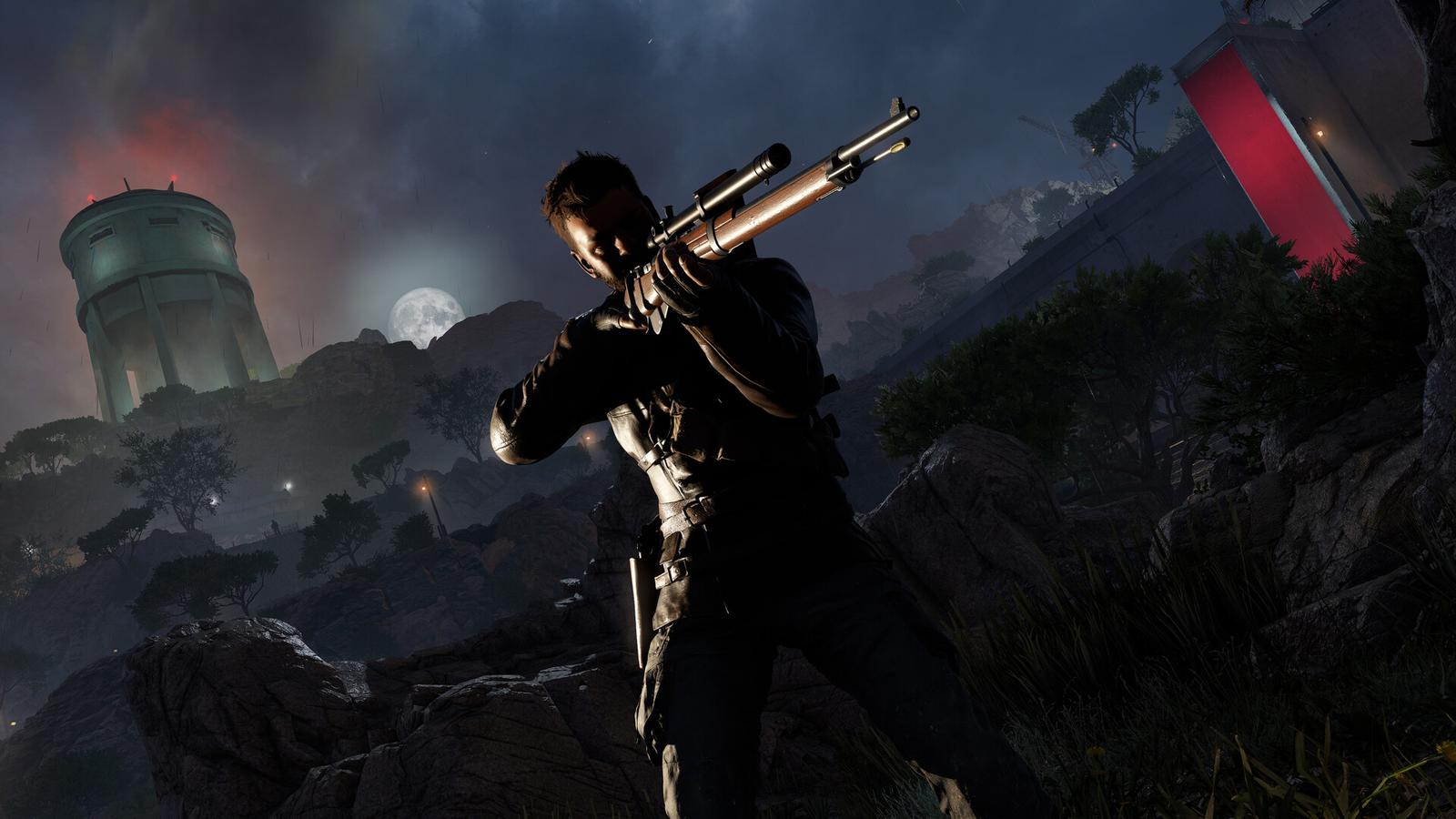
Sniper Elite: Resistance — Eduard Epshteyn
Games about World War II are an integral part of my childhood. Perhaps that's why the new part of the Sniper Elite series — Resistance — seemed like a very stingy and boring game to me.
In terms of gameplay, it's a 90% copy of the fifth part, in which only small things have changed. In some places it became even worse: levels are smaller, fewer enemies, fewer officers. It's as if the authors found some remnants of materials lying around after the release of "five" and decided to mold another game out of them, selling it for as much as 50 dollars.
The story campaign also disappointed. The authors tried to build a coherent narrative, but it turned out dull: the characters are flat, what is happening reeks of an "agenda", and the overall tone constantly jumps. It would have been better to just make a set of missions with briefings without cutscenes, as before — it would have been cheap and cheerful.
Of the interesting things, I can only note the multiplayer: fighting real players in sniper duels is fun. It's just a pity that it gets boring quickly — in about 10–15 hours.
The project is saved only by the fact that it is available in the Game Pass subscription. Otherwise, it would be a waste of money.
No I'm Not A Human — Dmitry Krivov
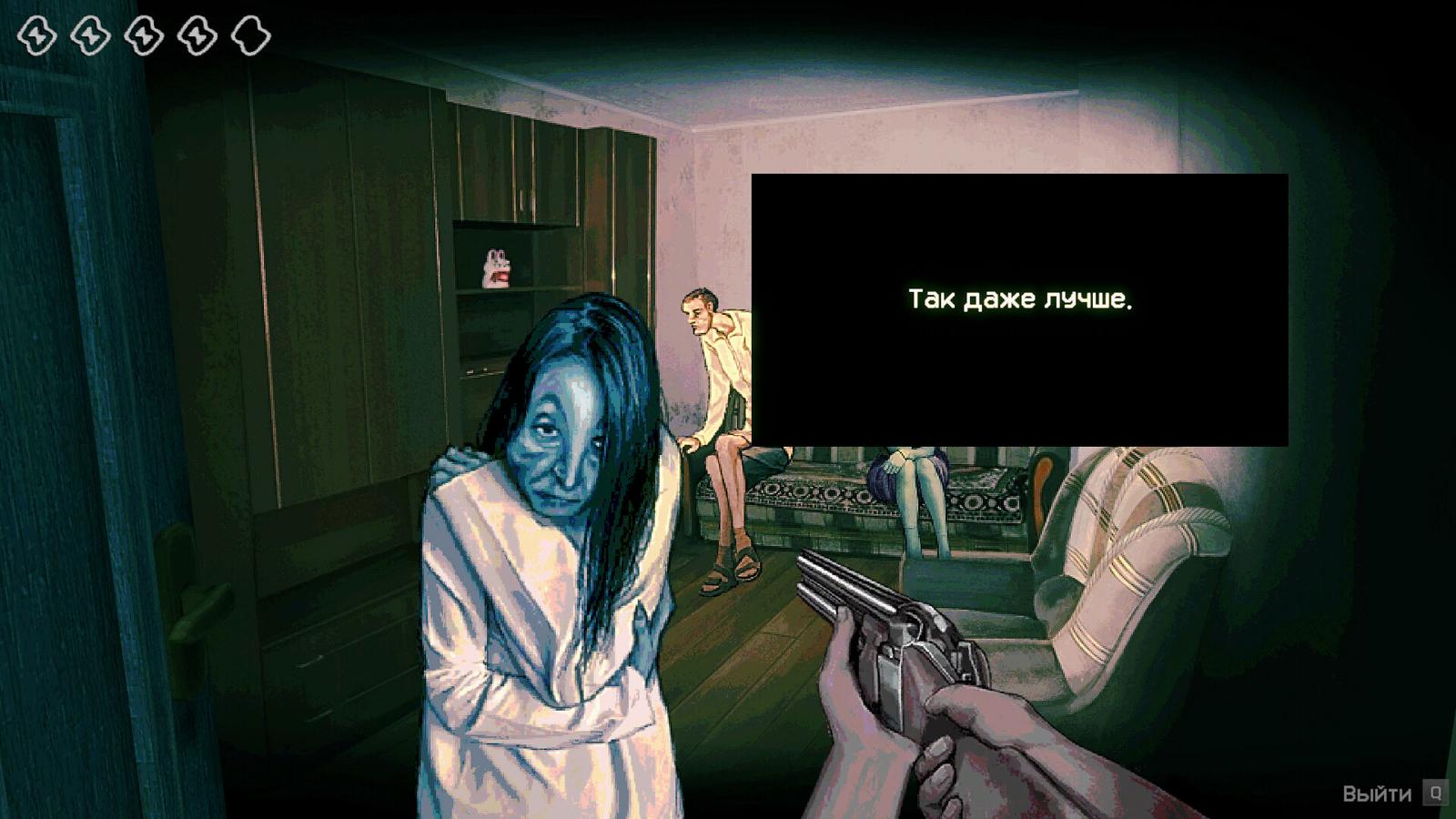
This is one of those games that try to surprise with an original concept but end up disappointing. After a few hours, it becomes obvious that the project is too superficial, despite the initial attention to detail.
The developers try to evoke a sense of anxiety and helplessness, immersing the player in an atmosphere of horror with guests who crawled out of the ground, but these attempts more often cause fatigue. The gameplay is too monotonous: the character sits in the house, checks guests, decides whom to let in and whom not. The cycle quickly repeats, and the choice becomes more and more mechanical — especially considering that at the beginning the game feels like a roulette. The plot does not live up to expectations: characters tell the same thing over and over again, and their stories do not reveal the depth of the universe.
Despite the presence of choices and consequences, No I'm Not A Human does not realize its potential and needs refinement. What started as an interesting challenge — guessing which of the guests represents a real threat — turns into a boring task with slightly different endings.
Although the marketing hype can be credited to the developers, for players this is not the main thing. The only real plus is the atmosphere. Otherwise, the game is not worth the time spent.
Ghost of Yotei — Maksim Ivanov
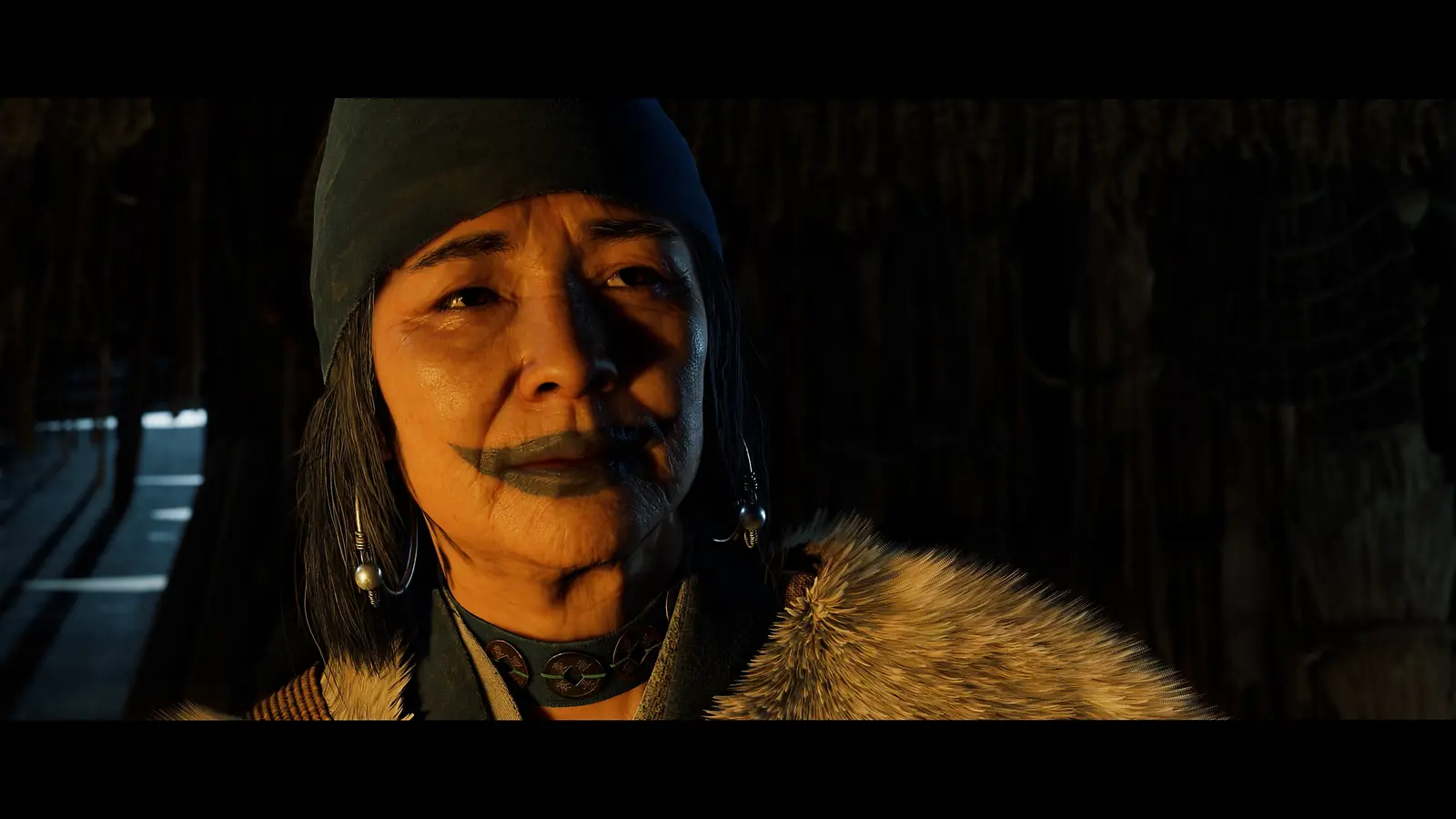
First and foremost, the "Ghost of" series attracts with the aesthetics of feudal Japan. It's pleasant to ride through the fields and relax in the springs, but without a plot, this beauty quickly gets boring. If in the first part Jin Sakai sacrificed honor to save his homeland, then in Ghost of Yotei the heroine Atsu is simply taking revenge on the "Yotei Six" gang. Her path is devoid of moral torment: an angry woman runs around Japan and slices enemies into sashimi.
The development of antagonists has noticeably sagged. Unlike the charismatic Khotun Khan from the original, the members of the "Six" are cardboard dummies without depth. They are just functional bosses who are only needed so that the player has someone to cross off the list. They are forgotten exactly one minute after the victory.
The plot is finally killed by the developers' attempt to push the idea that "revenge is bad". This message worked controversially in The Last of Us 2 and absolutely does not work here. The game creates dissonance: gameplay-wise it encourages beautiful slaughter of enemies, but the writers eventually lecture the player, devaluing his actions.
The hopelessly outdated open world does not save the situation either. The structure, which seemed normal five years ago, causes yawning in 2025. The map is littered with question marks with the same type of activities: more foxes, more haiku. Instead of a live adventure, the game offers routine work to clear the map.
Finally, secondariness shines through in the very basis of the gameplay. Sucker Punch was afraid to change the working formula, which is why the sequel feels like a large-scale DLC. Muskets and kusarigama slightly refresh the fights, but globally the combat system remained the same. This is a "safe" sequel that marks time, afraid to take a step to the side.
FBC: Firebreak — run.code
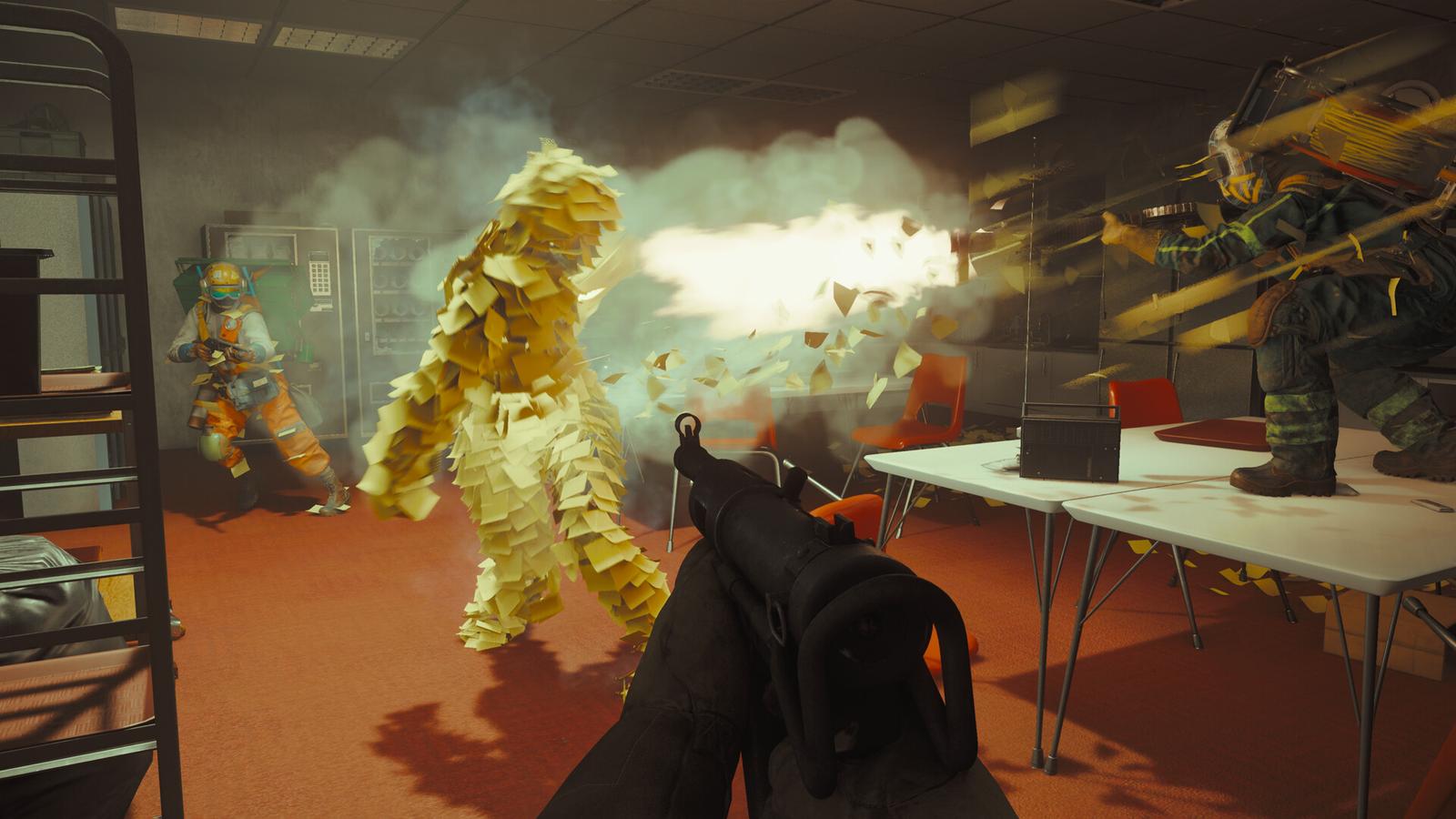
This is a bold but failed attempt by Remedy to expand and deepen the Control universe. It is commendable that the renowned studio decided to try its hand at a new genre of cooperative shooters — clearly wanting to make money on the sale of "skins" and trinkets to please investors. But you need to at least correctly calculate your strength, because you won't go far on one interesting universe alone.
Interesting design and a promising concept could not hide numerous problems: poor balance, tedious grind, monotonous mission structure, lack of voice chat (in a multiplayer shooter, yeah!), technical bugs (even without taking into account the unavailability of servers from Russia), as well as a disgusting interface.
Another controversial decision was the tone of the game. Control and Alan Wake were serious projects, so it's completely unclear why Remedy turned Firebreak into a comedy, and its heroes into buffoons. But it's clear why the studio decided to recognize the game as a financial failure, write off the funds spent, and redirect efforts to Control Resonant.
Painkiller (2025) — Daniil Shepard
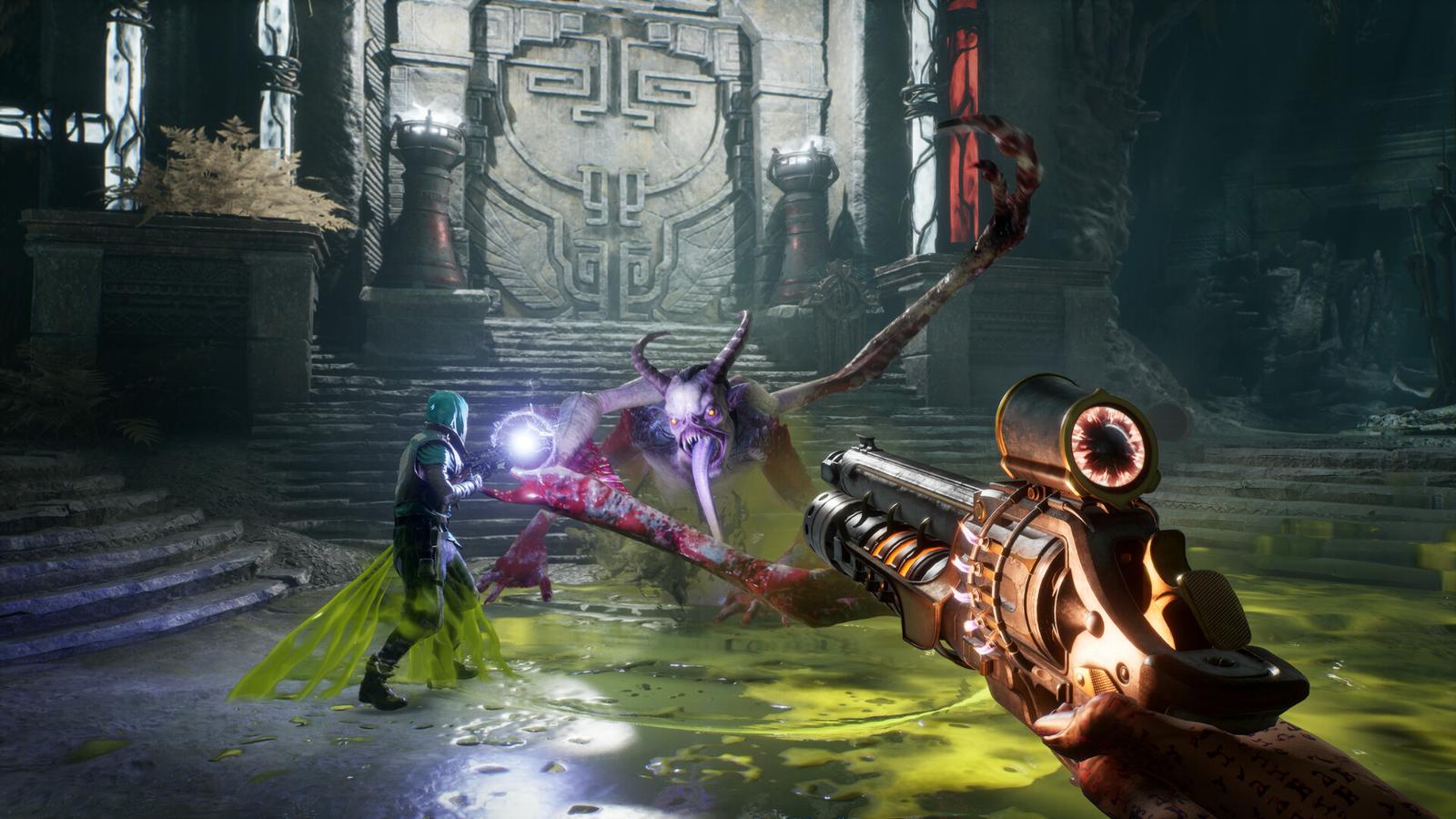
Painkiller is a project that turned out to be needed by no one. Neither for the newcomers for whom it was made, nor for the veterans of the series well acquainted with its past. The developers managed to fail in almost all aspects: from game design to setting and plot presentation.
The main problem is the complete lack of challenge. Painkiller does not challenge and actually plays itself. This is especially clearly manifested in the solo mode. It is impossible to disable bot partners in the game, and opponents even at maximum difficulty do not feel like a threat. The effectiveness of partners is turned up to the point of absurdity: they constantly dodge, receive almost no damage, never miss, and save the player in any situation. Moreover, in terms of final points, they often overtake the player himself. As a result, it's not you who passes the game, but the game passes itself.
Formally, there are special enemies and mini-bosses here that require "tactics", but in practice, any upgraded gun allows you to kill them in a couple of shots without the need to think. I don't even want to talk about the plot. The main intrigue turned out to be a farce, behind which they hid a call to play this for another few dozen hours.
The result is expected but sad. Painkiller received only one technical update, no new content appeared. The project is effectively abandoned. Online could not even overcome the mark of 900 players, and today it stays at the level of 20–30 people per day. With a high probability, the servers will be turned off by summer.
A second attempt to resurrect the series is not to be expected. This Painkiller finally buried the franchise.
Zaychik — Dmitry Krivov
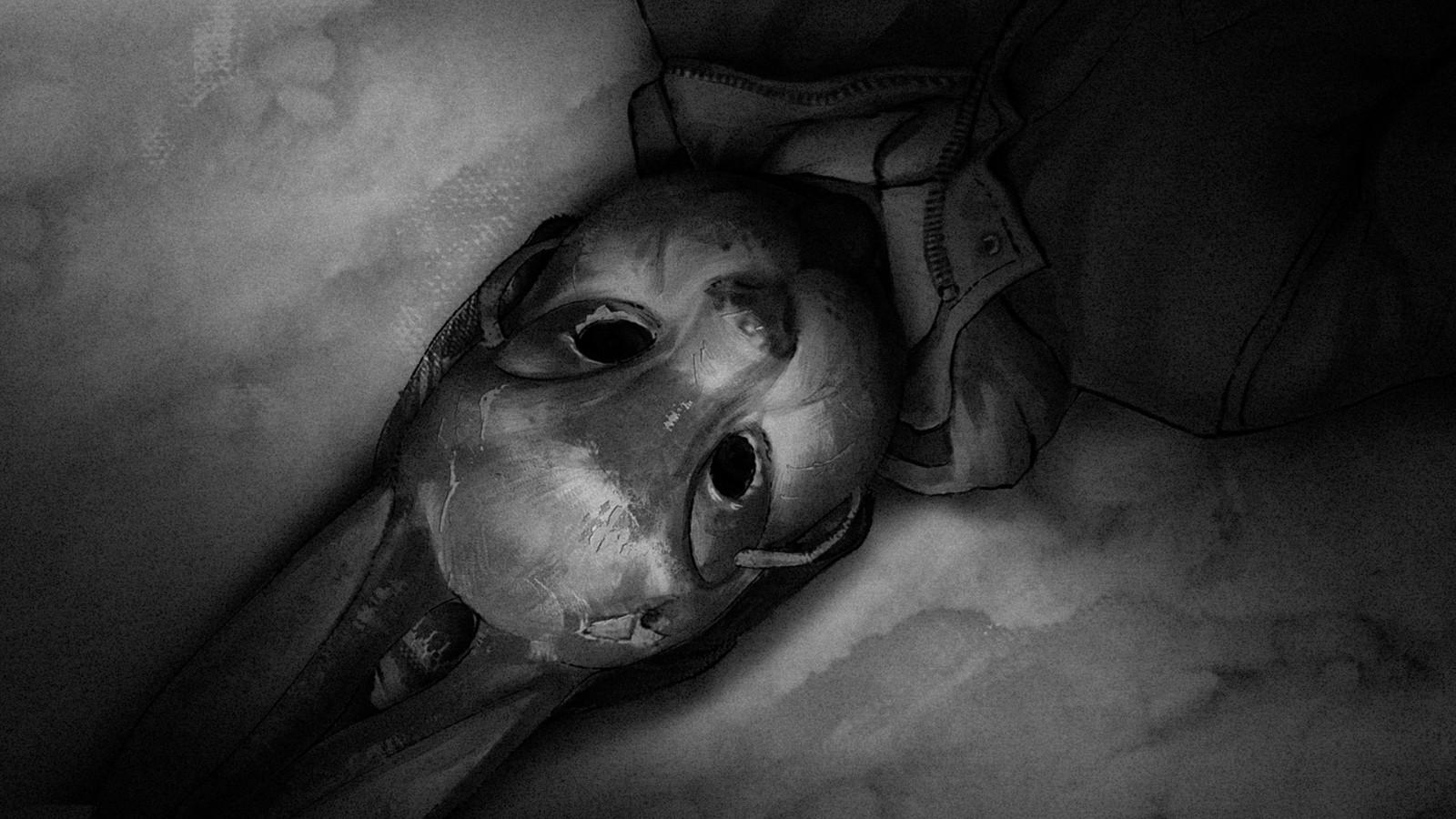
The project "Zaychik" (Tiny Bunny) from artist and game designer Saikono Joker based on the work of the same name by Dmitry Mordas was long created as a horror visual novel with a 90s setting in post-Soviet Siberia. The game was valued for its atmosphere, stylish art, musical accompaniment, and well-developed heroes. In the first episodes, the player is immersed in the mysticism of a taiga village, encountering incomprehensible beasts, investigating the disappearances of children, and making choices that supposedly affect the plot.
By the final fifth episode, fan expectations turned into disappointment. The large-scale endings turned out to be absurd, often devoid of logic, with uncontrolled violence, schizophrenia, transformations into monsters, and devouring of characters. There is practically no positive outcome, choices contradict the endings, and some scenes give the impression that not a person, but AI worked on them. Many players felt that the project lost its charm.
Despite the failure with the completion of the story, "Zaychik" will be of interest to those who value horror stories with children in the spirit of Stephen King's "It". The first chapters are able to hold attention and evoke an emotional response, but extreme cruelty, chaotic endings, and the lack of a well-thought-out script made the game one of the most controversial and disappointing in 2025.
Escape from Tarkov — Daniil Shepard
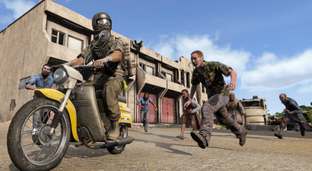
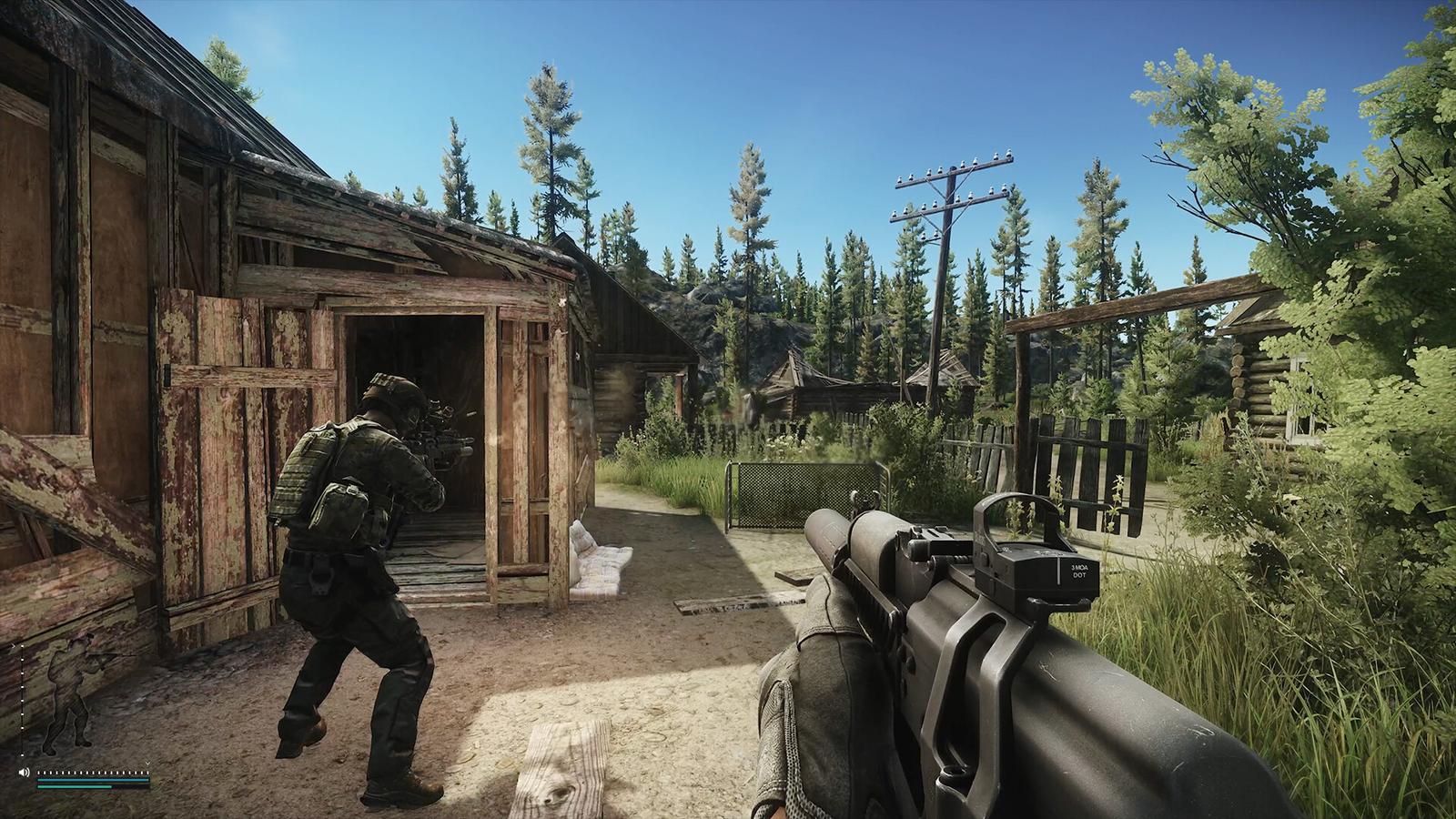
It's hard to talk about Escape from Tarkov once again because everything has already been said. All problems are analyzed, the reasons for the failure are voiced, and the project itself is considered in detail both in the material about the release and in a full review. Therefore, it only makes sense to summarize the experience here and explain why Tarkov became the worst game of the year for me.
If we talk directly about the gaming experience, it turned out to be purely negative. The technical state, the work of the support service, and the attitude towards the audience are no different from the practices of the worst publishers of the 2010s model. Bugs are not solved for years. Nikita Buyanov declares some of them as "features", others are simply kept silent about. The most indicative example is the sound, which still doesn't work normally in Tarkov.
Nothing has changed in the legal plane either. The license agreement is used as a tool of pressure. Users who pre-ordered and tried to return the money received refusals or bans. Owners of the Steam version continue to receive BSG account blocks after applying for a refund on Steam. Although money is still returned there.
The community deserves a separate conversation. It was the main disappointment. On forums and streams, one can observe a paradoxical picture: people admit that the game is broken, but continue to call it "good" and believe in the future.
This faith has no basis. Regardless of the statements about "Tarkov 2.0", it won't get any better. The developers themselves say that active support will last for another two years. Over ten years, the studio had time to put the project in order. Instead, priority was given to ultra-expensive editions, bans of the dissatisfied, and murky earning schemes.
The only thing that can be stated with certainty: Escape from Tarkov will live. Not because it's good, but because an audience has formed around it that is ready to consume any product. The logic of this behavior is a mystery to me.
And while there is a black market in Tarkov — trading items, raid carries, cheats — the game will remain a profitable environment. Primarily for cheaters and traders. And it is for them, in fact, that it exists today.
Never miss our newsAdd this site to your preferred sources to see us more oftenAdd on Google