Gothic 1 Remake Review: A Legend Reborn
Translated with AI from the Russian original.
After 90 hours of exploring the remake, we analyze the project's strengths and weaknesses, and discuss what might bother old fans and why some things shouldn't have been touched.
Between the original release and the new remake, there are 25 years of game industry development. Before we start talking about Alkimia Interactive's creation, let's remember how it was back then.
Magical Prison Fantasy
The world of Gothic is full of wonders and magic – literally mined from the earth by ore diggers. Here, people are clad in fantasy armor and wield weapons made of magical ore. In the name of gods, humans and orcs lead their armies into battle. And in the wild places, you can stumble upon dangerous mythical creatures.
The Colony itself serves as a contrast to these wonders. Brown and gray-green colors prevail everywhere, plunging one into melancholy. You can climb into remote corners of locations or find settlements full of people, but the feeling of being imprisoned will not go away.
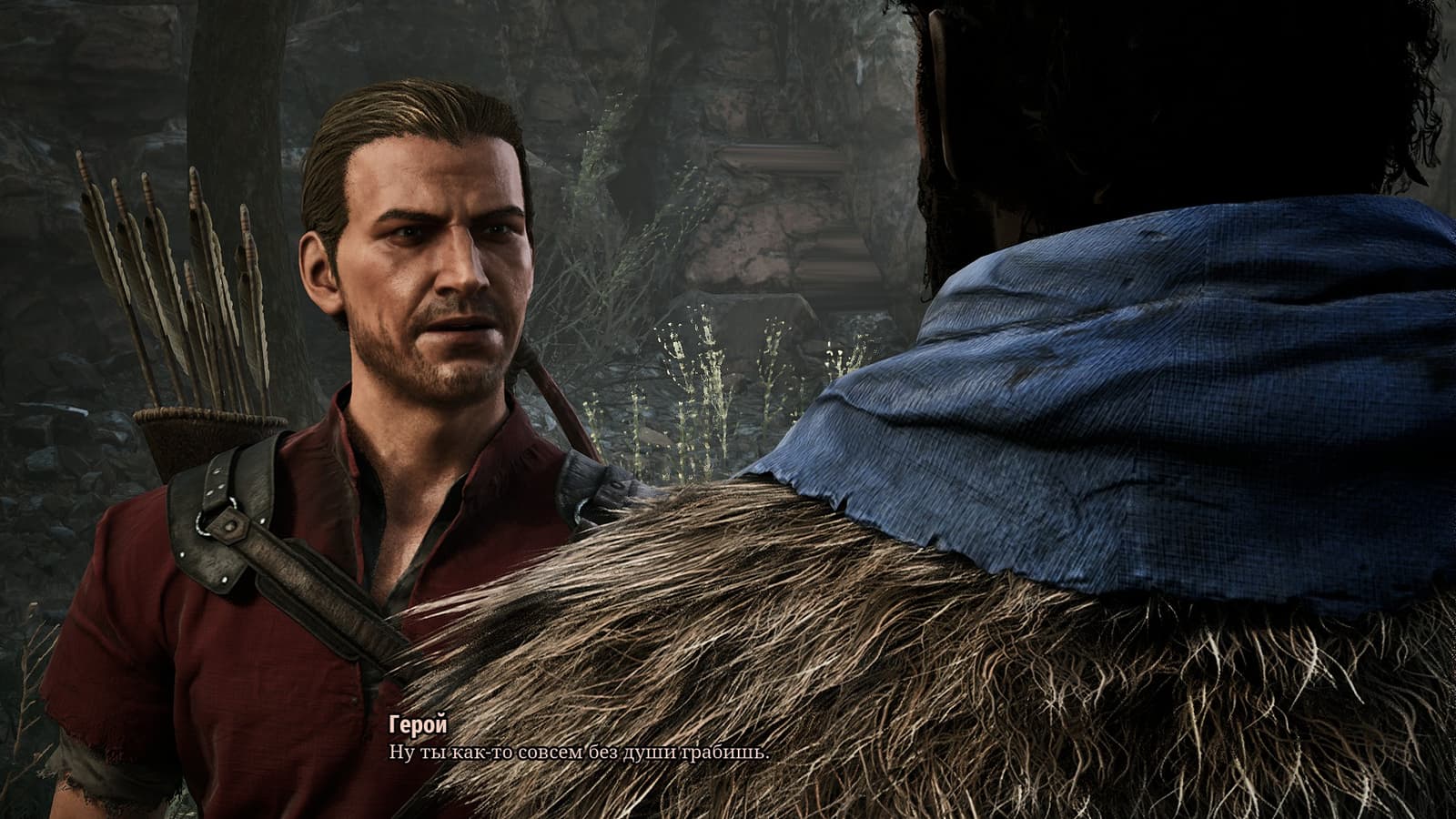
This feeling is intentionally evoked – a huge number of prisoners work in the Valley of Mines, sent to the mines for any reason. The main character also ended up among the prisoners. And this world is so unwelcoming that they don't even ask his name – he's of no interest to anyone.
One has to adapt to life with the prisoners. You need to act confidently and not let yourself be pushed around – especially by guards. At the same time, don't pick fights yourself. If you act diplomatically, you can avoid conflict, earn trust, and make money, and only then can you rob and kill. The game doesn't encourage this, but who in the Colony earns an honest living?
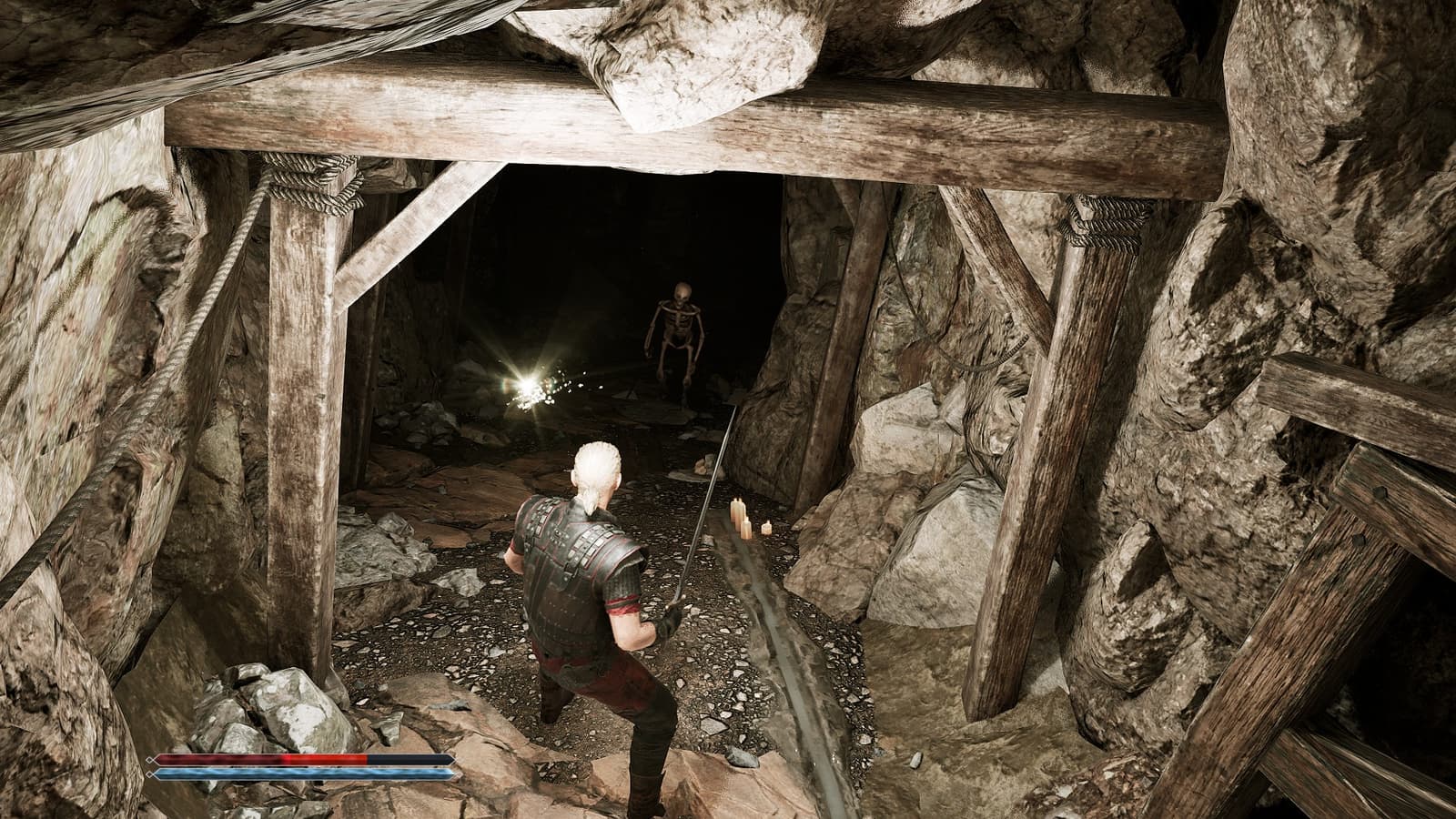
The final aspect of Gothic is adventure. According to the plot, you need to visit ancient temples, hunt legendary monsters, search for treasures, and plunder an orc cemetery. Or you can, out of interest, climb into a dungeon full of skeletons. For exploits, you'll need good armor, weapons, skills, and a supply of potions. Everything you need is taken from the belongings "donated" by other prisoners.
Darkness, Filth, Horror, and Nothing Human
The remake has preserved the sense of wonder and magic. A bit of devilry has been added – now the Sleeper affects the hero's dreams, accompanied by eerie inscriptions after waking up. But there is more realism in the environment now – soldiers' armor and weapons look utilitarian and plausible. Most monsters look more like dinosaurs than strange and magical creatures.
Nature is now full of details. Lush vegetation covers almost the entire surface, and new biomes have appeared. Due to the overall richness, you feel less like a prisoner and more like a tourist at a very brutal resort.
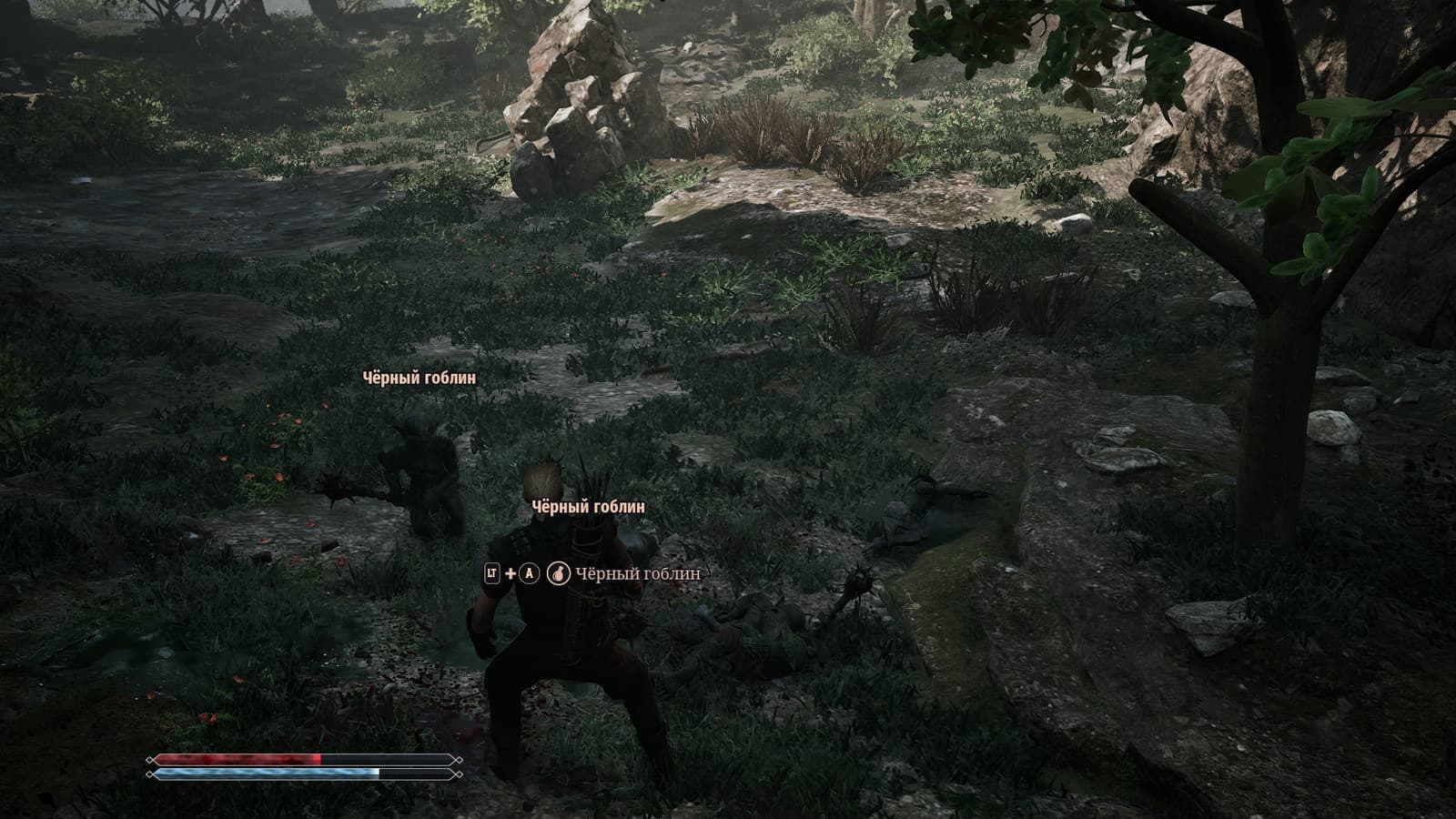
Relationships with fellow unfortunates remained at the same level. Right from the doorstep, the Nameless Hero is beaten, deceived, extorted for savings, and forced to do thankless work. In response, people can be beaten, robbed, and deceived – the main thing is to follow the rules and choose a weaker opponent. No nobility will help here.
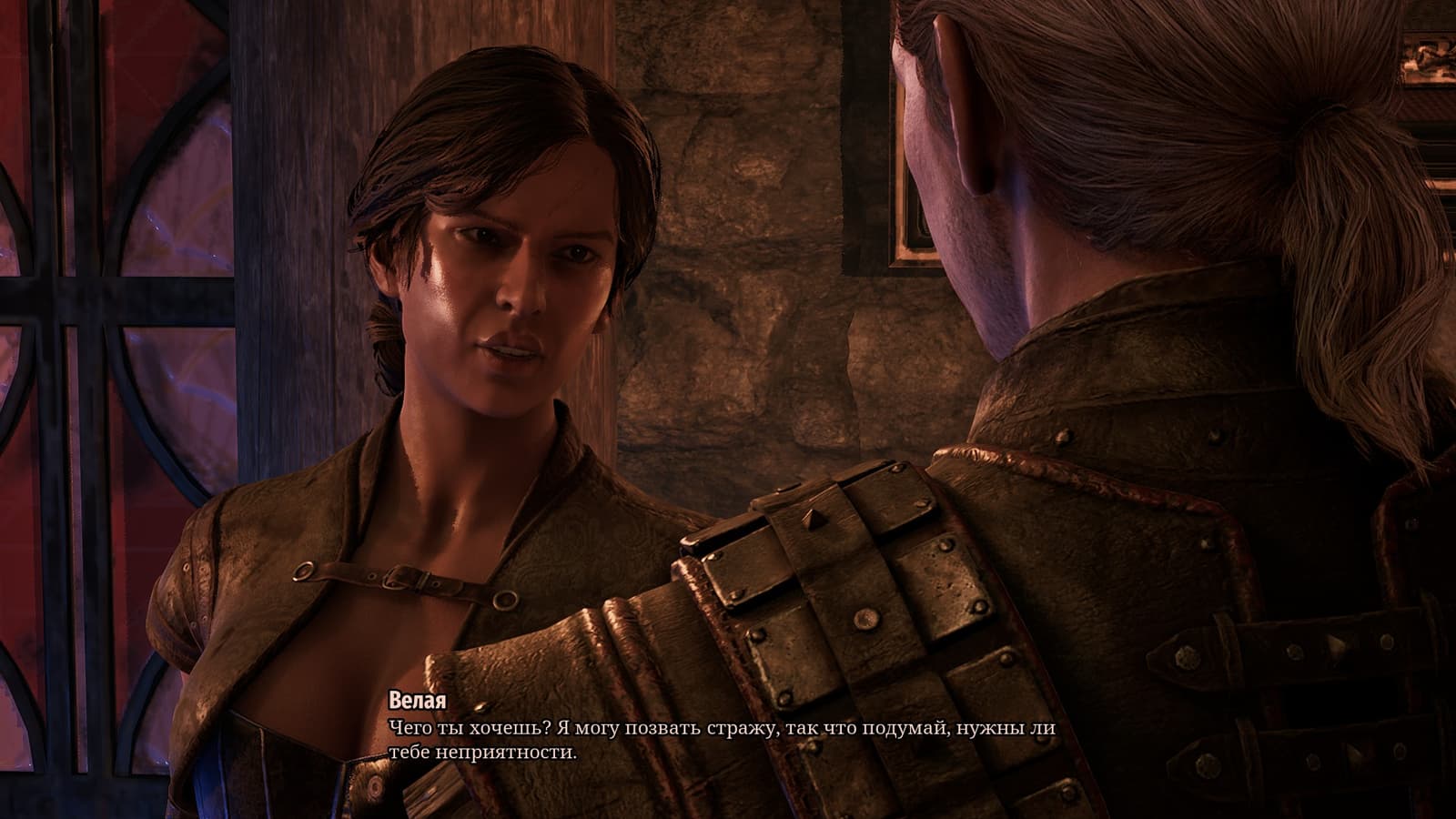
Among the new features, the change in women can be noted. In the original, female criminals were leather-clad beauties, but their role ended there. In the remake, the girls have more modest figures, and only one is clad in leather. Helping them will end in hysteria, betrayal, murders, and framing the Nameless Hero – all to survive in this harsh world.
At the same time, adventures have reached a new level. Familiar temples, cemeteries, and dungeons have become larger and more epic. Temples of Innos and Adanos have appeared, which can be visited on quests from mages. All old and new places look magnificent – even too magnificent. It gives the impression that someone lives in deserted places, lights candles, and does general cleaning.
Journey Through the Familiar Colony
The Colony has grown in size, though all its corners can be quickly traversed. As before, dangerous animals and monsters inhabiting the roads and wilderness hinder this. Completing quests forced constant travel between the camps – Old, New, and Swamp – and beyond. Thanks to this, you get to see the local sights many times and remember them well. More than 15 years have passed since my last playthrough of the original, but I easily navigated the remake – with the exception of the Swamp Camp, which I had to get used to again.
In 2001, the need to travel on foot favored a leisurely and measured pace. And only over time was it possible to teleport, accelerate with potions, or roll around the Colony like a gingerbread man using acrobatics.
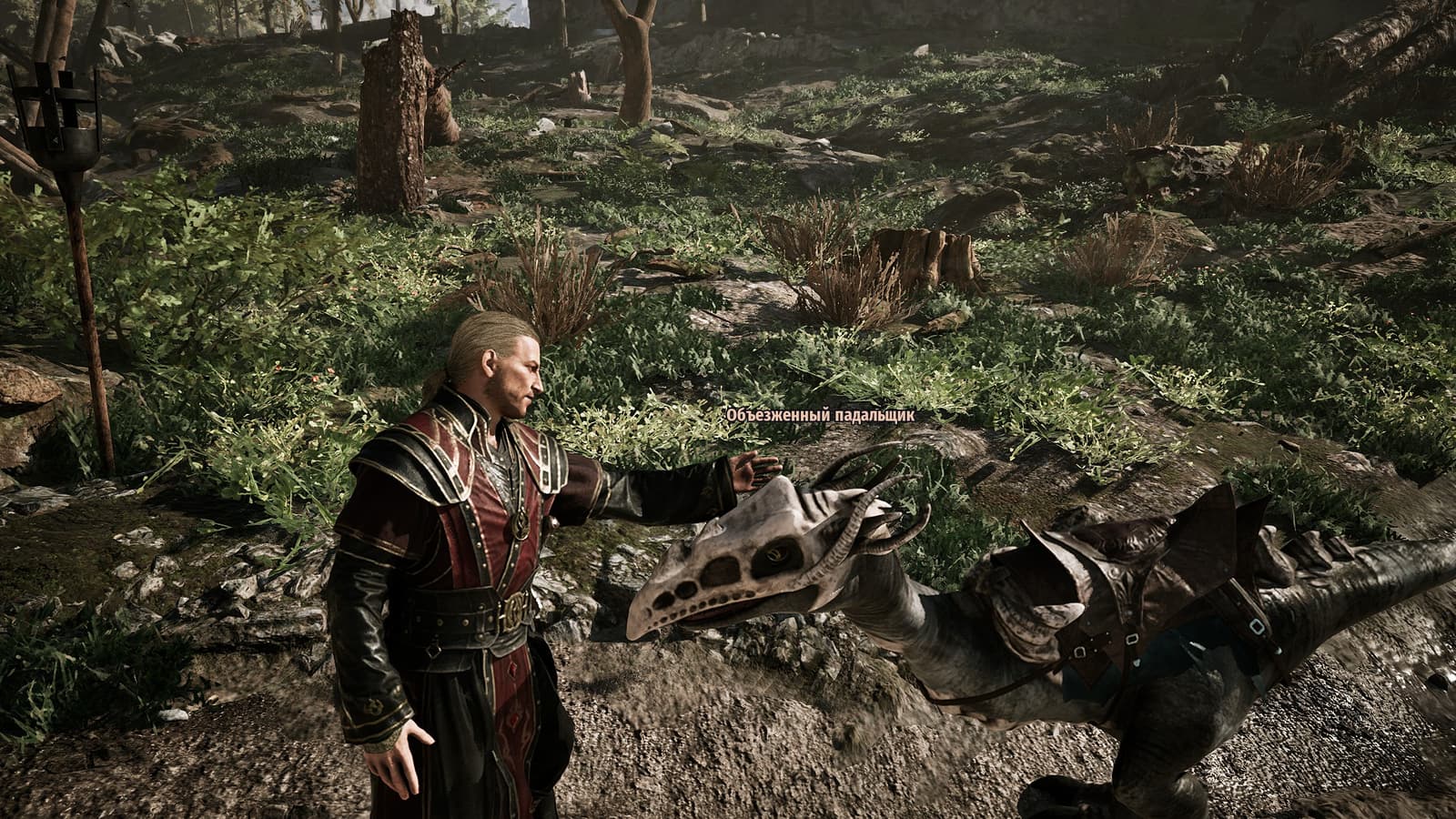
And in the remake, it's still interesting to explore the environment. After all, new paths and nooks, as well as places related to new quests, ignite interest.
Thanks to the developers' efforts, you can get into hard-to-reach locations in many different ways. The tower next to Cavalorn's camp alone can be entered in four different ways: by picking the lock, climbing the wall, transforming into a meatbug, or borrowing a key from nearby bandits.
In the remake, however, the ability to speed up with potions and jumps has been removed. But now you can summon a mountable scavenger, which runs everywhere except cities and dungeons.
Hit, Dodge, Shoot, Cast – and Again
Combat in Gothic is very intuitive. In the beginning, the Nameless Hero is abused by absolutely everyone – this forces him to become stronger to deal with initial problems and progress further in the story. The entire combat system is deeply intertwined with the cycle of leveling up and finding new armor and weapons – any small detail affects fighting and survival skills. And all this continues until the very end.
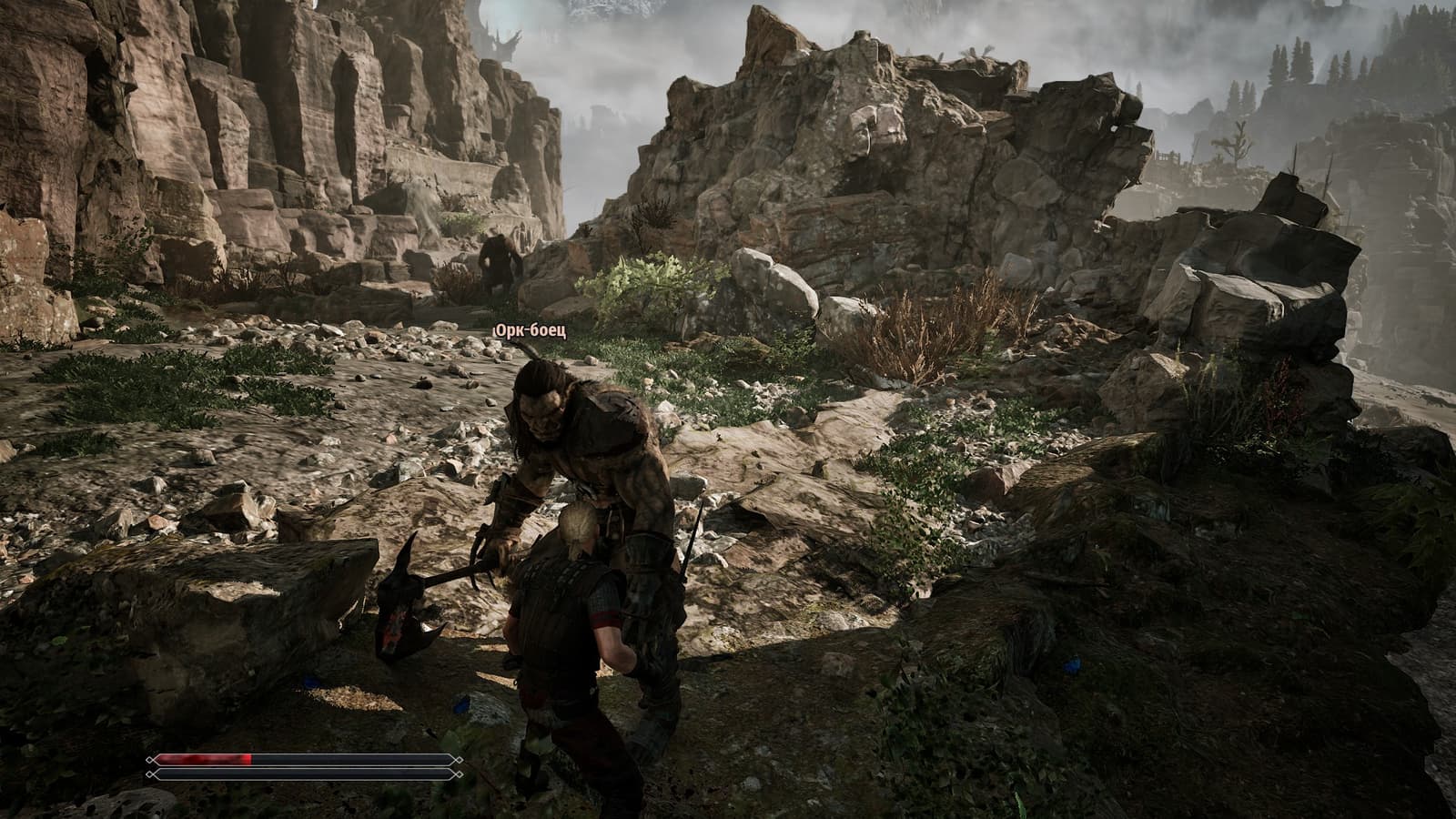
The basis of combat is melee. This is a unique system of thrusts that follows one principle: hit enemies with various iron objects until the scoundrels are gone. To use bows and crossbows, you will have to level up dexterity, otherwise you will often miss and deal little damage. And, of course, you need to resort to cunning – pitting enemies against each other, putting them at a disadvantage, taking high ground, and so on.
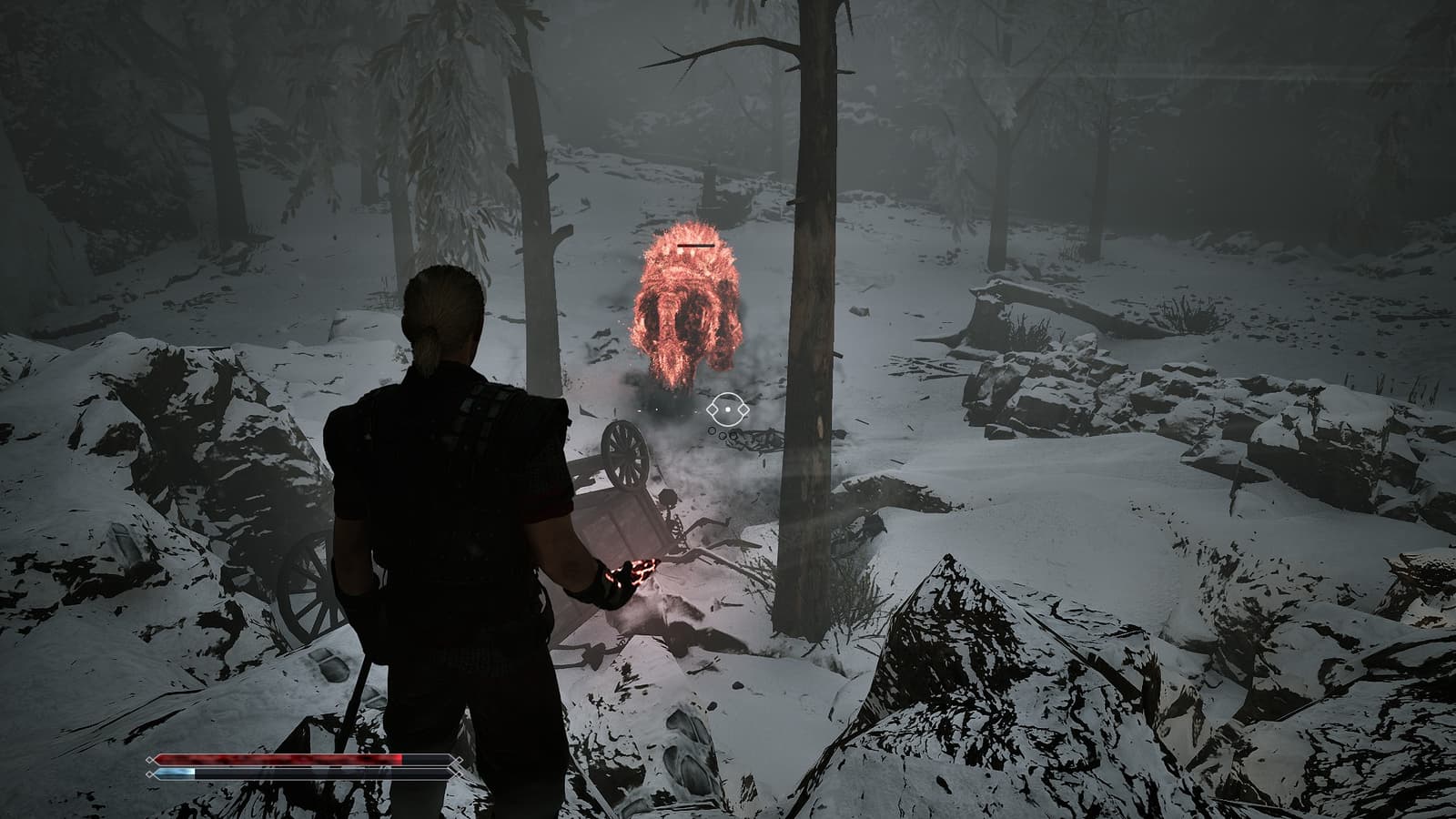
The magic system stands apart. In the original, you had to try hard to become a mage and accumulate more mana to destroy enemies with various spells. This, if I may say so, tedious process bore fruit closer to the end of the playthrough, but still lost to ordinary weapons.
In the remake, the "Gothic" (medium) difficulty brings back familiar suffering, but not for long – the game's balance is frankly broken.
After joining one of the camps, the game allows you to upgrade the armor given to the player. After full upgrade, the armor allows you to "tank" 90% of enemies in the Colony without fear of being killed. Even the Lurkers, some of the most terrifying animals in the original game, simply cannot do anything to the Nameless Hero.
Battles become boring, and armor found in secret locations or created through quests becomes useless. In the ruins of the fort, I found excellent "royal guard armor," but it lost even to the ghost armor I received for joining the Old Camp.
Melee combat works on the same principle. But now you can stun an enemy with a strong overhead or underhand blow, and most importantly, parry most attacks – this mechanic makes battles with orcs easier. And sweeping horizontal blows hit several enemies at once, but if an ally is nearby, they will also be hit. And then they will get into a fight with you!
By the way, orc weapons and glaives are also in the game, but their usefulness quickly fades.
The ability to aim from the shoulder made bows more useful in the early stages. Crossbows, however, remain useful until the very end, especially if you level up your mastery of them – shooting enemies from a safe distance has never been so effective in Gothic.
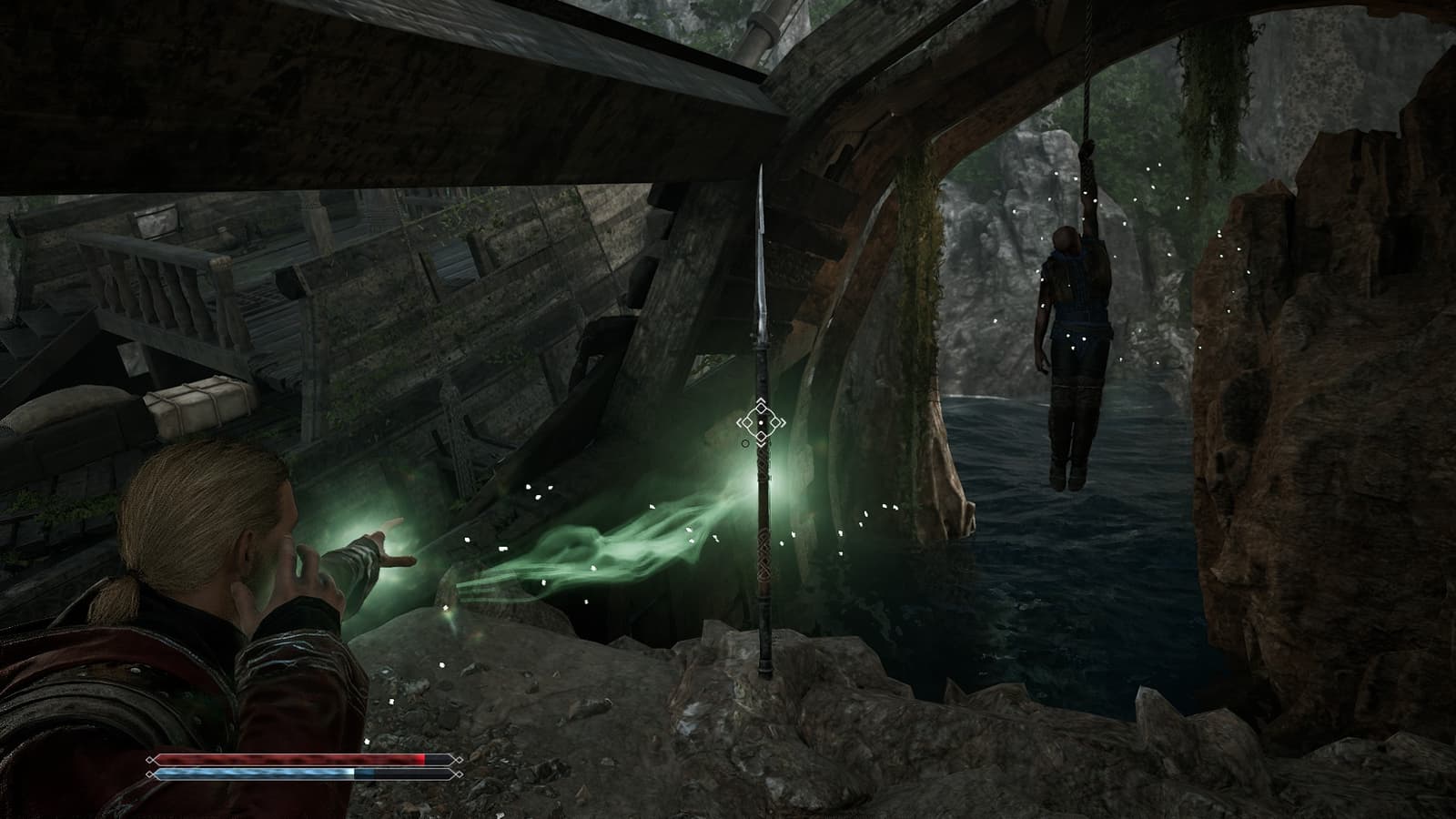
But magic has become even worse. The player needs to learn all circles of magic to unlock the potential of spells – in theory, this will simply make them stronger. But at best, only half remain useful due to the speed and animation of spell creation – they are beautiful, but very lengthy. The fireball, in particular, turned out to be useless in confined spaces – this brute hits any obstacle in its path and explodes before reaching the enemy.
In the end, it's easier to learn expensive hunting skills and the ability to create scrolls, to craft spells from animal parts that even a warrior can use! Or, the scrolls can be profitably sold, skill points invested in combat skills, abandoning magic altogether.
Speaking of leveling up...
It's time to stop ignoring the elephant in the room, since I've mentioned it so many times already.
Killing enemies and completing quests reward experience. With each level up, the Nameless Hero receives skill points, for which teachers explain in detail how to learn their craft: fighting with different types of weapons, shooting with a bow or crossbow, hunting animals, lockpicking, thievery, and a whole host of other skills.
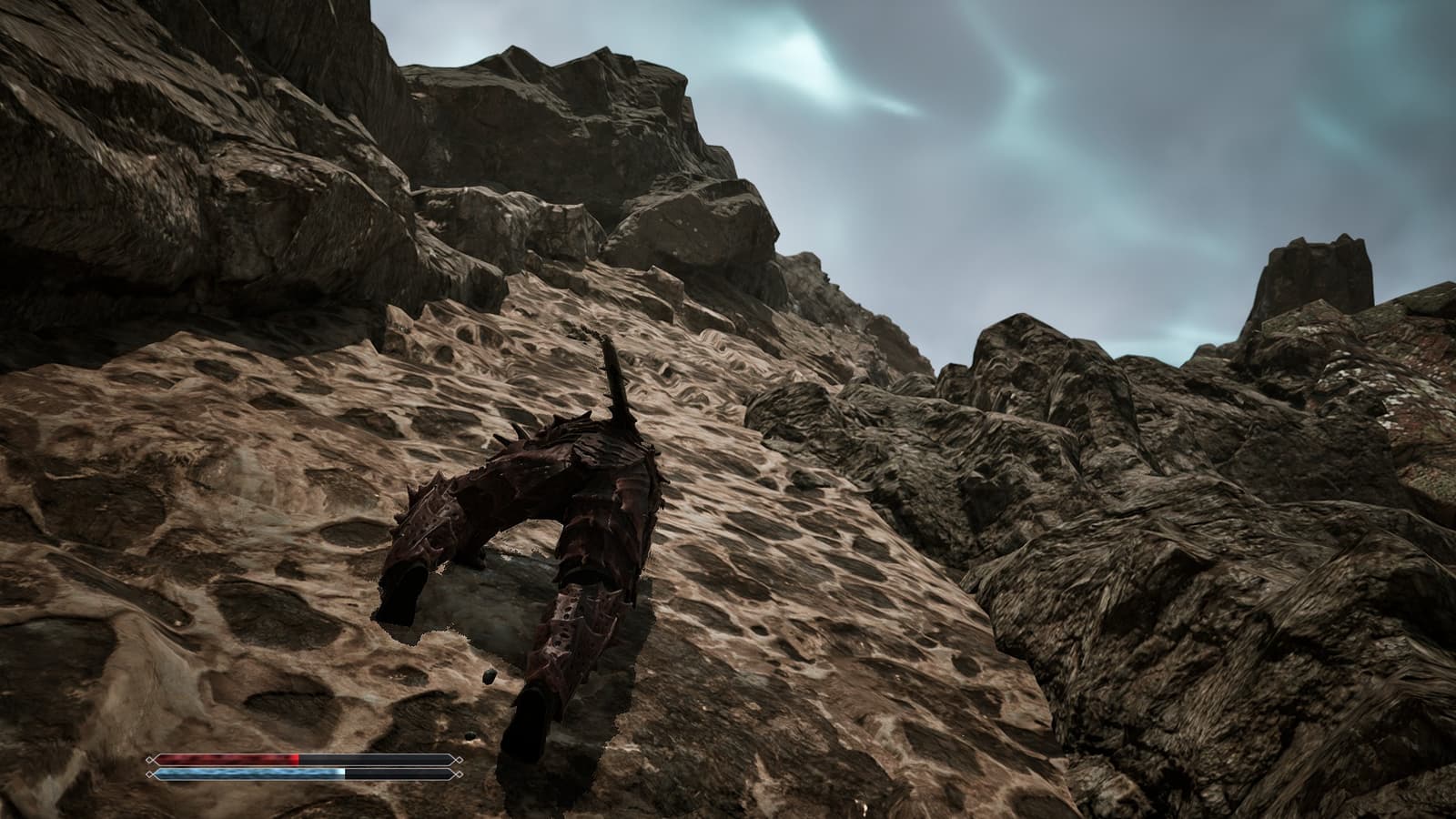
The remake also added new skills:
- Wall climbing opens up many additional routes and secrets;
- Holding your breath underwater allows you to explore the seabed and even search for treasures;
- Acrobatics, while carried over from the original, is mainly needed for combat – it allows the player to roll in battles with enemies.
- The lockpicking skill is now mandatory to level up if you can't calmly pass by other people's belongings – and it's best to max it out immediately. Save yourself some nerves.
Other skills are not particularly useful – pickpocketing, for example, is added more for the atmosphere of the colony-settlement and for solving a couple of quests.
For the sake of review and experiment, I studied all optional skills, even fighting with orc weapons. It was a waste of resources and time, but it did not prevent me from completing the game relatively comfortably – even as a mage.
Bugs or the Atmosphere of German Development
Unfortunately, even after a couple of patches, the remake dangerously approaches the infamous Gothic 3 at its release. I was unlucky and encountered a whole host of errors and bugs:
- The game can crash at any moment – even from the main menu;
- The inventory can go crazy and take control away from the player – the game will have to be restarted;
- Characters appear and disappear right in front of you;
- You can't exit the map with a controller;
- The quest log and quests break, not showing current progress – you have to act from memory and intuition;
- Enemy attacks sometimes miss, although this generally saves you;
- Enemies and bosses can simply stop attacking, freezing in place and staring at the Nameless Hero;
- Characters either ignore crimes or start threatening without reason;
- The Nameless Hero can be attacked in places where he is allowed to be – by the very same characters who allowed him into the forbidden territory;
- The following mechanic for characters is very crooked, they constantly freeze and get stuck in doors and small passages;
- On the way to the ore mountain, Milten can freeze in front of the bridge – you have to beat him well with your fists. I had to do it about five times for him to finally reach the quest point;
- Tundra wolves drop regular wolf skins, just twice as many (maybe that's intended?);
- Learning the skill "removing plates from razorjaws" does not give these plates – only teeth fall from razorjaws.
Strange or Unnecessary Innovations
Fourth Camp
A new neutral camp, full of free bandits, was added. Those who dislike the rule of Gomez, Lee, or Y'Berion flee there from other camps. In fact, it's a raw location with a couple of boring quests associated with it. Its value lies in a convenient forge and a dexterity potion. That's where the usefulness and originality of yet another group of bandits in gray robes end. But you can kill them all for experience points!
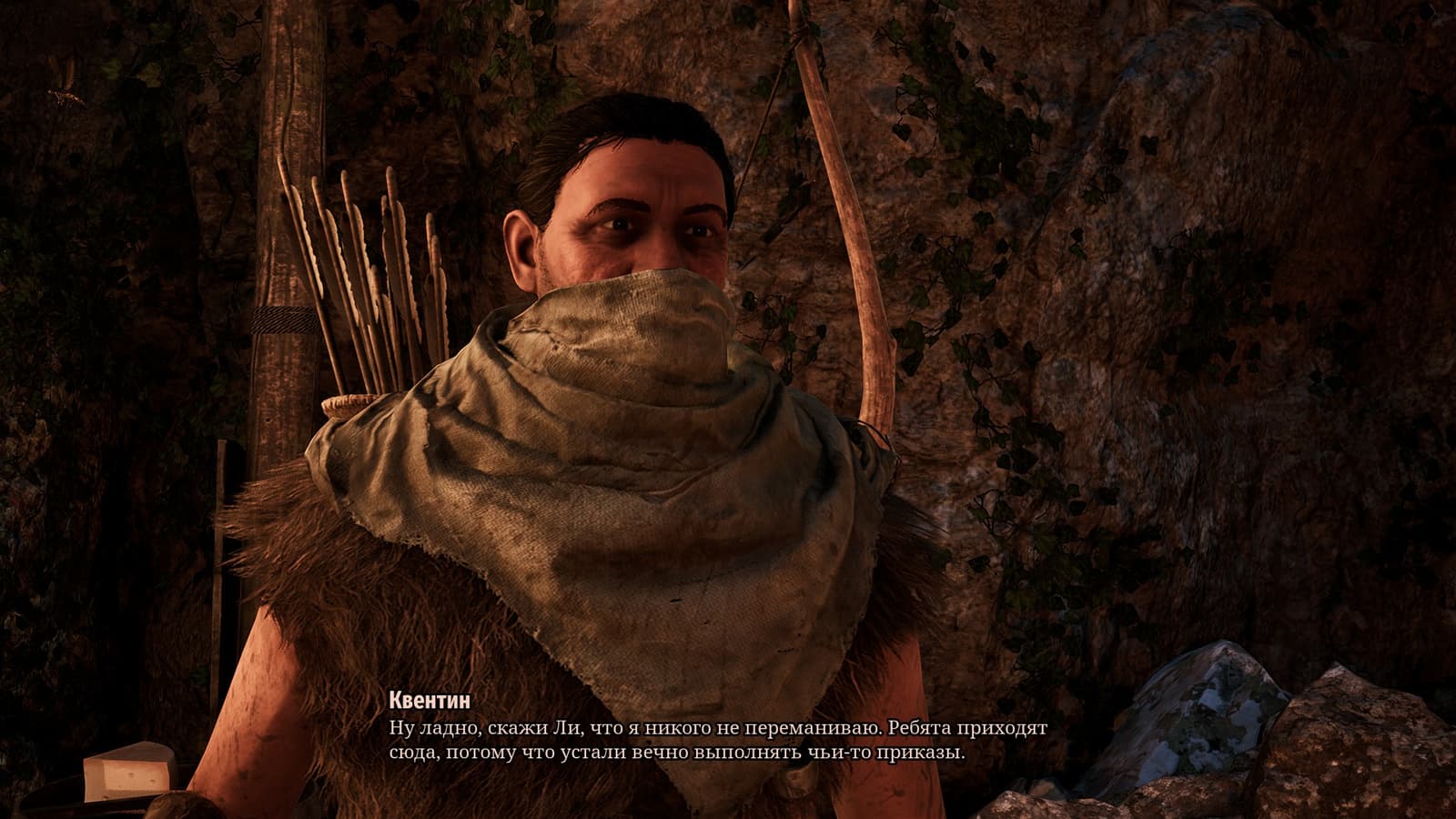
New Camp Form
The armor of the fighters and the robes of the water mages boast excellent design – the artists did a five-star job. However, they blend in too well with the environment inside the New Camp. I kept losing the mages against the background of books or the glow from the ore mountain.
The Story of General Lee and Rhobar II
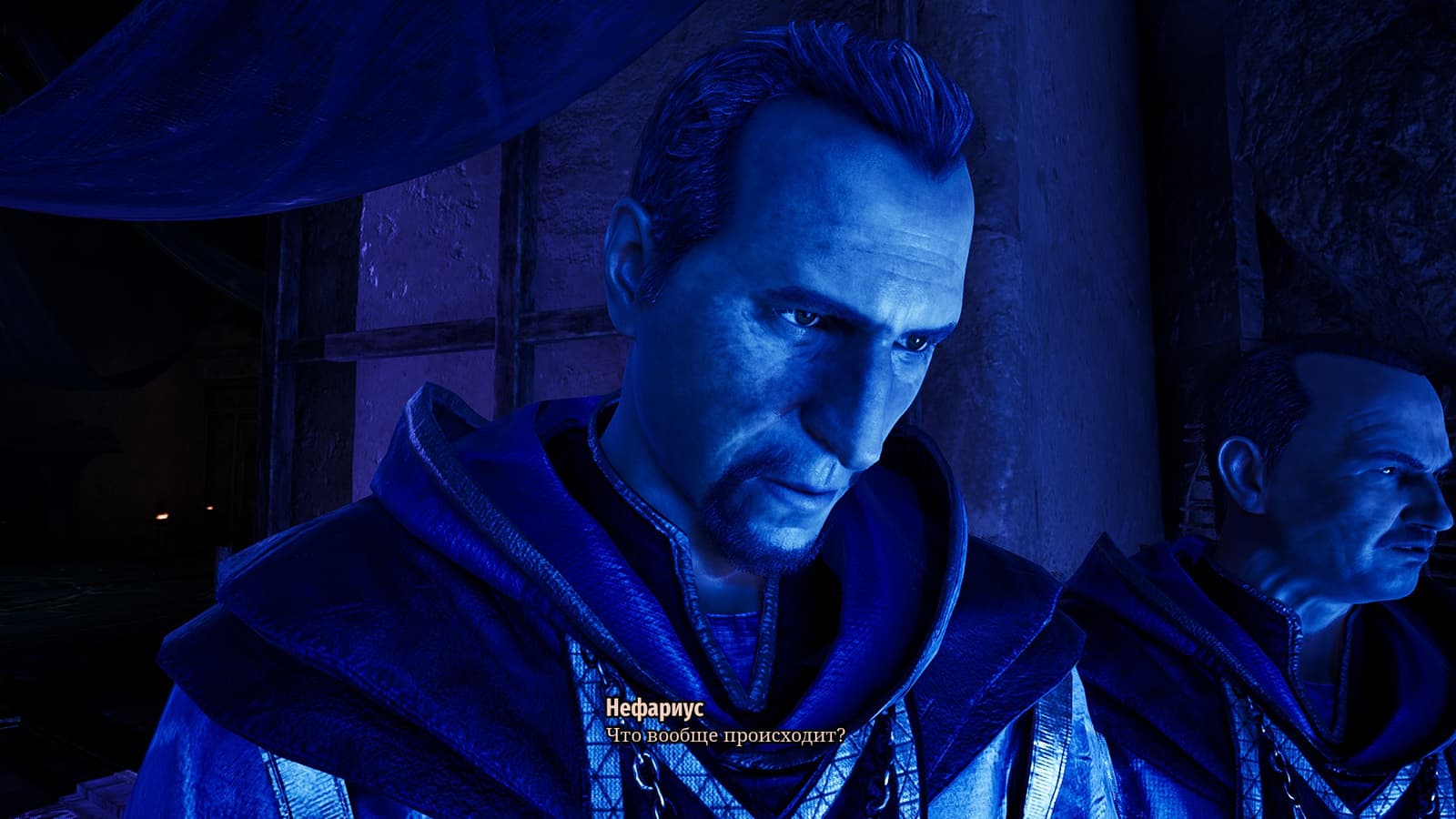
General Lee from the original had a magnificent backstory. He valiantly performed his duties as a commander and was almost the king's right-hand man until envious subjects orchestrated the queen's death and blamed Lee. The king could not secure his acquittal, but he saved the general from execution – thus, he ended up in the Colony.
In the remake, Lee was arrested for daring to criticize the war with the orcs – for this, the king sent him to an initially losing battle, where many soldiers died, and the surviving general was thrown under the magical dome.
Rhobar II was already shown as a hysterical fool in the opening cinematic, but this act makes him a real idiot – or was that the point?
Orcs
Visually, the orcs from the original resembled a mixture of a demon and a gorilla. These brutal warriors had nothing in common with the clans that fought Rhobar II.
In the past, they summoned the Sleeper to help destroy a warring orc clan. This is what he did, but after that, the demon betrayed and enslaved the clan that summoned him. The Sleeper's tyranny led to the degradation of his subjects, who were divided into two unequal parts:
- Orc shamans revere the Sleeper.
- Ordinary orcs are terrified of the demon. They offer him sacrifices to appease him.
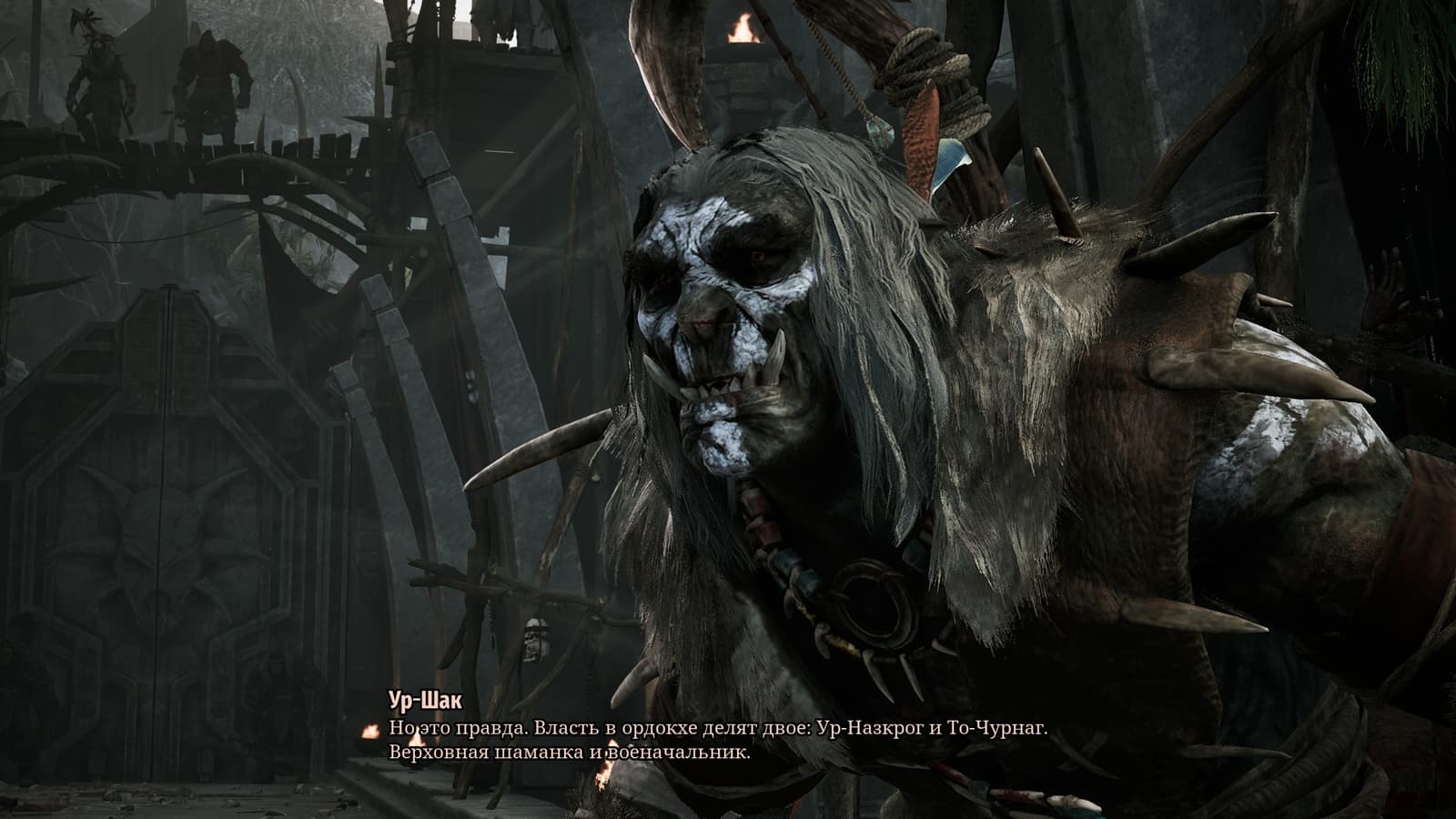
The remake transformed the Gothic orcs into their Warcraft counterparts. The green-skinned now have a developed culture, good equipment, and well-articulated speech. Of the group of shamans, only the shamaness Ur-Nazkrog and the original's well-known Ur-Shak remain.
The new orcs summoned the Sleeper to exterminate humans, but something went wrong and the deity's temple was blocked by magic. For a millennium, the orcs were comfortable being near the awakening monster and wishing for its appearance in the world. And only Ur-Shak had the thought that worshipping a giant bloodthirsty demon might be a bad idea.
It's surprising that the half-mad gorilla-demons from the original turned out to be more adequate than their more cultured and developed reinterpretation.
Zombies
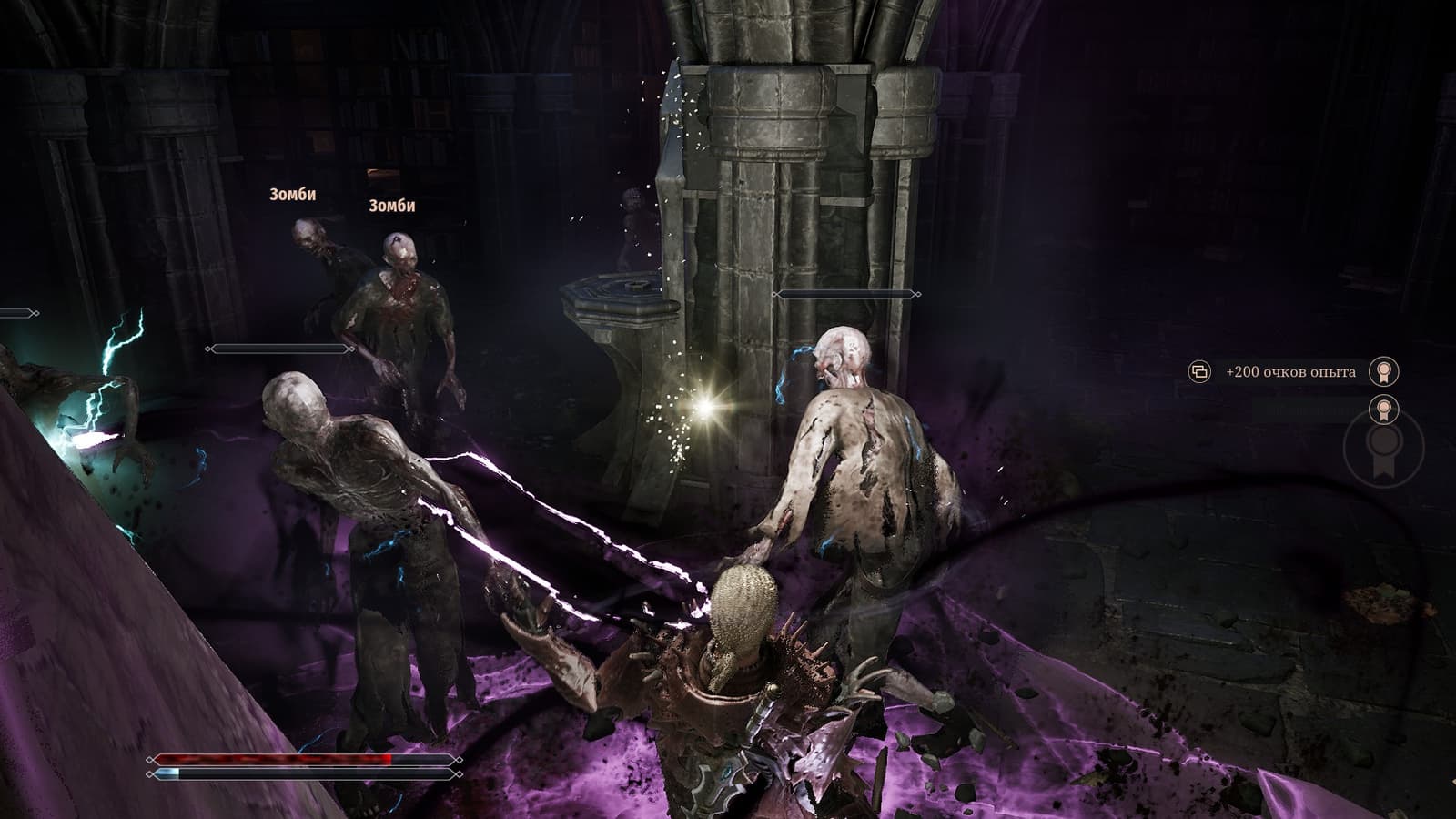
Gothic zombies were unforgettable after an encounter. They were slow, extremely resilient, and bit very painfully. In melee, pieces flew off them, adding brutality to the scene. "Death" was accompanied by a heartbreaking scream and the release of magic from the shell stuck in the world of the living.
In the remake, they are just boring slow zombies.
Music and Sounds
The music in the original was memorable for its soft and anxious tones. It helped to relax in safe places and maintained tension outside of them. The effect was complemented by the eerie sounds of hidden creatures, which frayed nerves in the forest and orc lands. And this is considering that the original's colors are brighter than the remake's.
The remake is dominated by soft tones and calm music. Throughout my playthrough, I was never scared in dungeons or at night. Although storms with thunder and lightning can make you nervous during night travels – especially if lightning strikes the ground near you!
Diagnosis
Leaving my fan grumbling aside – playing Gothic 1 Remake is very enjoyable. The developers managed not only to transfer beloved elements from the original but also to skillfully supplement and expand them. I gladly spent 90 hours in the game (although it usually takes about 50 hours to complete) – looking under every stone and exploring new content.
The remake is good when the developers stick to the path laid out by the original, carefully supplementing or refining what Piranha Bytes intended but cut 25 years ago. However, many of Alkimia's innovations did not appeal to me – for me, they change the essence of that old Gothic.
The bugs and balance issues that the remake abounds with in my case (maybe you'll be luckier) need to be fixed by the developers as soon as possible. But I will recommend playing Gothic Remake now – we still don't have modern analogues of this role-playing series.
Read more on the topic:
Never miss our newsAdd this site to your preferred sources to see us more oftenAdd on Google