"Young Generation Rejects AI Slop": Christopher Nolan Explains the Success of "The Backrooms" and "Obsession"
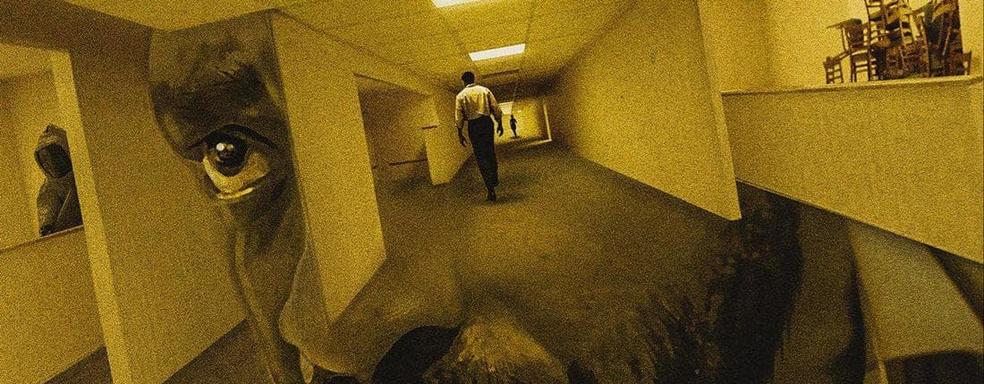
Christopher Nolan considers the success of the horror films "The Backrooms" and "Obsession" as proof that young audiences are still willing to watch complex and experimental cinema. In an interview with The Telegraph, the director rejected the common notion that the younger generation of viewers has lost the ability to maintain attention for long periods.
According to Nolan, the films by Kane Parsons and Curry Barker gained popularity despite their slow pace, mysterious plots, and rejection of the familiar Hollywood structure:
"That's why I never believed in the argument that young audiences have lost their ability to concentrate and cannot appreciate a three-hour Greek epic. These films are mysterious and thought-provoking. Some scenes in 'The Backrooms' resemble David Lynch at his most inscrutable – and yet young people are crazy about them."
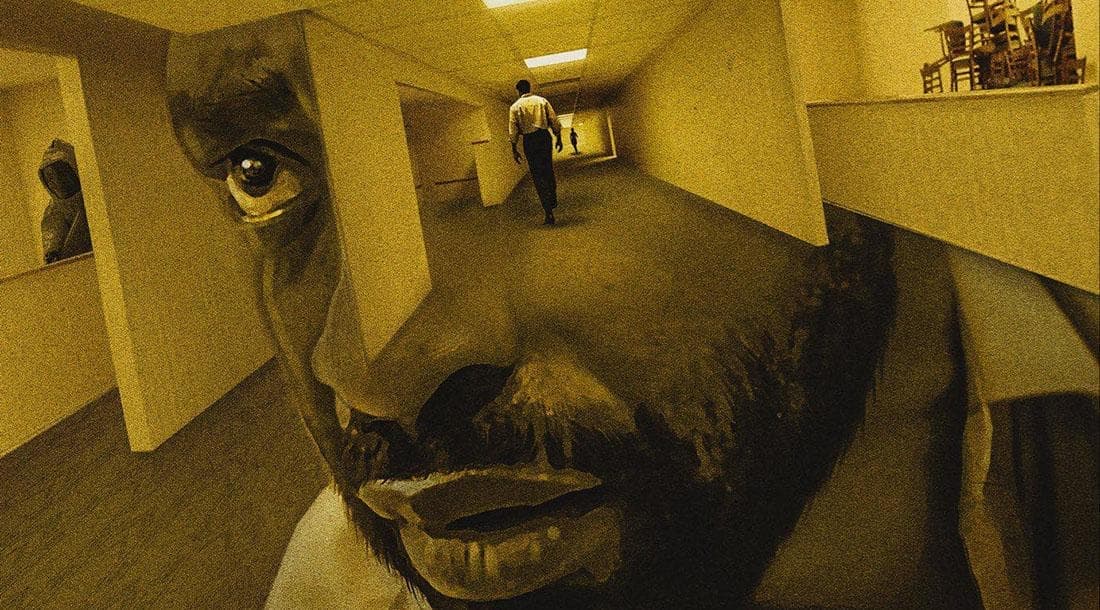
Nolan also noted that the creators of both horror films relied on practical effects and are skeptical about the use of generative AI in filmmaking. According to the director, young audiences are particularly quick to recognize low-quality content created by neural networks:
"In my entire life, I have never seen such a rapid and widespread rejection of a supposedly fundamental technological breakthrough. A huge amount of effort has been put into implementing AI, but the young generation completely rejects it. Their reaction to AI slop was instantaneous and merciless. They very quickly see its true nature because it grew out of the internet environment they are very familiar with."
According to Nolan, AI technologies appeared in cinema at an inopportune moment: after several years of fascination with digital sets and virtual effects, audiences once again began to gravitate towards more tangible and realistic forms of storytelling.
Never miss our newsAdd this site to your preferred sources to see us more oftenAdd on Google