My home is my prison. Review of indie horror LUTO
Translated with AI from the Russian original.
The debut game from Spanish studio Broken Bird Games plunges the player into the depths of the human soul. Instead of predictable jumpscares and stalking monstrosities, it offers an unsettling walk through a house that lives a life of its own and mirrors the broken mind of the protagonist. In our review, we explore how the game manages to evoke both fear and catharsis, and why it stands out as an example of respectable indie horror.
LUTO — the debut game by the Spanish studio Broken Bird Games, created in the spirit of P.T., where the protagonist wanders through his own house and explores its hidden secrets. The project was announced two years ago. At that time, the developers presented a demo version that immediately caught the attention of horror fans.
The game positions itself as a horror title, but there are no monsters here. The protagonist’s own feelings serve as the main enemy. As you progress, strange rooms, frightening notes, and dark secrets emerge. The meditative pace, puzzles, and fourth-wall breaks somewhat contradict the statements of the developers, who called their project a “psychological horror,” but its gloomy atmosphere keeps the player in suspense.
Plot in the halls of the mind
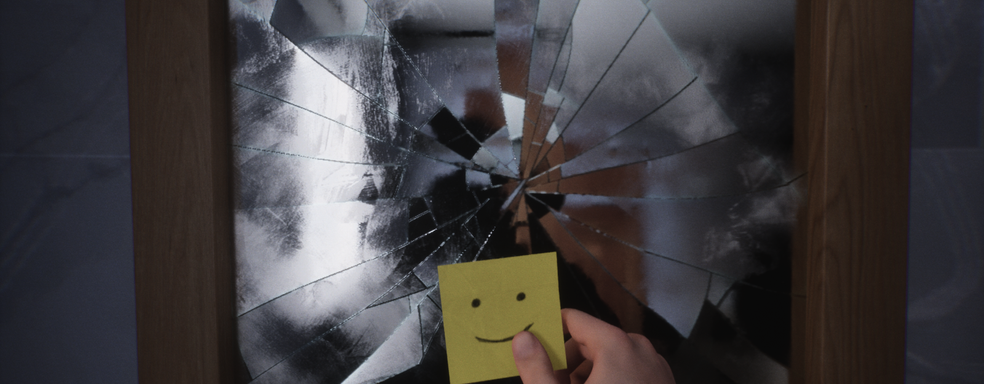
The protagonist of this story is Sam — an ordinary man who, for an unexplainable reason, cannot leave his house. Every morning he repeats the same ritual: wakes up, washes his face in front of a broken mirror, and gets ready for work. But every time he tries to walk out, he finds himself back in front of the cracked bathroom mirror, and the cycle begins anew.
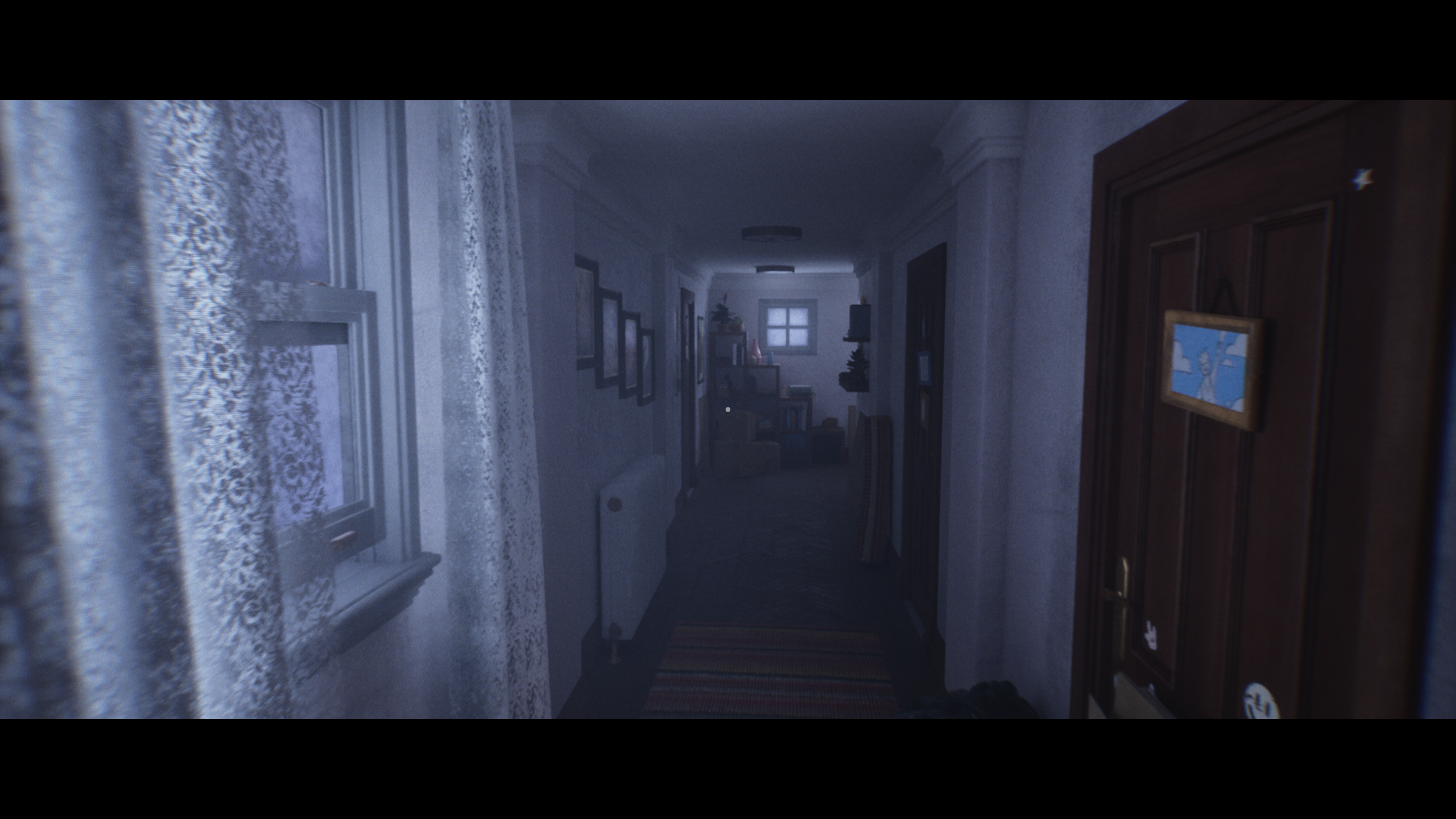
Gradually, the familiar house ceases to be a place where one can feel safe. Corridors stretch to infinity, doors lead to unknown spaces, and rooms appear and disappear as if living a life of their own. The habitual sanctuary turns into a nightmarish labyrinth reflecting the protagonist’s broken mind.
The game is in no rush to show all its cards. The story is presented fragmentarily: through notes, drawings from a children’s sketchbook, encrypted phrases on the walls, and occasional lines from the Narrator — a mysterious voice that simultaneously guides the player and leads them astray. Because of this, it becomes harder for the player to understand what is happening. Throughout the entire game, we can piece together assumptions regarding relationships in Sam’s family, and in the finale, we are fully shown the root cause behind all of the protagonist’s suffering.
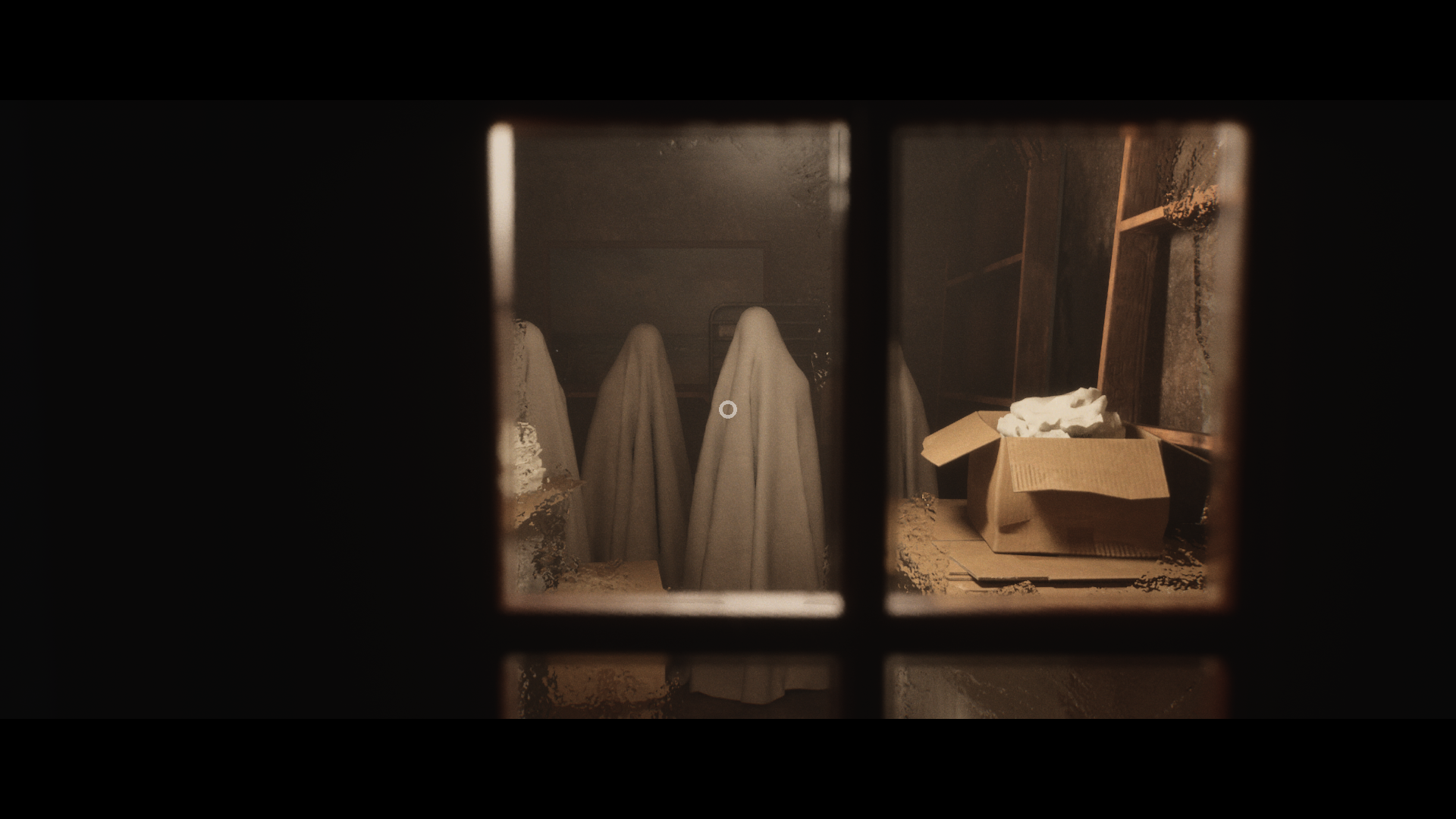
The central themes of LUTO are grief, guilt, depression, and fear of one’s own loss. Samuel relives traumatic events from the past, while we witness the destructive toll of these emotions. Instead of overt melodrama, metaphorical imagery dominates here: labyrinths are dead ends of the mind, closed loops reflect frozen time, and ghosts are shadows of memories that cannot be discarded.
The mental state of the protagonist itself does not evoke dread. It reveals the inner world of a person caught in a difficult situation and raises unusual life questions: what is it like — to experience grief that you confront time and again? And how do you escape this state?
Although Luto handles the topic carefully, such narratives are not to everyone’s liking. To some players, these stories seem overly pretentious, excessively dramatic, or even detached from reality — after all, not everyone can imagine themselves in the shoes of a protagonist enduring such deep depression and isolation within their own fears.
Nevertheless, such games perform an important function: they remind us that issues of mental health, grief, and loss do exist, even if they affect a relatively small circle of people. In the gaming community, such topics are worth raising and discussing periodically, not only for those who truly encounter such struggles, but also to foster understanding and empathy in others. Even if most players will never find themselves in such a position, these stories help provide insight into situations and emotions that typically remain outside mainstream culture.
Soul-searching in the gameplay
A significant part of the gameplay revolves around exploring spaces, finding items, and solving riddles. Many of them require close attention: you need to study drawings, decipher inscriptions, and uncover clues in the environment.
Puzzles are the strongest yet most divisive mechanic of this horror title: some are original and clever, making you think and pay close attention to details. For instance, the puzzle to determine a phone number. To solve it, you must collect pages of sketches and identify certain patterns in them. But there are also riddles whose logic is far too abstract. Because of this, one has to turn to third-party walkthrough websites for hints.
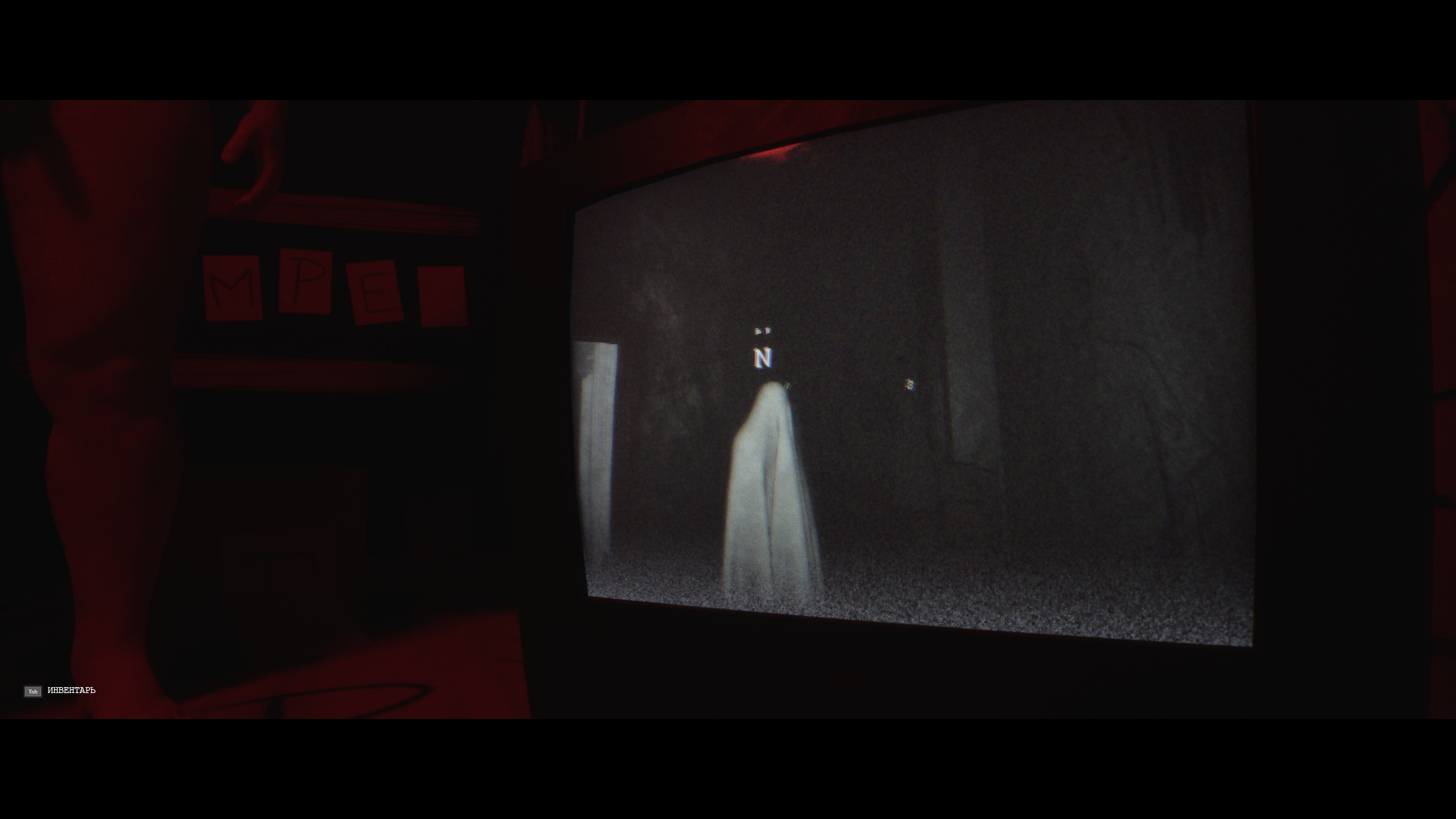
All the player can do is walk, run, look closely to inspect details, and interact with objects. The mechanics are utterly minimalist, but nothing more is needed to solve the riddles.
Besides exploring spaces and solving puzzles, LUTO periodically breaks conventional rules, shattering the fourth wall and heightening the sense of unease. At times, a silent entity begins to emerge from the black bars along the borders of the screen, watching the player closely, which creates a feeling that the space itself is conscious of our presence. And at certain moments, the narrator takes control of the experience so drastically that the game simply shuts down at his whim, forcing the player to relaunch it manually.
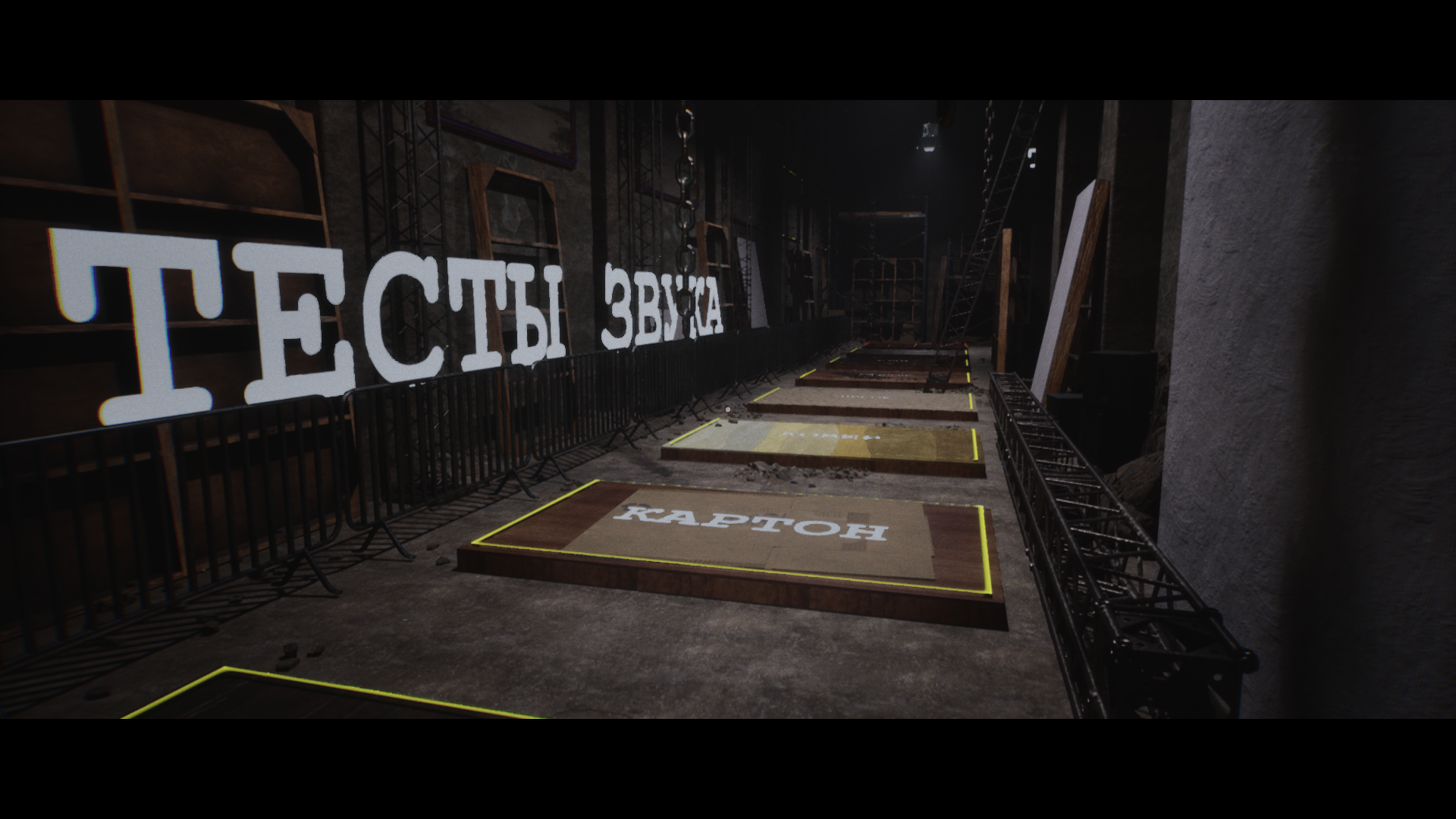
In the final chapters, the developers decide to go even further: by visualizing the collapse of Sam’s psyche, they take us into “test zones” and into old, unpolished levels with exposed trigger boxes and technical assets. These areas resemble a collection of gameplay fragments stripped of context, creating a distinct atmosphere of dread — here, the game itself feels unstable, as if breaking down right alongside the protagonist’s mind.
Seasoned fans of the genre will likely find the horror component on the weaker side. The tension is built on feelings of unease and emotional pressure. The house, acting as the main antagonist, will get in the way of the investigation, and its spatial paradoxes will deprive the player of their orientation, but nothing more.
Muffled domestic noises dominate the sound design: faint footsteps, creaking floorboards, barely audible breathing right behind your back. Silence and lulls are often far more frightening than sudden sounds. The soundtrack is minimalist and gives way to ambient noise, enhancing the feeling of presence.
The game actively relies on the contrast between cool and warm tones. Light and shadow become instruments of pressure: cozy illumination can abruptly turn into anxiety, and bright scenes can become a source of fear. In certain episodes, a film grain effect and the interplay of lighting create an illusion of motion in the dark, prompting the brain to conjure up a threat.
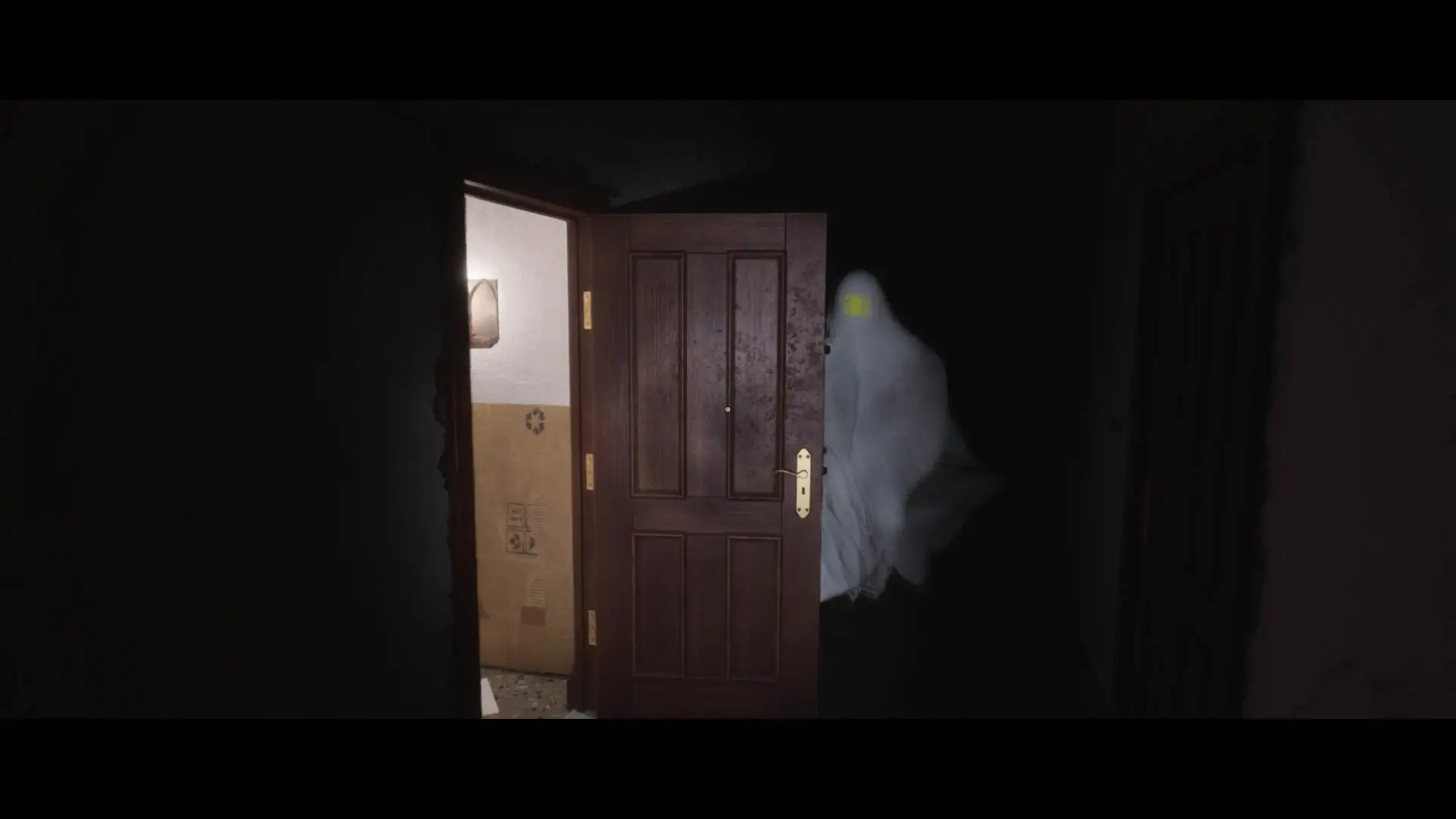
There are jumpscares in the game, but they are few and consist of the sudden appearance of a sheet-draped figure with a sticker on its face. On the other hand, each such scene has its reason for being there. The game does not end after them: these moments were carefully conceived by the developers and carry their own narrative justification.
Diagnosis
Luto is not horror in the conventional sense, but a slow psychological journey exploring themes of loss and depression through atmosphere, metaphors, and inventive techniques. The developers sought to create a project that simultaneously tests your psyche and your analytical abilities.
Because of this, the game will not appeal to everyone: its slow pacing, focus on puzzle solving, abstract narrative delivery, and emotional heaviness may turn away fans of fast-paced action. On the other hand, it is short – it can be finished in just a few hours, meaning lovers of spooky bedtime stories will find it an intriguing experience.
***
All rights to images in this material belong to Broken Bird Games.
Never miss our newsAdd this site to your preferred sources to see us more oftenAdd on Google