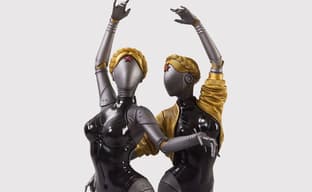
On September 17, the second season of the series "Gen V" premiered on Amazon Prime Video. It's a spin-off of the series "The Boys," created by producer and director Eric Kripke based on the comic book of the same name. What is "Gen V" and why should you watch it if you love bloody superhero stories? Read on in our article.
Deconstruction of Superheroes
Back in 2019, the first season of "The Boys" revolutionized the superhero genre, giving it a major shake-up. After 11 years of Marvel Cinematic Universe hegemony with their "formula," people began to tire of the monotony, and over time this problem only worsened. A fresh perspective was needed, which Eric Kripke's project provided.
The universe of "The Boys" is superhero stories in reverse. Here, all the Supes, if not evil, are very narcissistic, corrupt, and sometimes extremely infantile-especially Homelander. Instead of dedicating time to actually saving people, the industry is built around creating media content, advertising it, and profiting from it. In this regard, "The Seven"-the local equivalent of "The Avengers" or "The Justice League"-are not at all who they seem, which perfectly aligns with the chosen style and adult rating. The series is abundant with blood, dismemberment, sex scenes, nudity, black humor-all this darkness is revealed to the fullest.
The project became a deconstruction of the genre and a parody of it simultaneously: it's a satirical and deep analysis of how superheroes reflect power, capitalism, and human vices.
Furthermore, the series skillfully mocks the "agenda," showing how the world has gone crazy because of it. And the funny thing is that this didn't cause a big stir: real activists took everything shown seriously, which allowed the project to be what it is without offending anyone.
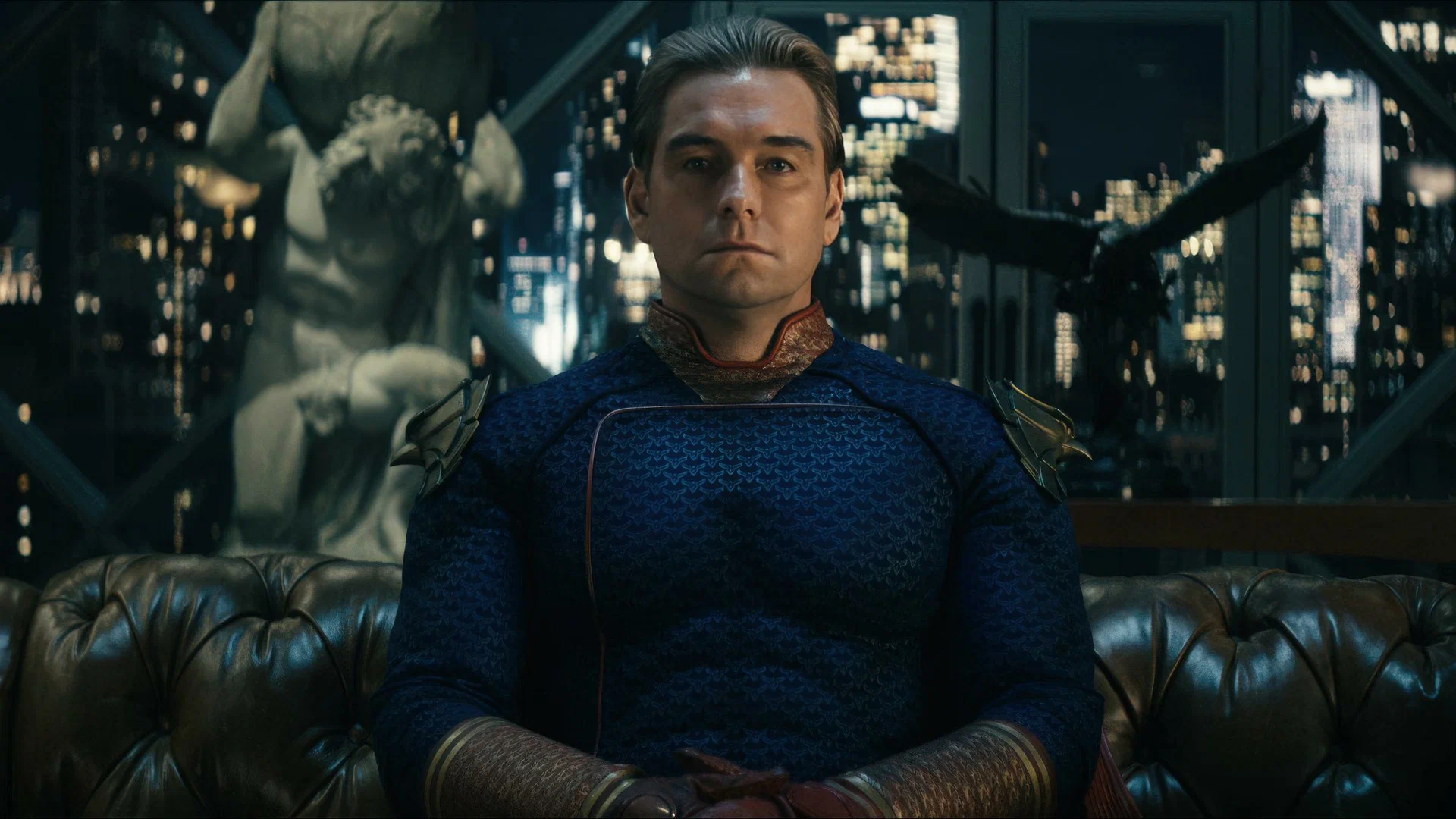
But this whole universe lacked deeper exploration: "The Boys" was initially the tip of the iceberg, while the lives of ordinary Supes and other smaller elements were not particularly showcased before. "Gen V" attempts to address this.
Cruel School Life
The plot of "Gen V" tells the story of students at Godolkin University-an institution of higher education for young Supes. Roughly speaking, we have an analogue of Charles Xavier's school for mutants from the "X-Men" comics: here, teenage problems are at the forefront, and the world is shown through the eyes of actual children, only with their unique "charm" inherent in this universe.
The story revolves around the educational institution and its secrets: how is the university connected to the secrets of Vought-the corporation that owns the rights to all superheroes? What happens within its walls? And why did student number one suddenly rebel and go against the leadership? All this and more serves as the hook for the start of the series.
The main characters of "Gen V" are:
- Marie Moreau (Jaz Sinclair)-a girl with the ability to control blood and a dark past: she accidentally killed her parents when her powers first awakened;
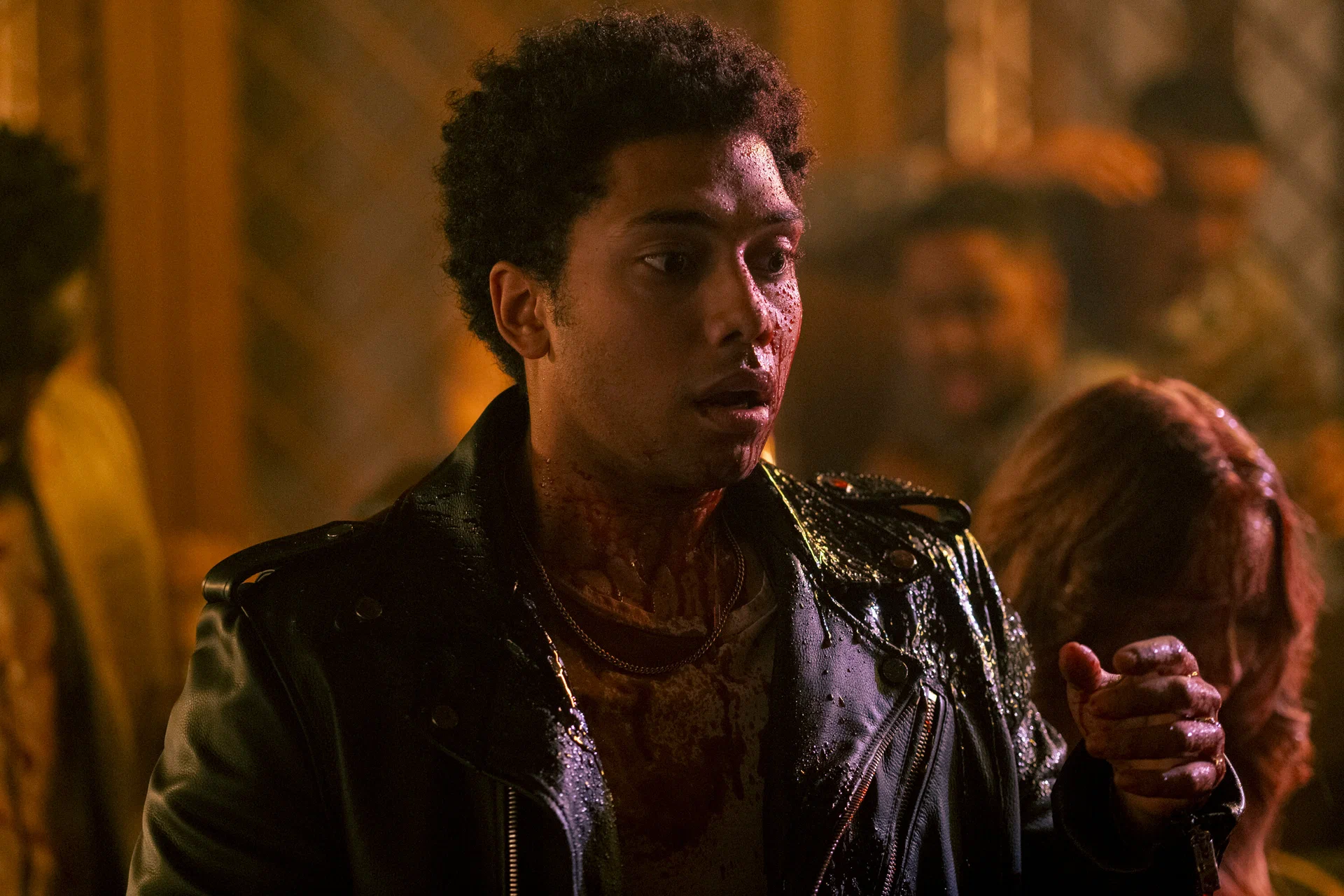
- Andre Anderson (Chance Perdomo)-a guy who can control metal and understands the intricacies of the profession: his father is a famous superhero;
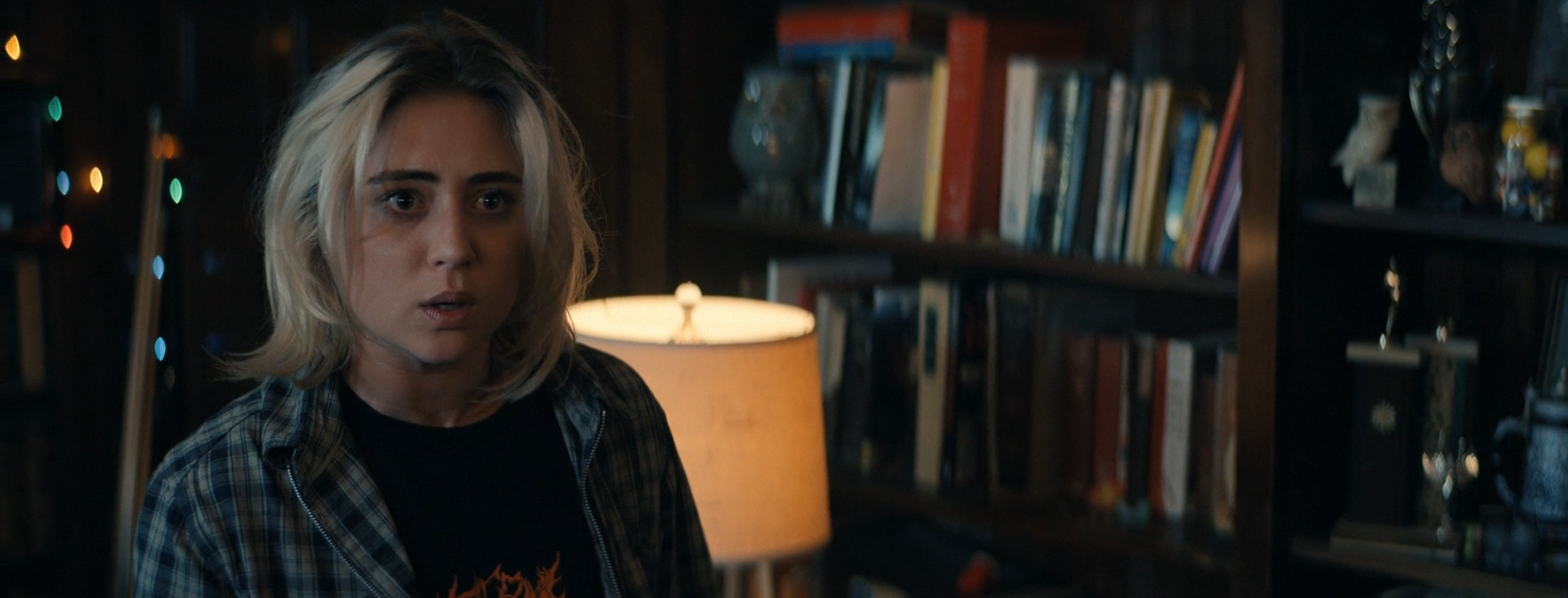
- Cate Dunlap (Maddie Phillips)-a girl with telepathic abilities;
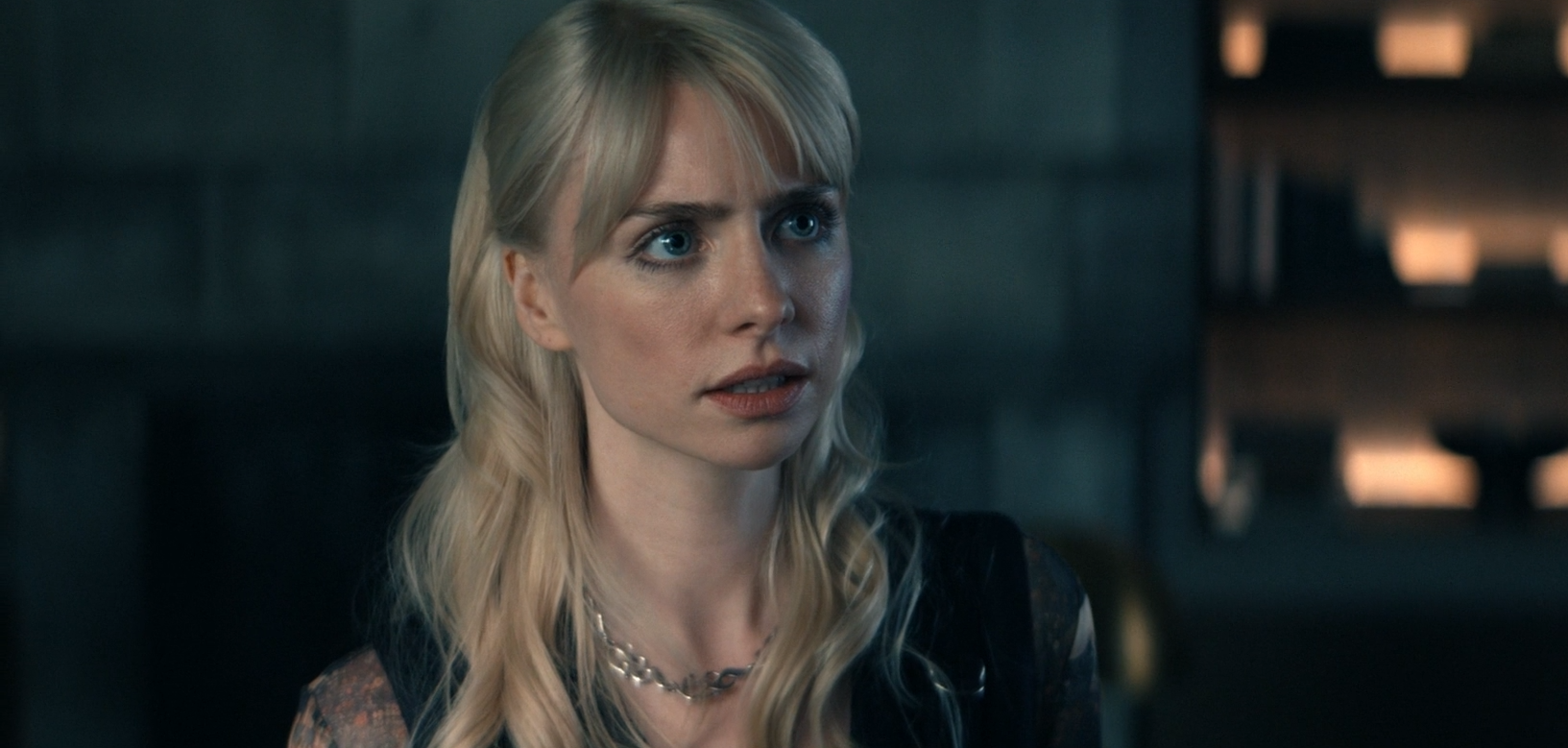
- Emma Meyer (Lizze Broadway)-a shrinking heroine who was once popular;
- Jordan Li (London Thor and Derek Luh)-a gender-fluid character who can switch between female and male bodies at will, each form having its own superpowers;
- Sam Riordan (Asa Germann)-the brother of the best student, who has some problems.
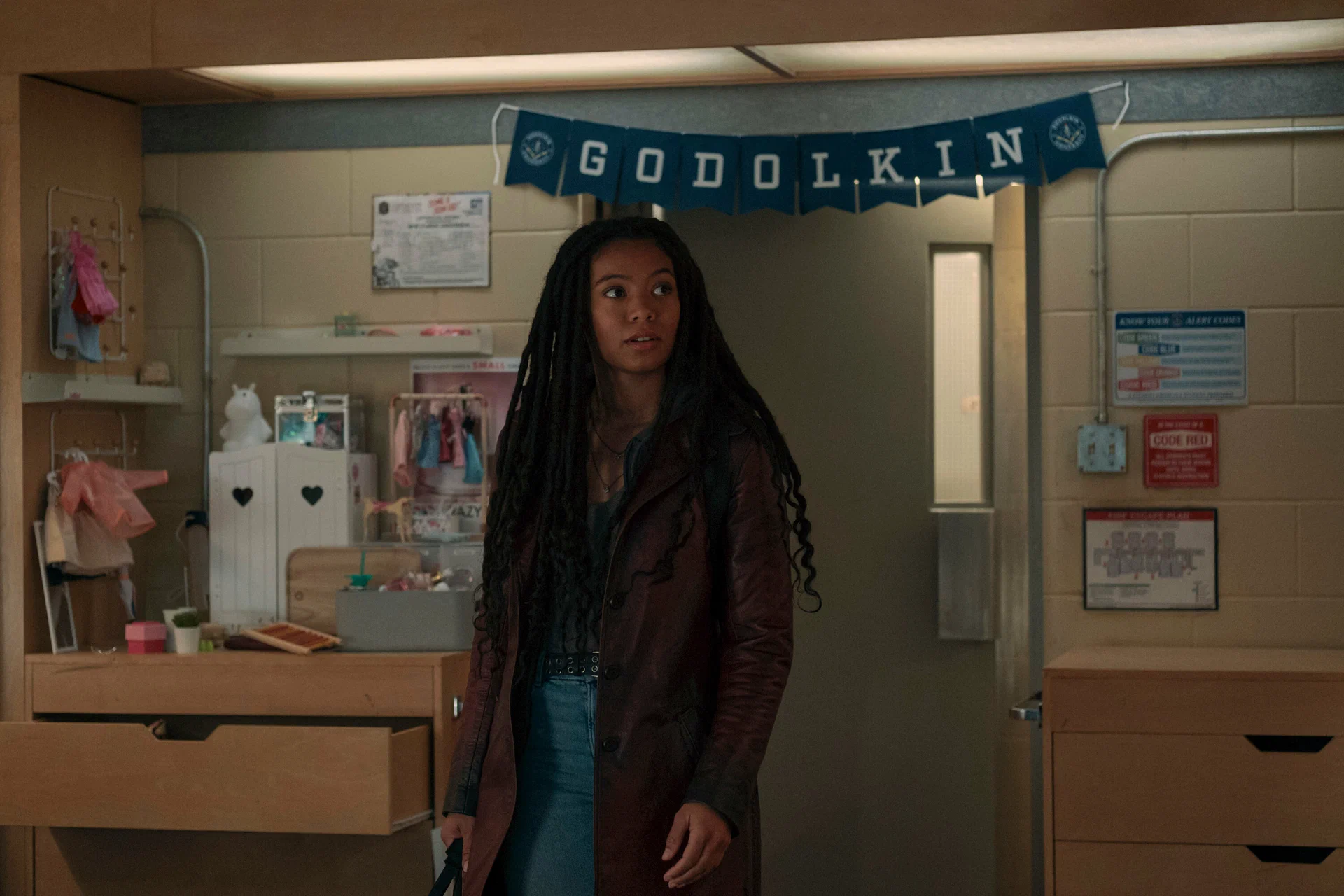
They are all unique not only in their abilities, which characterize their flaws, but also in their interesting interactions. This isn't just a group of fellow students who, driven by a common goal and the power of friendship, uncover the secrets of villains. No, these people are very different, and they don't always get along. They have different motives, moral principles, and secrets, which makes the narrative unpredictable: someone will try to be good until the very end, while someone else may turn out to be a traitor.
In this regard, the series is in no way inferior to its original-in "The Boys," many characters are also disconnected, and each has their own goals, views, and so on. Even within "The Seven," Maeve and Deep were, in fact, outcasts, despite being in the most popular group in the world. And given that the scale of events in "Gen V" is noticeably smaller, all these interactions become even more significant due to their compactness.
Both of these projects raise an interesting question: What is heroism? Can a sincere desire to help people outweigh corporate ethics and the desire to earn as much money as possible? "Gen V" even reveals this theme a little more strongly, since Marie, although she wants to be the best in order to find her sister and earn her forgiveness, genuinely wants to save people-which she demonstrates several times throughout the story.
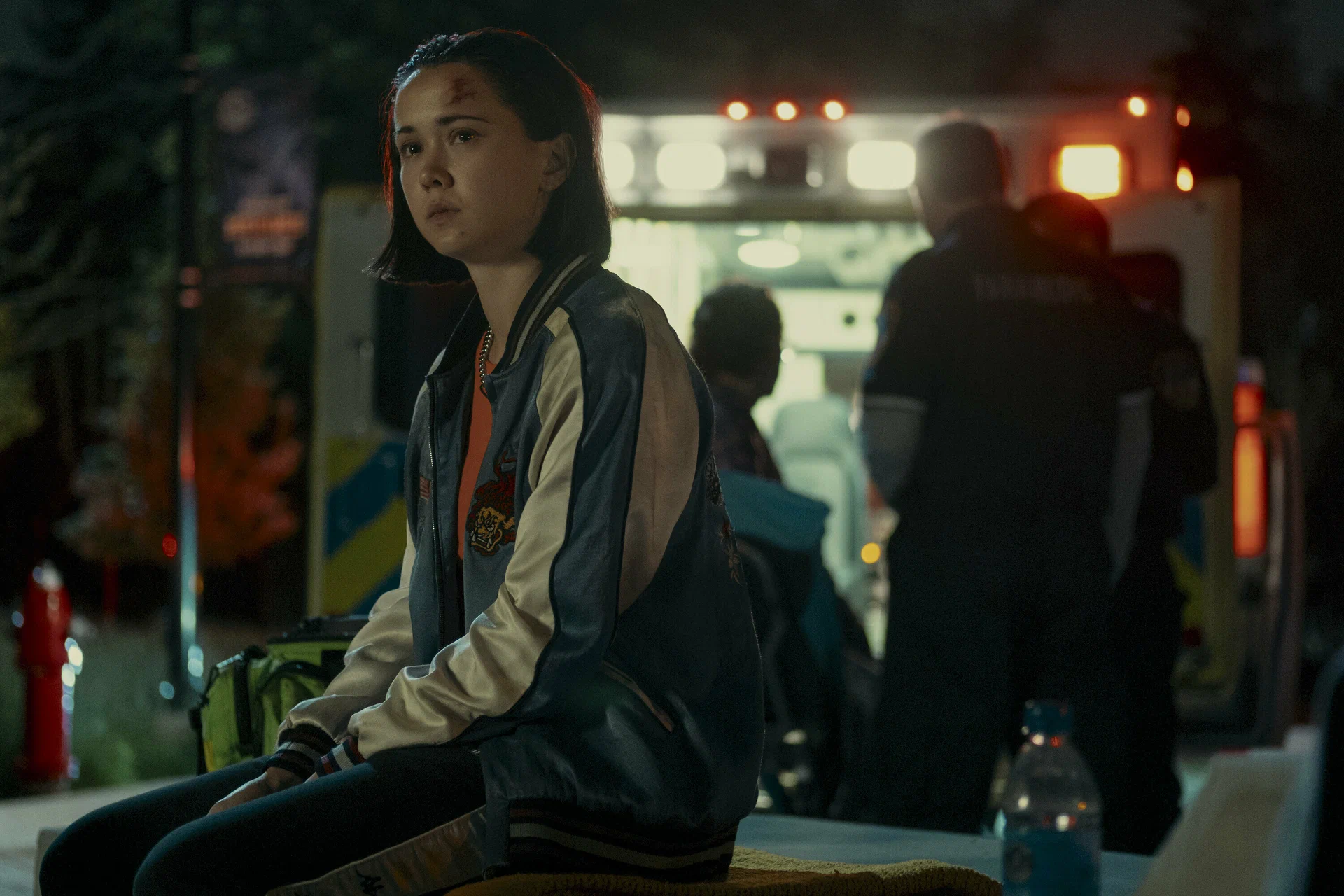
All of this is supported by one of the main features of the franchise-the adult rating. There are many relevant scenes that are woven into the narrative: somewhere they play on the "pleasant" atmosphere of student life, and somewhere they show the dark side of this educational institution and the whole world, in which marketing and social networks rule.
However, at times the series goes too far, clearly overdoing it with such scenes. The issue isn't the excessive degree of cruelty itself, but its necessity: often there is no meaning in these scenes, they wedge into what is happening for a few seconds, distracting the viewer from a conditional chase or battle or some other important moment, in order to show something bloody or unpleasant. However, such inserts do not deepen the context, but only stretch the runtime!
In addition to the 18+ elements, visual feast is added to the series by individual scenes with the presentation of abilities and/or a view from the perspective of the characters-for example, how Sam sometimes sees the world, which drives him crazy. It's just a pity that there is very little of this-it would be better to allocate more time to something like this than to unnecessary sex scenes and blood.
It should be noted that some scenes here are superfluous, not leading to the development of the plot and therefore quickly forgotten-such as the revelation of the nature of Emma's powers through the betrayal of a minor character. This could have been shown differently, but such scenes are usually stupid and somewhat muddled.
Another disadvantage of the project, stemming from the previous ones, is the drawn-out nature-the first season has only eight episodes, but in the middle the narrative stalls slightly. If you remove all the drawn-out moments with excessive cruelty and unnecessary stretching, you would get six episodes! Or spend the freed-up runtime to more smoothly reveal the plot and reduce muddled moments.
From First to Second
The first season turned out interesting, but there are two nuances.
Firstly, the storyline with the virus that was being developed by the scientist and was passed to Victoria Neuman at the end of the first season is simply removed from the further series. It became part of the fourth season of "The Boys."
The events of the latter unfold between the seasons of "Gen V" and partially serve as the basis for what is happening, since it is Starlight who gives Marie a clue for the investigation, and the changed world order in "The Boys" serves as the context for what is happening here.
"Gen V," although a standalone project, is still connected to its original: to understand everything, you need to watch both projects. We have another cinematic/television universe, as Marvel was in its time-just as interconnected with each other, which is good.
Secondly, the ending of the first season turned out to be something incomprehensible: the heroes save people and the leadership-which sees who exactly is saving them and from whom-but for some reason it is they who are recognized as guilty of what happened, and the real perpetrators are recognized as heroes. You could say that one of the characters is manipulating information, and this led to such an end. However, there are still enough logical problems: is one wounded Supe-even with problematic abilities-able to influence the entire top of Vought and beyond?
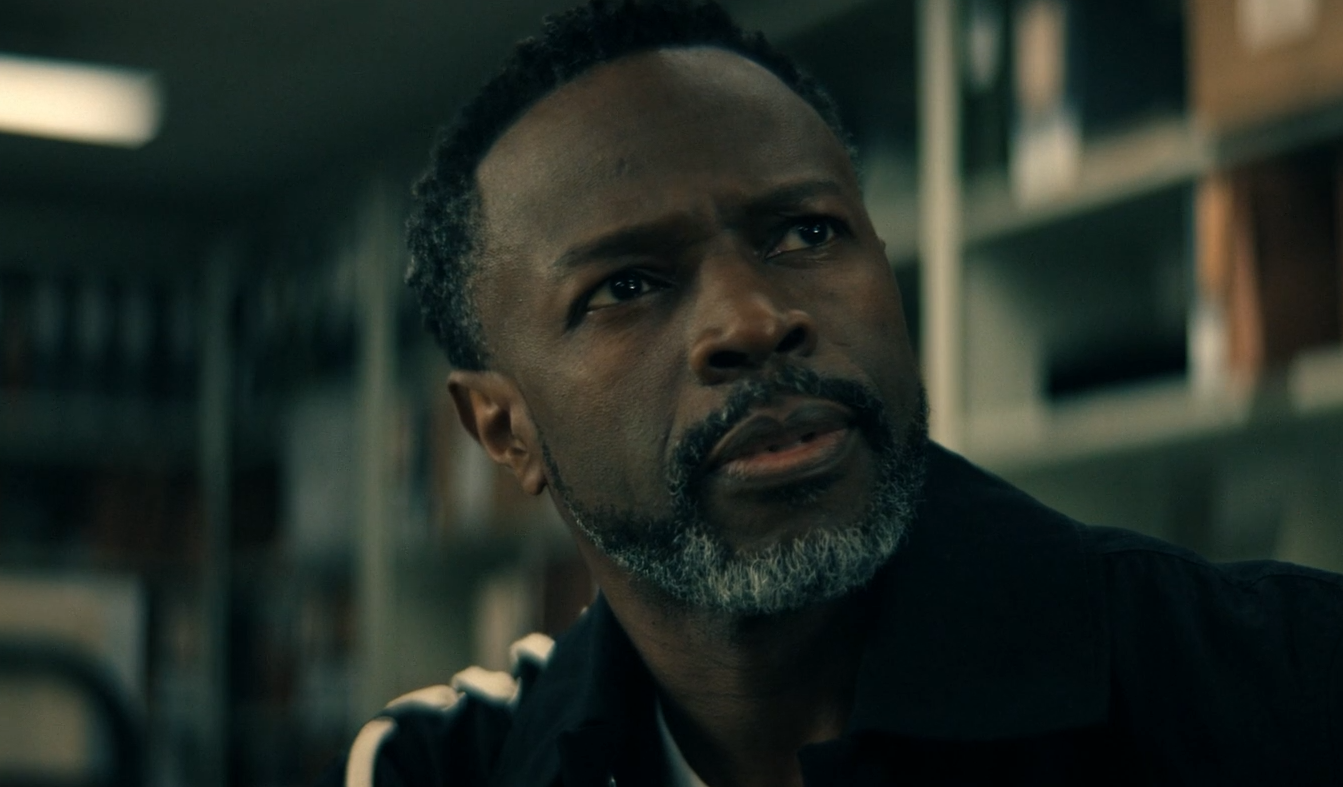
Moreover, with the start of the second season, the confusion with such a plot move is not only not explained, but also intensified: the protagonists are suddenly acquitted and returned to the university, reuniting their old company-all except Andre, whose actor died in a car accident before the start of filming the second season. The place of his hero was taken by the character's father-the superhero nicknamed Polarity (Sean Patrick Thomas), who has the same abilities. Andre's death itself was elegantly woven into the narrative, making it part of the heroes' motivation.
In the first three episodes of the second season, new storylines are introduced, slightly shifting the focus of the story. The question of the university's past and its founder-Dr. Godolkin-is raised, as well as the secrets of the new dean Cypher (Hamish Linklater), who is probably somehow connected with Godolkin and the origin of Marie and her abilities. Their unusual nature and high potential were hinted at back in the first season-the heroine is clearly singled out among others, cementing her status as the main protagonist of the series.
The split among the characters in the second season is growing: some heroes realize that they have committed or are committing terrible acts, but they cannot fix it in any way, and a small incident that almost led to a fatal outcome only exacerbates the conflict and leads to new consequences.
Also in the second season, the series decided to remind us that it is telling us about an educational institution-no matter how strange it may be: small lessons have appeared that directly affect the characters-especially the one where they are taught to develop their powers.
A theory has appeared online that it is Marie who will be able to change the balance of power in the universe in the future. The plot constantly hints that her powers, with their proper development, may be enough to defeat Homelander, and her moral principles and the themes raised in the project should change the structure of the whole world and contribute to the fact that Supes become heroes, not just a means of earning money.
Diagnosis
"Gen V" is a good spin-off of a good series. Unlike the original-"The Boys"-the project has become less large-scale and more personal, which is perfectly demonstrated through the characters on whom the emphasis is placed: they are diverse, lively and with their own goals, and their regular conflicts, built on stories and characters, directly move the plot forward.
The project can be criticized for the overabundance of violence (not always justified) and a slight drawn-out nature, but this does not spoil the overall impression. The second season has only added pluses to what is happening, beginning to deepen the storylines of the protagonists, their prehistories and the prehistory of Godolkin University itself, within which the events unfold.
"Gen V" is closely connected with "The Boys," which means that to watch the series, you need to know all its inside story, at least in general terms, since storylines migrate between projects.
The beginning of the second season of "Gen V" does not give answers to all the questions that arose at the end of the first, but creates intrigue for the rest of the season, which may affect the development of the entire universe.