The series "Alien: Romulus" concluded on September 23. Formally, it is declared as a prequel, but in reality, it has become an independent interpretation of the universe through the eyes of Noah Hawley. The creator of "Fargo" and "Legion" has delivered a project that simultaneously aspires to be one of the most captivating series of the year and one of the most absurd experiments with the legacy of "Alien". Watching it is almost impossible, but it's even harder to tear yourself away.
The Best "Alien" Series, but There's a Catch
When the series "Alien: Romulus" premiered in August 2025, it immediately attracted the attention of both viewers and critics, who almost unanimously called it nearly "the best project in the franchise" since Ridley Scott's original in 1979.
We also didn't stand aside and, in our review of the first episodes, noted the contradictory start: the show throws a handful of recognizable images and themes at the viewer, but does so too fragmentarily and aggressively, not paying due attention to individual storylines. At the same time, we also pointed to something else — the abundance of "Chekhov's guns" and seemingly random scenes that might one day go off.
Now that the first season has come to an end, it's time to check whether these expectations have been met. Have the "lost boys" and Wendy become real heroes, or have they remained infantile children in adult bodies? Have all the hung "guns" gone off, or have they turned out to be disappointingly predictable? Has Hawley managed to capture the true atmosphere of horror, or has "Alien" finally turned into a teenage dystopia with routine criticism of corporations?
One thing is certain: this is definitely the best series in the franchise — because it's the only one. But to appreciate the full extent of the irony, it's worth looking at the season as a whole — from the crash of the "Maginot" and the experiments of "Prodigy" to the final coup in Neverland.
The Princess and the Xenomorph
To begin with, let's remember how it all starts. The story in the series revolves around the crash of the starship "Maginot", which was returning to Earth with an entire zoo of alien life forms. The ship belonged to the "Weyland-Yutani" corporation, but it landed on the territory of competitors — the company "Prodigy", which is run by Earth's youngest trillionaire, Boy Cavalier (Samuel Blenkin).
The catastrophe becomes the starting point for a new round of corporate warfare. "Prodigy" instantly claims the rights to the find and hastily sends soldiers and hybrids to the crash site to seize the cargo. And the only survivor on the "Maginot", the cyborg Morrow (Babu Ceesay), tries by hook or by crook to return the samples to the rightful owner.
However, the conflict, which at first seems to be the main engine of the plot, quickly fades into the background, turning into just a trigger for a completely different story.
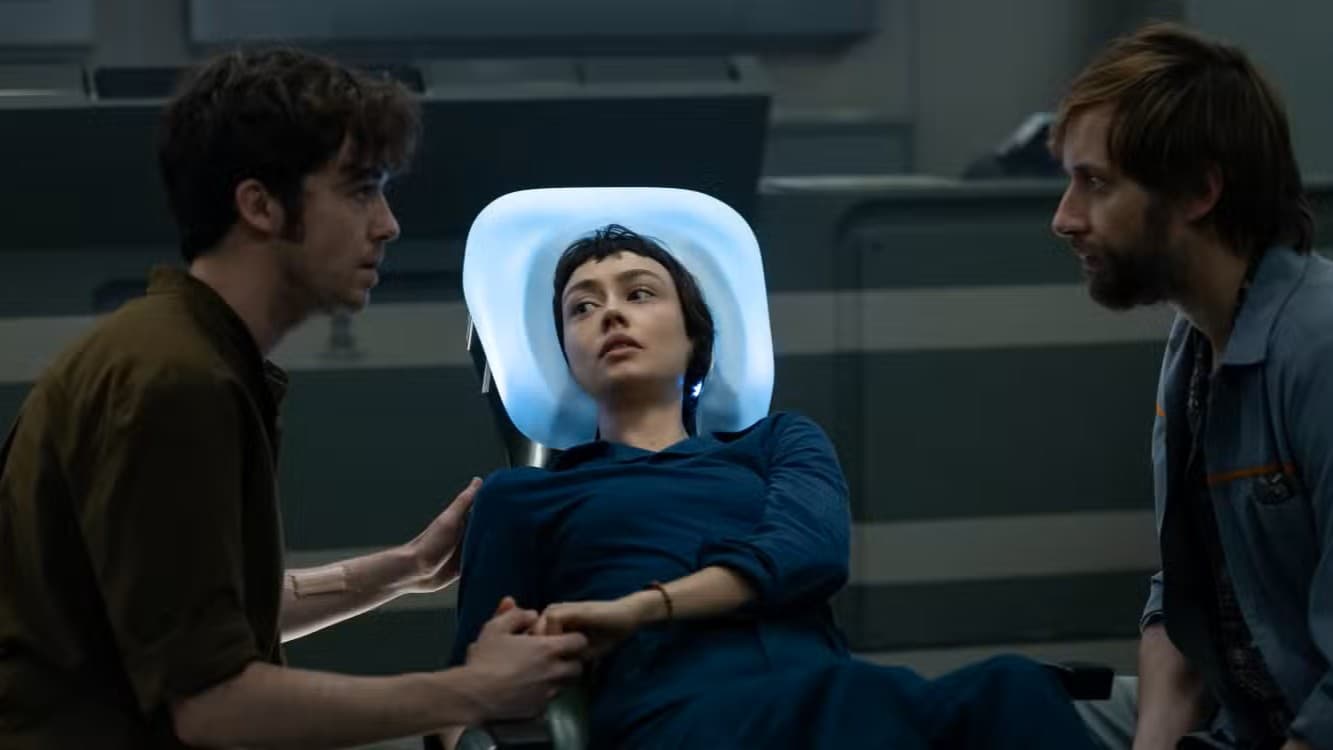
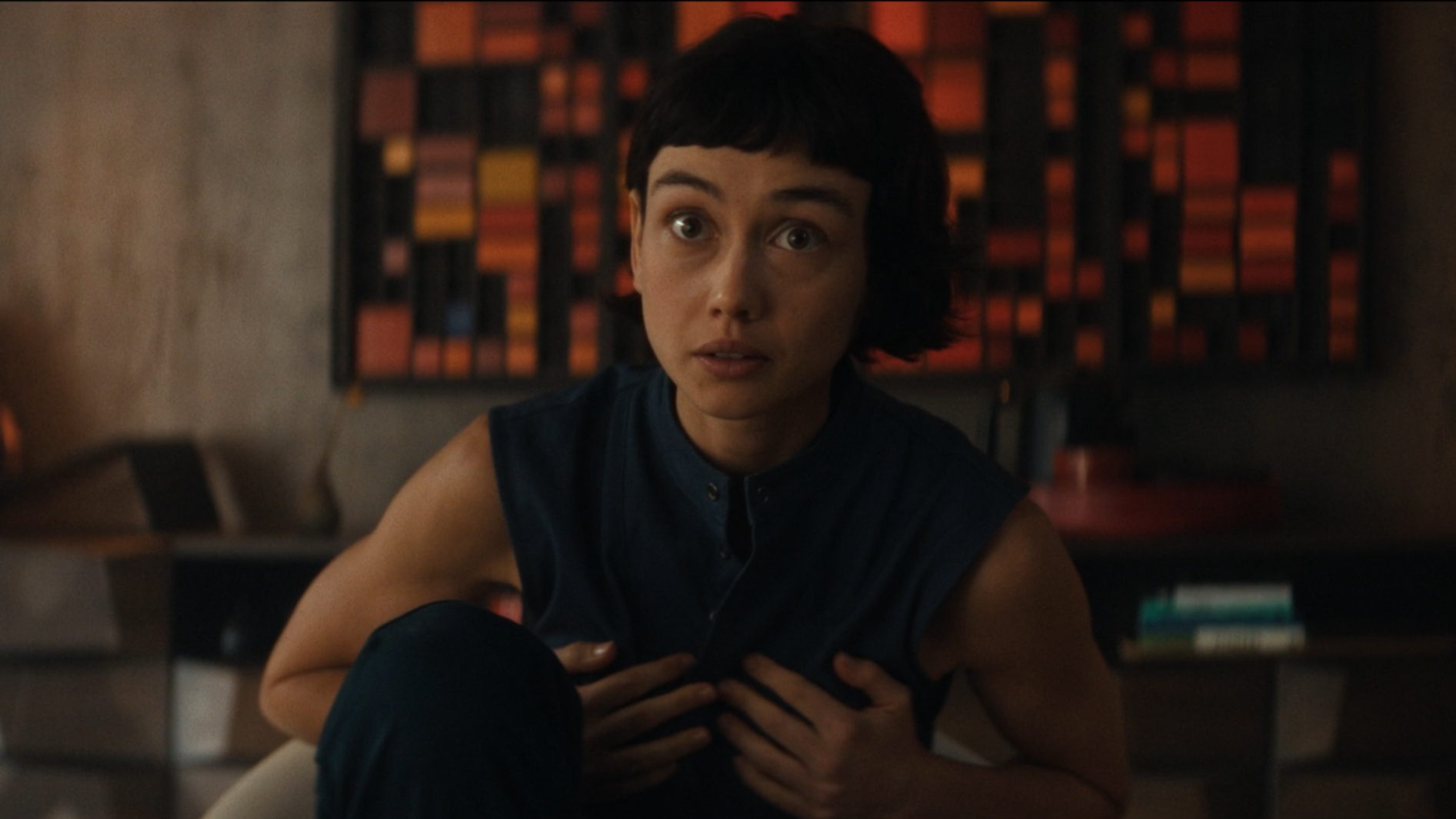
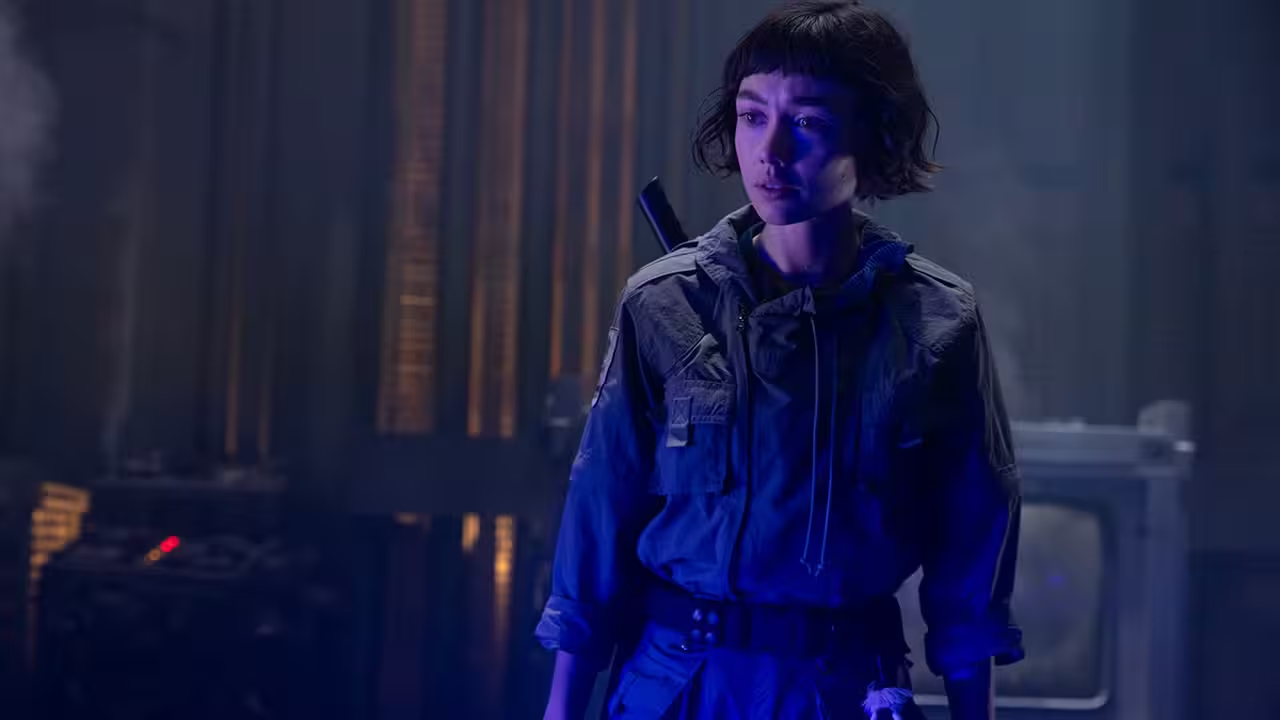
At its center is Wendy (Sydney Chandler) — the first successful hybrid created as part of "Prodigy's" experiments to transfer the consciousness of terminally ill children into adult synthetic bodies.
It is she, along with other hybrids with child consciousness, who goes to the site of the disaster. She is driven by the desire to save her brother — a military medic from Cavalier's army, who doesn't even suspect that his sister is still "alive". The first two episodes throw the viewer only meager crumbs of dynamics with xenomorphs — and even then in a distant, only vaguely recognizable way, more promising what fans would expect if they closed their eyes to the miscalculations of logic, editing, and pace that we have already talked about.
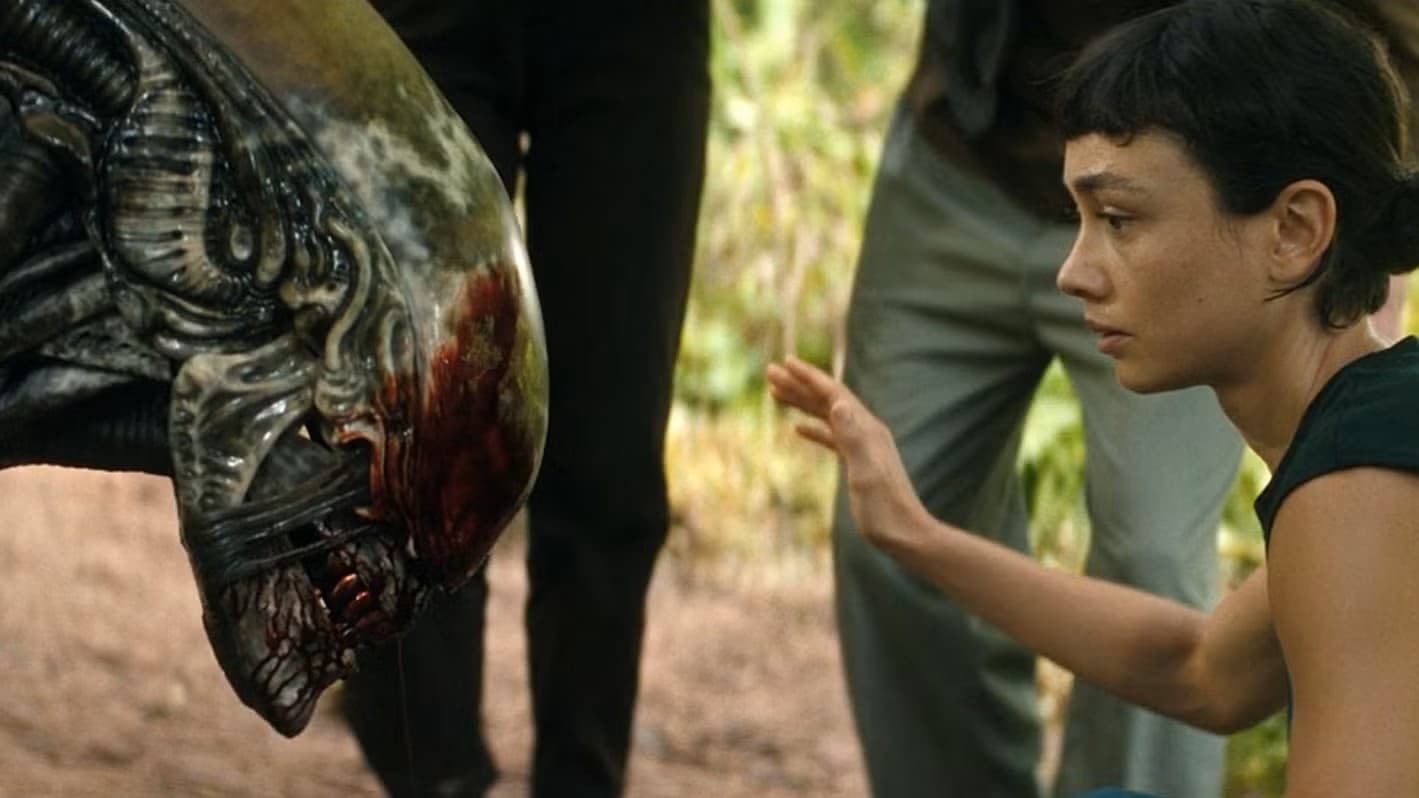
But it is the third episode that prepares the ground for the future coup, showing Wendy in the role of the chosen one. She playfully deals with the first xenomorph and discovers in herself the ability not only to hear them, but also to eventually talk to them. And before we dive down the rabbit hole after the local Neo from the world of "Aliens", I have to vent my disappointment at the waste of potential.
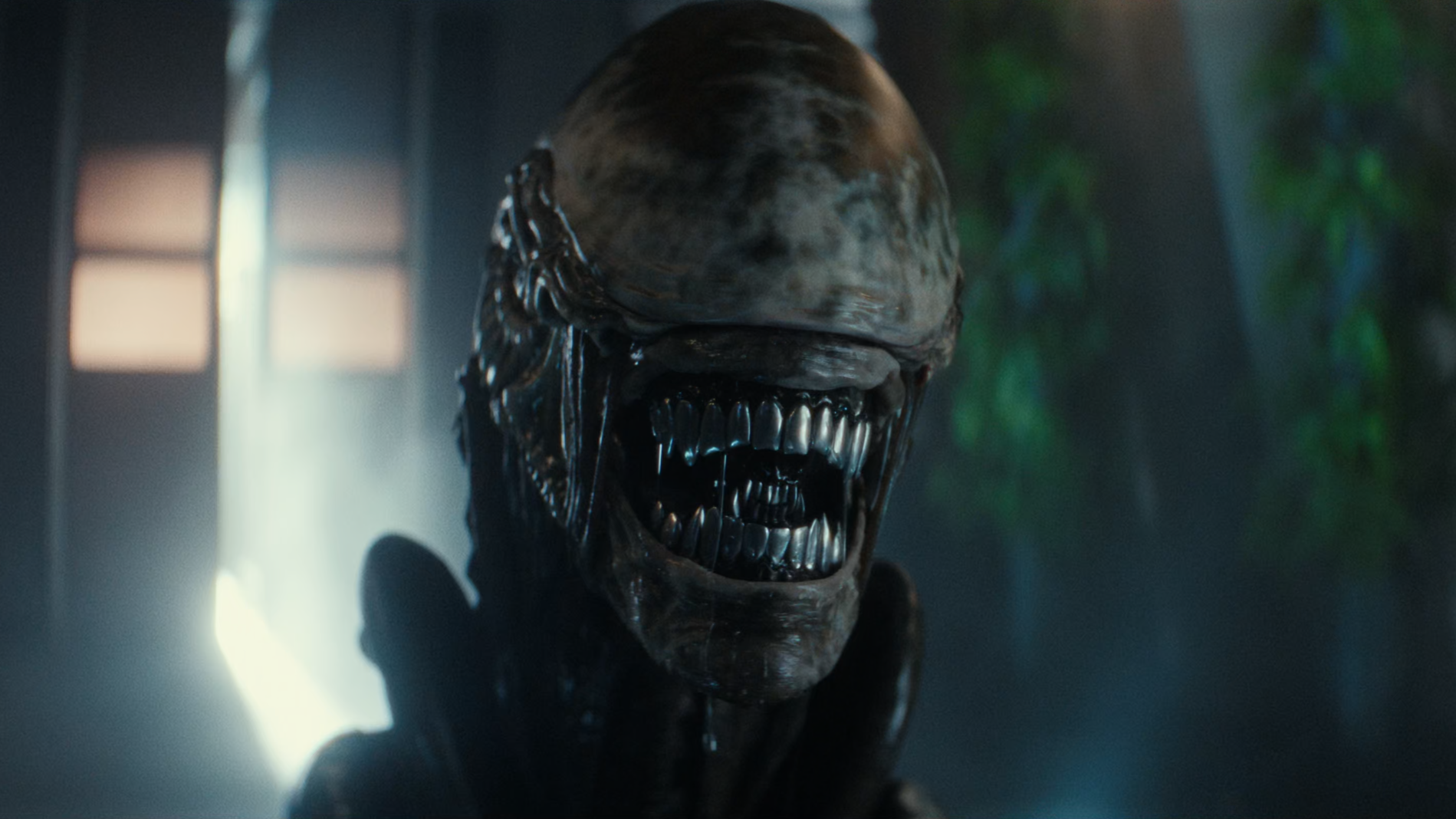
The scene in which Wendy defeats an adult xenomorph was supposed to be the culmination of a three-episode arc — a bright confrontation at the limit of possibilities. But the authors, as if frightened by their own idea, take it out of the equation.
Literally: the doors slam shut, the sounds of a fight are heard behind them… bang. The doors swing open — the xenomorph is already dead. Why? If the screenwriters knew where the story would turn, why not let go of the reins and show the scene at least in the spirit of Paul Anderson's "Resident Evil"? The viewer would still exclaim: "What the?!" — but at least it could have been spectacular.
And yet, despite the wasted potential, by the end of the third episode, I had a real interest. It became clear: ahead is another story about the "chosen one". But it was much more interesting to see how it would be unfolded specifically in the context of "Aliens".
From that moment on, it was impossible to tear myself away from watching, and it's all the more обидно that the authors never corrected the mistakes of the first episodes. On the contrary, they stubbornly lead the show along the trajectory of "children against corporations", completely blurring the atmosphere of "Aliens".
Youthful Transhumanism
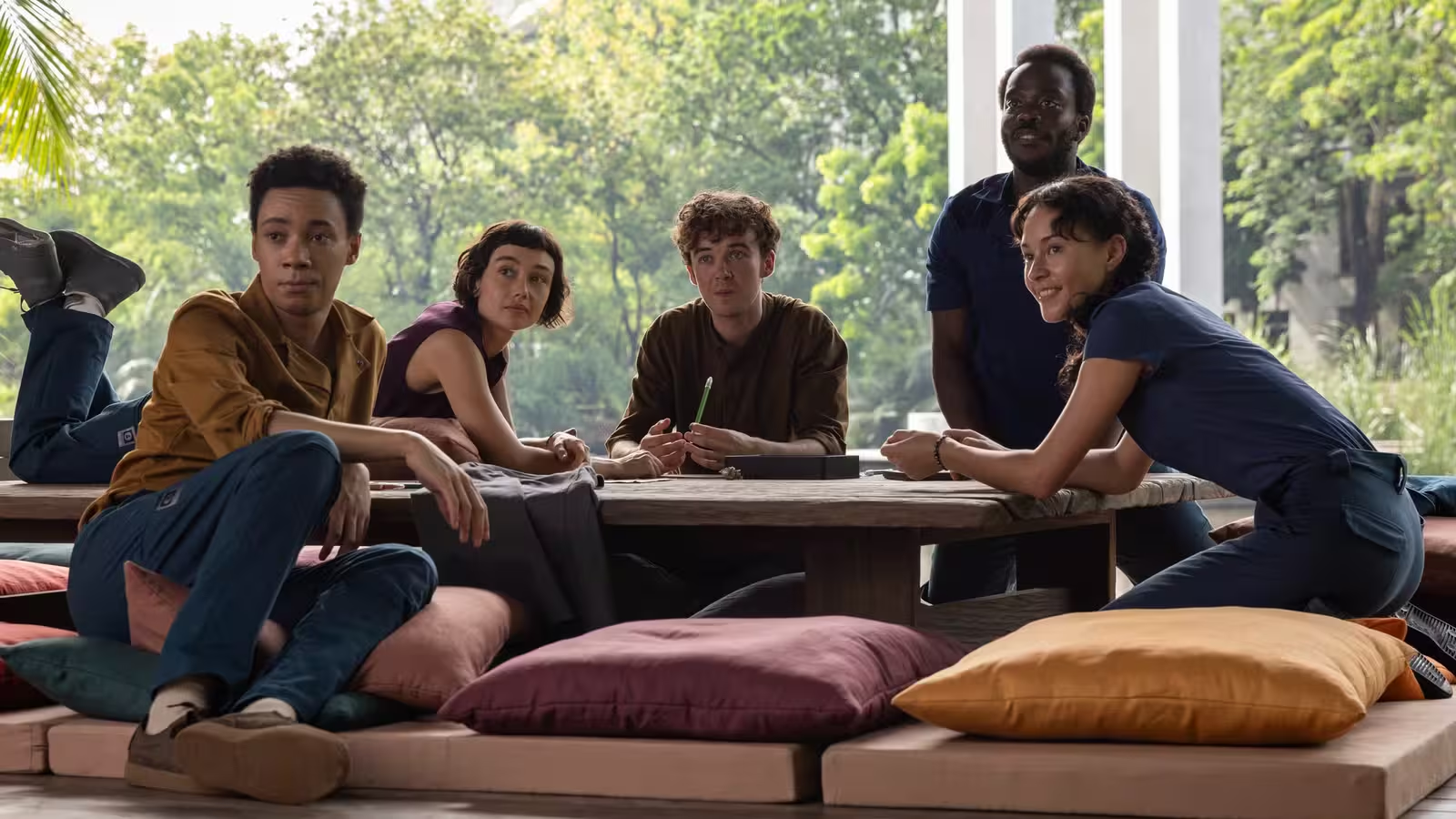
The fourth episode becomes a kind of respite: the authors seem to remember that they have heroes, and decide to slow down the action in order to delve into their inner world. The focus is on the hybrids, who are trying to realize their place in reality — in bodies that do not belong to them; in a system that refuses to recognize them as people.
Some awaken distorted memories of their former lives, some fall into apathy; some, on the contrary, strive to prove their value by absolute loyalty to the corporation — out of envy for Wendy, who was already Boy Cavalier's "favorite", and after the discovery of her connection with the xenomorphs, her chosenness rose to a new level.
All would be fine — dramaturgically, this is a logical pause, allowing you to catch your breath before the next round of events. But the trouble is that the series does not gain any new quality here. The viewer is given a set of predictable, stamped scenes "to reveal the characters", which will not play out in the future.
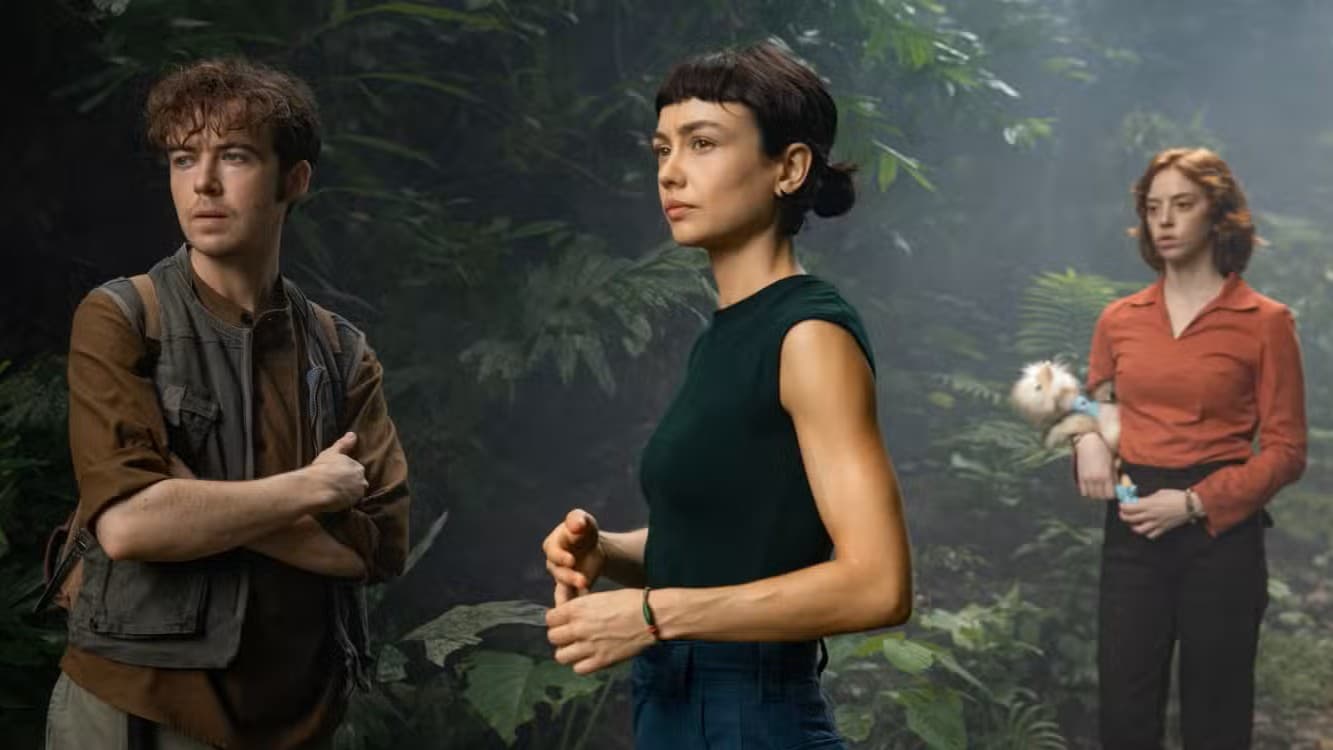
Wendy is increasingly getting used to the role of the chosen one — and it is her transformation that sets the tone for the whole story. She is increasingly showing empathy for the xenomorphs, and this really looks like an important turn: there was a hint of it in the first episode. But the authors present everything dryly, as a bare statement.
They do not explore how this connection works, do not go into details. What, besides sympathy for the creatures locked in a cage, does Wendy feel? What do the xenomorphs themselves feel? There are no answers — and there will be none this season.
Nevertheless, despite all the shortcomings, Wendy remains the most interesting character in the series — as befits the main character. Yes, she is stuck somewhere between Neo and a Disney princess, but it is this strange mixture that gives rise to interest in her image.
But when the line with her brother Joe (aka Hermit) comes into play, the story begins to limp noticeably. These relationships seem far-fetched and are only needed to contrast Joe's "humanity" with Wendy's transhumanist transformation. But a bright moral conflict never arises.
It seems to be outlined in a couple of scenes, but immediately fades away — Hermit is too passive and inconspicuous. Almost always he remains an outside observer, devoid of his own will. If he manages to evoke empathy, it is only out of pity. His call sign really means "hermit", but is this an excuse for a character whose role ends as soon as it begins?
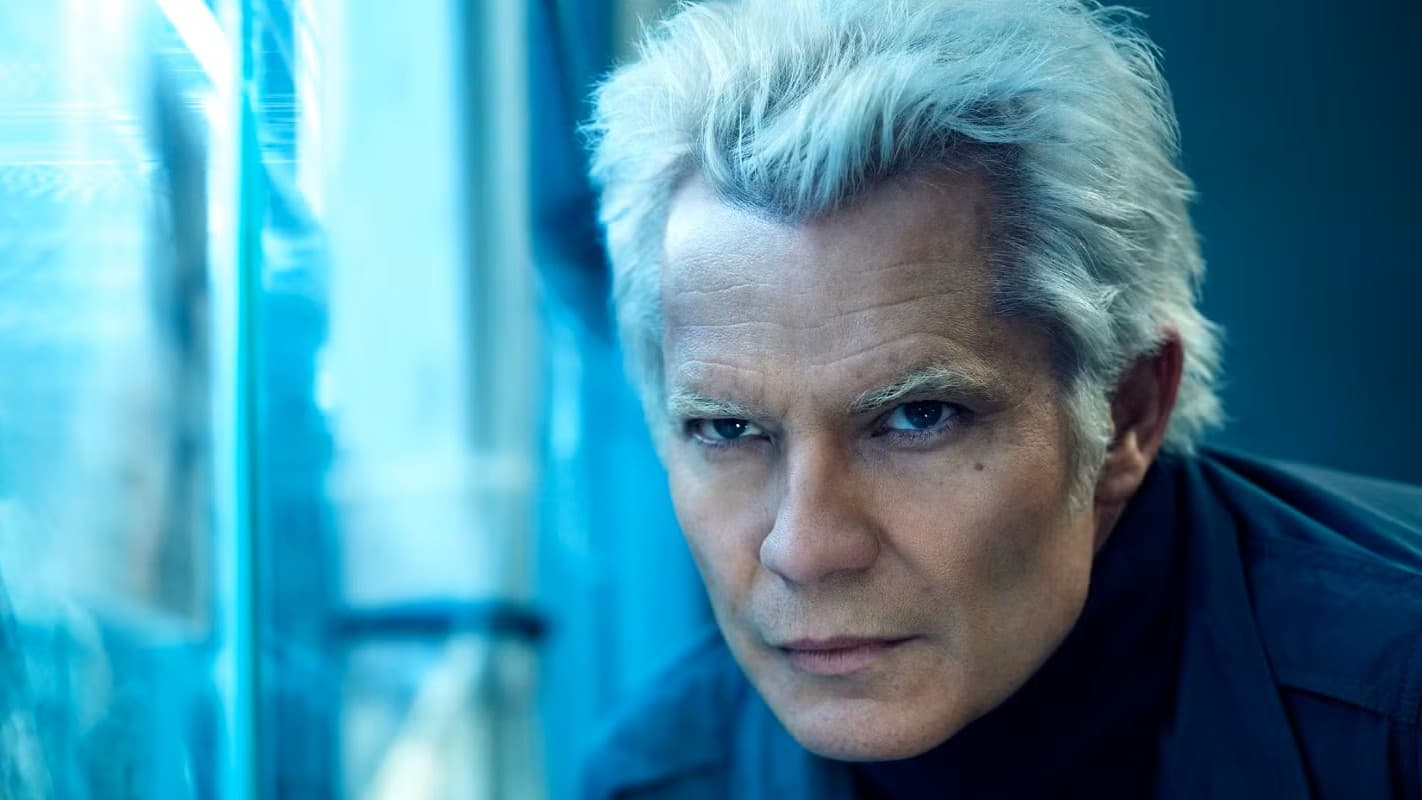
The same can be said about Kirsch (Timothy Olyphant). At first, he seems like one of the most intriguing characters — and indeed, in every scene he effortlessly draws attention to himself. But the paradox is that as the plot develops, his image dissolves into a fog of vague motives.
He becomes a mentor for hybrids, then looks at them solely as test subjects, then delivers lengthy "profound" speeches — and all this ultimately boils down to the fact that he only influences the plot through his own inaction.
The blame here lies with Noah Hawley: Olyphant himself admitted in an interview that the showrunner deliberately drove him into a rigid framework "for the sake of experimentation." The experiment, of course, was a success — but it turned out sluggish. Was it worth it? I highly doubt it.
Against this background, only the cyborg Morrow looks "well-written" among the supporting characters — and only because he is driven by a sense of duty and a clear motivation, which he follows to the end. In the context of general chaos, this already seems like an achievement.
Even the de facto antagonist, Boy Kavalier, stubbornly refuses to perceive reality sanely throughout the season and brings himself closer to the edge of the abyss with every decision. His "genius" turns out to be a void: the boy genius turns into a self-loving boy idiot who imagines himself all-powerful.
The "lost boys" themselves also remain cartoonish. Formally, the screenwriters somehow deprive the children of "innocence," pushing them to grow up, but until the very end they continue to behave like infantile dolls in adult bodies. Some of them survive to the finale — despite the stupid things they do, and this happens only because the script requires it. But that's not the worst thing.
Circus with Xenomorphs
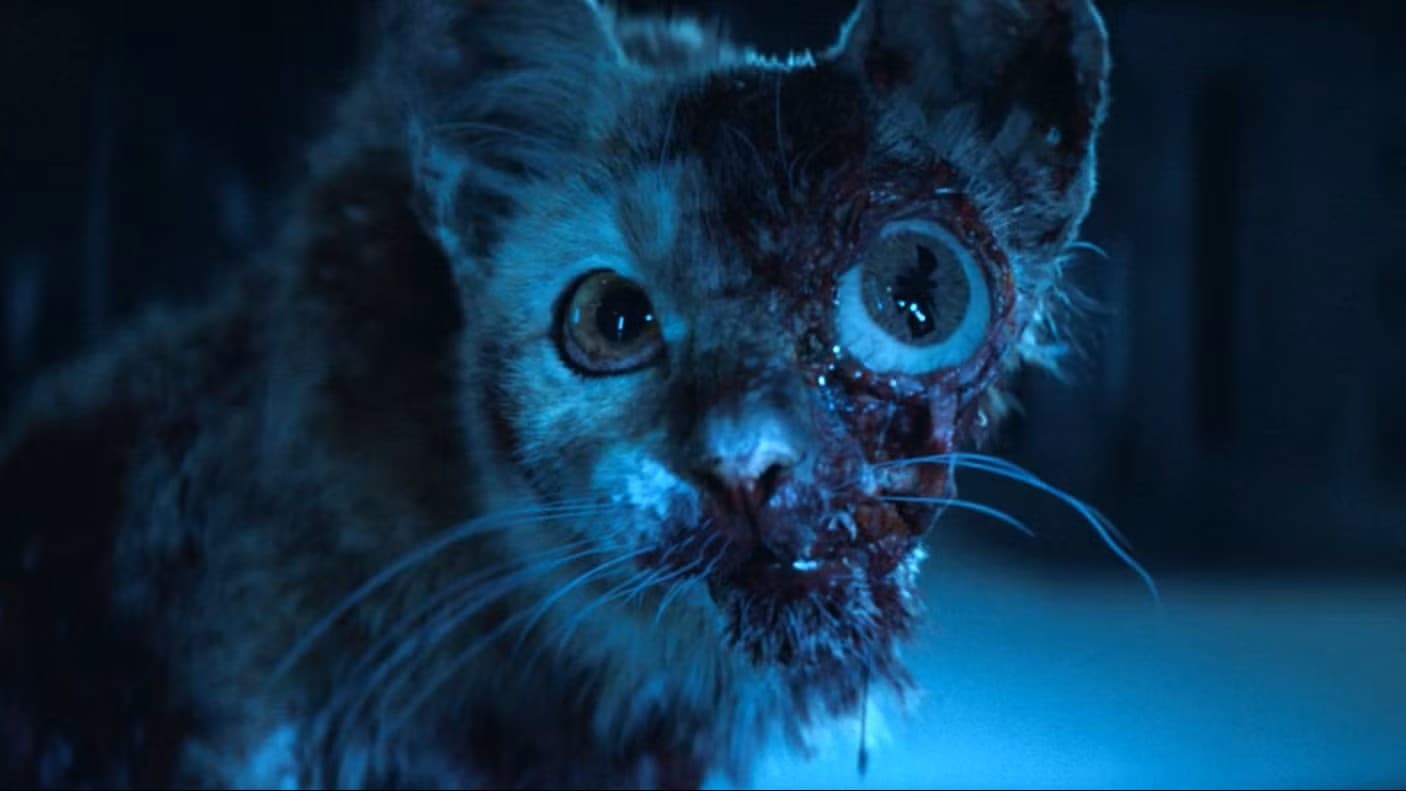
The worst thing about "Alien: Romulus" is how easily the series ignores the atmosphere of techno-horror. There are only a few truly disturbing scenes in the entire season, and they are not related to the xenomorph at all. The so-called T. Ocellus, or simply the "eyed tentacle," looks much more impressive. This monster not only has a disgusting appearance, as if it came from the pages of "At the Mountains of Madness," but also demonstrates frightening intelligence. It acts consciously, studies the victim, and, apparently, is able to somehow absorb its memory or mind, becoming smarter.
Just imagine what he could be capable of if he started devouring the minds of more and more scientists. It is not surprising that this idea so captivated Kavalier, who, I recall, dreams of communicating only with those who are not inferior to him in "genius." It is a pity that, like many of the finds in "Alien: Romulus," the potential of Ocellus remains unrealized — although it is he who gives the most intense and truly horror scenes of the season.
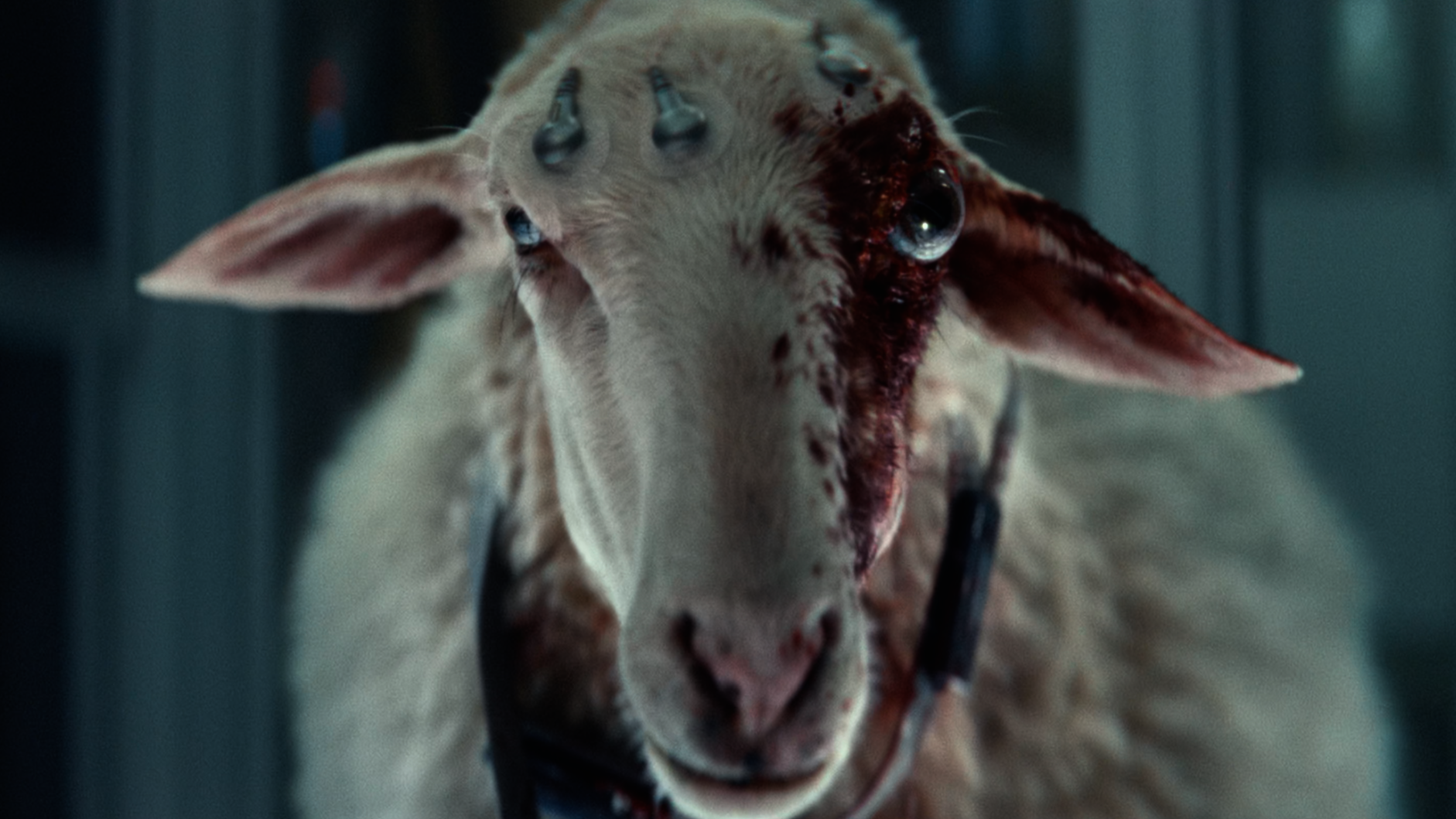
The presentation of the remaining monsters gets much less screen time — they are left in the background, but at least the titular xenomorph gets its "minute of fame." The fifth episode takes viewers to "Maginot" seventeen days before the disaster and essentially answers only one question: who is to blame. We see the sabotage of an engineer incited by Kavalier, and step by step we watch as the zoo of alien creatures gets out of control.
Everything is filmed according to the canons of the classic "Alien": dark corridors, tense clashes between the crew and the creatures, desperate attempts to save the doomed ship, and a team that is inexorably turning into minced meat. But the effect of repetition is too strong — the ending of this story is known in advance, and the tension never reaches the desired degree. The episode cannot be called a failure, but it does not add value: just another pause between story arcs, generously seasoned with fan service.
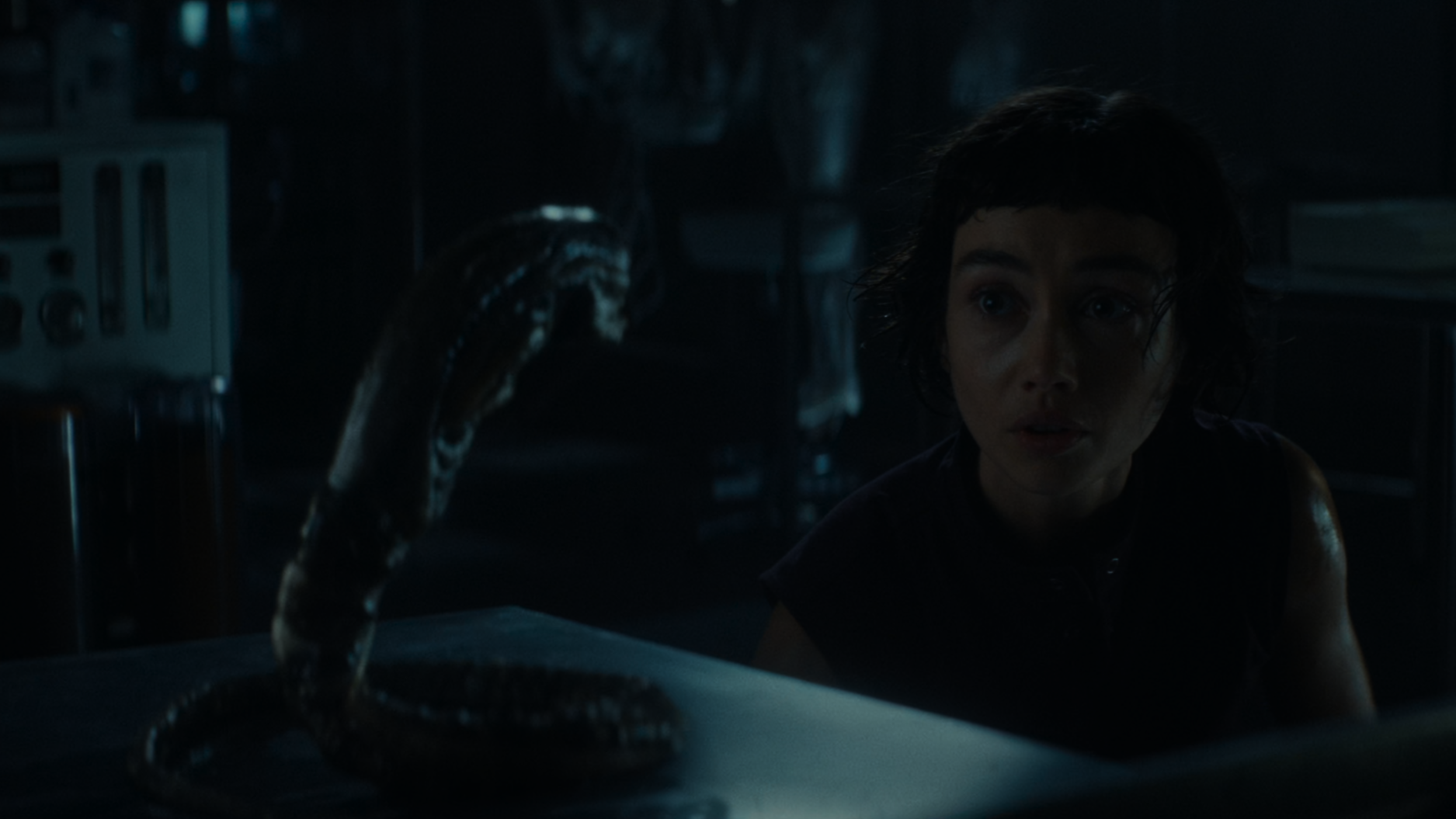
However, all this dark aesthetic and fan service are needed only to lull the vigilance of fans before treacherously trampling on the image of the xenomorph. It is turned not just into a background monster, but into an obedient puppy, ready to carry out the commands of the "chosen" girl. The actress herself, however, calls him a "lion" — but we know perfectly well where lions perform. And it is into a circus that the finale of the season turns.
Theater of the Absurd
The sixth episode takes the narrative off a conditional pause and rapidly brings together all the conflicting lines — albeit at the cost of the final loss of logic, pace, and internal coherence. Experiments in the Prodigy laboratory get out of control, hybrids show dangerous independence, Wendy gets closer and closer to the xenomorphs and at the same time moves away from "adults." At this point, the show finally stops pretending that this is not a teenage dystopia — with a rebellion, superficial philosophy, and youthful maximalism, which push the characters to another series of impulsive actions.
The final three episodes become the culmination not of the story, but of serial stupidity. Everything that could go wrong goes wrong — and not because the script subtly led to a catastrophe, but because the characters stubbornly commit idiotic acts. Soldiers are blind and helpless, safety rules are ignored, no one is sitting at the surveillance cameras, and Boy Kavalier continues to believe in his own "genius." One hybrid dies, believing in immortality, others drag the corpse through the corridors of laboratories — and no one, absolutely no one notices this.
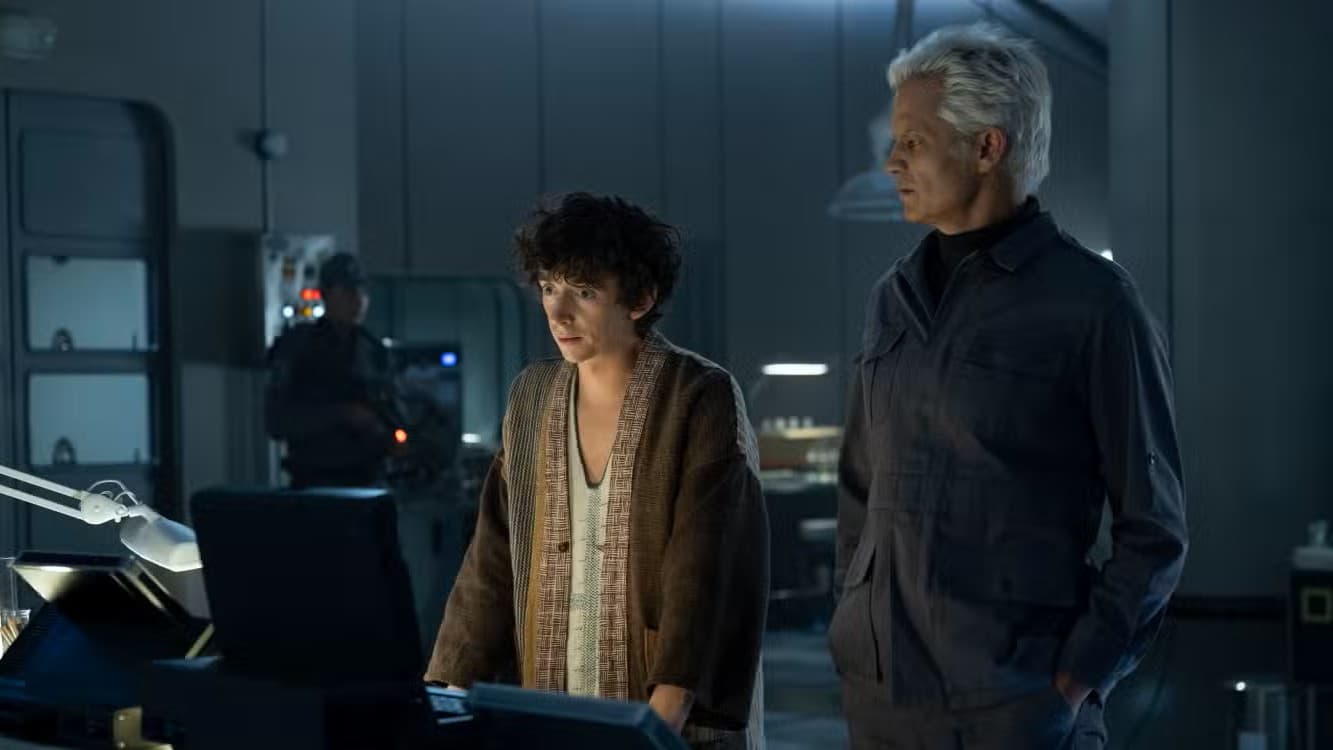
I'm not against the stupidity of the characters becoming a catalyst for the plot — after all, if the characters in horror movies did not separate, half of the subgenres of horror would simply not have arisen. But in "Alien: Romulus" literally everything rests on stupidity. Hawley likes to build stories on human irrationality — because it is irrational actions that largely distinguish us from animals. But not to this extent.
Here it crosses all reasonable boundaries and turns not into an artistic device, but into banal script laziness. And, perhaps, that is why watching all this is still damn interesting — because you want to know what other stupidity the characters will manage to do by the finale.
Ultimately, all this ridiculous farce is needed only to convey to the viewer the most banal truth: the real monsters are not xenomorphs at all, but people. Corporations for whom profit charts are more important than human lives; "geniuses" who have lost touch with reality for the sake of their own intellect; children who have not had time to grow up, but have already received power in their hands, which they are not able to dispose of.
The irony is that, telling about monsters, "Alien: Romulus" itself becomes a monster — a stupid, amorphous substance, attractive precisely for its eccentricity. And that is why it is impossible to take your eyes off this circus with trained "aliens."
Diagnosis
The Alien franchise has experienced both ups and downs in its long history, so calling Romulus the worst project in the universe is still impossible. This is an experiment — and sometimes an entertaining one. Hawley tried to build a new world, expand the menagerie, find new ways to instill horror, start a conversation about corporations, transhumanism, and human nature, repeatedly contrasting the living with the artificial and the adult with the childish. But precisely because the show tries to fit too much, it chronically lacks focus — especially against the background of a lazy script that does not build deep connections, but only skims the surface.
You can pay attention to the series if you are close to teenage science fiction, if you have a high threshold of tolerance for stupidity and a weakness for genre mutations. But there is no truly strong plot, strong conflicts, clear arcs of characters, and even more so the fear that should haunt the viewer after meeting an alien horror. It easily captures attention, but leaves behind only a silly grin and a slight disappointment from the unfulfilled desire to see something whole.
In the end, this can be seen as a guilty pleasure. But ardent fans are better off abstracting in advance from the fact that this is a project based on the Alien franchise, because it is difficult to forgive him for one thing: outright abuse and devaluation of the image of the xenomorph. What happens if you turn a horror icon into a circus pet? Extremely stupid, but terribly interesting show.