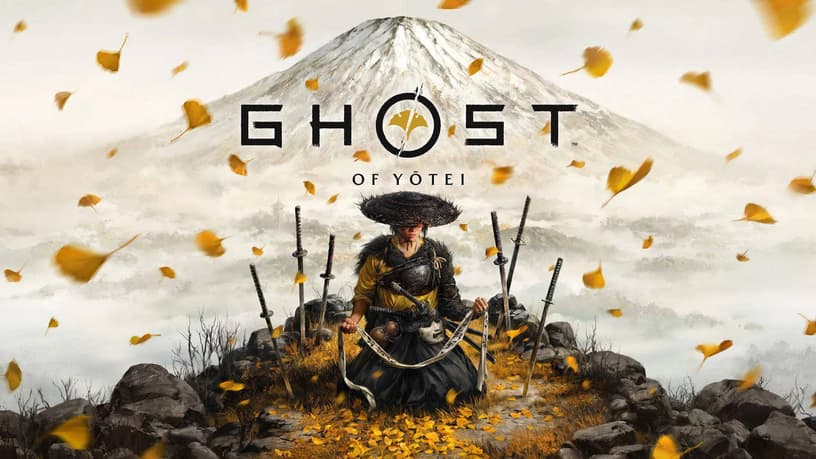
Ghost of Yotei can undoubtedly be called the spiritual successor to Ghost of Tsushima, where breathtaking Japanese landscapes serve as a backdrop for bloody duels. However, this is another Sony exclusive that is panicky afraid to go beyond the outlined framework. At times, it doesn't just make you yawn, but literally screams about the "exclusive" creative impotence of open-world games from Sony. It's not a step forward or a step back - it's running in circles. Is it that bad? We'll break it down in our article.
Wild East
Ghost of Yotei takes us three centuries after the Mongol invasion and approximately two and a half thousand kilometers north of Tsushima, where Jin Sakai first donned the Ghost mask. Now, the action unfolds on the land of Ezo — modern-day Hokkaido, which in the early 17th century remained a wild frontier, mainly inhabited by the Ainu people. These lands were not yet under the control of the shogunate, but the Matsumae clan was already trying to extend its influence here.
The main obstacle on this path is the former head of a samurai clan who lost his lands and people after the defeat at Nagashino. Fleeing to the north, he gathered ronin and exiles around him, turning them into his own army, where there was a place for everyone — regardless of origin or gender. Over time, he proclaimed himself the informal "Shogun of the North" and established a rule based on fear.
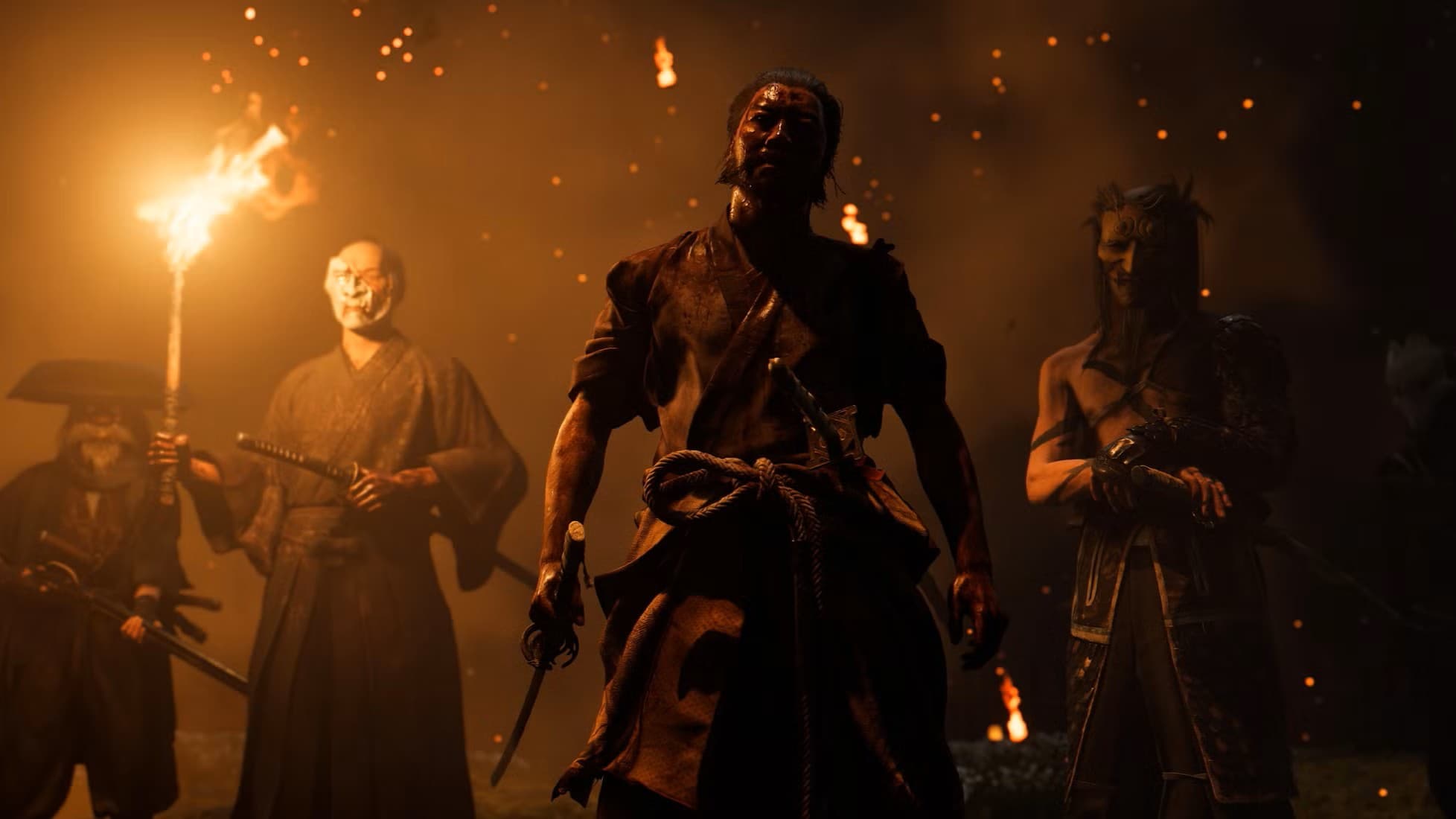
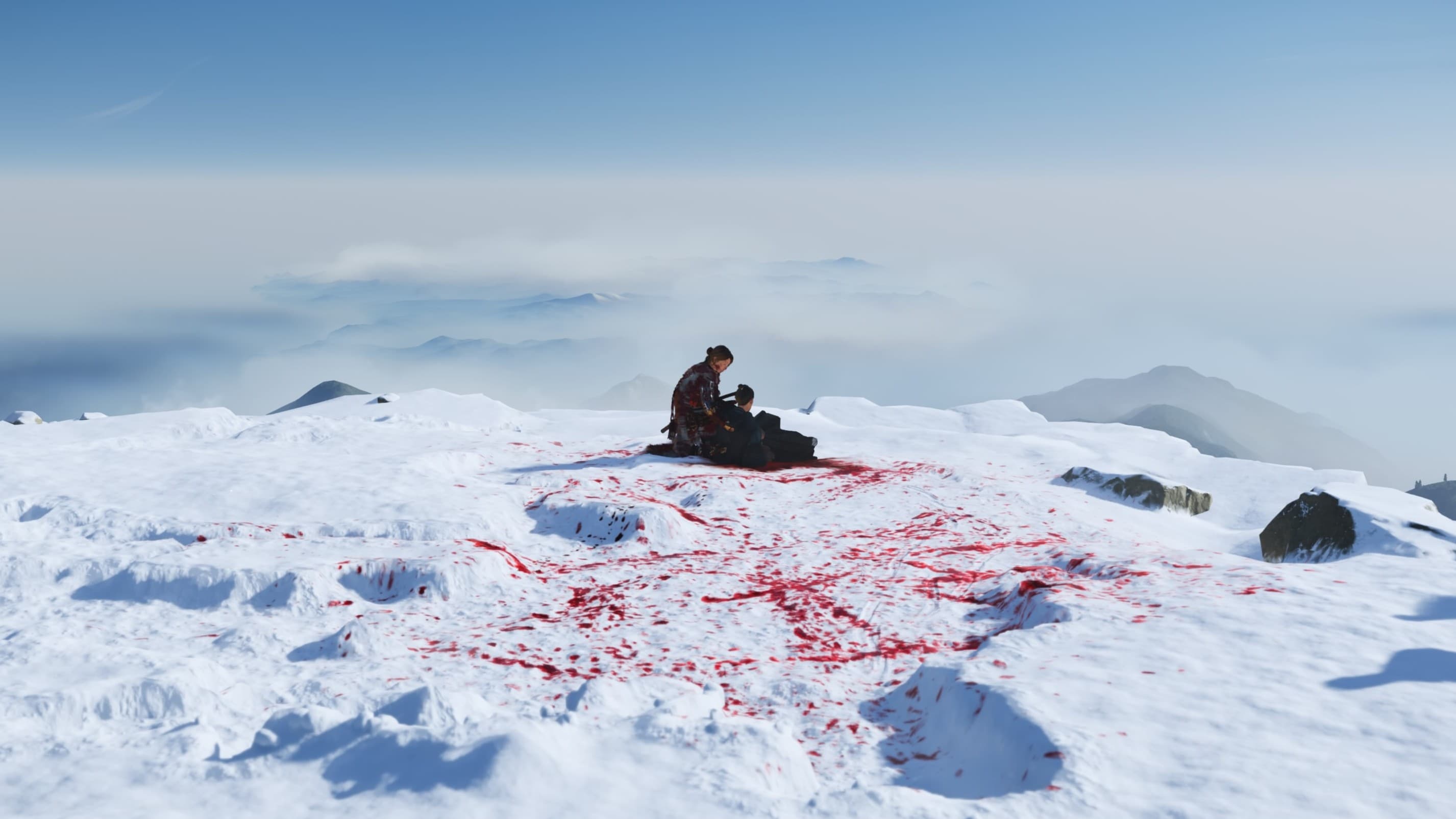
Lord Saito is aided in ruling with an iron fist by his close associates, among whom five stand out in particular: Snake, Demon, Kitsune, Spider, and Dragon — the latter two being his sons. Together, they form the infamous, vile "Gang of Six," who sixteen years ago slaughtered the family of a blacksmith named Kengo "as a lesson to others," and nailed young Atsu to a burning ginkgo tree with a sword, leaving her to die.
The girl miraculously survived and fled to the south, where years of war and wandering turned her into a skilled warrior. Now, Atsu returns home, carrying the names of her enemies on her belt — with the determination to erase them once and for all. With blood.
Revenge — a dish that's already tiresome
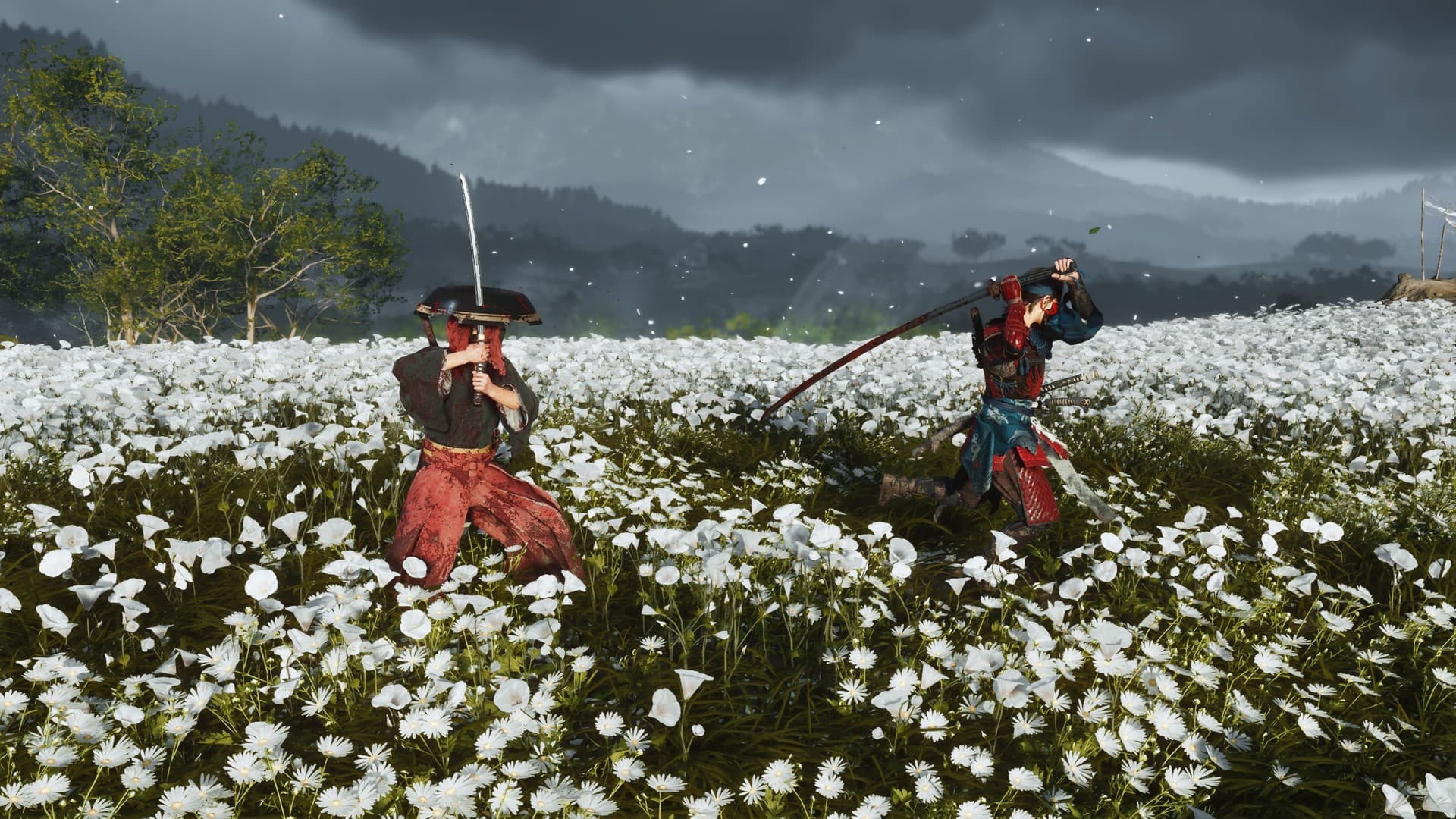
Atsu finds her first target right at the beginning — in a spectacular prologue, designed in the best traditions of samurai action films and spaghetti westerns. In a dilapidated village, where Snake is drinking with his men, she turns the tavern into a fiery trap, forcing the enemies to come out under the moonlight and accept the fight. The minimalism of the scene, enhanced by the atmosphere and several expressive techniques, works flawlessly.
During the battle, Atsu is transported to the past — to the night of the burning ginkgo, when she was still a young girl — and the battle unfolds alternately in two time layers. This technique conveys her feelings without words and turns the fight into a ritual of redemption. The prologue is verified to the smallest detail and could easily become the finale for any other game, but for Ghost of Yotei, this is just the beginning.
Almost from the very beginning, the player can decide who to pursue first and freely roam Ezo. The desire to give more freedom is commendable, but in this case, it played against the story itself. The plot breaks down into several separate quests, between which there is no single dramatic core.
Once in my preview, I wrote that it would be premature to accuse Sucker Punch of creative impotence. After all, stories of revenge can be intriguing, unexpected, and deep. Just as a female character in the lead role can be written qualitatively and organically — it all depends on the implementation. But after more than fifty hours spent in the game, I regretfully have to admit that we have before us a painfully clichéd revenge story.
Exclusive creative stagnation
Each of the "outcasts" has their own story, and sometimes they are really surprising — for example, in the Kitsune branch, the fate of the tavern owner's daughter is touching, and the details of Saito's past add volume to the antagonist. But such finds are lost in a sea of clichés, predictable twists, and implausible behavior of characters who speak as if with lines taken from other people's scripts.
There is almost no authorial view here, no attempt to go beyond the genre scheme, ask an uncomfortable question, or show courage. Ghost of Yotei is no longer reminiscent of a love letter to Kurosawa, but a Hollywood interpretation written by screenwriters falling asleep hugging a manual "How to write a blockbuster script."
And yet, for all its шаблонности, the story does not cause complete disappointment. It has enough humane, precisely verified scenes where the hand of experienced authors is felt. It is a pity that most of them we have already seen — and sometimes in a much more expressive performance.
If we compare it with "Tsushima", Atsu's one-sidedness immediately catches the eye. Her image is holistic and convincing, the motivation is clear from the very beginning. The developers have shown well the internal evolution of the heroine — how vindictiveness gradually gives way to the maternal, softer beginning. But in this directness lies the weakness of the character: Atsu is too simple to become truly multi-layered. Unlike Jin, she does not have to make a moral choice, she has nothing to sacrifice, because she has nothing left anyway. Moreover, the developers completely excluded the player from the equation, not allowing him to make a single real choice for the entire game.
The finale of "Tsushima" broke me, forcing me to make a contradictory choice — and this especially contrasted with The Last of Us Part II, where Neil Druckmann did not allow players to decide how to act in the end, but did it, at least, boldly. Ghost of Yotei… no, it does not repeat the same mistake: in the finale, there is no doubt here. However, long before the denouement, the game repeatedly prepares the ground for the player to make his own choice, but never gives him this opportunity. All the time you feel like just an observer of the story, but it is not possible to become its full participant.
Reflecting on the plot after passing, I came to the conclusion that a linear action movie format would be much better suited for such a story. In the context of a large open world, a toothless plot loses the last remnants of sharpness.
Beauty by template
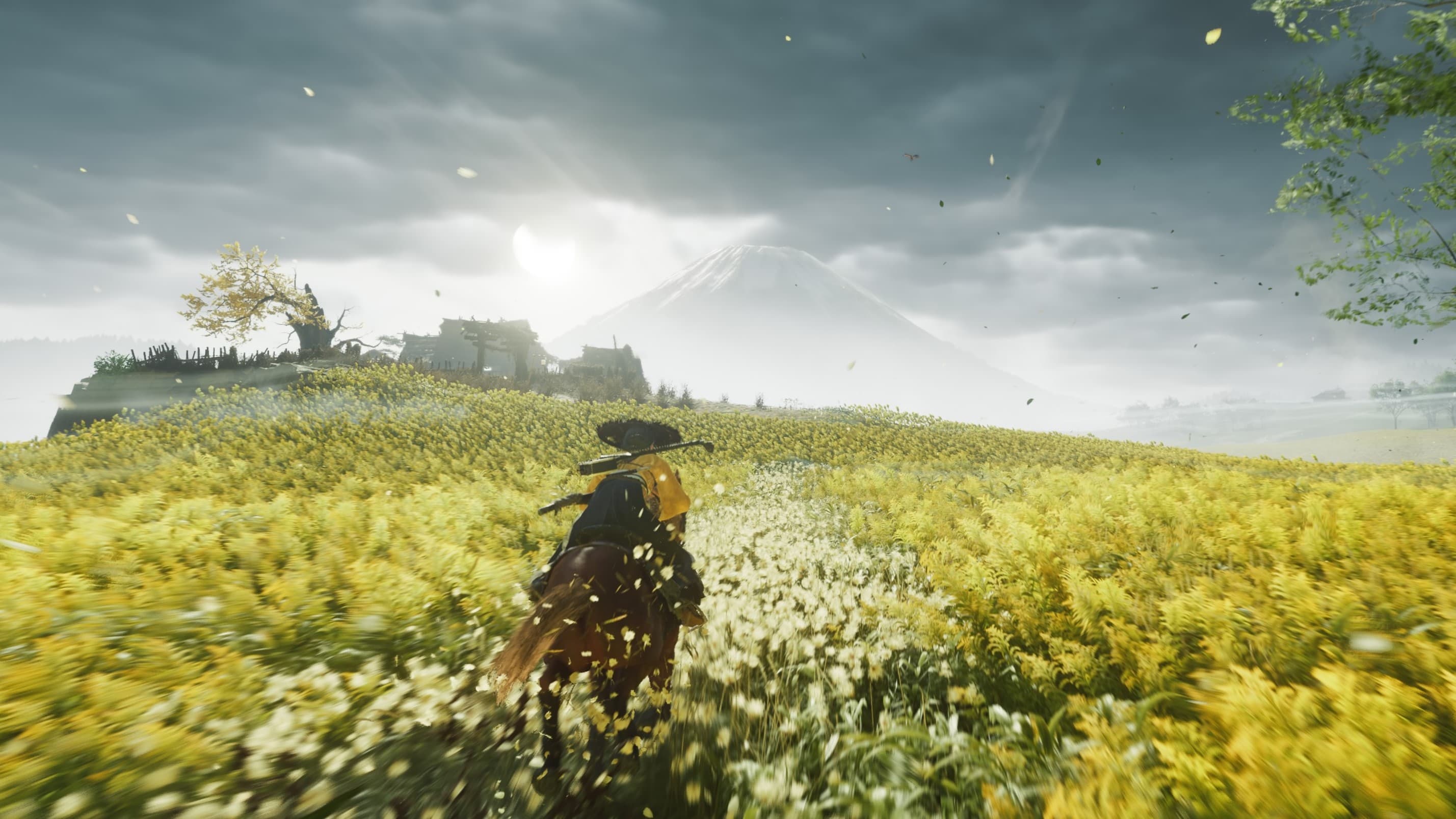
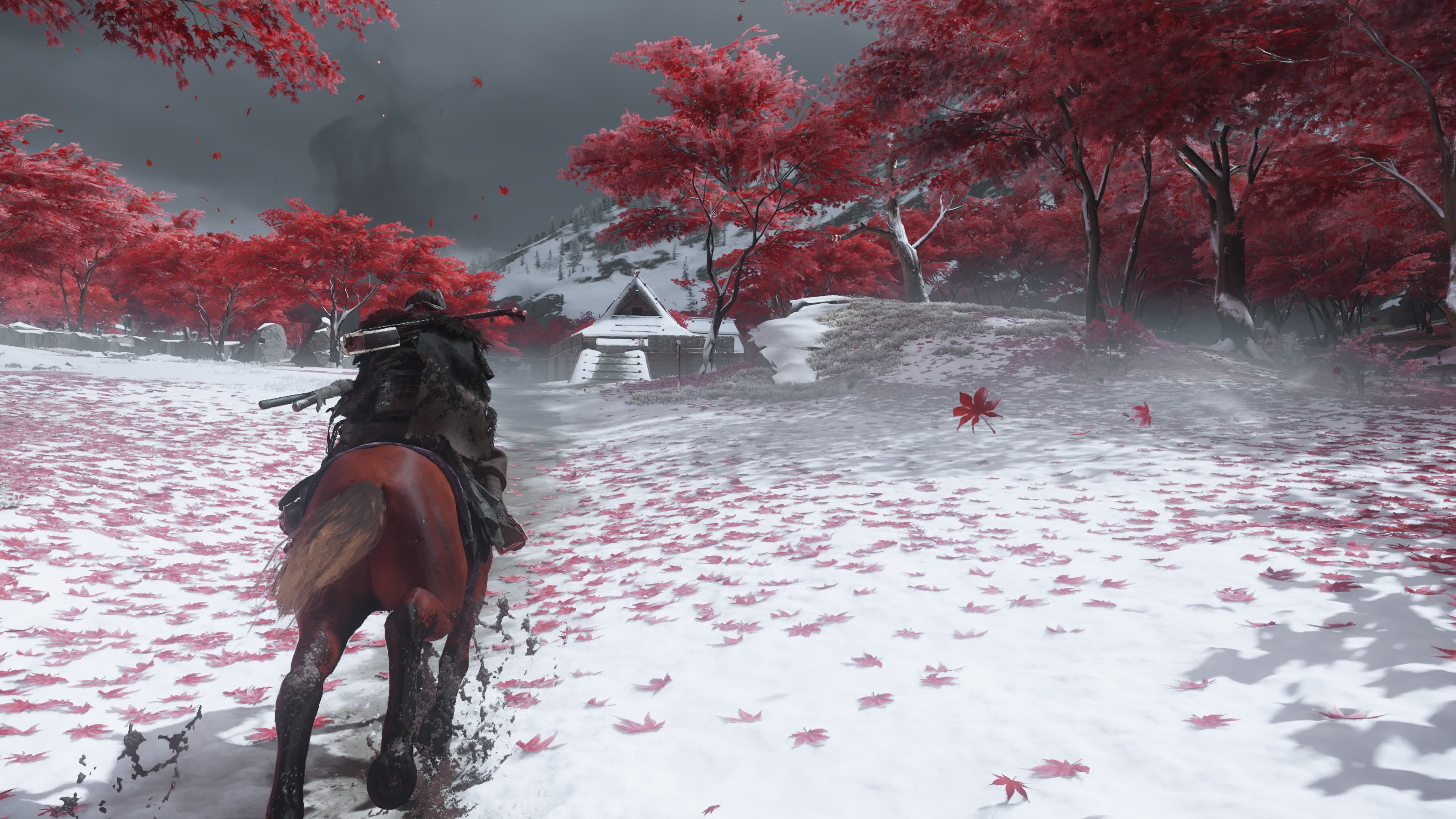
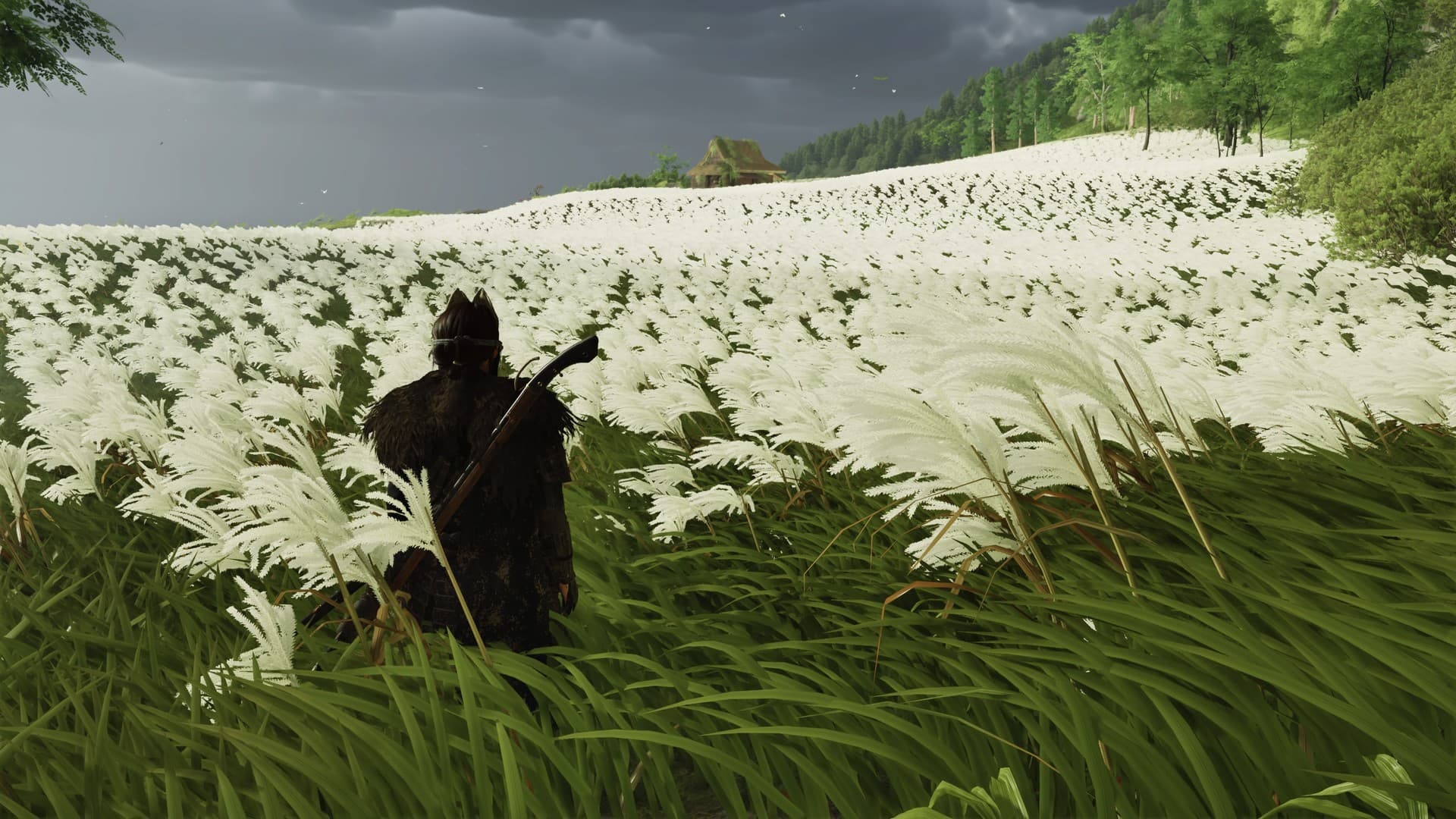
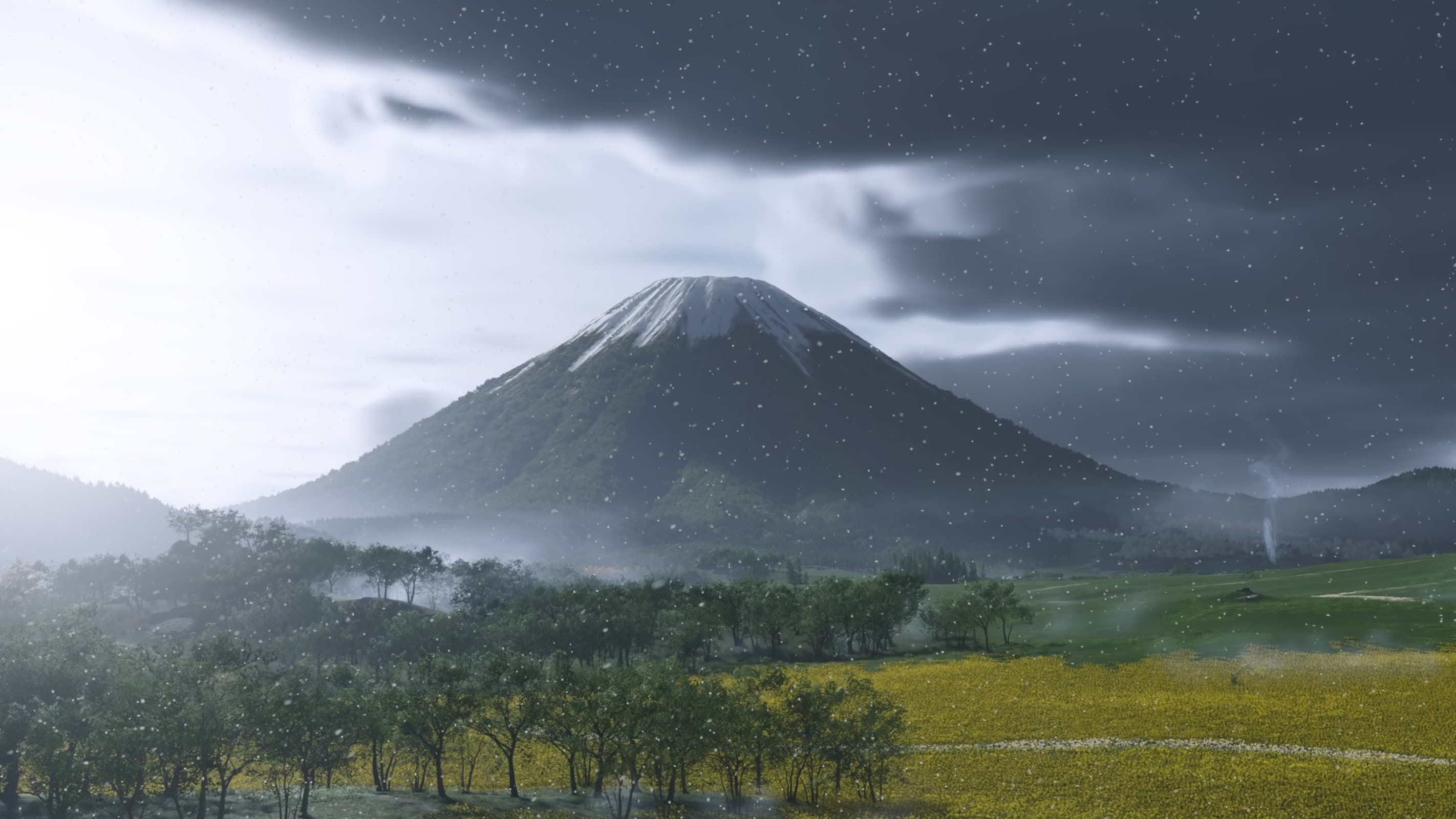
After the linear prologue, Ghost of Yotei opens the doors to an open world of stunning beauty. When you first get out into the expanses of Ezo, the spirit captures from the landscapes that have unfolded before your eyes. Around — amber fields, flowering meadows, dense forests. Flocks of birds and petals soar into the sky, parting before the galloping Atsu, and in the distance rises the majestic Mount Yotei.
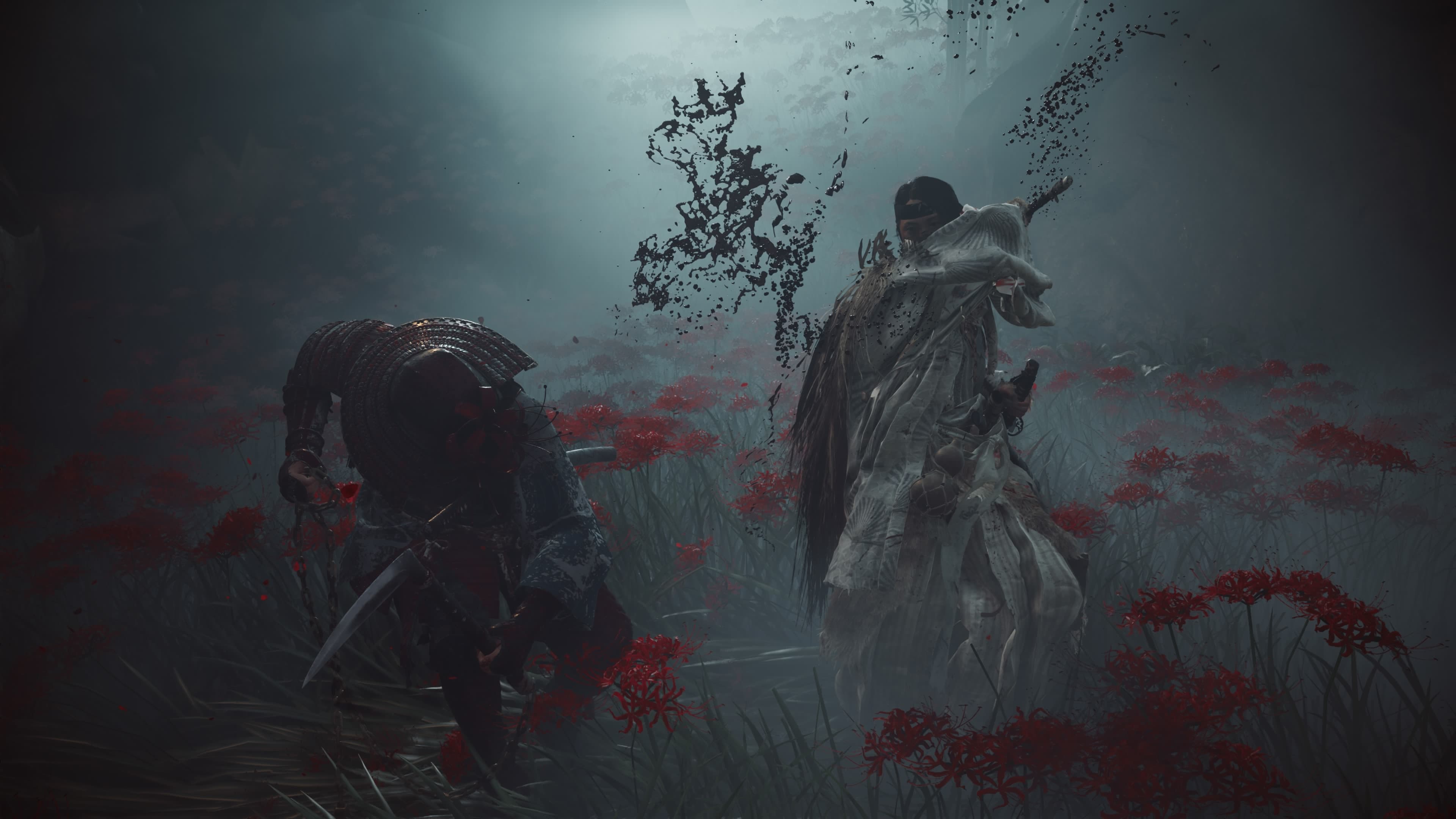
In terms of visual style, the game even surpasses its predecessor: the contrasting nature of northern Japan allowed artists to really roam. Here, snowy expanses and scarlet maple groves, emerald bamboo thickets and light clouds of pink sakura, fields strewn with spider lilies, and coastal cliffs meeting the cold waves of the Sea of Japan coexist. The world of Ghost of Yotei fascinates with contemplation and beauty, amazes with grandeur, but its exploration inevitably causes a feeling of déjà vu — there are almost no differences from "Tsushima" at first glance.
Atsu's guide again becomes a mystical wind. It replaces the compass and mini-map, directing the heroine to the goal without destroying immersion. As before, the emphasis is on natural exploration: a minimum of markers, a maximum of visual landmarks. You can play almost without an interface, using the map only for quick transitions — although at first you don't want to, because something new looms behind every hill.
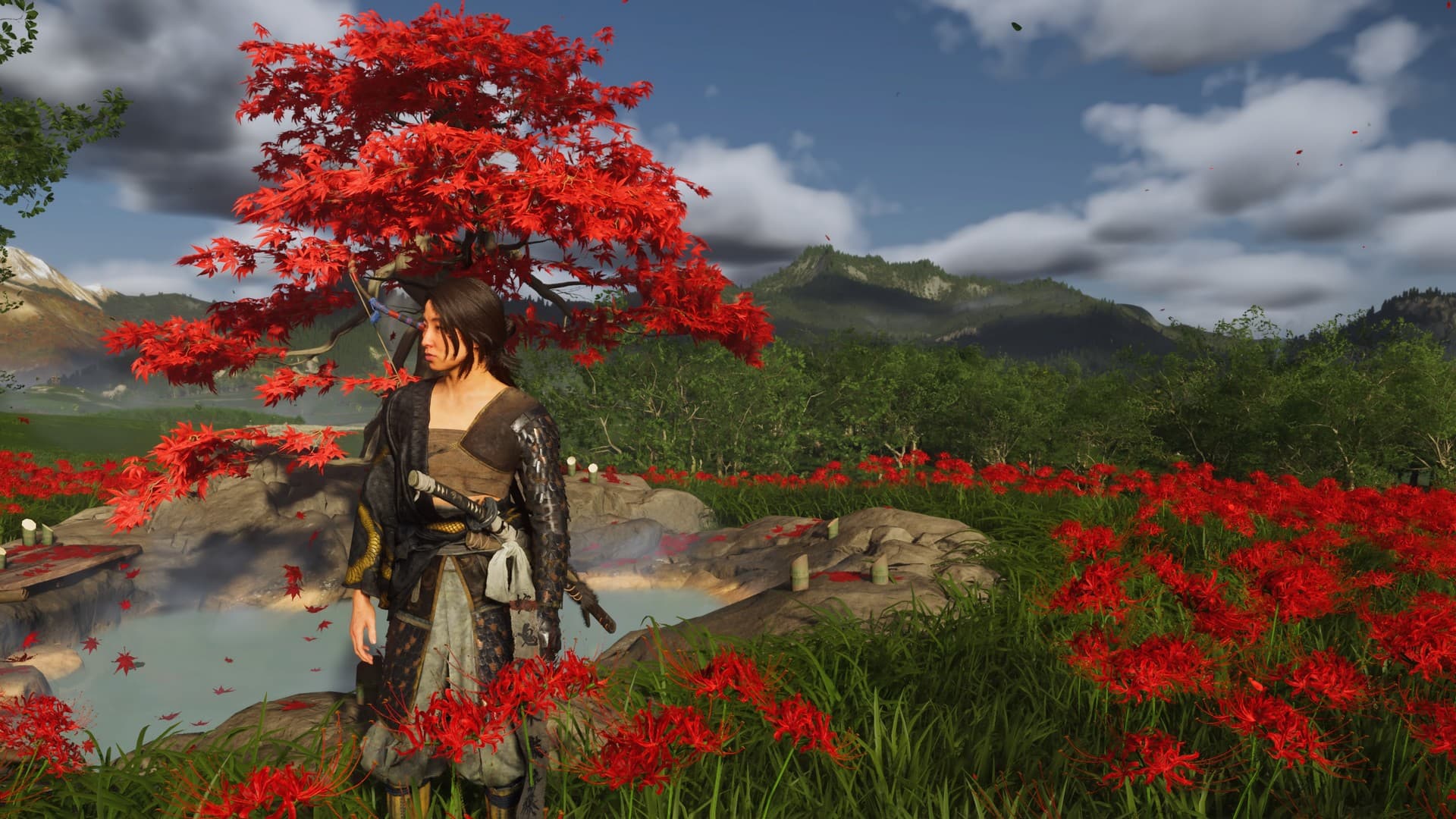
But as soon as the veil of the first charm falls, it becomes obvious that you are again filling out the check-list familiar to openworlds — only now there are even more points in it. Hot springs still increase the health reserve, chopping bamboo — determination, spent on treatment and special techniques, fox altars give new talismans, and shrines — skill points.
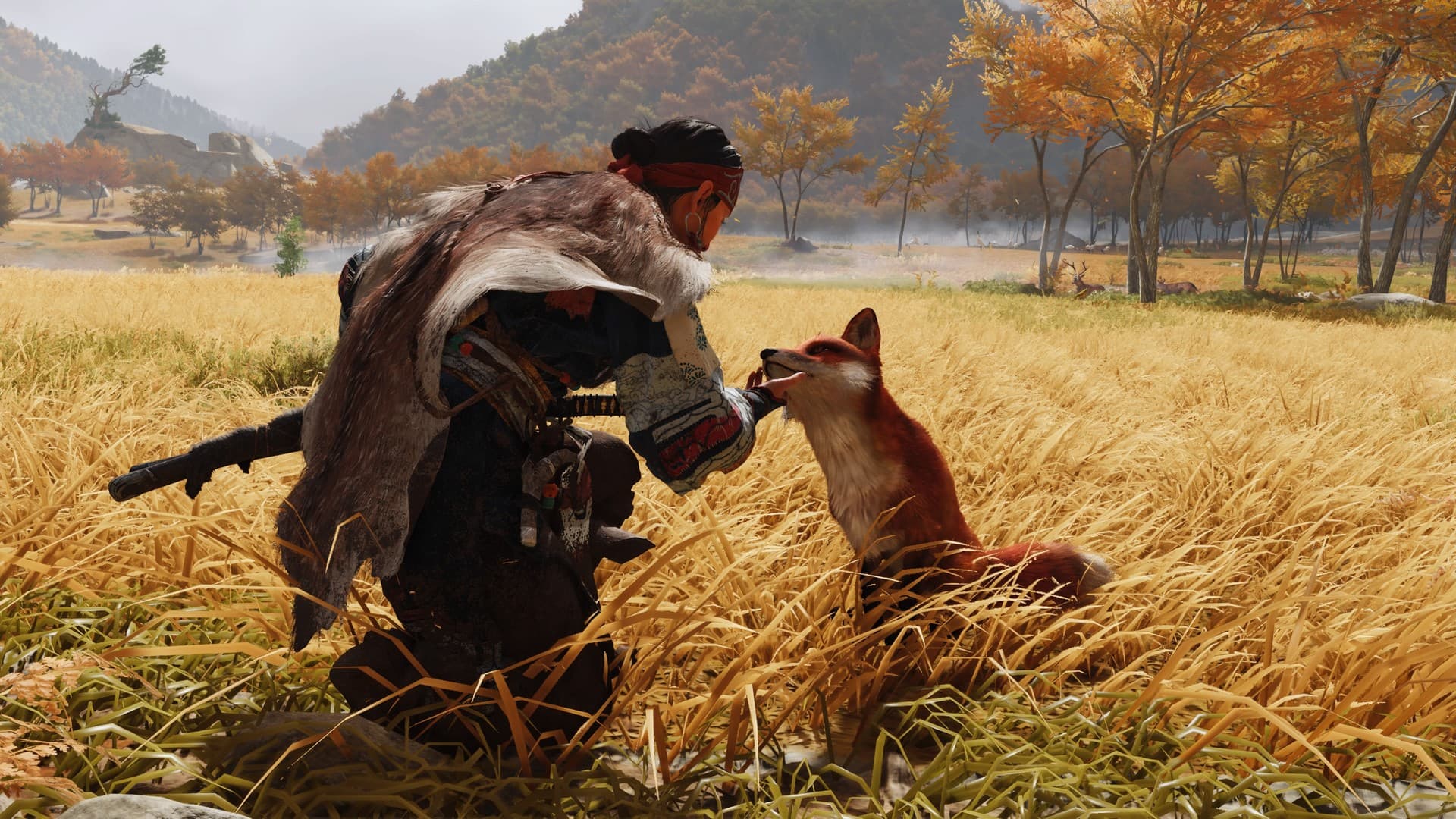
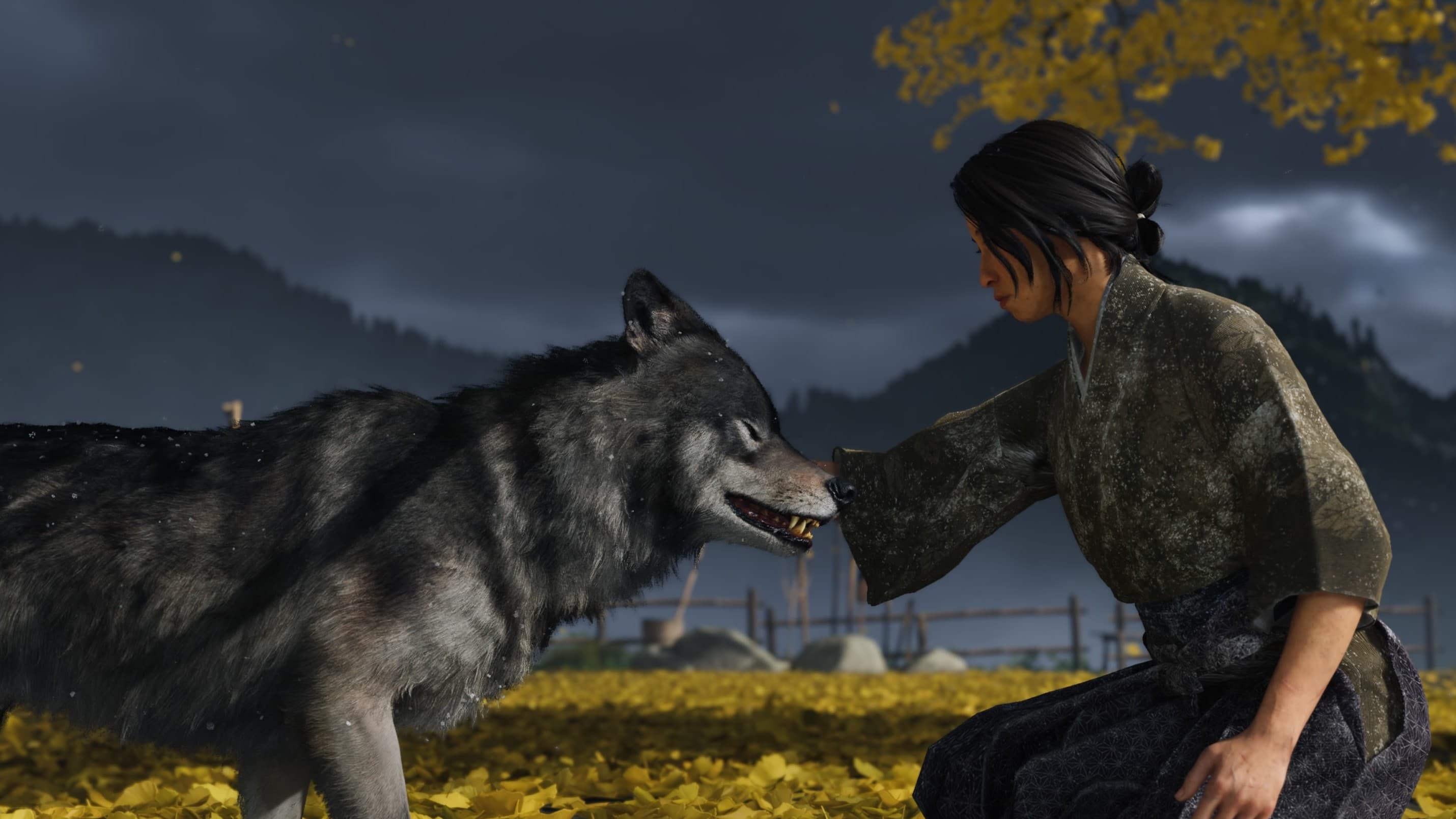
Among the new activities, sumi-e painting appeared, replacing the addition of haiku, a simple mini-game on the shamisen, a gambling game with coins, and several additional challenges — for example, battles with poachers, which help to strengthen the connection with the she-wolf, who can come to help in battle. However, from a gameplay point of view, this is still the same "gentleman's set" of collectible activities, not shining with original ideas.
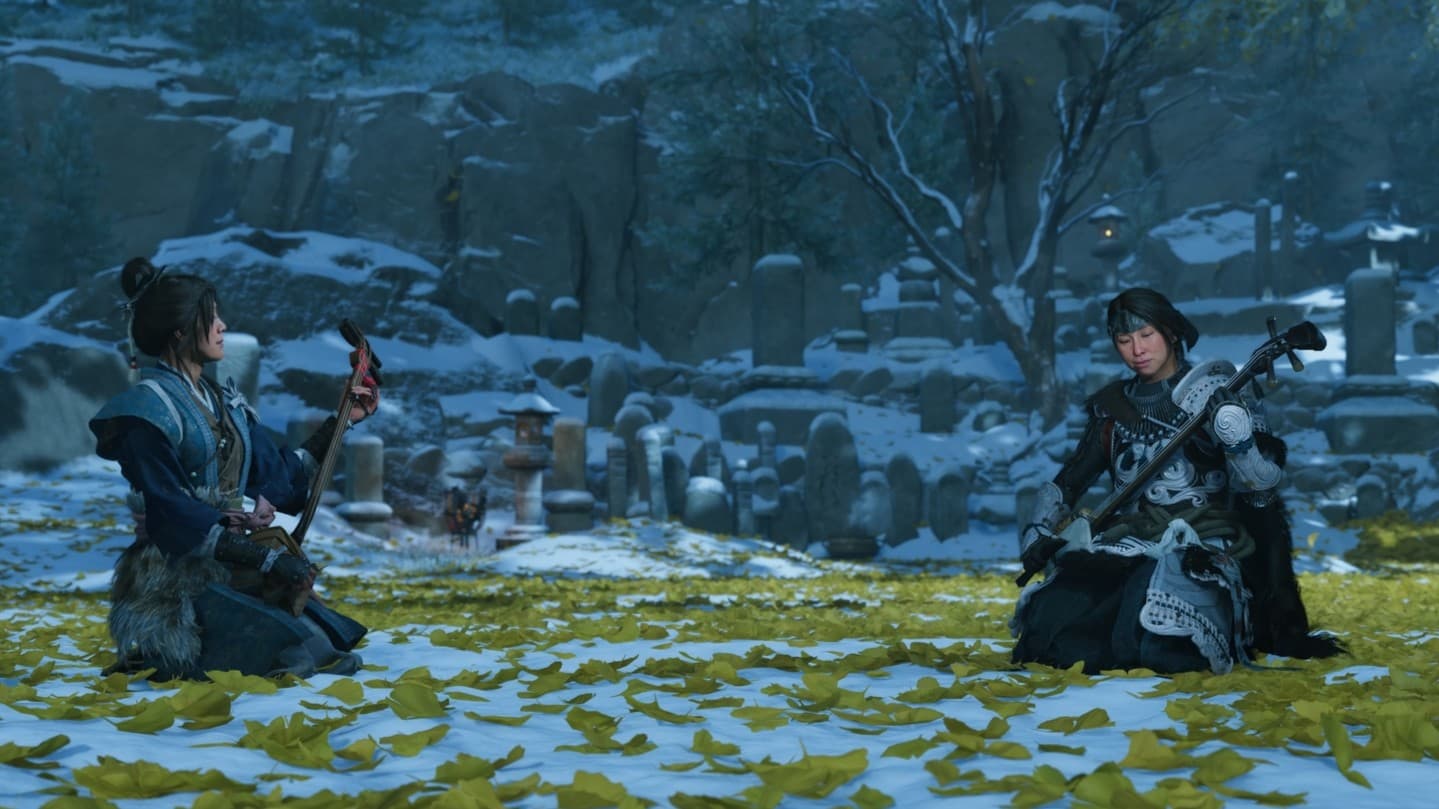
The developers boasted about the new "hook" system — claiming that important locations and events now have to be tracked down by following leads: eavesdropping on conversations, finding notes, extracting information about treasures or the location of the next target from enemies. In reality, conversations with NPCs simply place markers on the map, and the "hook" cards turn out to be nothing more than a veiled quest log.
As a result, the map eventually becomes even more cluttered with icons than in "Tsushima", as there are noticeably more activities, while the main plot, on the contrary, has become shorter. In addition, many key quests lead literally nowhere and are executed in the spirit of "your princess is in another castle": as soon as Atsu meets an opponent face to face, they invariably run away. Such scenes are repeated with enviable regularity, further blurring the narrative.
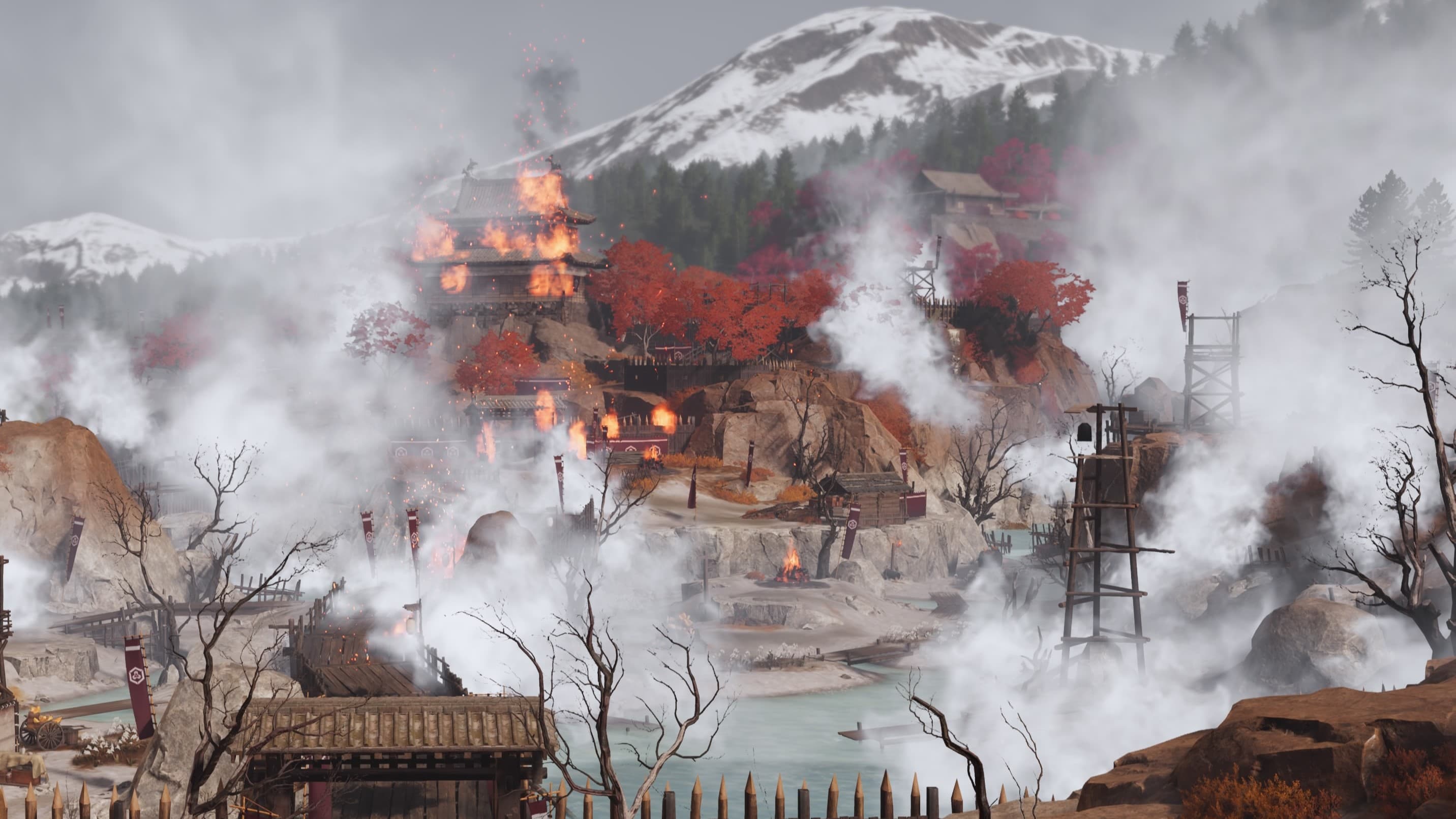
Illusion of Freedom
At the same time, the game cannot boast well-developed side quests. Most of them are built according to the same scheme: a short dialogue, an ambush, a stealth section or a fight with bandits, then another dialogue and the finale. It would seem that a special place should be occupied by missions related to obtaining new weapons and abilities. The developers really tried to give the process of expanding the arsenal additional meaning: the player has to complete tasks from masters of different schools, mastering the features of each weapon.
This is important for Yotei — the combat system is based on juggling weapons, and we will talk about this later — but even such missions are not able to truly surprise, because they are performed according to the same scheme and do not offer anything new. Chop bamboo, using only the left half of the gamepad, to "pump" the left hand and open the fight with two katanas? Sounds fun, but am I not chopping enough bamboo just by exploring the world?
Even where the writers try to give the tasks a personal touch, everything looks schematic. The stories of the characters end as abruptly as they begin, and are forgotten immediately after the completion of the quest. But what is really hard to forget — and what can no less destroy the immersion — is the total scriptedness of the world. Despite the attempt to create an illusion of freedom, everything here is subject to strict rules, and the more often you break them, the more clearly you see the seams.
Once, on the way to the quest, I came across a tea house, went inside, calmly drank tea in pleasant company, and then went out and activated the task, where it suddenly turned out that you can only get there secretly — hiding in a barrel to sneak up on the bandits.
Wandering merchants, who can be found both in the open world and in settlements, sometimes "wander" too quickly: you talk to one near the tavern, go outside the fence — and here he is already sitting by the nearest stone, laying out the goods. Sometimes the game seems overly caring and even intrusive, as if it considers the player unable to figure out anything on their own — and this causes bewilderment.
Nevertheless, if you like the methodical clearing of the open world and the process itself brings pleasure — welcome. The game does not suffocate with this at all, and the magnificent landscapes justify a measured journey from one point of interest to another. Personally, I messed around in this sandbox for fifteen hours a day and never felt tired. You just need to understand: in front of you is not a living world, but a carefully debugged, but still monotonous attraction, designed to slightly entertain the player who has wandered here. In many ways, it succeeds thanks to the amazing battles. Well... almost.
Rock, Paper, Scissors, Lizard, Spock
If there have been noticeable changes anywhere, it is in the combat system. Sucker Punch has done everything to make the fights feel even more intense, spectacular and bloody than in "Tsushima". The familiar formula remained at the base — melee combat, supplemented by "dirty" shinobi techniques, allowing you to distract, slow down or disrupt the opponent's series of attacks.
Now, instead of stances, the heroine owns several types of weapons, between which you can switch directly in battle. And this is not a formality — you have to change weapons constantly, because each of them is effective against another according to the principle of "rock, paper, scissors, lizard, Spock".
The katana is versatile and fast, but works best against its own kind. The odachi is designed for brutes, the kusarigama easily breaks shields and helps keep the crowd at a distance, the yari allows you to get owners of the kusarigama, and paired katanas turn an opponent with a spear into a helpless mannequin. And this is not a figure of speech — in the skills of paired katanas, you can really open automatic parrying of yari attacks.
Sometimes, however, the system seems counterintuitive: it is difficult to understand why a two-handed odachi or a pair of blades break through the defense worse than a regular katana. But you quickly get used to this illogicality — it works mechanically, and that's fine.
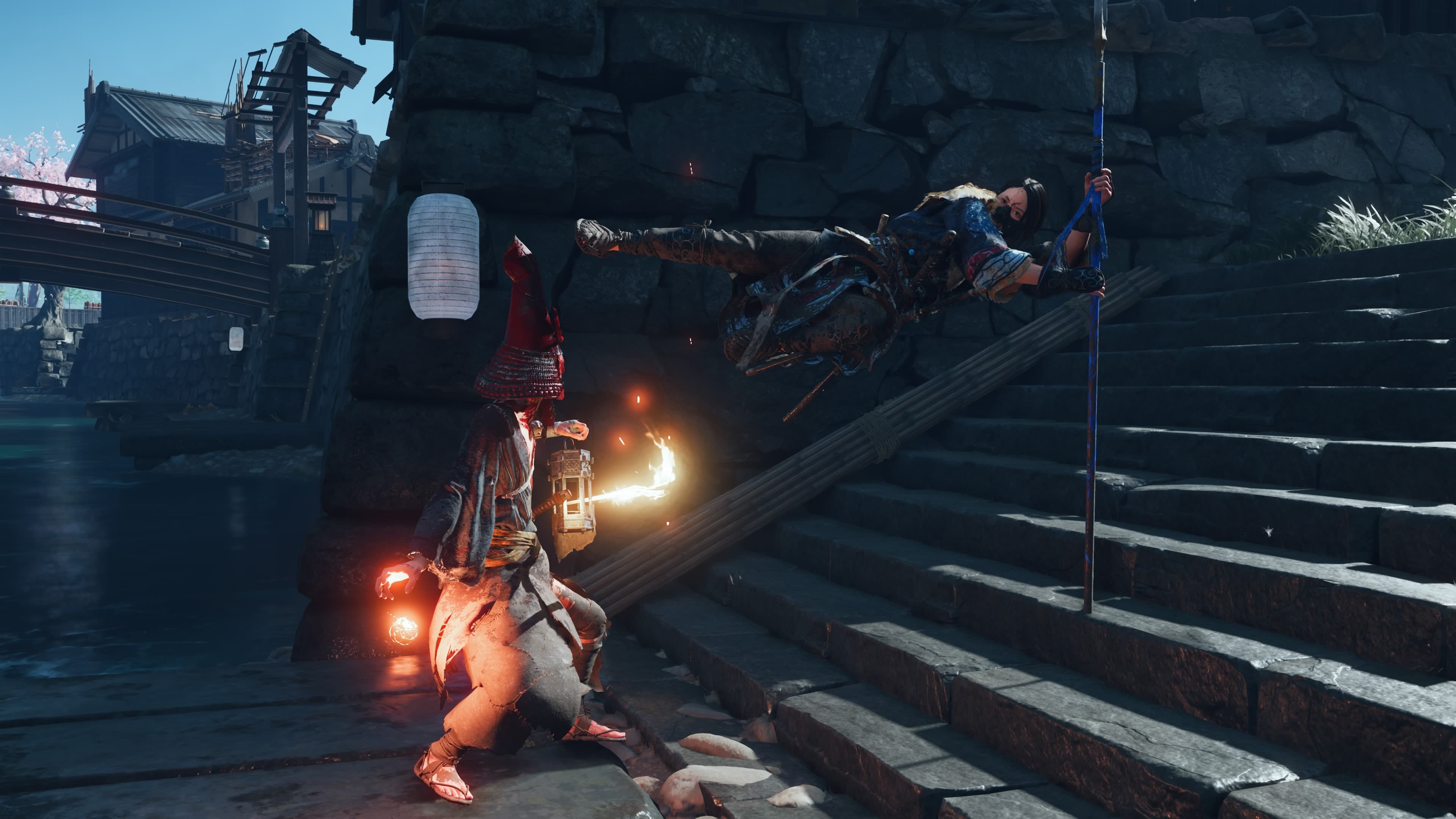
At the same time, it will not be possible to simply adapt to a specific opponent. Most bosses and elite enemies are able to change weapons right in the heat of battle — along with it, their style, pace and even attack distance change. You have to adapt on the fly, and sometimes it is no less frustrating than it is exciting. Especially if you consider that the game has equipment items that enhance the effectiveness of a particular weapon. As a result, you may need to change the set right in the middle of the battle, especially on high difficulties, where every, even the most insignificant bonus is important.
But sometimes these rules can be turned to your advantage. As before, enemy attacks are divided by color: blue ones can be parried or dodged, red ones can only be dodged, and now yellow ones have been added. They are especially dangerous — such a blow can knock the weapon out of Atsu's hands. However, a timely counterattack allows you to do the same with the enemy. Later, a skill opens that allows you to disarm the enemy at any moment — and this is one of the most pleasant innovations. You can knock out a sword, create a pause for a strike, or force the enemy to change weapons to a more "convenient" one for you.
Sometimes the mechanics allow you to act especially "cruelly": knock out a weapon, pick it up and throw it at the former owner — or simply throw it aside, leaving the enemy unarmed. In this case, the enemy, having lost his weapon, is forced to fight with his bare hands and, of course, is not able to oppose anything to your arsenal.
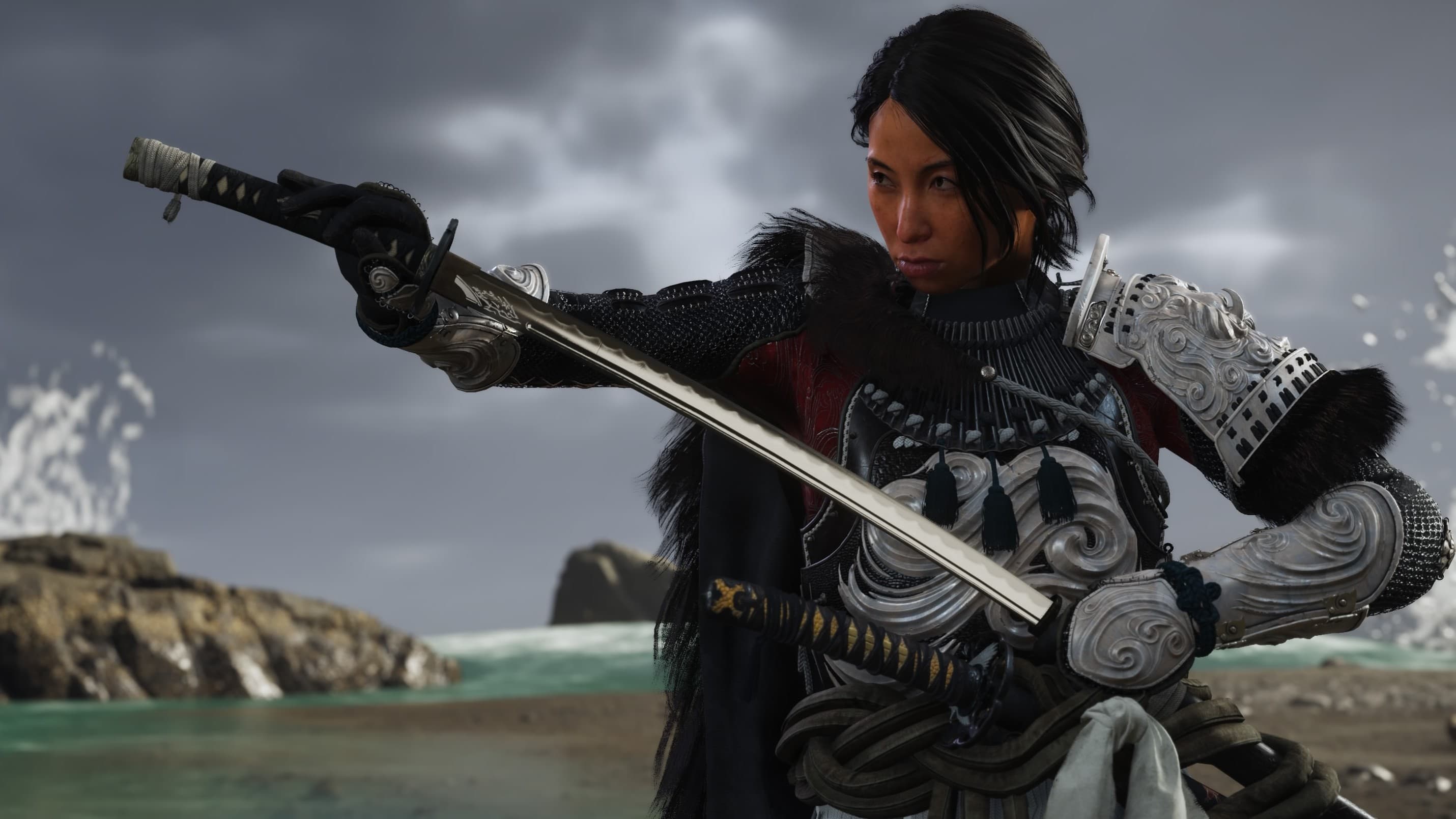
The mechanics of throwing a picked-up weapon is one of those innovations that noticeably revived the combat system and added dynamics to it, allowing you to build spectacular chains of attacks. But you can throw not only swords: even a drunk bottle of sake can immediately fly into the opponent's face, after which your wolf will pounce on him — if, of course, you have developed the necessary abilities in advance.
In addition, the setting allowed the authors to add two types of flintlock firearms to the arsenal: the Tanegashima rifle and the Tanjutsu pistol, which (hello from Bloodborne!) allows you to parry enemy attacks with an accurate shot. In combination with bows and shinobi tools — kunai, smoke, blinding and explosive bombs — this opens up room for improvisation and makes battles even more chaotic and spectacular.
The combat system is complemented by equipment sets, each of which slightly adjusts the style of play to specific preferences — somewhere it enhances stealth, somewhere it speeds up the accumulation of determination or increases damage from a certain weapon. However, as before, they do not have a significant impact on the build, although in combination with dozens of charms there is still room for experimentation.
Having properly mastered the local combat system, you can arrange truly bloody and enchanting shows in enemy camps — and at such moments Ghost of Yotei gives that rare feeling of strength and control, for the sake of which such action games are created at all.
On the edge of balance
However, at the maximum, "deadly" difficulty, the system begins to malfunction noticeably, since the level of difficulty here affects not only the damage inflicted by opponents, but also the parry window, as well as the frequency of enemy attacks. In theory, this should encourage skill, but in practice it often creates a sense of injustice. It happens that the animation of evasion does not have time to end, as a new attack already arrives in the back — and it is simply impossible to block it.
At the same time, the game gives enough tools to resist this, but sometimes it seems illogical: why should I wear a charm that increases the parry window if I can do the same in the settings? Another illusion instead of a real bonus.
In reality, the "deadly" difficulty level is more for enthusiasts who prefer hardcore challenges. You can try it, but it's not absolutely necessary. Fortunately, the game doesn't lock you into one difficulty level — you can change it right in the middle of a fight. Personally, I started on medium, then switched to deadly, and occasionally lowered the difficulty to high. Moreover, the game has a flexible customization system: you can, for example, set the damage to the "deadly" level to increase the price of error, but leave the parry window as on the medium or even low level, finding your balance between challenge and enjoyment of battles.
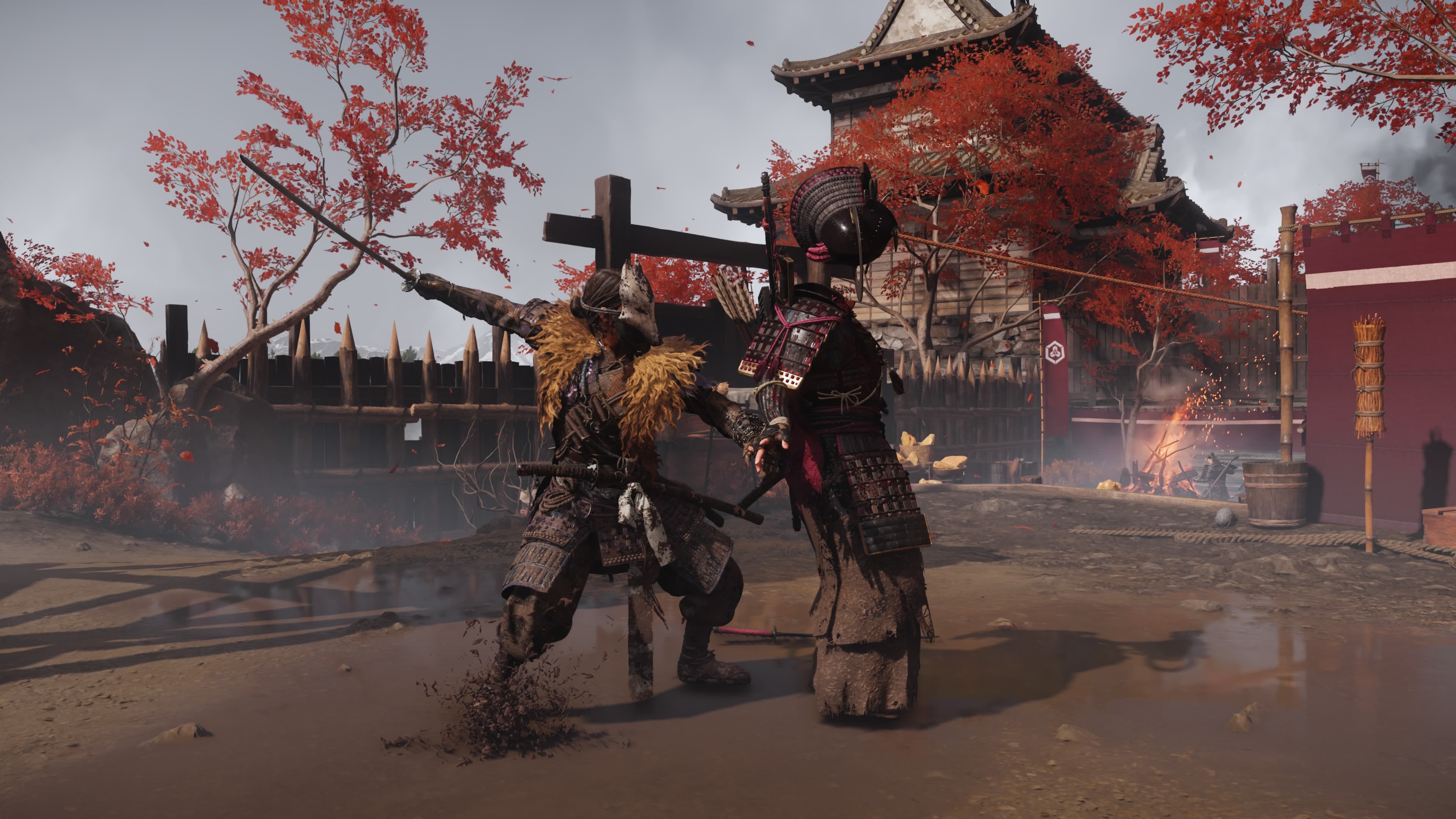
But stealth in Ghost of Yotei has hardly changed. It still occupies an important place in the structure of the game, but relies on familiar and proven mechanics that we have already seen dozens of times in action games of this type. Atsu can hide in tall grass, silently plunge a blade into the back, throw empty sake bottles to distract attention, shoot from a bow, commit ranged kills with a kusarigama, and even summon a wolf that helps eliminate several targets at once.
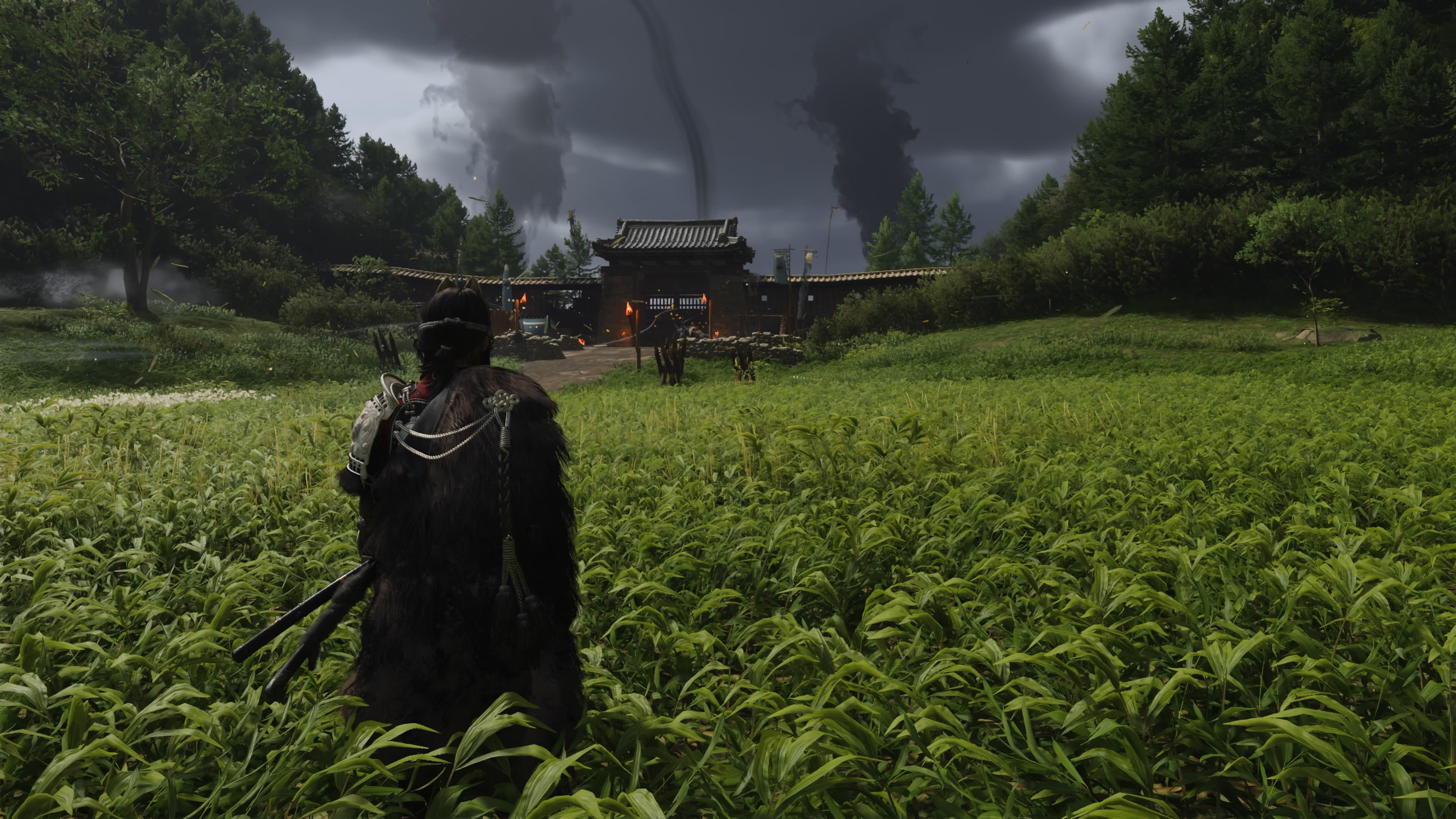
The artificial intelligence of opponents remained the same: short-sighted sentries are still just as blind and deaf, especially after pumping several specific skills and assembling a stealth build. The arcade stealth of Ghost of Tsushima was simple but stylish — and the same can be said about Yotei. At the same time, the game does not lock you into one style. Unlike Tsushima, where, as far as I remember, there were mandatory stealth segments with automatic failure upon detection, there is no such thing here. However, if you want to complicate your life, you can always raise the level of stealth difficulty to the maximum — this will not make opponents smarter and will not change their behavior, but will significantly increase the risk of careless play.
On the fingertips
At the level of execution, Ghost of Yotei looks like a typical Sony flagship — polished to a shine and confident in itself. On the base PS5, where I was playing the game, the project offers three modes: "Quality" with upscaling to 4K and 30 FPS, "Performance" — with 1440p (base 1080p) and 60 frames, as well as a mode with ray tracing — the same 1440p (base 1080p), but 30 frames per second. The difference between them is noticeable, especially if you prefer smooth gameplay, but even at 60 FPS the game looks great.
Visually, Ghost of Yotei is one of the most beautiful games of the generation. The project was developed exclusively for the PS5, which allowed to raise the bar of detail, although it did not bring the game to a new level. It still relies more on the power of art design than on technological accuracy, so it cannot be said that the graphics have made a revolutionary leap forward: rather, it is a work on errors and a pinpoint improvement of everything that was already good.
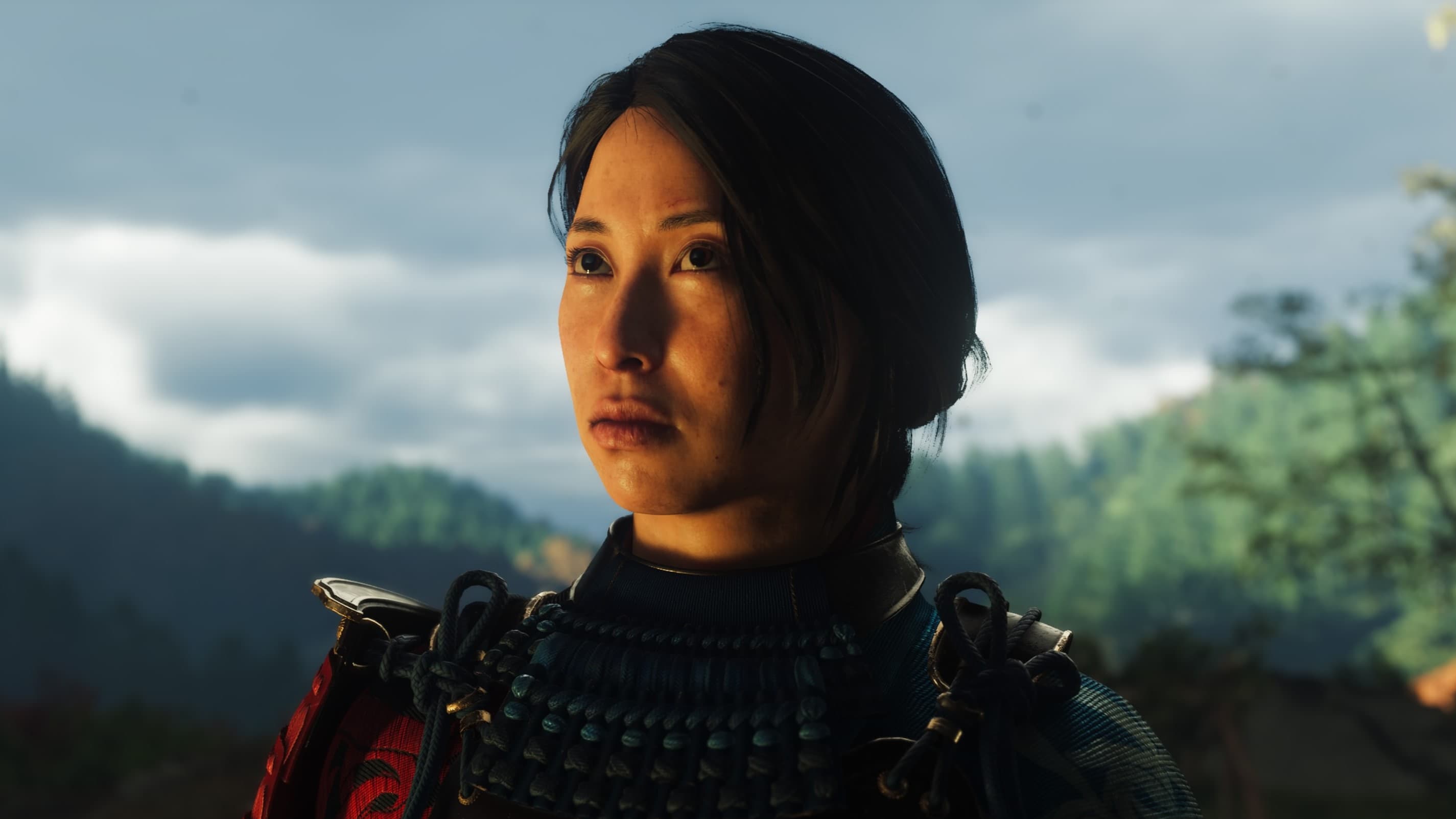
Yotei also reminds that it is not one of those Sony exclusives, the development of which costs hundreds of millions of dollars — and this is especially noticeable in facial animations. If in pre-rendered cutscenes and photo mode faces are made with high detail, allowing you to see even the reflection of objects in front of the heroine in her eyes, then in ordinary scenes the elaboration and facial expressions still look wooden and budget. In the end, only Horizon Forbidden West can afford to spend nine million dollars on one scene, while the entire Ghost of Yotei, according to preliminary estimates, cost about sixty million — and, I must admit, squeezes the maximum out of this budget.
The "musical" part of Ghost of Yotei also keeps the bar high. It sounds exactly as a mixture of samurai action and spaghetti western should sound — with an interweaving of ethnic and natural motifs, creating an incredibly authentic and atmospheric sound fabric.
Separately, it is worth noting the work of voice actors: the presence of professional Russian dubbing is something that Sony always wants to thank. How nice it is to hear Vsevolod Kuznetsov, Mikhail Belyakovich and other masters again, whose voices have long been imprinted in the hearts of players.
In terms of immersive features, Ghost of Yotei also goes further than Tsushima. You can treat the capabilities of DualSense as you like, but you can't deny that they work and can be fun. Tactile feedback perfectly emphasizes every action of the heroine, making the gameplay more tangible.
However, Sucker Punch decided to realize the potential of the controller to the fullest: during weapon improvement, a mini-mechanic of forging is sometimes activated — you need to wave the gamepad like a blacksmith's hammer, or rotate it to turn food over during cooking. Before that, you will have to light a fire, striking sparks on the touch panel, or blow into the microphone to fan the flame (the function is enabled in the settings).
All these actions are not mandatory and can be skipped; only drawing and playing the shamisen through the touch panel remain mandatory. But even they invariably cause a childish smile. No one knows how to work so subtly with vibration and adaptive triggers as Sony's internal studios — and Ghost of Yotei once again confirms this.
Diagnosis
Ghost of Yotei is a professionally tailored, beautiful and neat work of masters from Sucker Punch. But in 2025, it is no longer enough for a sequel to simply rely on familiar ideas to be called outstanding. The combat system has received competent development, the visuals please the eye, and the overall quality of execution remains at a high level.
However, the plot, the structure of the open world and secondary activities are stuck in the past. Even in 2020, after a series of monotonous adventures, this approach seemed exhausted — what can we say about 2025.
But if Ghost of Tsushima felt like something fresh because of the setting, then Yotei returns us to the already trodden path — to the circle that Sony has been wandering for more than a year: from Horizon Zero Dawn to Forbidden West, from God of War to Ragnarok and, finally, from Tsushima to Yotei.
All this is still spectacular, expensive, perfectly polished — but predictable and secondary. This is a vicious circle, where scales grow and technology is polished, but not ideas. And therefore, the new project will inevitably cause another wave of jokes about "DLC for 70 dollars". However, it is pointless to deny the charm of this formula. It has its own magic and its own fans — including me. Sometimes I sincerely miss these "hide and seek in the grass" from Sony, and Yotei fully satisfied this need. But, like the mentioned sequels, she failed and, perhaps, will no longer be able to surpass the original — partly because of a more bland story, partly because of the very curse of sequels to hits of the PlayStation 4 era.
If you loved Ghost of Tsushima and missed the meditative wanderings in the open world, Yotei will give you dozens of hours of contemplative pleasure and spectacular duels. But if you expect fresh ideas and vivid emotions from the sequel, then there is a great risk that you will leave this campaign with a gallery of beautiful screenshots — but without real memories of this adventure.
Pro
- Great art design
- Atmospheric soundtrack
- Spectacular battles
- High-quality dubbing
Contra
- Predictable plot
- Monotonous quests
- Beaten activities
- Lack of fresh ideas




![[СТРИМ] World of Warcraft - The State of Azeroth [20:00] + Nioh 3 Demo](https://media.ixbt.site/312x192/smart/ixbt-data/1115237/01KG5A3YYSK262GBWKRRP8Z8G7.jpg)